
- Email yeldocollegesmd@gmail.com
- CALL +91 98461 10506 +91 98468 77776
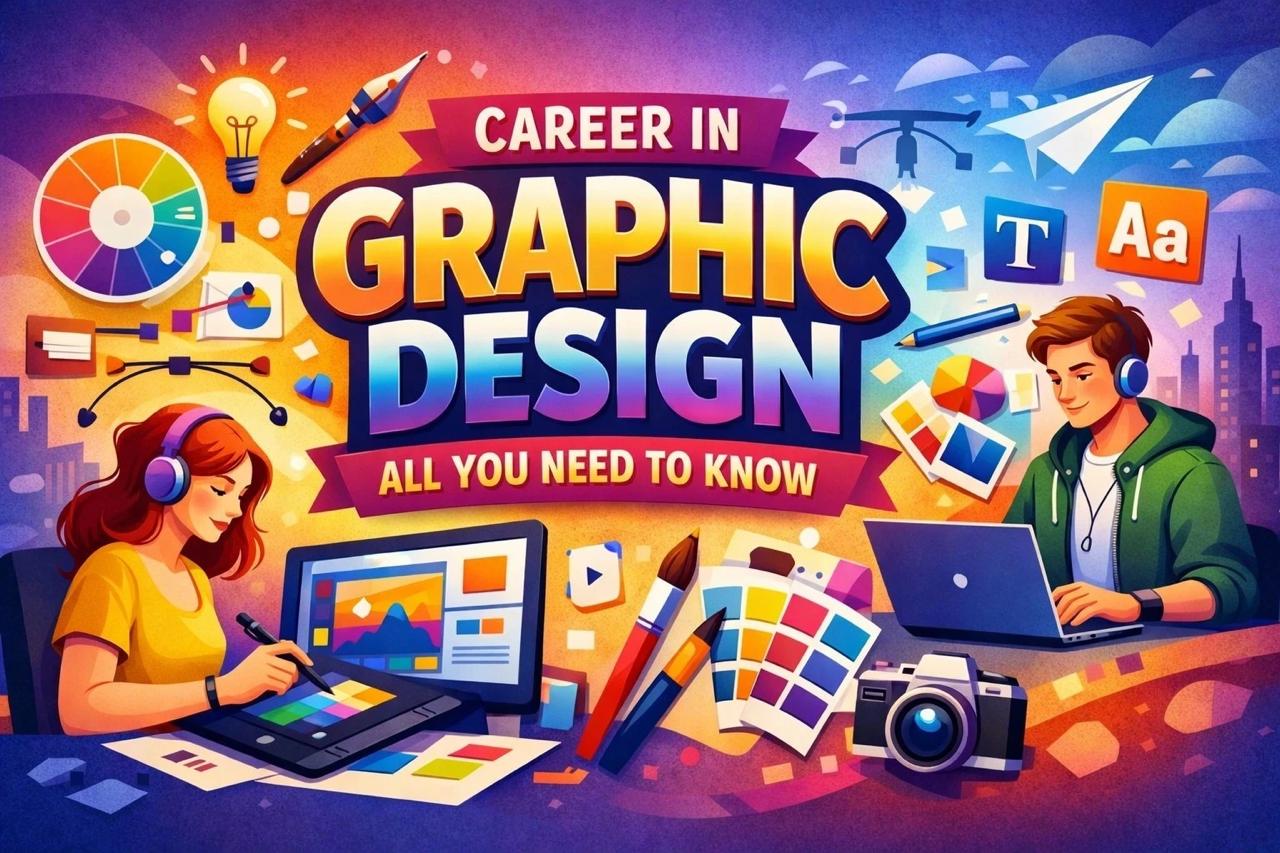
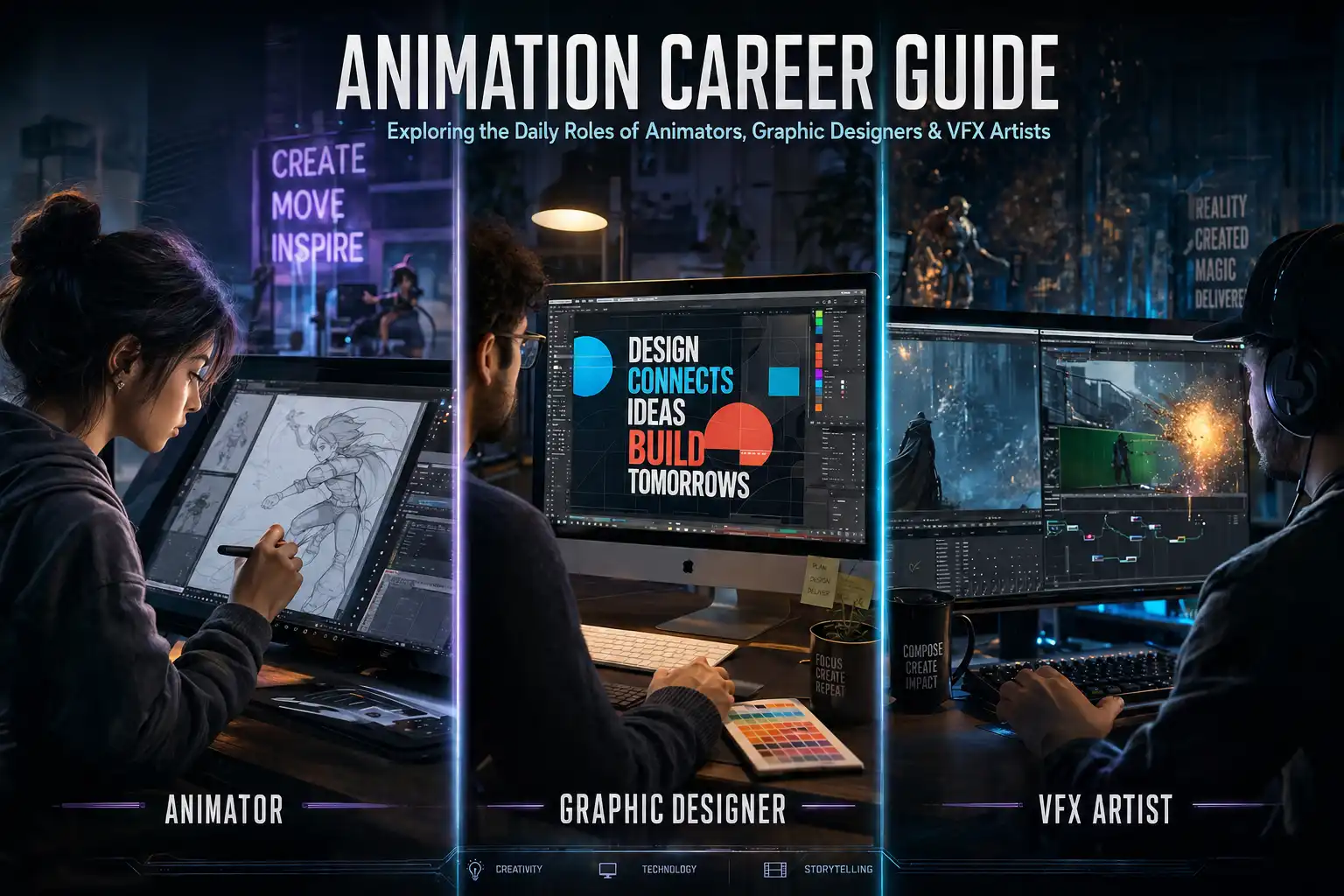
A career in graphic design is a strong choice for students who like art and technology. A graphic design course teaches how to communicate ideas through visuals like posters, logos, websites, and social media posts. This field is growing because businesses, media companies, and tech teams need clear and attractive visuals. In India, many job portals list thousands of graphic design vacancies every month, showing a steady rise in demand. This article explains the basics of graphic design, what a graphic designer does, the skills needed, and how students can build a successful career.
A graphic designer uses visual design to convey specific messages through their work. Their main purpose is to create designs which make information easier to comprehend and more visually appealing. Their work requires them to use creative skills and design software to create visual solutions for both print and digital media. A graphic designer needs to combine artistic concepts with technical requirements which include image formats and typography rules and layout standards.
The daily activities of a designer are different every time based on the present project and the structure of the organization. The designers will spend some days creating fresh designs while dedicating other days to work on project updates and complete project delivery. The work requires designers to collaborate with others while they also complete their design assignments individually.
Daily Activities
● Client discussions – Talk with clients to understand their needs, brand style, and project goals.
● Concept development – Plan ideas and sketch rough layouts before starting the final design.
● Design creation – Create the actual visual work using design software like Photoshop or Illustrator.
● Revisions – Make changes based on feedback until the design matches the client’s expectations.
● Final delivery – Prepare the final files and send them in the correct format for print or digital use.
These tasks show that a graphic designer’s work is a mix of creativity, planning, and technical execution.
Graphic designers work in multiple sectors which extend beyond their employment in creative agencies. Any company that needs to create visual content for communication purposes must hire a designer.
1.Advertising & The Digital Marketing Agencies – Design campaign visuals, ads, and branded items.
2.Software Companies – Designers work on app graphics, UI elements, and product illustrations.
3.E-commerce & Retail – They design product images, banners, and catalog layouts.
4.Media & The Entertainment – Designers working in graphics make possible to create video graphics, posters, thumbnails, etc
5.Branding in Corporate & Services in Design – Annual reports, brochures, and brand guidelines are things for which companies hire graphic designers.
6.Design Firms – These firms handle design projects for multiple clients, offering varied work.
Graphic design is not limited to creative agencies; many corporate teams also hire designers for regular visual communication needs.
A graphic design job description explains the purpose, main responsibilities, required skills, and expected deliverables. It provides information about design tools which the designers will use and describes the work environment and team composition and the necessary experience level for the job. This information enables candidates to comprehend the job requirements and their responsibilities.
Responsibilities
● Understand ideas, messages, and goals that need to be communicated visually
● Convert concepts into clear and engaging visual designs
● Create designs for both digital platforms and physical materials when required
● Work closely with teams or clients to refine ideas and improve visual output
● Maintain consistency in style, colors, and typography across all designs
● Update and improve designs based on feedback and changing requirements
● Organize design files and manage tasks within given timelines
Deliverables
● Visual designs that support branding and communication needs
● Digital creatives for websites, social media, and online campaigns
● Print-ready designs such as posters, flyers, or brochures
● Logo concepts and supporting brand elements
● Visual layouts, illustrations, or graphics prepared for final use
Job descriptions may vary depending on the company size and industry, so the role and responsibilities can change from one organisation to another.
Graphic design requires both technical skills and soft skills. A good designer should handle software tools and also communicate ideas strongly.
Technical Skills
● Ability to use design software for creating and editing visual content
● Understanding of color theory, typography, layout, and composition
● Knowledge of digital and print design requirements
● Basic understanding of branding and visual identity
● Skills in image editing, illustration, and layout design
● Awareness of file formats, resolutions, and export settings
Soft Skills
● Creativity and the ability to think visually
● Communication skills to understand and explain ideas clearly
● Attention to detail and design accuracy
● Time management and the ability to meet deadlines
● Adaptability to feedback and changing requirements
● Problem-solving skills to turn ideas into effective designs
Skills improve through consistent practice and real-world experience. As individuals apply what they learn to actual projects, they become more efficient, confident, and capable of making informed decisions. Each experience builds on the last, allowing skills to develop naturally over time while strengthening both understanding and performance.
Graphic designers start their professional journey through junior positions which lead to higher positions after they gain work experience in their field. Designers who want to improve their abilities can choose from various specialized fields which include branding and UI/UX design and motion graphics and illustration and packaging design.
● Junior Graphic Designer – Assists senior designers, works on basic tasks and layouts.
● Graphic Designer – Handles full design tasks and client briefs.
● Senior Graphic Designer – Leads projects and guides junior designers.
● Visual Designer – Focuses on visual appearance for websites and apps.
● UI Designer – Designs user interface elements and screen layouts.
● UX Designer – Works on user experience, usability, and flow.
● Brand Designer – Creates logos, brand guidelines, and identity systems.
● Motion Graphic Designer – Works on animations, video graphics, and motion content.
● Illustrator – Produces custom illustrations and drawings.
● Packaging Designer – Designs product packaging and labels.
● Art Director – Manages design teams and guides visual direction.
● Creative Director – Oversees creative strategy and design direction across projects.
Formal education can be very helpful for aspiring graphic designers, though it is not always required. It provides a solid understanding of design principles, typography, color theory, and industry tools. Structured learning, expert guidance, and regular feedback help designers build strong skills, improve confidence, and prepare for professional work more effectively.
A bachelor’s degree provides a strong foundation in design principles, typography, and visual communication. Many students choose the best graphic design college in Kerala or enroll in BA graphic design colleges in Kerala to benefit from structured learning, hands-on training, and industry-focused education.
These courses focus on core design skills and help students learn quickly for entry-level roles.
These programs teach specific design areas like UI, motion graphics, or branding in a shorter duration.
Online learning allows students to study at their own pace and build a portfolio through practice.
These certifications prove your ability to use tools like Adobe Photoshop, Illustrator, and InDesign.
These certificates show your skills in digital graphics, social media design, and visual storytelling
These certifications help you learn user interface design or animation skills for modern digital projects.
Graphic design training begins from fundamental skills and progresses through continuous practice until complete mastery is achieved. Students acquire design knowledge through learning design principles and software tools and then they must create projects which will form their professional portfolio along with their internship and freelance work experience.
Step-by-Step Process
1.Learn the basics of graphic design – Start with basic design concepts like colour, typography, and layout.
2.Understand design principles and visual communication – Learn how visuals communicate messages clearly and effectively.
3.Learn graphic design software – Practice tools like Photoshop, Illustrator, and InDesign.
4.Practice design regularly – Design daily or weekly to improve skills and speed.
5.Create personal and academic projects – Work on real projects to build practical experience.
6.Build a strong design portfolio – Collect your best work in a portfolio that shows your style.
7.Gain practical experience through internships or freelance work – Take internships or small freelance jobs to learn industry work.
8.Apply for entry-level graphic design roles – Start applying for junior designer positions once your portfolio is ready.
9.Continuously upgrade skills and follow industry trends – Keep learning new tools and design trends to stay updated.
The career paths of graphic designers do not follow a straight path because designers move between their various job functions which include branding and UI design and motion graphics and leadership roles.
Graphic design has both difficulties and possibilities. The field requires intensive work yet provides numerous opportunities for professional development.
Challenges
● Meeting tight deadlines – Designers often work under strict timelines for project delivery.
● Handling frequent revisions and feedback – Designs may need multiple changes based on client or team input.
● Keeping up with changing design tools – New software updates and features require regular learning.
● Managing creative blocks and pressure – Designers may sometimes struggle to generate ideas under stress.
● Balancing client expectations with design quality – Client demands may not always match good design practices.
Opportunities
● High demand across multiple industries – Many sectors need graphic designers for visual communication.
● Scope for creativity and self-expression – Designers can express ideas visually through different projects.
● Flexible work options including freelance and remote roles – Many designers work independently or from home.
● Continuous learning and skill growth – Designers keep improving through practice and new projects.
● Opportunities to specialize and advance into senior roles – Experience allows designers to move into specialised or leadership positions.
Graphic design provides ongoing employment opportunities which present actual difficulties to professionals who must develop their abilities through continuous learning and practical experience while they receive feedback throughout their careers.
1.What are the career options in graphic design?
Graphic design provides job opportunities in multiple fields which include branding and advertising and UI/UX and motion graphics and packaging and additional fields
2.Can graphic designers work from home or freelance?
Yes, graphic designers are able to work from home and freelance because they can finish projects which include logo design and social media creatives and website graphics through remote work.
3.Is graphic design a good career for students?
Yes, students can start with a best graphic design college in kerala and build skills through projects and internships.
4.What skills are required to become a graphic designer?
The important skills required for design work include software design knowledge and typography skills and colour theory expertise and creative abilities and communication skills.
5.How long does it take to become a graphic designer?
The time required for students to attain professional expertise depends on their chosen learning path yet most students need 1 to 3 years of study and practice to achieve this goal.
A career in graphic design suits students who enjoy visual thinking, creativity, and practical learning. This field offers steady opportunities across industries through skill-based growth and project experience. Choosing a structured graphic design course helps students understand design principles, tools, and professional workflows. Studying at Yeldo Mar Baselios College, the best graphic design college in Kerala or joining our graphic design courses in Kerala supports strong portfolio building and job readiness. Students pursuing a graphic design course in Kerala can build a highly successful career in graphic design.
Contact Yeldo Mar Baselios College now to begin your design career with expert training, real projects, industry exposure, and strong career support today.
Tags: Career in Graphic Design, Graphic Design Career Guide
September 22, 2026
September 22, 2026
September 22, 2026
September 22, 2026
September 21, 2026
September 21, 2026
September 21, 2026
September 21, 2026
September 07, 2026
September 07, 2026
August 29, 2026
August 29, 2026
August 28, 2026
August 28, 2026
August 28, 2026
August 28, 2026
July 27, 2026
July 27, 2026
July 27, 2026
July 27, 2026
July 25, 2026
July 25, 2026
July 25, 2026
July 25, 2026
June 27, 2026
June 27, 2026
June 27, 2026
June 27, 2026
June 27, 2026
June 26, 2026