
- Email yeldocollegesmd@gmail.com
- CALL +91 98461 10506 +91 98468 77776
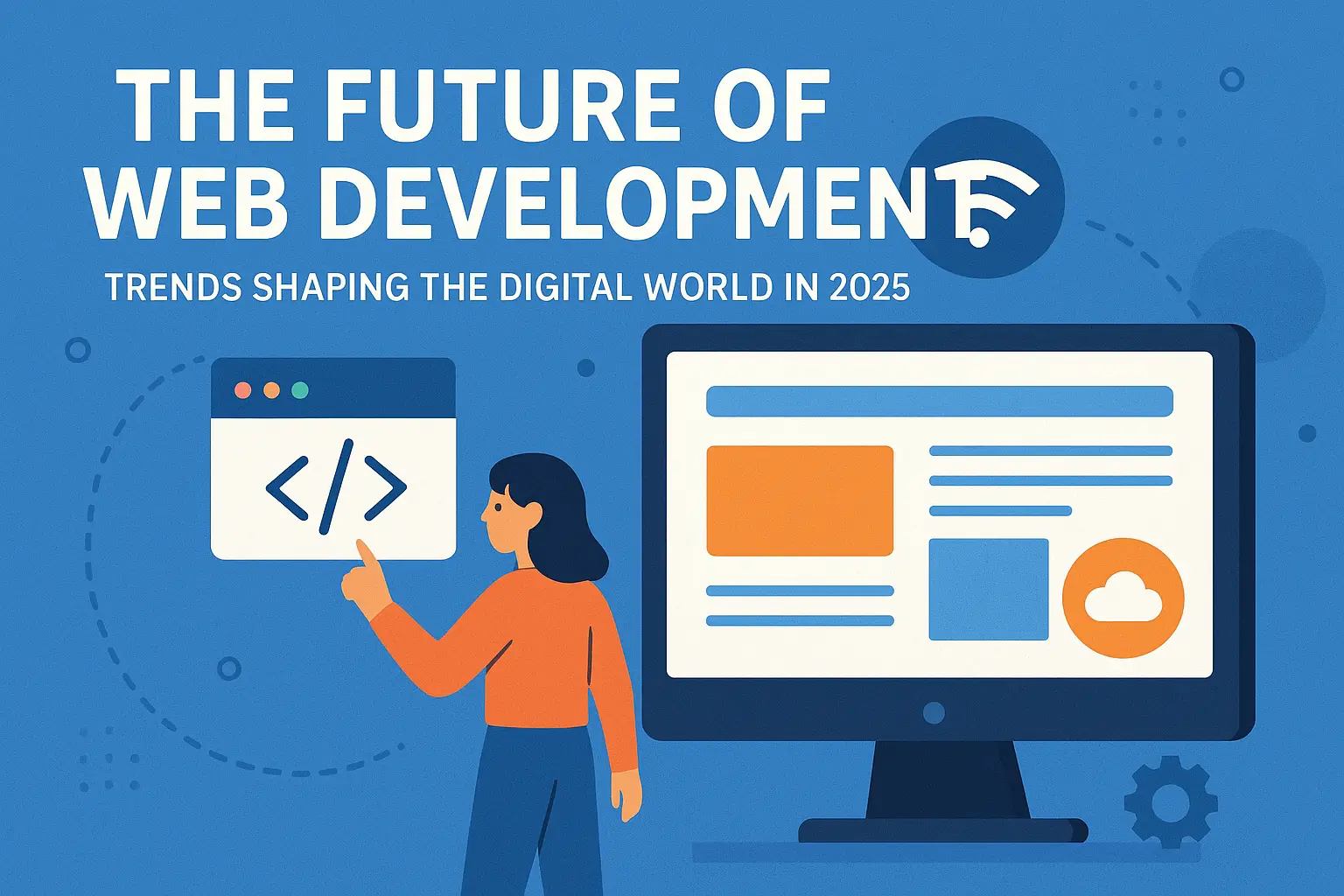
The modern web has grown far beyond static documents; it's about an adaptive, intelligent, and predictive environment that understands user behavior and delivers personalized experiences. The digital world in 2025 will be characterized by digital transformation, AI-powered interactions, and deeply interconnected systems that form the core of modern business ecosystems.
This transformation only reflects how fast technology is changing and how businesses are evolving in adaptation. The web can no longer be considered static-it learns, optimizes, and reacts. Developing an understanding of the future of web development and the web development trends 2025 will become highly important for developers and organizations looking to stay relevant in the competitive digital-first landscape.
Artificial Intelligence and Machine Learning have now become the keynote of modern web technologies. These are no longer optional upgrades but have turned into key features, boosting efficiency, user experience, and development workflows.
GitHub Copilot, OpenAI's Codex, and Tabnine help developers by AI code generation. That enables a developer to lessen time on rote activities and free up more time to solve strategic problems. Wix ADI and Zyro automate the generation of layouts, content, and design elements to support generative content creation at scale.
The strong points of AI are the delivery of personalized content and AI-driven personalization. Companies like Netflix rely on predictive models that chart user journeys to craft experiences in real time. Meanwhile, AIOps enhances operations by detecting anomalies and predicting system failures, with suggestions for fixes, creating smoother and smarter development workflows.
Speed, scalability, and modularity are the hallmarks of the next generation in modern web architecture. The change is propelled by Jamstack, enabling fast, secure web experiences using JavaScript, APIs, and Markup via a decoupled approach.
Next.js, Hugo, and Shopify's Hydrogen are but a few of the available frameworks that allow for instantaneous loading and stronger performance by pre-rendering the content with fewer server-side dependencies.
Progressive Web Apps (PWAs) have emerged as a go-to solution for mobile-first development. Some of the popular companies making use of PWAs are Twitter Lite, Starbucks, Uber, and Spotify. These brands take up PWAs for their offline functionality, push notifications, and seamless native app-like experience.
Strapi, Contentful, and Sanity are the solutions to help companies provide consistent content for every imaginable digital touchpoint. API-first design supports omnichannel strategies and facilitates branding consistency across websites, applications, IoT, and others.
Companies like Stripe rely on microservices to provide modularity and reliability. This enables quicker deployments, much larger systems, and vastly better maintainability, making scalable architectures really practical.
New tools and technologies are focusing on accessibility and speed, making the realm of web development more inclusive and high-powered.
These include Webflow, Bubble, OutSystems, Zapier, and Make; they democratize development by making it possible for nontechnical people themselves to build applications visually. The tools speed up rapid prototyping, and teams test their ideas without waiting for traditional development cycles.
The reason Tailwind CSS is at the leading edge of frontend development is its utility-first CSS approach, making styling much easier by using predefined classes, reducing custom CSS, and improving consistency and speed in creating user interfaces.
WebAssembly, backed by Mozilla, Google, and Microsoft, and aiming for near-native execution speeds, enables complex applications to run in browsers. Developers can use languages like Rust and C++ to develop sophisticated tools such as 3D editors, games, and data visualization engines that easily run in a browser.
With 5G adoption broadening across the globe, bandwidth-intensive applications such as AR, VR, and collaborative real-time tools become increasingly practical, yielding a more immersive, high-performance web with low latency and enhanced user interactions.
Security shifts from an afterthought in defense to a basic necessity as cyberattacks become more and more complex.
Instead of handling security after deployment, DevSecOps integrates security directly into every stage of development. Tools like Snyk, Checkmarx, and Splunk help with finding vulnerabilities early on and embracing a security-first mindset.
Blockchain, Web3, and Decentralized Web Applications (DApps) lead in the development of tamper-proof security and transparency in digital ecosystems. Ethereum, Polkadot, and Microsoft ION are enabling decentralized identity, digital ownership, and secure financial transactions.
Regulations like the GDPR and DMA make it imperative for developers to put privacy, compliance, and ethical data collection first. Thus, the building of zero-trust and privacy-first strategies in systems has become a critical responsibility in web development.
The rapid evolution of digital technologies has widened the skill gap where a developer now has to make use of advanced tools, frameworks, and architectural thinking.
With modern languages on the rise, Java relevance remains the enterprise backbone for sectors such as banking, FinTech, and government systems. Frameworks like Spring Boot and Quarkus dominate large-scale backend development and microservices.
Rust excels at memory safety and system-level programming, whereas Go leads in cloud-native applications because of its speed and concurrency model. Both languages drive innovation within cloud-native architecture.
As AI increasingly becomes part of development workflows, prompt engineering is rapidly becoming an important skill for developers, who should learn how to command AI systems and leverage them for the automation of even very complex tasks.
Among the key building blocks for scalable feature-rich applications in 2025 are Node.JS, Deno, React.JS, Svelte, Qwik.JS, and container orchestration tools such as Kubernetes.
Preparing for the future, the future of web development is defined by innovation, intelligence, and adaptability. The modern developer will have to be more than a coder; rather, they must be strategists, designers, and AI integration specialists who can work with automation, cloud-native systems, and security-driven architectures.
To students and emerging professionals: continuous learning is your greatest advantage. Explore AI-powered tools, build with modern frameworks, and experiment with LCNC platforms to enhance agility and creativity. The ability to adapt is the key to maintaining a competitive edge, achieving career growth, and consistently upskilling.
If you’re ready to start a successful career in web development, Yeldo Mar Baselios College stands out as a top web designing college in Ernakulam. The program offers extensive hands-on training in Angular 4, MongoDB, and Python, ensuring students build a strong foundation in modern and future-ready technologies.
Tags: future of web development 2025,web development trends 2025,
September 22, 2026

September 22, 2026
September 22, 2026

September 22, 2026

September 21, 2026

September 21, 2026
September 21, 2026

September 21, 2026
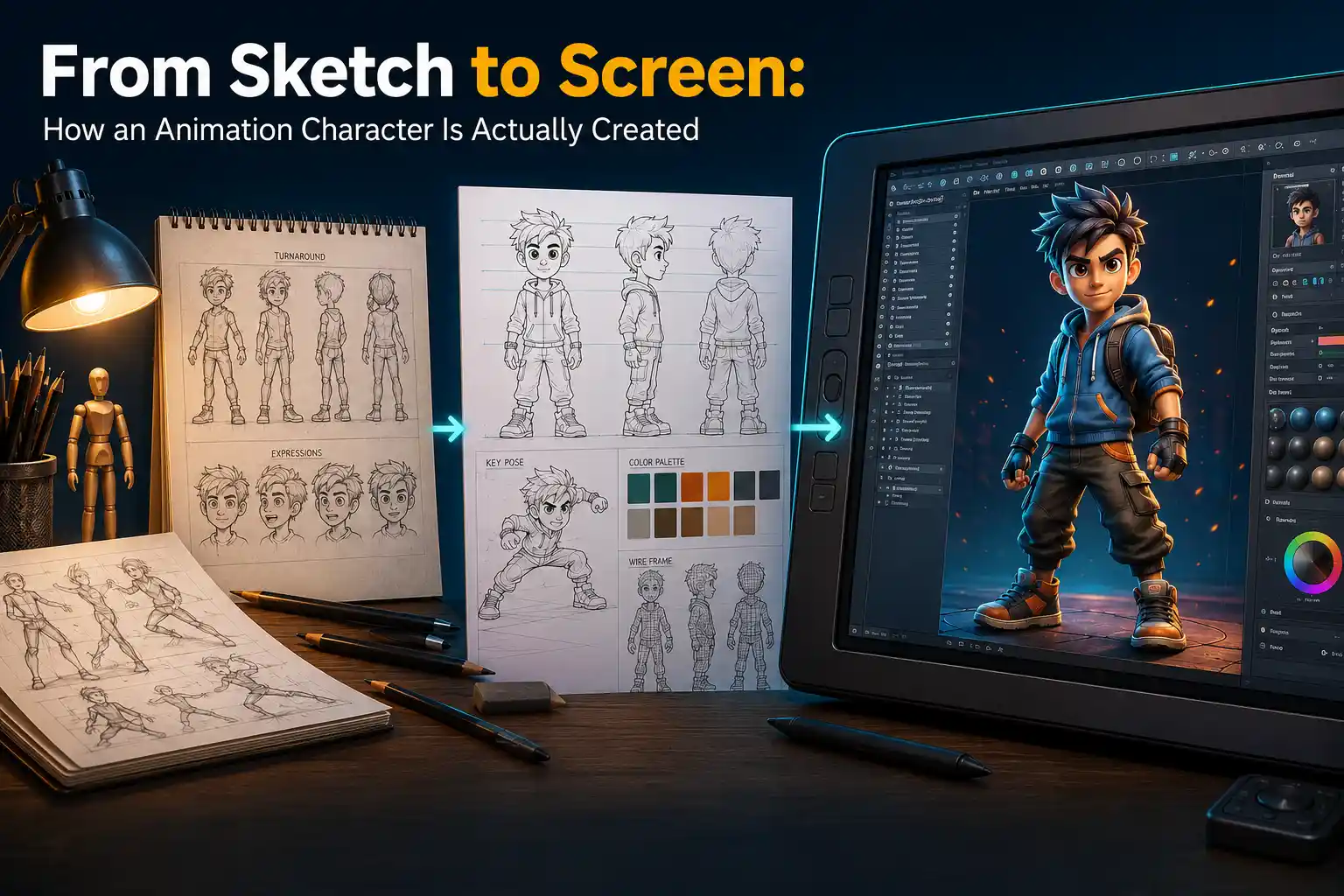
September 07, 2026
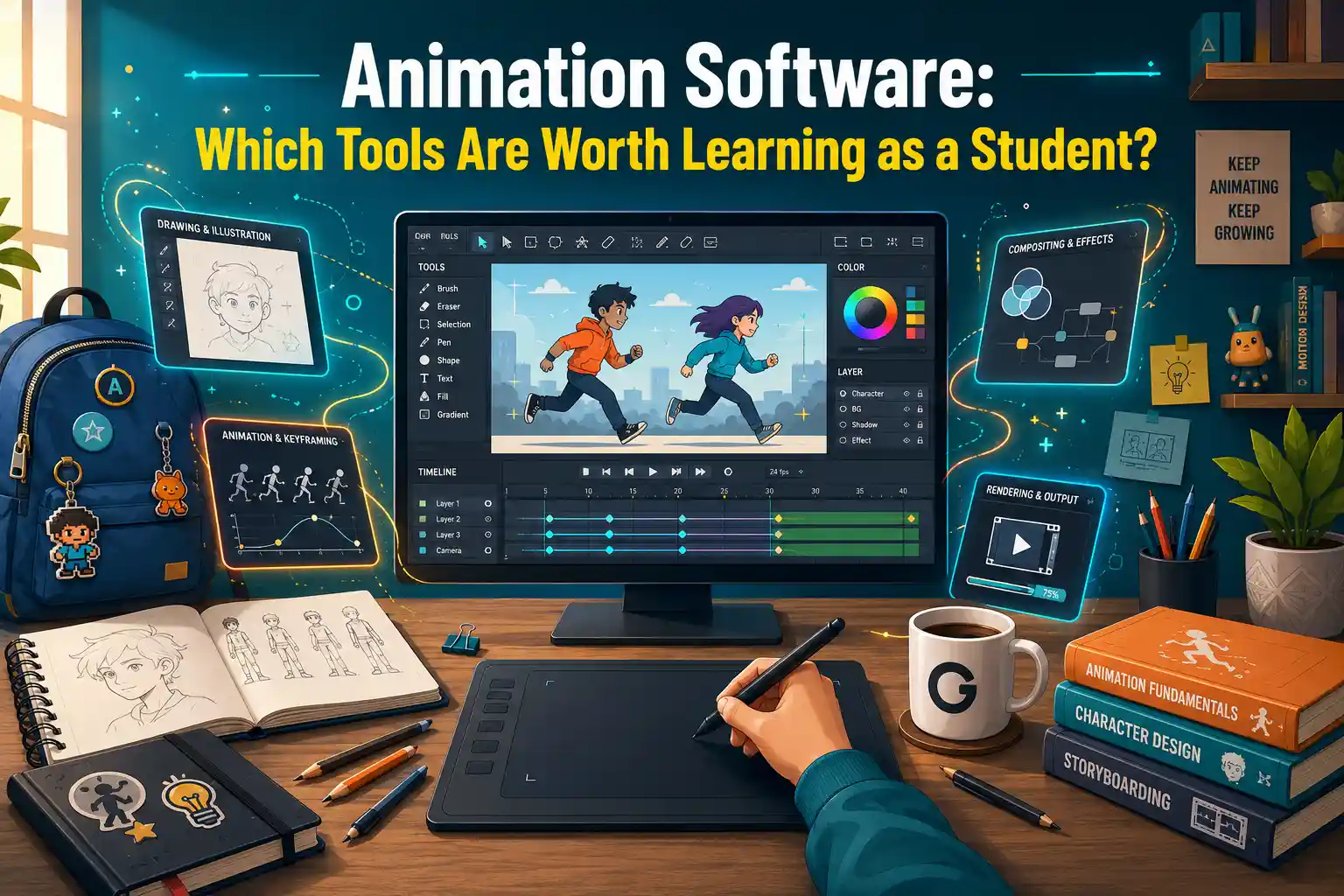
September 07, 2026
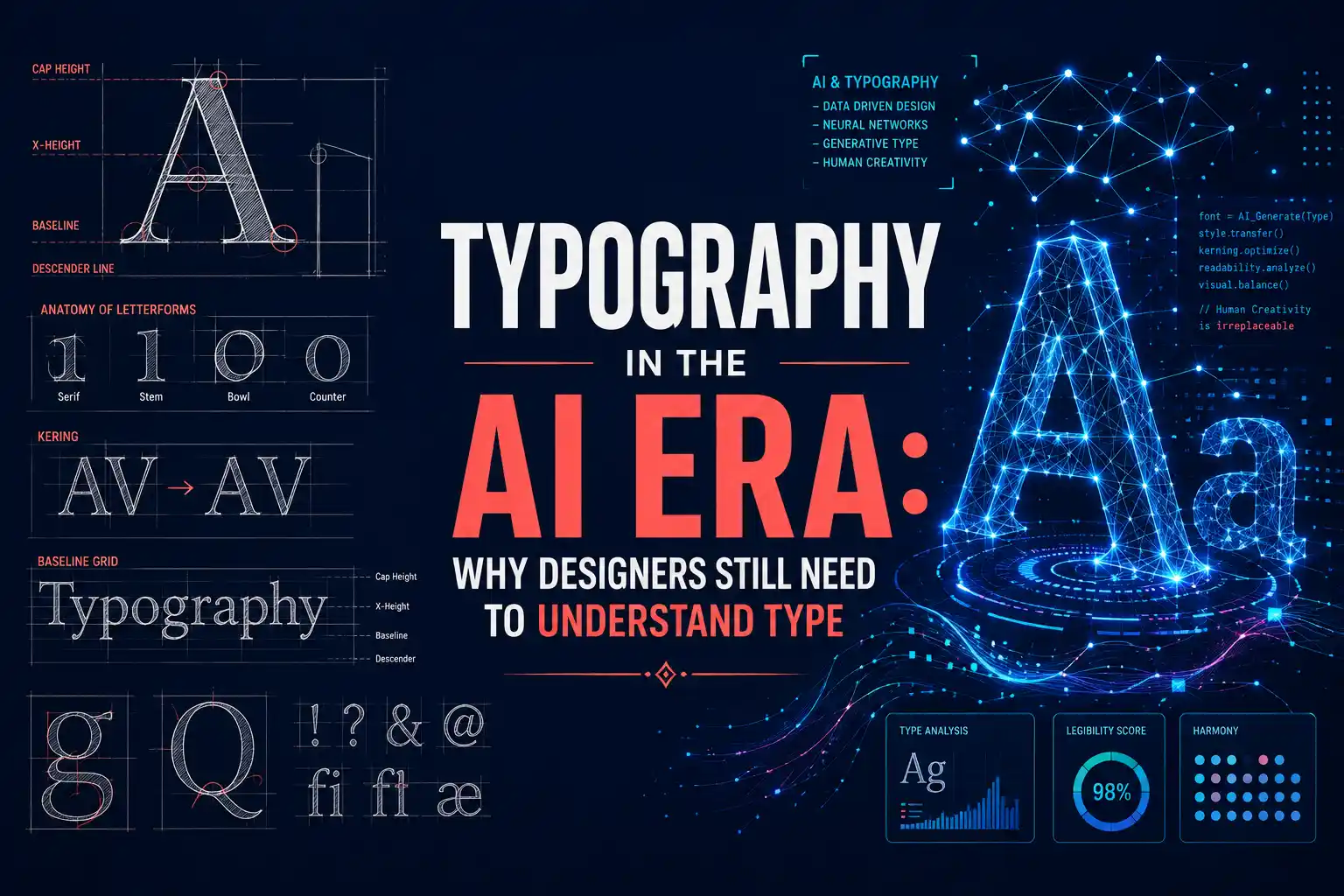
August 29, 2026
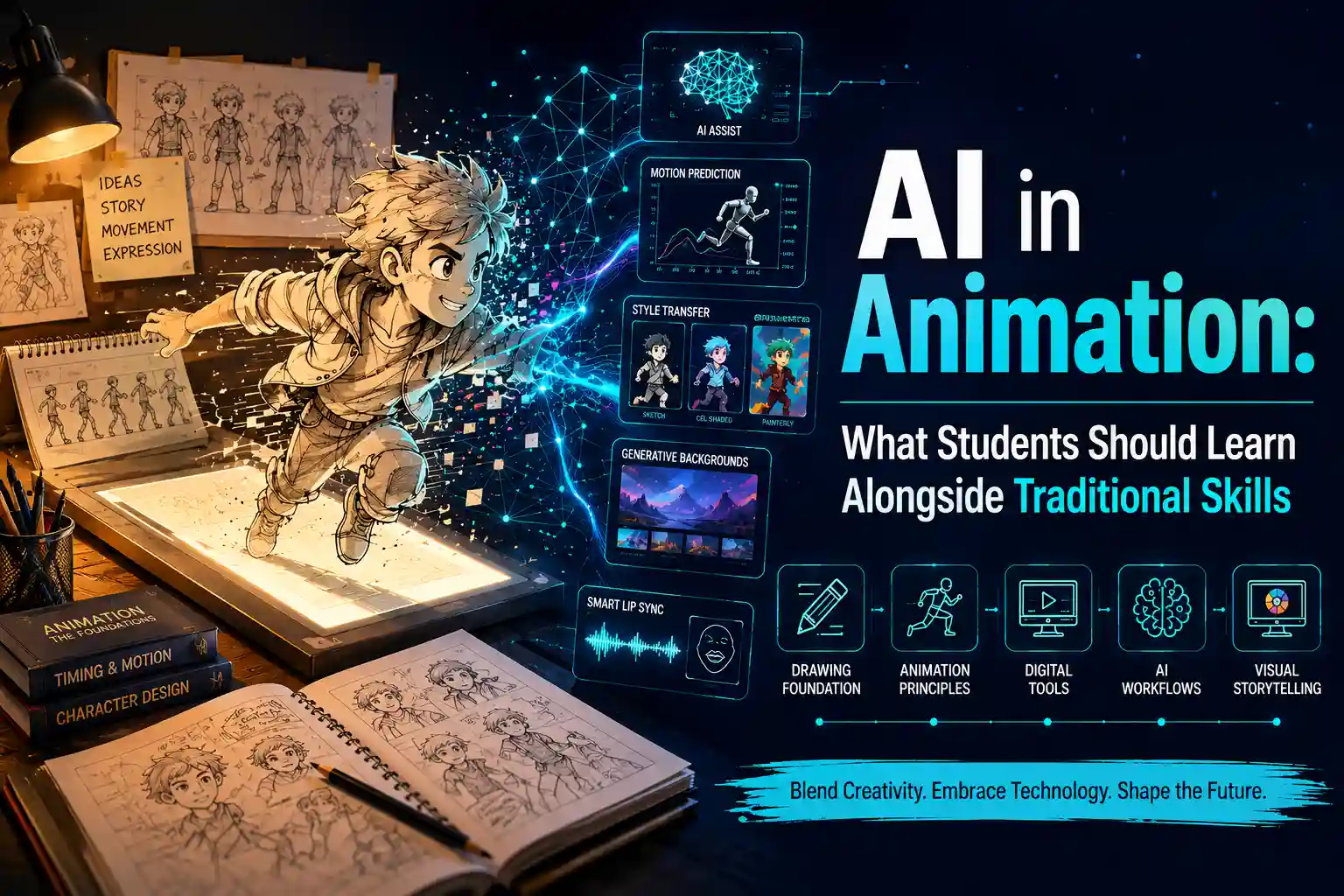
August 29, 2026
August 28, 2026
August 28, 2026

August 28, 2026
August 28, 2026
July 27, 2026
July 27, 2026

July 27, 2026
July 27, 2026

July 25, 2026

July 25, 2026
July 25, 2026
July 25, 2026
June 27, 2026

June 27, 2026

June 27, 2026

June 27, 2026
June 27, 2026
June 26, 2026