
- Email yeldocollegesmd@gmail.com
- CALL +91 98461 10506 +91 98468 77776
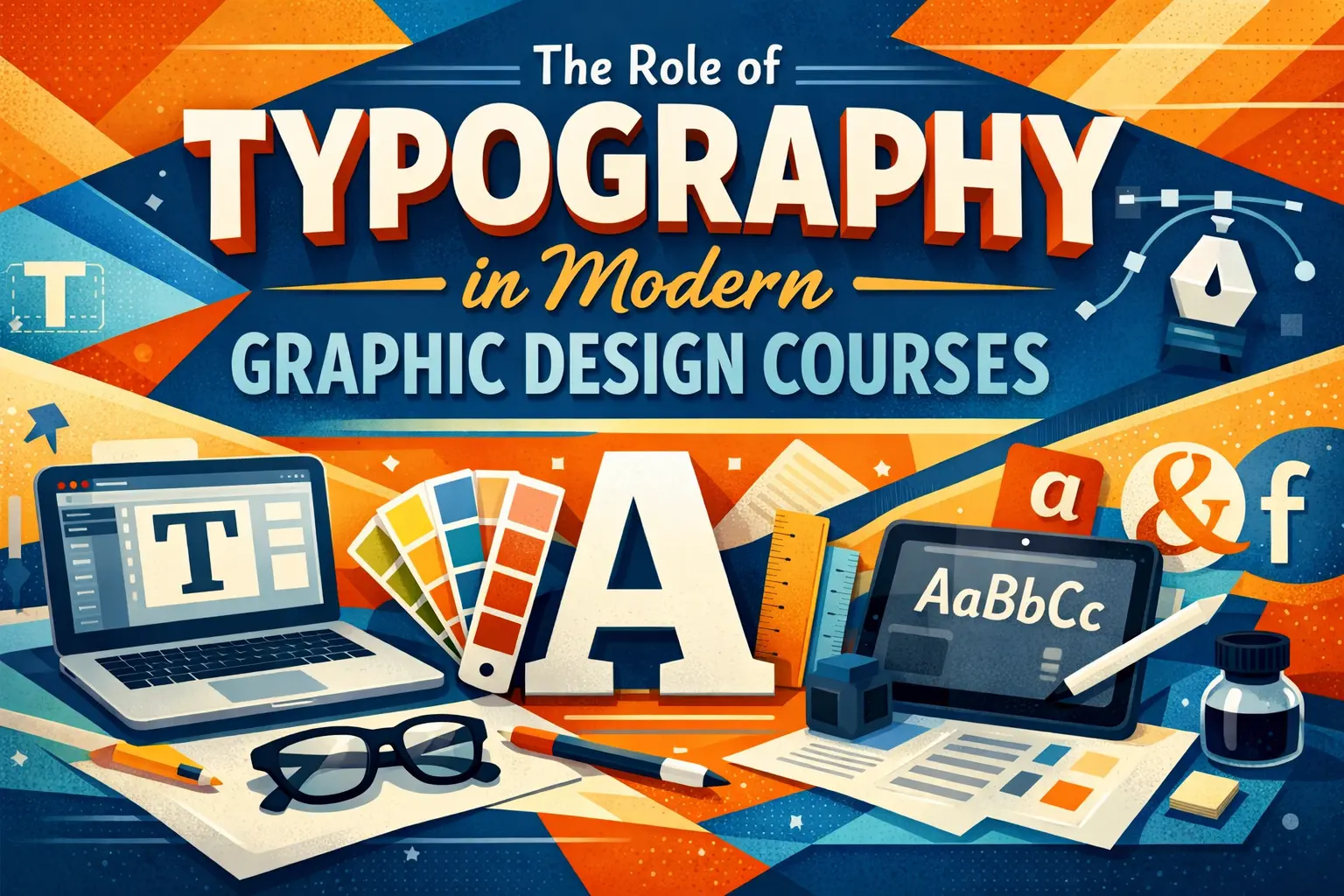
Typography is the backbone of visual communication. It goes beyond choosing attractive fonts and focuses on how information is read, understood and remembered. In graphic design, the importance of typography in graphic design lies in its direct impact on readability, brand perception and user experience across print and digital platforms. In modern graphic design courses, typography is taught as a core design skill. Students learn to apply typography in graphic design strategically to communicate clearly, guide attention and create consistent, professional designs ready for real world application.
Typography is the art of arranging text to make content clear and visually effective. It involves choosing font types, managing spacing and structuring text to support communication goals. Typography is an essential part of the design as it determines the perception of the messages through clarity, tone and brand identity. Knowing the basics of typography enables designers to produce clear, effective contents in websites, applications, adverts and print media.
Font types form the foundation of typography basics. Each category serves a distinct purpose in design.
● Serif fonts convey tradition, credibility and professionalism. They are commonly used in editorial design and long form print content.
● Sans-serif fonts feel clean, modern and minimal. They are widely used in digital interfaces for better screen readability.
● Script fonts add personality and elegance. They are suitable for creative branding, invitations and decorative elements when used sparingly.
● Display fonts are bold and expressive. They work best for headlines, posters and attention grabbing visuals.
Knowing when and how to use these font types allows students to make informed design decisions and strengthen their typography fundamentals.
Effective typography relies on structure and balance. Modern graphic design courses focus on these essential elements:
● Hierarchy helps organize information and guides viewers through content logically.
●Spacing including line spacing and margins improves clarity and prevents visual clutter.
● Alignment creates order and consistency within layouts.
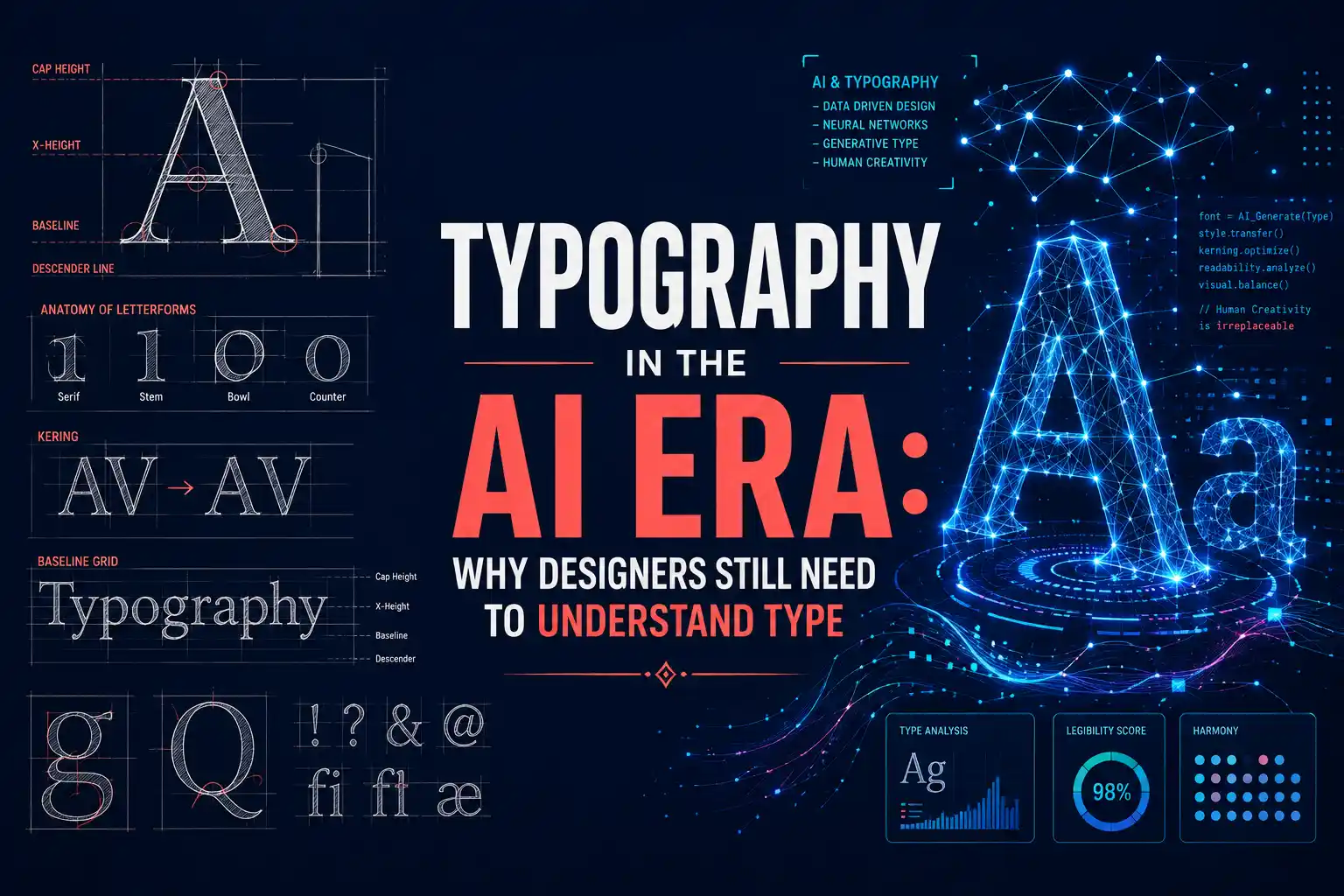
●Kerning adjusts space between individual letters for visual balance
●Tracking controls spacing across words and paragraphs for uniformity.
Together, these elements improve readability and enhance the overall visual appeal of a design.
Typography is a critical competency for design students because it impacts every project they create. From logos and posters to websites and mobile interfaces, typography in graphic design courses defines how designs function and perform. Modern graphic design courses emphasize typography because it bridges creativity and usability. Students learn to apply typography across print and digital formats while staying aligned with current typography trends such as variable fonts, responsive typography and accessibility focused design. This ensures their work remains relevant in a fast evolving design landscape.
3.Supports creativity and professional portfolio development
Typography driven projects demonstrate strategic thinking and design maturity in student portfolios.
4.Keeps students updated on modern typography trends
Exposure to evolving typography trends equips students to design for contemporary digital environments.
Typography in graphic design courses can be learned through a practical and application focused approach. Students combine theory with real world execution to build strong design skills. Programs use structured lessons, workshops and guided exercises to teach typography concepts. Hands on practice with digital typography tools ensures students understand how typography performs in professional workflows. This experiential learning model strengthens technical ability and creative confidence.
Hands on Typography Projects
Students work on projects such as posters, social media creatives, branding materials and logos. These projects focus on font pairing, visual hierarchy and spacing control. By applying typography basics in real scenarios, students learn how type influences message clarity and design impact.
Digital Typography Tools
Modern design education integrates industry standard digital typography tools, including Adobe Illustrator, Figma and Canva. These programs enable learners to test font types, layout systems as well as responsive typography. Digital tools assist students to cognize typography trends, perfect typography fundamentals and alter designs to suit various screen sizes and formats.
Evaluating Typography Skills
The design skills in typography are evaluated by peer reviews, instructor criticisms and the systematic design critiques. This assessment procedure resembles the professional design settings in which work is assessed on the criteria of usability, readability and visual hierarchy. Constant feedback will assist students with designing, as well as with quality of performance.
Many beginners struggle with typography due to limited font knowledge and spacing control. Common issues include overcrowded layouts, poor font pairing and weak hierarchy.
● Avoid overcrowding text and maintain proper spacing.
● Learn font types and pairing principles to improve readability.
● Use hierarchy to guide viewer attention effectively.
● Practice regularly using digital tools to strengthen typography basics.
Consistent practice and structured feedback help students overcome these challenges efficiently.
1. What is typography in graphic design?
Typography in graphic design involves arranging text to communicate messages clearly and visually across print and digital media.
2. Why is typography important for designers?
Typography influences readability, brand perception and user experience, making it a core design skill.
3. How can beginners improve their typography skills?
Beginners can improve by learning typography basics, practicing font pairing and working with digital typography tools regularly.
4. Why is learning typography important in a typography college in Ernakulam?
A typography focused program in Ernakulam provides structured training, practical exposure and industry relevant design skills aligned with modern standards.
Typography is a strategic design asset, not a decorative afterthought. Learning typography in graphic design courses equips students with essential design skills that enhance communication, usability and visual consistency. By mastering typography basics and staying aligned with typography trends, students build strong professional foundations and future ready portfolios. Join Yeldo Mar Baselios College today, the top choice for students seeking a Typography course in Ernakulam or a Typography course in Muvattupuzha. Build professional typography expertise with experienced faculty, industry focused training and hands on design projects that prepare you for real world success.
Tags: Typography in Graphic Design, Modern Typography, Graphic Design Courses, Typography Basics,
September 22, 2026
September 22, 2026
September 22, 2026

September 22, 2026
September 21, 2026

September 21, 2026
September 21, 2026

September 21, 2026
September 07, 2026

September 07, 2026
August 29, 2026
August 29, 2026
August 28, 2026

August 28, 2026
August 28, 2026
August 28, 2026
July 27, 2026
July 27, 2026
July 27, 2026
July 27, 2026

July 25, 2026
July 25, 2026

July 25, 2026
July 25, 2026
June 27, 2026
June 27, 2026
June 27, 2026

June 27, 2026
June 27, 2026
June 26, 2026