
- Email yeldocollegesmd@gmail.com
- CALL +91 98461 10506 +91 98468 77776
On 19 June 2026 the Department of Fashion Design at Yeldo Mar Baselios College hosted "The Art Strokes," a focused one-day workshop designed to deepen third-year students' practical understanding of the World Art course through immersive, hands-on painting on canvas. Led by Mr. Santhanu KG, Assistant Professor in the Department of Interior Design, the session brought together cross-disciplinary expertise and a studio-style learning environment where technique, materiality and creative ideation converged. The workshop aimed to equip students with advanced compositional strategies and surface-treatment methods that translate concept into tactile, expressive canvases essential competencies for fashion practitioners who rely on visual storytelling and material experimentation in their design process. Mr. Santhanu opened the day with a concise masterclass on fundamental and advanced painting techniques. He demonstrated a range of brushwork, introduced palette-building strategies for chromatic harmony, and unpacked layering workflows that create depth and texture on primed canvas. Emphasis was placed on substrate preparation, and the role of ground tone in modulating value relationships - practical aspects that allow designers to prototype surface treatments transferable to fabric and print sampling. Using live demos, he showcased how manipulating medium viscosity and brush angle alters edge quality and mark-making, enabling students to intentionally craft mood and narrative through surface effects. The workshop structure balanced demonstration, guided practice, and peer critique. After the initial techniques segment, students engaged in rapid ideation exercises to develop concept thumbnails and mood-boards, followed by scaled studies on stretched canvases. These studies functioned for quick colour studies to test palette systems, small compositional sketches to validate balance and focal points, and texture trials to explore the interplay of additive and subtractive techniques. Throughout, Mr. Santhanu encouraged an experimental mindset a studio pedagogy where his approach resonated strongly with fashion students, whose studio practice similarly relies on material trials, surface experimentation and progressive refinement. Defining the feature of the event was the collaborative integration of fashion design students into the workshop workflow. Their participation went beyond as they acted as co-facilitators and material technicians, demonstrating industry-relevant studio protocols and practical craft shortcut that kept the session efficient and production-ready. Leveraging their knowledge of textile processes and surface embellishment, they assisted in translating painterly techniques into fashion-applicable methods for example, adapting for drape rendering, calibrating colour fast pigments with textile binders, and converting tactile texture experiments into print repeat concepts. Their contributions included mixing custom inks and emulsions, stretching and priming canvases, and documenting process stages for portfolio use. By managing the materials table, carrying out quick wet-on-wet and glazing sequences, and guiding students through stretcher-bar maintenance and archival-safe finishing, the fashion students ensured that they could remain focused on creative exploration. This lexical cross-pollination helped contextualize painting techniques within a fashion systems perspective clarifying how a tonal gradient on canvas can inform garment gradation, or how textured impact to can be deconstructed into embroidery, laser-etching, or jacquard weave translations. The result was a series of creative briefs that bridged fine art processes and applied surface design, preparing participants to integrate painterly concepts into mood-boards, tech-packs and sample development. The hands-on segment culminated in an open critique where students presented their canvases and articulated process decisions. Our students focused on textural efficacy - with particular attention to how each piece could be adapted for textile application. Mr. Santhanu, the resource person, provided actionable suggestions on developing scale variants, selecting pigment systems suitable for fabric, and documenting repeat motifs for future. Beyond technique, "The Art Strokes" reinforced important professional practices. Time management in a studio setting, material stewardship, and process documentation were emphasized as essential skills for careers in fashion and design. The fashion students' role in process documentation-photographing stages, annotating color mixes and maintaining materials for robust portfolio entries in industry standard. Their active involvement demonstrated the value that highlighted the synergies that emerge when disciplines collaborate. Students who practiced colorway harmonies and texture translation can now envisage garments that shift tone with wear, prints that evolve via responsive inks, or embellishments that help them to digitally translated jacquard weaves. The combination the tactile intelligence of painting with the systems-driven language of fashion, Yeldo Mar Baselios College is nurturing a new generation of designers capable of imagining and realizing garments that are not only visually striking but technologically attuned and ethically considered. So by this workshop emphasis on documentation and production-ready thinking equips students to move seamlessly from canvas prototype to tech-pack to industry sample, accelerating pathways into internships, collaborative research, and entrepreneurial collections.
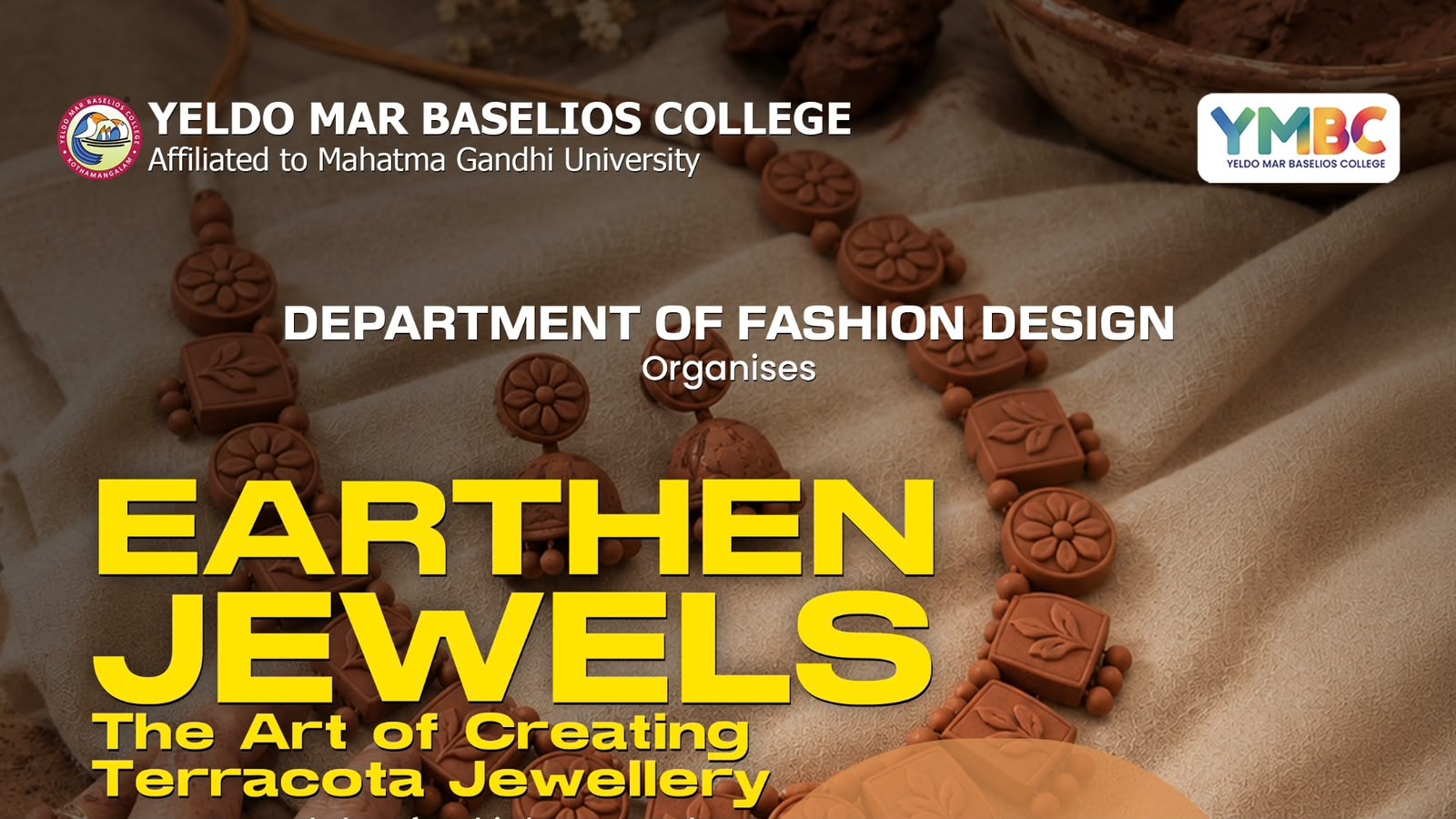
September 17 to September 18, 2026
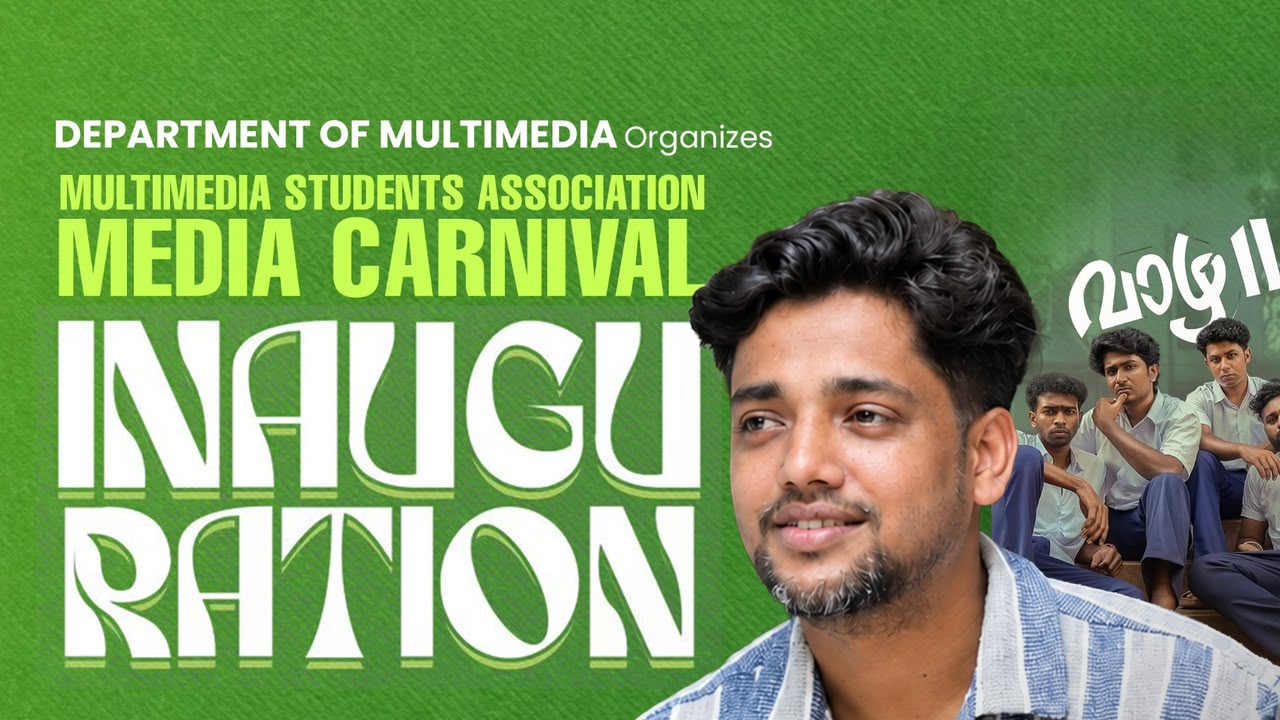
September 15, 2026
September 15, 2026
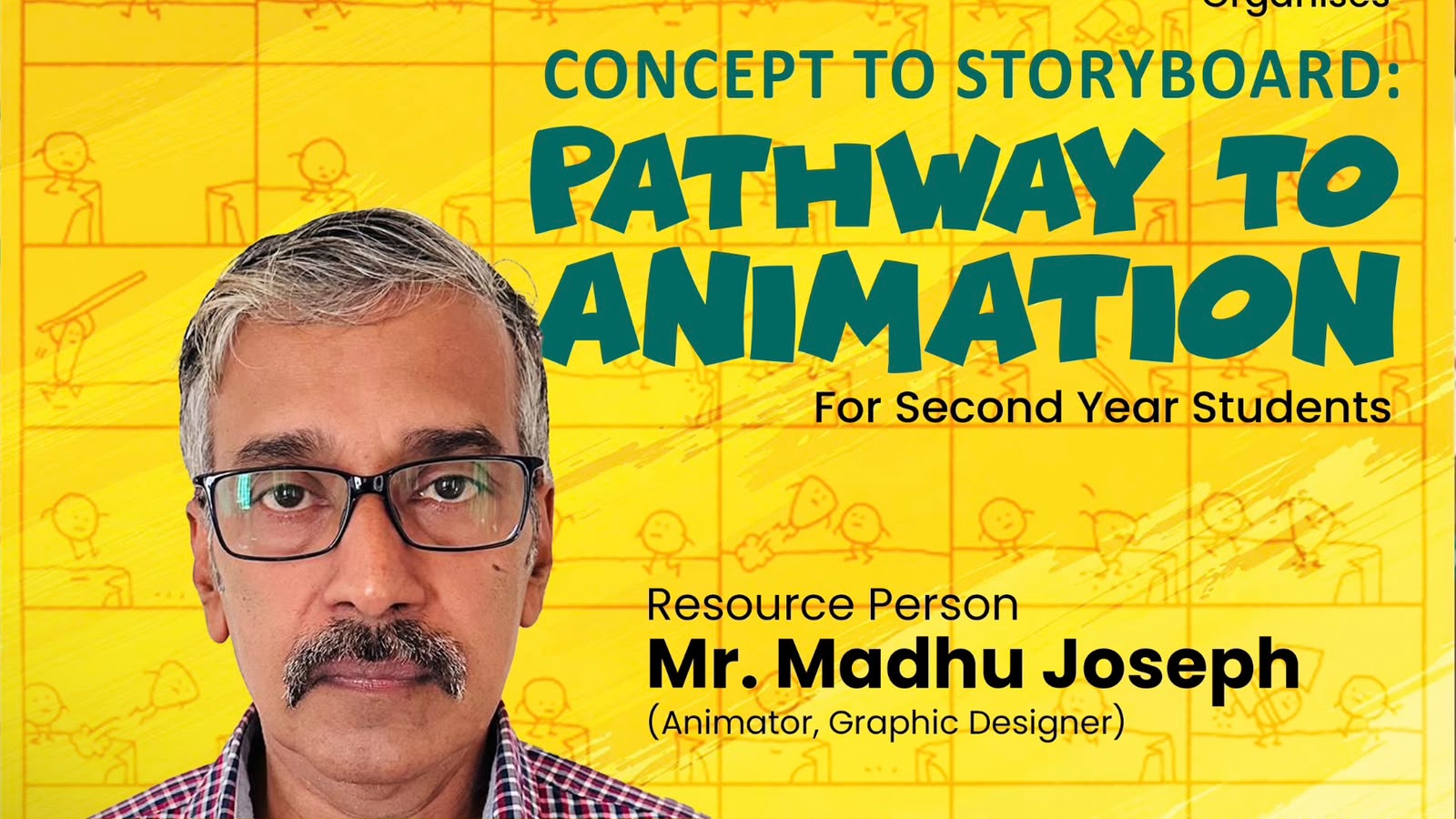
September 15, 2026
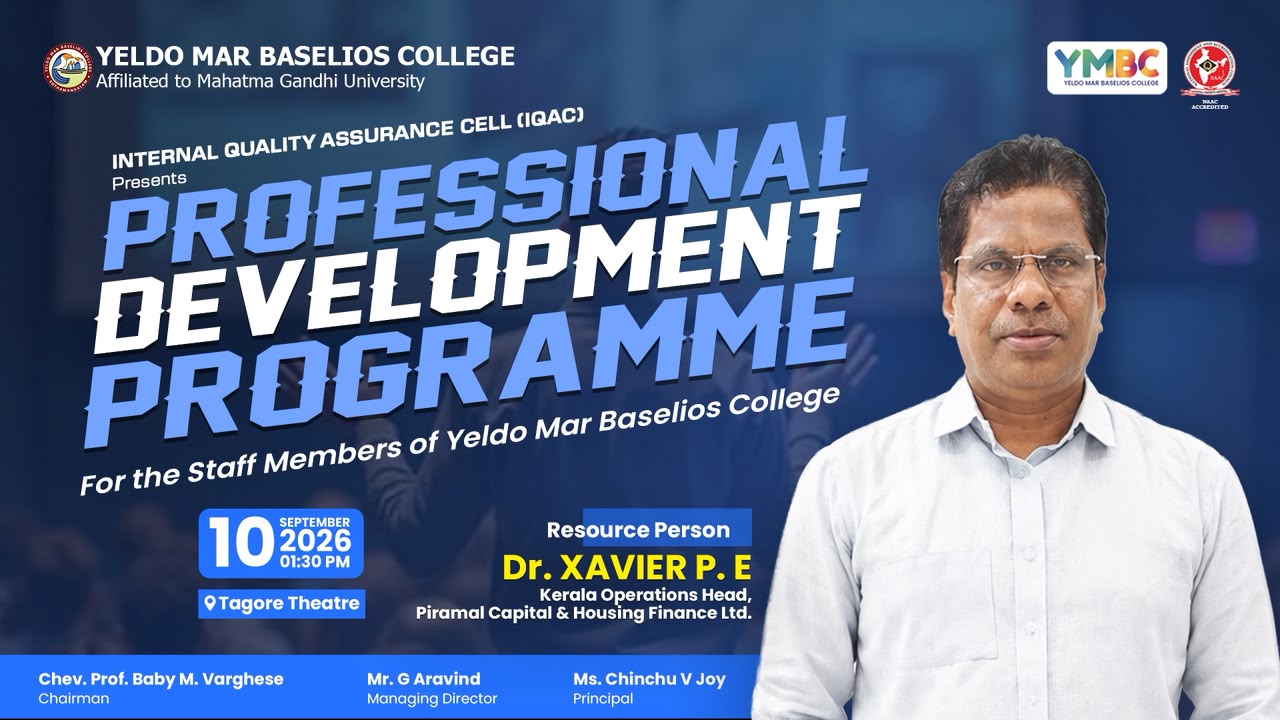
September 10, 2026
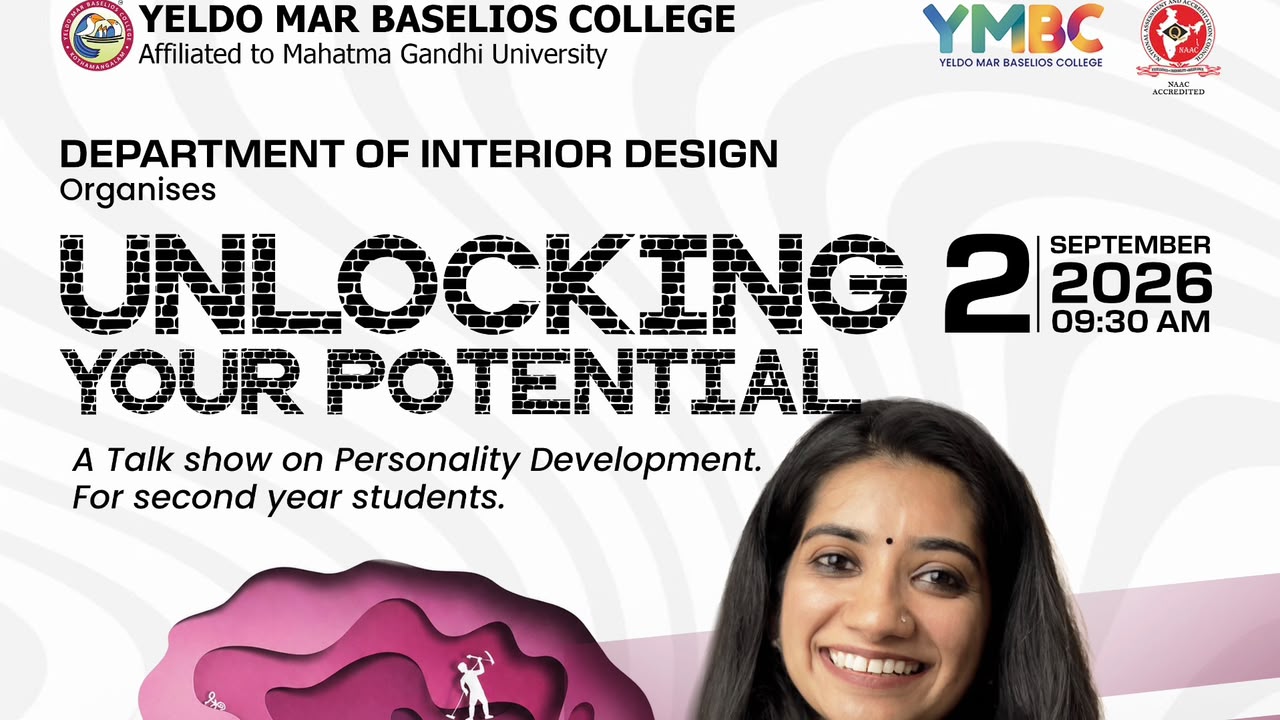
September 2, 2026
August 20, 2026
August 13 to August 15, 2026
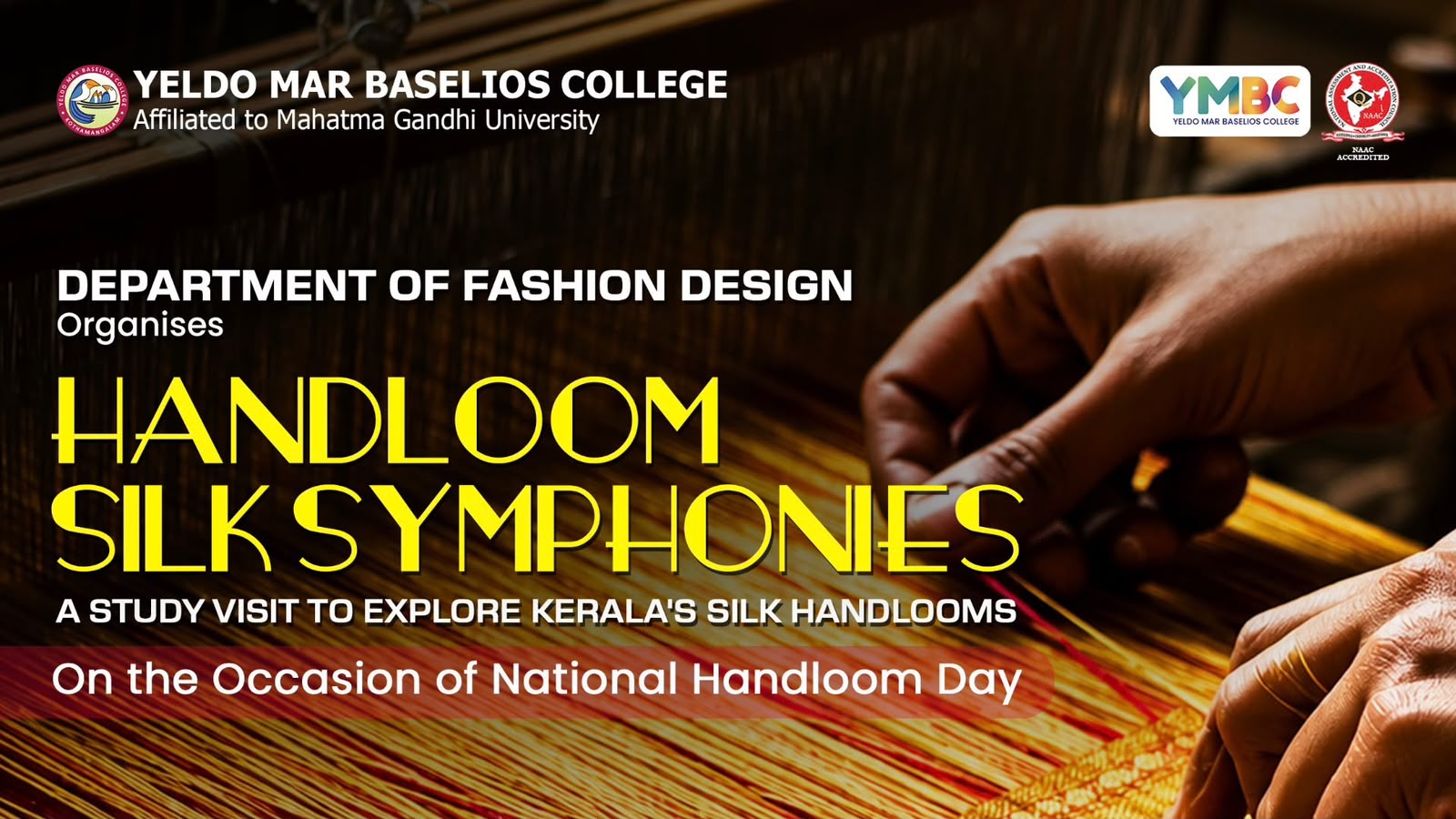
August 11, 2026
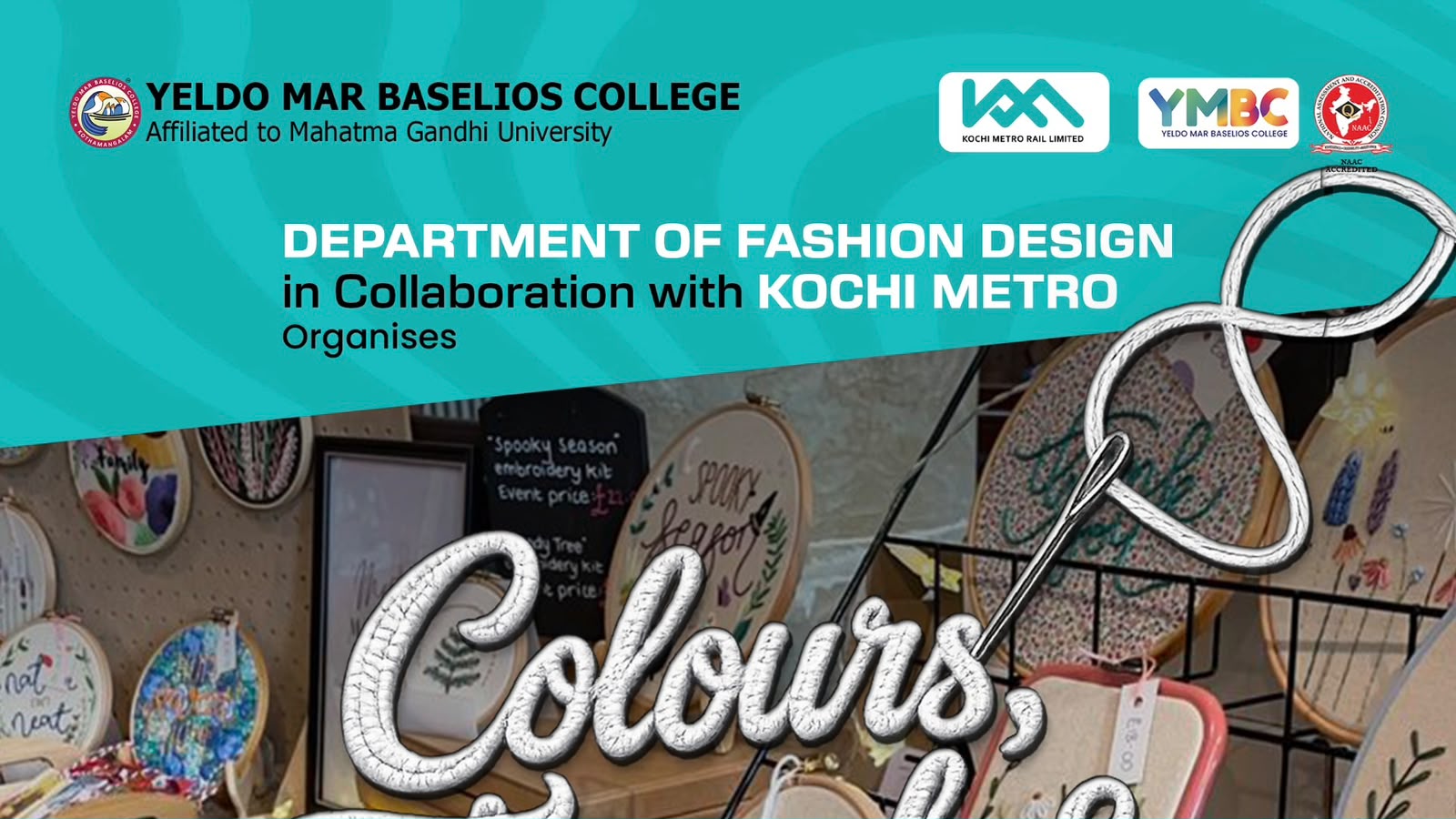
July 31 to August 1, 2026
July 29, 2026
July 29, 2026
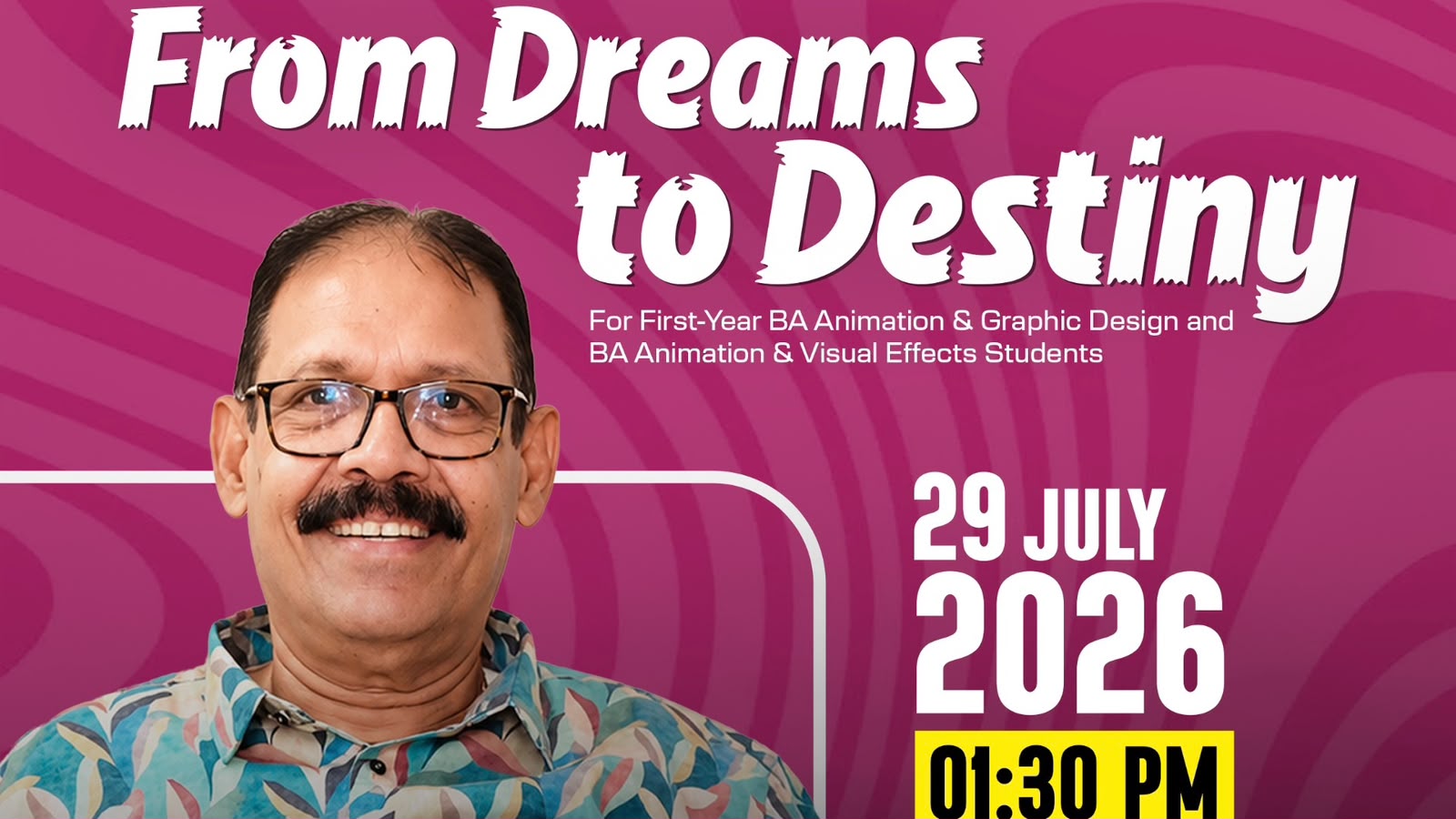
July 29, 2026
July 24, 2026
July 21, 2026
July 21, 2026
July 21, 2026
July 21, 2026
July 16 to July 17, 2026
July 8, 2026
July 6, 2026
June 30, 2026
June 22, 2026
June 19, 2026
June 19, 2026
June 15, 2026
June 12, 2026
June 5, 2026
June 5, 2026
April 18, 2026
March 30 to April 1, 2026
March 30, 2026
March 26, 2026
March 16 to March 17, 2026
March 13, 2026
March 10, 2026
March 9, 2026
March 6, 2026
March 5, 2026
March 4, 2026
February 27, 2026
February 27, 2026
February 26 to February 27, 2026
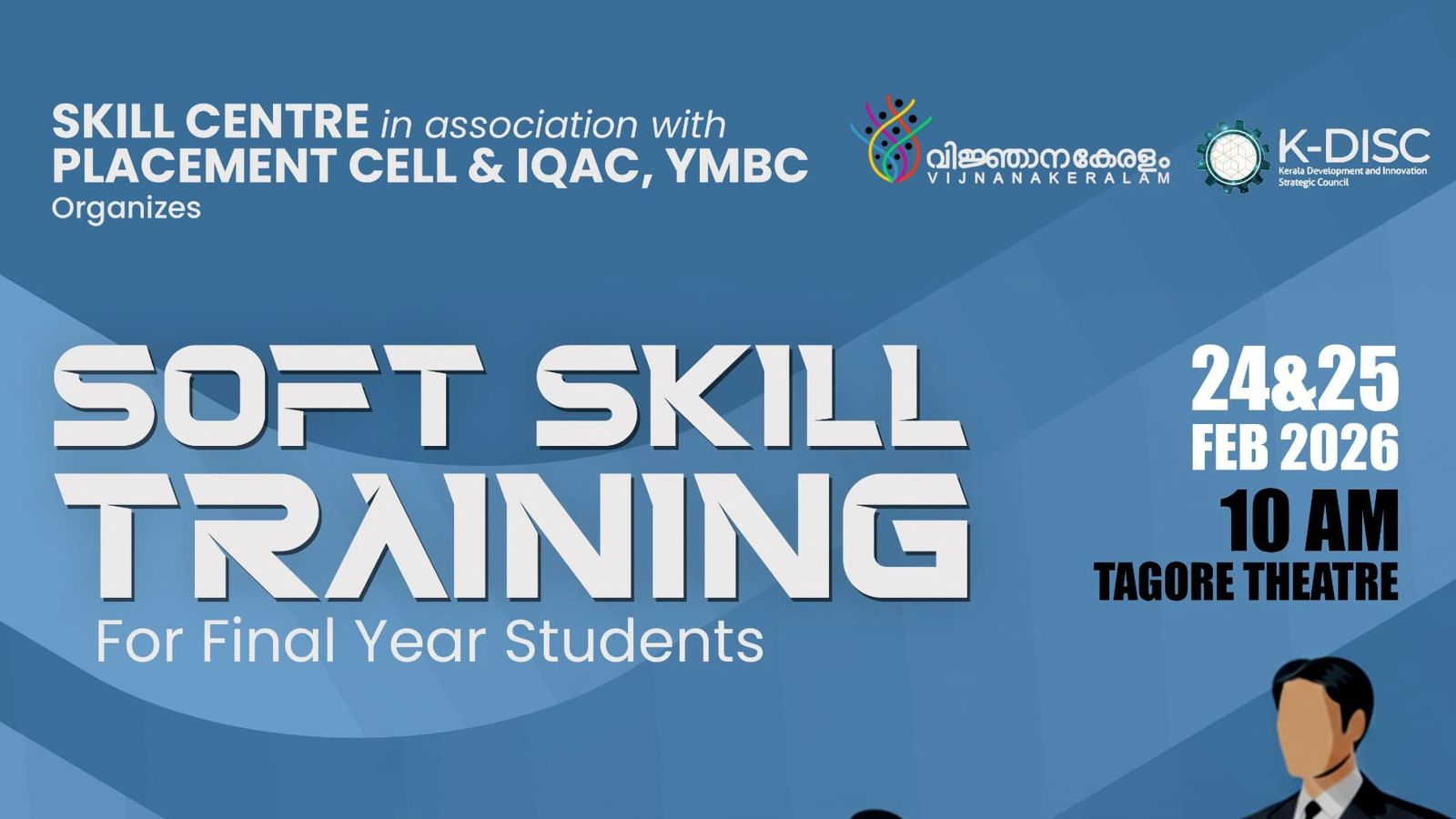
February 24 to February 25, 2026

February 23, 2026

February 18, 2026
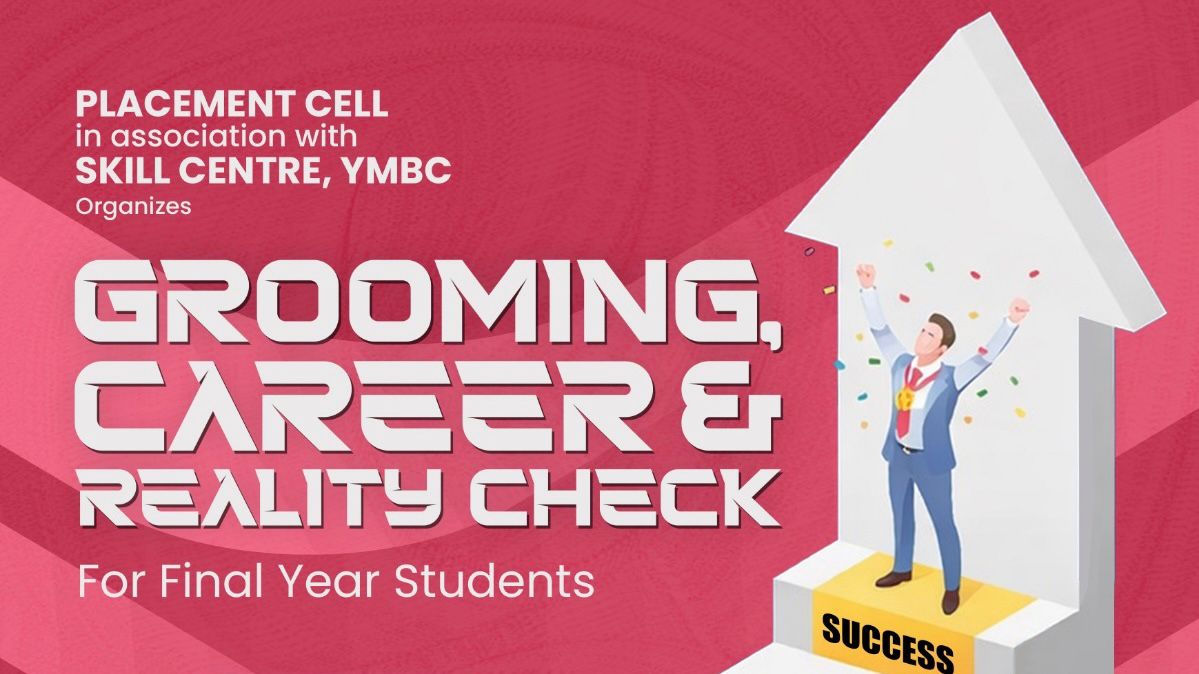
February 16 to February 18, 2026

February 13, 2026
February 10, 2026
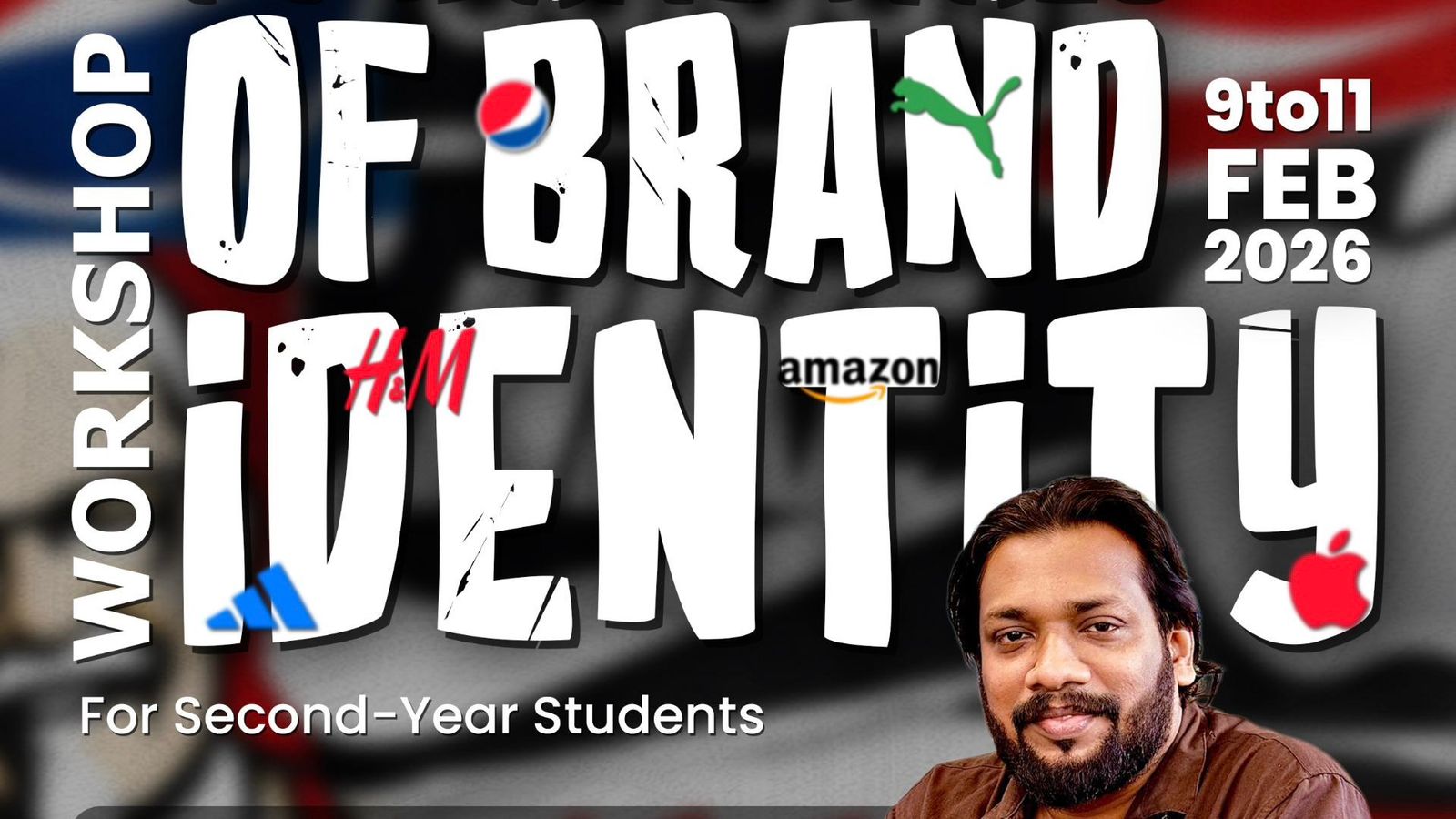
February 9, 2026
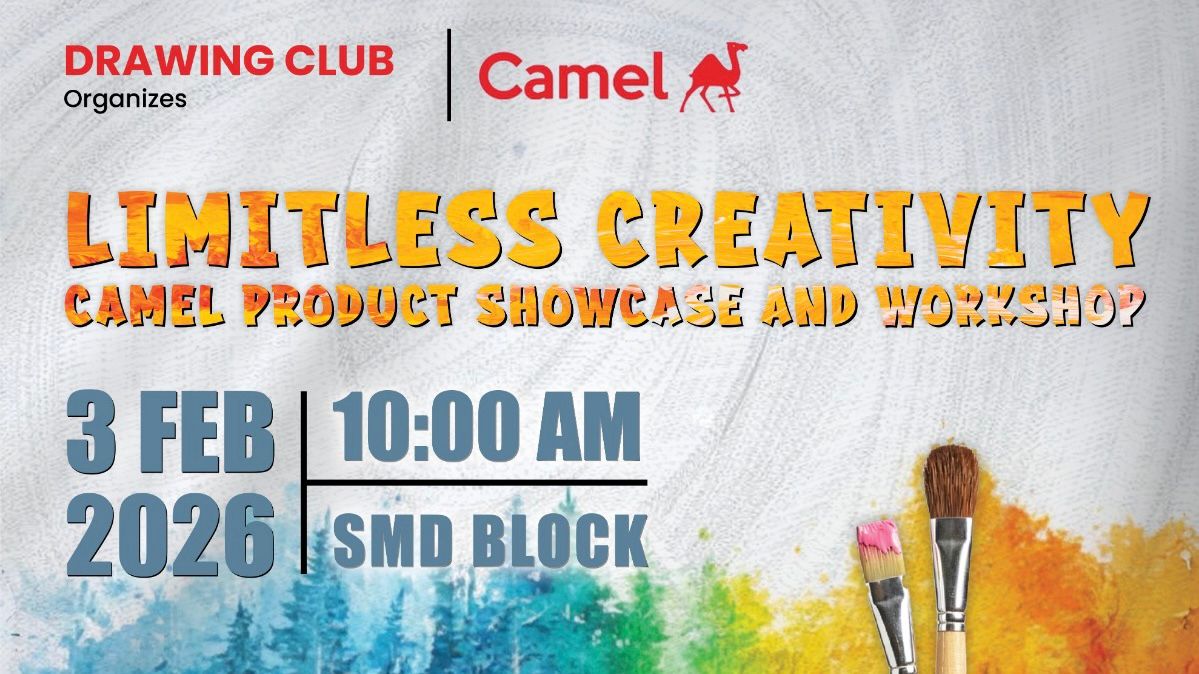
February 3, 2026

January 28, 2026
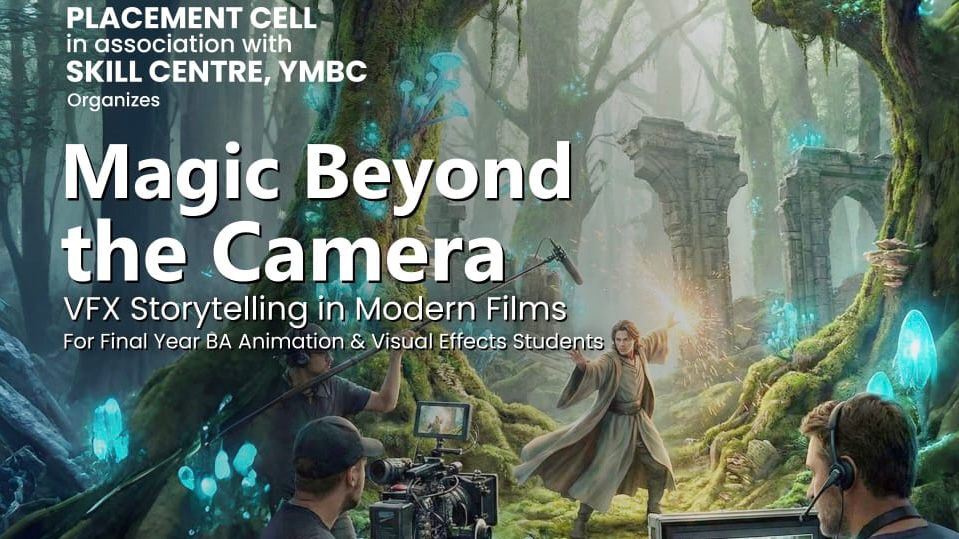
January 28, 2026
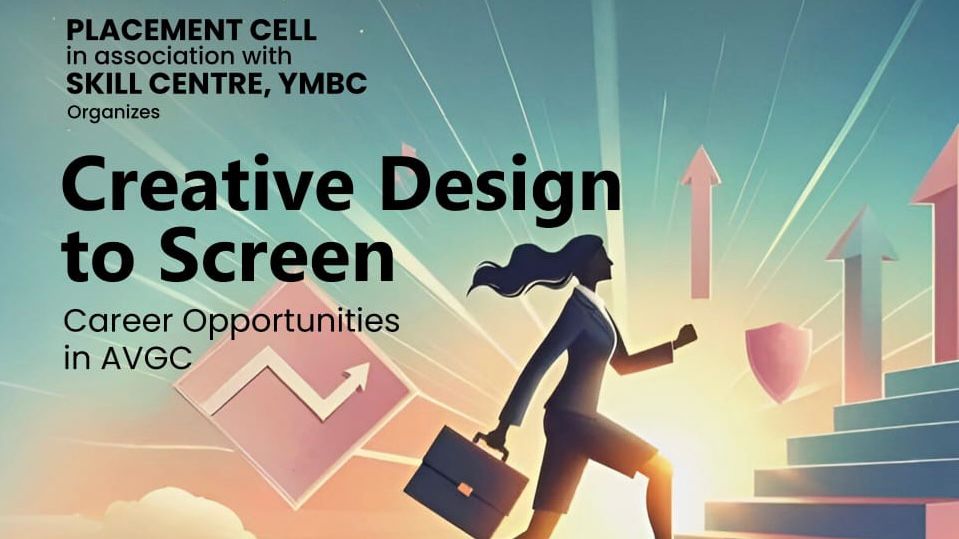
January 28, 2026
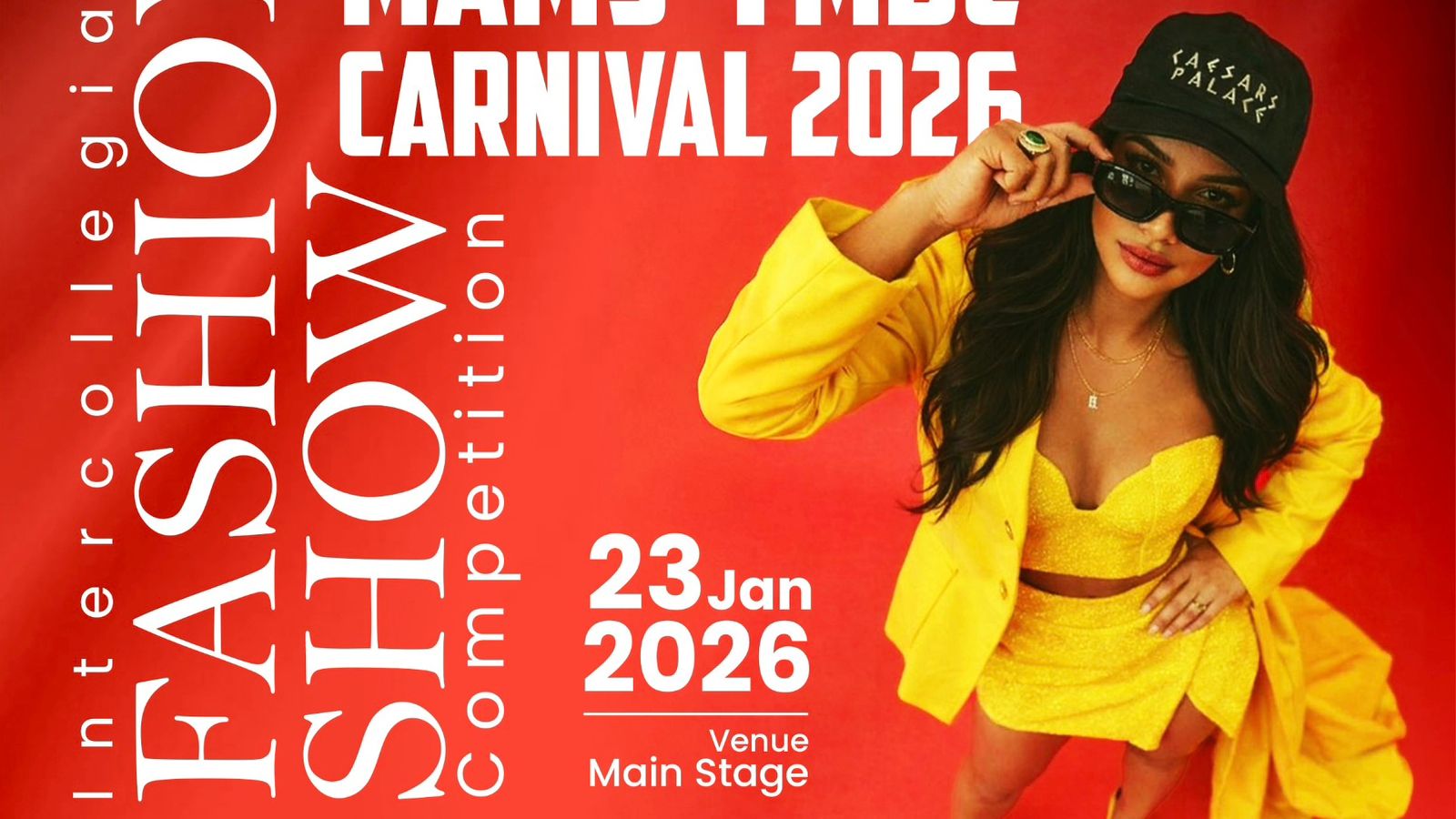
January 23, 2026
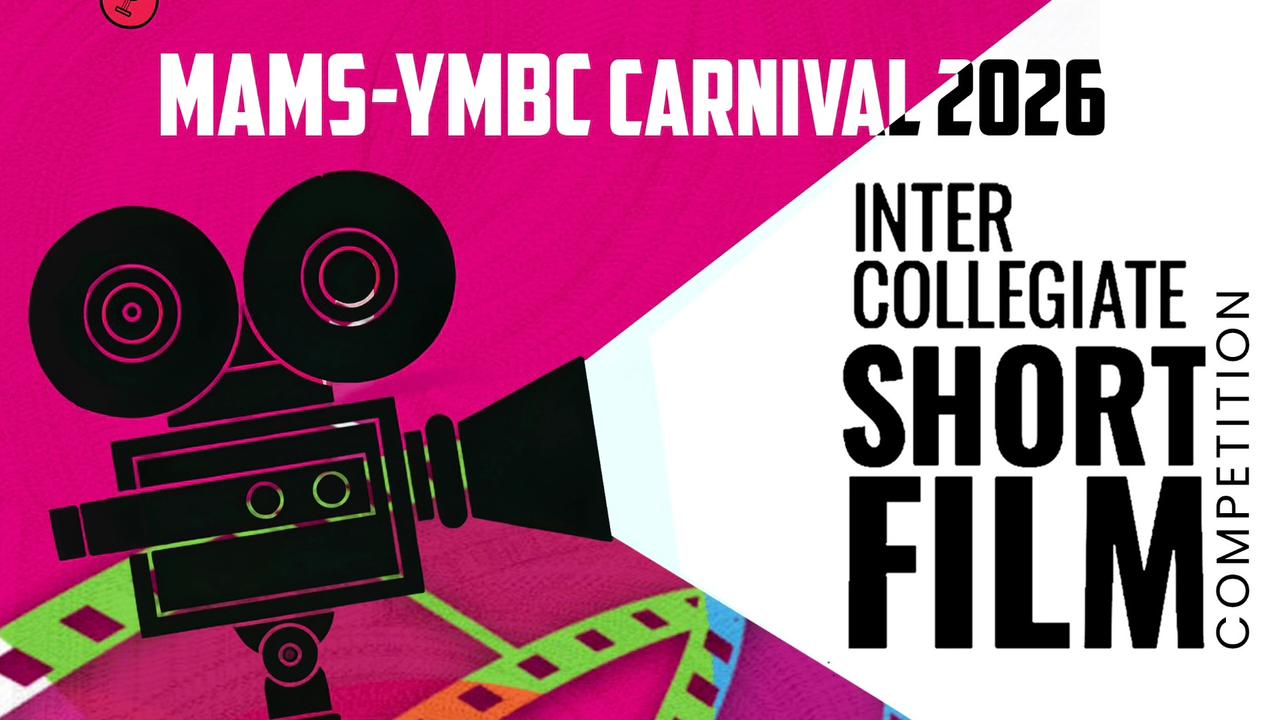
January 23, 2026
January 22 to January 23, 2026
January 19, 2026
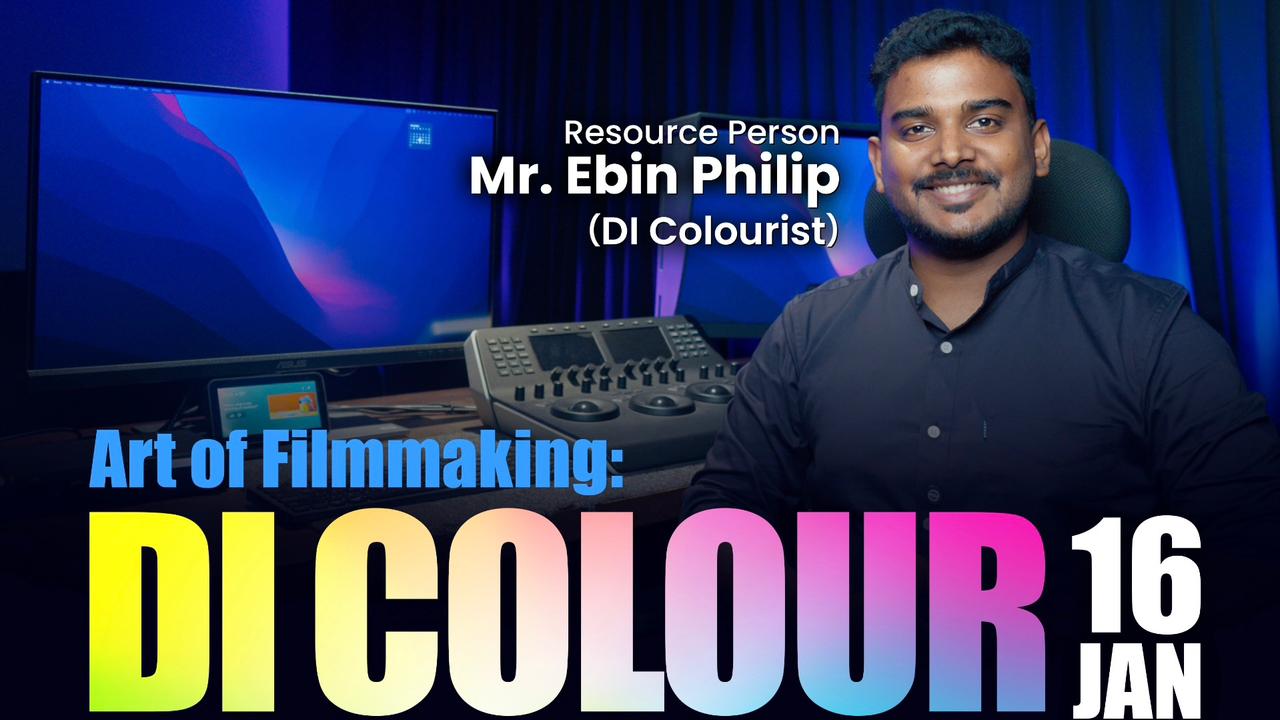
January 16, 2026
January 15, 2026

January 14, 2026
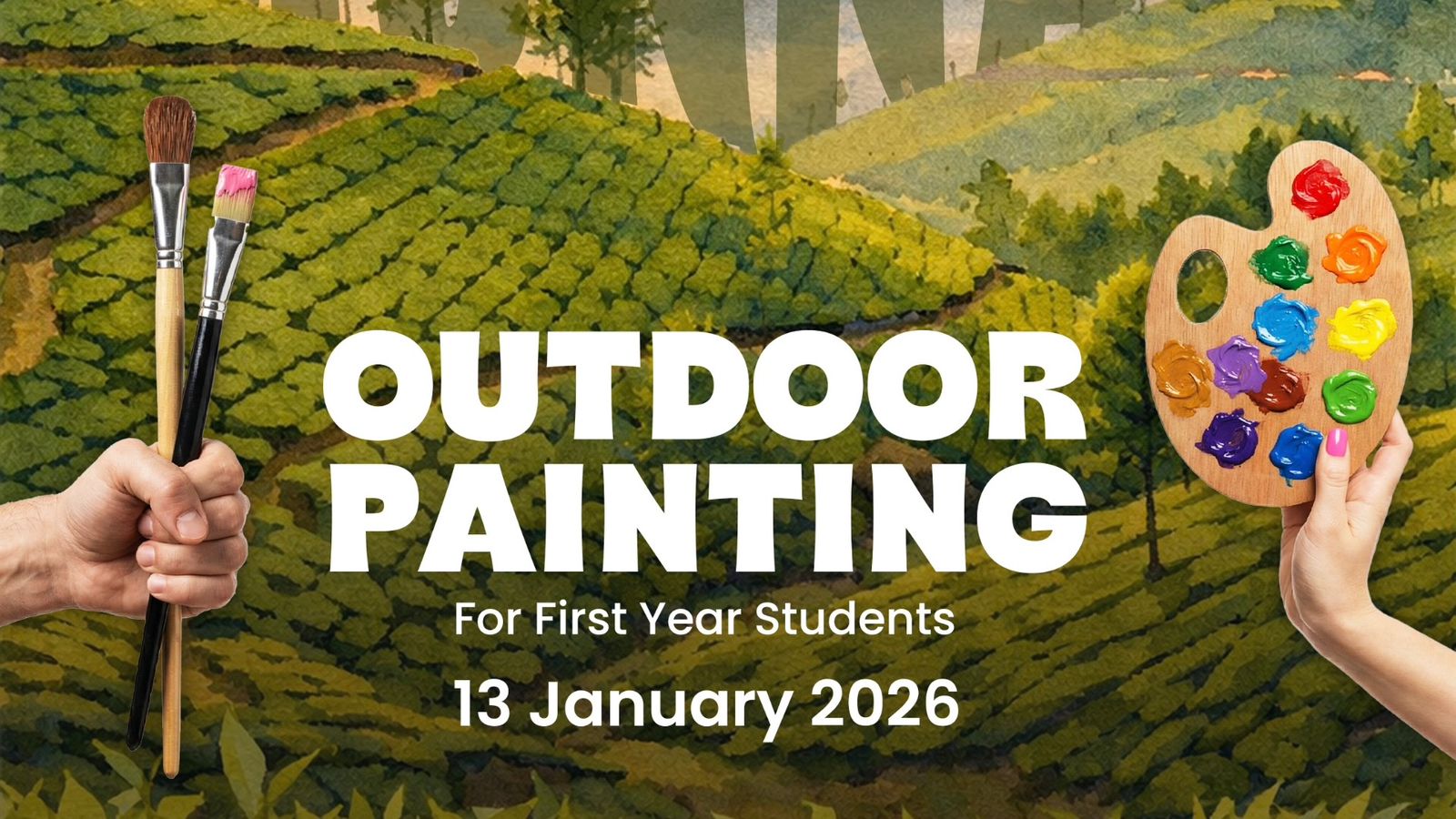
January 13, 2026
January 12, 2026
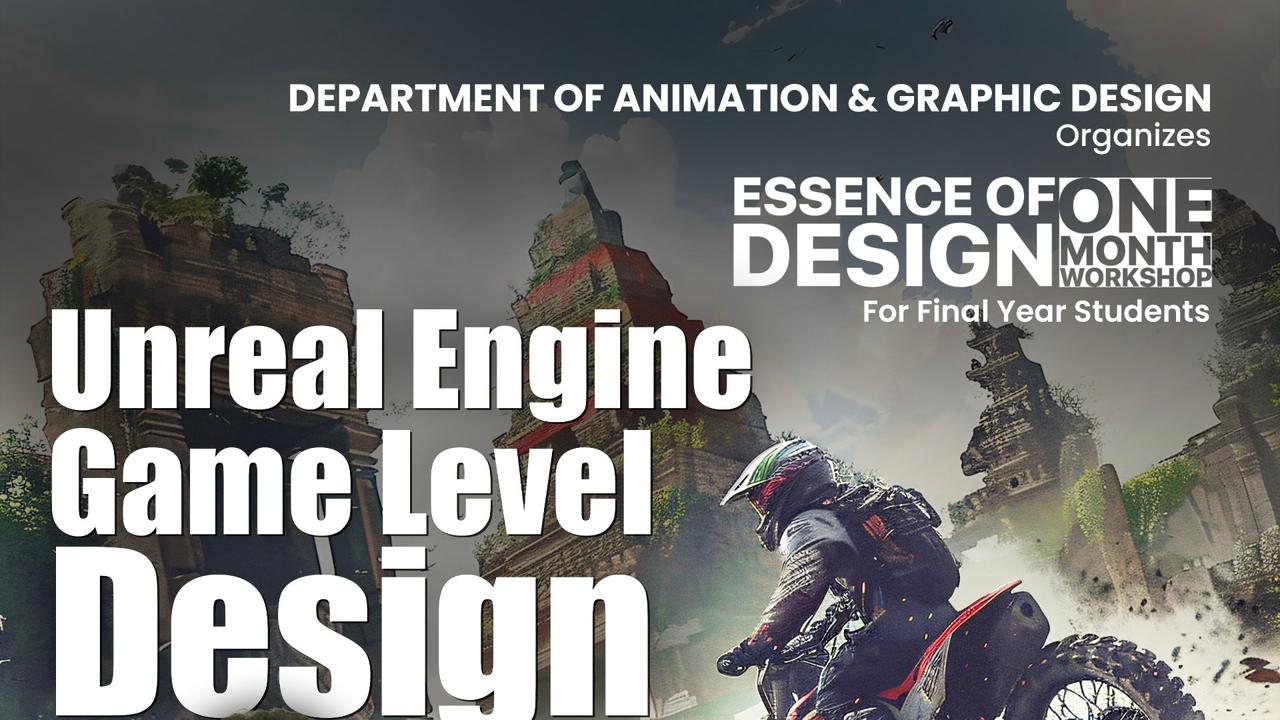
January 12 to January 31, 2026
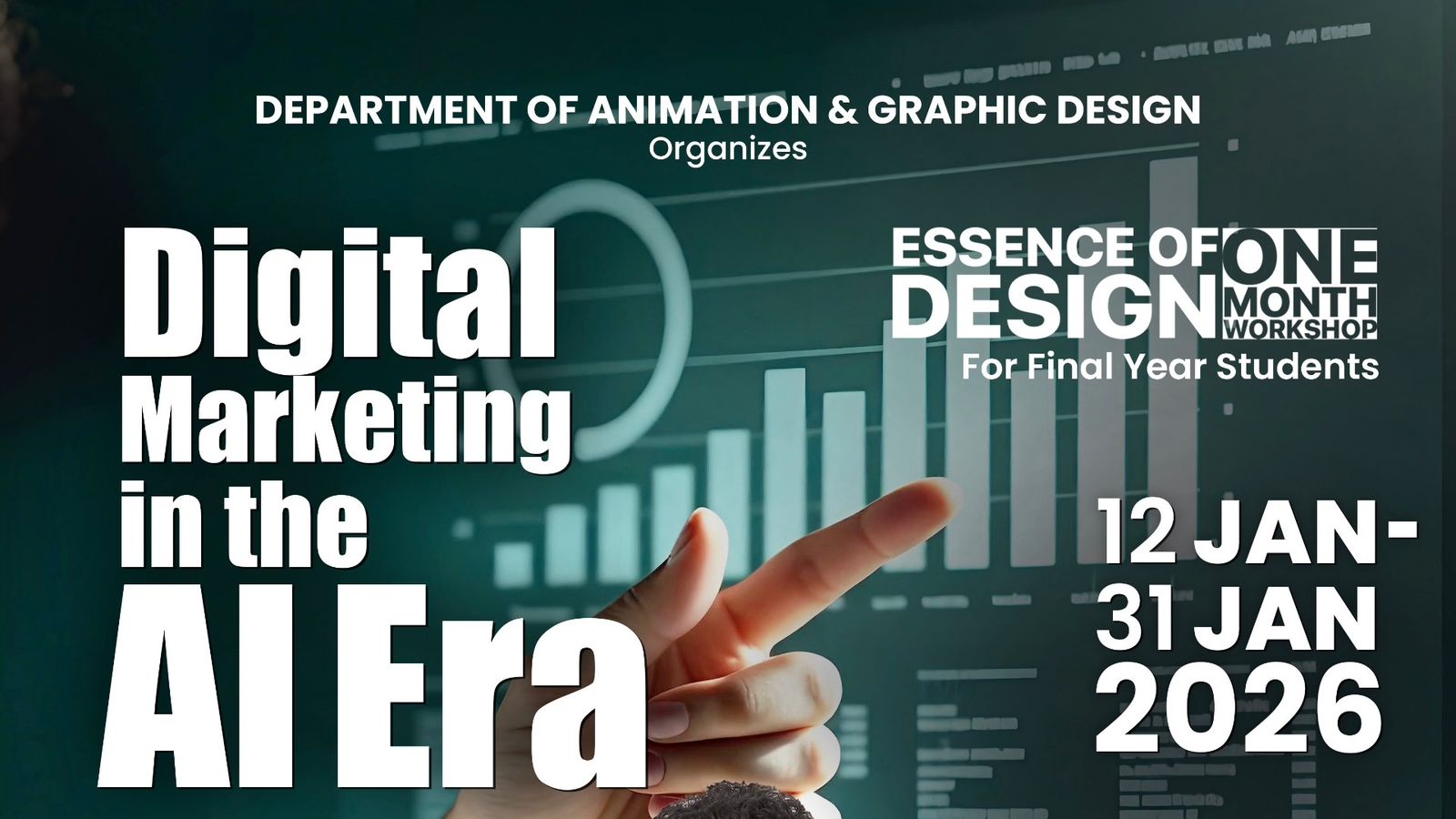
January 12 to January 31, 2026
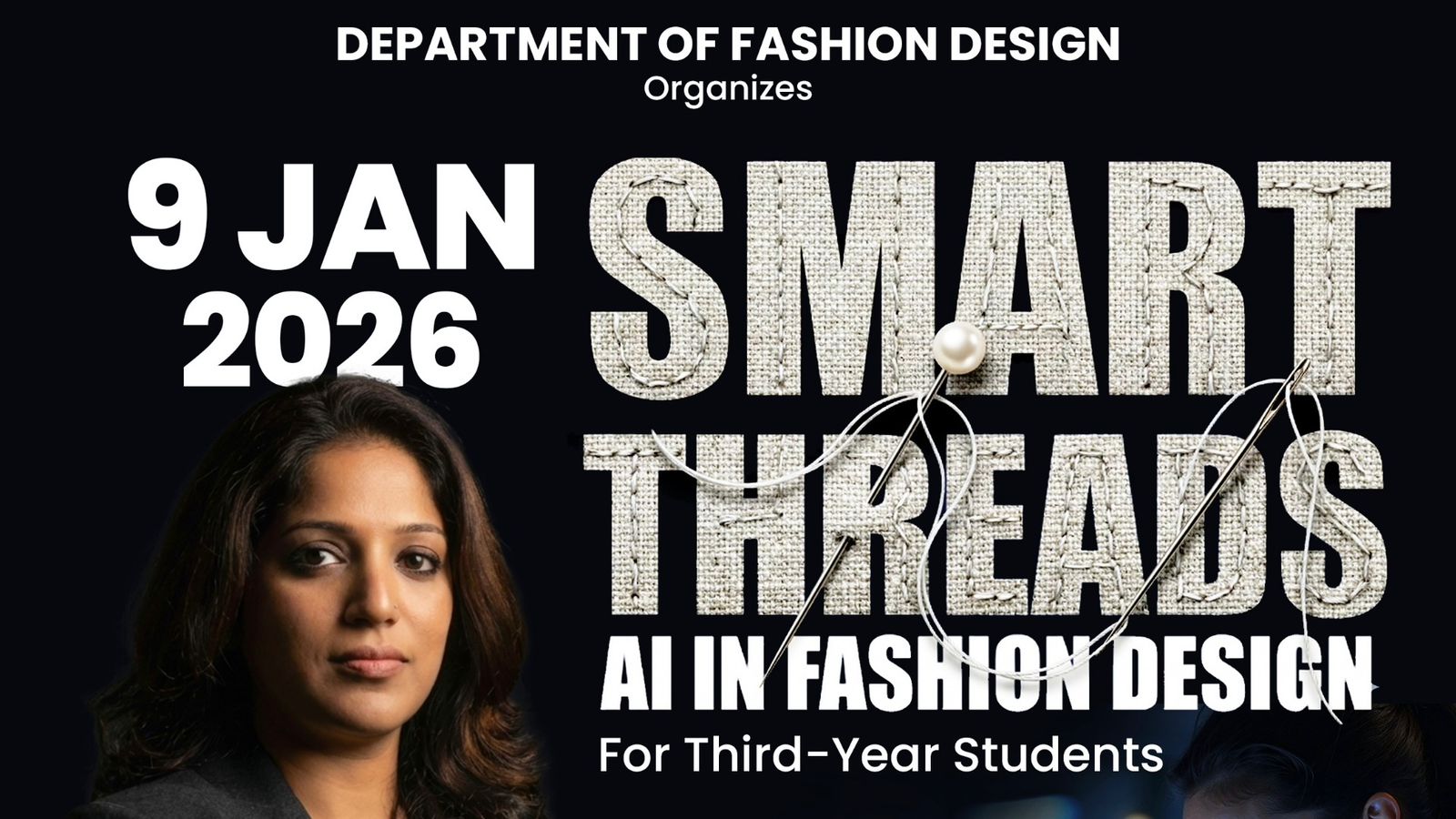
January 9, 2026

January 8 to January 9, 2026

January 8 to January 9, 2026
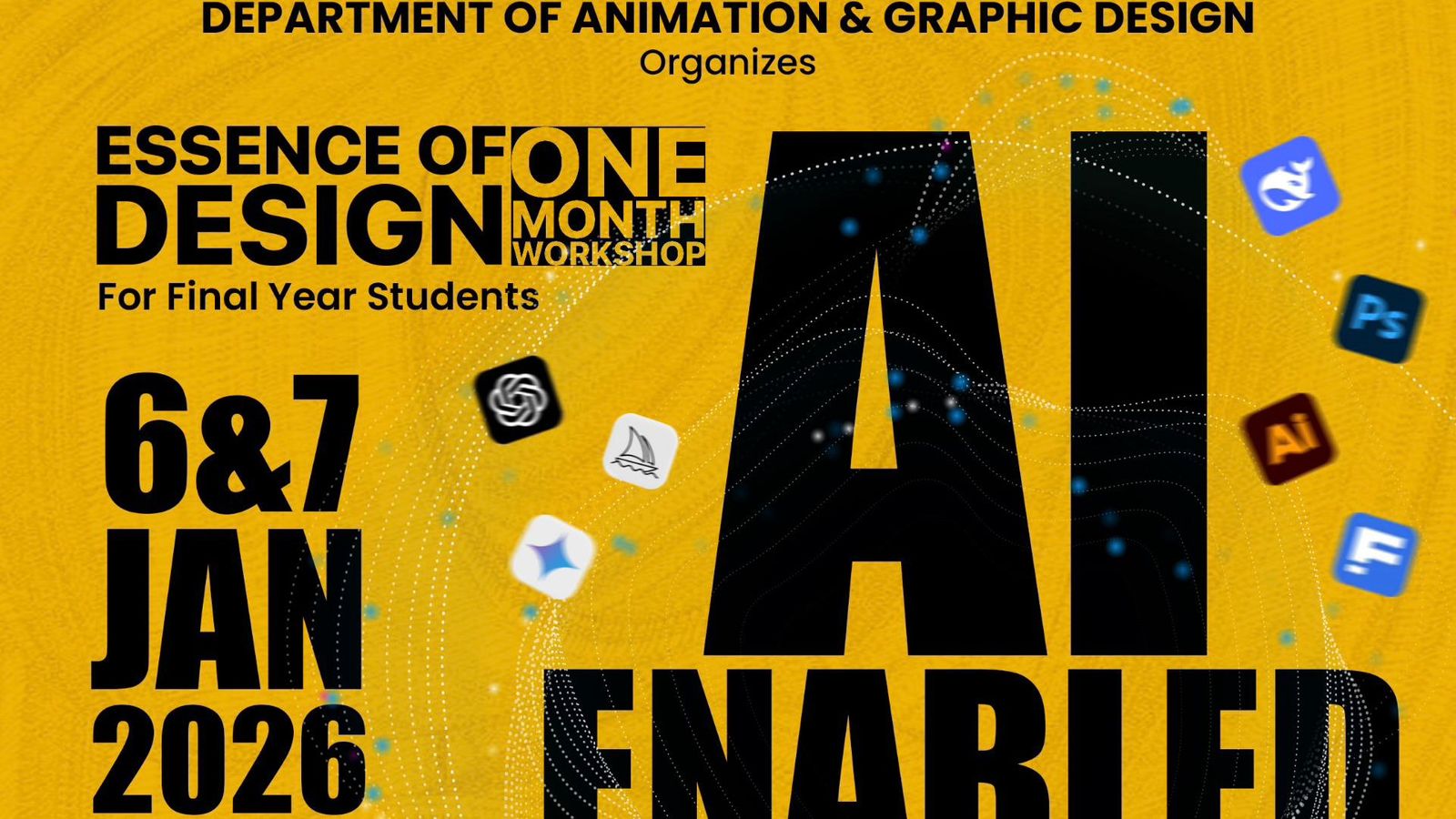
January 6 to January 7, 2026

January 6 to January 7, 2026

December 22, 2025

December 22, 2025

December 22, 2025
December 20, 2025
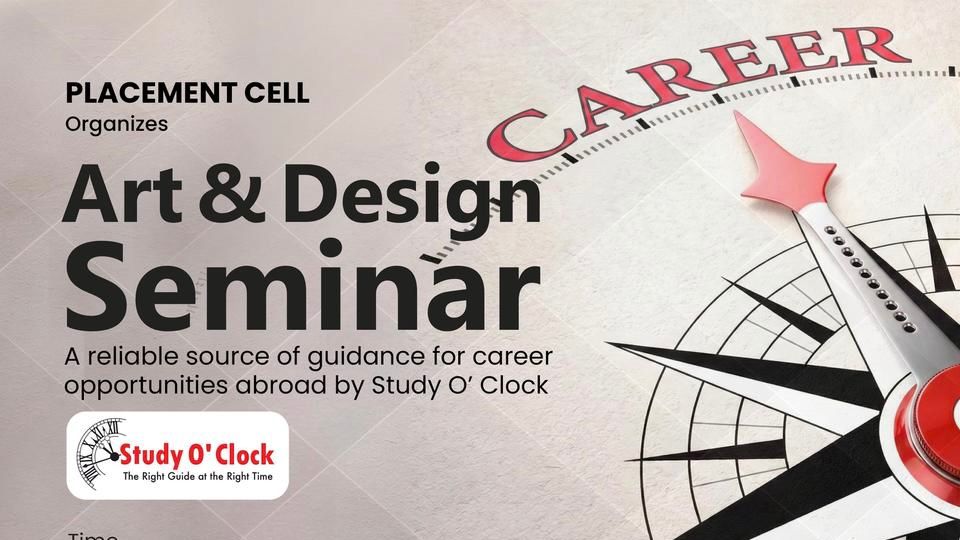
December 16, 2025
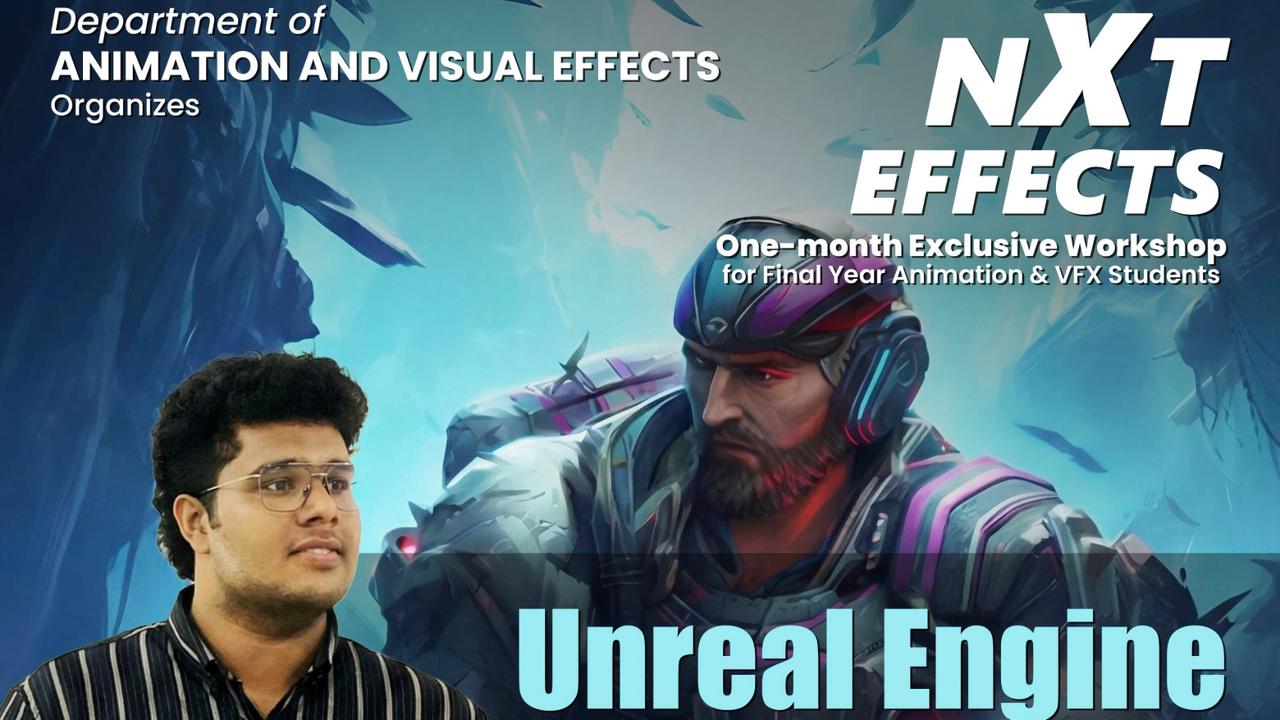
December 15 to December 19, 2025

December 5, 2025

December 4, 2025

December 3, 2025

December 2 to January 2, 2026
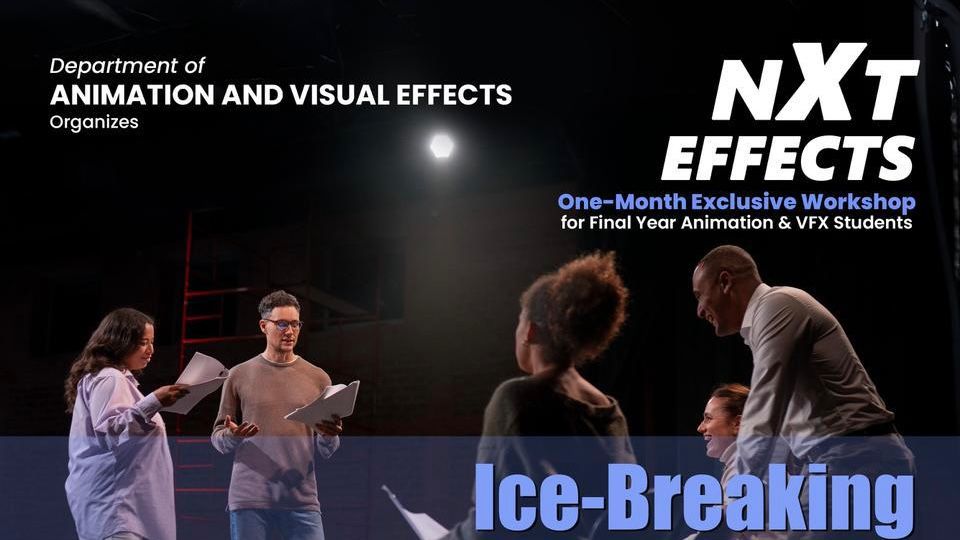
December 2, 2025
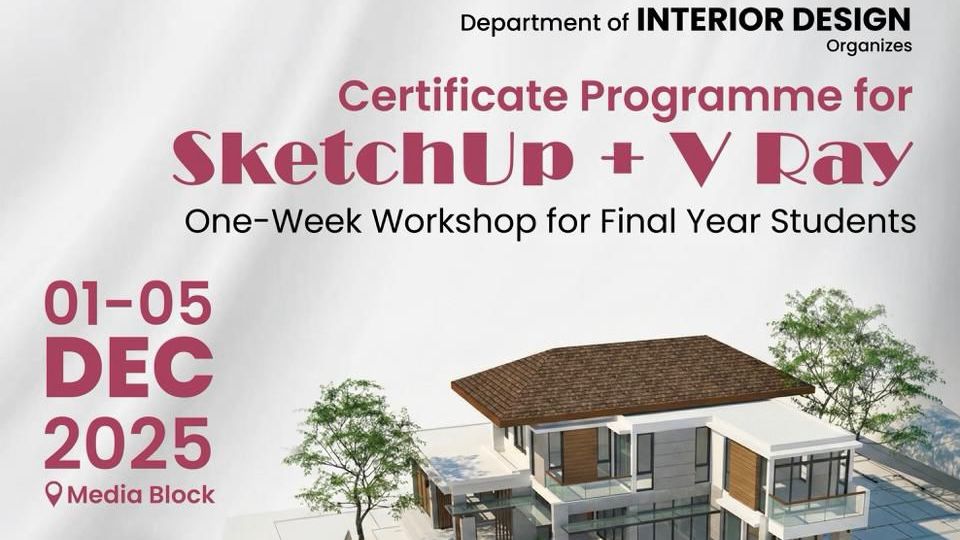
December 1 to December 5, 2025

December 1, 2025
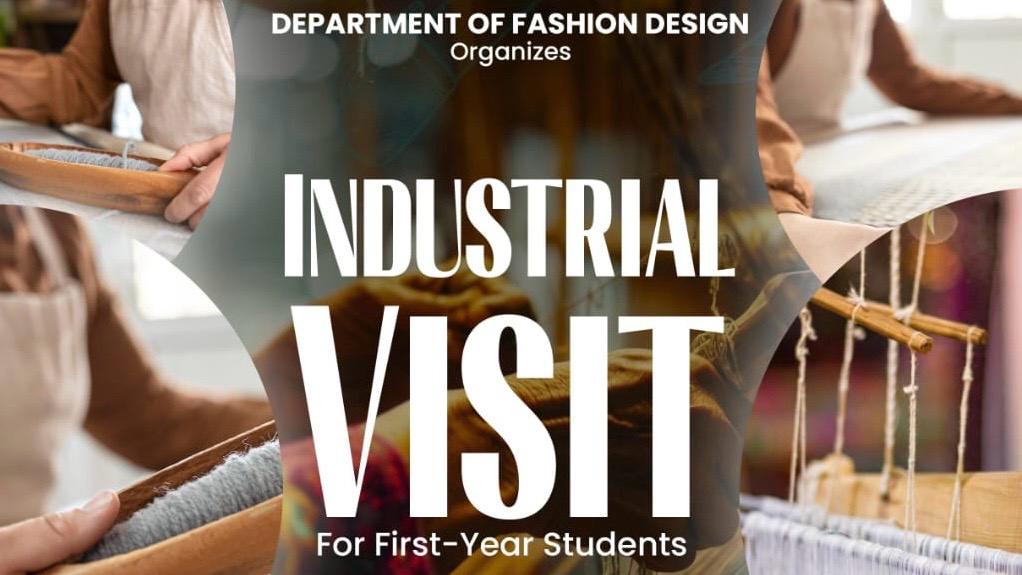
November 27, 2025
November 26, 2025
November 26 to December 28, 2025

November 26, 2025

November 26 to December 26, 2025

November 25, 2025

November 24, 2025
November 22, 2025

November 21, 2025

November 19, 2025

November 17, 2025
November 16, 2025

November 14, 2025
November 13, 2025
November 12, 2025
November 12, 2025
November 11, 2025

November 7 to November 9, 2025
November 7, 2025
November 4, 2025

October 28, 2025
October 27, 2025
October 23, 2025
October 21, 2025
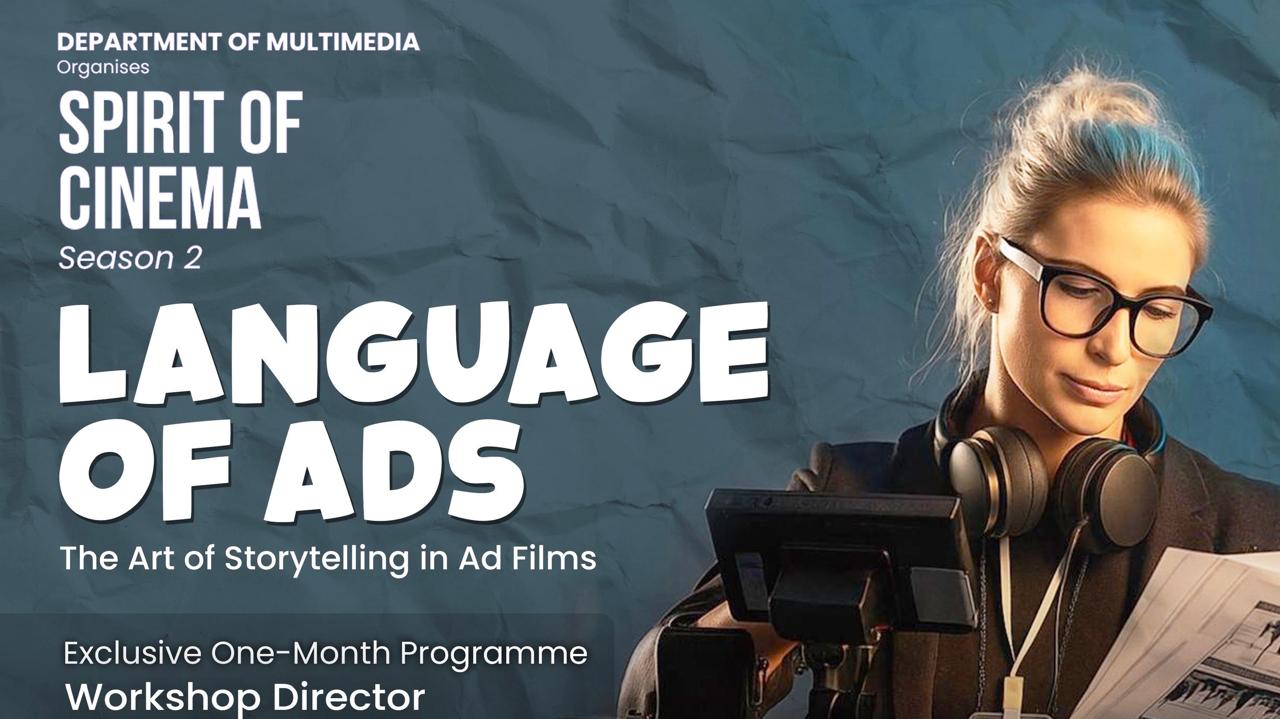
October 17, 2025
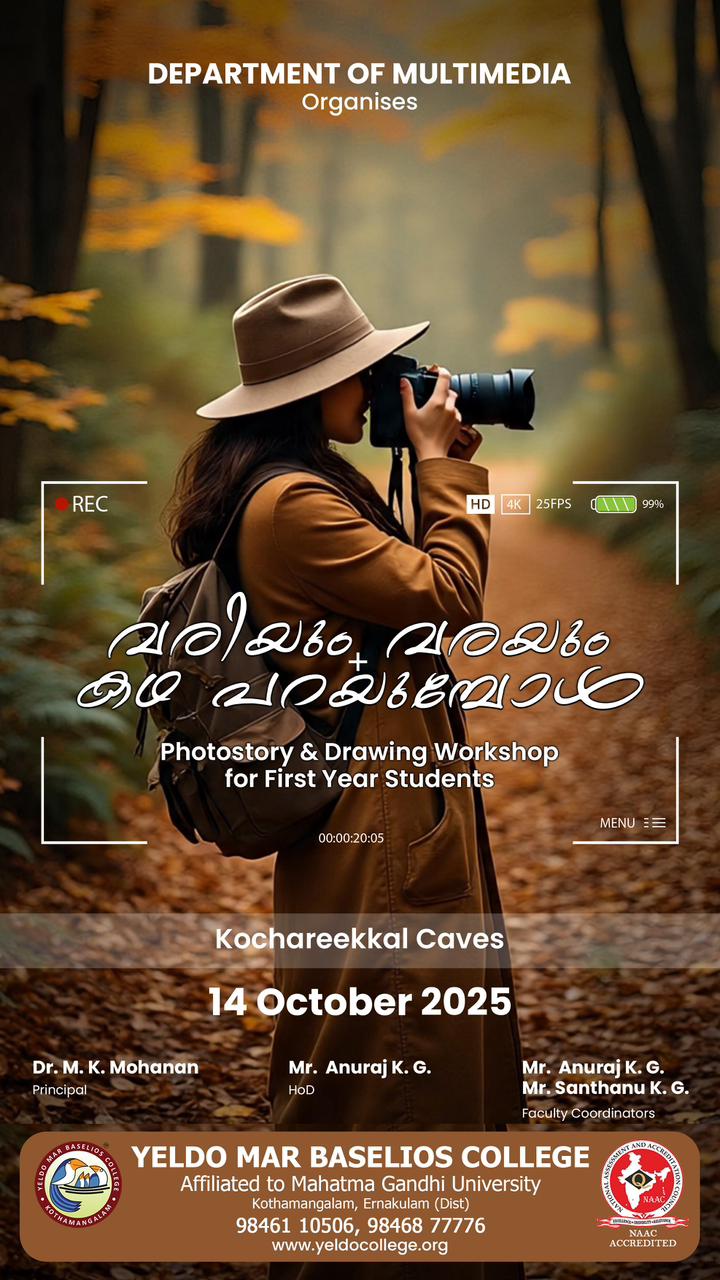
October 14, 2025
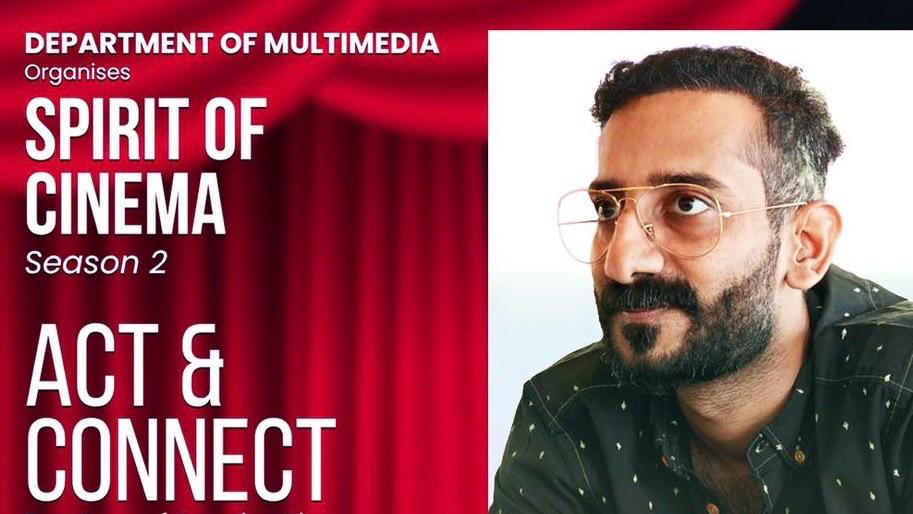
October 9 to October 10, 2025

October 7, 2025
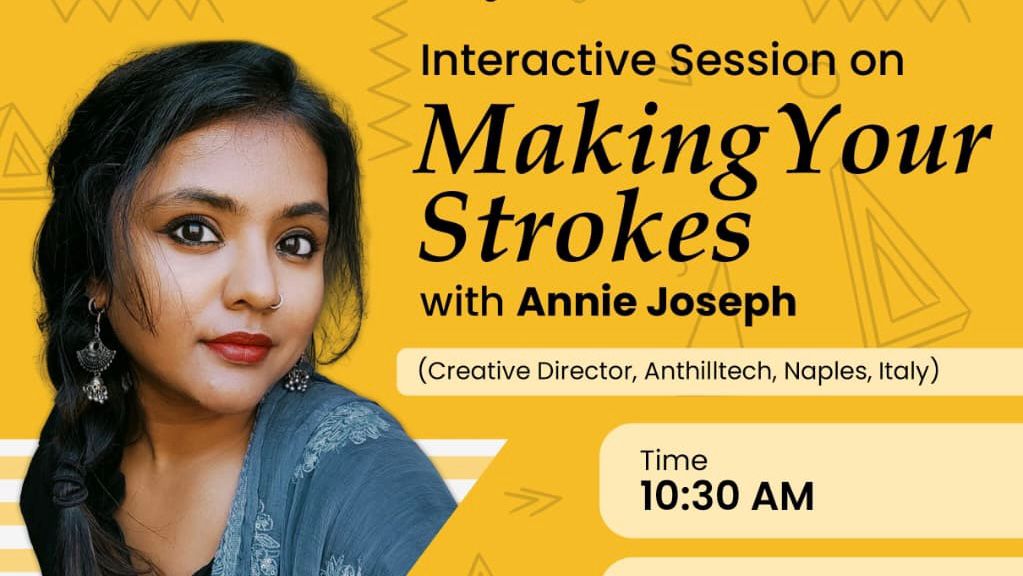
August 21, 2025

July 2, 2025

April 25, 2025
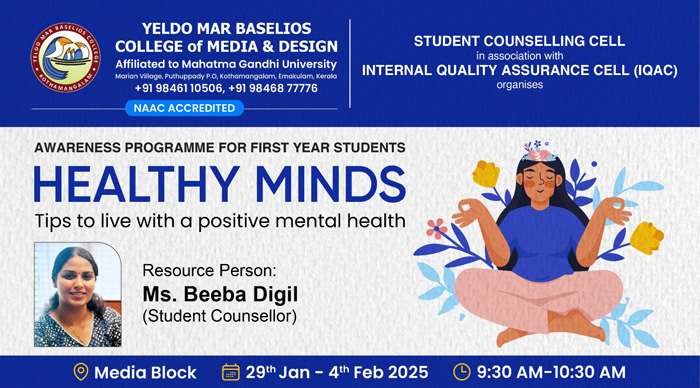
January 29 to February 4, 2025
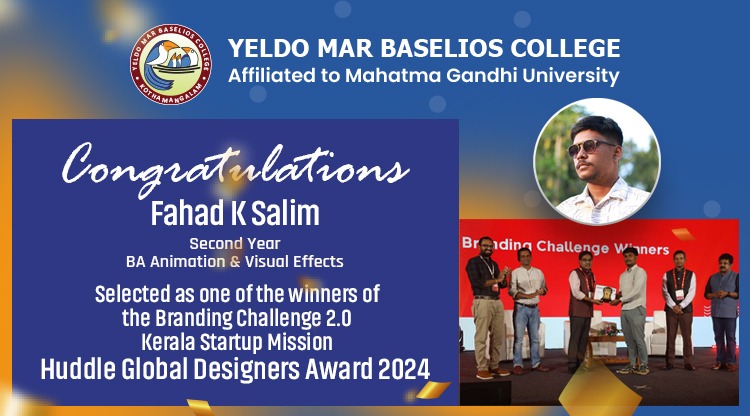
November 12, 2024

October 4, 2024

September 12, 2024
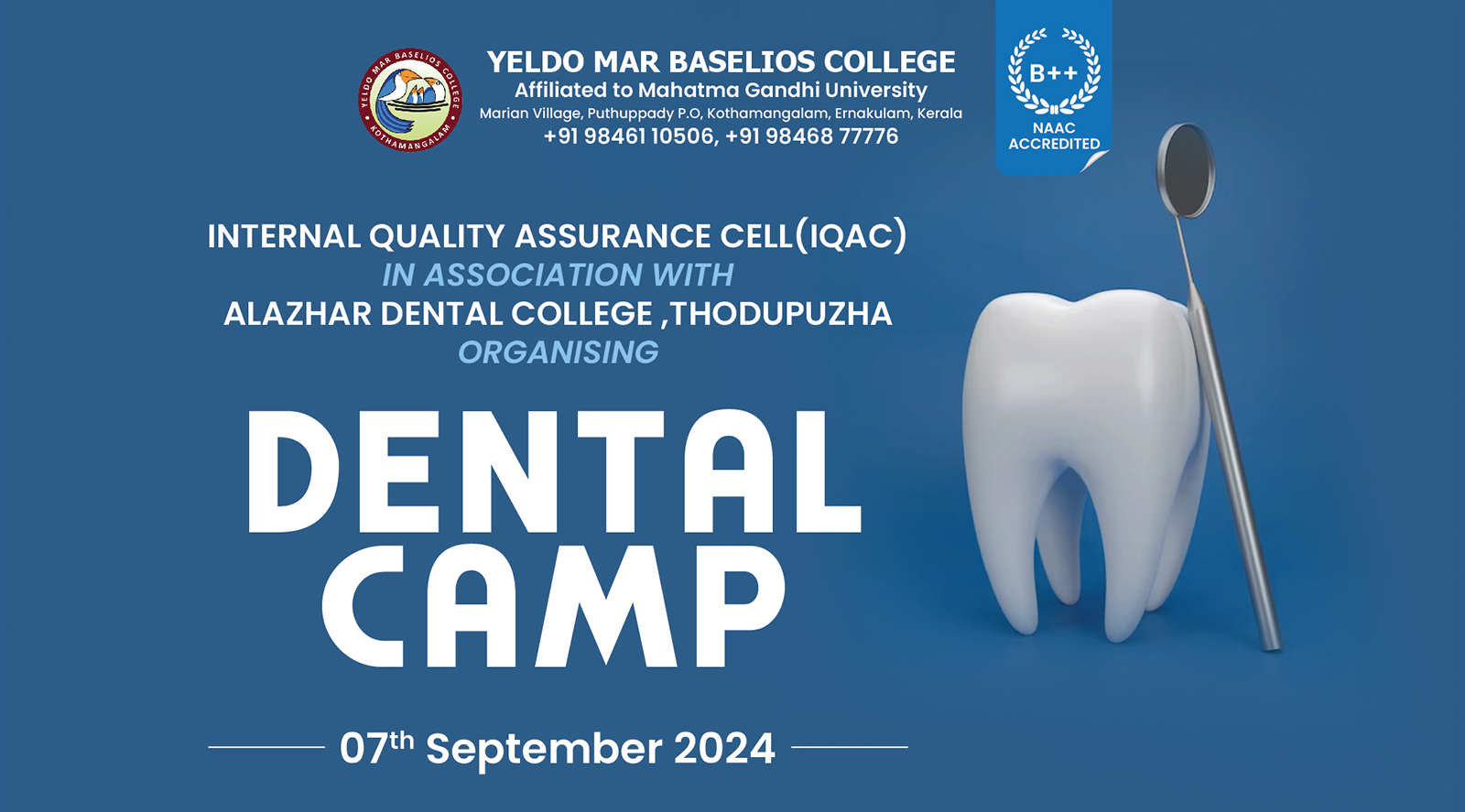
September 7, 2024

July 10 to July 12, 2024
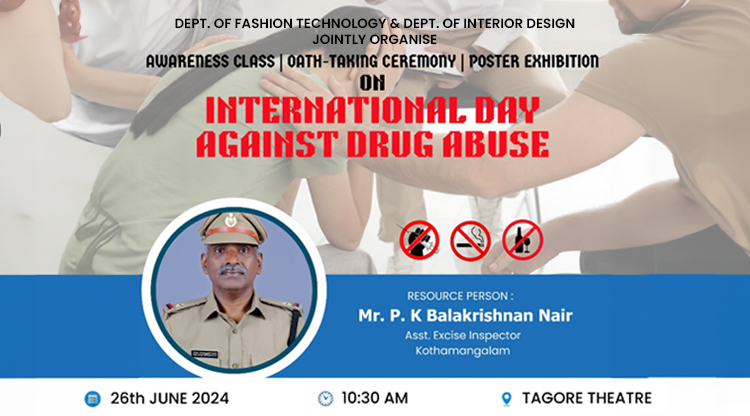
June 26, 2024
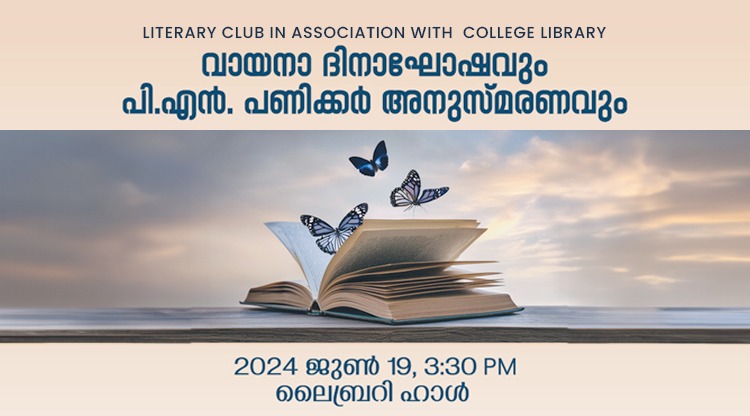
June 19, 2024

June 14, 2024
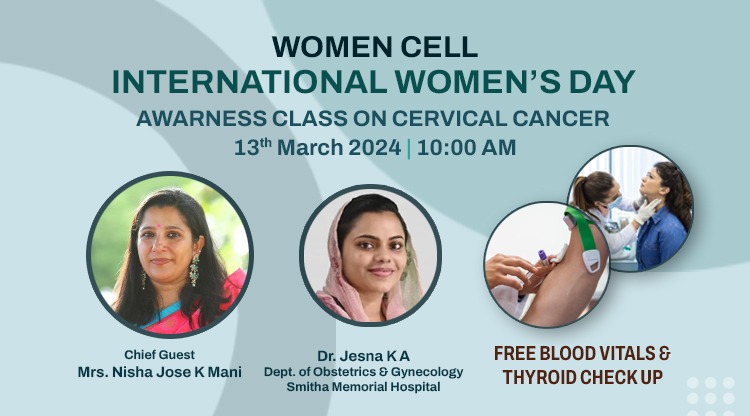
March 13, 2024
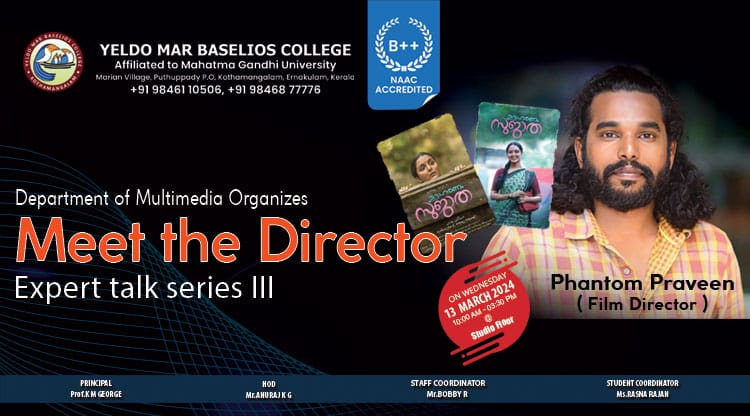
March 13, 2024

March 11, 2024
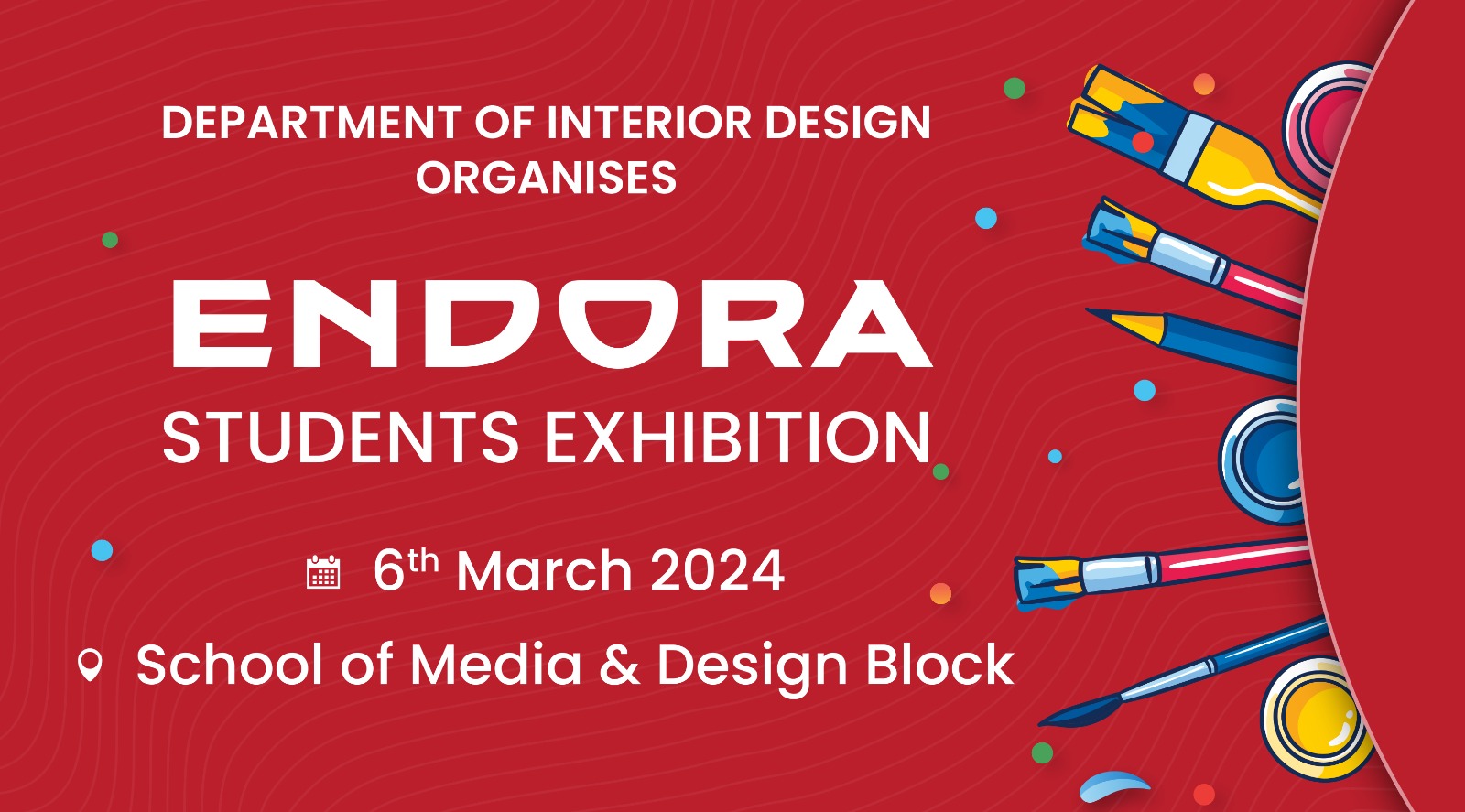
March 6, 2024
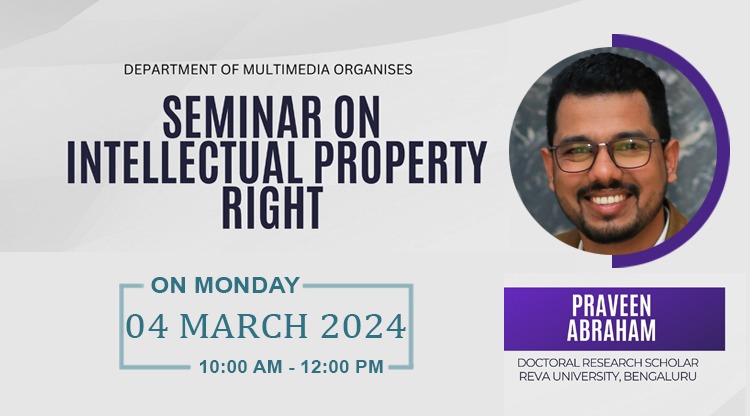
March 4, 2024
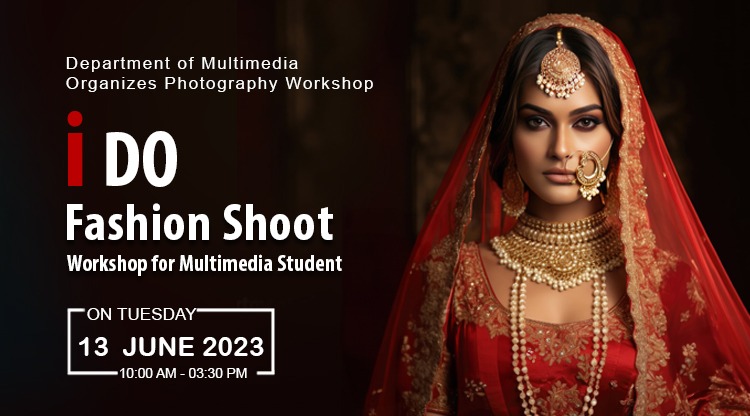
February 23, 2024

February 22 to February 27, 2024
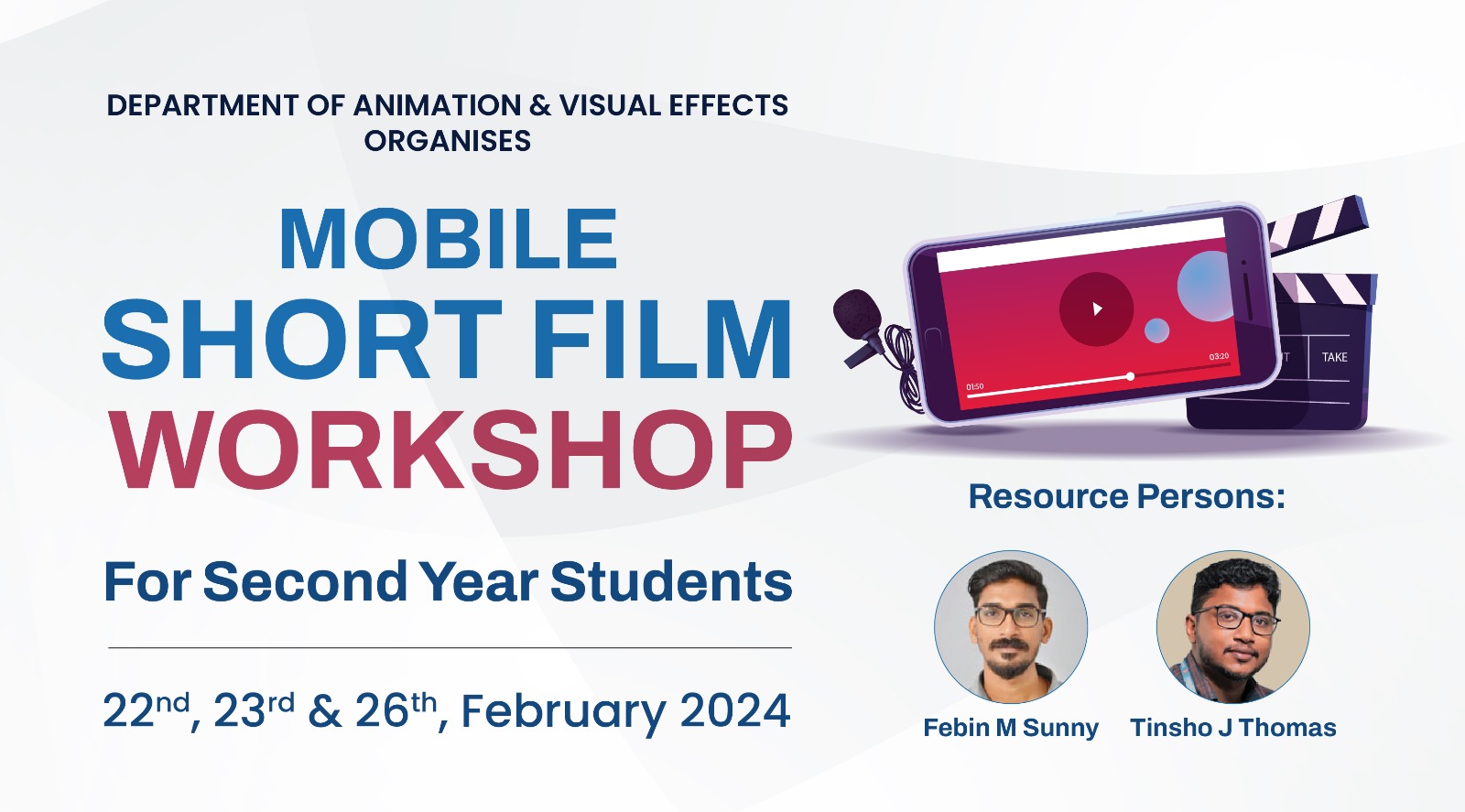
February 22 to February 26, 2024
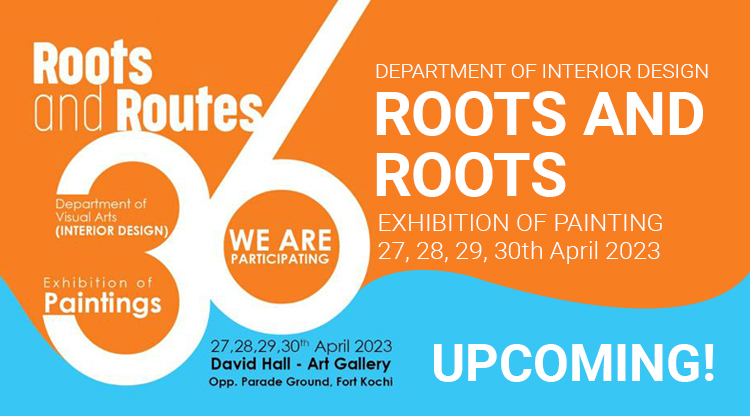
April 27, 2023
July 29, 2022
July 22, 2022
July 19, 2022

July 18, 2022
July 15, 2022

June 30, 2022
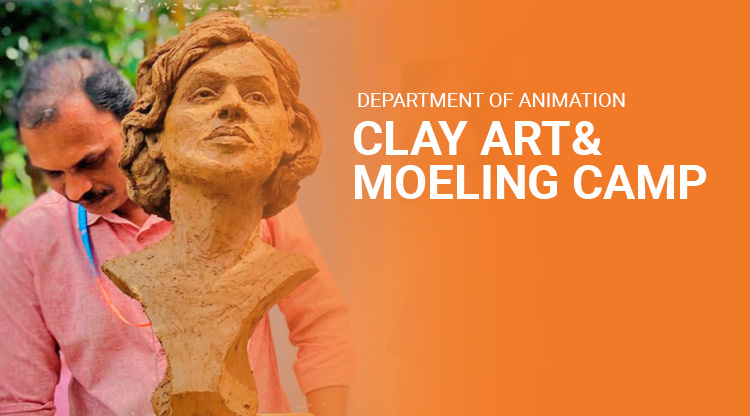
June 29, 2022
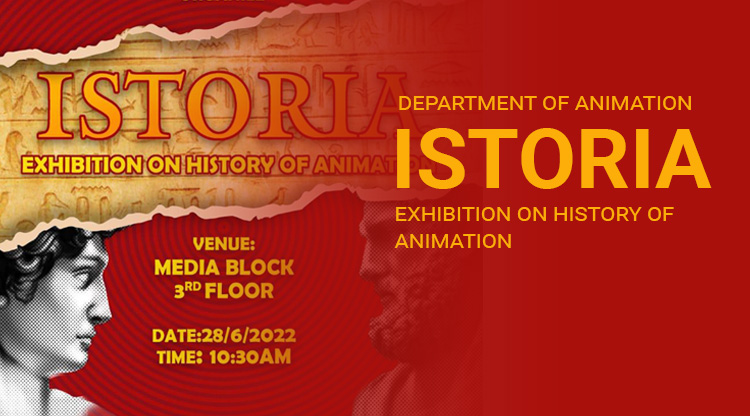
June 28, 2022

June 13, 2022

June 6, 2022
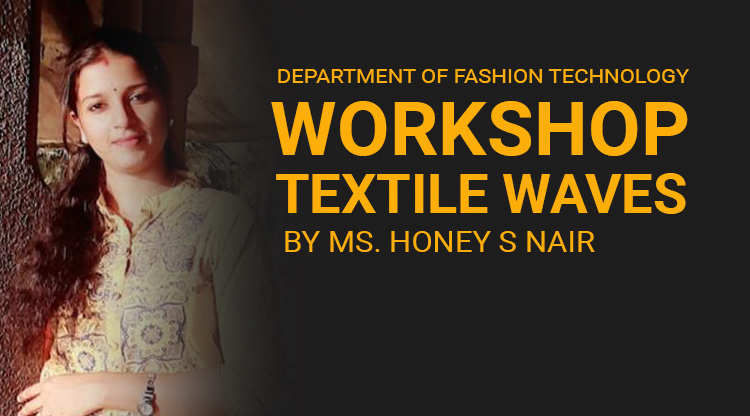
February 14, 2017