
- Email yeldocollegesmd@gmail.com
- CALL +91 98461 10506 +91 98468 77776
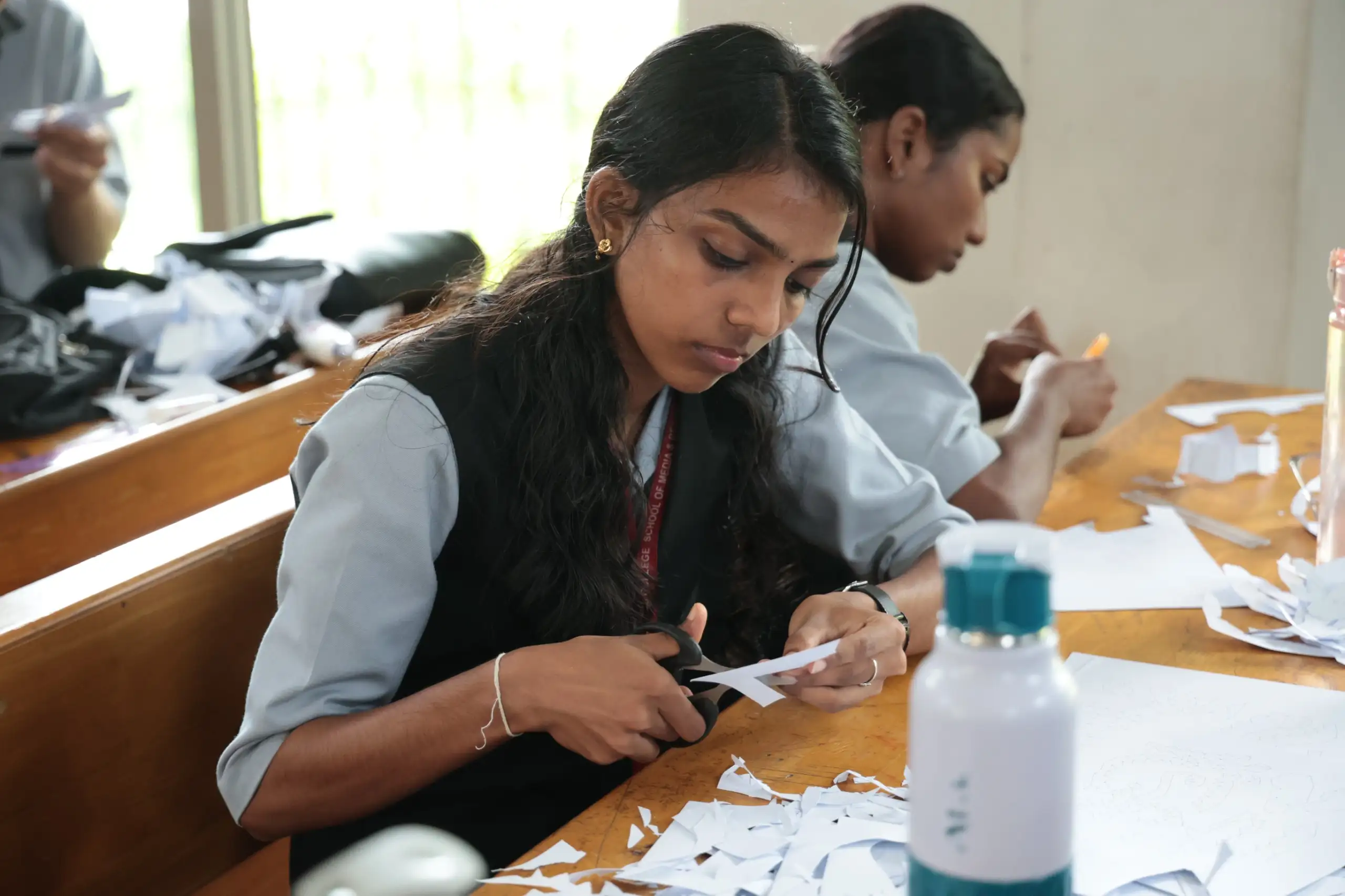
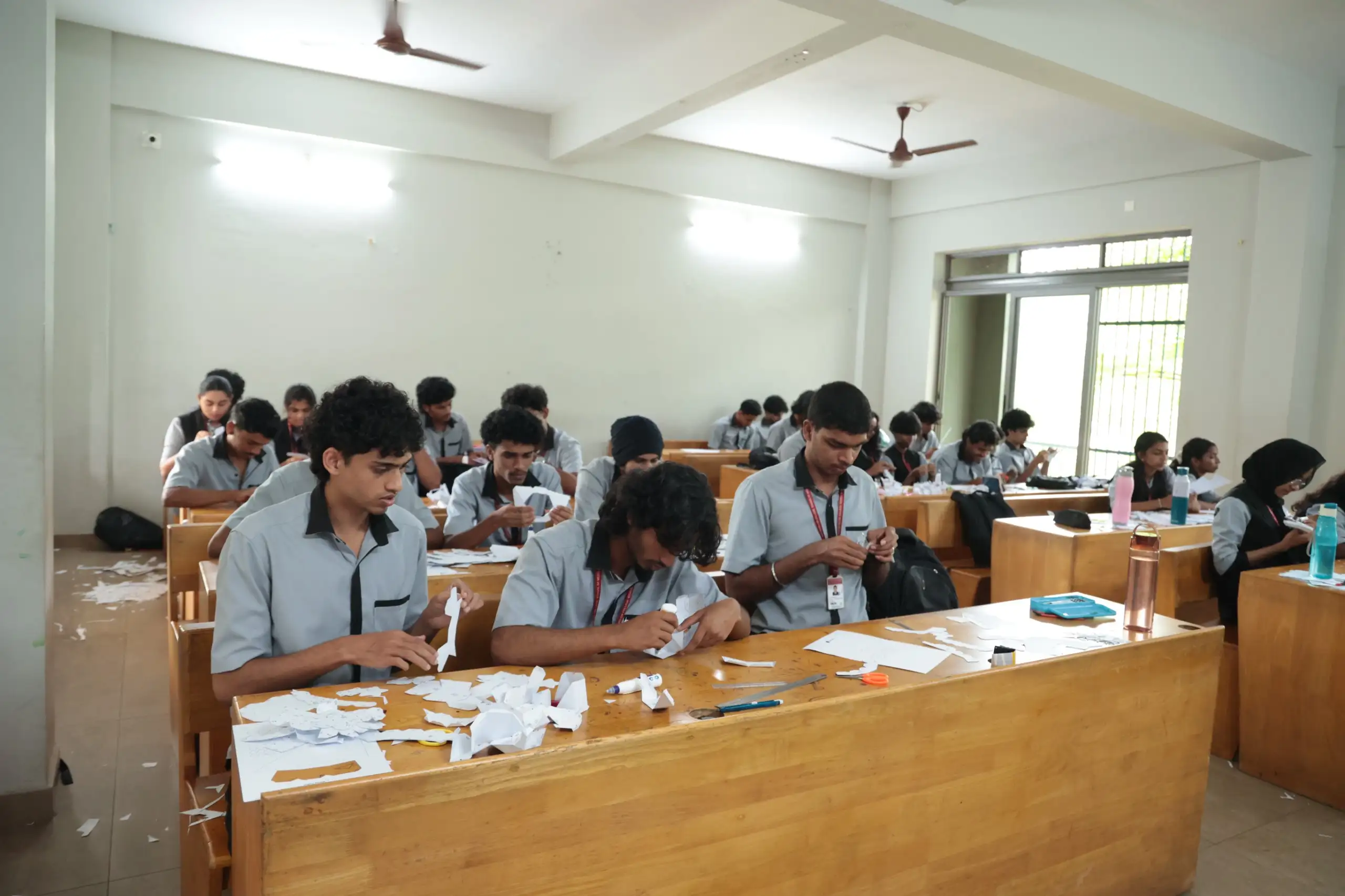
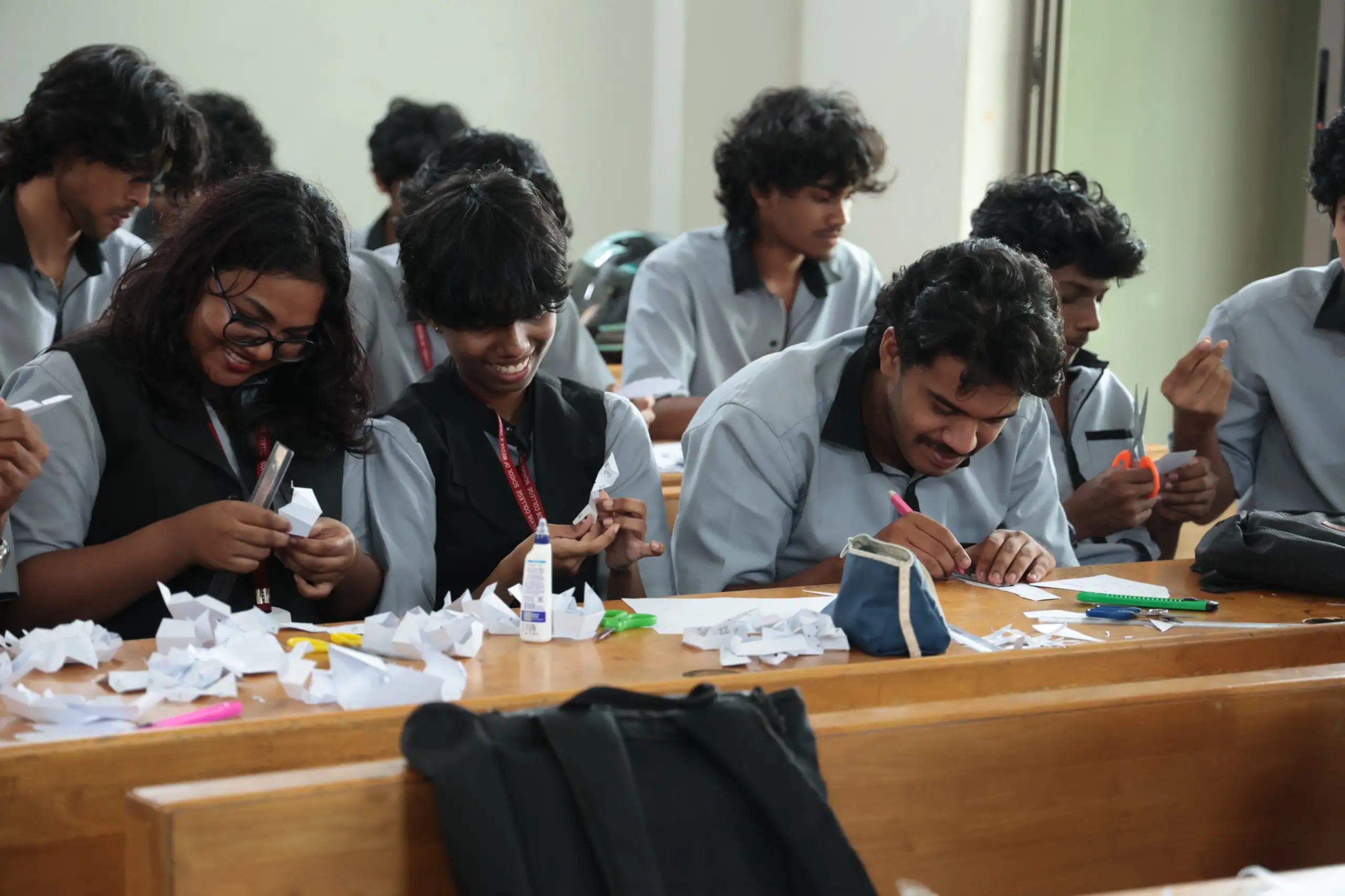
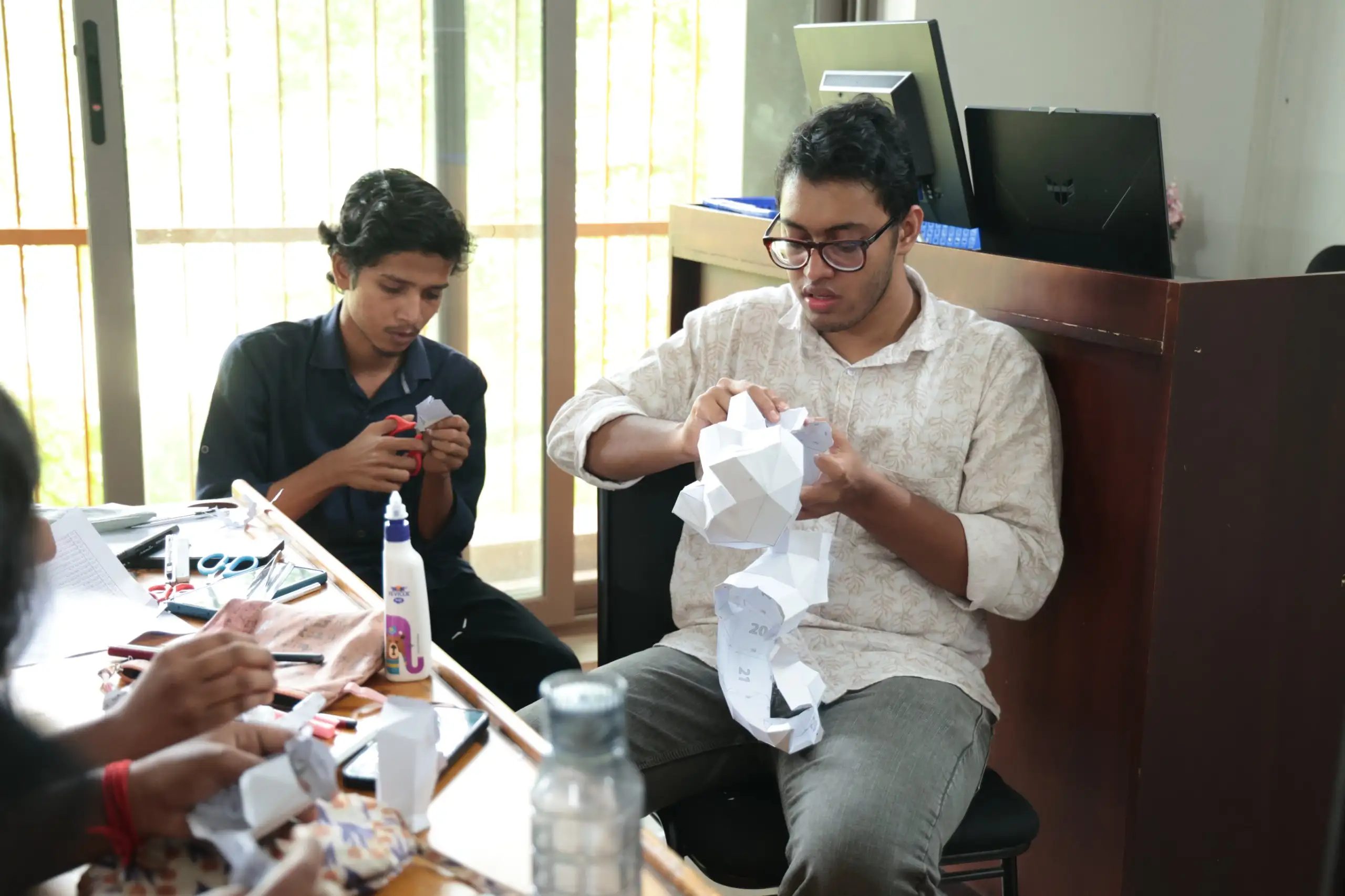
Yeldo Mar Baselios College - Department of Animation & Graphic Design is pleased to present a hands-on "3D Paper Modeling Workshop" on 21 July 2026 at the YMBC campus. This intensive, practise-oriented workshop brings together traditional papercraft techniques and contemporary 3D design thinking to provide students, early-career professionals, and creative enthusiasts with practical skills that bridge physical model-making and digital visualization. Students gained first-hand experience constructing three-dimensional models from paper and cardstock while learning methods and workflows that are directly applicable to animation, VFX, product mockups, set design, prototyping, and concept development. The workshop featured two industry practitioners with demonstrated expertise both 3D and VFX disciplines. VFX artist Mr. Jasal K J of Vishwa FX shared his experience in visual effects pipelines, practical techniques for creating convincing forms and textures, and how physical models can be used to inform and enhance digital VFX work. As a 3D animator Mr. Deepesh M D from Smart Lounge, he focused on the animator's perspective: how well-crafted physical models can aid staging, camera planning, and animation timing, and how to translate tactile model-making decisions into digital scenes. The facilitators provided a holistic view of how paper modeling complements modern creative production workflows. The session began with demonstrations by the facilitators that bridged conceptual thinking and hands-on technique. Mr. Jasal shared how physical model-making informs visual effects workflows, demonstrating methods to build convincing forms and textures from simple materials. Mr. Deepesh focused on the animator's viewpoint, showing how well-crafted physical models aid staging, camera planning, and timing decisions. Their combined perspectives gave participants a clear understanding of how tactile model-making can enhance digital production pipelines and creative problem-solving. The workshop's structure balanced guided students to learn foundational skills-accurate template layout, scoring, folding, and clean assembly-before progressing to more complex tasks such as modular construction, compound curves, and mixed-material reinforcements. Throughout the day, instructors emphasized iterative prototyping: participants created quick mockups, assessed silhouettes and structural behavior, and refined forms for clarity and expressiveness. This workflow taught students to prototype rapidly, evaluate design choices visually, and arrive at efficient, production-ready solutions. Beyond manual techniques, the facilitators presented several practical workflows that bridged physical and digital practices. Students were shown how to create clean templates suitable for digital tracing, photograph and scan models for texture capture, and use paper models as references for 3D sculpting and texturing. Demonstrations included simple methods to convert paper forms into photo-based assets and guidelines for documenting stages for client presentations or portfolio use. It was structured to be highly practical and interactive. Sessions combined the short demonstrations, guided step-by-step exercises, and open studio time during which participants create their own models under instructor supervision. Students experienced with fundamental techniques-measuring and planning templates, scoring, folding, and accurate skills such as complex surface construction, modular assemblies and integrating mixed materials for structural strength and visual interest. It emphasised them to learn how quickly prototype multiple variations, evaluate silhouettes, and refine forms for clarity and expressiveness. The workshop also strengthened portfolio work and employability skills. Students left with polished paper models, high-quality documentation, and clear workflows they could demonstrate during interviews and portfolio reviews. Industry-focused tips from the facilitators about time management in prototype work, photographing models for texture capture, and preparing physical mockups for client feedback-were especially valuable for students preparing for internships and placements.
July 21, 2026
July 21, 2026
July 21, 2026
July 21, 2026
July 16 to July 17, 2026
July 8, 2026
July 6, 2026
June 30, 2026
June 22, 2026
June 19, 2026
June 19, 2026
June 15, 2026
June 12, 2026
June 5, 2026
June 5, 2026
April 18, 2026
March 30 to April 1, 2026
March 30, 2026
March 26, 2026
March 16 to March 17, 2026
March 13, 2026
March 10, 2026
March 9, 2026
March 6, 2026
March 5, 2026
March 4, 2026
February 27, 2026
February 27, 2026
February 26 to February 27, 2026
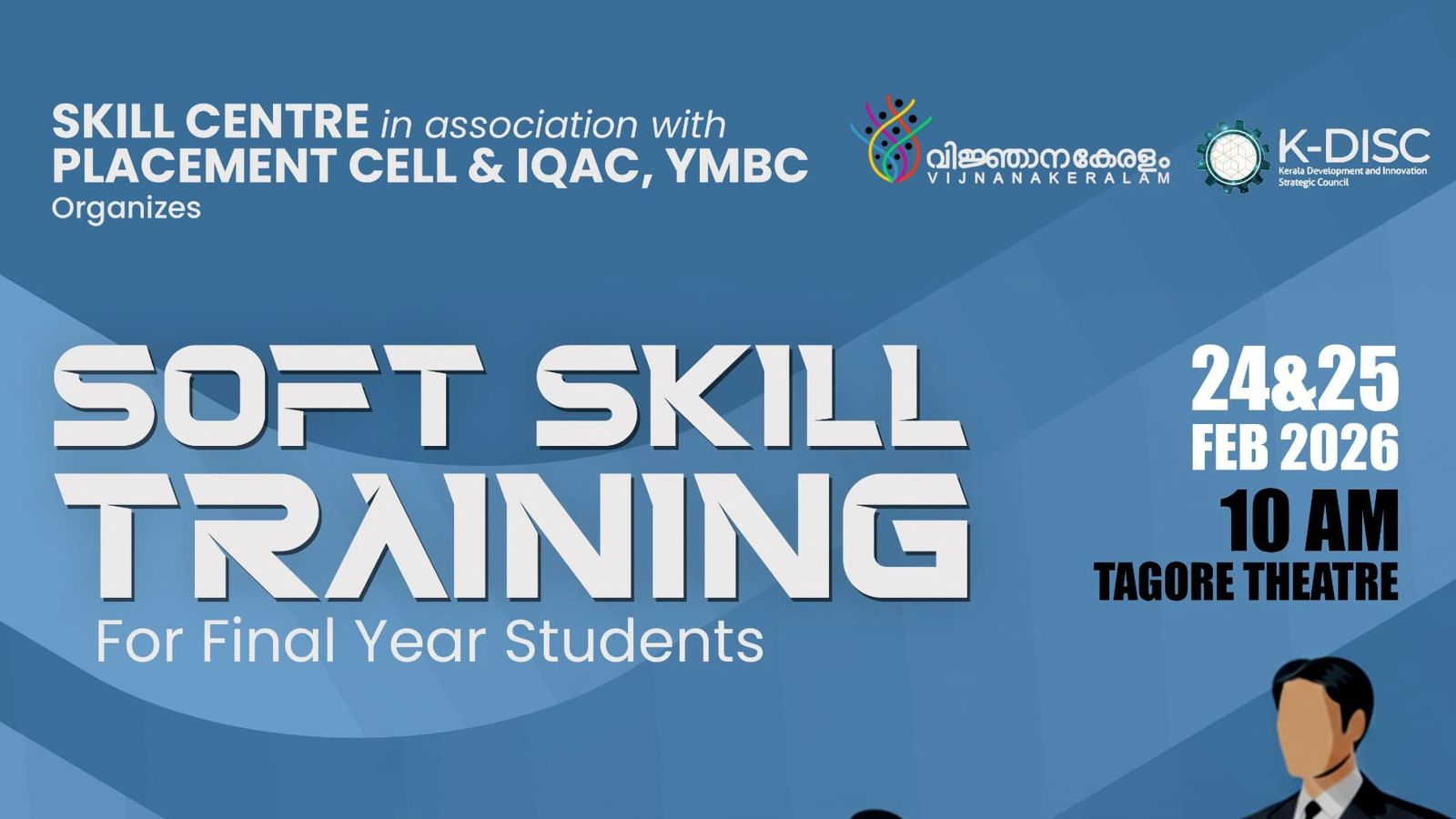
February 24 to February 25, 2026

February 23, 2026

February 18, 2026
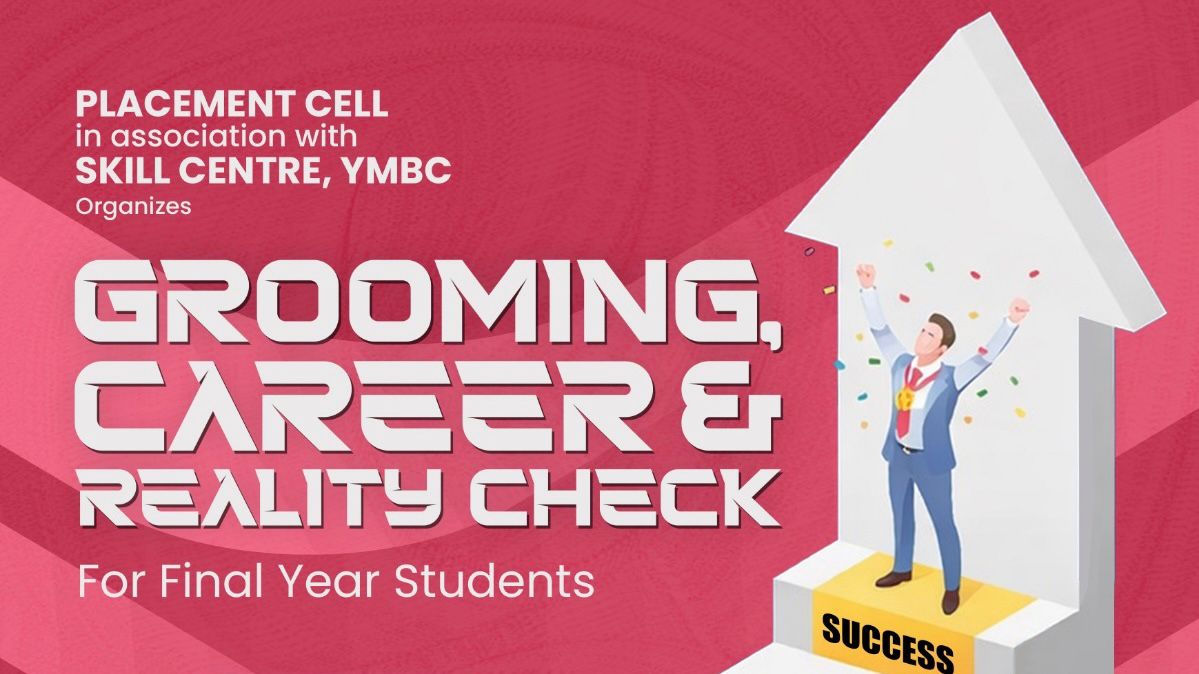
February 16 to February 18, 2026

February 13, 2026
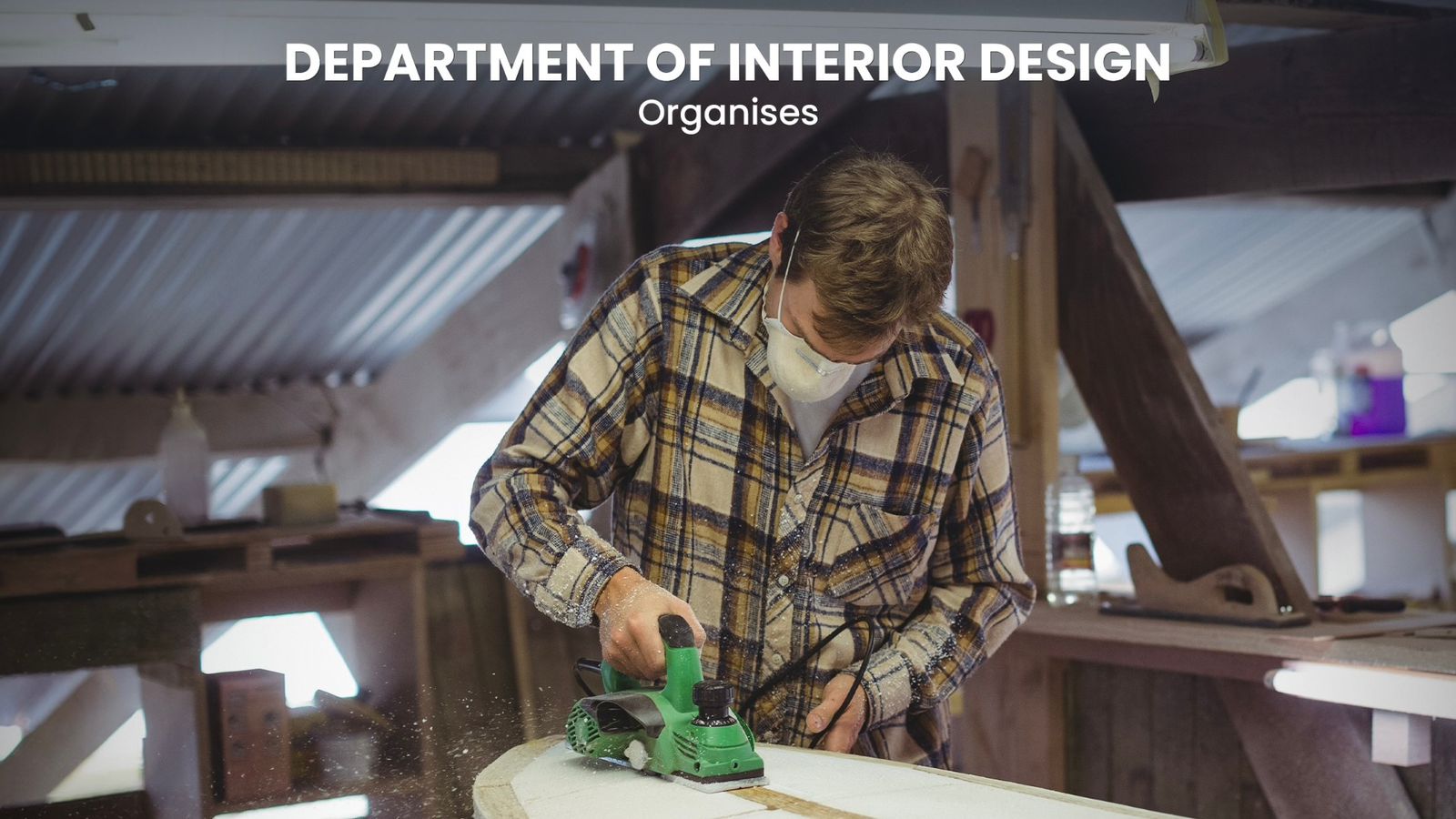
February 10, 2026

February 9, 2026
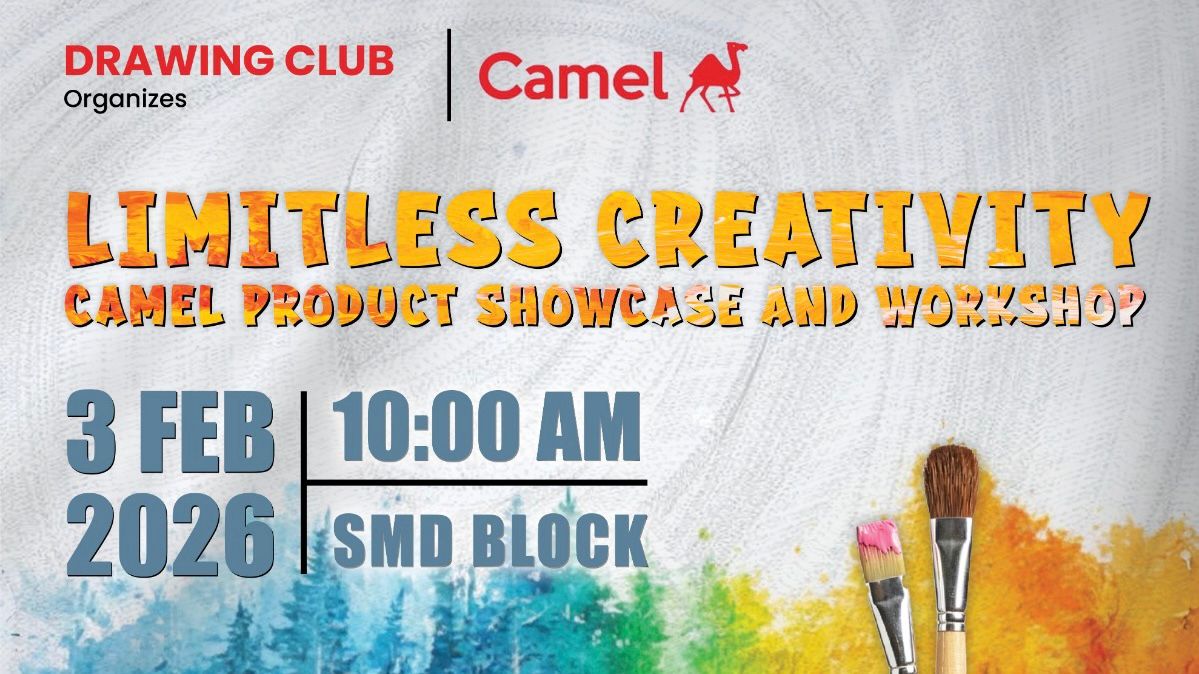
February 3, 2026

January 28, 2026
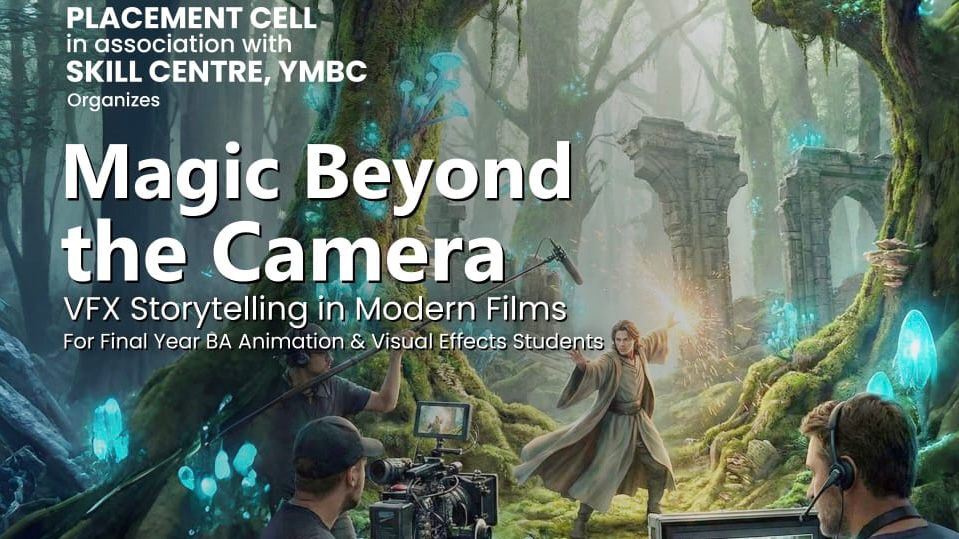
January 28, 2026
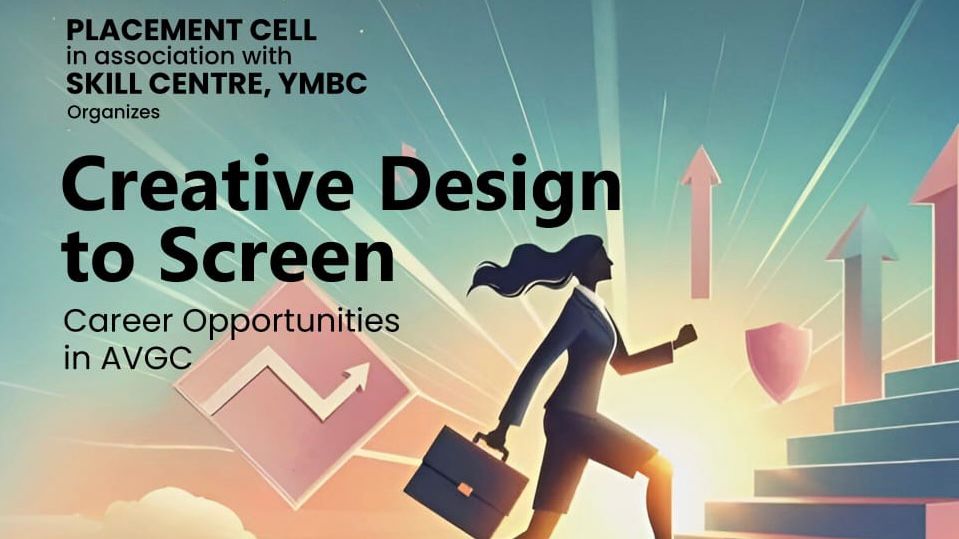
January 28, 2026
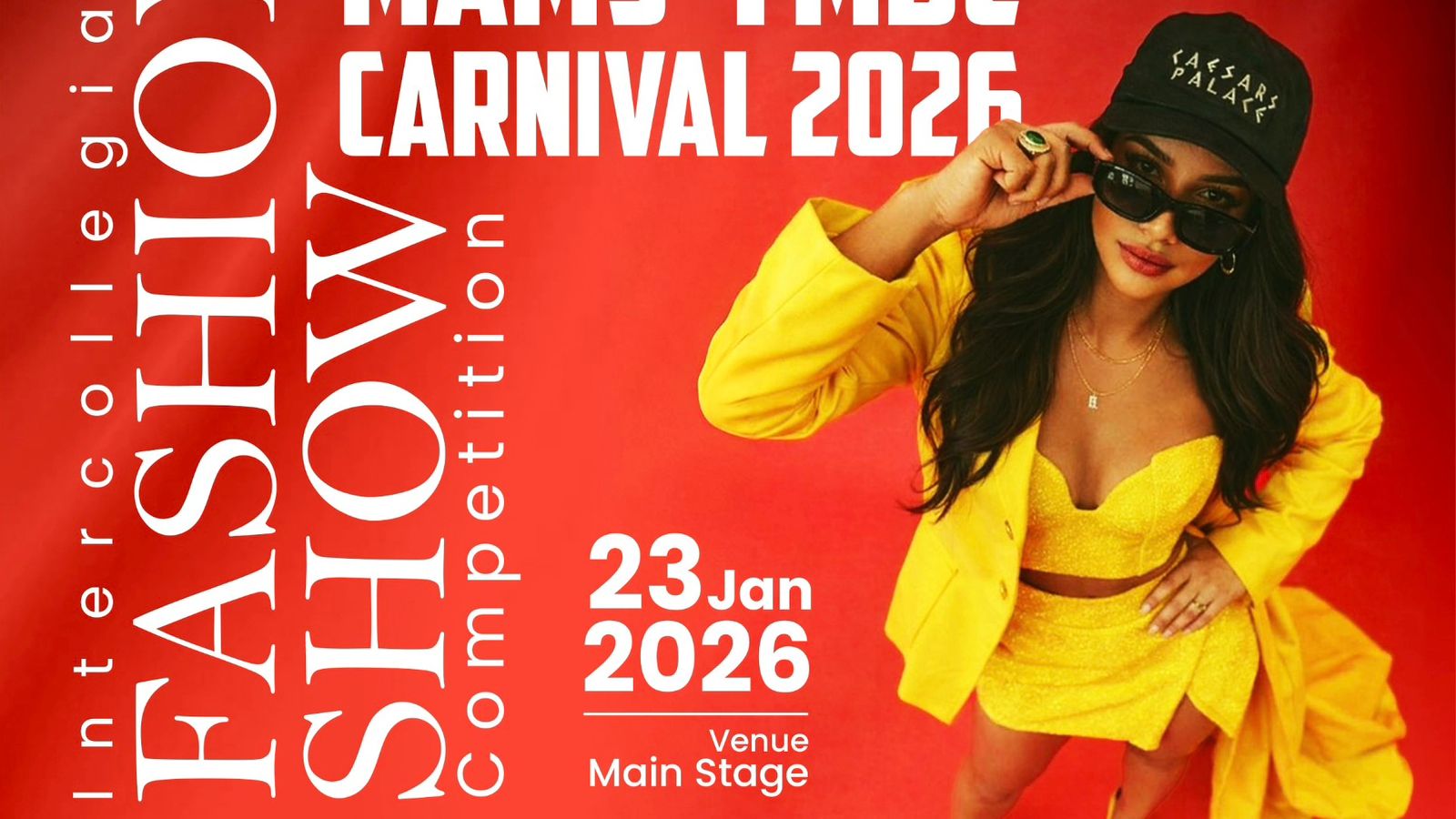
January 23, 2026
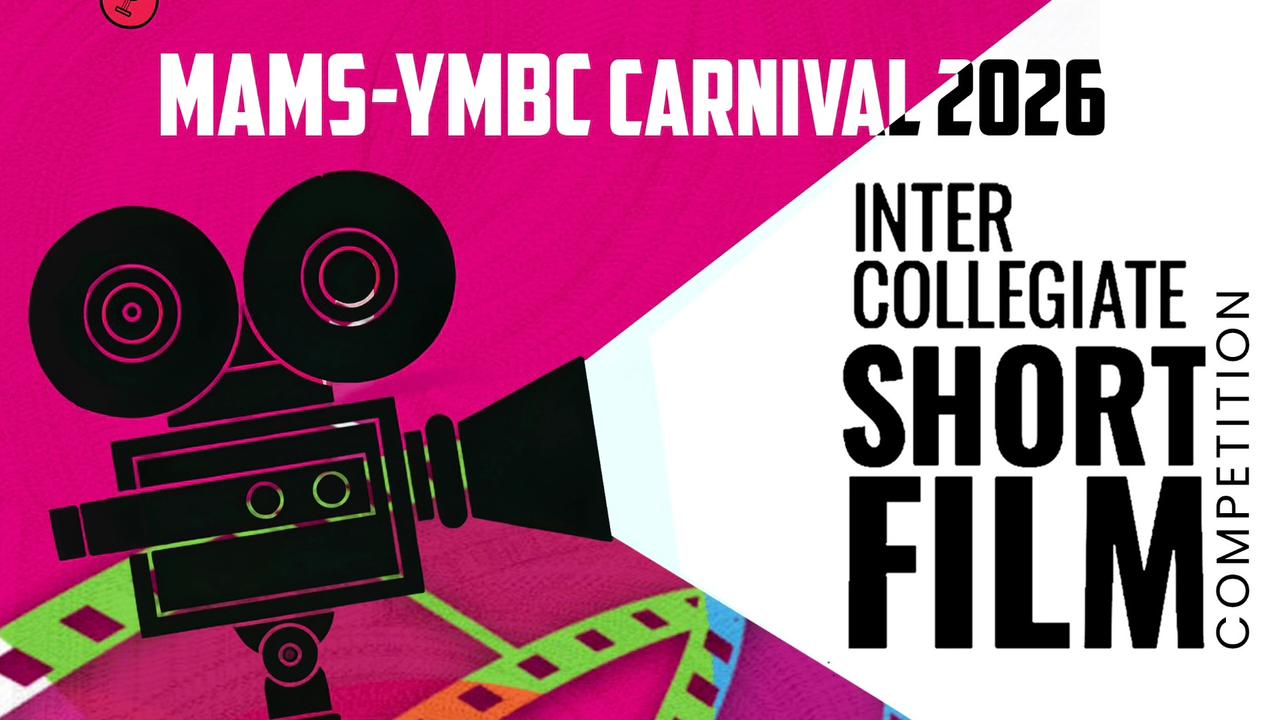
January 23, 2026
January 22 to January 23, 2026
January 19, 2026
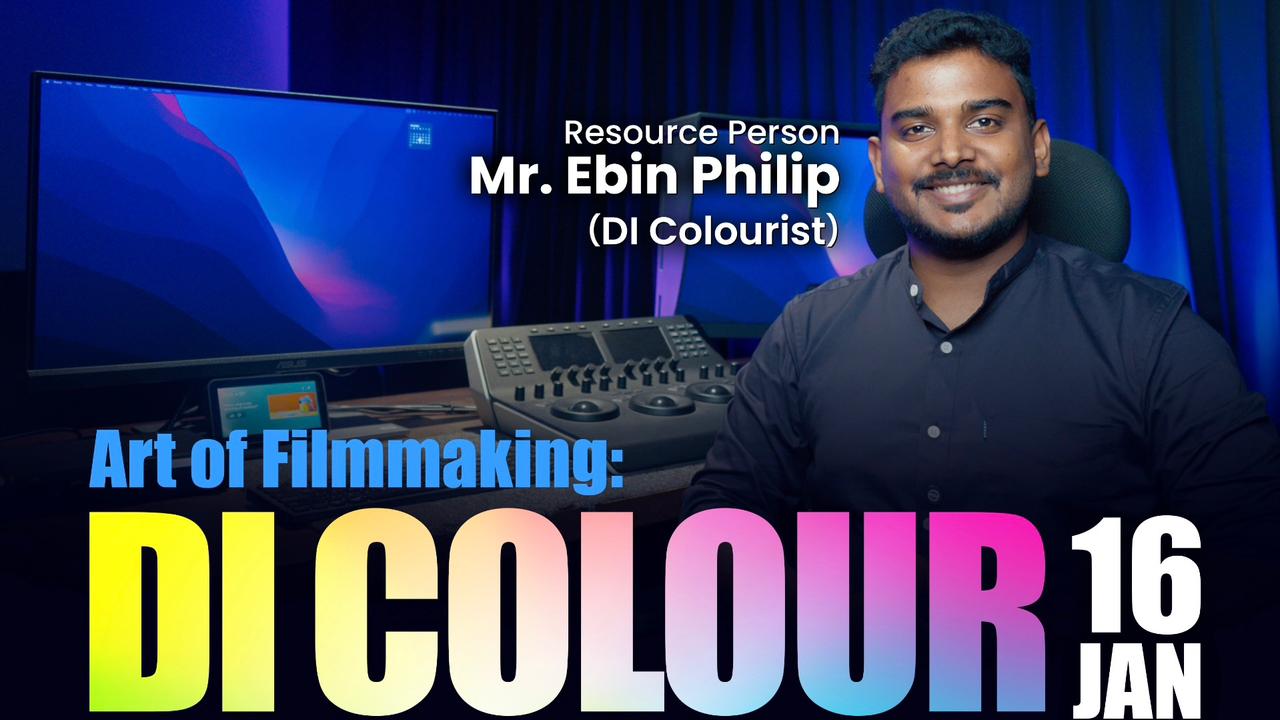
January 16, 2026
January 15, 2026
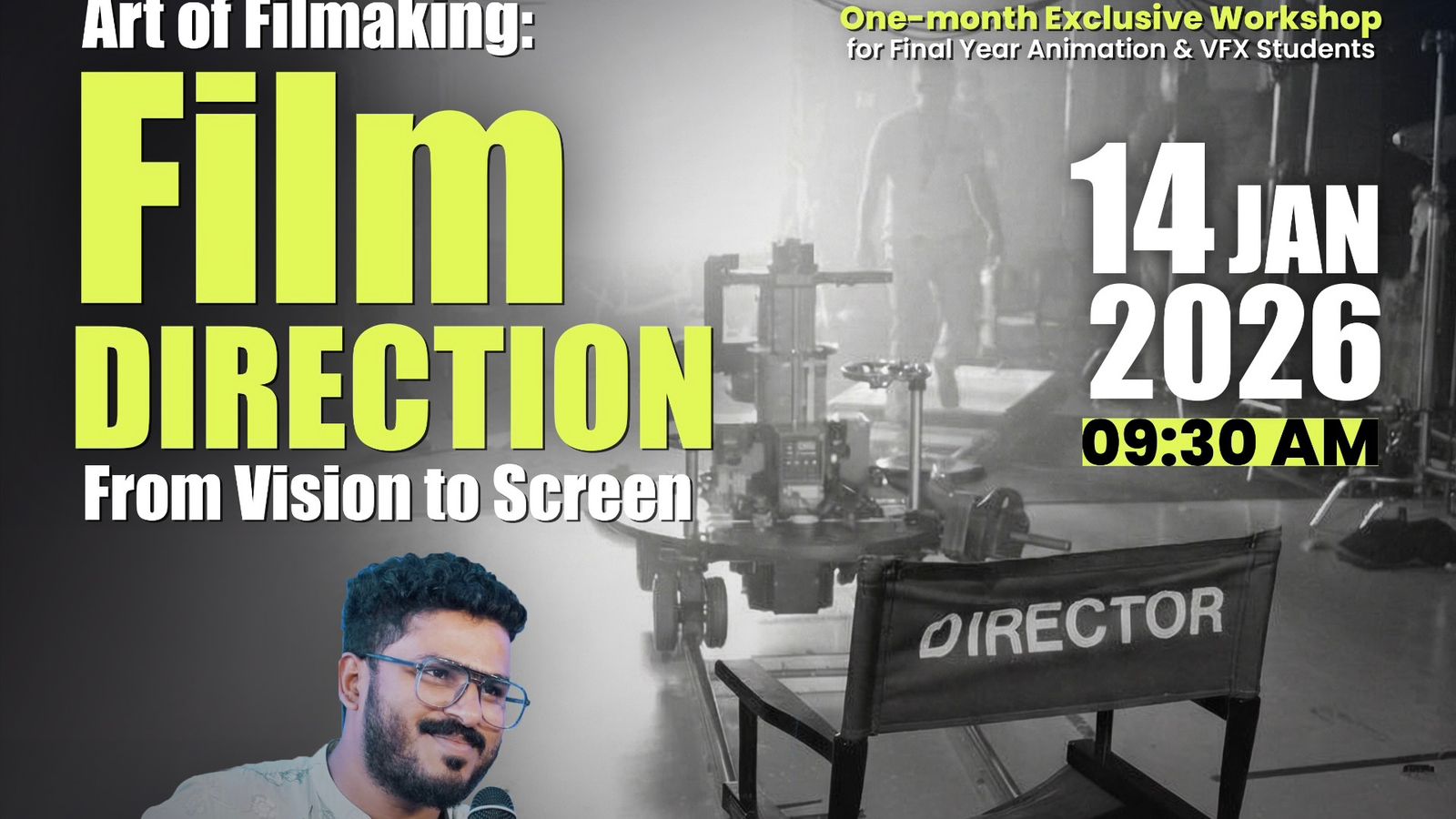
January 14, 2026
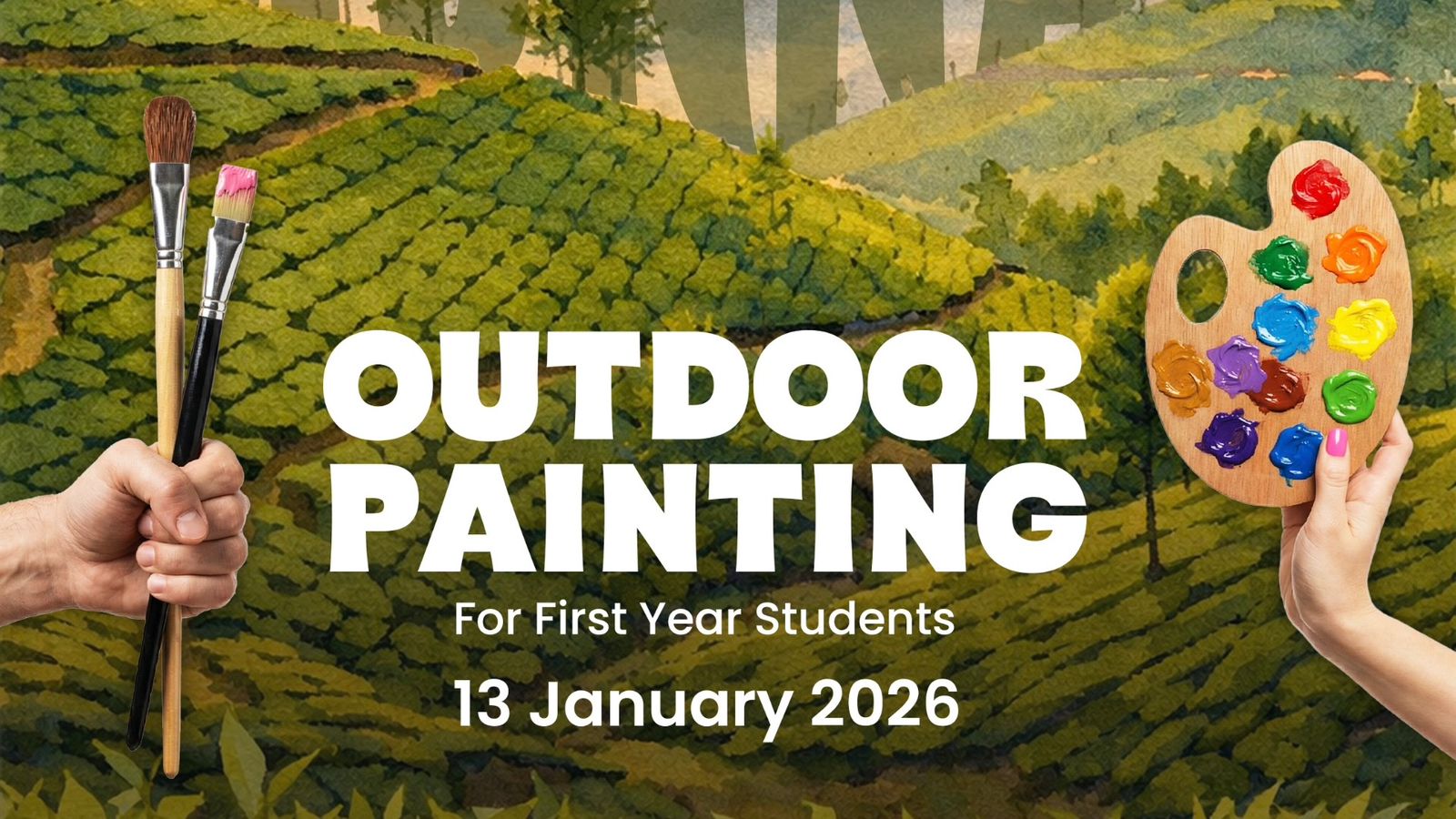
January 13, 2026
January 12, 2026
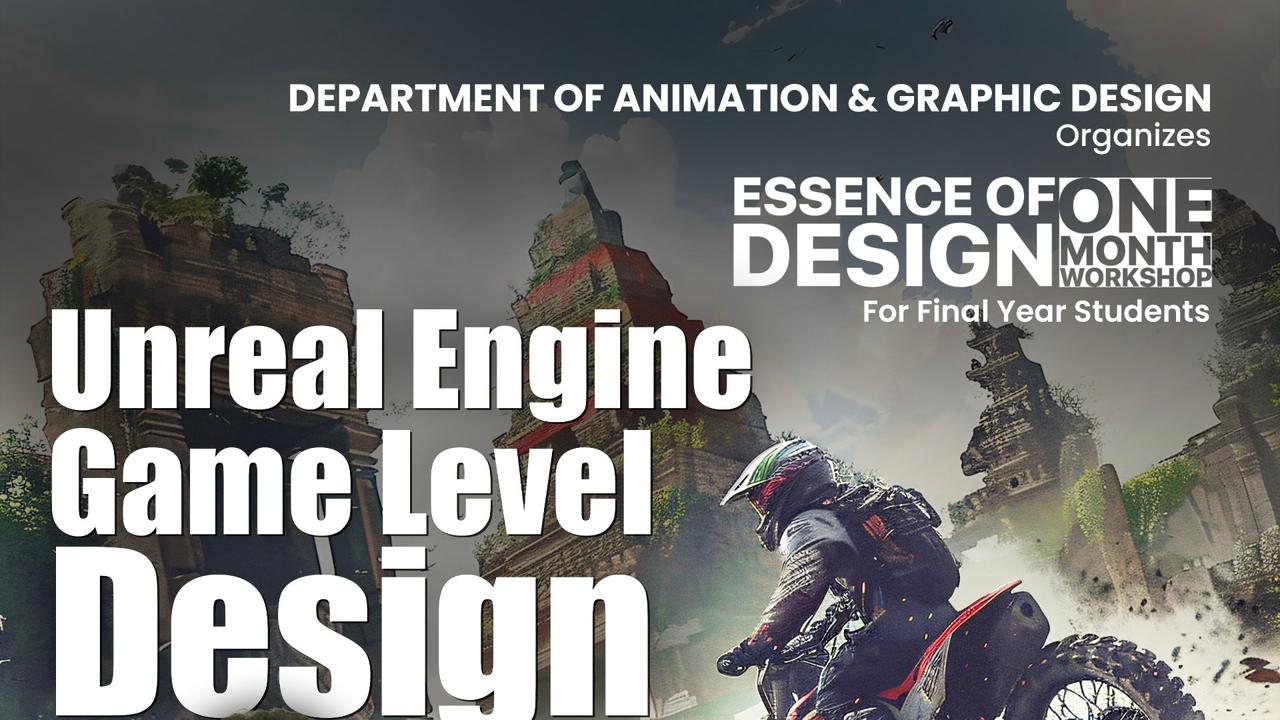
January 12 to January 31, 2026

January 12 to January 31, 2026
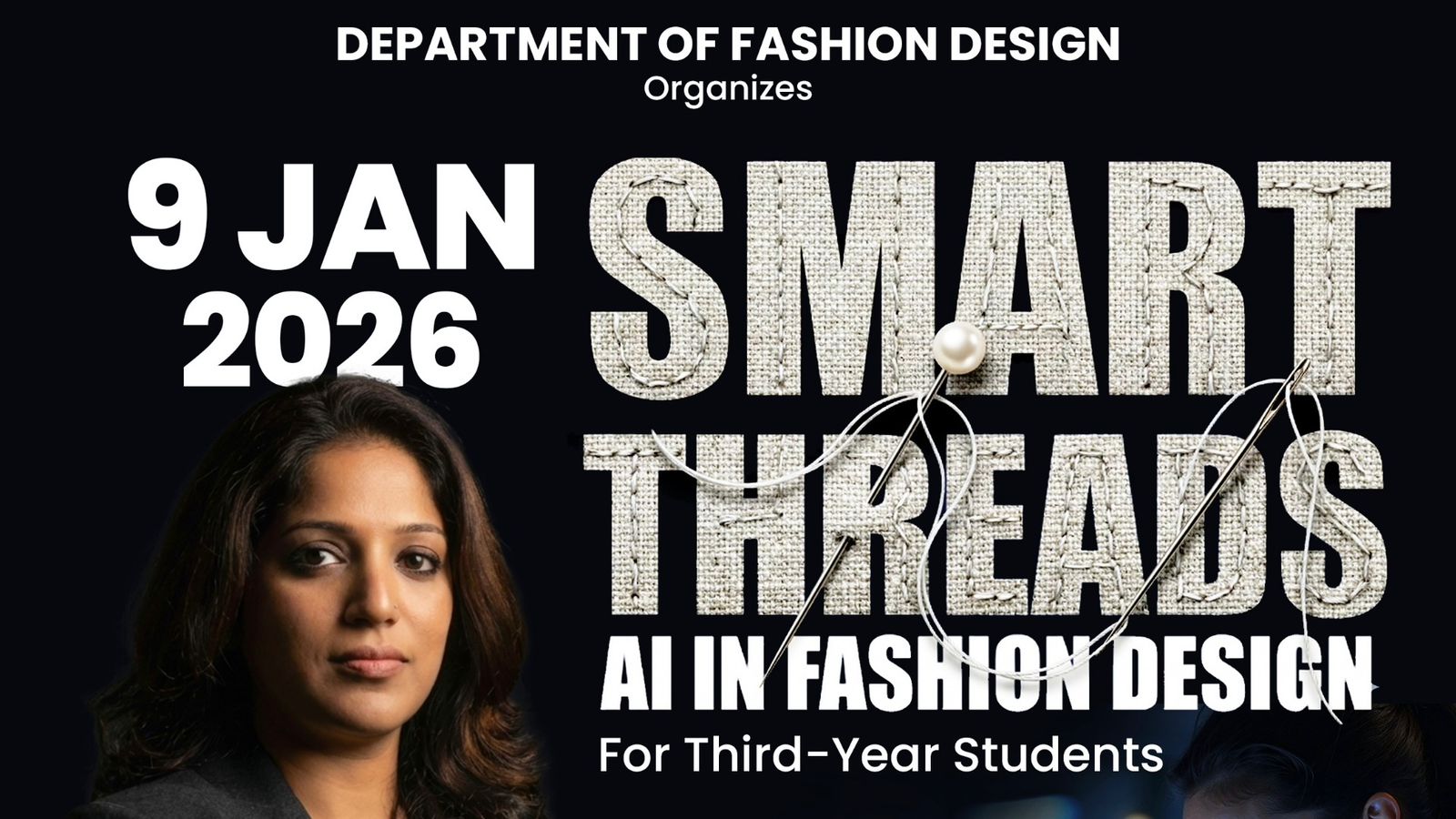
January 9, 2026

January 8 to January 9, 2026

January 8 to January 9, 2026
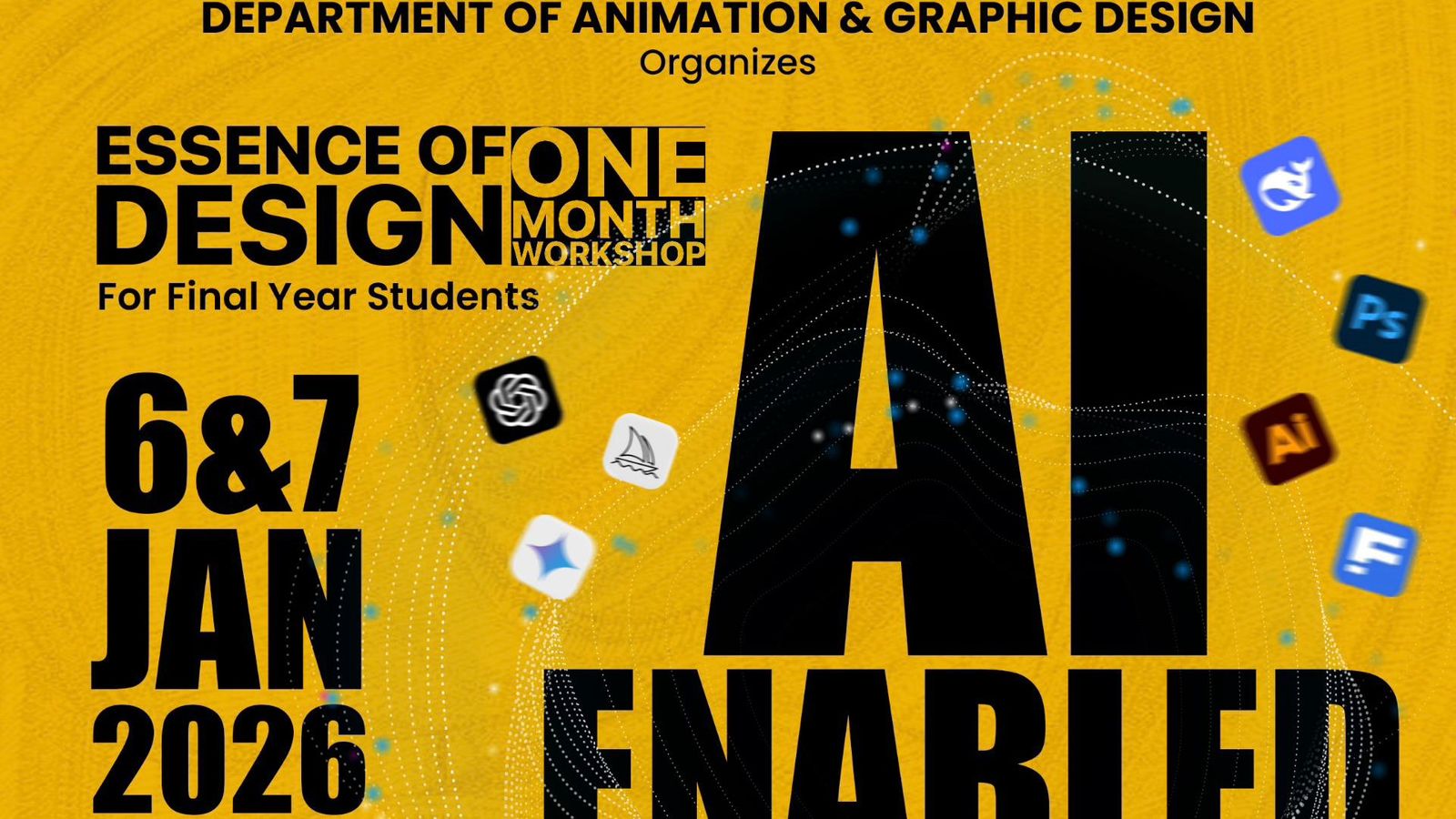
January 6 to January 7, 2026

January 6 to January 7, 2026

December 22, 2025

December 22, 2025

December 22, 2025
December 20, 2025

December 16, 2025
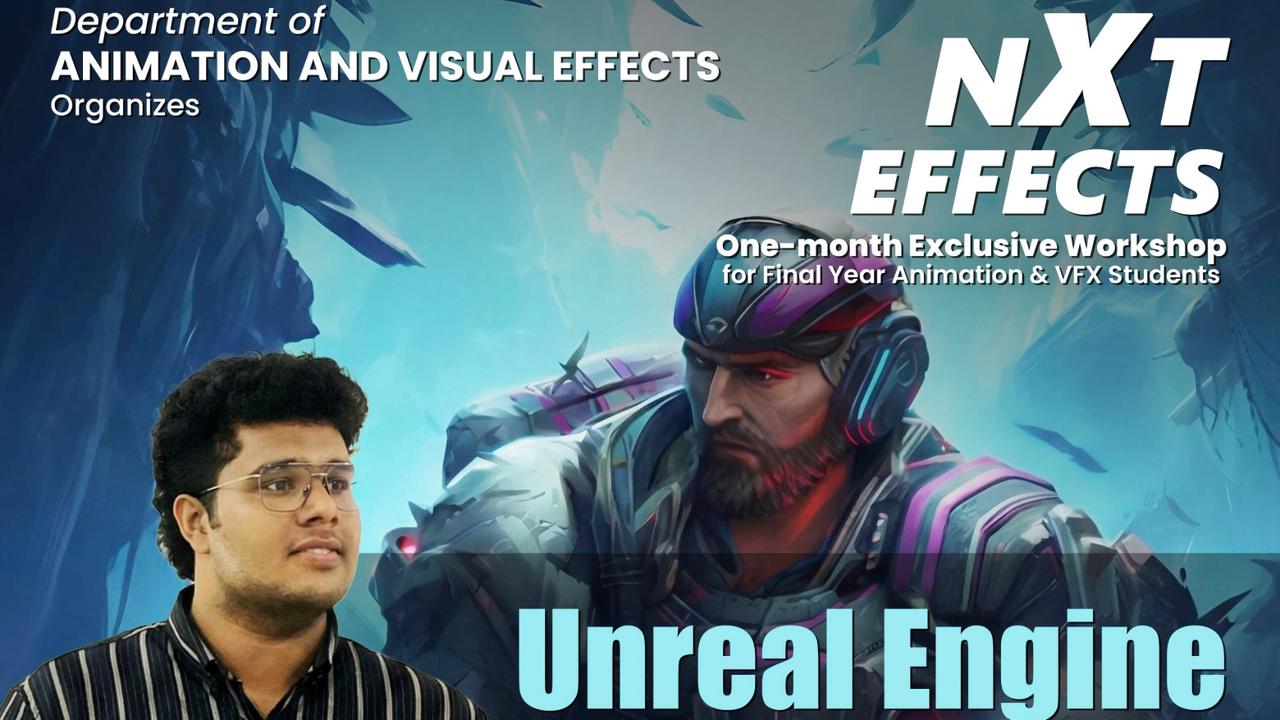
December 15 to December 19, 2025

December 5, 2025

December 4, 2025

December 3, 2025

December 2 to January 2, 2026

December 2, 2025
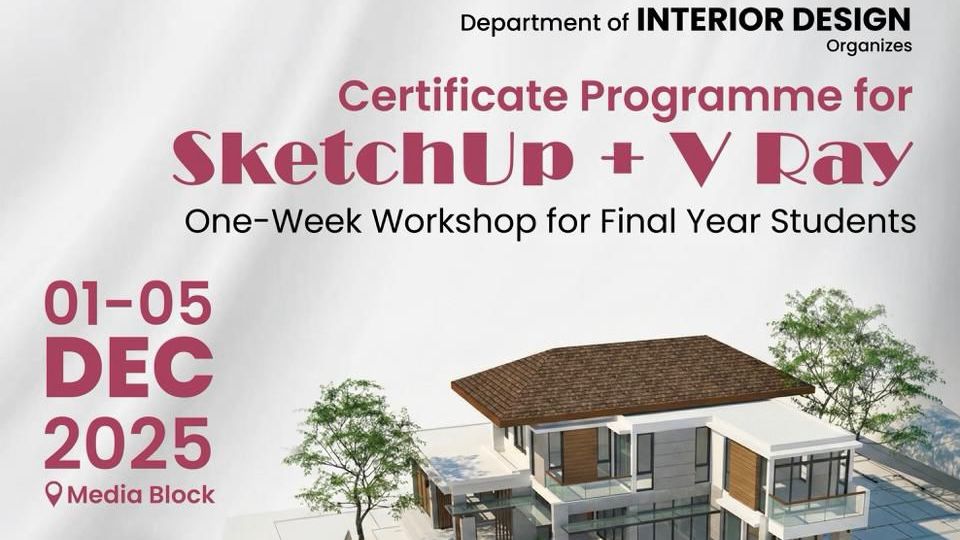
December 1 to December 5, 2025

December 1, 2025

November 27, 2025

November 26, 2025
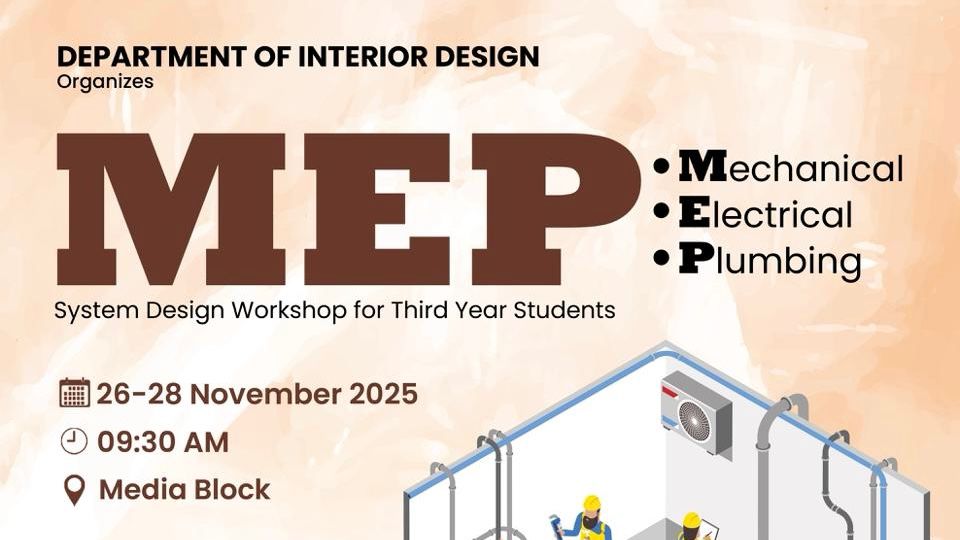
November 26 to December 28, 2025

November 26, 2025

November 26 to December 26, 2025

November 25, 2025

November 24, 2025
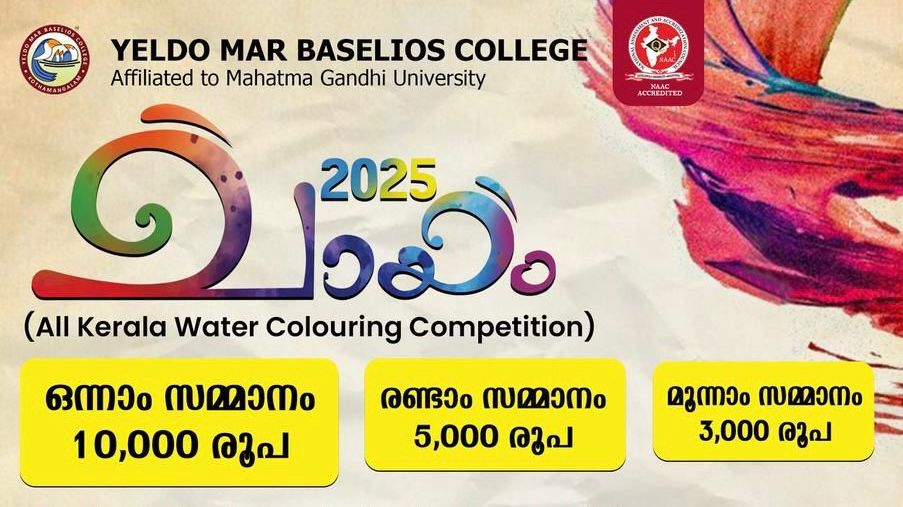
November 22, 2025

November 21, 2025

November 19, 2025

November 17, 2025
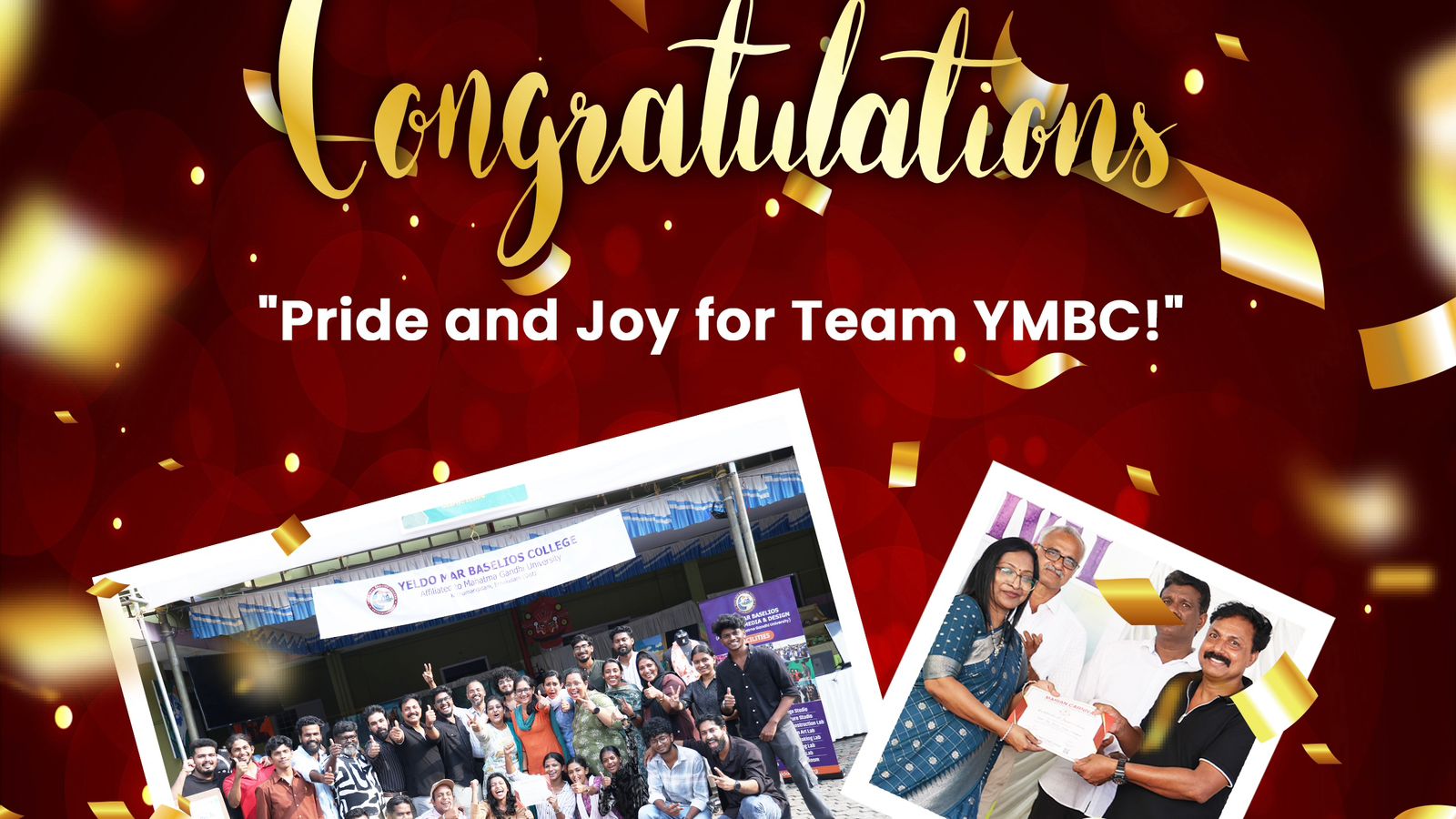
November 16, 2025

November 14, 2025

November 13, 2025
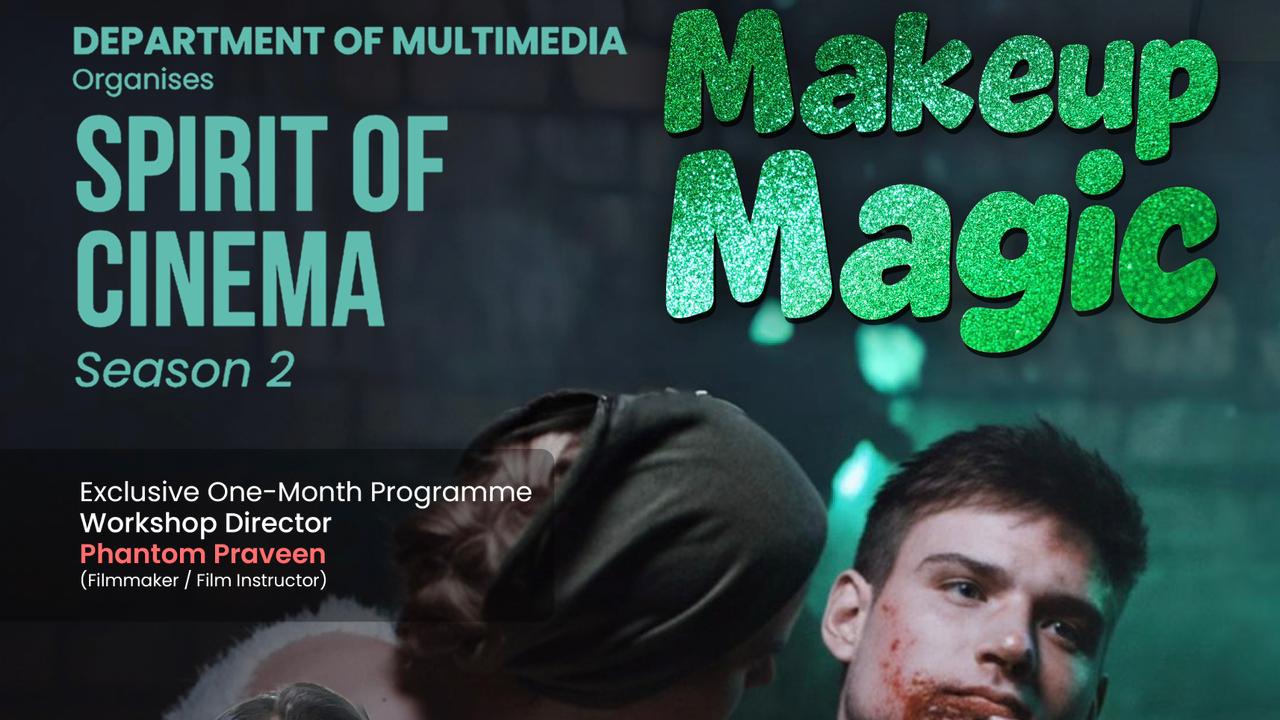
November 12, 2025

November 12, 2025

November 11, 2025

November 7 to November 9, 2025

November 7, 2025
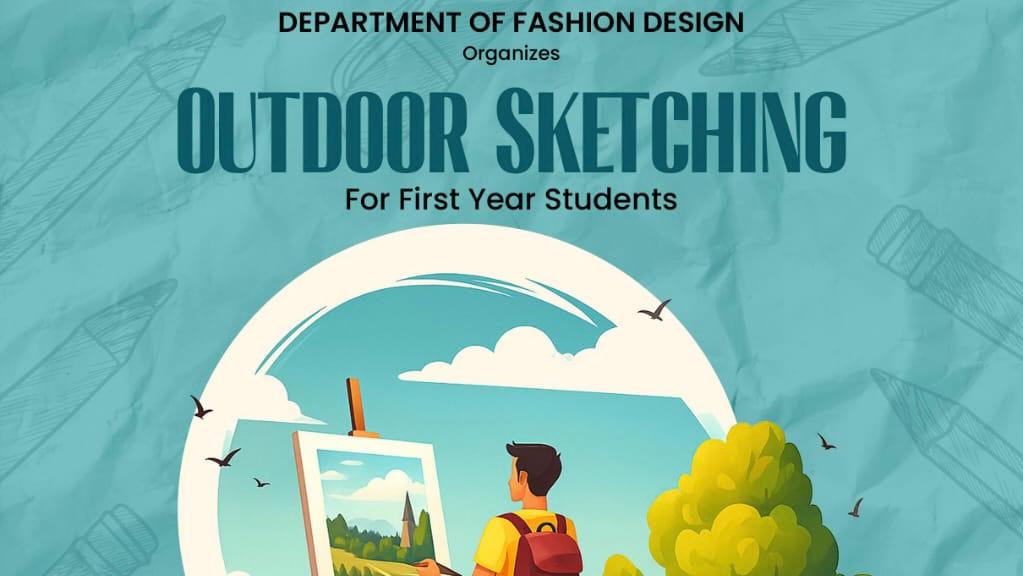
November 4, 2025

October 28, 2025
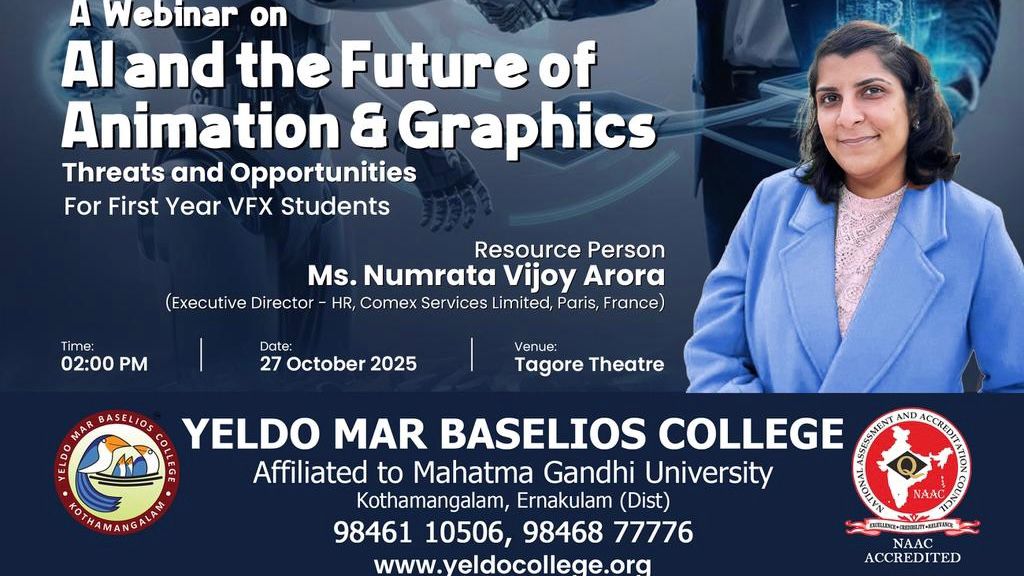
October 27, 2025
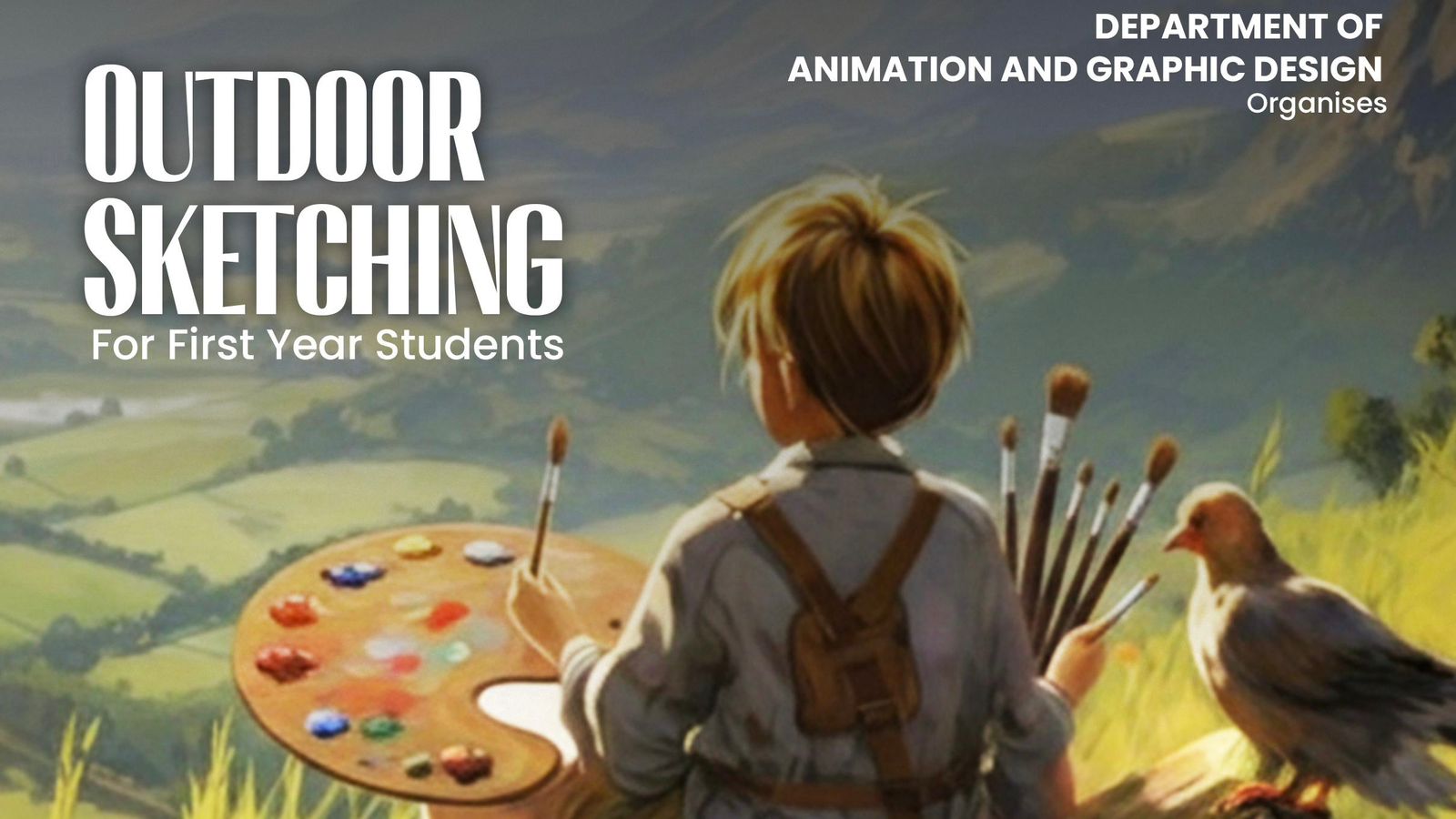
October 23, 2025
October 21, 2025

October 17, 2025
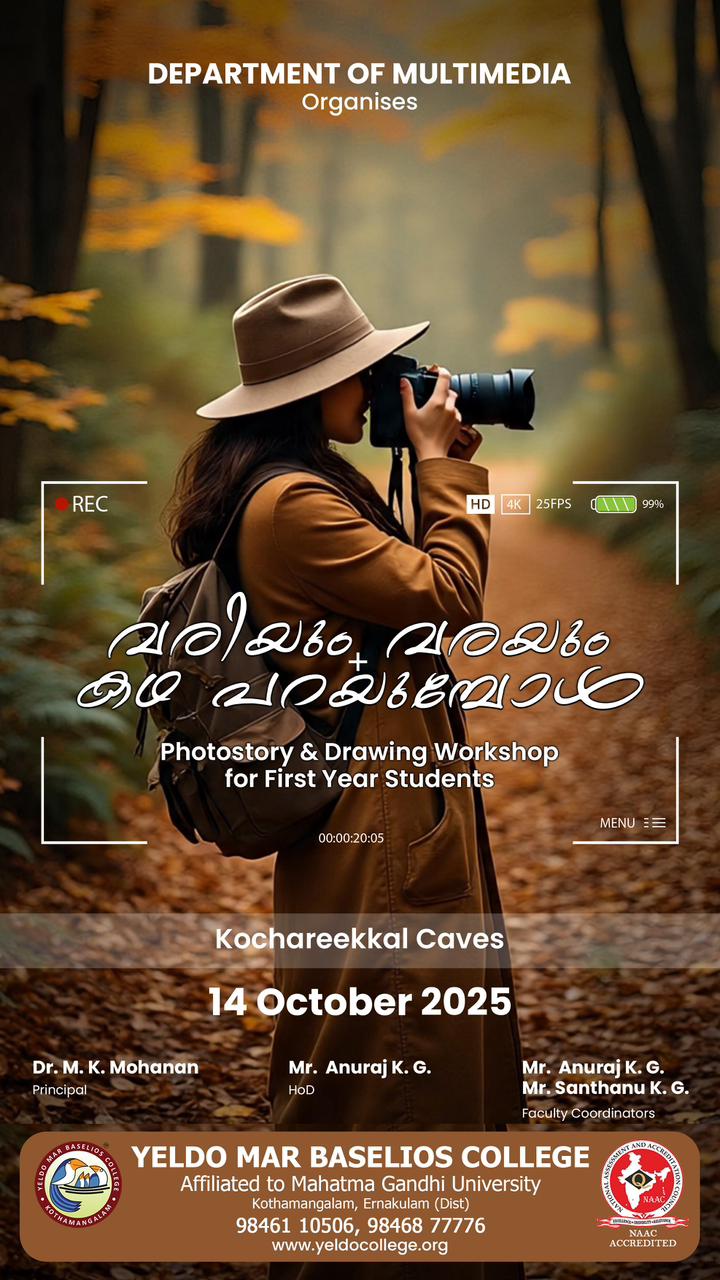
October 14, 2025
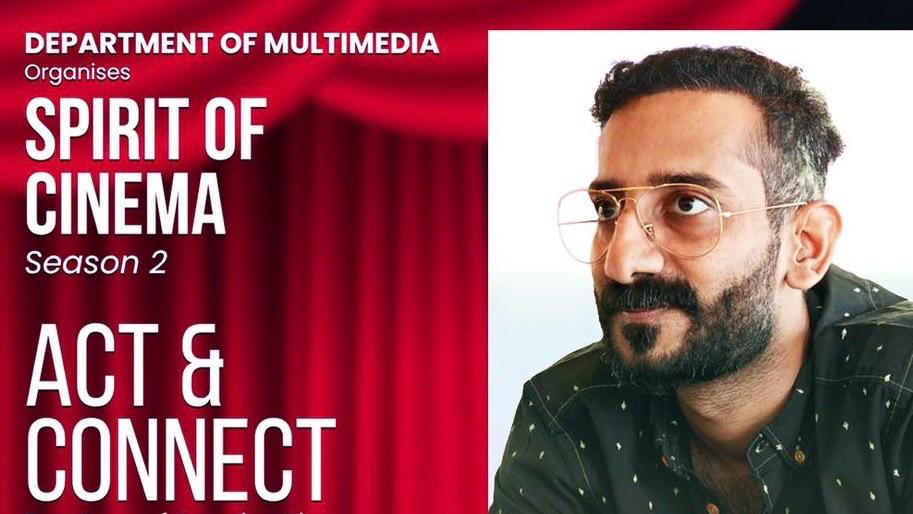
October 9 to October 10, 2025

October 7, 2025
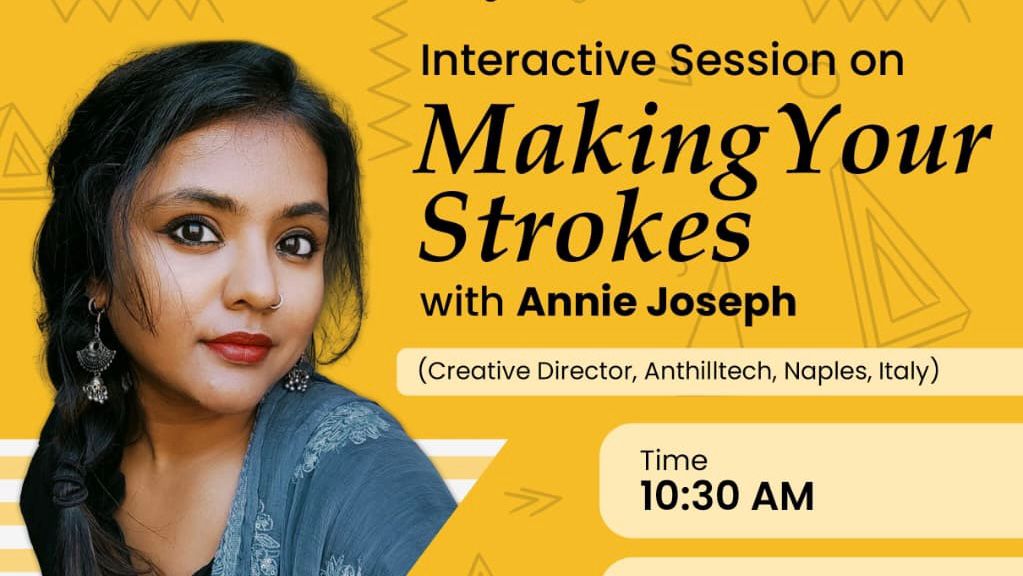
August 21, 2025

July 2, 2025

April 25, 2025
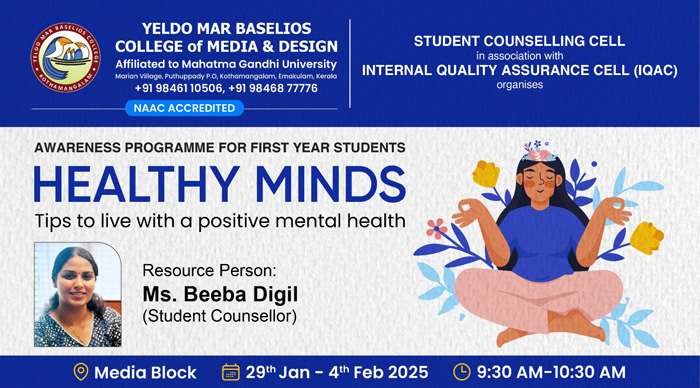
January 29 to February 4, 2025
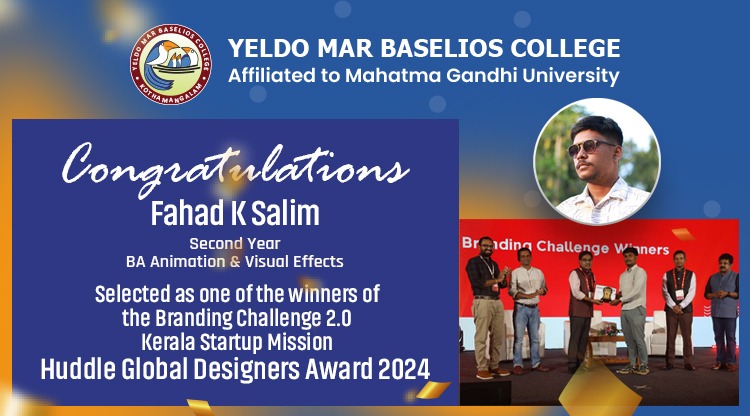
November 12, 2024

October 4, 2024

September 12, 2024
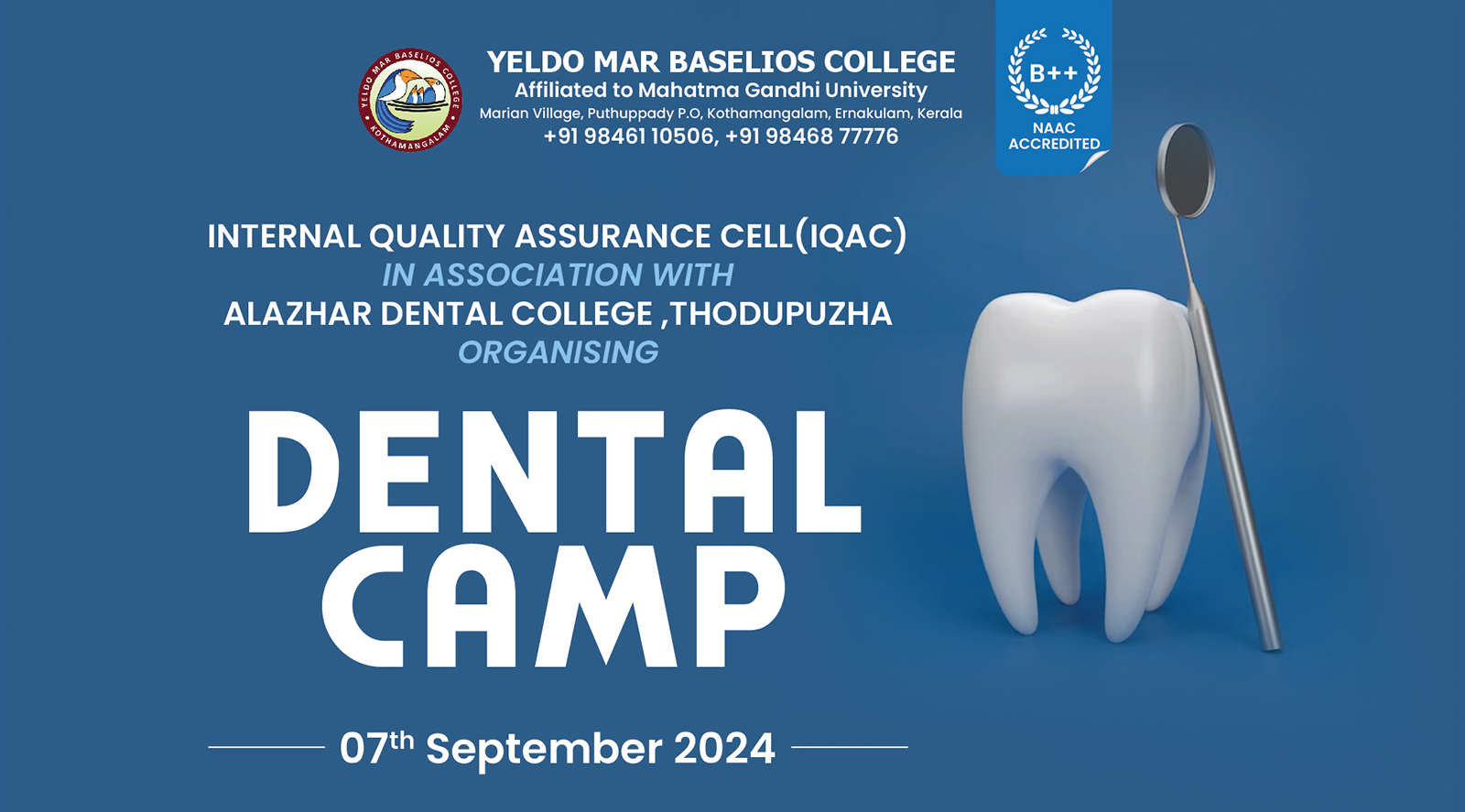
September 7, 2024

July 10 to July 12, 2024

June 26, 2024

June 19, 2024

June 14, 2024
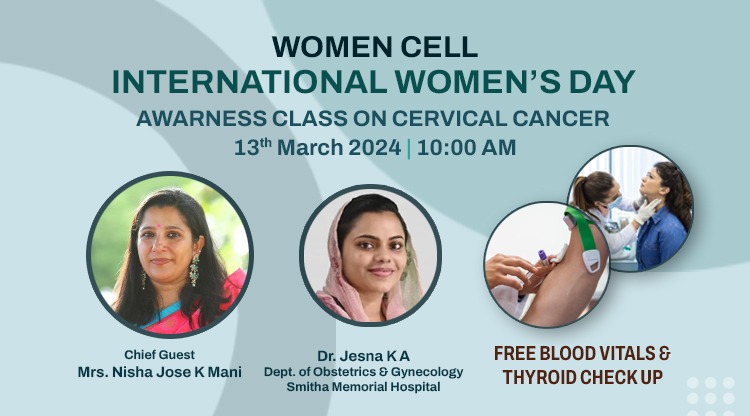
March 13, 2024

March 13, 2024

March 11, 2024
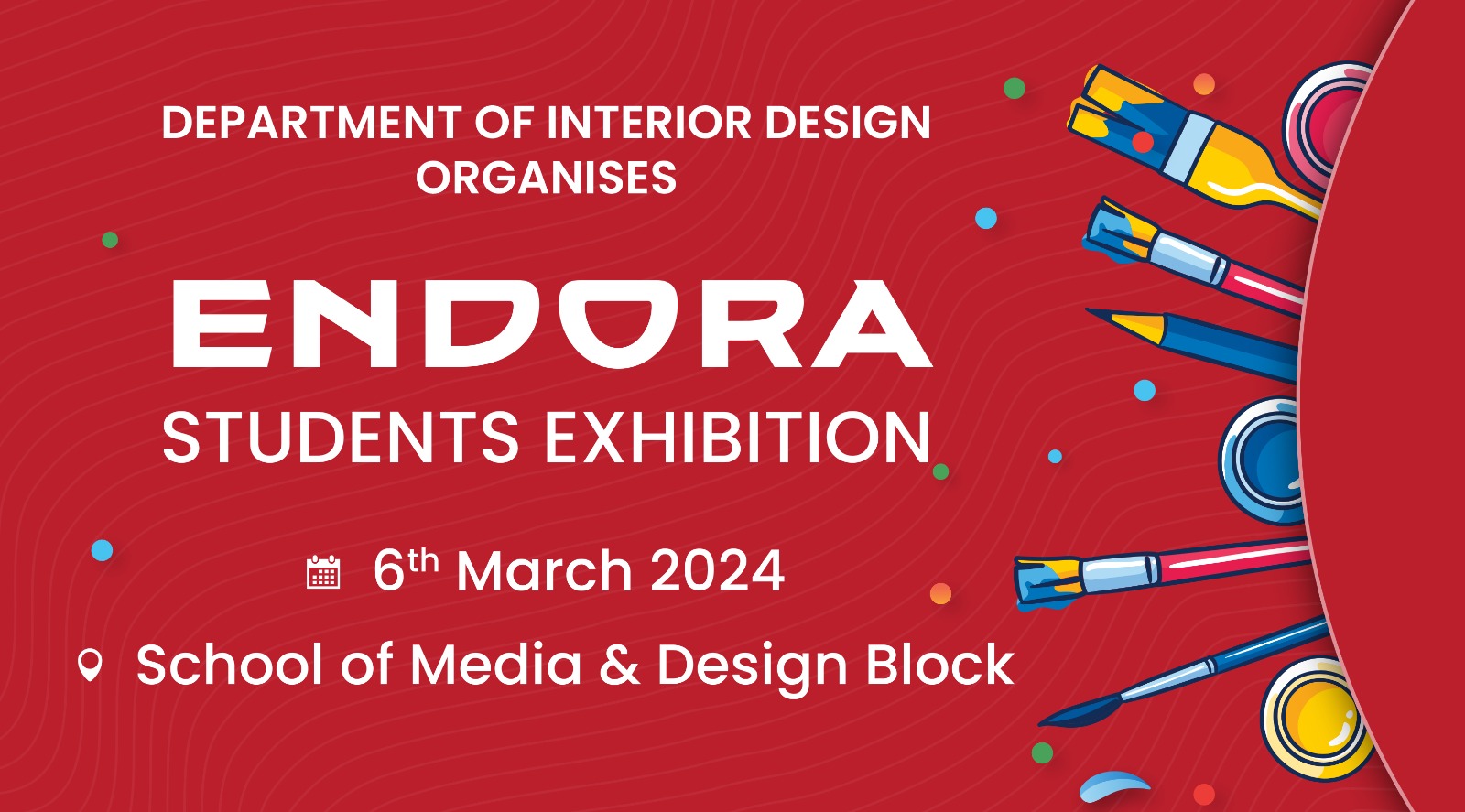
March 6, 2024
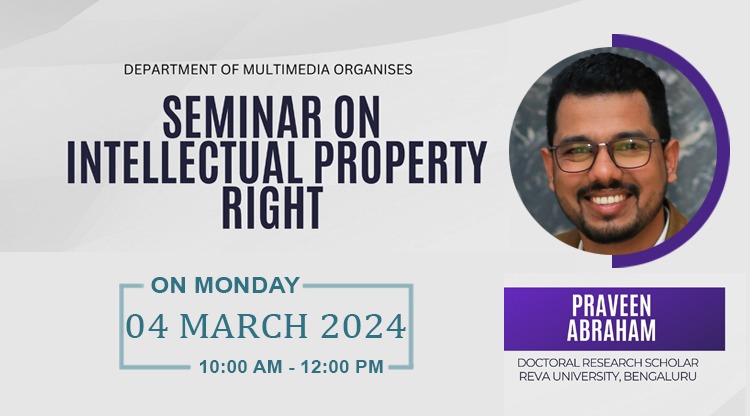
March 4, 2024

February 23, 2024

February 22 to February 27, 2024
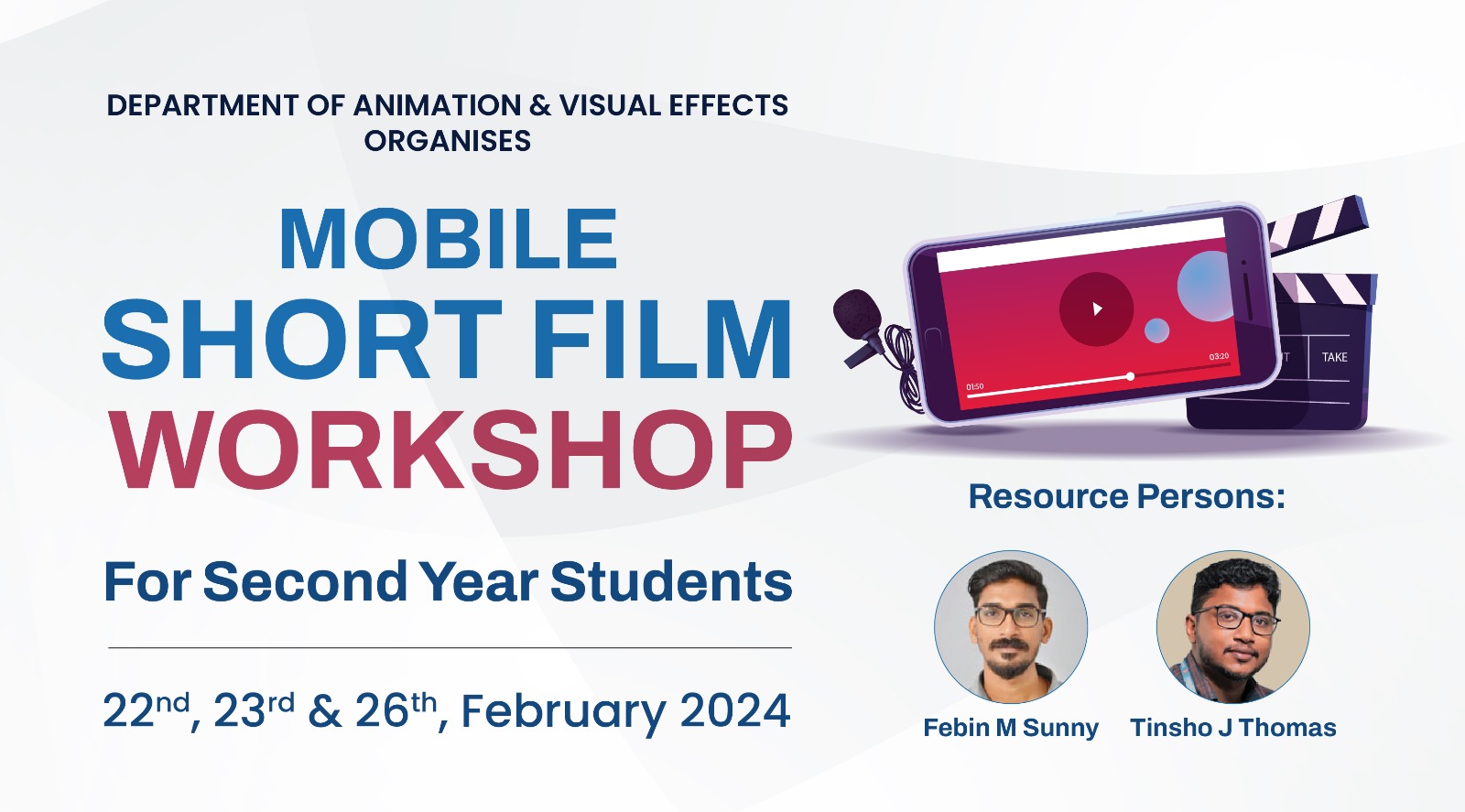
February 22 to February 26, 2024
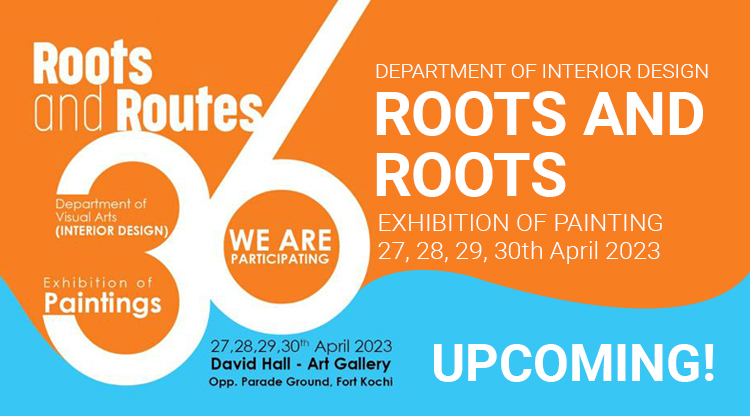
April 27, 2023

July 29, 2022
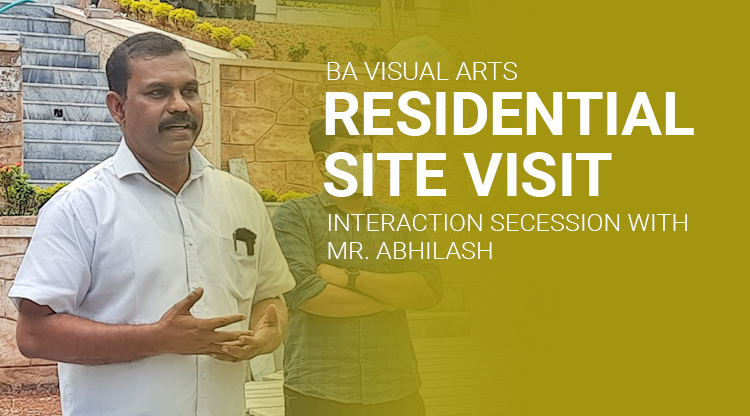
July 22, 2022
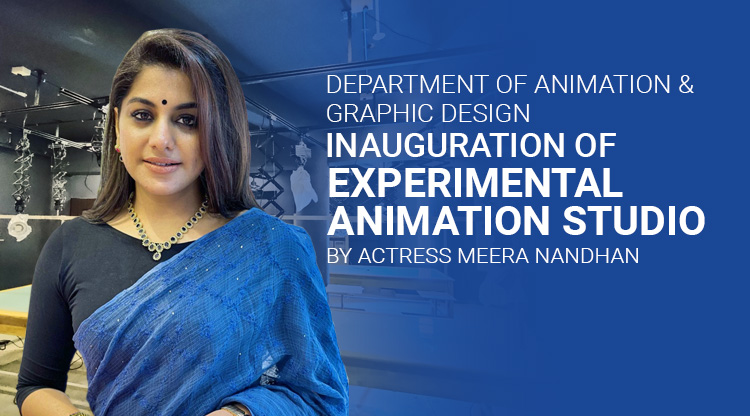
July 19, 2022

July 18, 2022
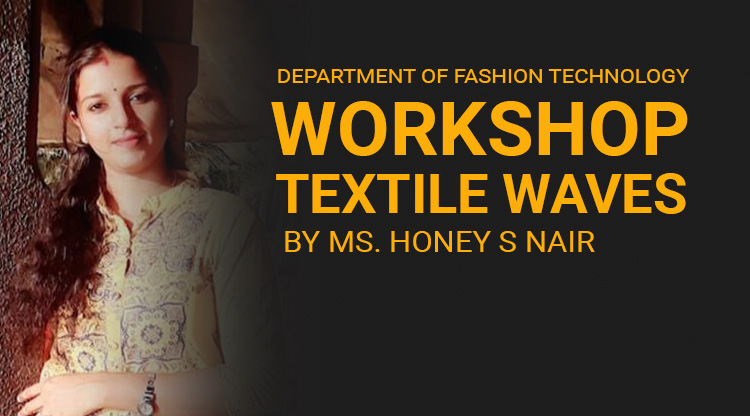
July 15, 2022

June 30, 2022
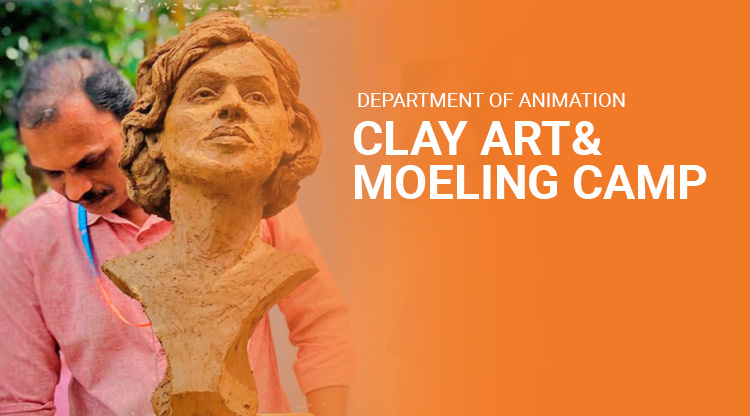
June 29, 2022
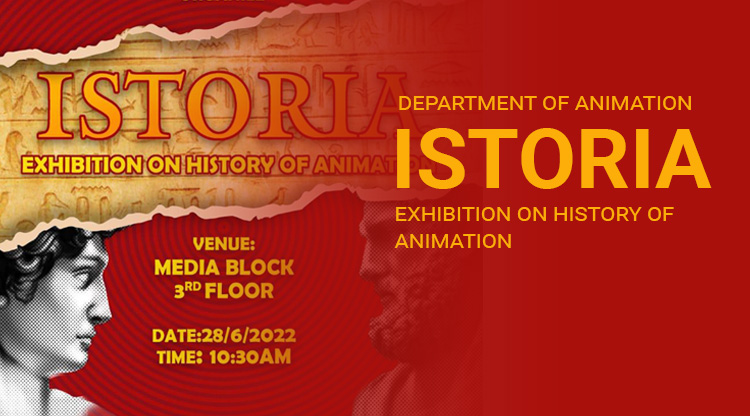
June 28, 2022

June 13, 2022

June 6, 2022
February 14, 2017