
- Email yeldocollegesmd@gmail.com
- CALL +91 98461 10506 +91 98468 77776
.jpeg)
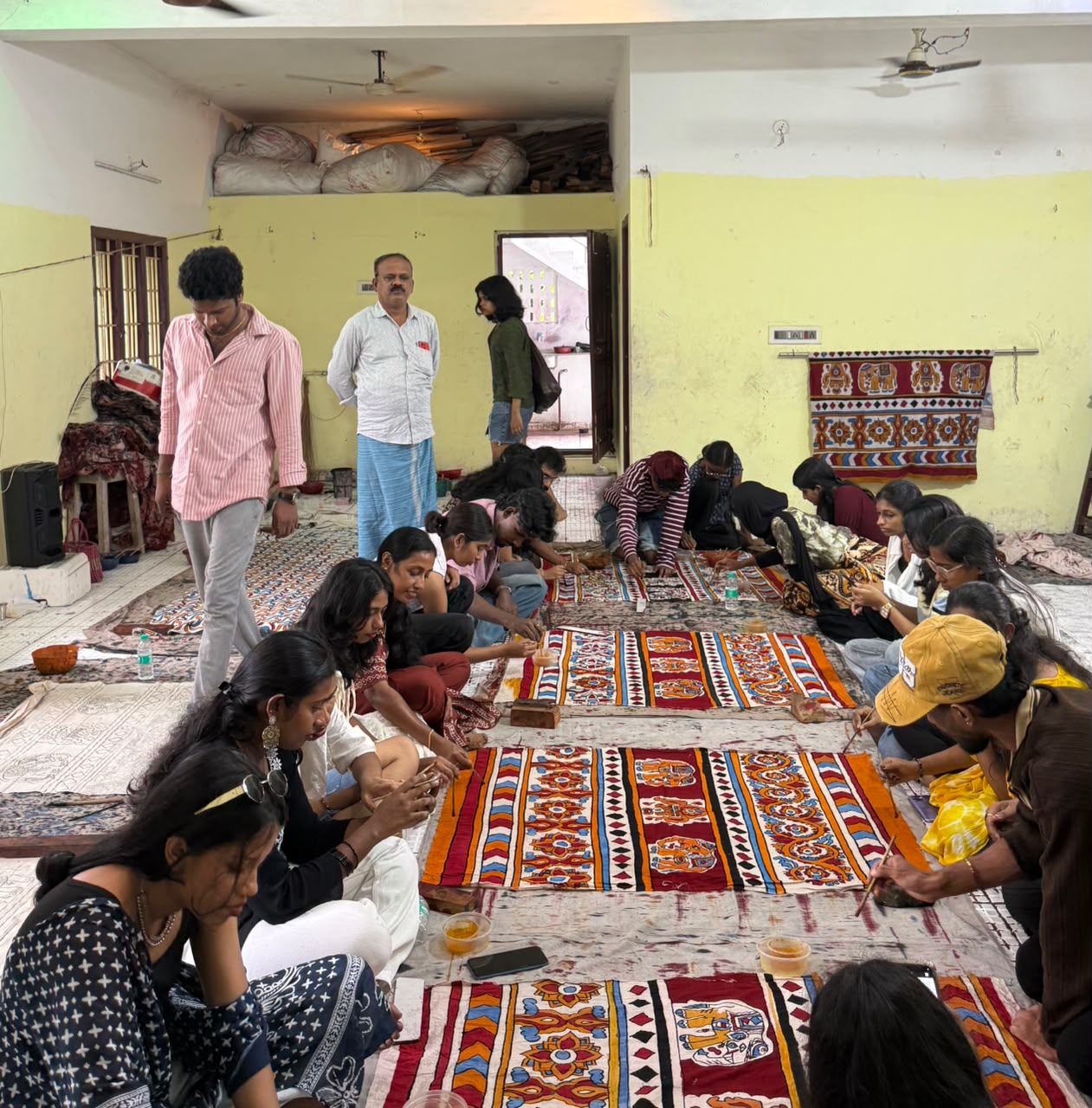
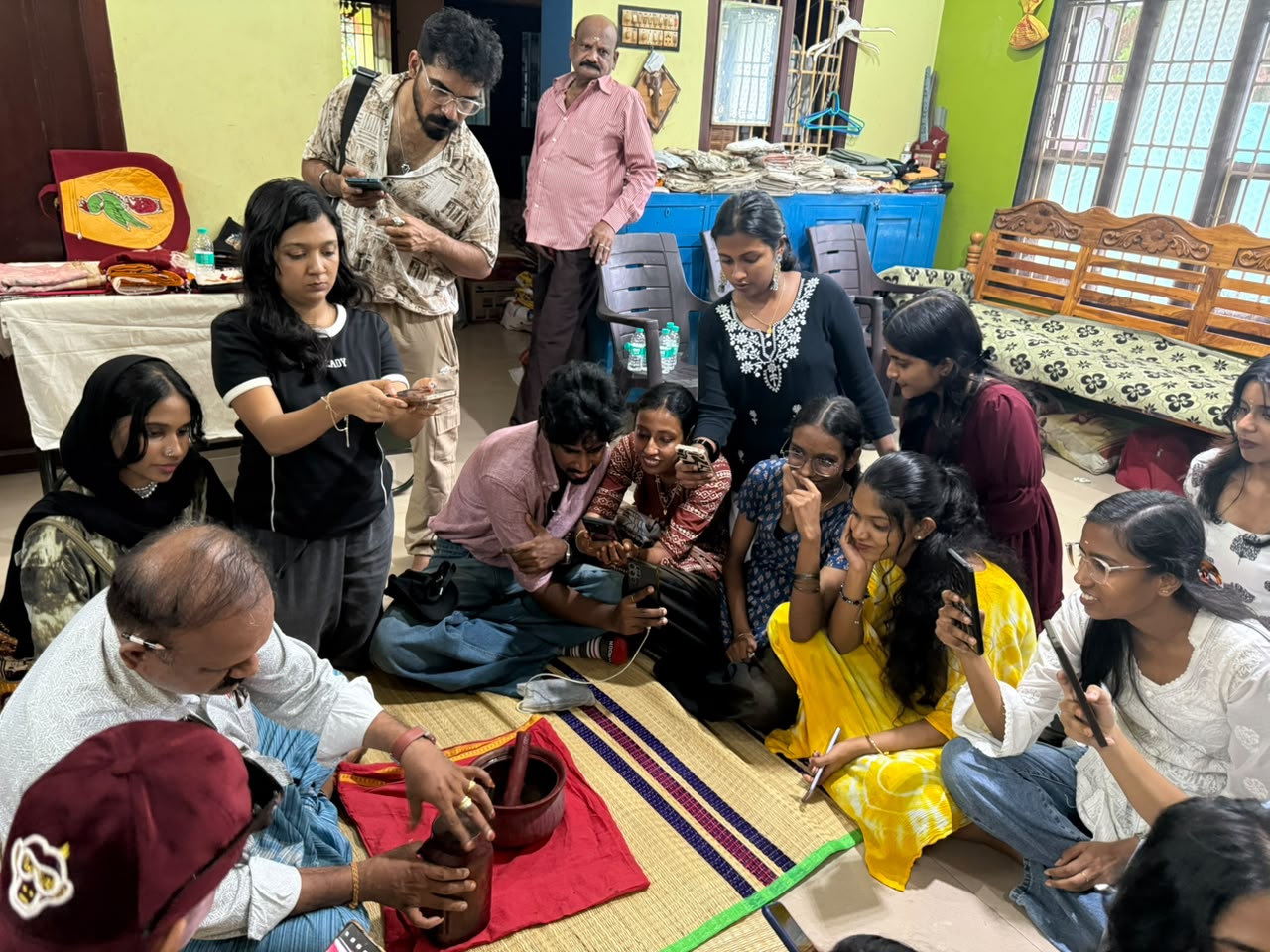
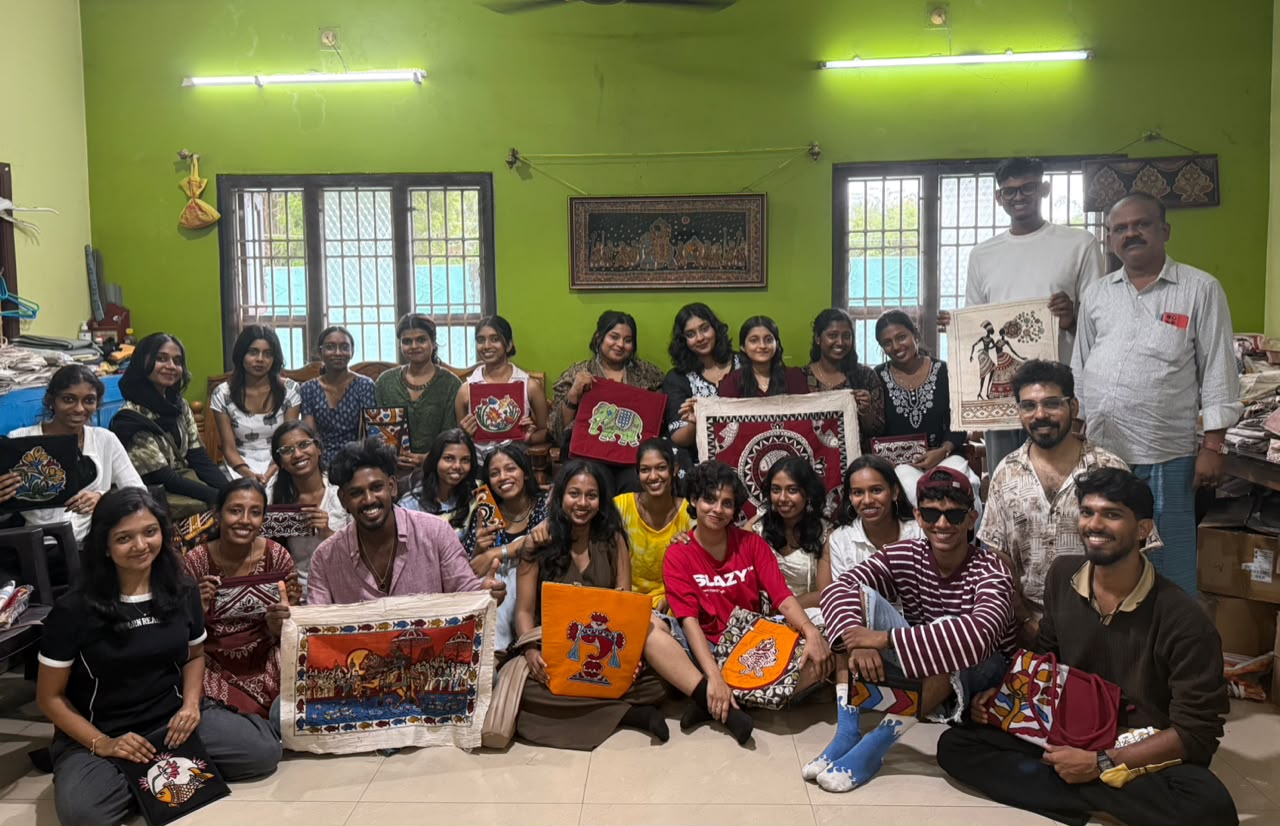
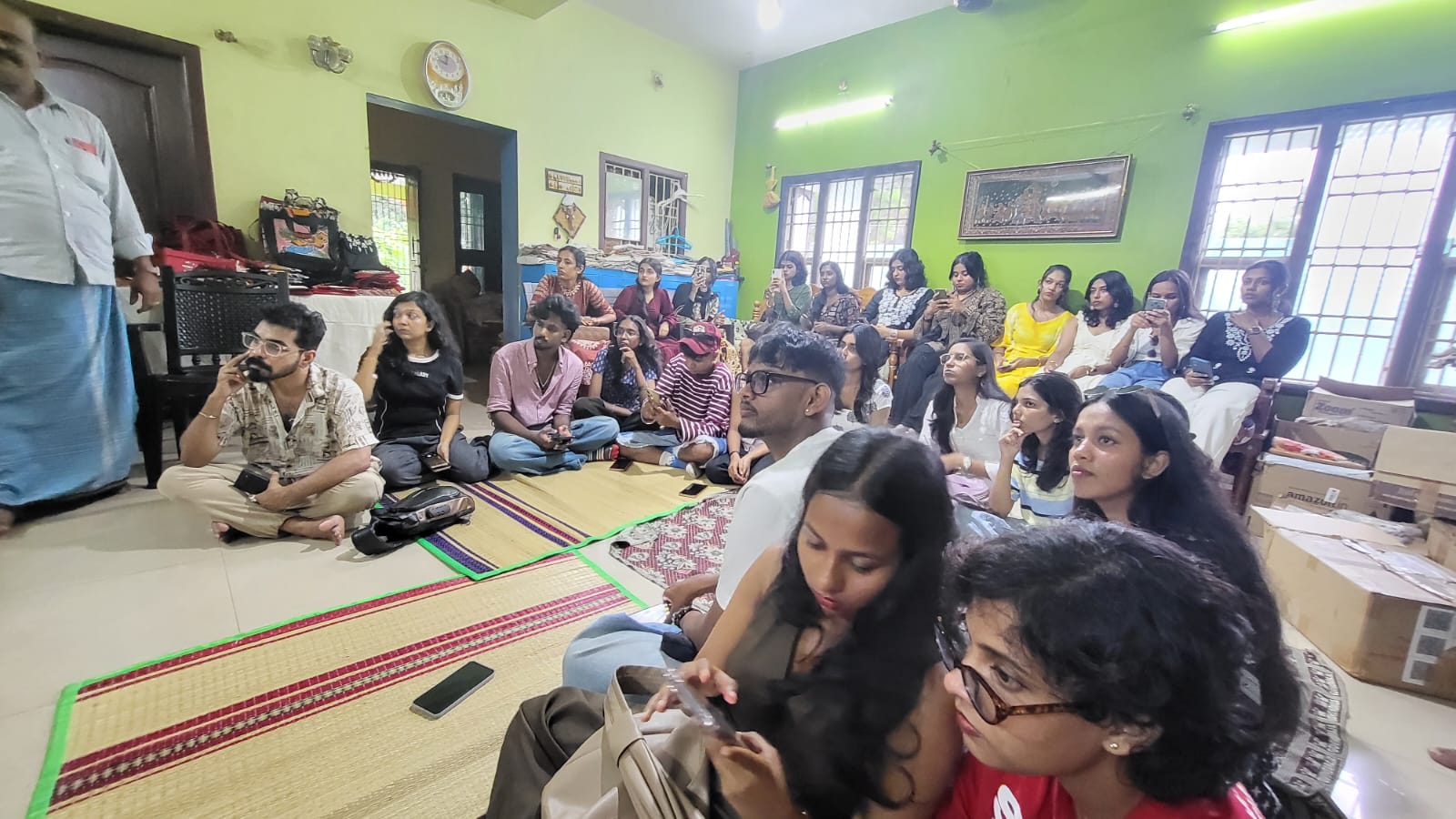
Colors of Textile Heritage - the Department of Fashion Design, Yeldo Mar Baselios College (YMBC), organised an enriching industrial visit for its second-year students to Thanjavur on 15 and 16 October 2026, as part of the subject Traditional Dye, Print and Painting Textiles. The two-day experiential learning programme offered students a rare opportunity to explore Karuppur Kalamkari, a distinguished hand-painted textile tradition rooted in the cultural landscape of Thanjavur, Tamil Nadu. Karuppur Kalamkari is a historically significant textile art form that flourished under the patronage of the Maratha and Nayak rulers of Thanjavur during the seventeenth and eighteenth centuries. Traditionally associated with royal and temple textiles, it is known for its refined freehand painting, block outlines, ornamental borders, and motifs inspired by temple sculpture, mythology, floral vines, birds, and decorative Thanjavur aesthetics. The visit enabled students to move beyond classroom theory and engage directly with the material culture of Indian textiles. By observing the craft in its authentic context, they developed a deeper understanding of how regional history, religious symbolism, patronage, and artisanal skill converge to shape a textile tradition. Karuppur Kalamkari received Geographical Indication recognition, further affirming its cultural and craft value. The workshop focused on the complete preparatory and painting process involved in traditional textile decoration. Students learned that Kalamkari is not merely painting on cloth; it is a systematic craft process involving fabric treatment, colour preparation, motif transfer, outline work, dyeing, washing, and finishing. Traditional Kalamkari practice commonly includes bleaching and softening the fabric, sun-drying, preparing natural dyes, hand-painting, drying, washing, and final finishing.Students observed the importance of fabric pre-treatment, which prepares cotton fibres to absorb natural pigments evenly and retain colour without smudging. They also gained insight into the role of mordants-metallic salts used to fix natural dyes onto textile fibres-and the careful sequencing required to achieve depth, durability, and clarity in the final design.A central component of the session was colour mixing using traditional natural dyes. Students explored how colours such as black, red, blue, mustard, and green are derived from natural sources, including iron filings and jaggery, madder or alizarin, indigo, and pomegranate peel. This hands-on exposure helped students understand the difference between synthetic and natural colour systems, particularly in terms of pigment behaviour, colour fastness, layering, and interaction with fabric. They learned that traditional dyeing demands patience, precision, and sensitivity to environmental conditions such as sunlight, water quality, and drying time. The experience strengthened their appreciation of sustainable colour practices and the relevance of natural dyes in contemporary responsible fashion design.The students closely examined hand-printed motifs and the relationship between repeat patterns, border design, and compositional balance. They studied how Karuppur Kalamkari combines block-printed outlines with freehand painting, creating textiles that carry both structural precision and artistic spontaneity.Particular attention was given to iconic motifs such as the yazhi, swan, peacock, floral vines, and depictions of deities-elements that reflect the temple-centred visual language of the Thanjavur region. Students analysed how motif scale, negative space, line weight, and border repetition contribute to the overall surface design of a textile. This encouraged them to consider how traditional ornamentation can be thoughtfully adapted for modern apparel, home furnishings, accessories, and fashion-forward collections. To make the learning process immersive, students were divided into groups and guided through the detailed process of painting fabric using a curated colour palette. Working collaboratively, they practised applying pigments with control, maintaining consistent line quality, and translating traditional motifs onto textile surfaces.This group activity also developed essential professional competencies such as teamwork, time management, visual decision-making, and craft sensitivity. Students experienced first-hand the discipline required in hand-crafted textile production, where every stroke, colour layer, and drying stage influences the final aesthetic outcome. This industrial visit reinforced an important principle in fashion education: heritage crafts are not static relics of the past, but living sources of inspiration for contemporary design innovation. By engaging with Karuppur Kalamkari, students recognised the potential of traditional Indian textile techniques to inform sustainable fashion, slow design, artisan collaborations, and culturally rooted product development. Thus Department of Fashion Design of our college extends sincere appreciation to the artisans, organisers, and faculty members who made this meaningful learning experience possible. Let every colour tell a story, and every stroke inspire creativity. Through initiatives such as this, YMBC continues to nurture designers who respect tradition, understand craft processes, and carry India's textile heritage confidently into the future.
.jpeg)
October 15 to October 16, 2026
.jpeg)
October 14, 2026
.jpeg)
October 9, 2026
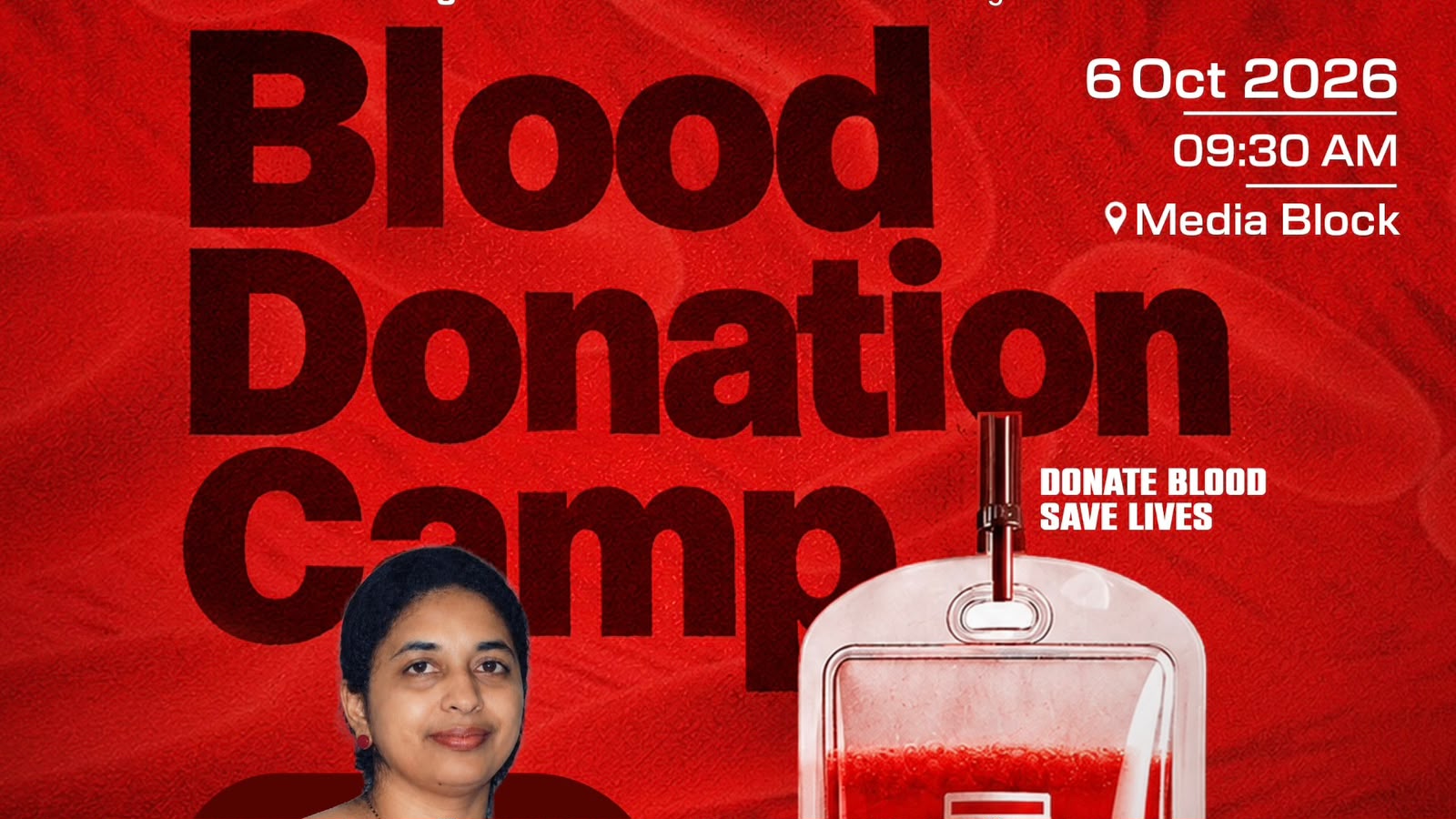
October 6, 2026
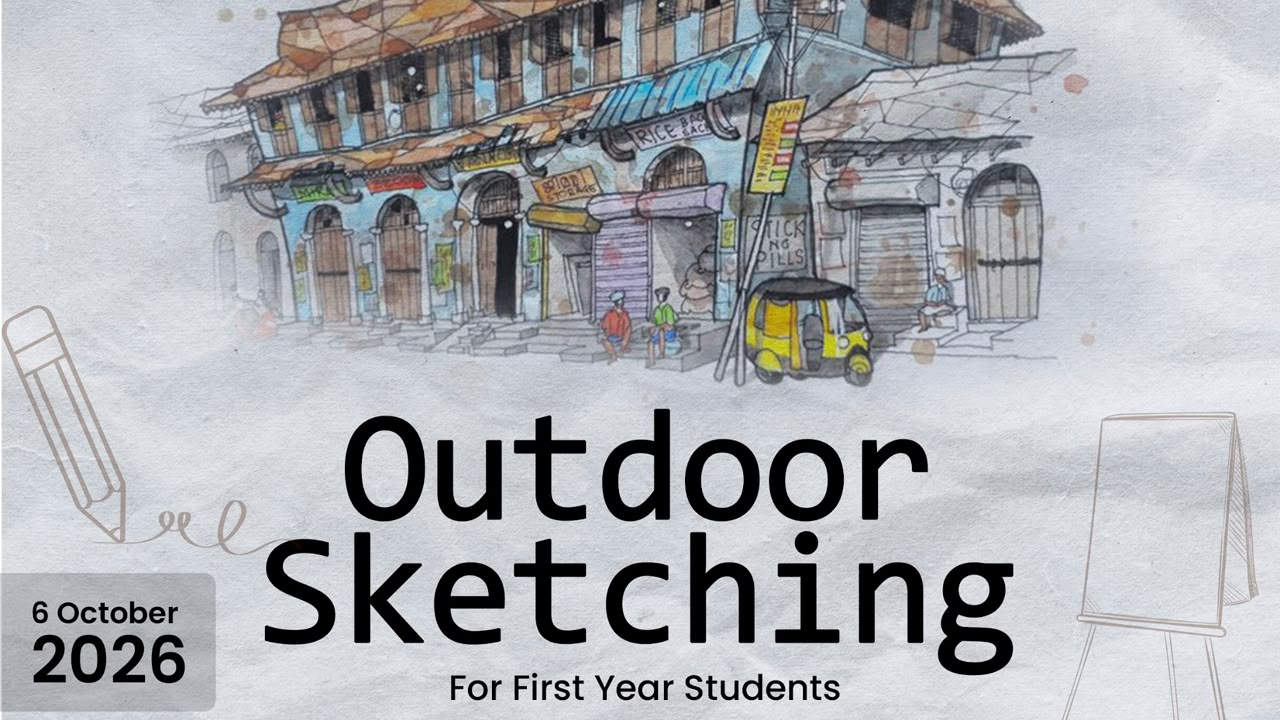
October 6, 2026
.jpeg)
September 29, 2026
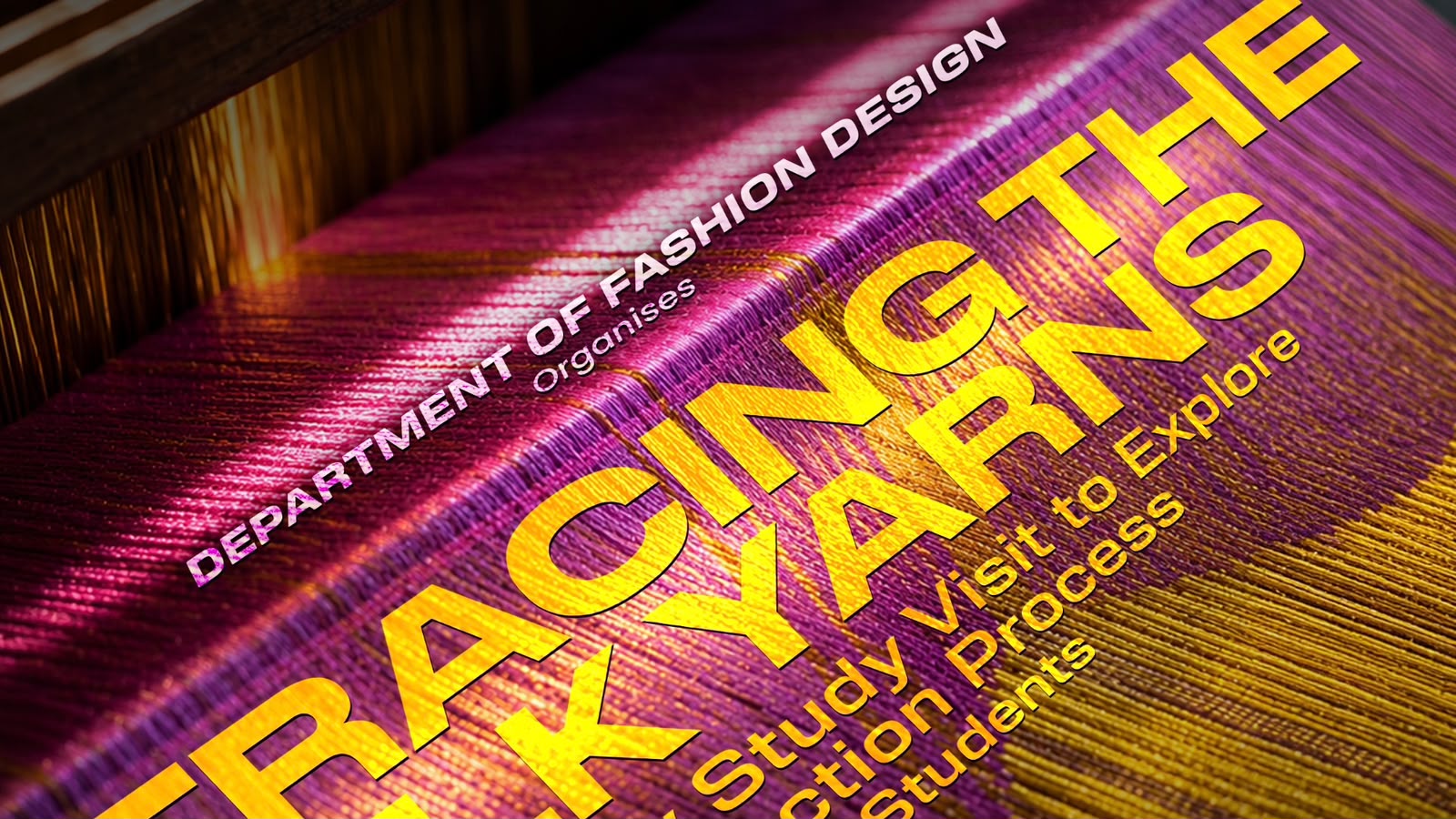
September 25 to September 26, 2026
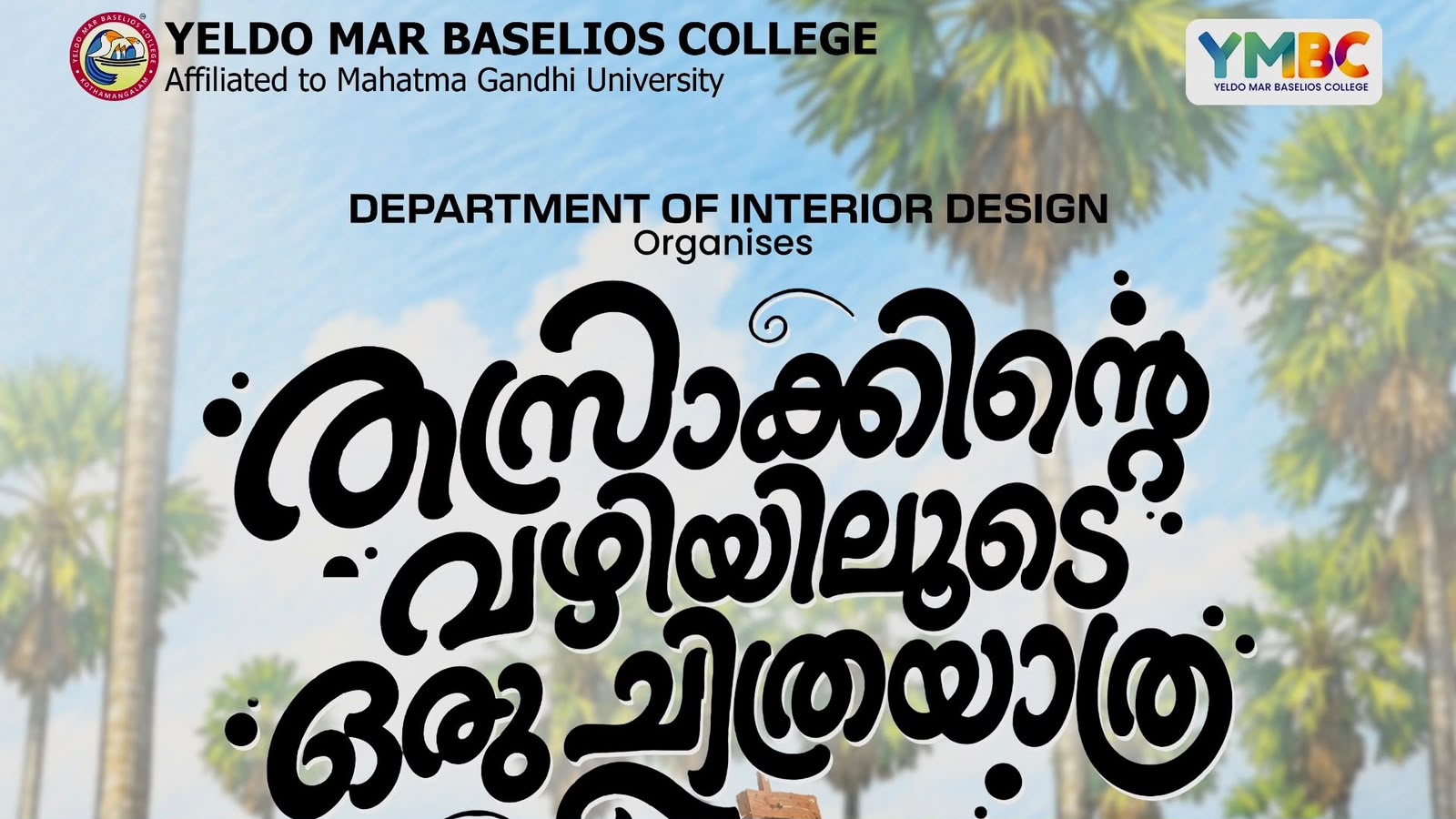
September 25, 2026

September 25, 2026
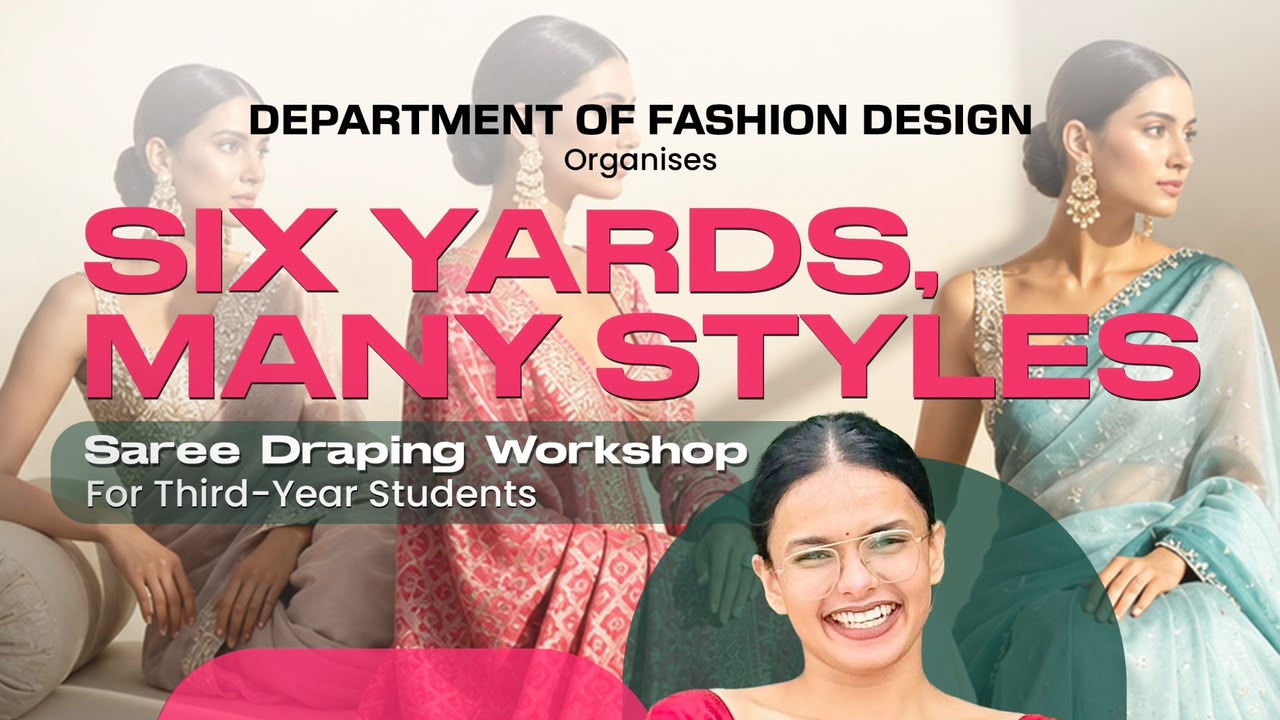
September 24, 2026
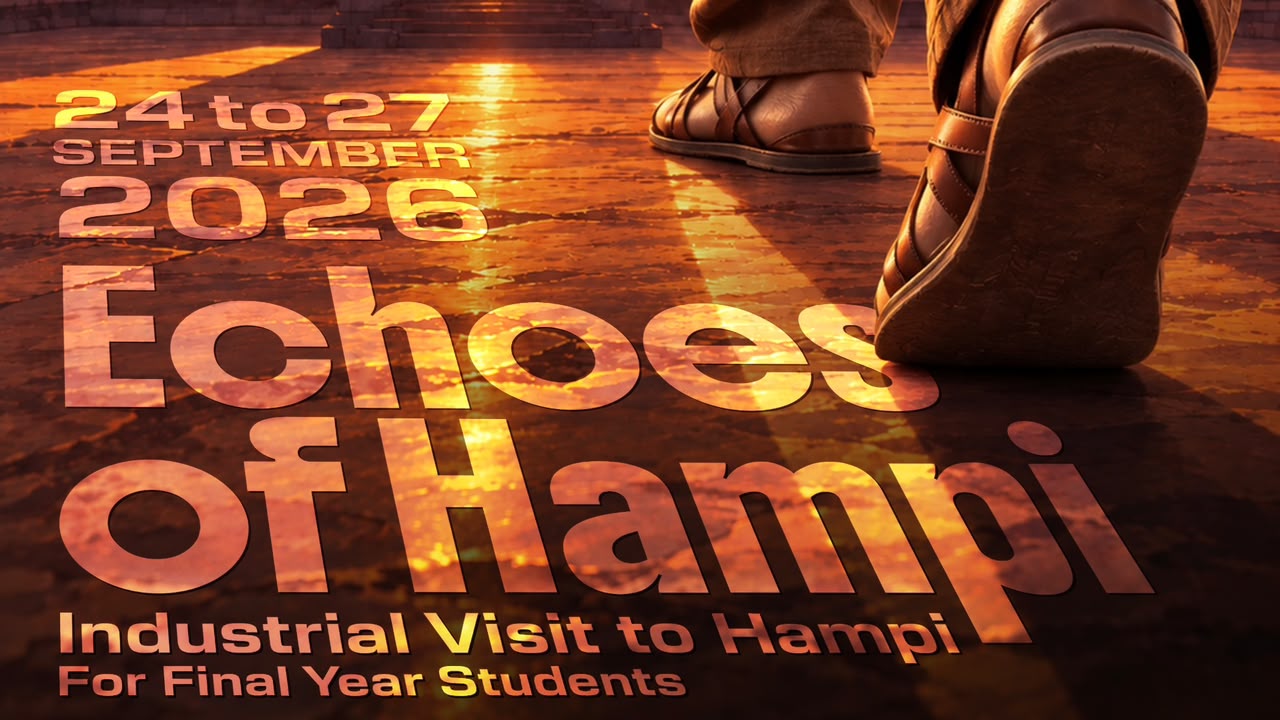
September 24 to September 27, 2026

September 23, 2026
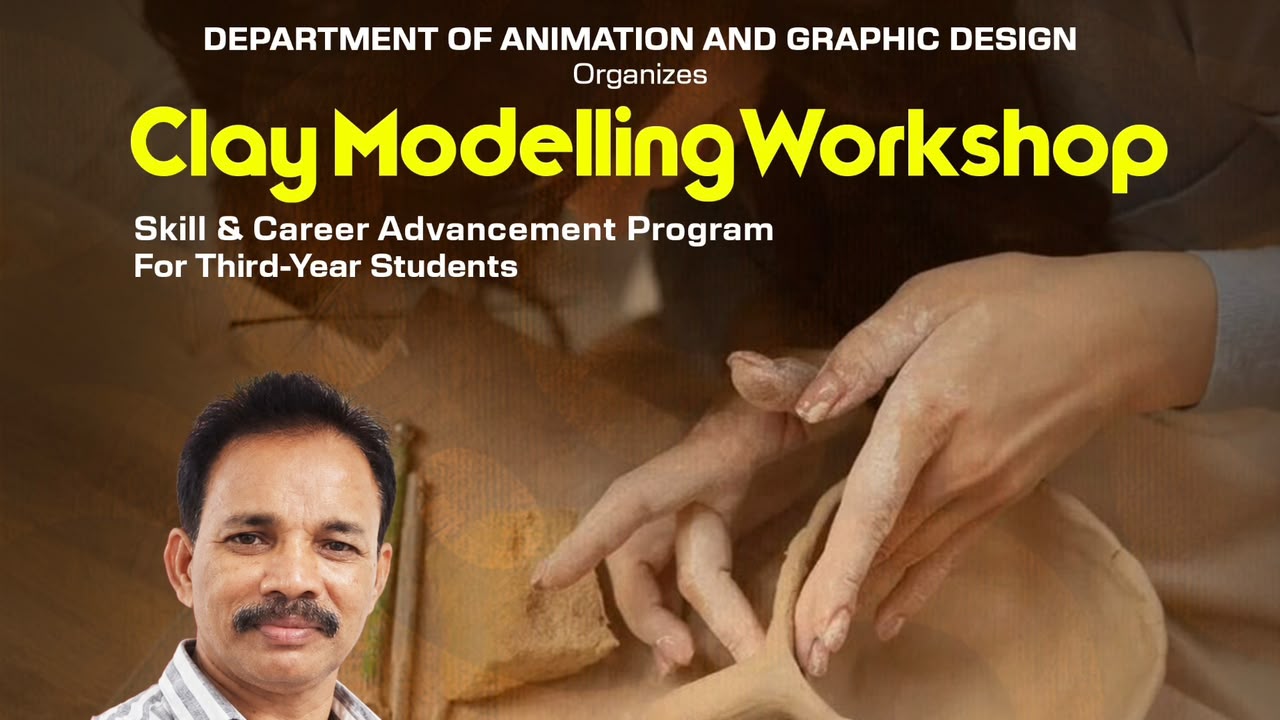
September 22 to September 23, 2026

September 22, 2026
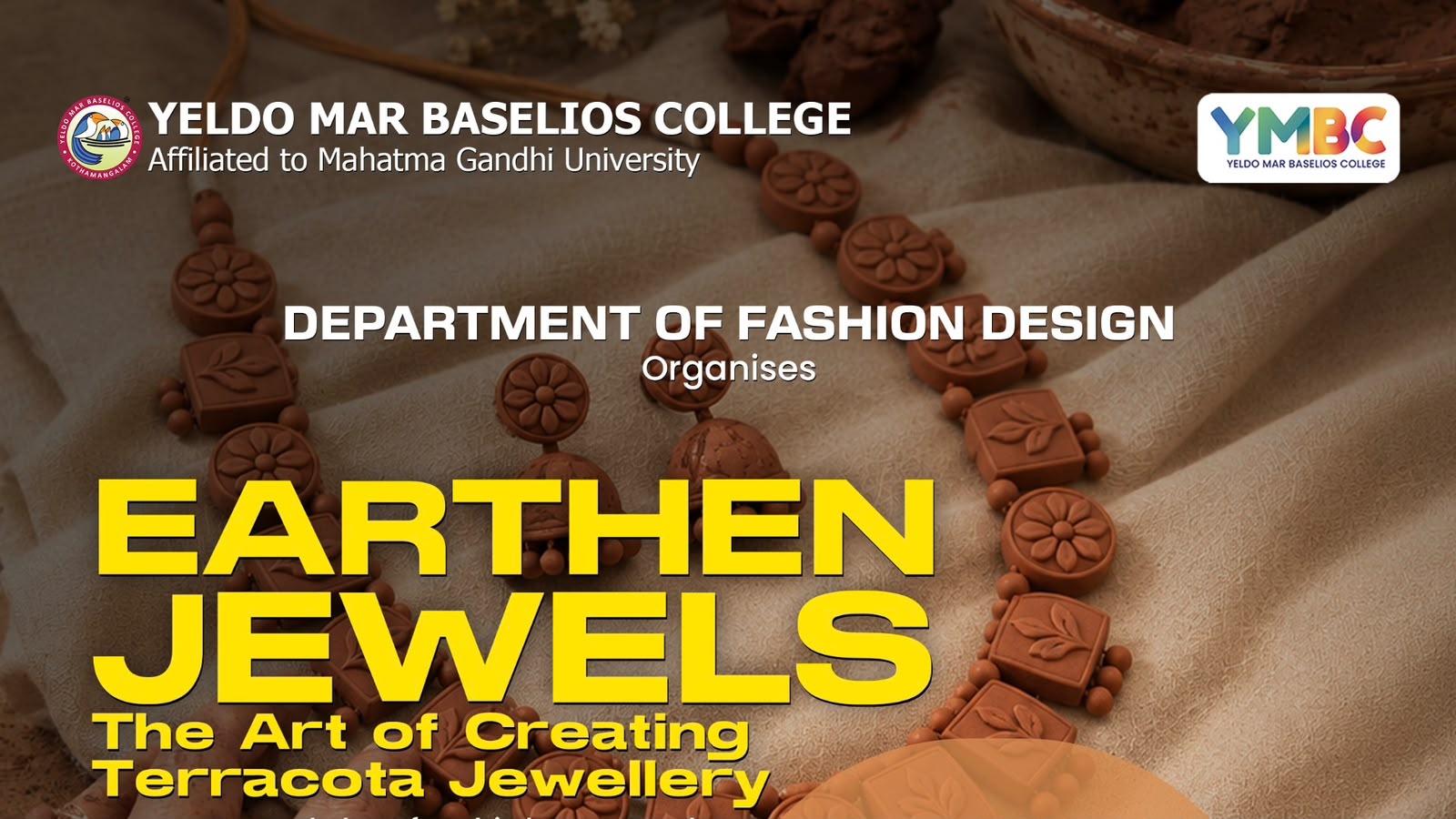
September 17 to September 18, 2026
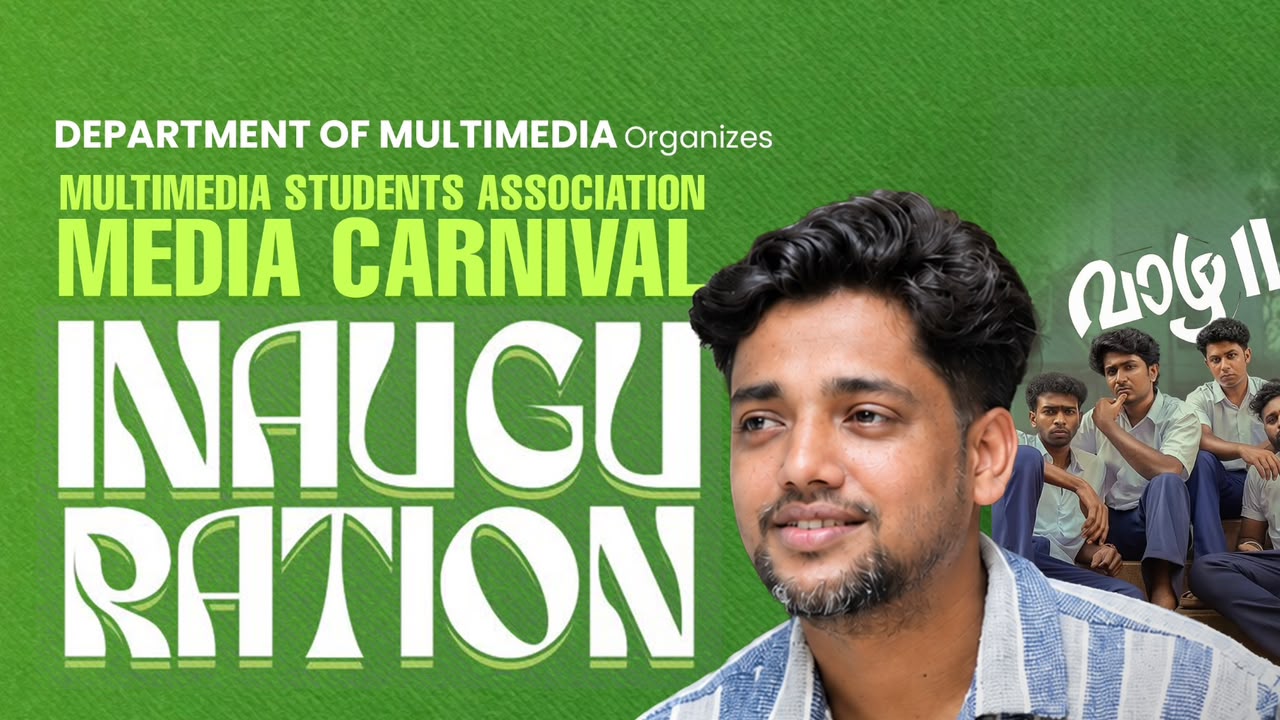
September 15, 2026
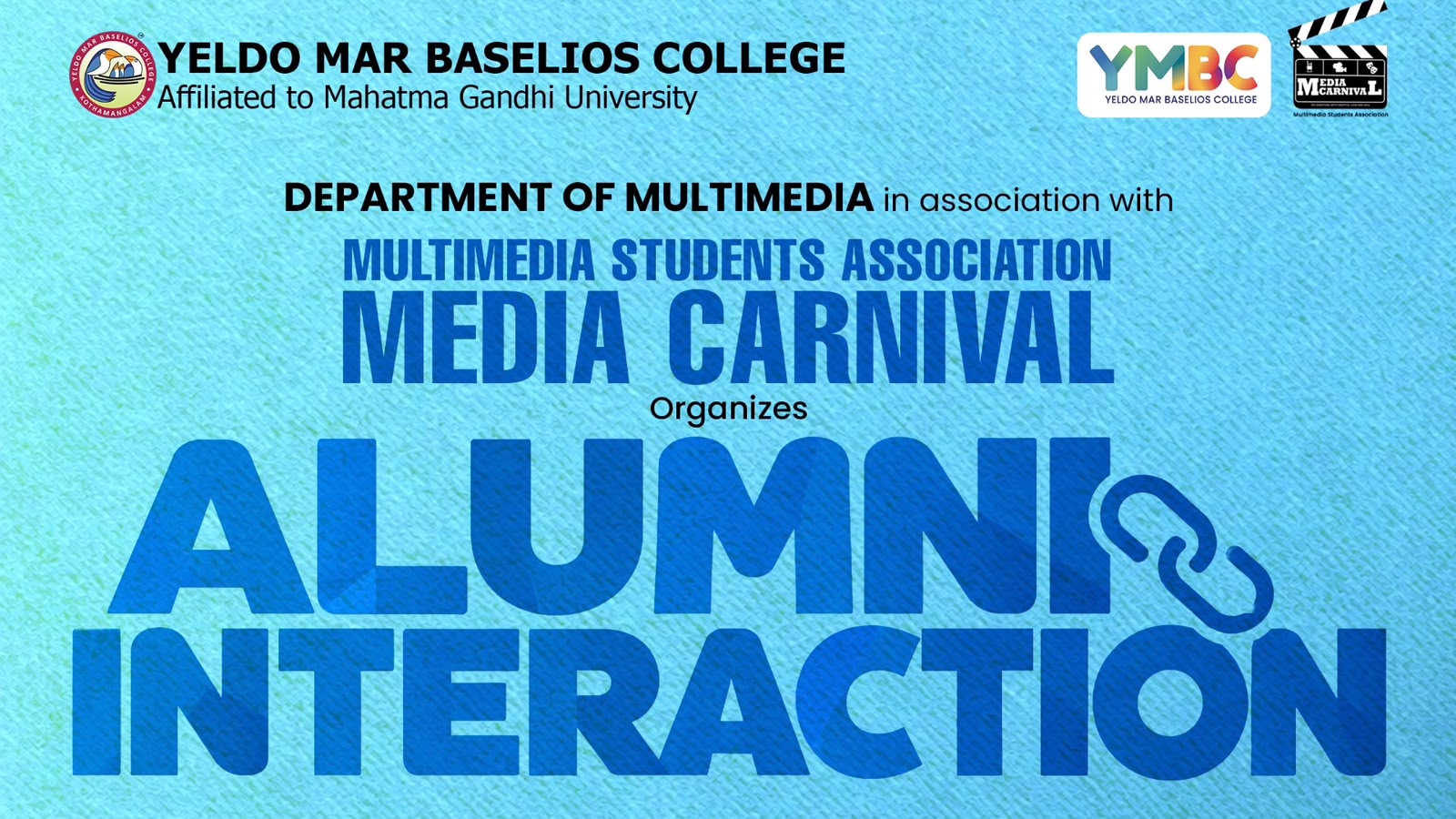
September 15, 2026
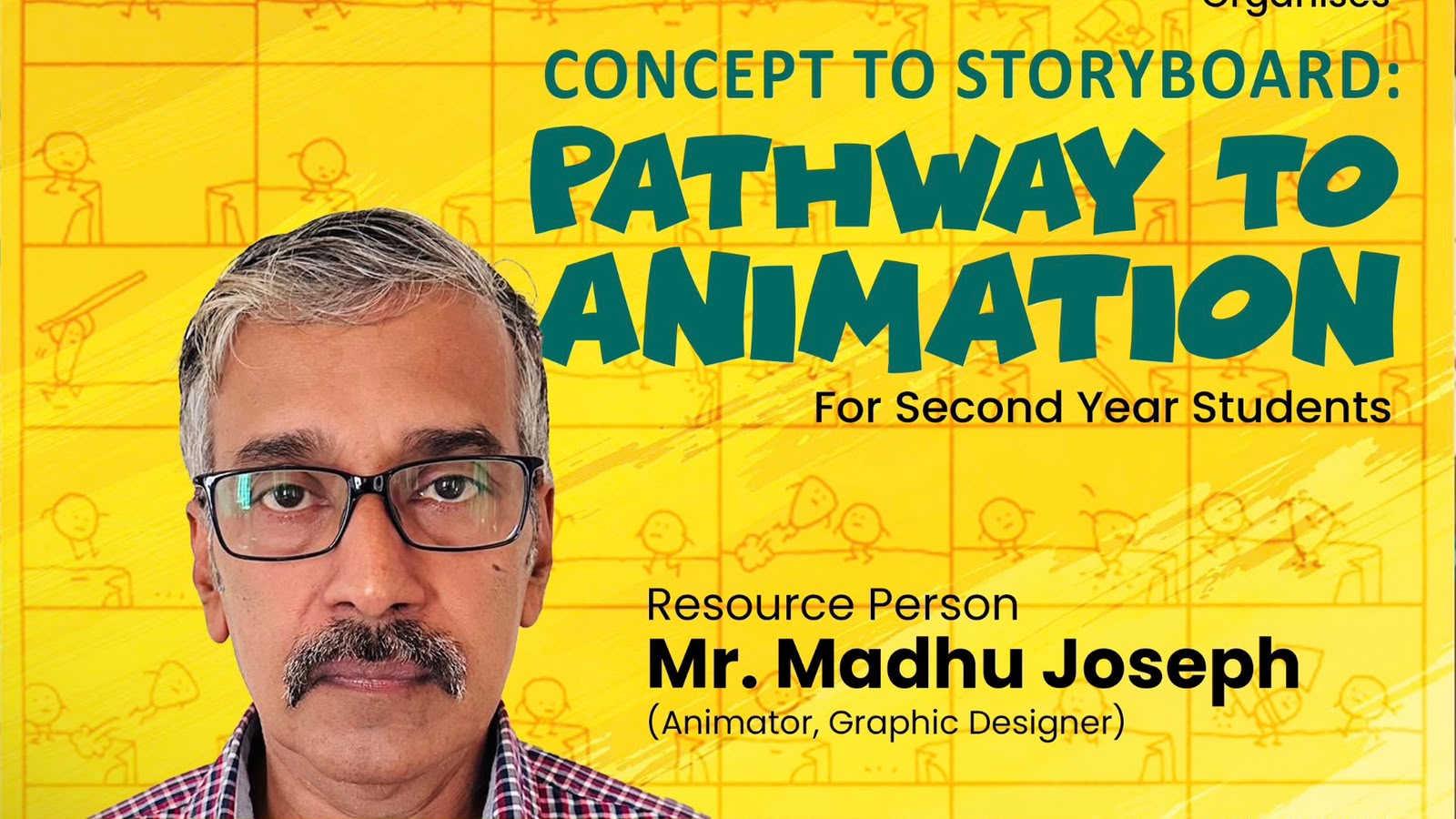
September 15, 2026
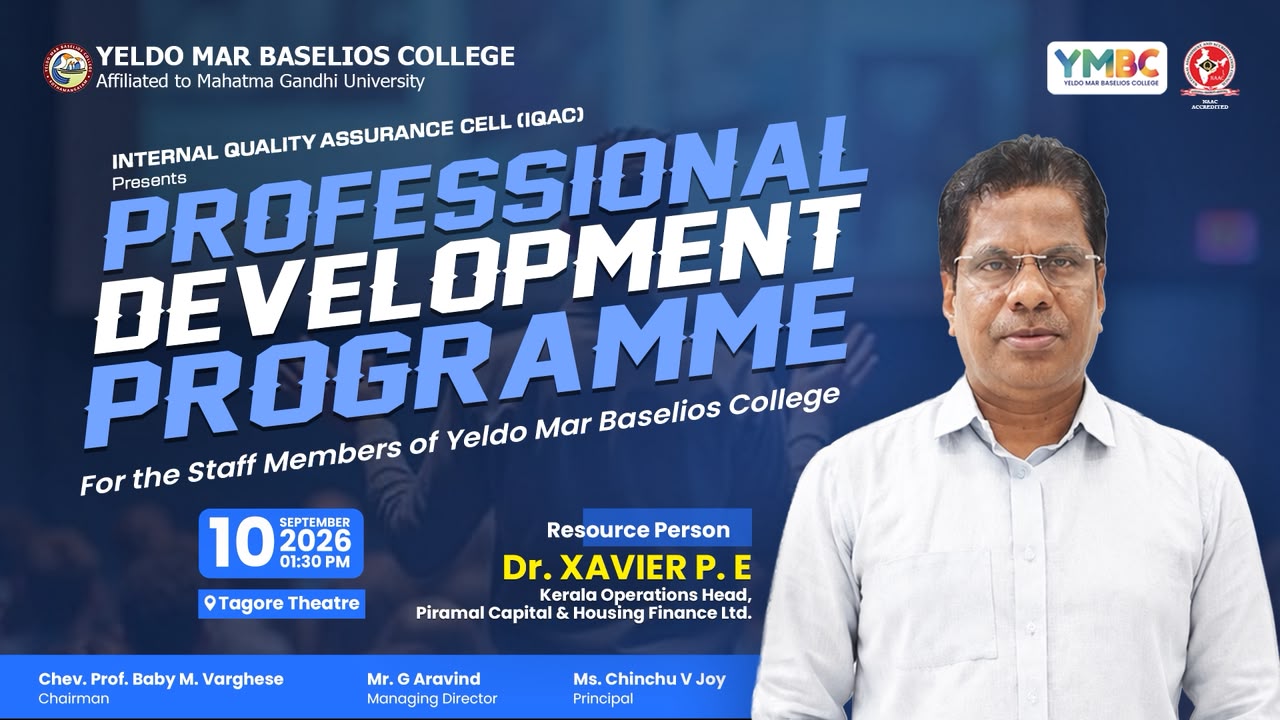
September 10, 2026
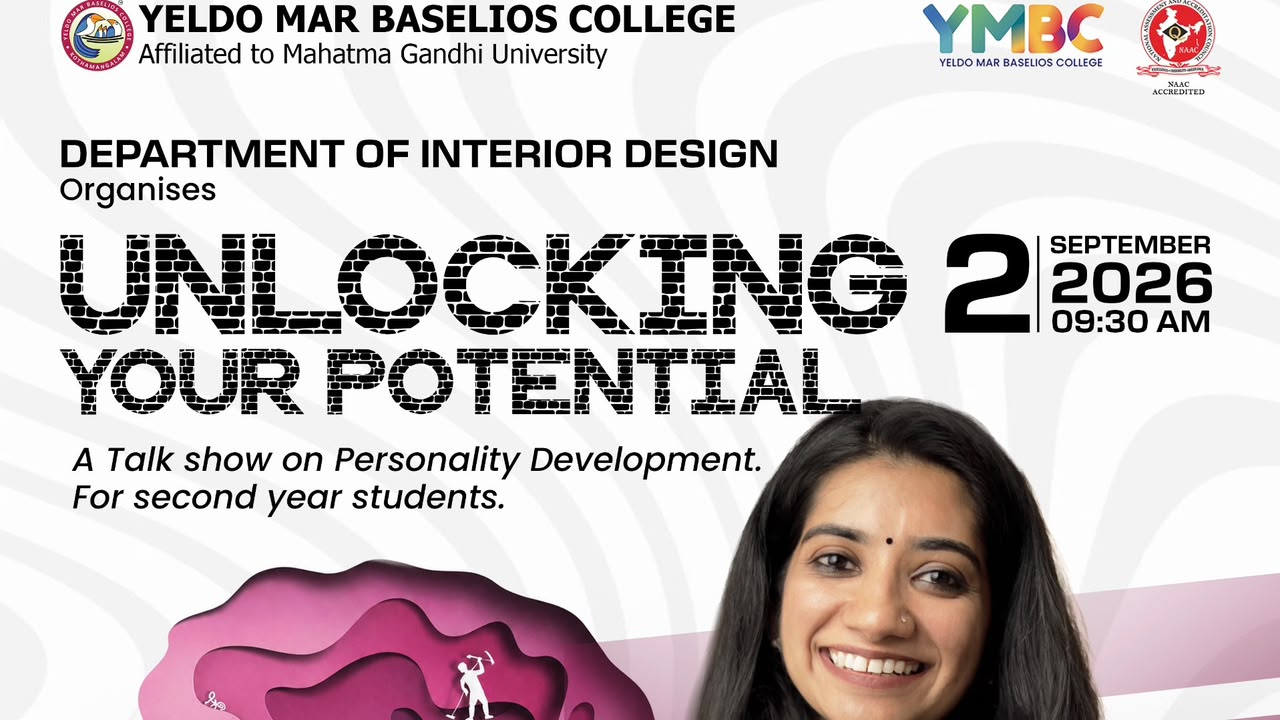
September 2, 2026
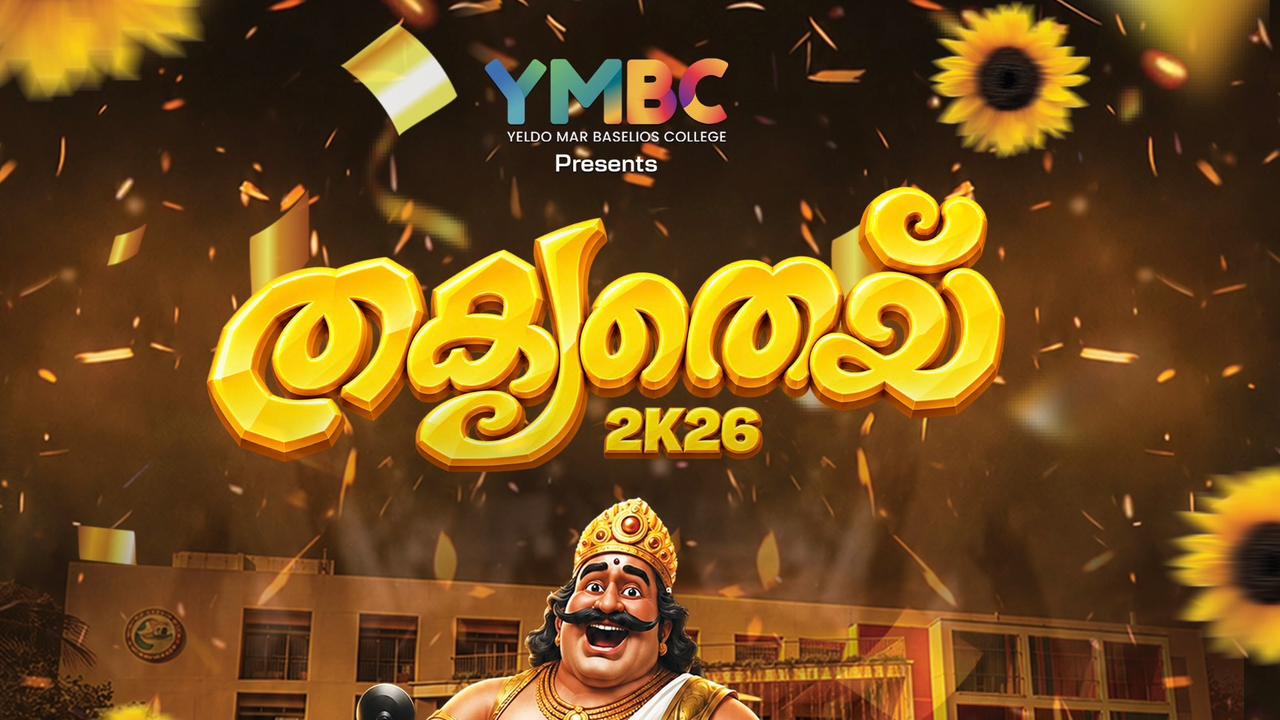
August 20, 2026
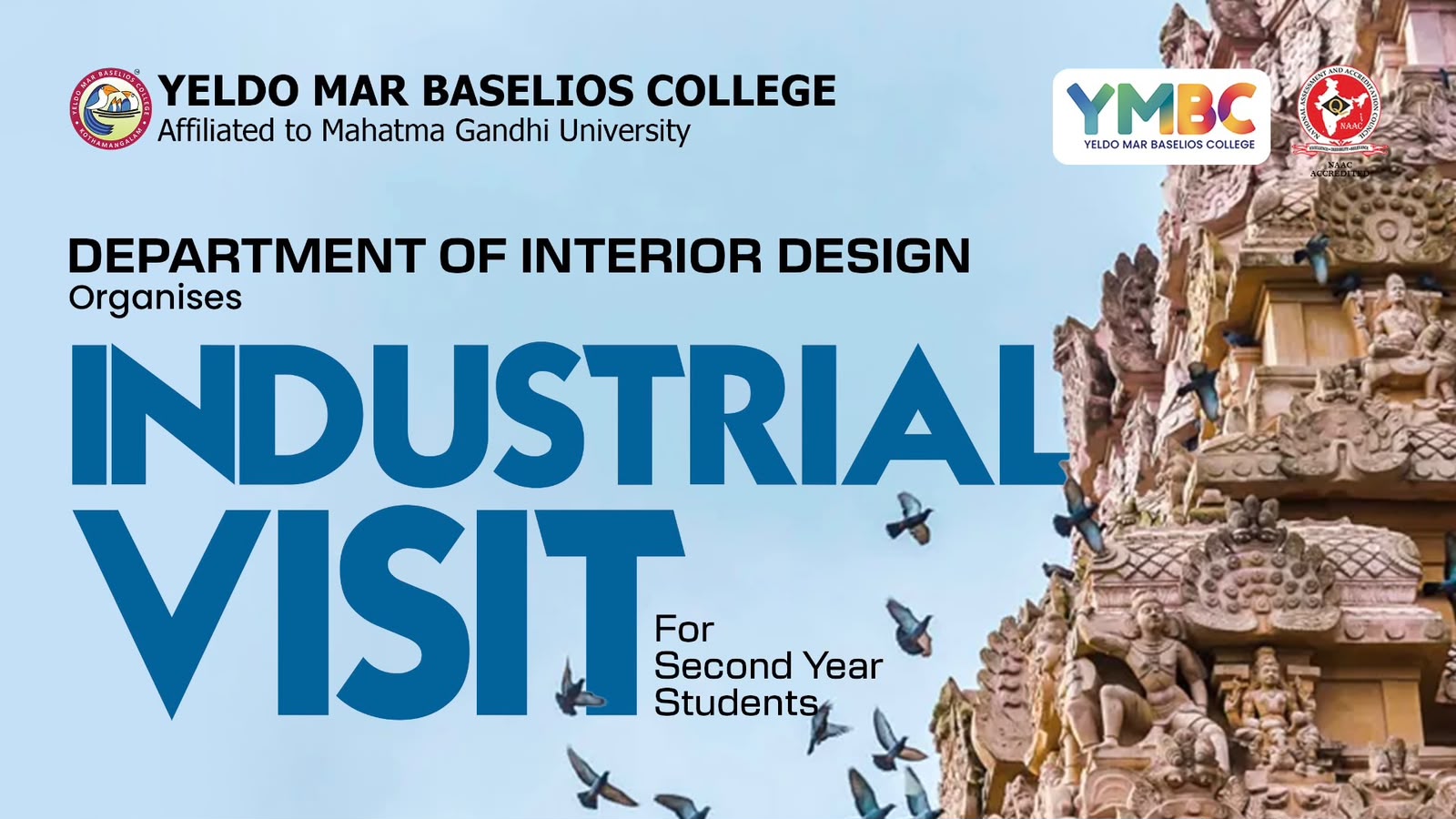
August 13 to August 15, 2026
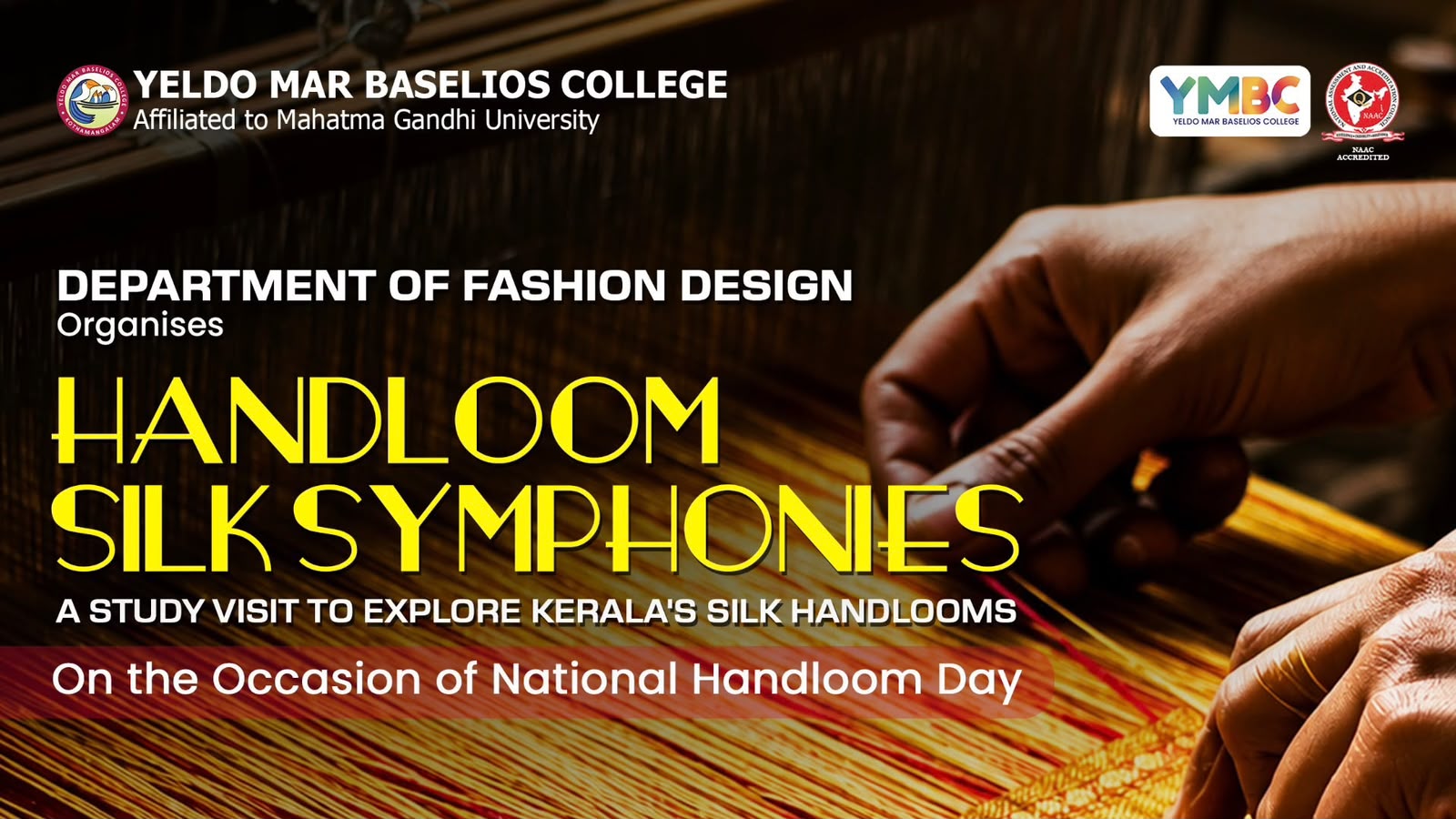
August 11, 2026
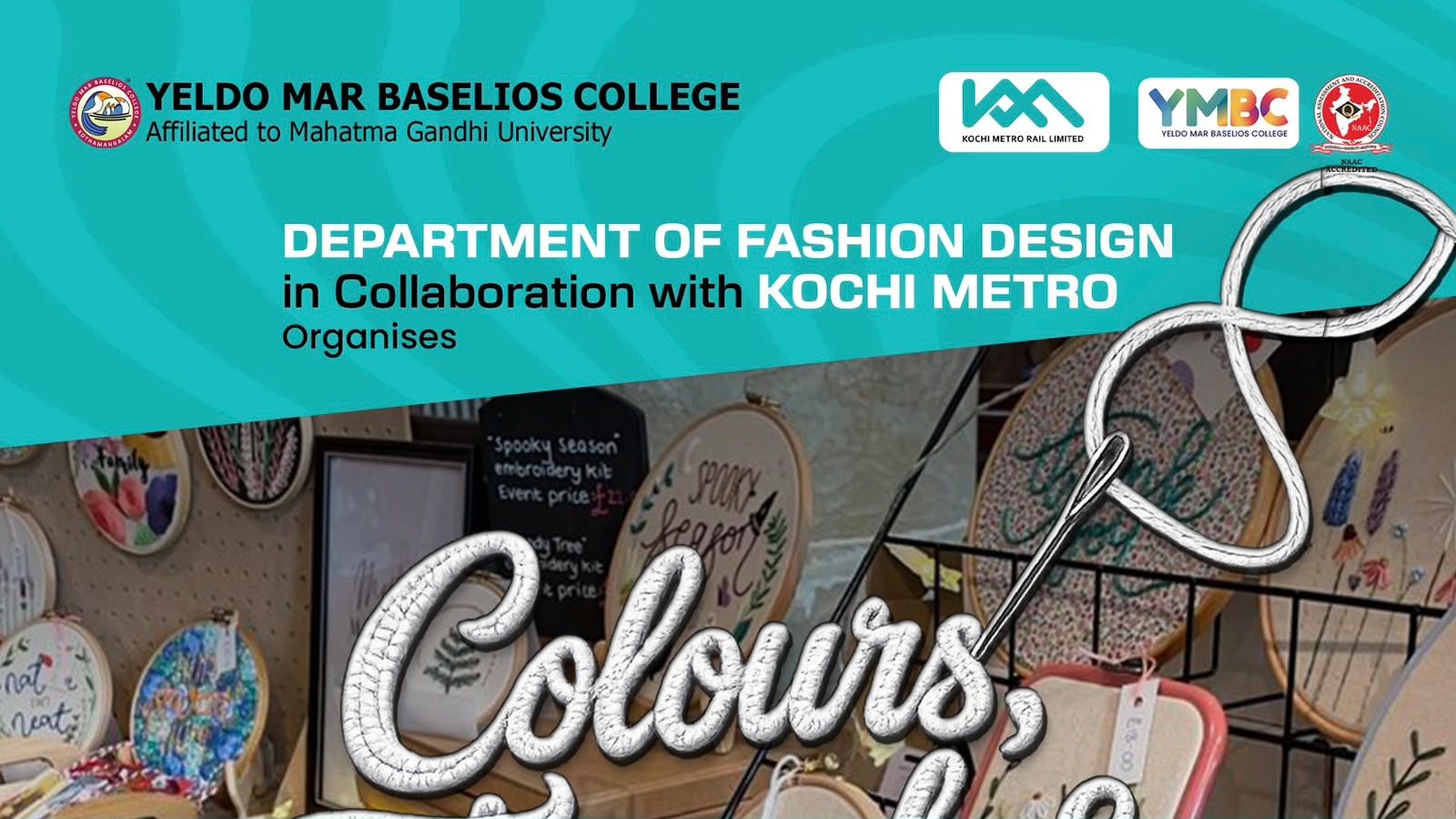
July 31 to August 1, 2026
July 29, 2026
July 29, 2026
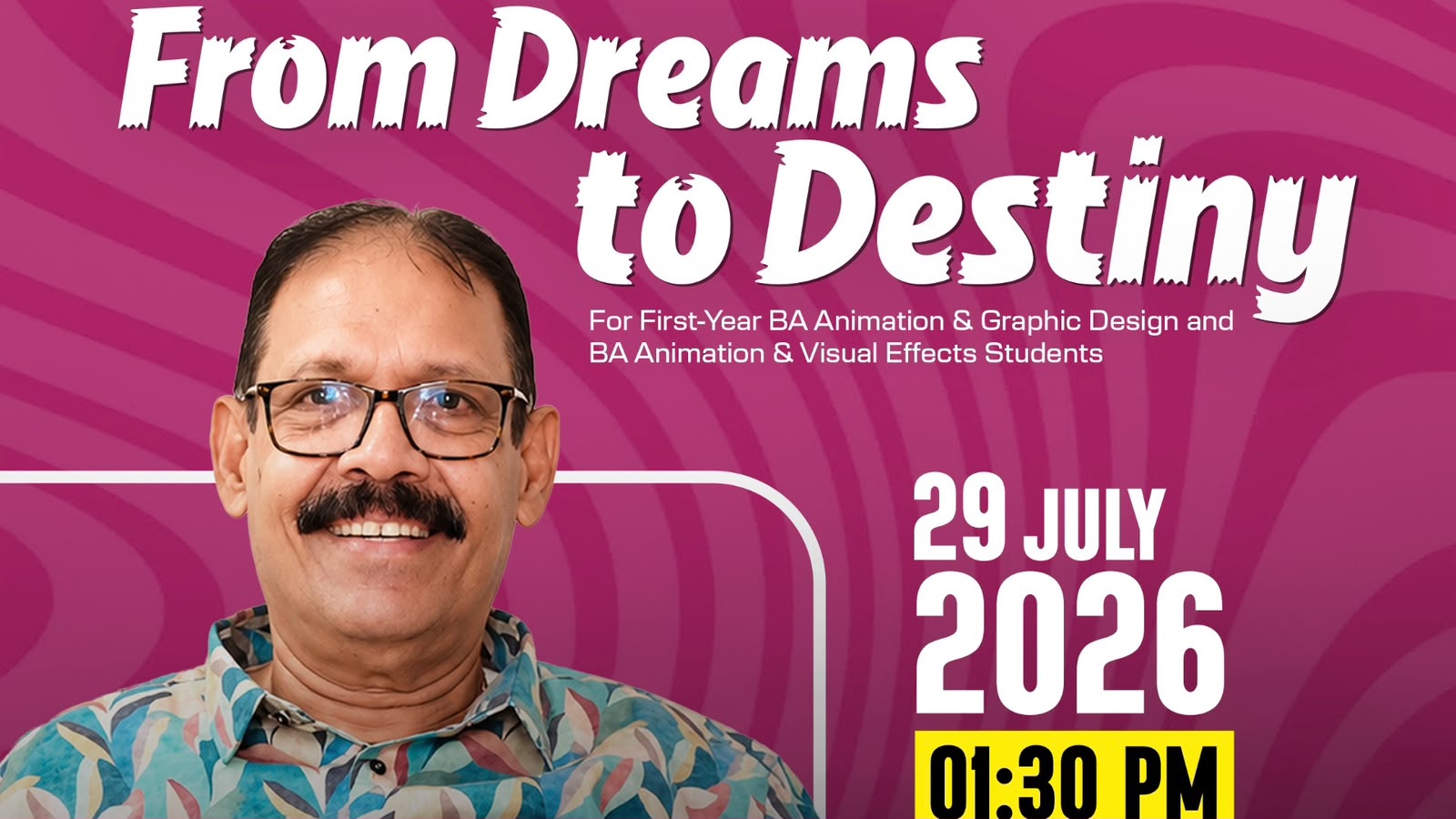
July 29, 2026
July 24, 2026
July 21, 2026
July 21, 2026
July 21, 2026
July 21, 2026
July 16 to July 17, 2026
July 8, 2026
July 6, 2026
June 30, 2026
June 22, 2026
June 19, 2026
June 19, 2026
June 15, 2026
June 12, 2026
June 5, 2026
June 5, 2026
April 18, 2026
March 30 to April 1, 2026
March 30, 2026
March 26, 2026
March 16 to March 17, 2026
March 13, 2026
March 10, 2026
March 9, 2026
March 6, 2026
March 5, 2026
March 4, 2026
February 27, 2026
February 27, 2026
February 26 to February 27, 2026
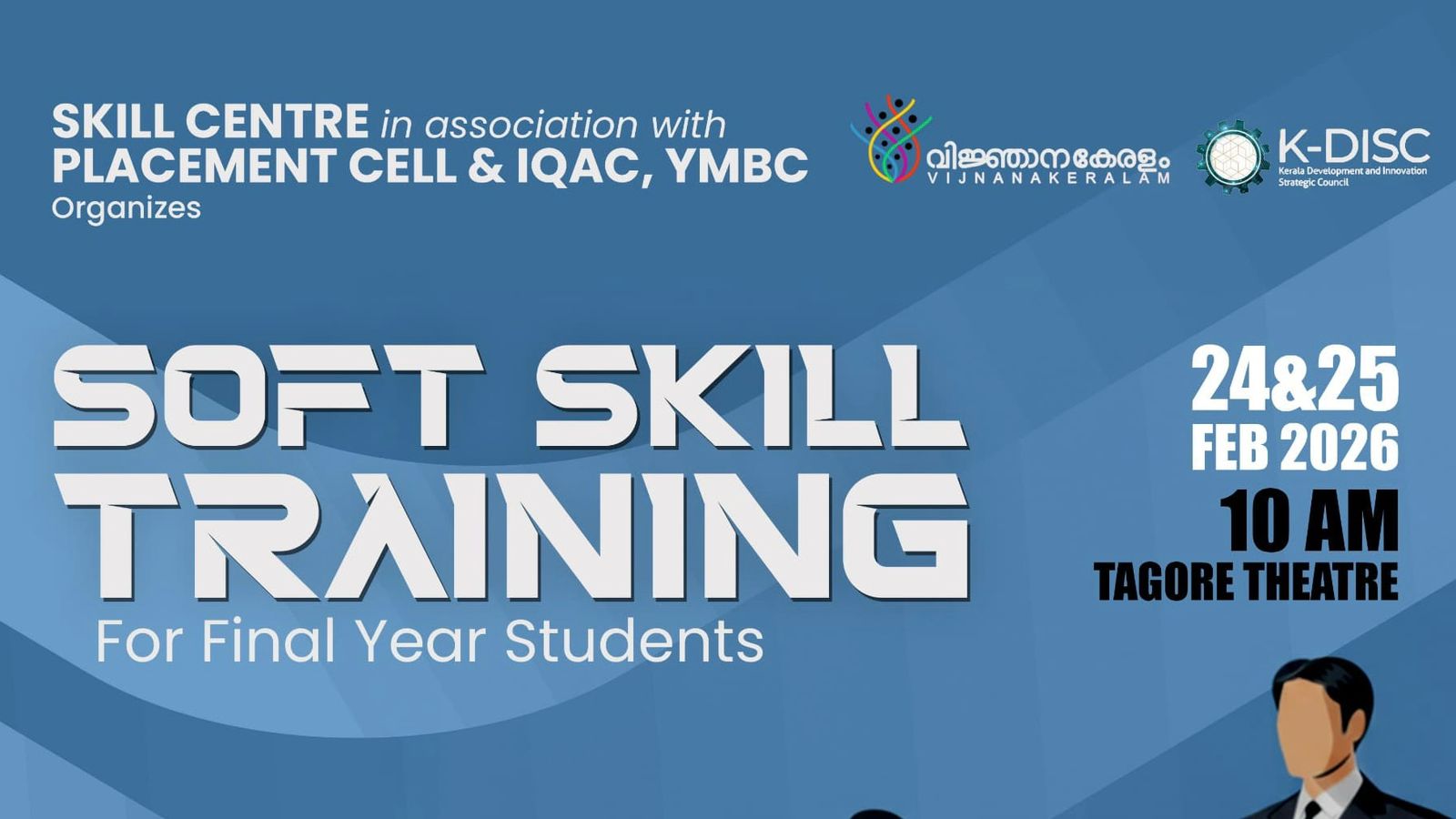
February 24 to February 25, 2026

February 23, 2026

February 18, 2026

February 16 to February 18, 2026

February 13, 2026
February 10, 2026

February 9, 2026
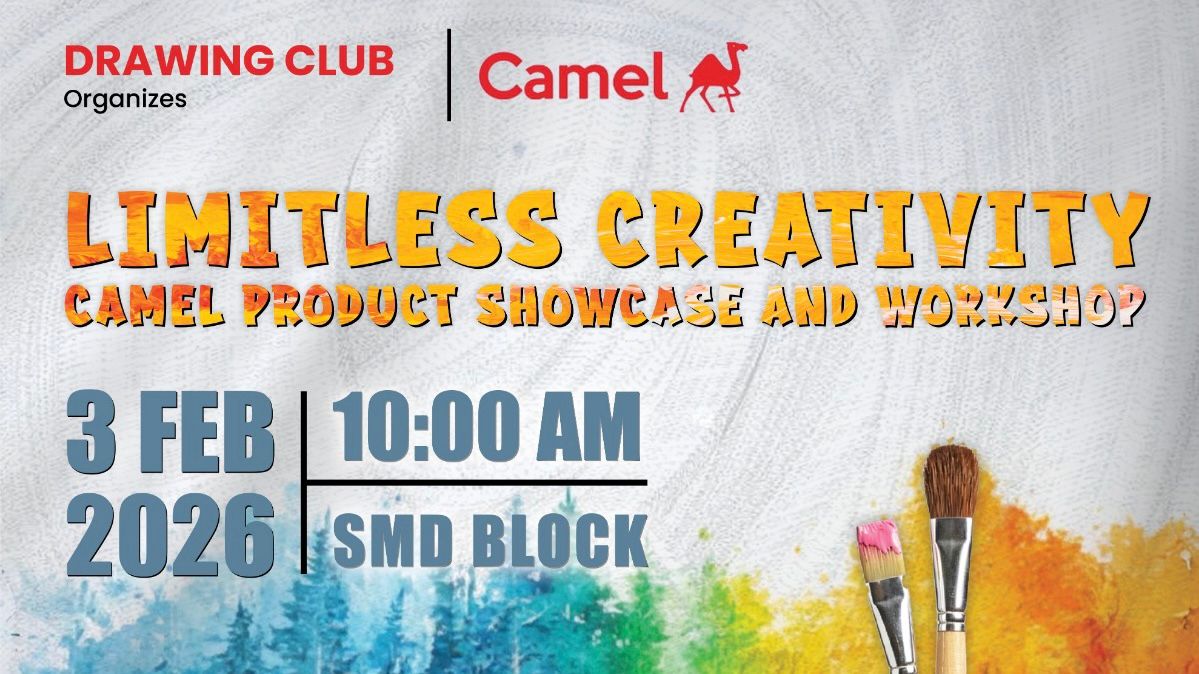
February 3, 2026

January 28, 2026
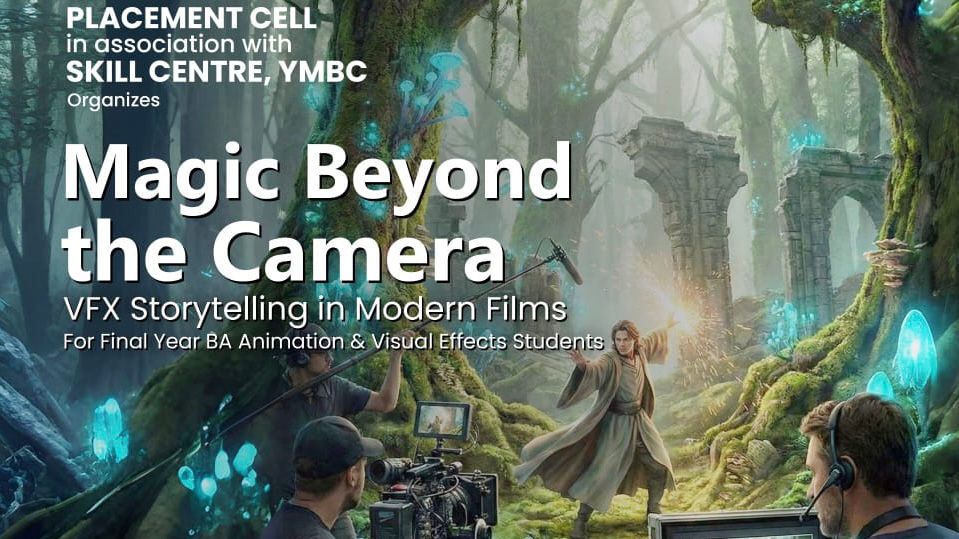
January 28, 2026

January 28, 2026

January 23, 2026
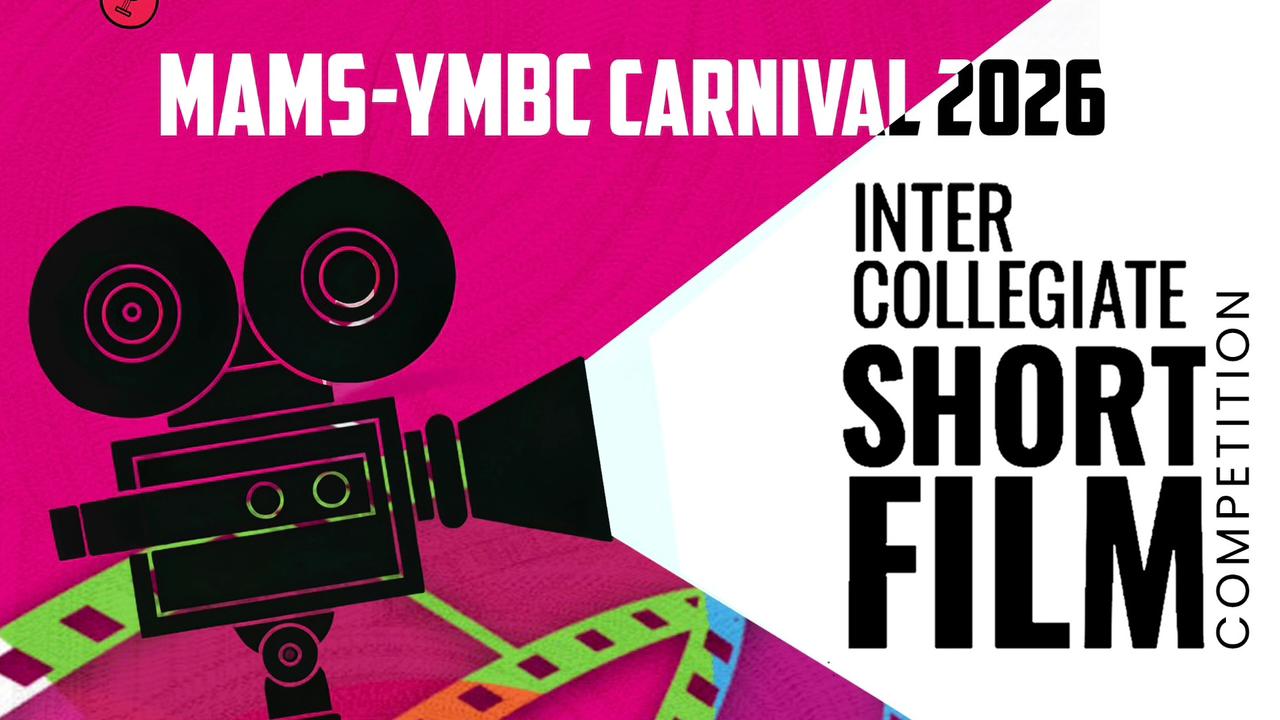
January 23, 2026
January 22 to January 23, 2026
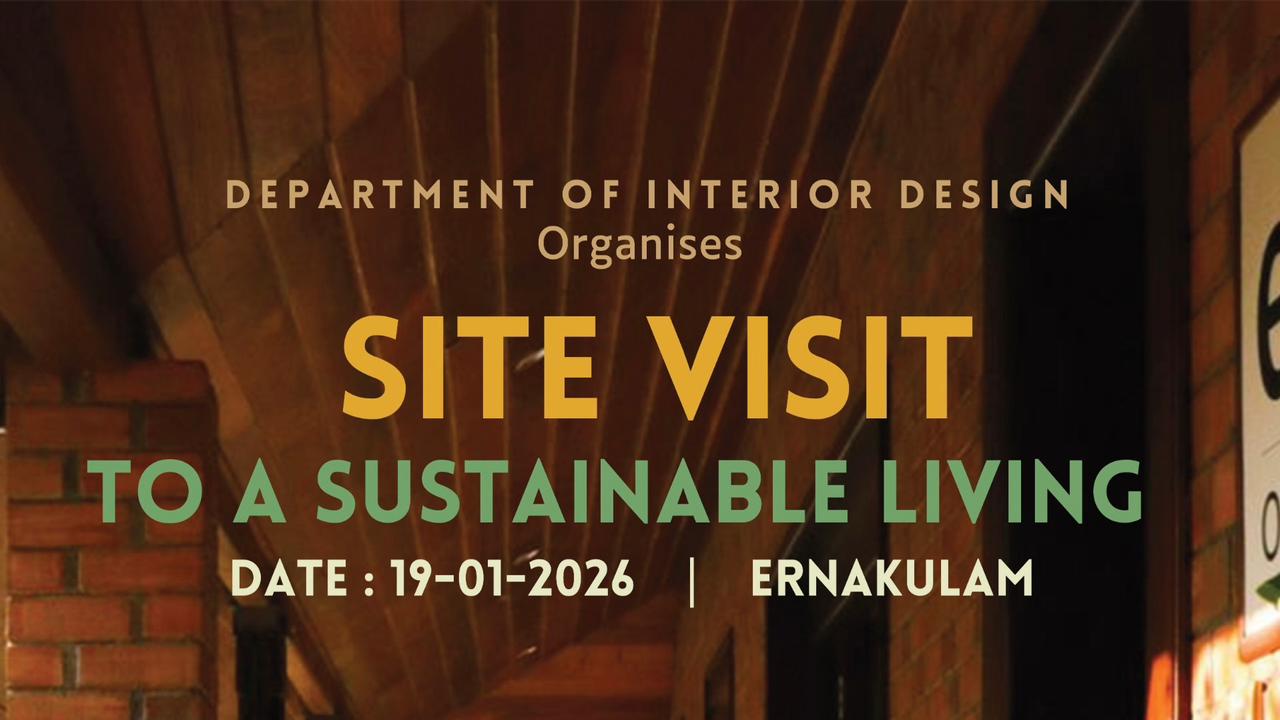
January 19, 2026

January 16, 2026
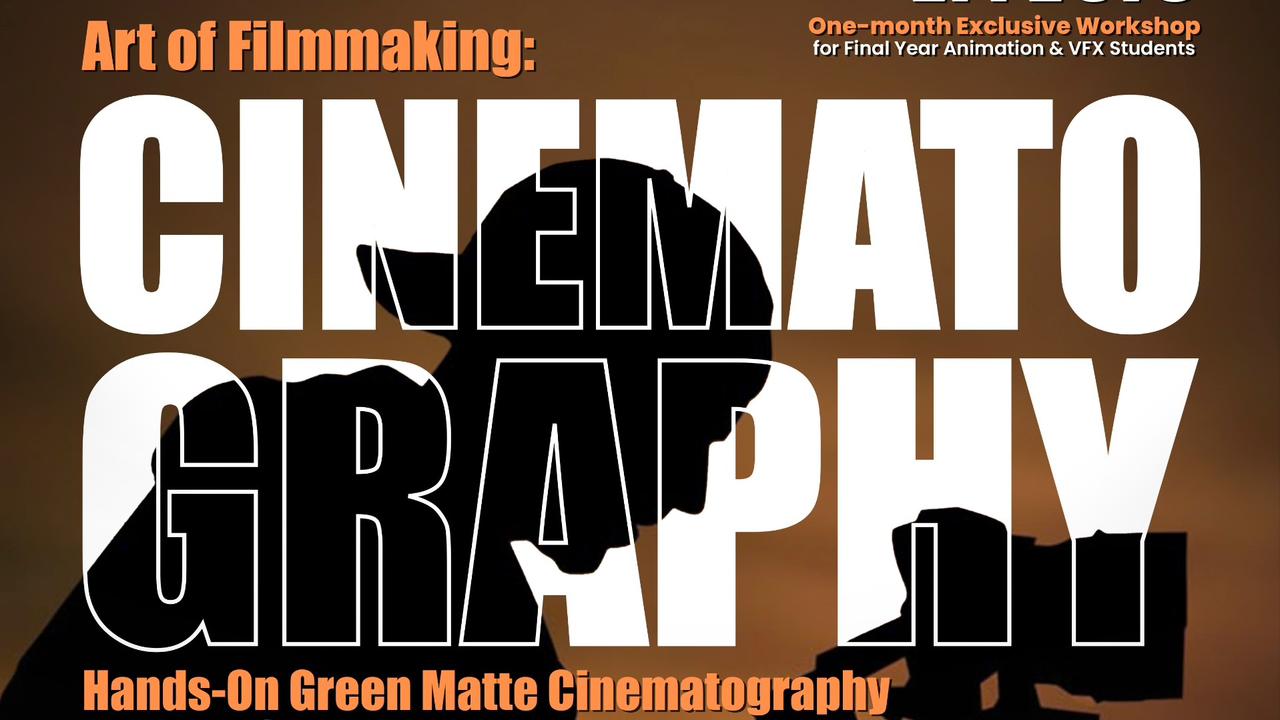
January 15, 2026

January 14, 2026
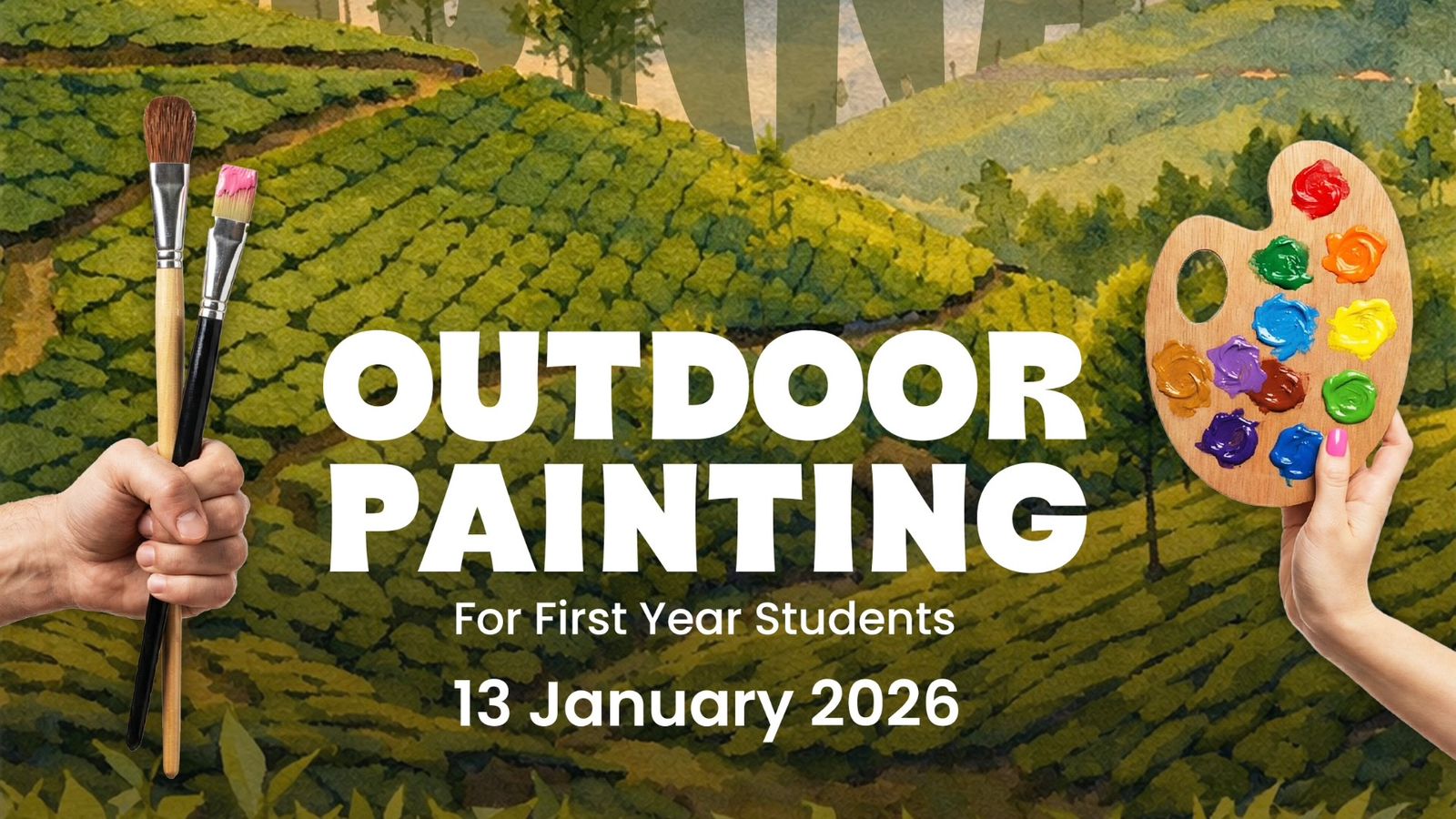
January 13, 2026
January 12, 2026
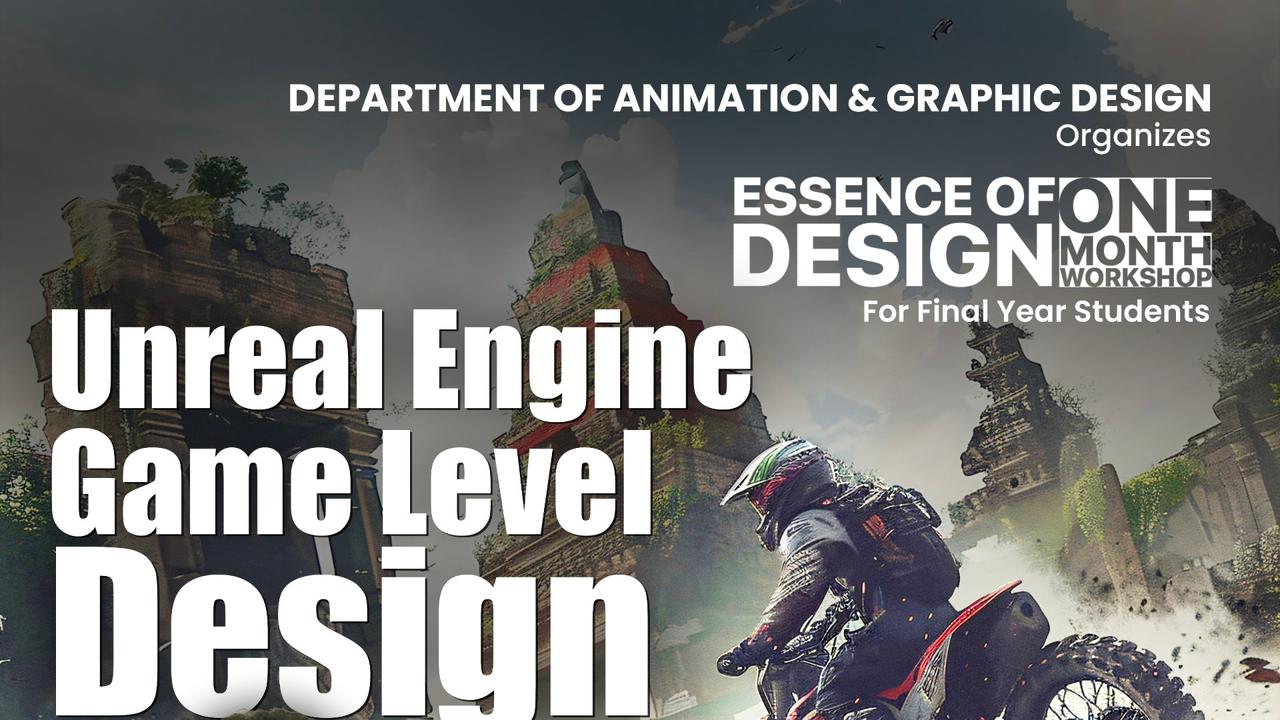
January 12 to January 31, 2026

January 12 to January 31, 2026
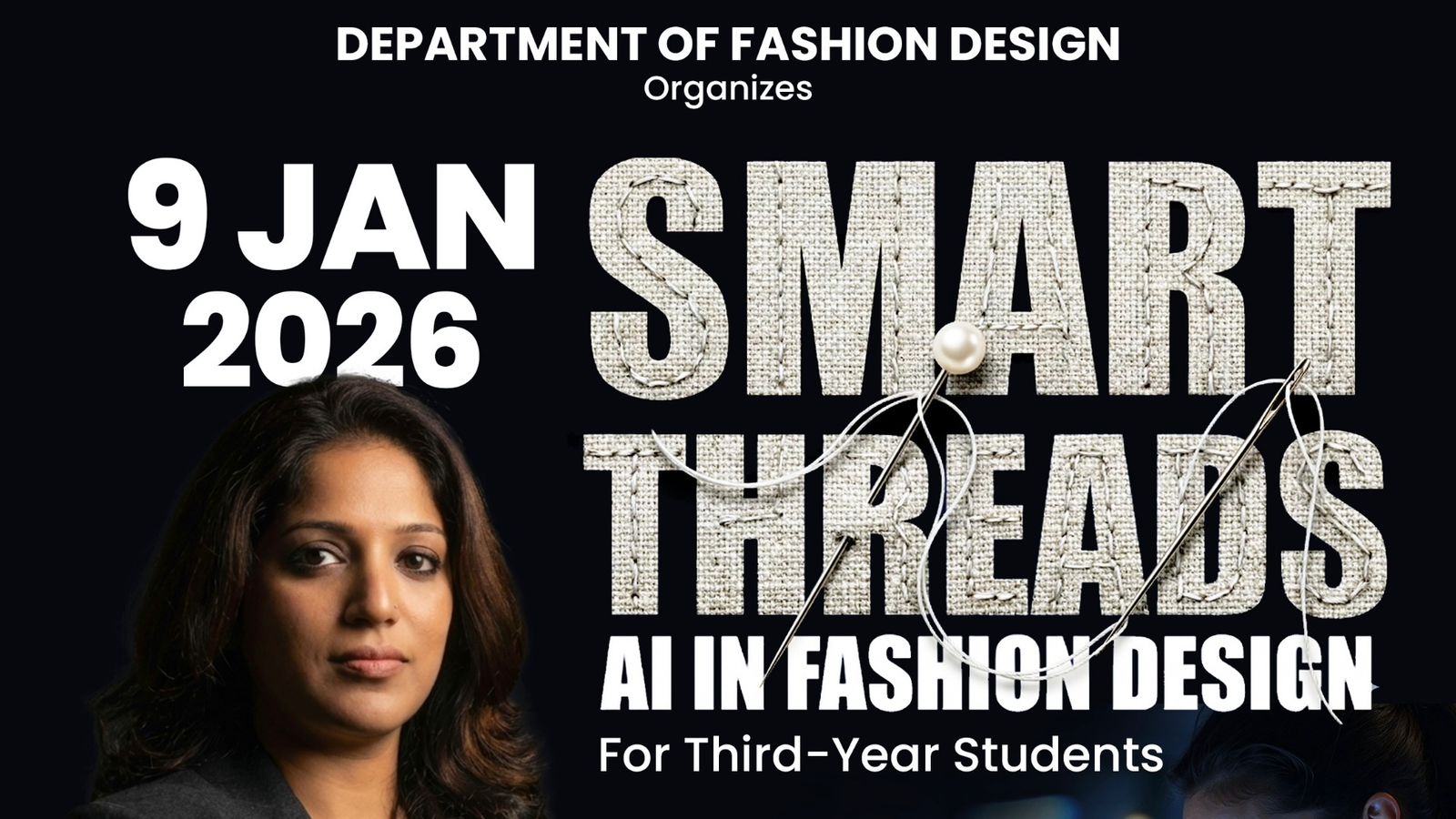
January 9, 2026

January 8 to January 9, 2026

January 8 to January 9, 2026
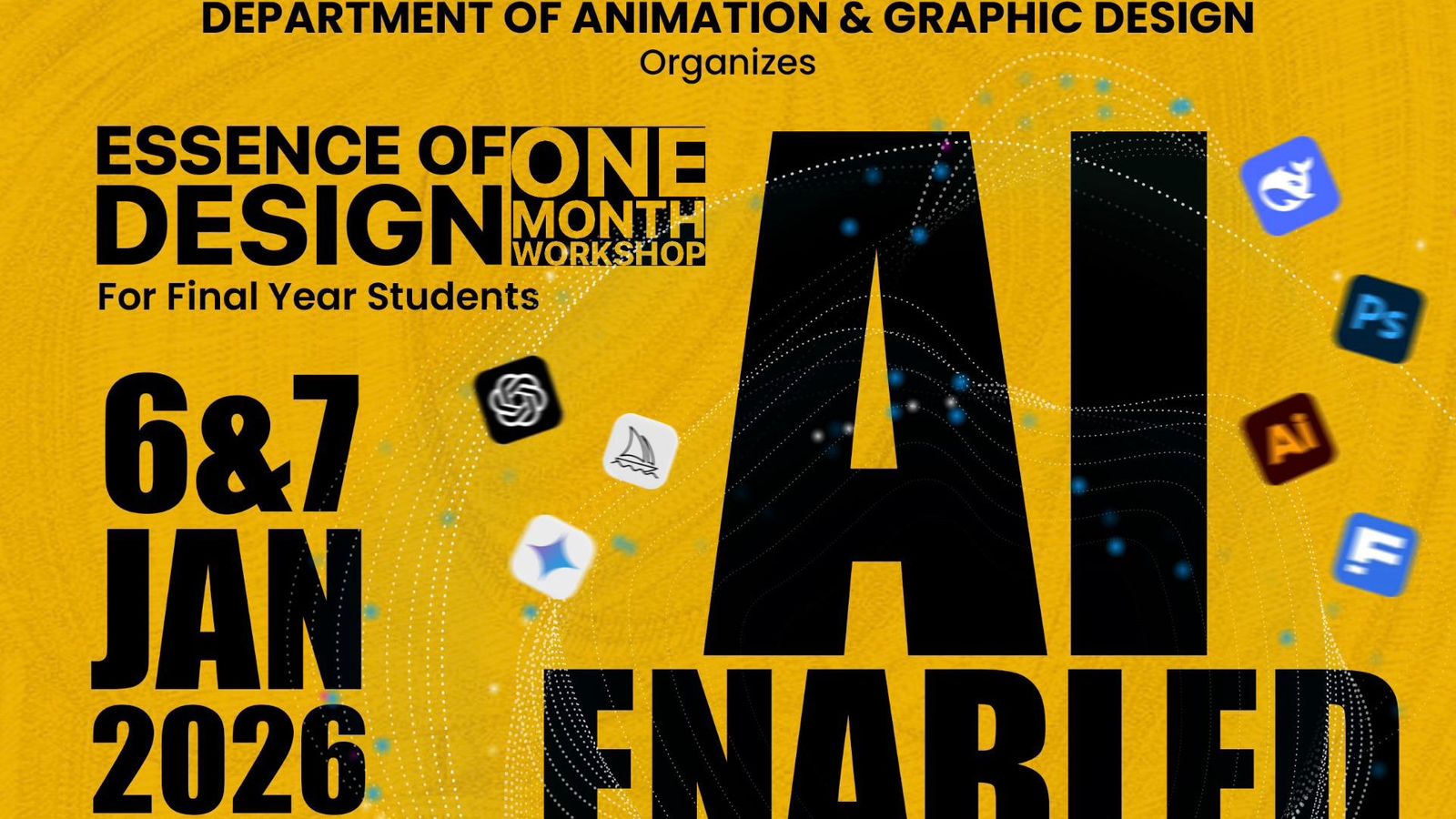
January 6 to January 7, 2026

January 6 to January 7, 2026

December 22, 2025

December 22, 2025

December 22, 2025
December 20, 2025
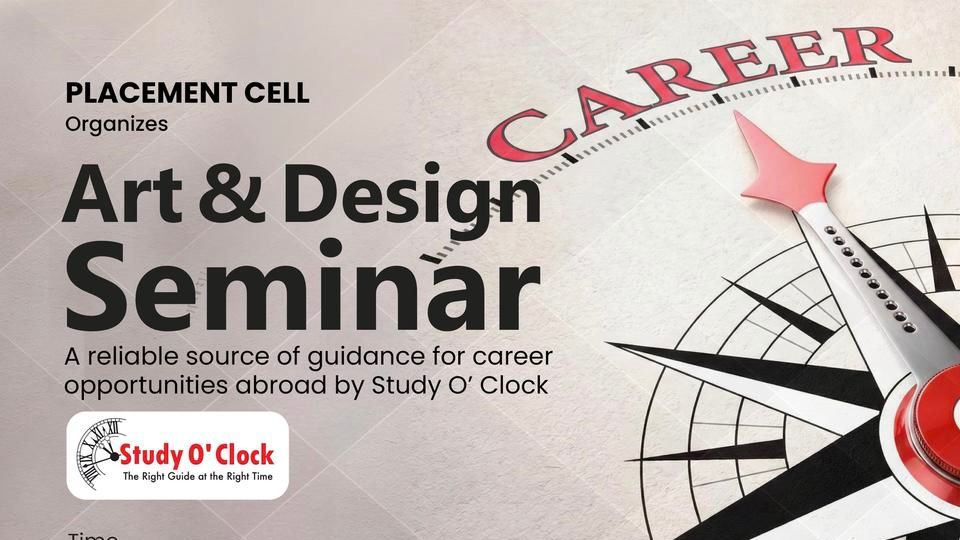
December 16, 2025
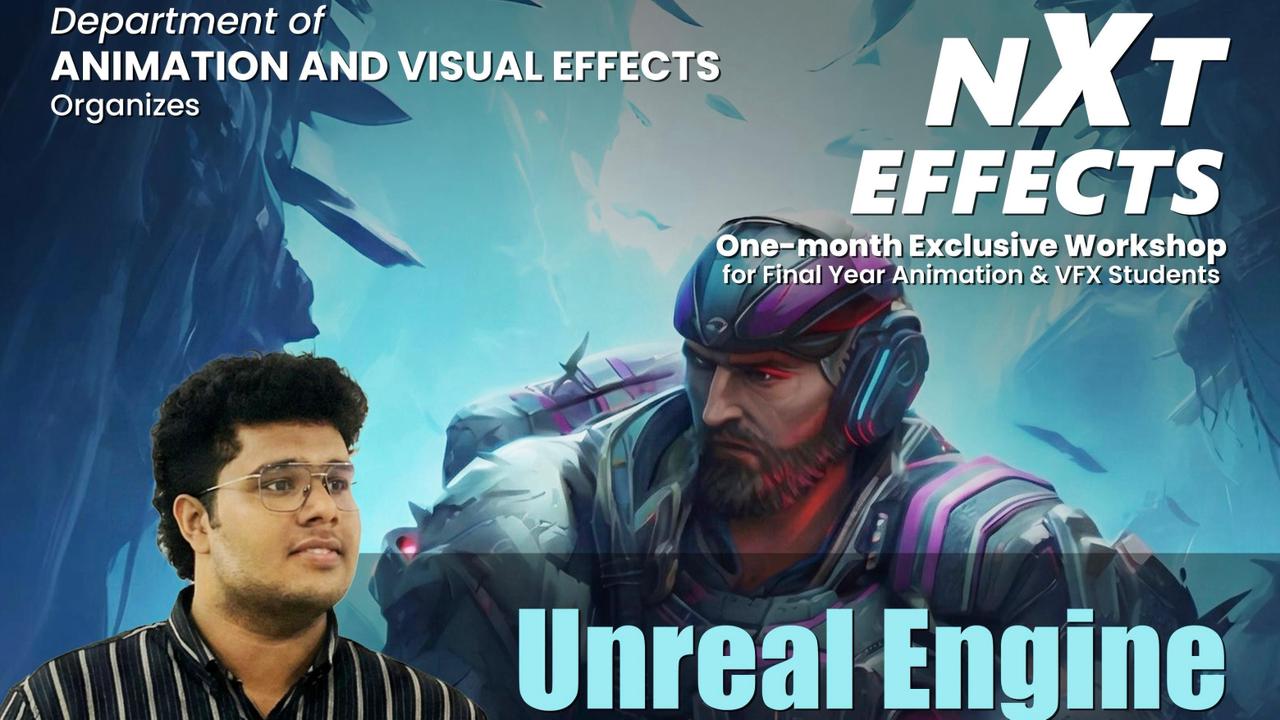
December 15 to December 19, 2025

December 5, 2025

December 4, 2025

December 3, 2025

December 2 to January 2, 2026

December 2, 2025
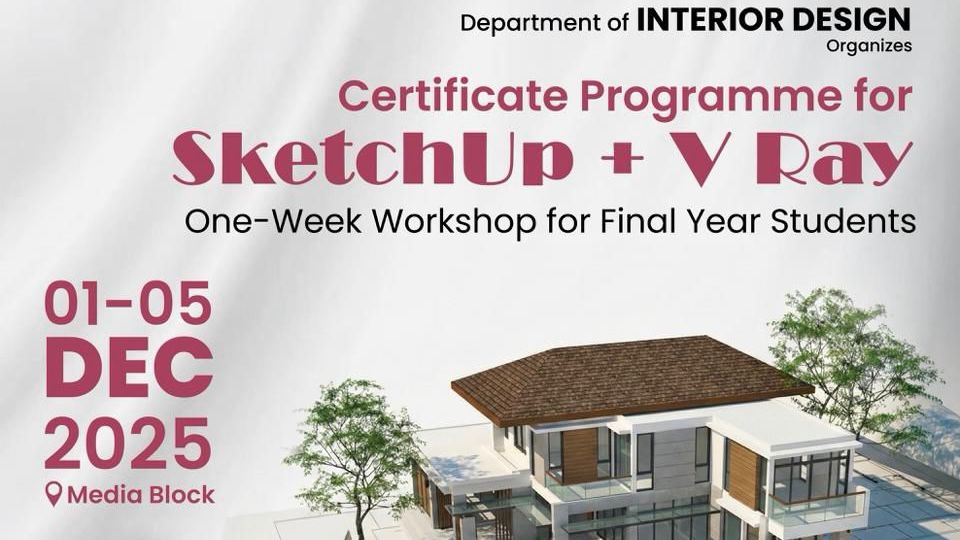
December 1 to December 5, 2025

December 1, 2025
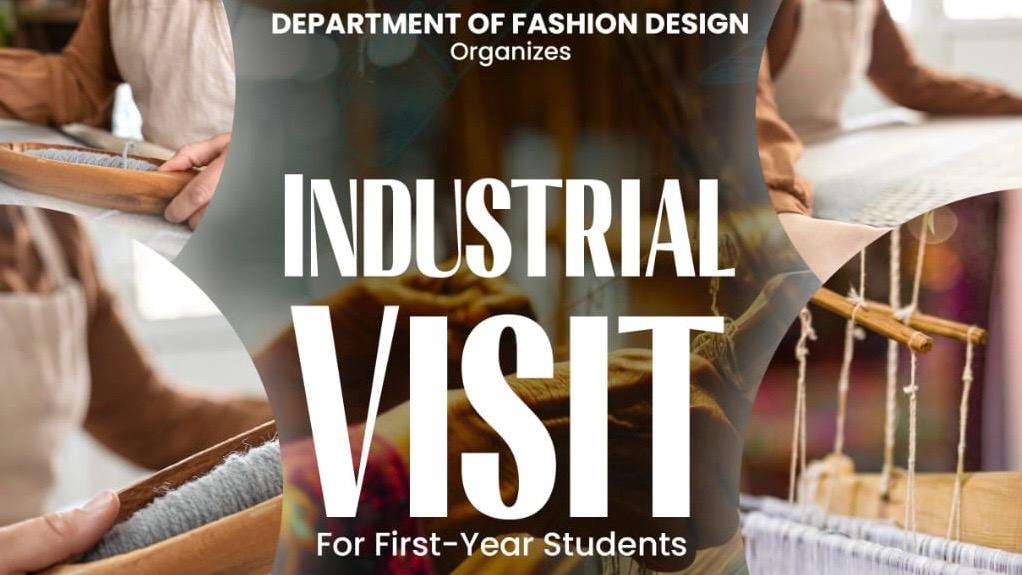
November 27, 2025
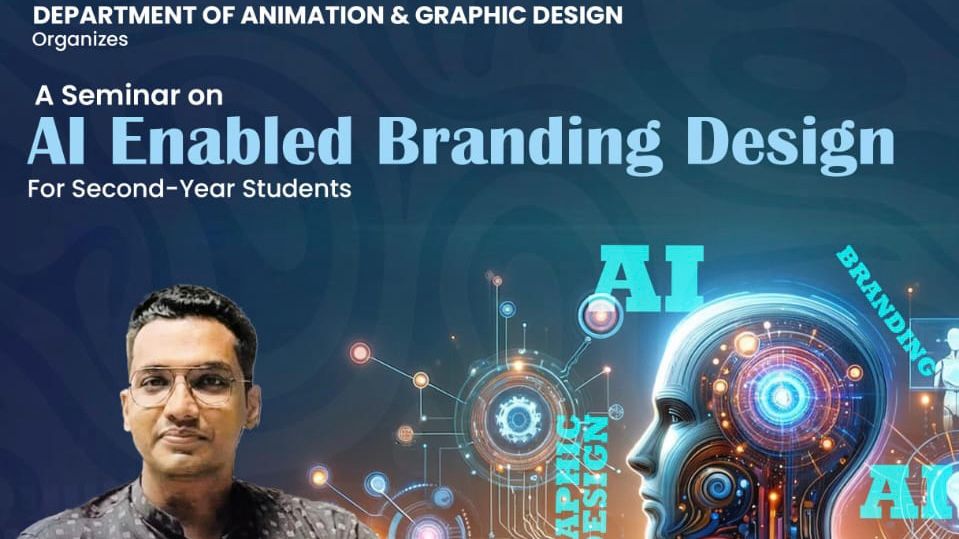
November 26, 2025
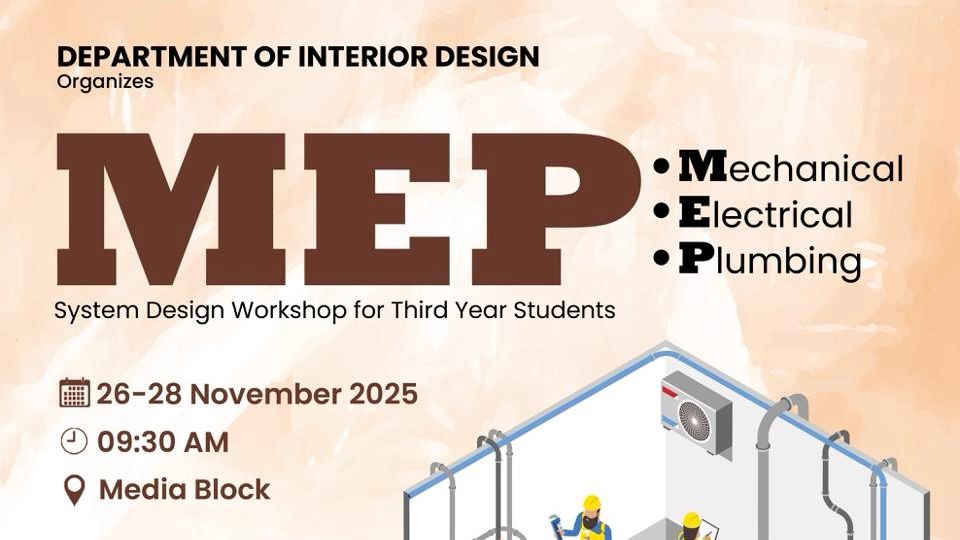
November 26 to December 28, 2025

November 26, 2025

November 26 to December 26, 2025

November 25, 2025

November 24, 2025
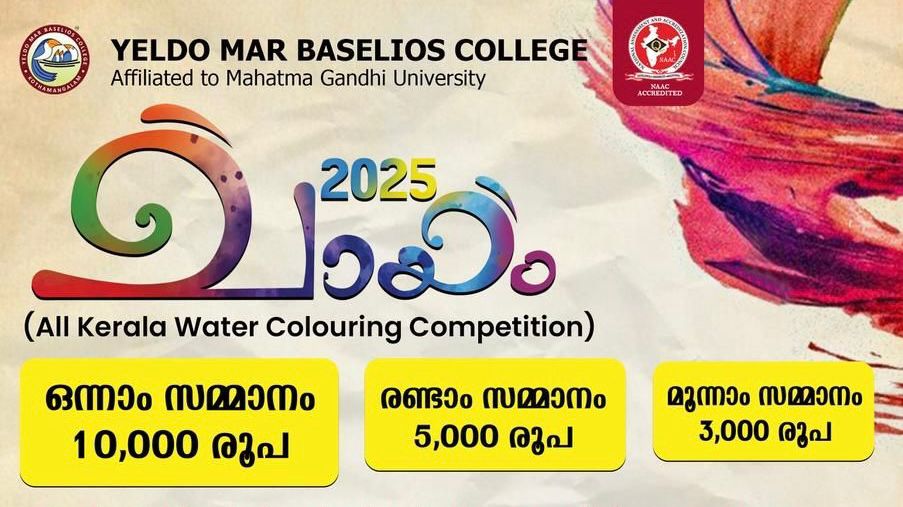
November 22, 2025

November 21, 2025

November 19, 2025

November 17, 2025
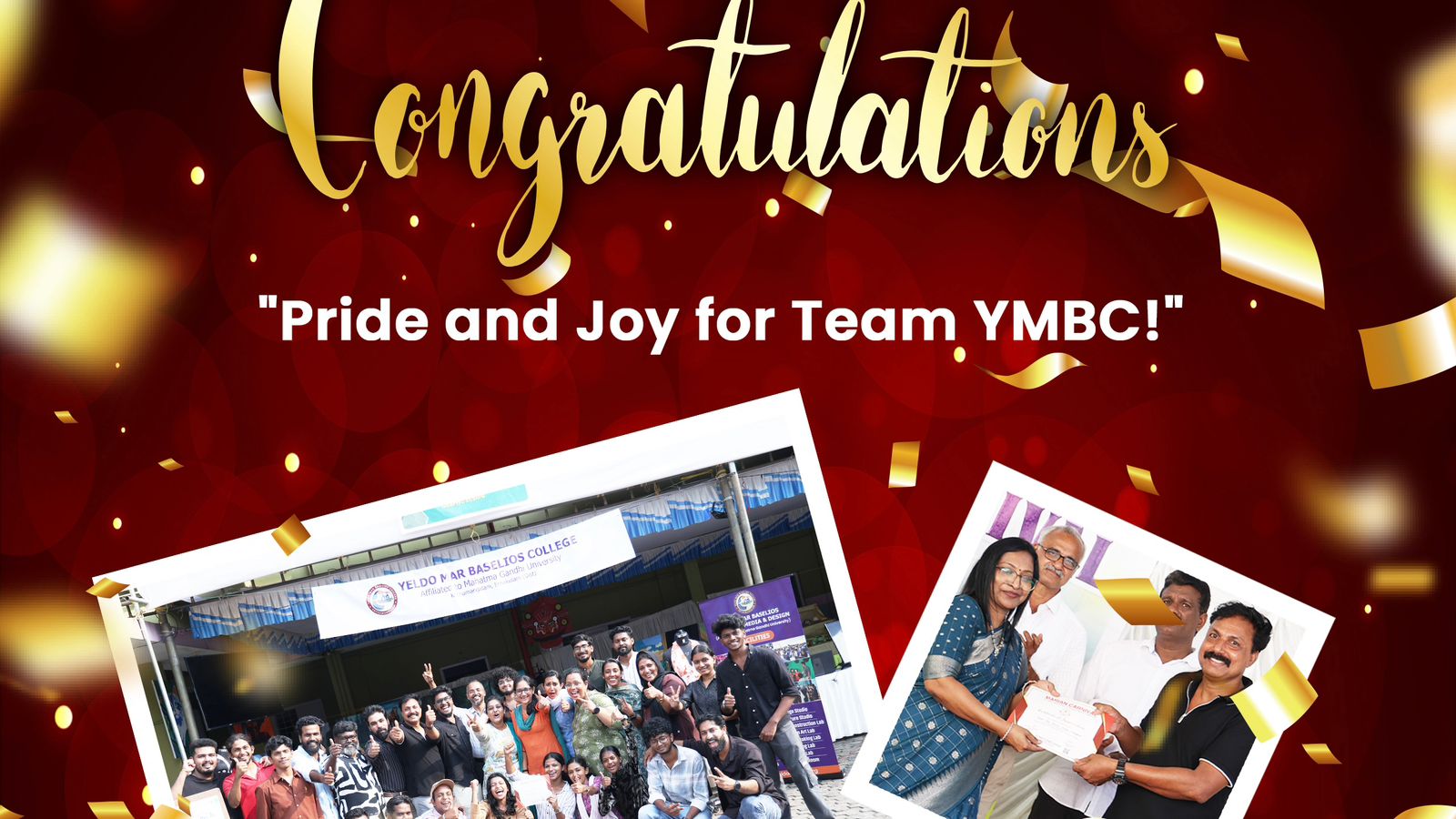
November 16, 2025

November 14, 2025

November 13, 2025
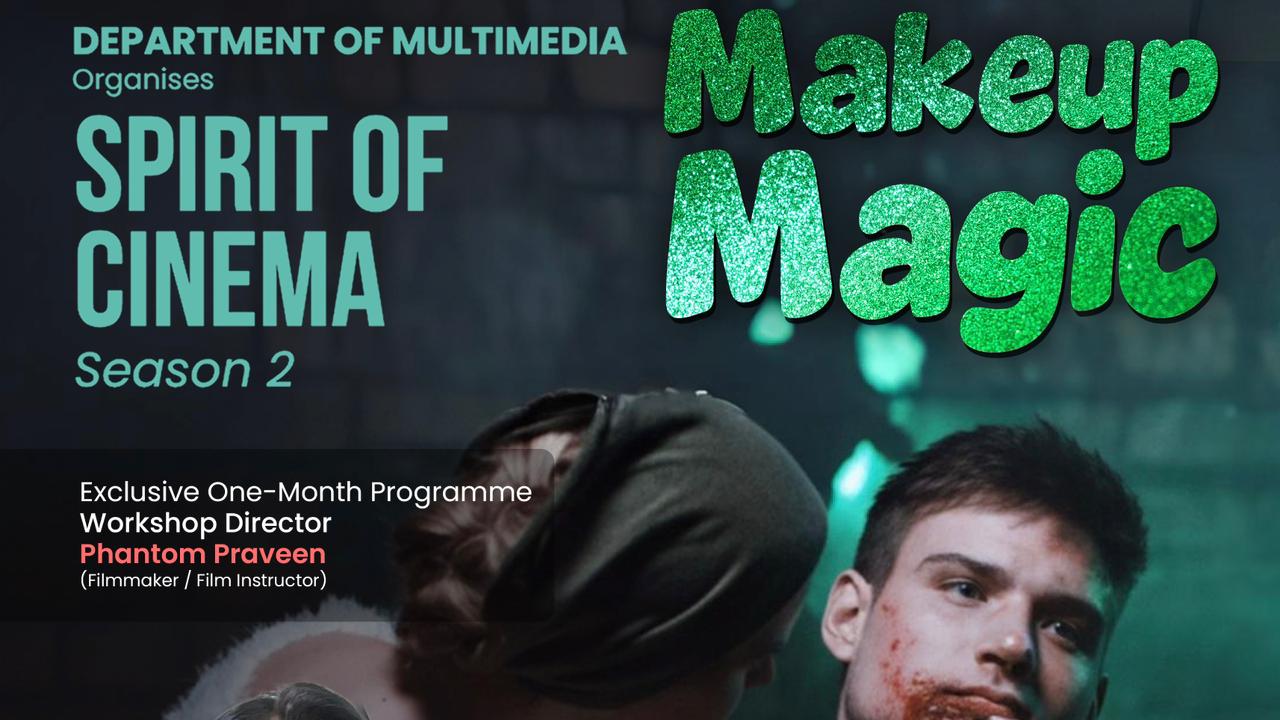
November 12, 2025

November 12, 2025
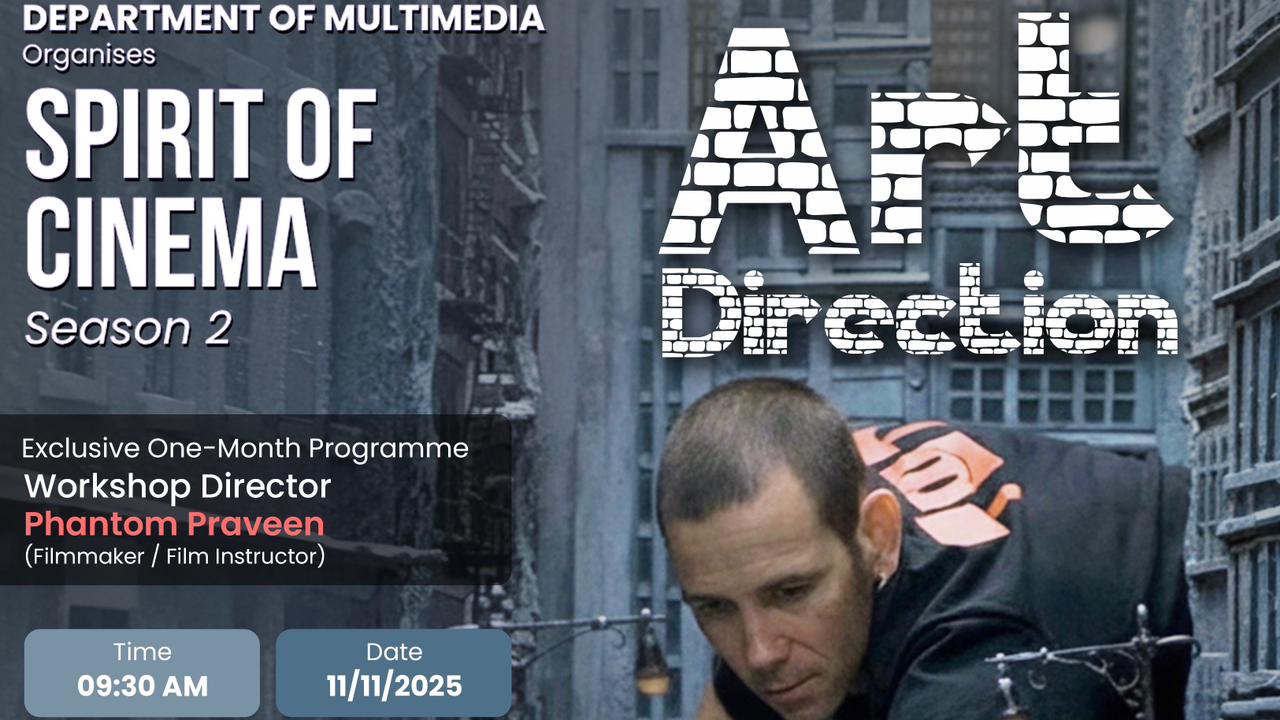
November 11, 2025

November 7 to November 9, 2025

November 7, 2025
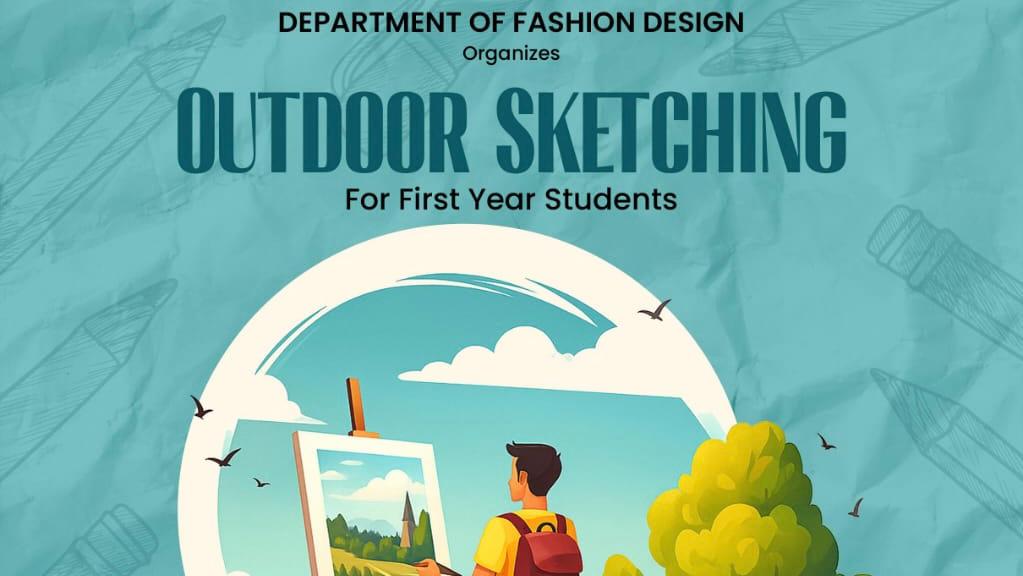
November 4, 2025

October 28, 2025
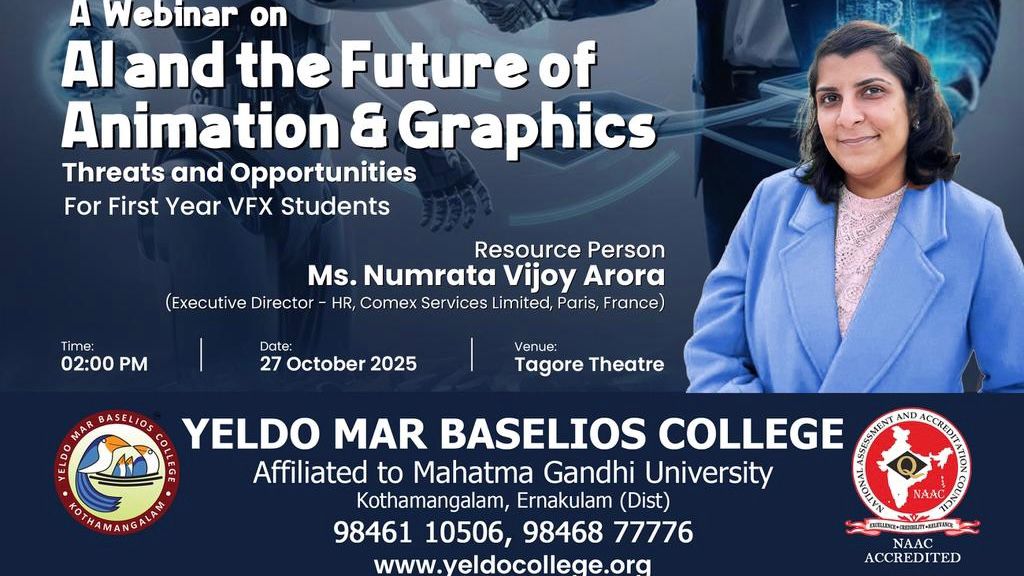
October 27, 2025
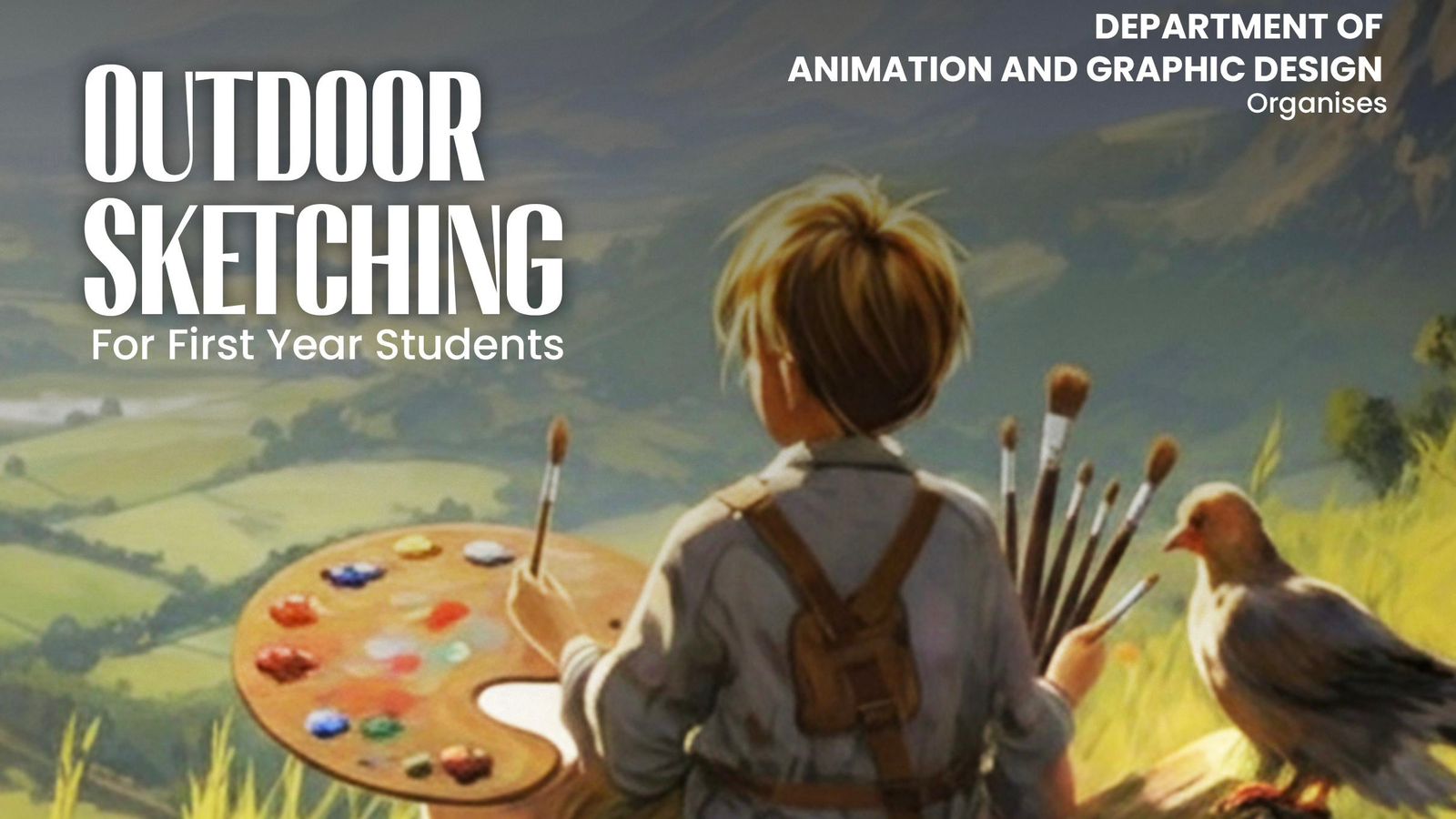
October 23, 2025
October 21, 2025

October 17, 2025
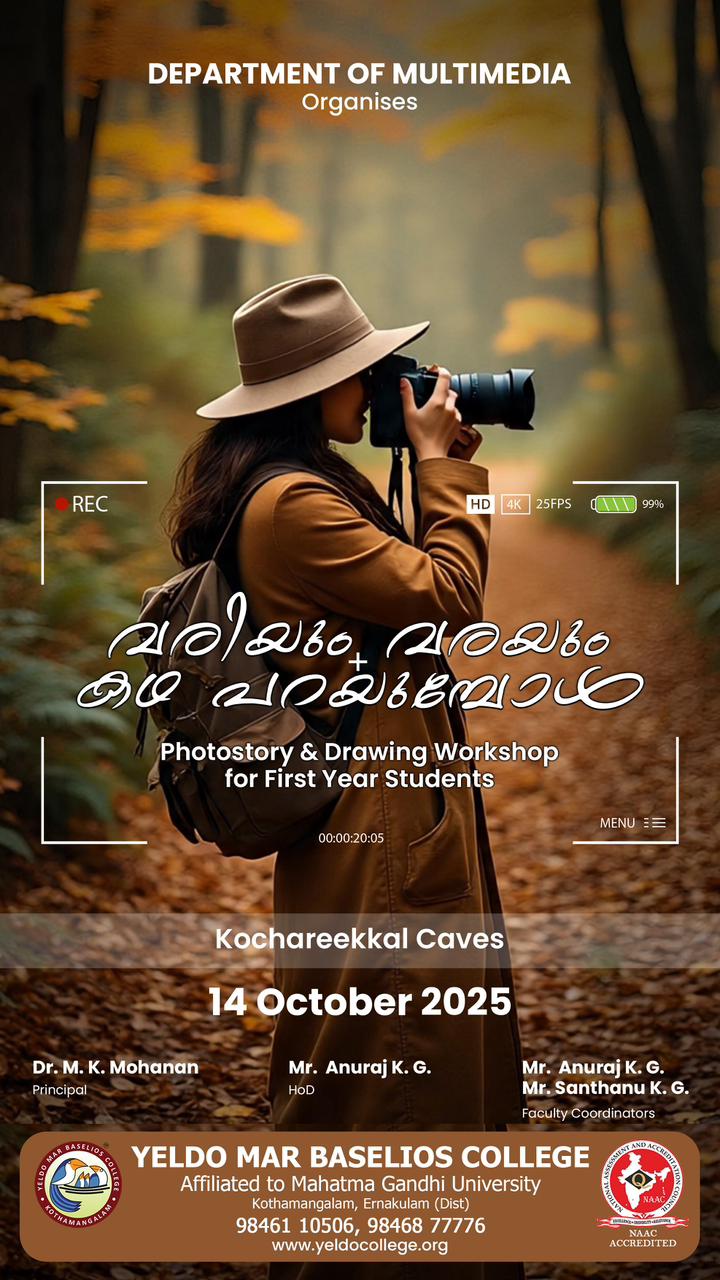
October 14, 2025
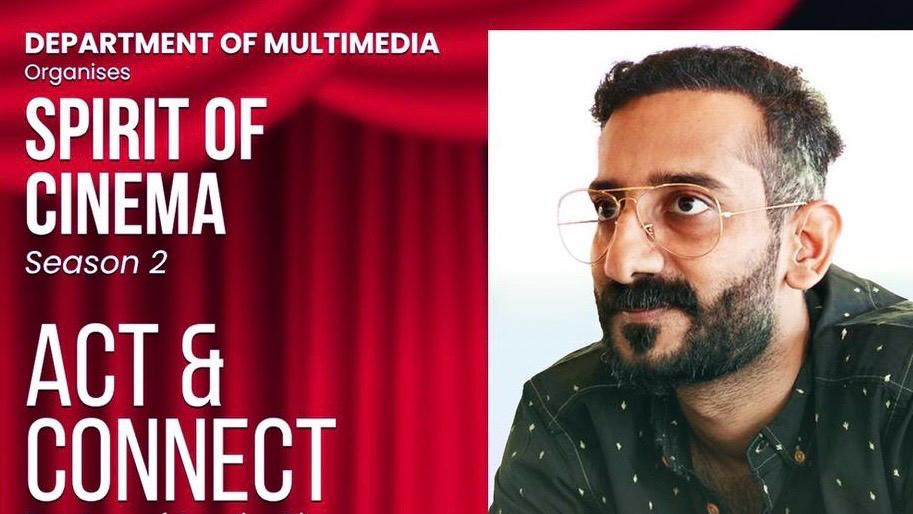
October 9 to October 10, 2025

October 7, 2025
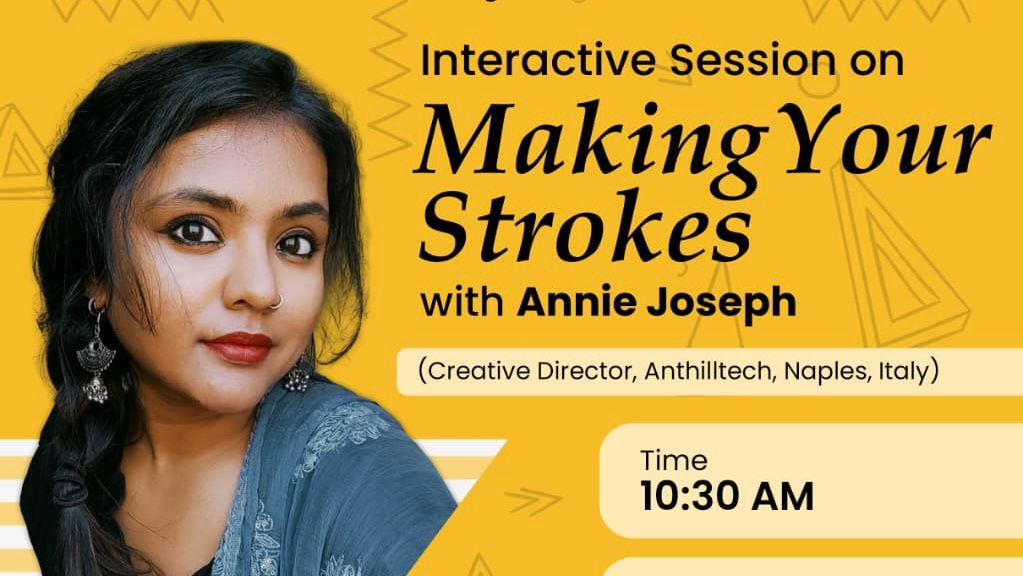
August 21, 2025

July 2, 2025

April 25, 2025
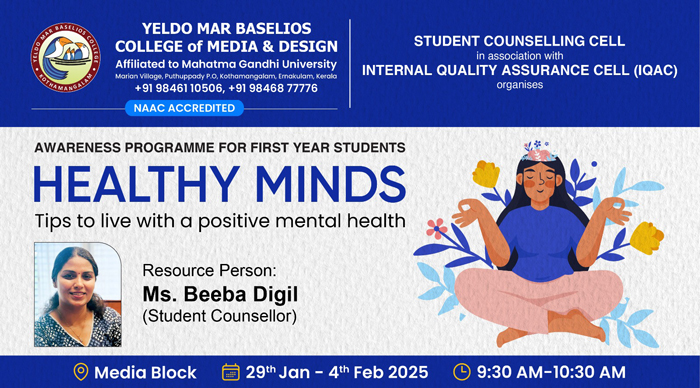
January 29 to February 4, 2025
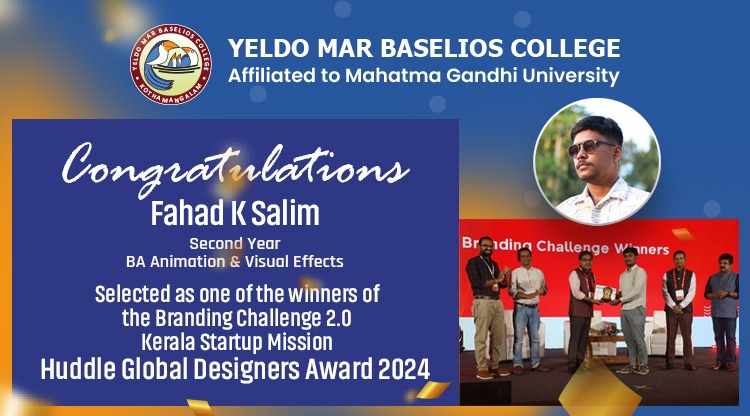
November 12, 2024

October 4, 2024
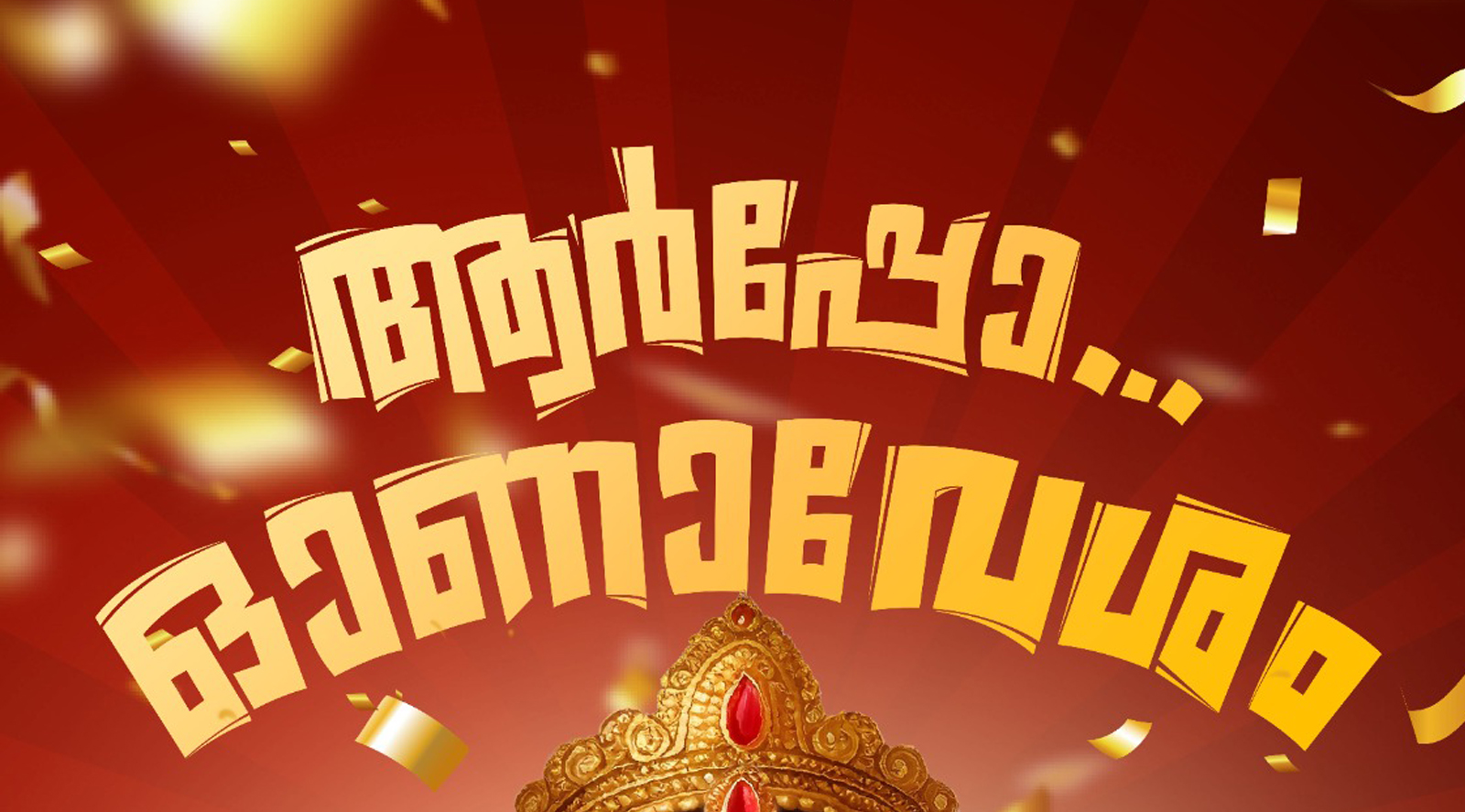
September 12, 2024
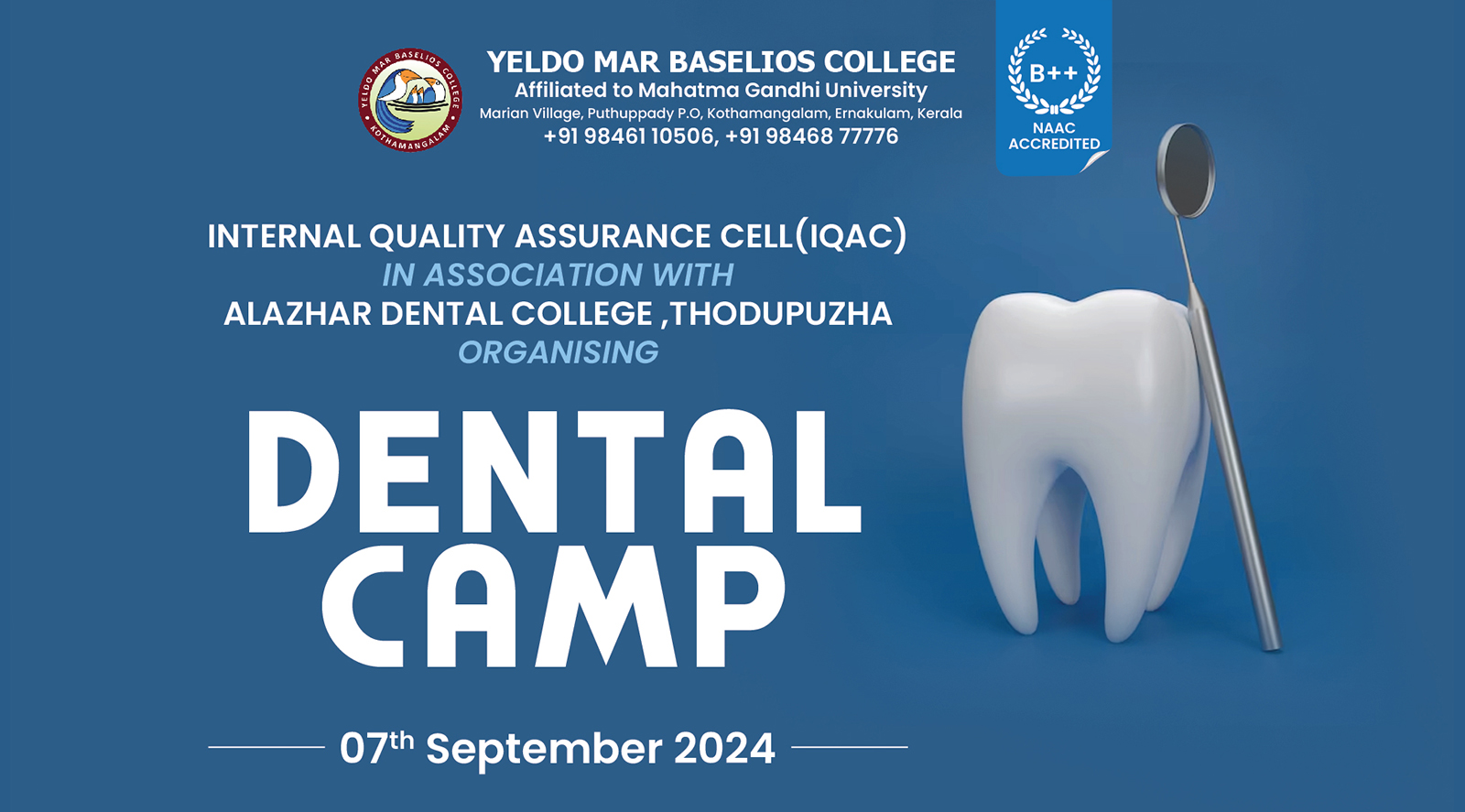
September 7, 2024

July 10 to July 12, 2024
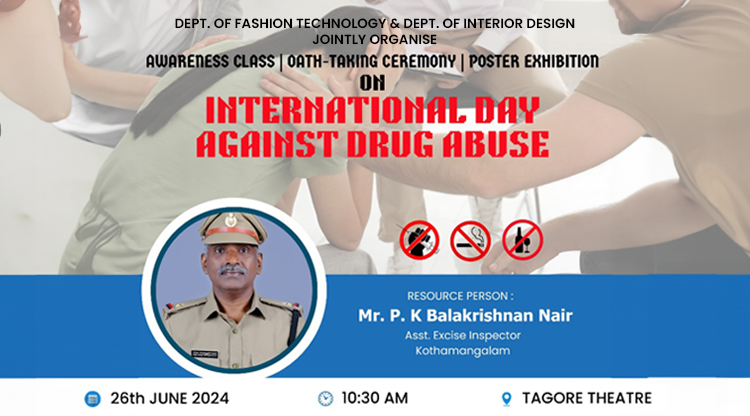
June 26, 2024
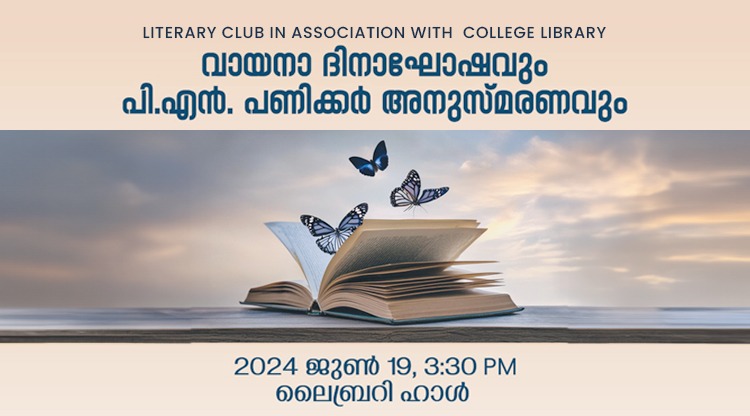
June 19, 2024

June 14, 2024
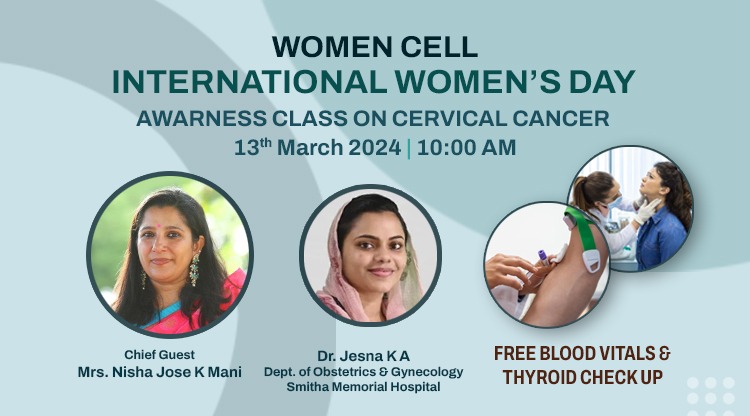
March 13, 2024
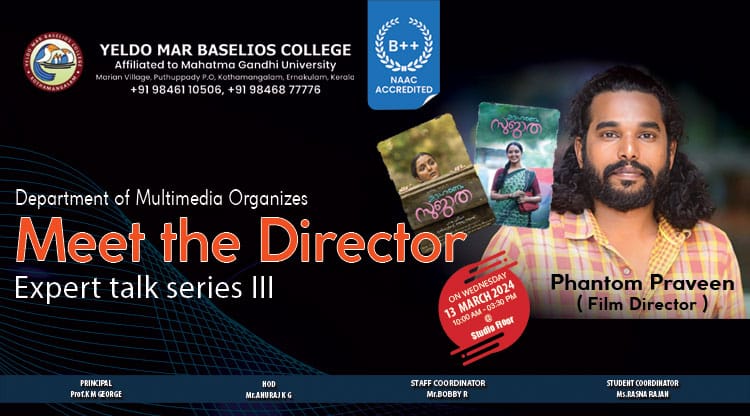
March 13, 2024

March 11, 2024
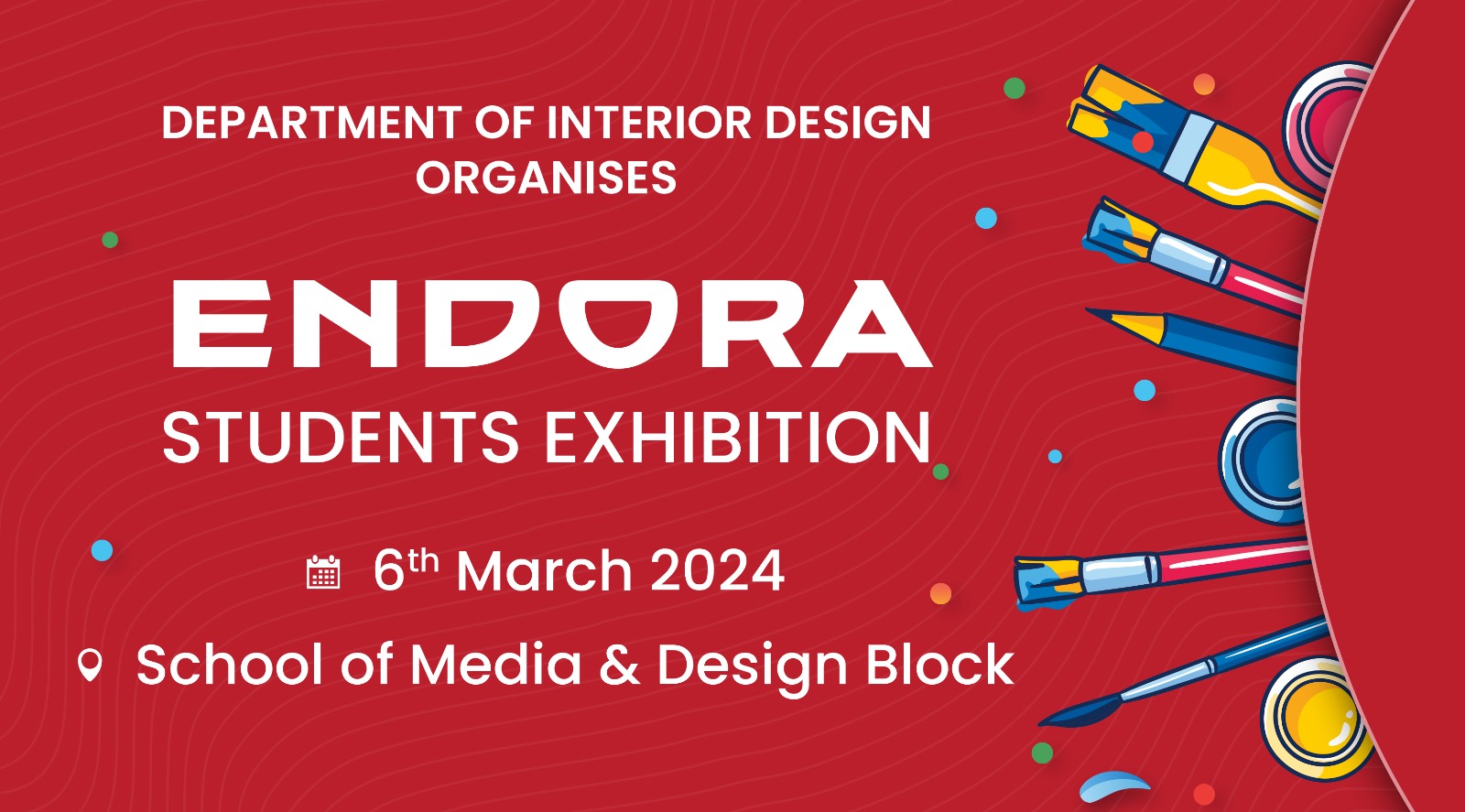
March 6, 2024
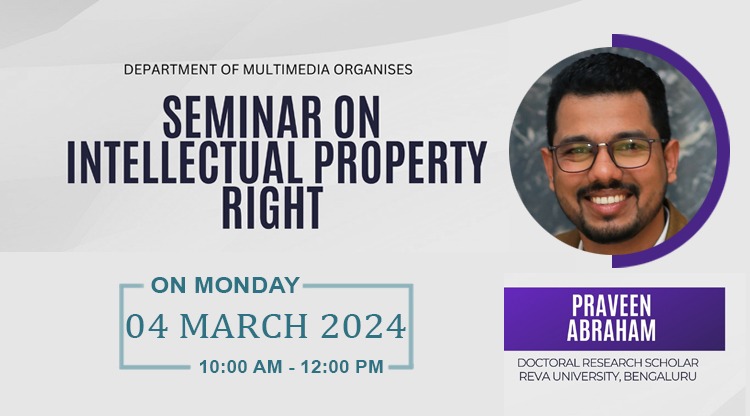
March 4, 2024

February 23, 2024

February 22 to February 27, 2024
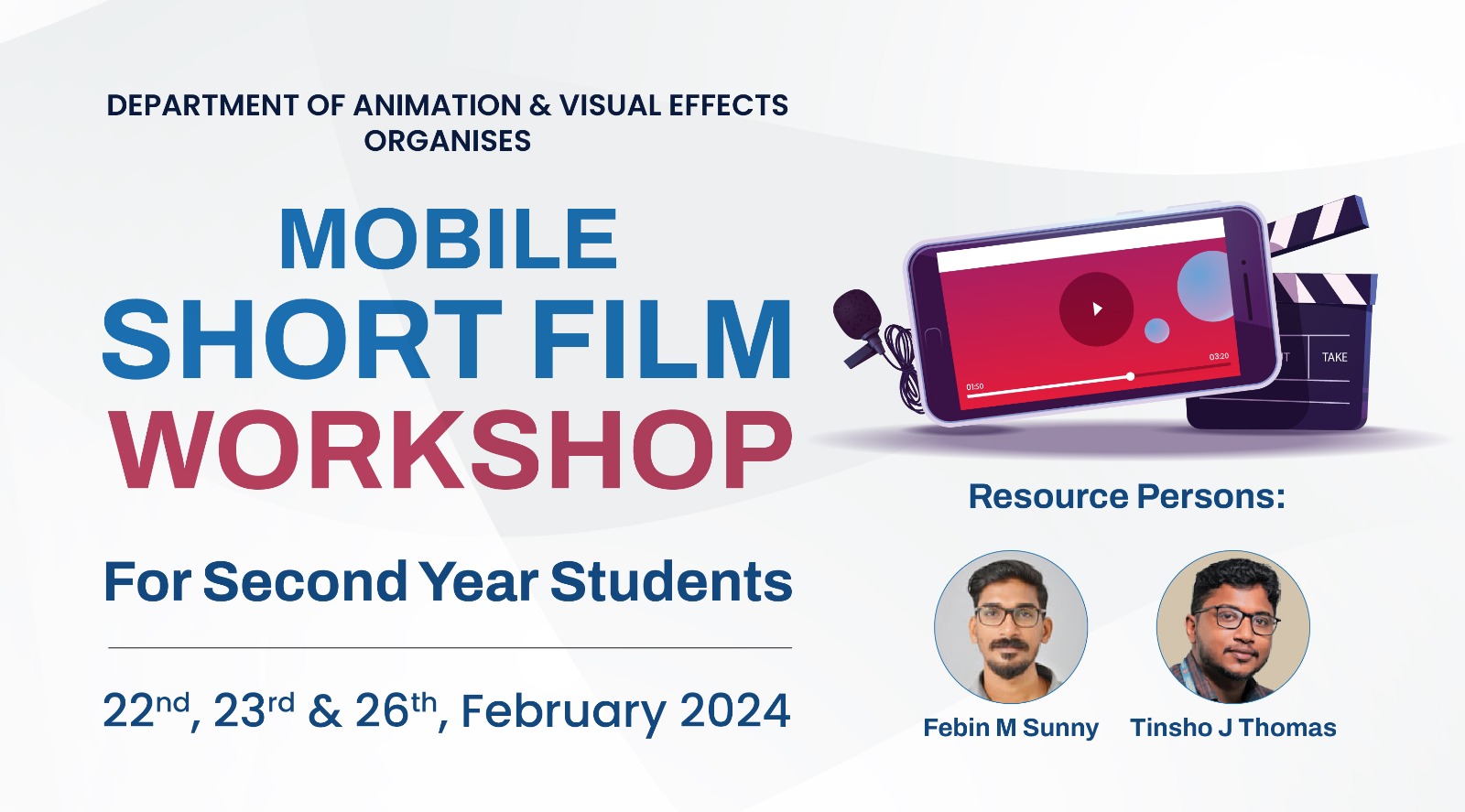
February 22 to February 26, 2024
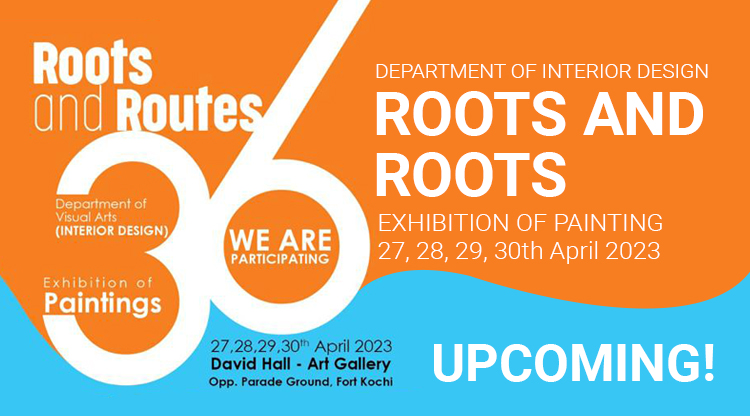
April 27, 2023
July 29, 2022
July 22, 2022

July 19, 2022

July 18, 2022
July 15, 2022

June 30, 2022
June 29, 2022
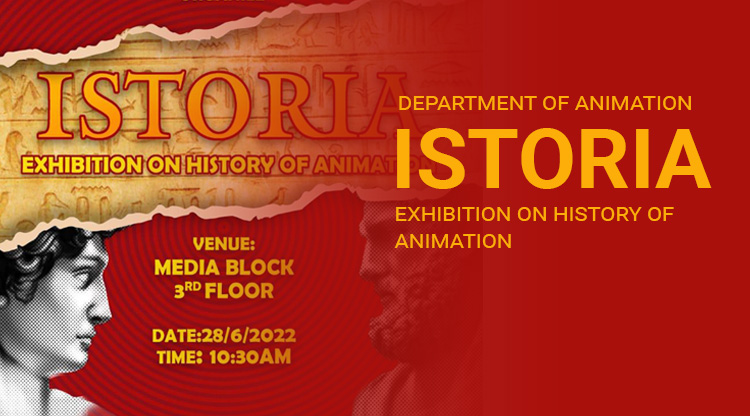
June 28, 2022

June 13, 2022

June 6, 2022
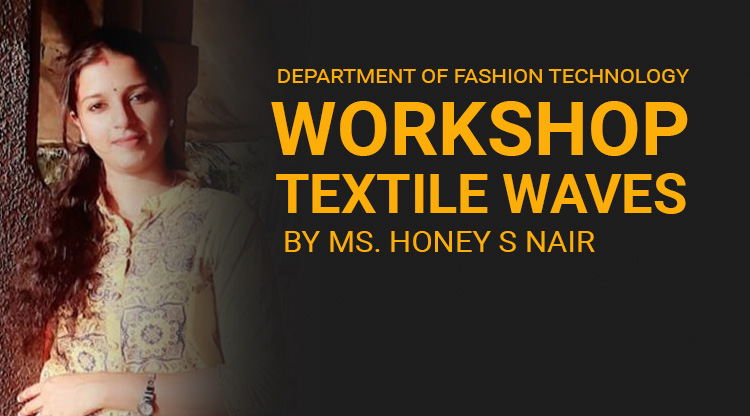
February 14, 2017