
- Email yeldocollegesmd@gmail.com
- CALL +91 98461 10506 +91 98468 77776
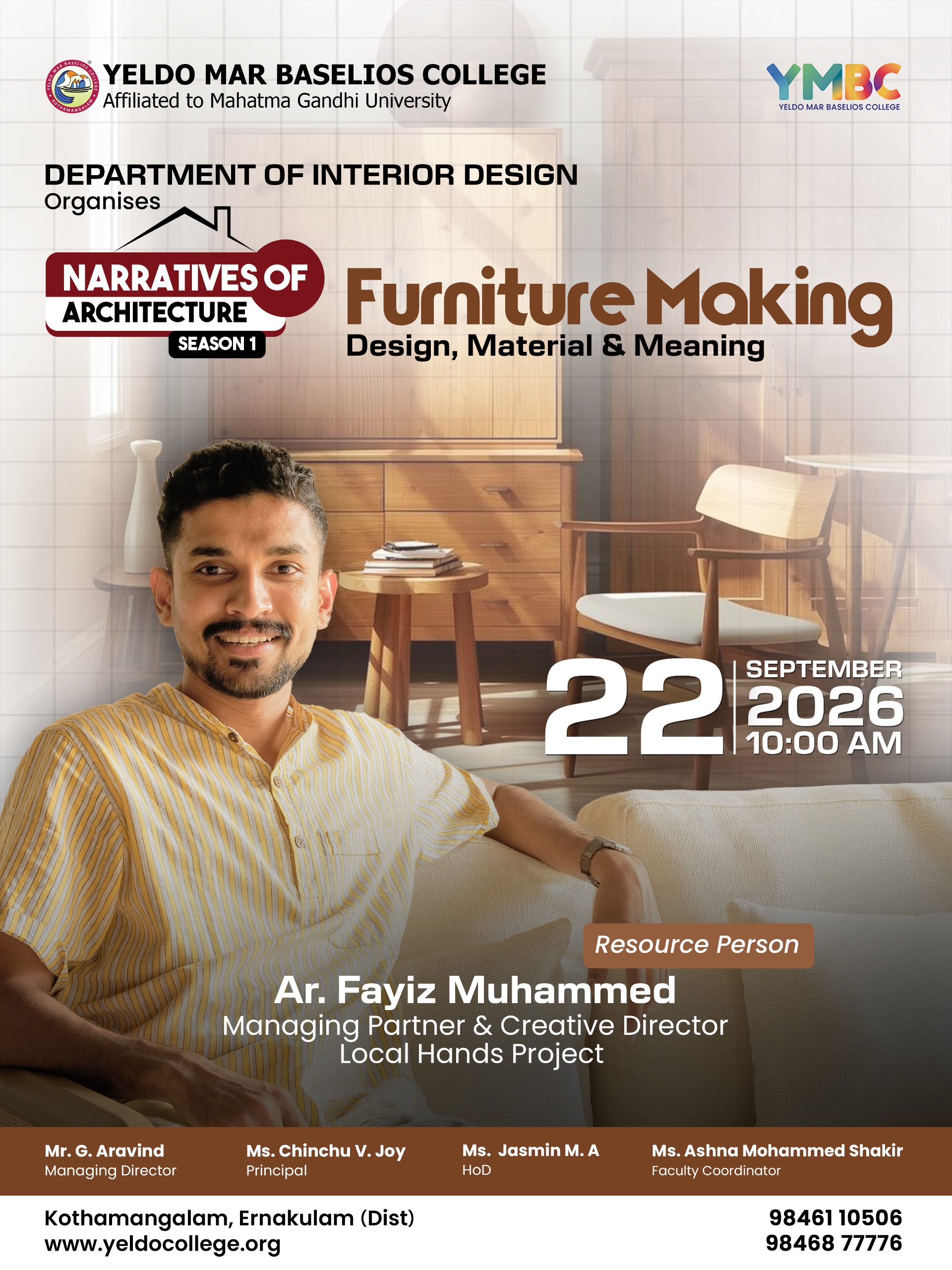
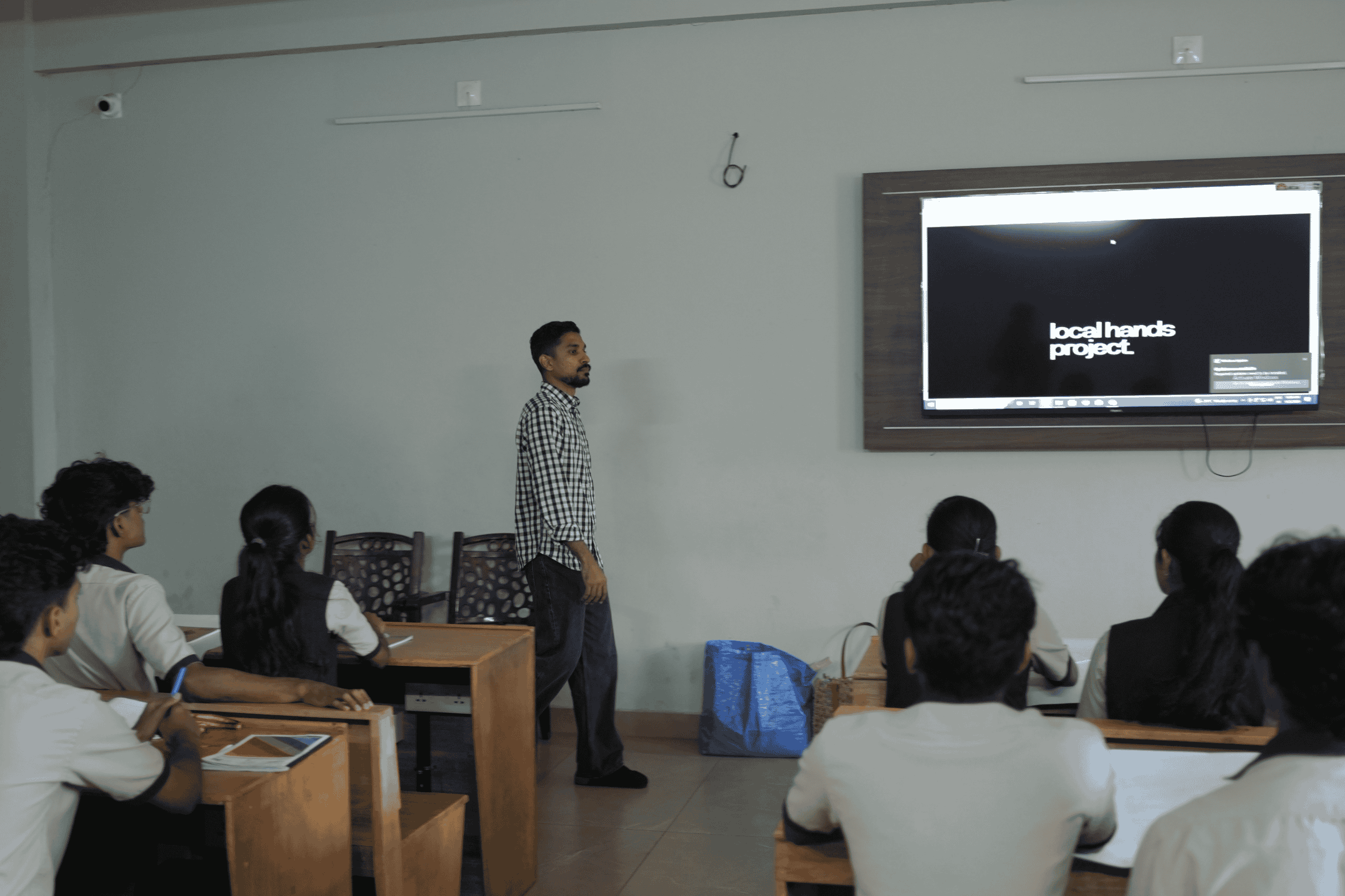
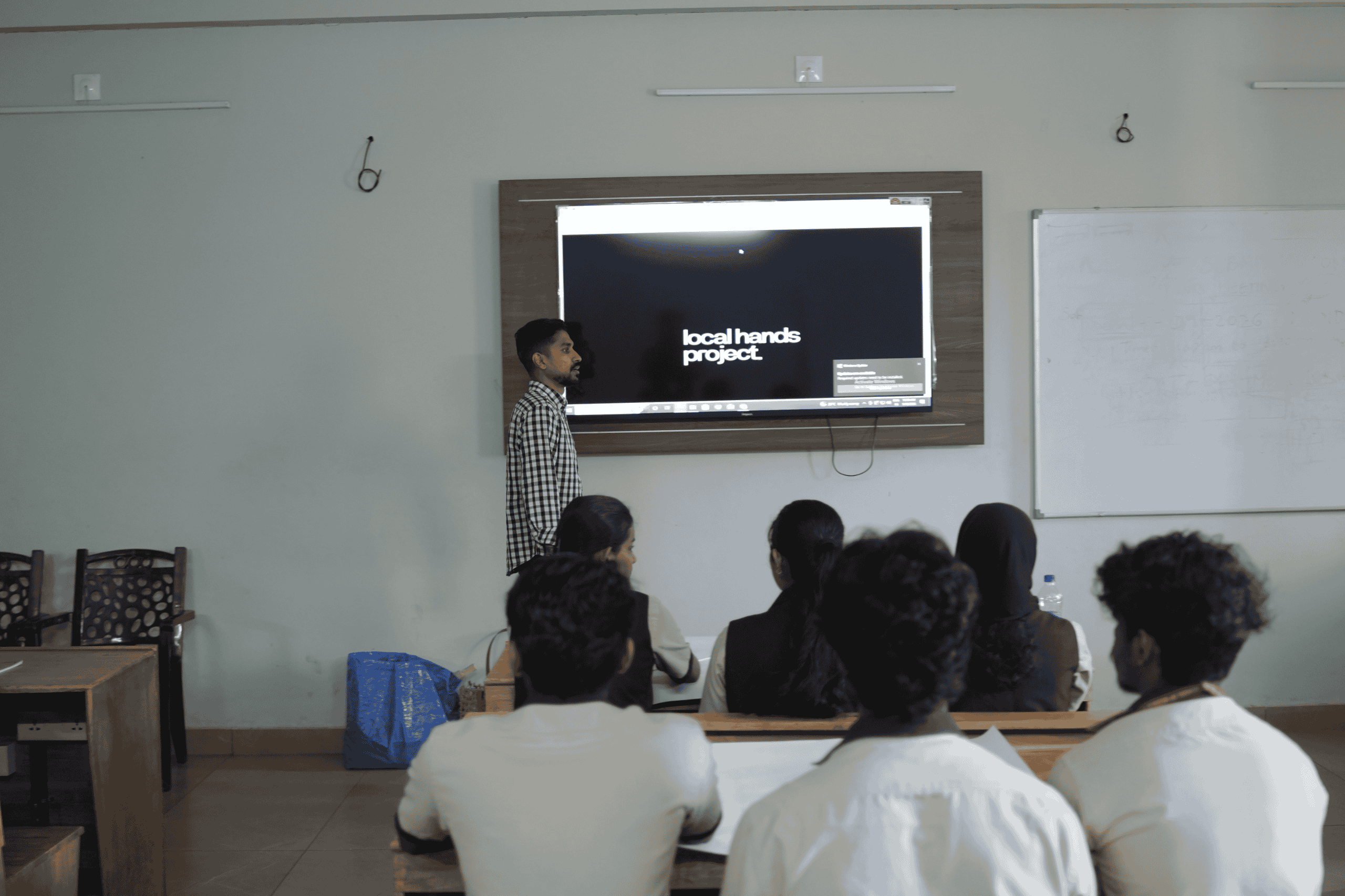
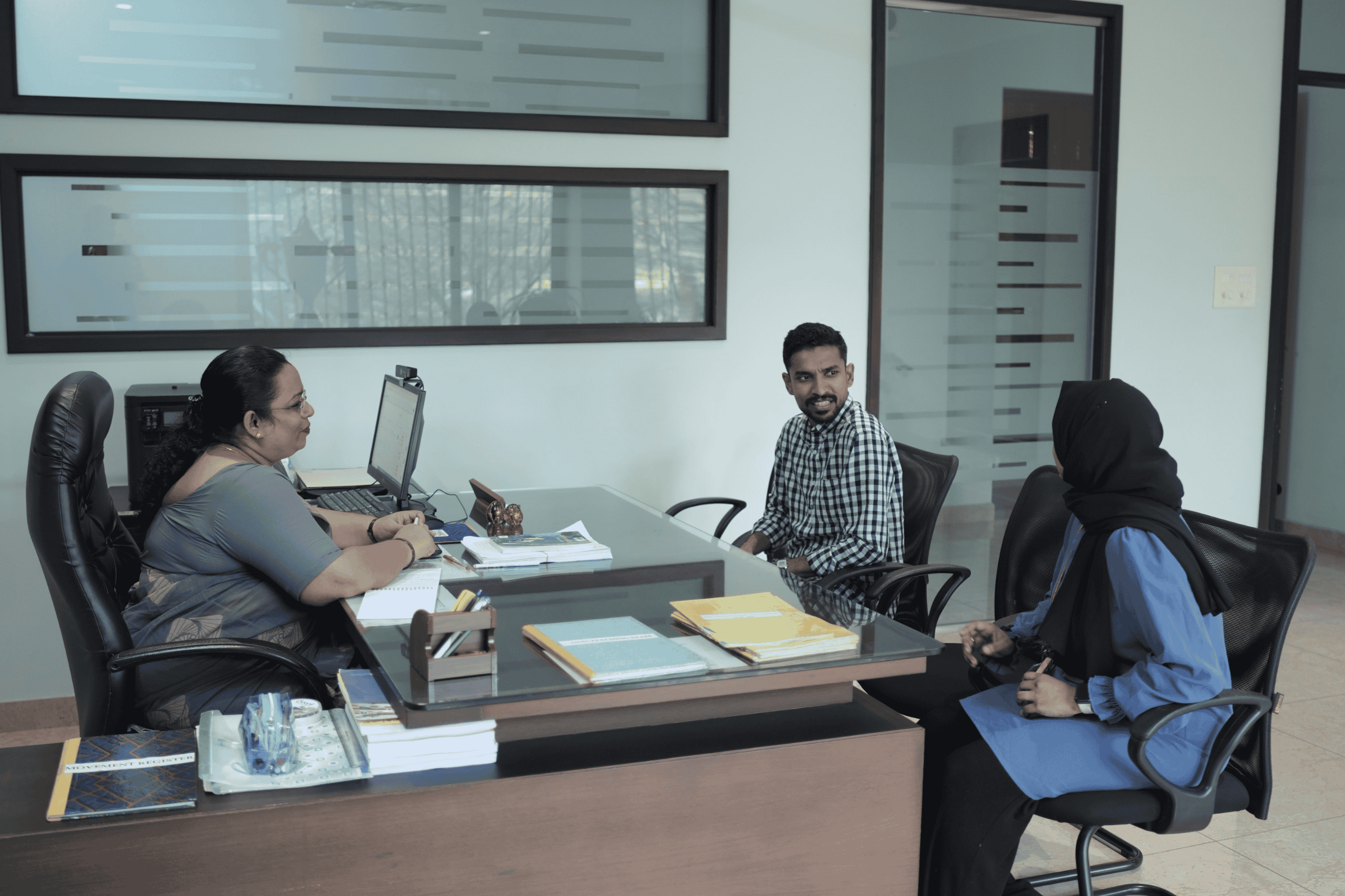
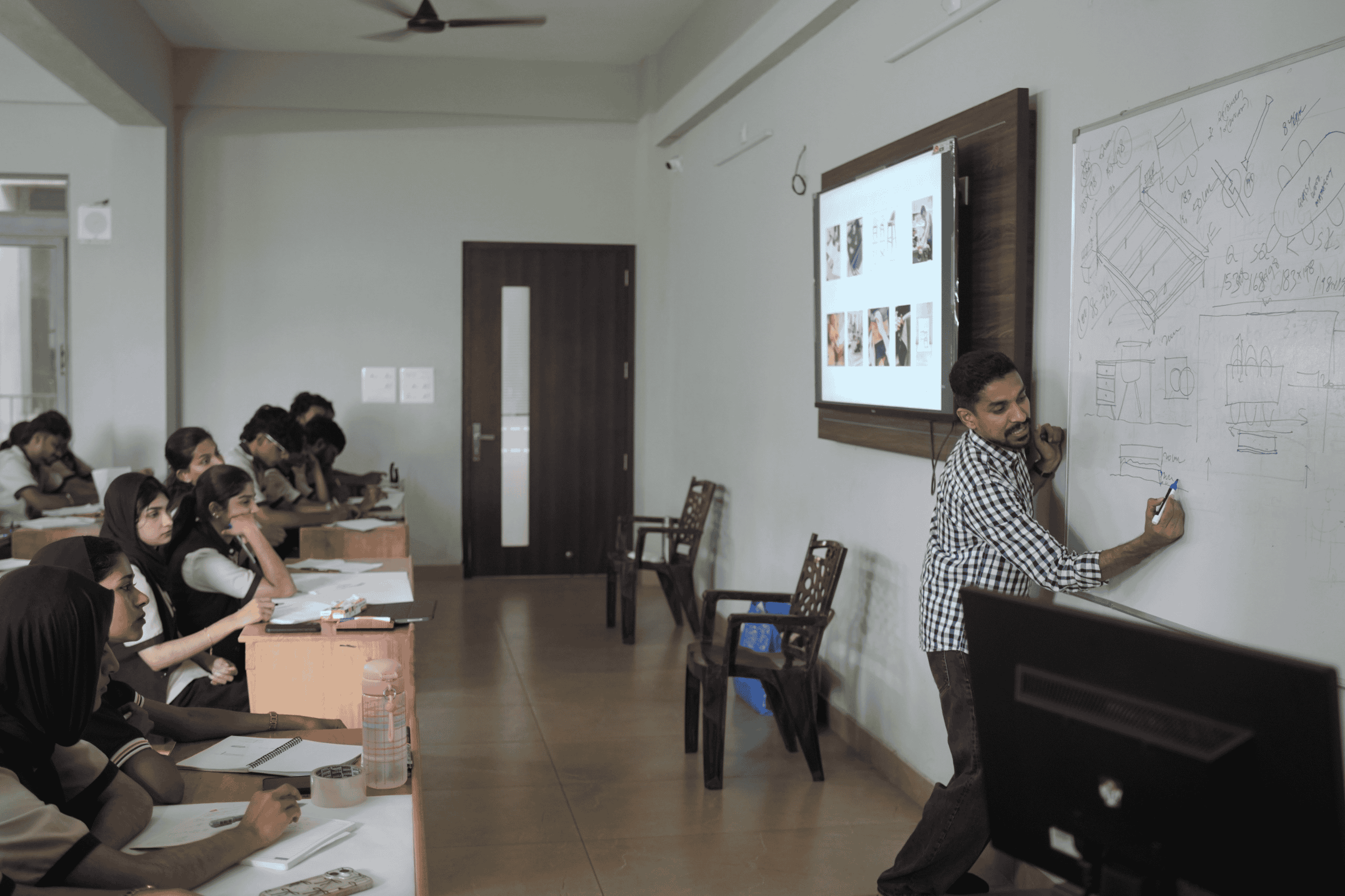
The Department of Interior Design at Yeldo Mar Baselios College organised "Narratives of Architecture - Season 1: Furniture Making | Design, Material & Meaning" on 22 September 2026 at 10:00 a.m. The immersive session explored the relationship between form, function, material, craftsmanship, and human experience in furniture design. The programme was led by Ar. Fayiz Muhammed, Managing Partner and Creative Director of Local Hands Project, a multidisciplinary design studio founded on the values of craftsmanship, sustainability, and design experimentation, with a strong focus on furniture design and interior fit-outs. Through the session, students were introduced to the journey of furniture-from the first concept sketch to the final object that becomes part of a lived environment. Furniture is one of the most intimate elements of interior space. It supports daily activities, defines movement, organises rooms, influences comfort, and contributes to the visual identity of an interior. A chair, table, shelf, or storage unit is not simply an isolated object; it participates in the life of a space. Its dimensions, material, construction, texture, colour, and placement influence how people use and experience their surroundings. The workshop encouraged students to understand furniture as a meaningful design intervention rather than merely a decorative element. Ar. Fayiz Muhammed discussed how designers translate ideas into functional objects by carefully considering the user, purpose, context, ergonomics, material behaviour, structural requirements, and methods of fabrication. Furniture design requires an understanding of usability, anthropometric measurements, safety, durability, sustainability, and aesthetic value. Beginning with the conceptual stage, students explored how ideas develop through sketches, references, visual studies, and design intentions. They learned that a successful furniture piece is not created through appearance alone. Every curve, edge, joint, proportion, and surface detail must respond to a purpose. The discussion on materials formed an important part of the session. Students gained insight into the characteristics and possibilities of materials such as wood, metal, glass, fabric, and other contemporary alternatives. They learned that material selection affects not only the appearance of furniture but also its strength, weight, texture, maintenance, cost, sustainability, and manufacturing process. The grain of wood, the edge of a board, the finish of a surface, and the strength of a joint can all contribute to the narrative of a design. The workshop also highlighted the importance of construction and detailing. Students were introduced to the role of joints, connections, supports, proportions, and fabrication techniques in creating stable and durable furniture. A visually attractive concept must also be structurally sound and practical to manufacture. By examining the relationship between components, students began to understand how construction decisions influence both the life of a furniture piece and the experience of its user. Interior designers must understand how the body interacts with a chair, table, bed, work surface, or storage system. Appropriate dimensions and proportions help create spaces that are safe, accessible, and comfortable. This connection between human scale and design function is essential to the creation of inclusive and user-centred interiors. Furniture design education commonly integrates human factors, ergonomics, structure, material selection, fabrication, and spatial organisation. For the students of the Department of Interior Design, the workshop created a valuable connection between academic concepts and professional practice. It helped them look at furniture from the perspective of both designer and maker. They were encouraged to think critically about how an object is conceived, developed, tested, constructed, finished, and finally positioned within a space. The session also strengthened the students' ability to communicate design ideas. Concept sketches, material boards, technical drawings, design narratives, and presentation models are essential tools through which designers explain their intentions. The workshop showed students how a clear design story can make a proposal more convincing and meaningful. A further outcome of the programme was the development of a more responsible design perspective. Students were encouraged to consider local craftsmanship, material efficiency, repairability, longevity, and sustainable production. The emphasis on making and material awareness helped them recognise the value of skilled hands and the importance of preserving craft knowledge within contemporary design practice. "Narratives of Architecture - Season 1" therefore offered more than an introduction to furniture making. It was an exploration of how objects acquire meaning through use, material, context, and human interaction. The workshop enabled students to understand that every piece of furniture carries a story-of its maker, its material, its construction, and the people who use it. Thus young designers of YMBC, the session transformed furniture from a finished object into a design language. It encouraged them to create spaces that are not only visually engaging, but also comfortable, functional, sustainable, and emotionally meaningful. From concept to comfort, the students discovered that every thoughtfully designed space begins with an understanding of the objects that shape everyday life.

September 25 to September 26, 2026

September 25, 2026

September 25, 2026

September 24, 2026

September 24 to September 27, 2026

September 23, 2026
September 22 to September 23, 2026
September 22, 2026

September 17 to September 18, 2026

September 15, 2026

September 15, 2026
September 15, 2026
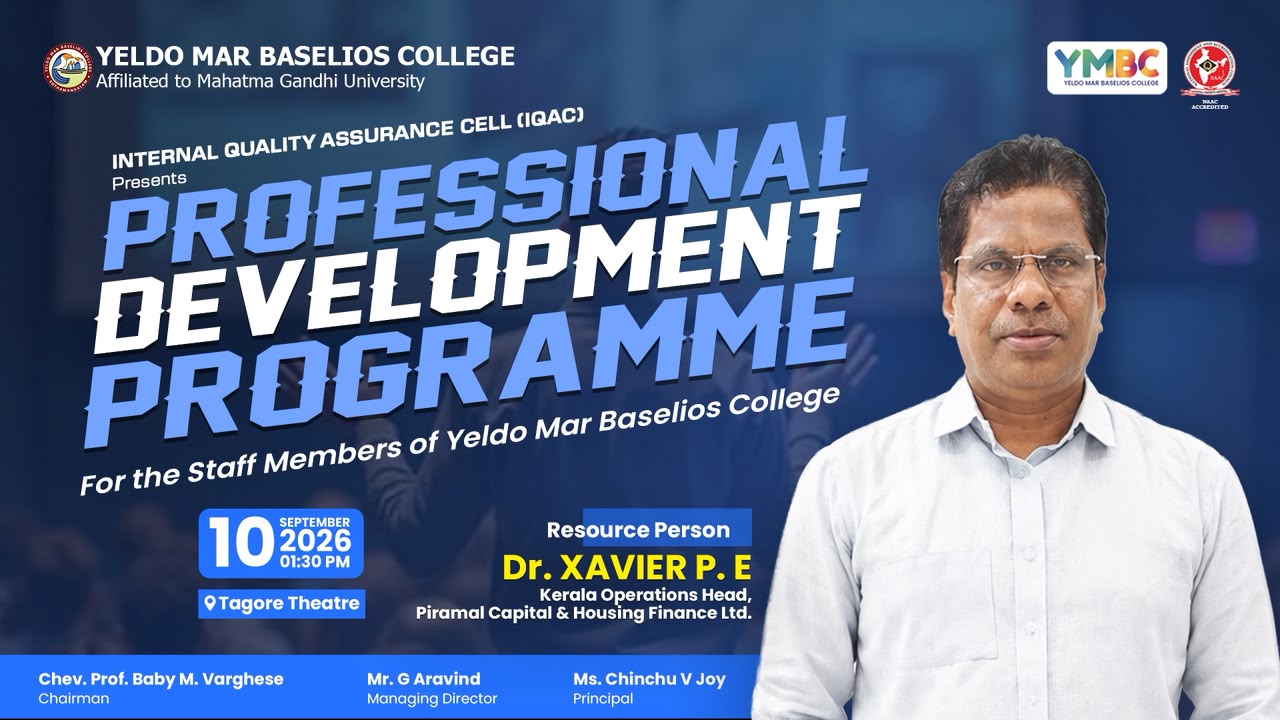
September 10, 2026
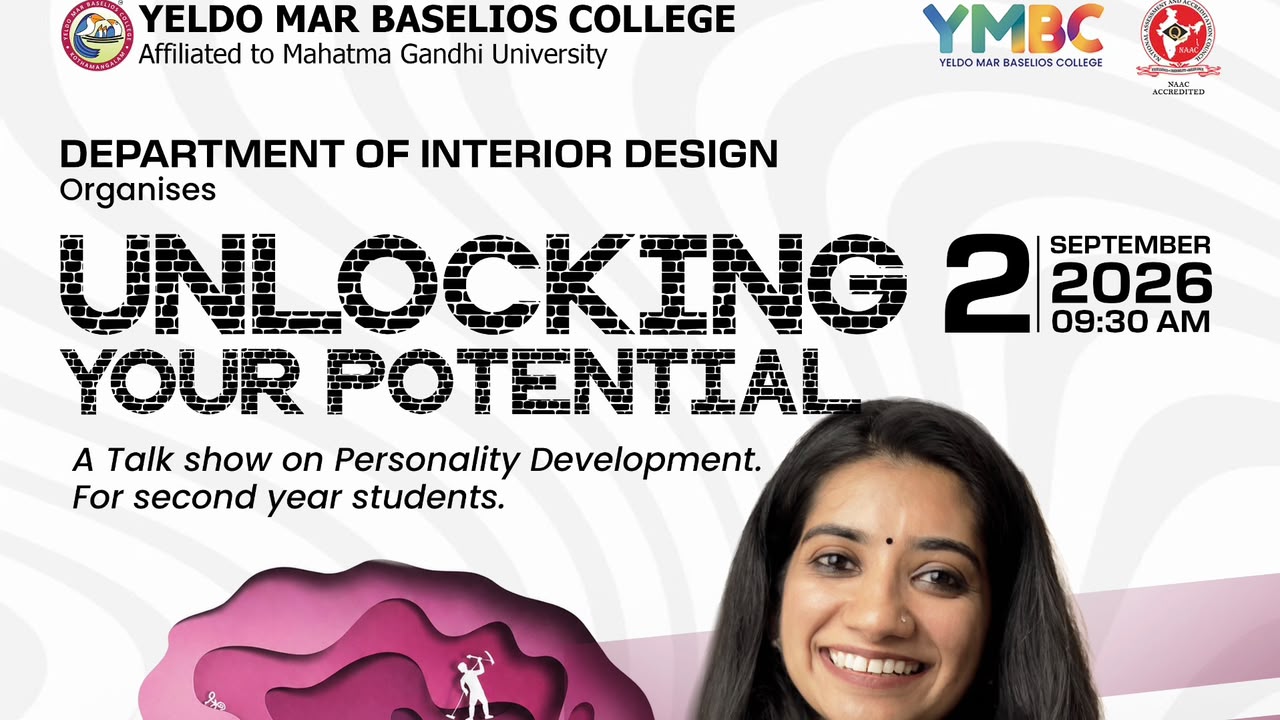
September 2, 2026

August 20, 2026

August 13 to August 15, 2026

August 11, 2026

July 31 to August 1, 2026
July 29, 2026
July 29, 2026

July 29, 2026
July 24, 2026
July 21, 2026
July 21, 2026
July 21, 2026
July 21, 2026
July 16 to July 17, 2026
July 8, 2026
July 6, 2026
June 30, 2026
June 22, 2026
June 19, 2026
June 19, 2026
June 15, 2026
June 12, 2026
June 5, 2026
June 5, 2026
April 18, 2026
March 30 to April 1, 2026
March 30, 2026
March 26, 2026
March 16 to March 17, 2026
March 13, 2026
March 10, 2026
March 9, 2026
March 6, 2026
March 5, 2026
March 4, 2026
February 27, 2026
February 27, 2026
February 26 to February 27, 2026

February 24 to February 25, 2026

February 23, 2026

February 18, 2026

February 16 to February 18, 2026
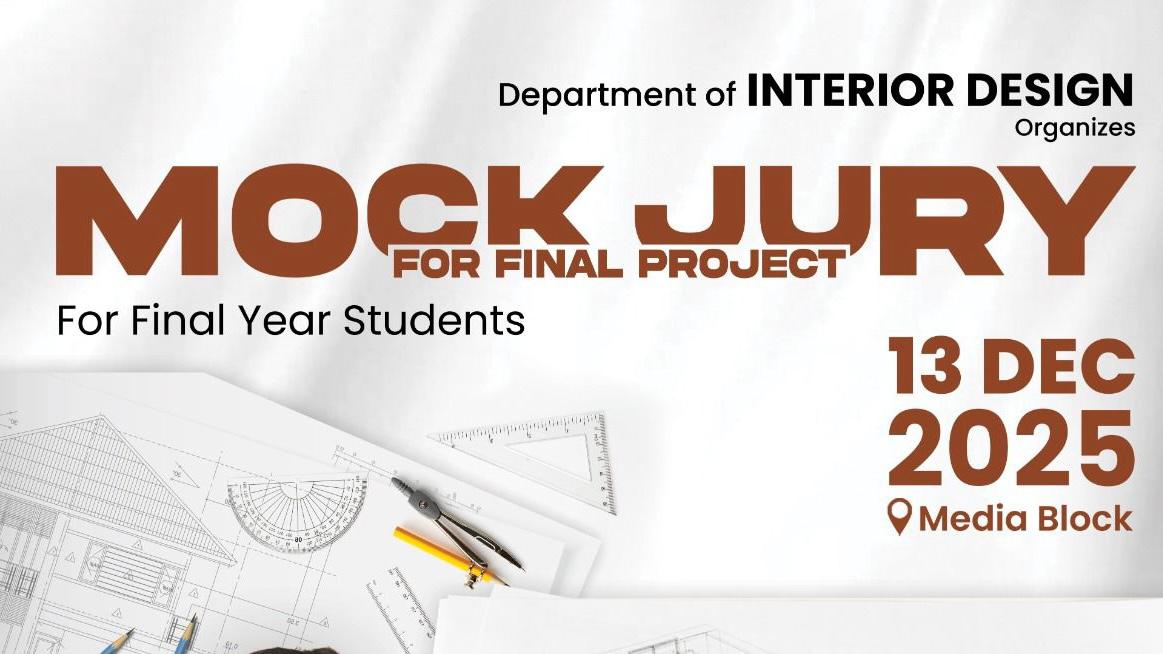
February 13, 2026
February 10, 2026

February 9, 2026

February 3, 2026

January 28, 2026

January 28, 2026

January 28, 2026

January 23, 2026

January 23, 2026

January 22 to January 23, 2026
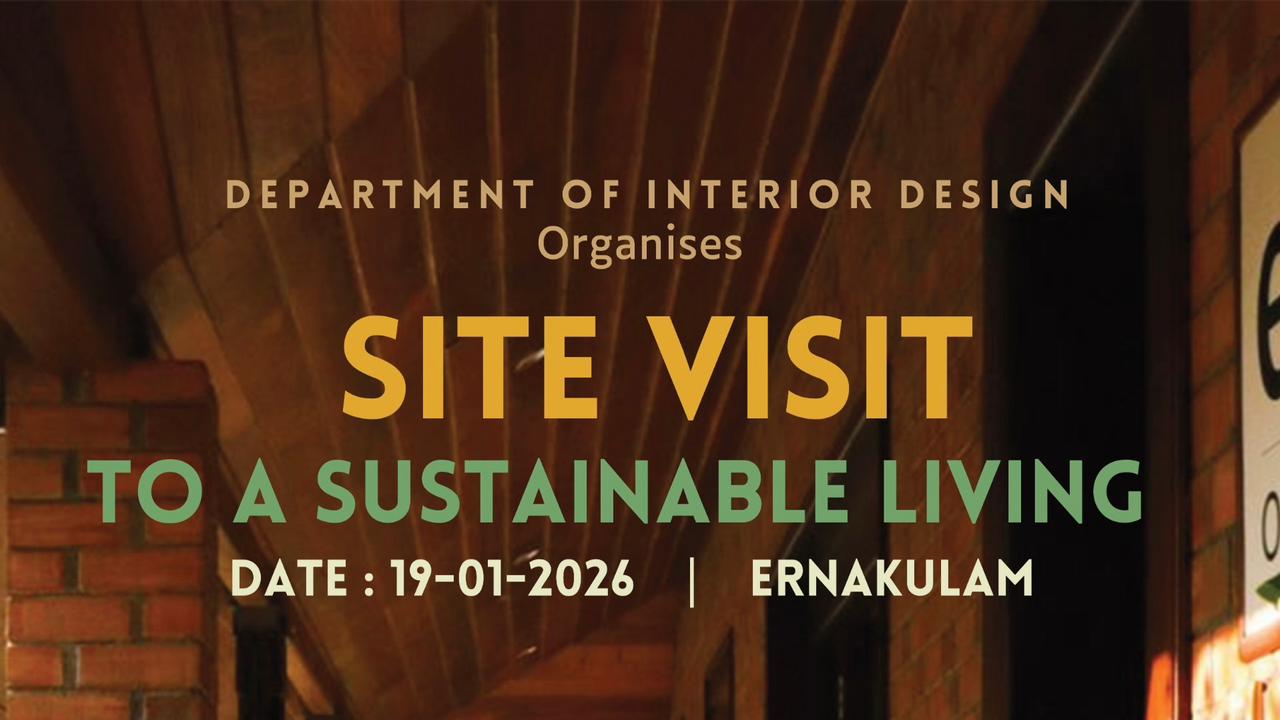
January 19, 2026

January 16, 2026

January 15, 2026

January 14, 2026
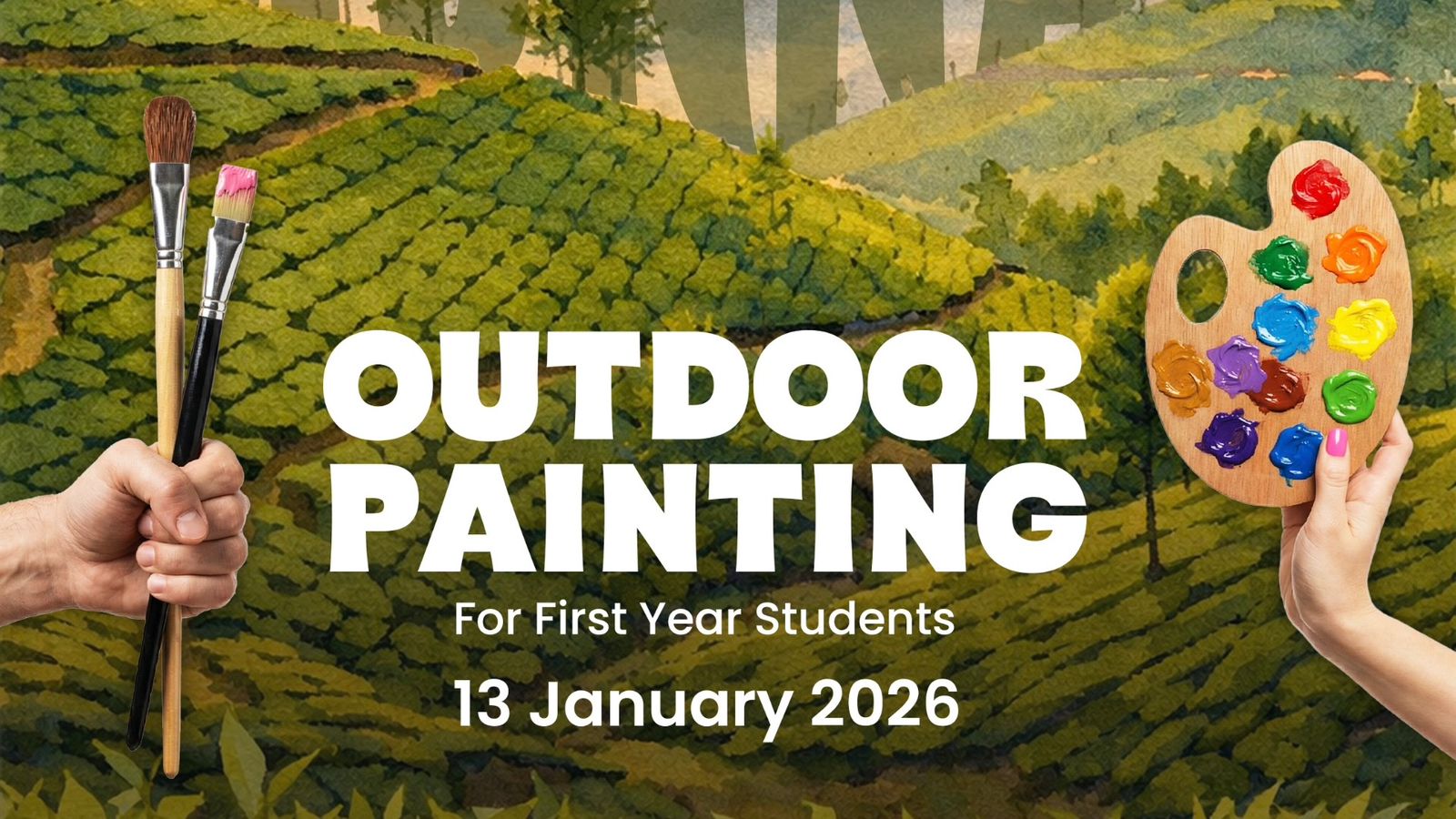
January 13, 2026

January 12, 2026

January 12 to January 31, 2026

January 12 to January 31, 2026

January 9, 2026

January 8 to January 9, 2026

January 8 to January 9, 2026
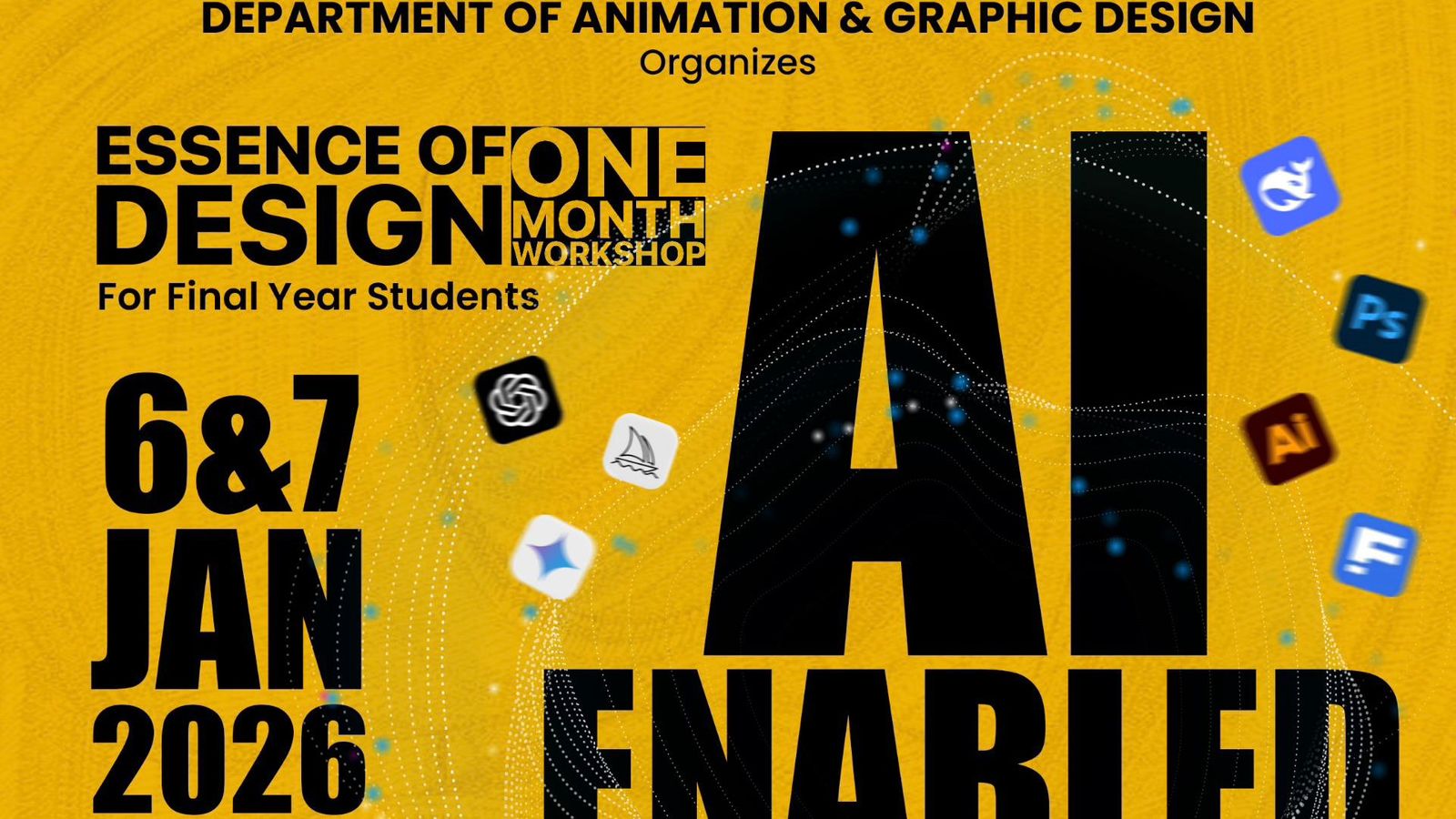
January 6 to January 7, 2026

January 6 to January 7, 2026

December 22, 2025

December 22, 2025

December 22, 2025

December 20, 2025

December 16, 2025

December 15 to December 19, 2025

December 5, 2025

December 4, 2025

December 3, 2025

December 2 to January 2, 2026

December 2, 2025
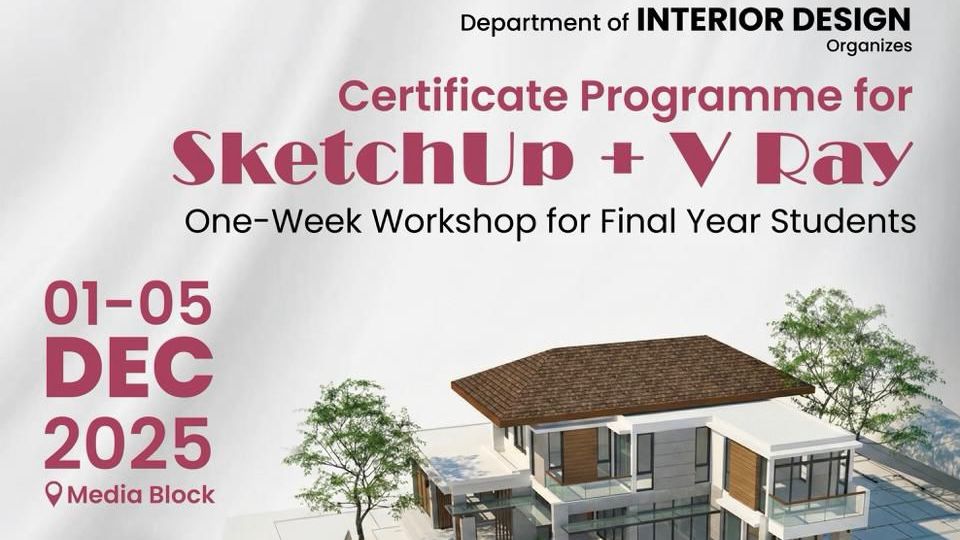
December 1 to December 5, 2025

December 1, 2025

November 27, 2025

November 26, 2025
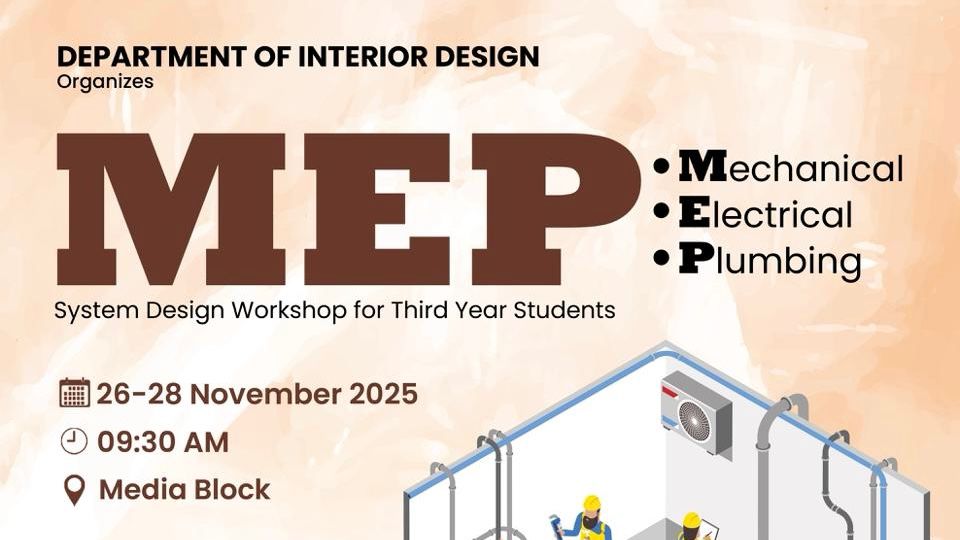
November 26 to December 28, 2025

November 26, 2025

November 26 to December 26, 2025

November 25, 2025

November 24, 2025

November 22, 2025

November 21, 2025

November 19, 2025

November 17, 2025

November 16, 2025

November 14, 2025

November 13, 2025

November 12, 2025

November 12, 2025

November 11, 2025

November 7 to November 9, 2025

November 7, 2025
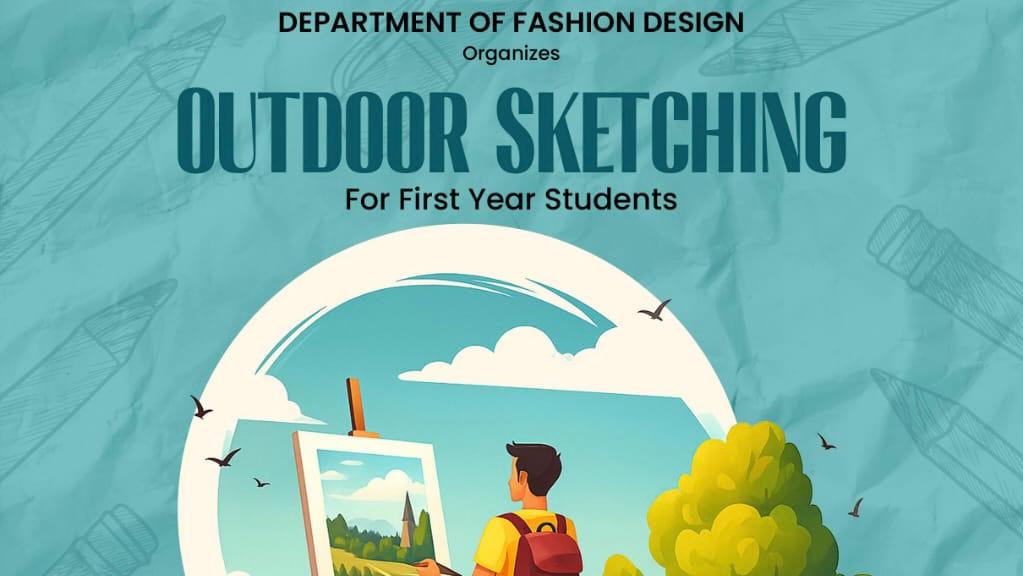
November 4, 2025

October 28, 2025

October 27, 2025
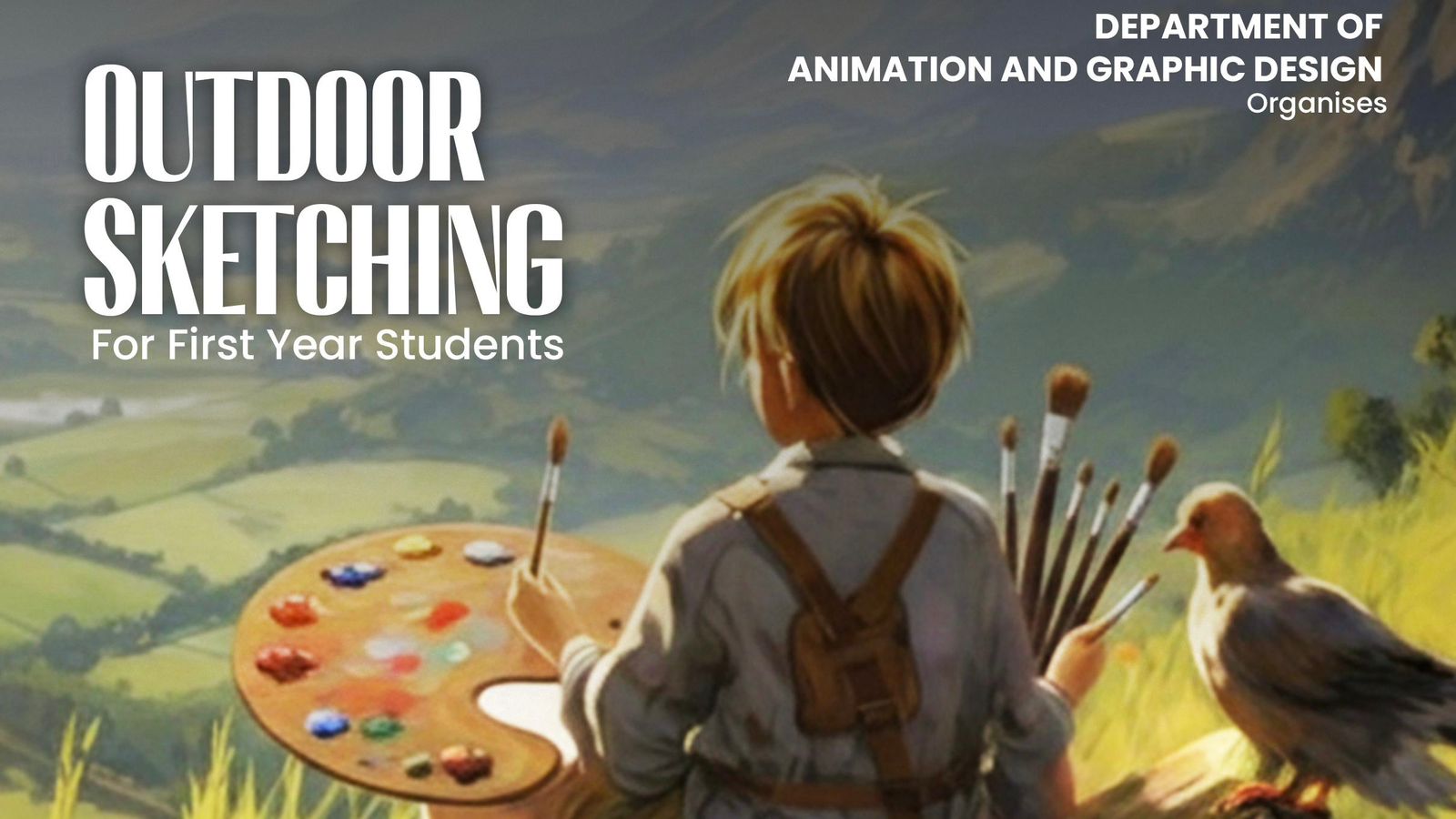
October 23, 2025
October 21, 2025

October 17, 2025

October 14, 2025

October 9 to October 10, 2025

October 7, 2025

August 21, 2025

July 2, 2025

April 25, 2025
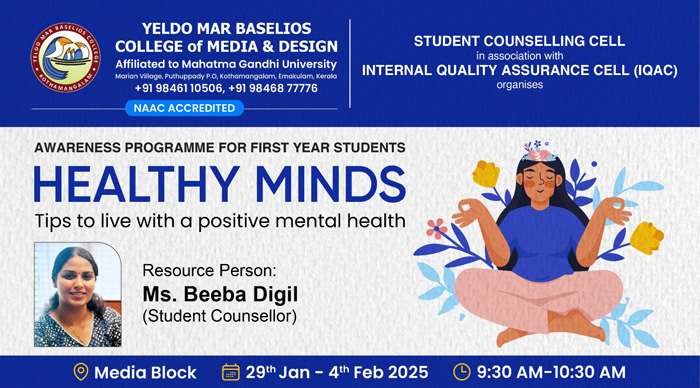
January 29 to February 4, 2025

November 12, 2024

October 4, 2024

September 12, 2024
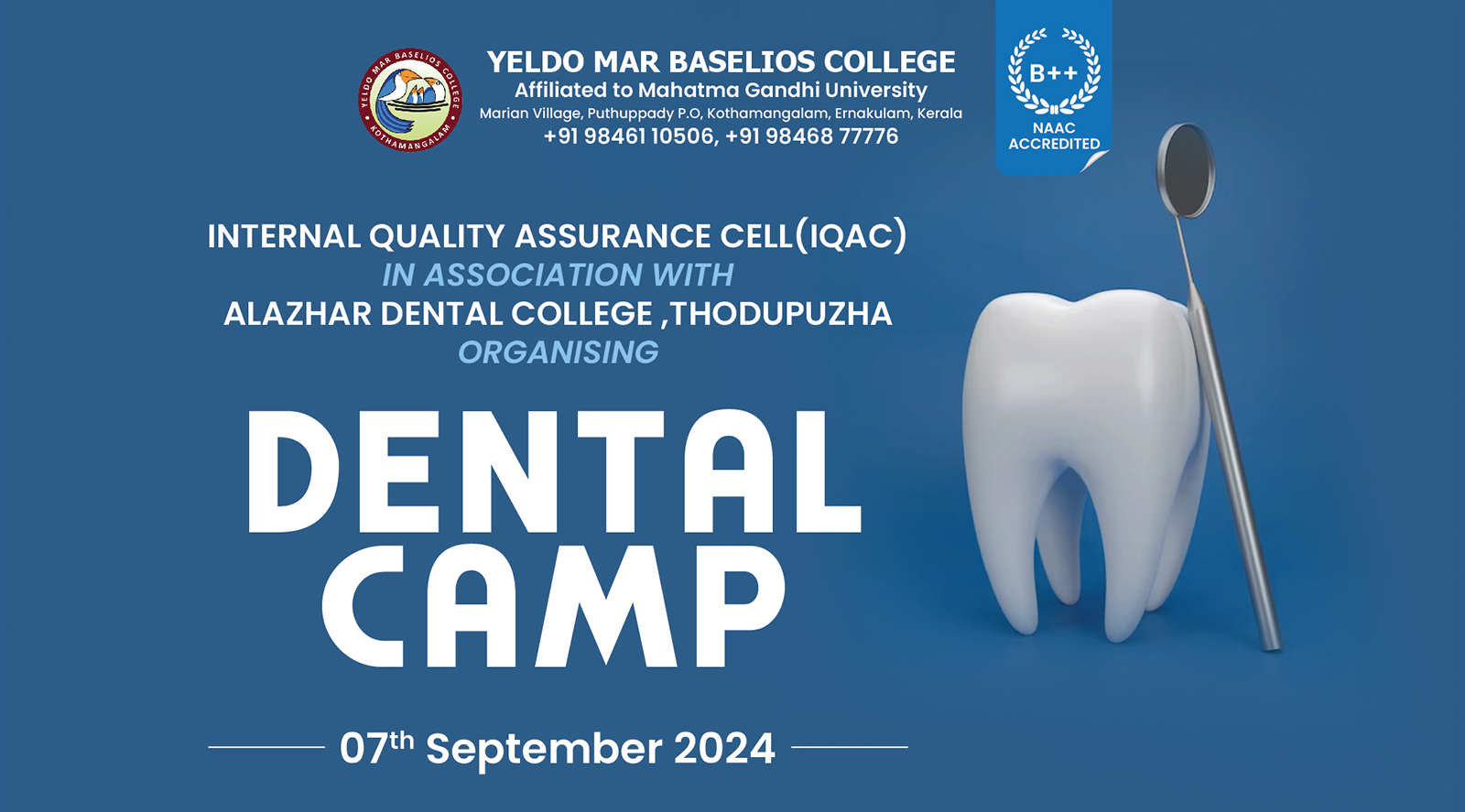
September 7, 2024

July 10 to July 12, 2024

June 26, 2024

June 19, 2024

June 14, 2024

March 13, 2024

March 13, 2024

March 11, 2024
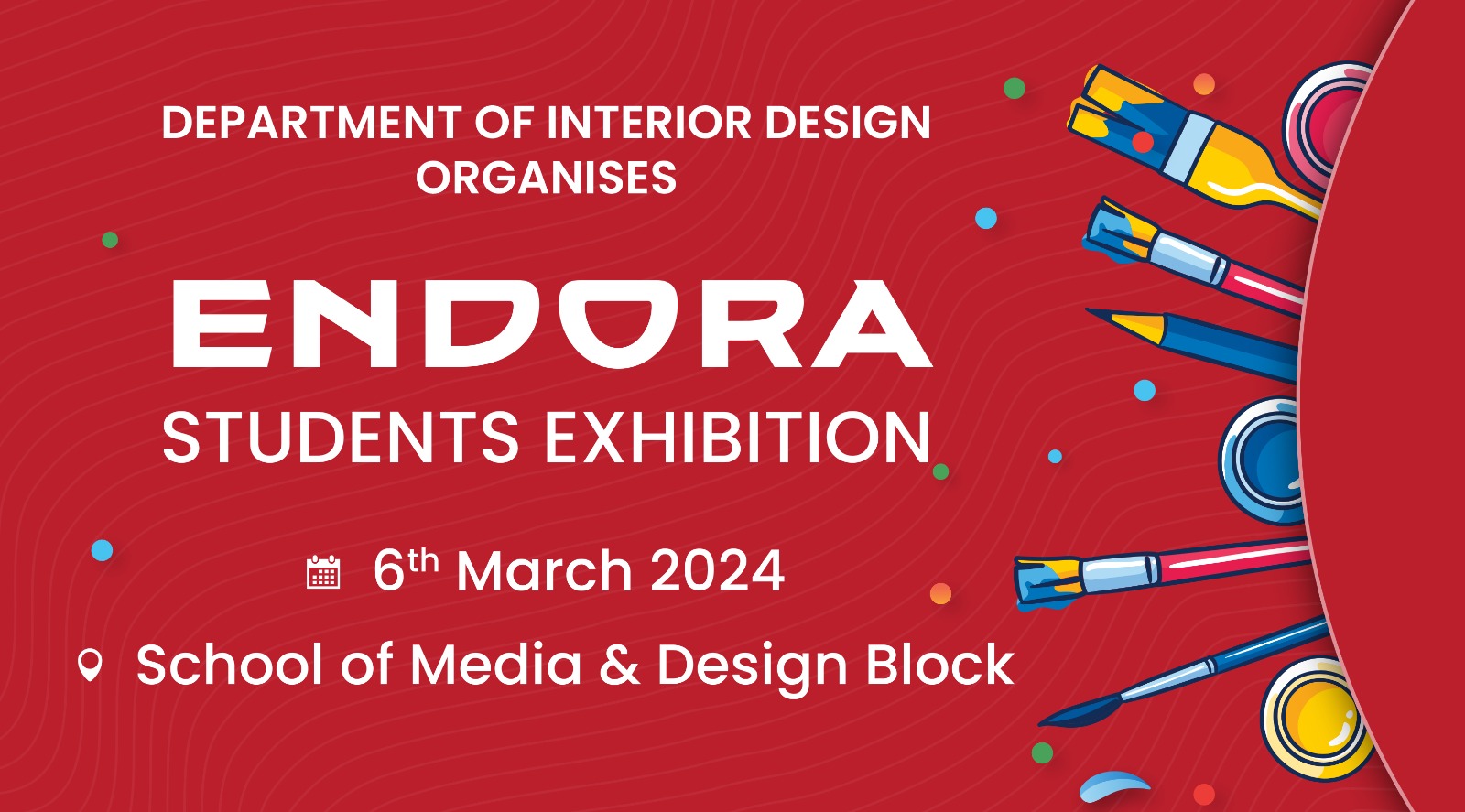
March 6, 2024

March 4, 2024

February 23, 2024

February 22 to February 27, 2024
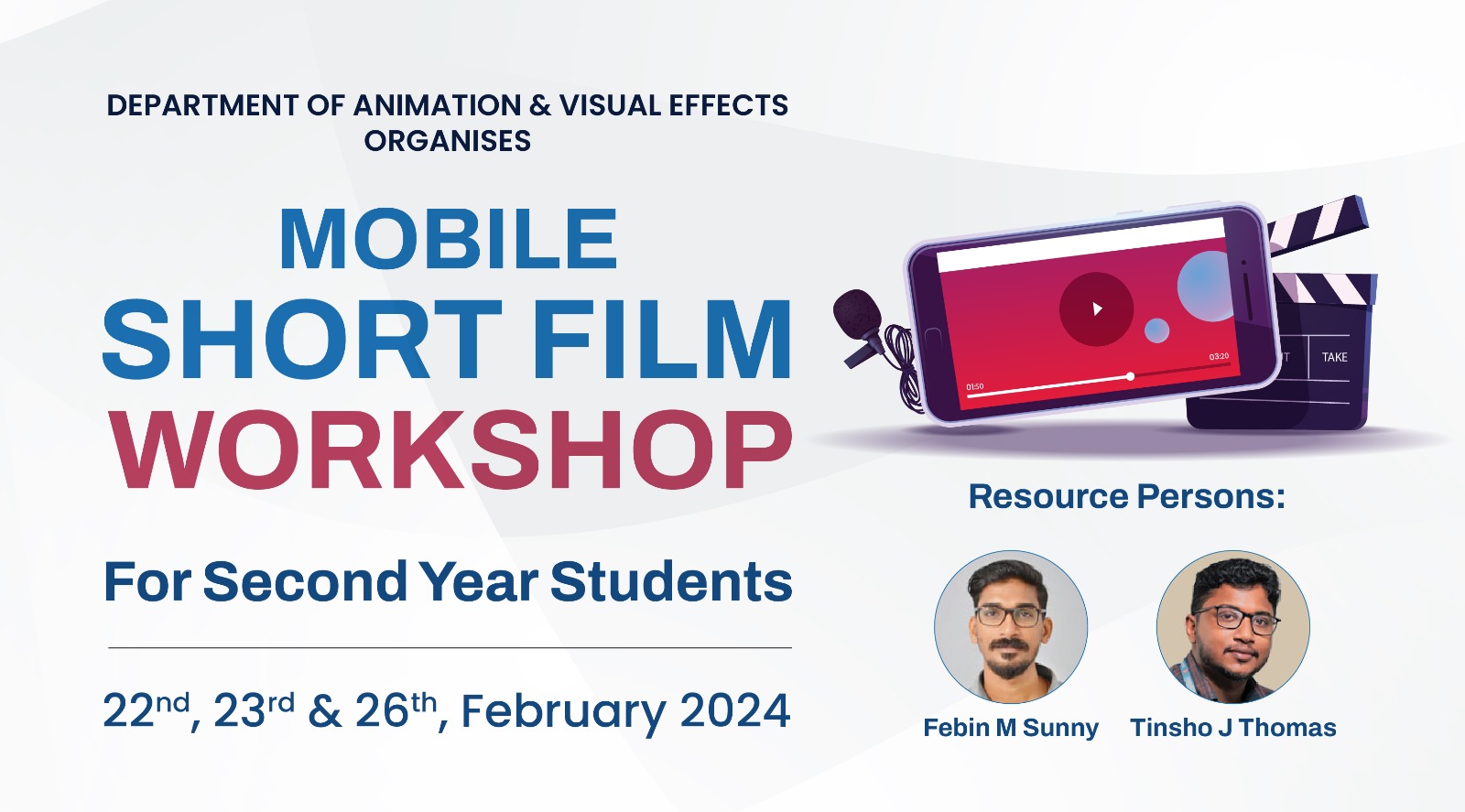
February 22 to February 26, 2024
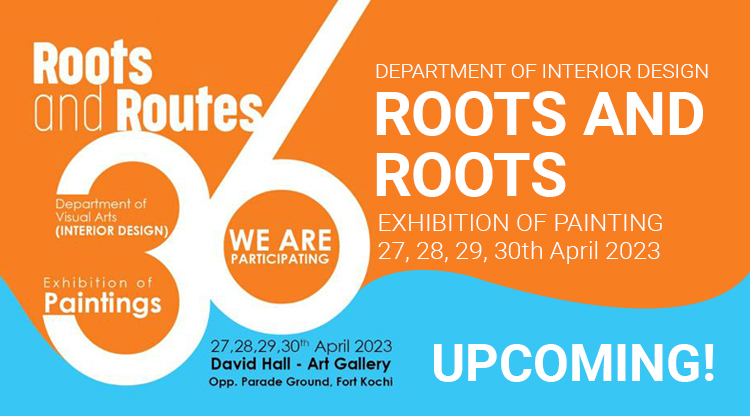
April 27, 2023

July 29, 2022
July 22, 2022

July 19, 2022

July 18, 2022

July 15, 2022

June 30, 2022

June 29, 2022
June 28, 2022

June 13, 2022

June 6, 2022

February 14, 2017