
- Email yeldocollegesmd@gmail.com
- CALL +91 98461 10506 +91 98468 77776
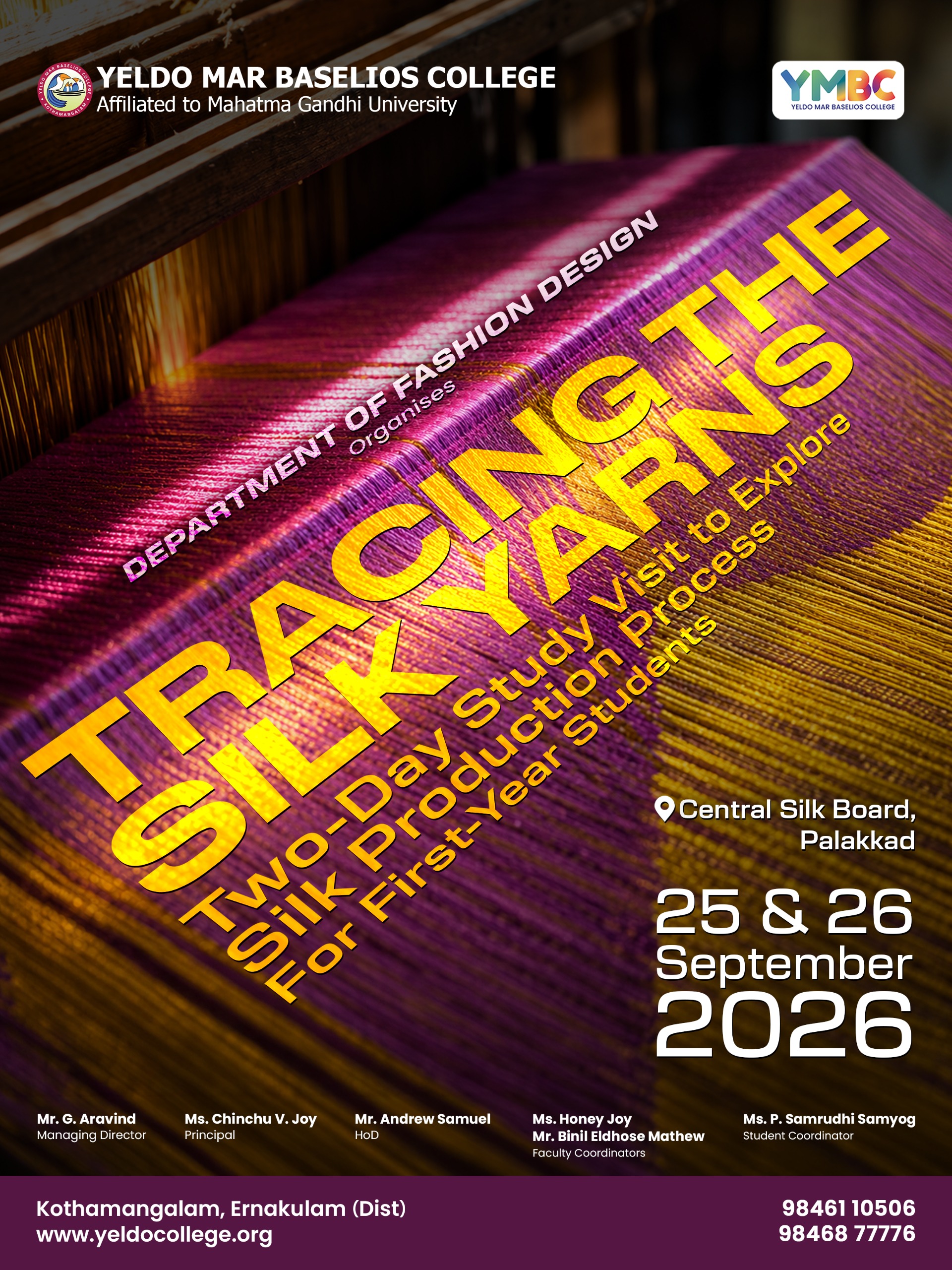
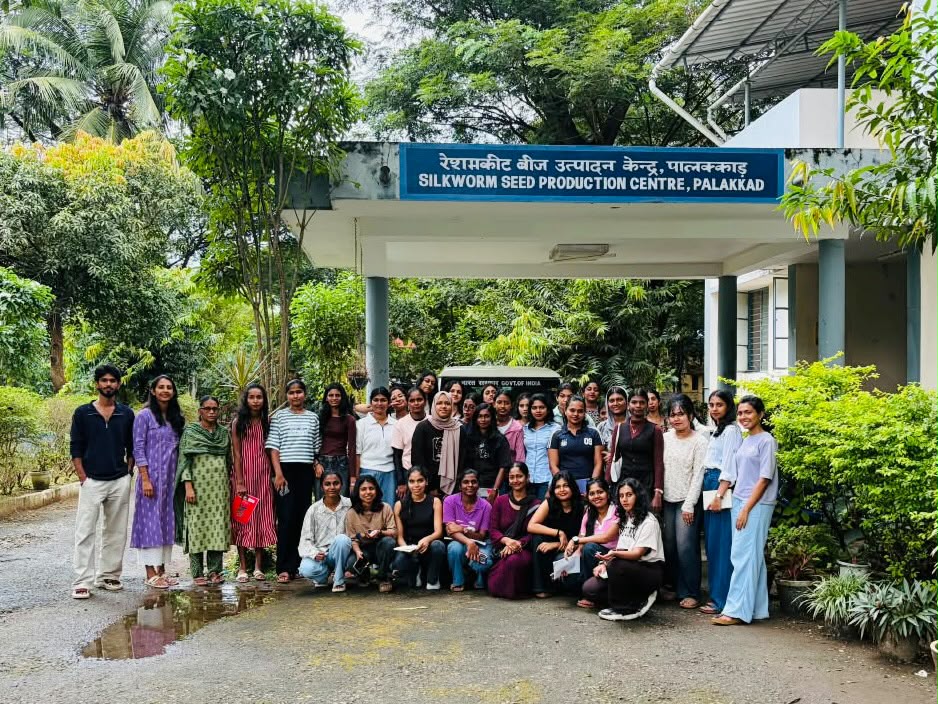
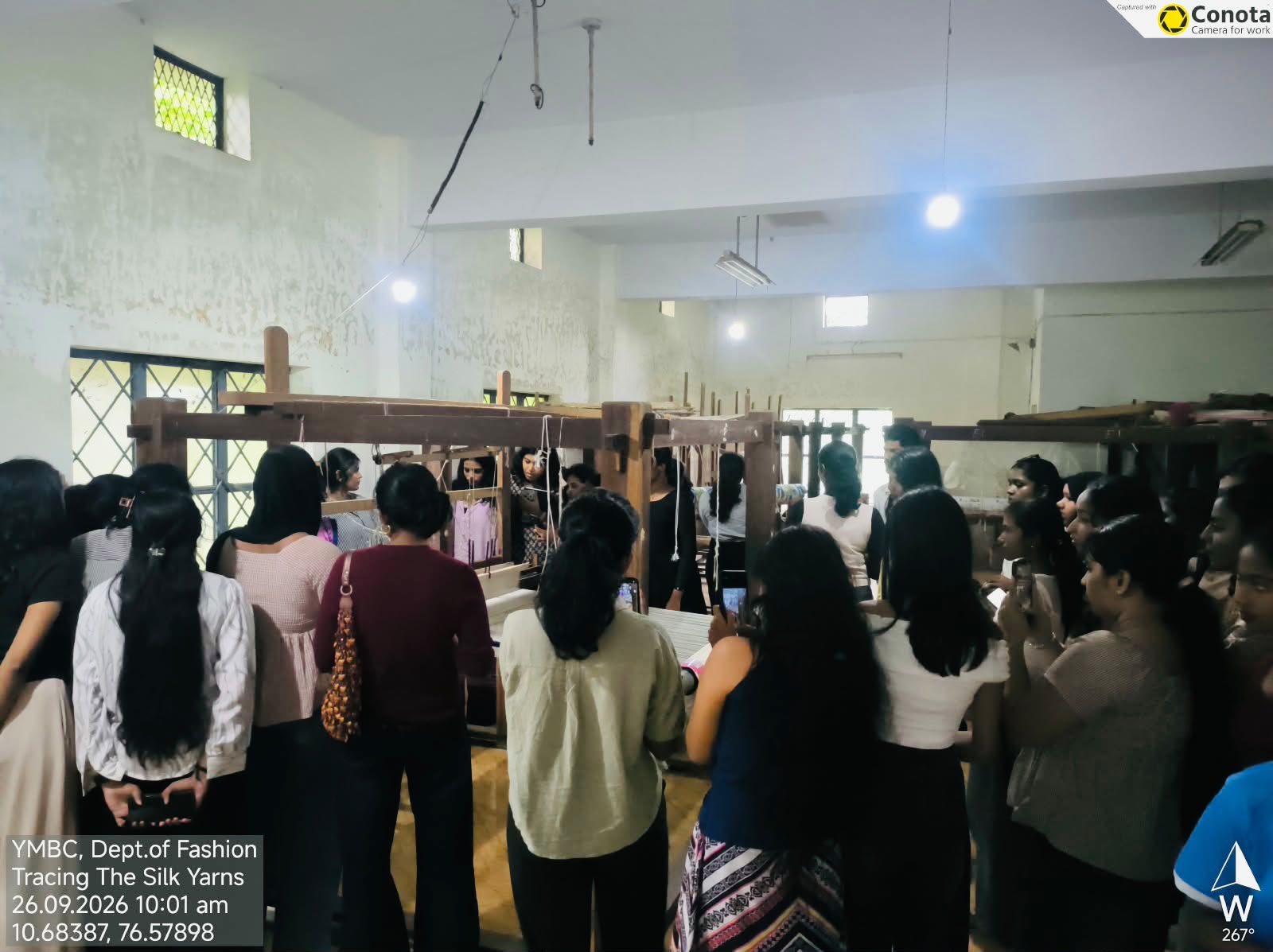
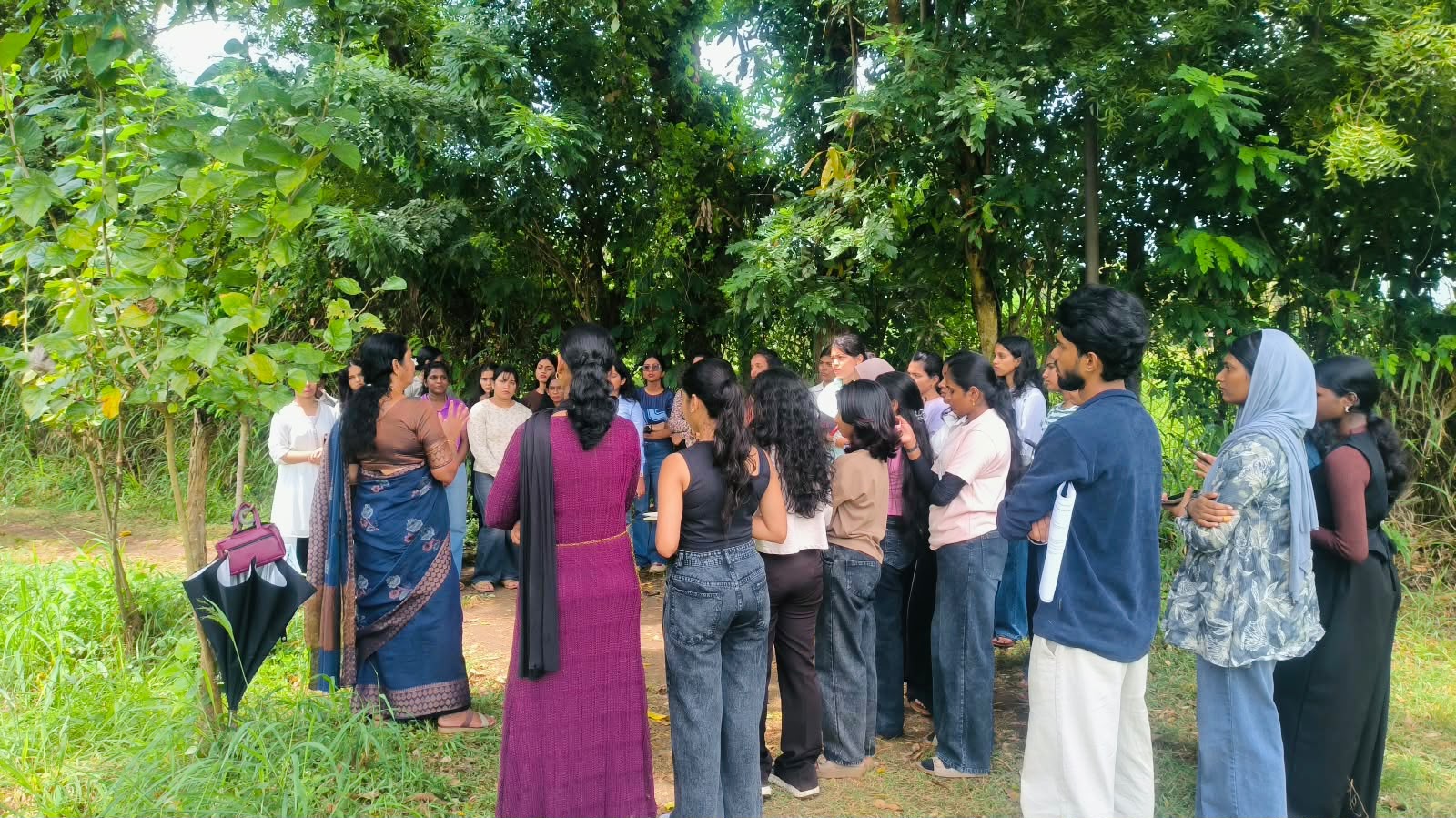
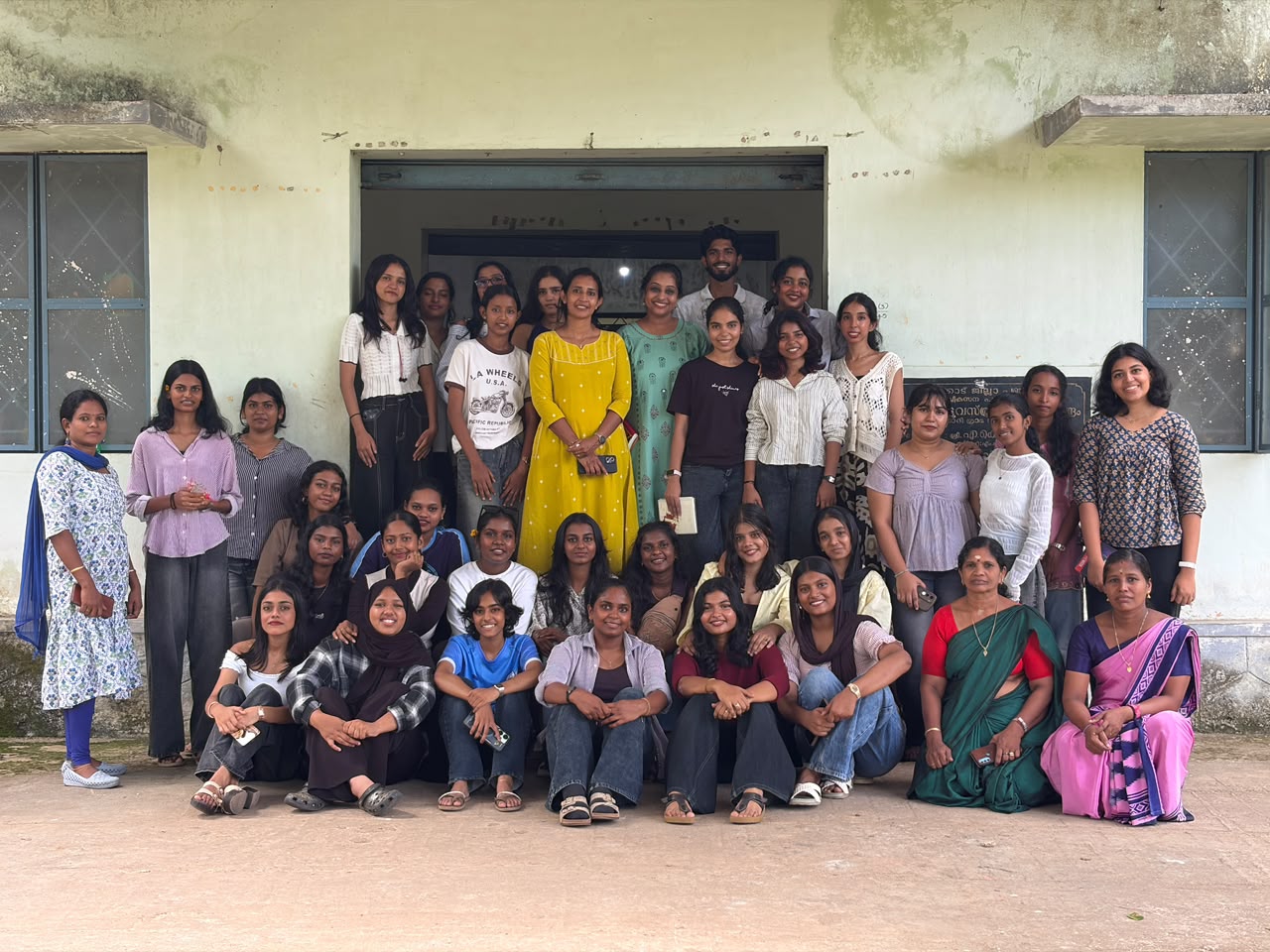
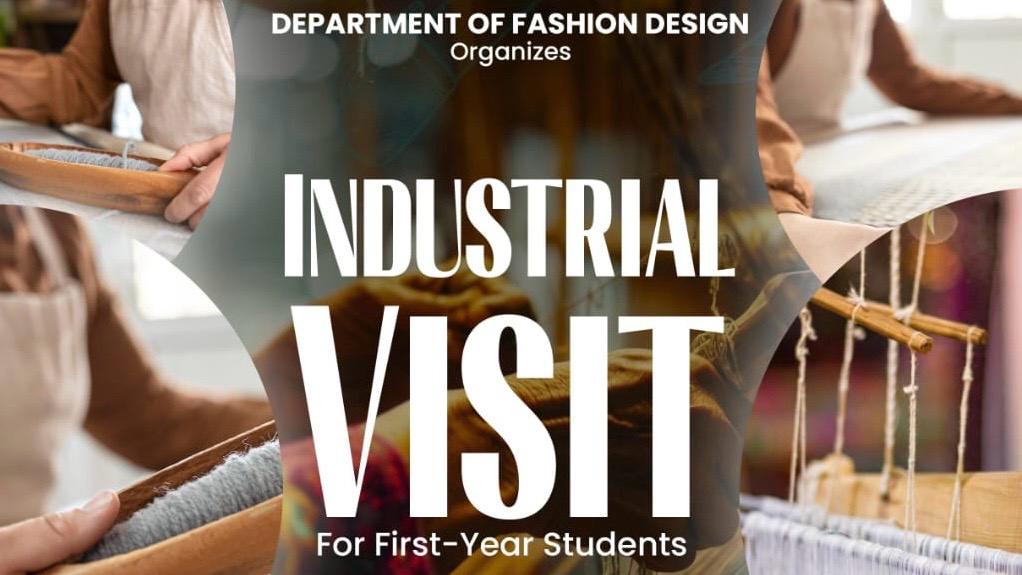
The Department of Fashion Design at Yeldo Mar Baselios College (YMBC) organised "Tracing the Silk Yarns," a two-day study visit for first-year students on 25 and 26 September 2026. The visit took the students across important stages of silk production, offering them valuable practical exposure to silkworm breeding, cocoon formation, silk filament extraction, mulberry farming, dyeing, handloom weaving, and Jacquard weaving. The experiential learning programme enabled students to move beyond textbooks and studio-based learning. It helped them understand how a simple silk yarn passes through several carefully coordinated stages before becoming a finished textile. Sericulture involves the cultivation of food plants, rearing of silkworms, formation of cocoons, extraction of silk filaments, and the subsequent processing and weaving of the yarn. The first day of the study visit, 25 September 2026, began at Erattayal Silkworm Seed Centre. Here, students had the opportunity to observe the breeding of silkworms and gain a clear understanding of the sericulture process. The visit introduced them to the early stages of silk production and helped them appreciate the importance of scientific care, proper breeding practices, and healthy silkworm development. As part of the programme, the students attended an informative session led by Ms. Jessy Daniel, Textile Scientist. She explained the complete silkworm breeding process, the different stages in the life cycle of the silkworm, and the conditions necessary for successful rearing. Her session also highlighted the wide range of career and employment opportunities available in sericulture, textile production, research, fashion, and allied fields. The interaction encouraged students to view silk production not only as a traditional practice but also as a promising area for professional growth and innovation. The students then proceeded to Pallatheri, Central Silk Board, where they attended a one-hour technical session conducted by Mr. Johnny, Senior Technical Executive. The session focused on cocoons, cocoon formation, and the extraction of silk filaments. Students learned how the fine filament produced by the silkworm is carefully obtained from the cocoon and transformed into a usable silk yarn. The Central Silk Board supports the development of the silk industry through research, technology development, seed-related activities, and the advancement of sericulture practices. The visit also included an introduction to mulberry farming, which forms an essential part of silk production because mulberry leaves serve as the primary food source for many cultivated silkworms. Students were able to understand the close relationship between plant cultivation, silkworm rearing, and silk production. A particularly engaging part of the day was the hands-on experience with silkworms and moths. This direct interaction created curiosity and excitement among the students, making the learning process more memorable and meaningful. On 26 September 2026, the students visited Chithali, where they explored the processes of silk dyeing and handloom weaving. They observed the complete handloom weaving process and learned how silk yarns are prepared, arranged, and interlaced to create fabric. The students were also introduced to the silk dyeing process and gained an understanding of how colour influences the appearance, character, and value of a textile. The visit further exposed them to different categories of yarn and their specific uses in weaving. This helped them understand that yarn selection plays a significant role in determining the texture, strength, fall, appearance, and final quality of a fabric. The experience connected their classroom knowledge of textiles with the practical decisions made by artisans and weavers during production. In handloom weaving, the warp threads remain fixed while the weft thread passes across them to form the fabric structure. The final destination of the study visit was Sreekrishnapuram, where the students experienced the process of Silk Jacquard weaving. They were introduced to the way intricate designs, motifs, and patterns are created through the Jacquard technique. Unlike plain weaving, Jacquard weaving allows individual warp threads to be controlled, making it possible to produce detailed and elaborate patterns. Design concepts are translated into an organised system that guides the movement of the threads during weaving. Students received practical exposure to the weaving process and had the opportunity to interact with the equipment and understand its functioning. This interactive experience helped them recognise how design ideas are transformed into woven surfaces through a combination of planning, technical skill, patience, and precision. For fashion design students, the session offered valuable insights into the relationship between creativity, textile structure, and craftsmanship. The two-day study visit provided students with a comprehensive understanding of the silk value chain-from silkworm breeding and mulberry farming to cocoon formation, filament extraction, dyeing, handloom weaving, and Jacquard weaving. It gave them the opportunity to observe the people, skills, techniques, and processes behind the textiles they study and use. More importantly, the visit encouraged students to develop a deeper appreciation for traditional textile practices and the skilled artisans who preserve them. It also highlighted the relevance of textile science, sustainable production, indigenous knowledge, and technological development in contemporary fashion education. "Tracing the Silk Yarns" was not merely a study visit; it was an immersive journey through the life of silk. From the movement of a silkworm to the rhythm of a handloom, every stage revealed how nature, science, tradition, and design come together to create a fabric of enduring beauty. For the young designers of YMBC, the experience served as a reminder that every remarkable creation begins with an understanding of its origin-and that every beautiful textile carries within it a story of knowledge, labour, creativity, and craftsmanship.
September 25 to September 26, 2026
September 25, 2026
September 24, 2026
September 23, 2026
September 17 to September 18, 2026

September 15, 2026
September 15, 2026
September 15, 2026
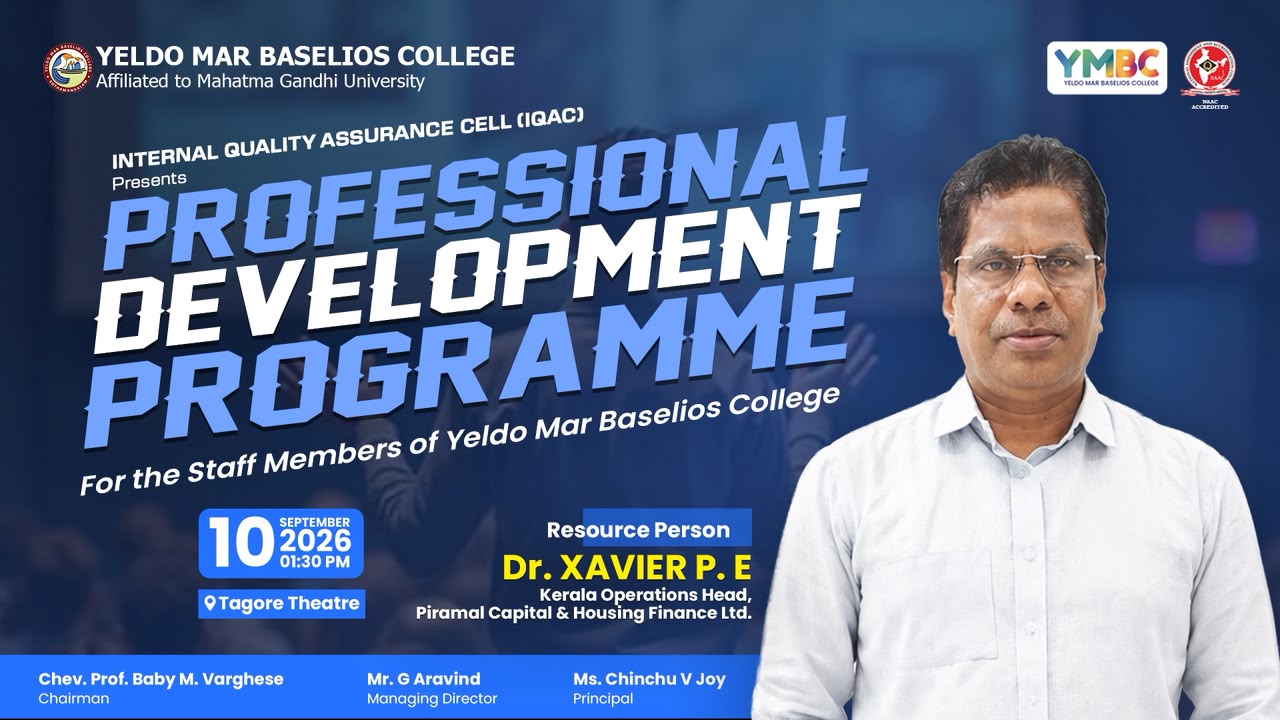
September 10, 2026

September 2, 2026

August 20, 2026
August 13 to August 15, 2026
August 11, 2026
July 31 to August 1, 2026
July 29, 2026
July 29, 2026
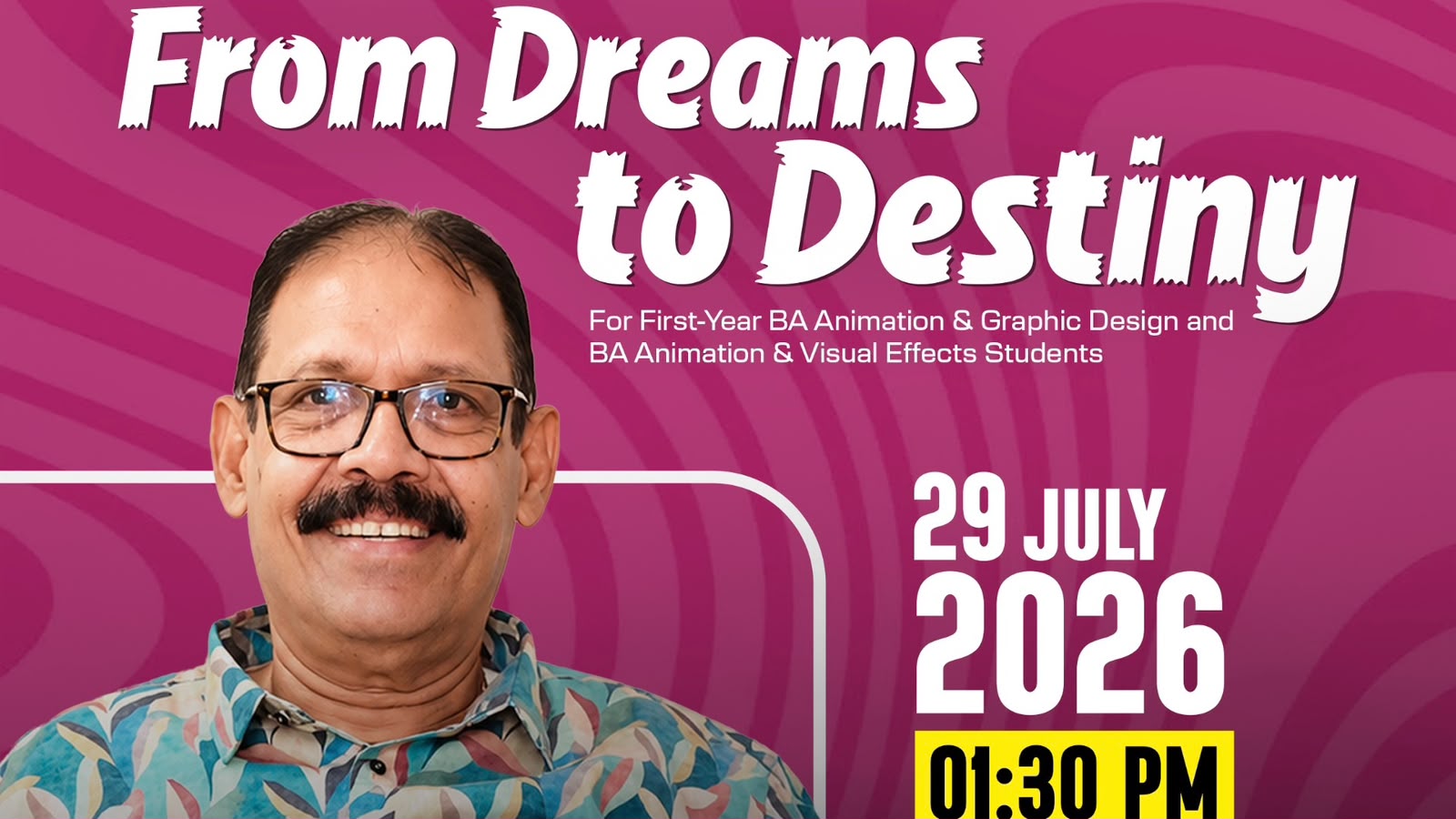
July 29, 2026
July 24, 2026
July 21, 2026
July 21, 2026
July 21, 2026
July 21, 2026
July 16 to July 17, 2026
July 8, 2026
July 6, 2026
June 30, 2026
June 22, 2026
June 19, 2026
June 19, 2026
June 15, 2026
June 12, 2026
June 5, 2026
June 5, 2026
April 18, 2026
March 30 to April 1, 2026
March 30, 2026
March 26, 2026
March 16 to March 17, 2026
March 13, 2026
March 10, 2026
March 9, 2026
March 6, 2026
March 5, 2026
March 4, 2026
February 27, 2026
February 27, 2026
February 26 to February 27, 2026
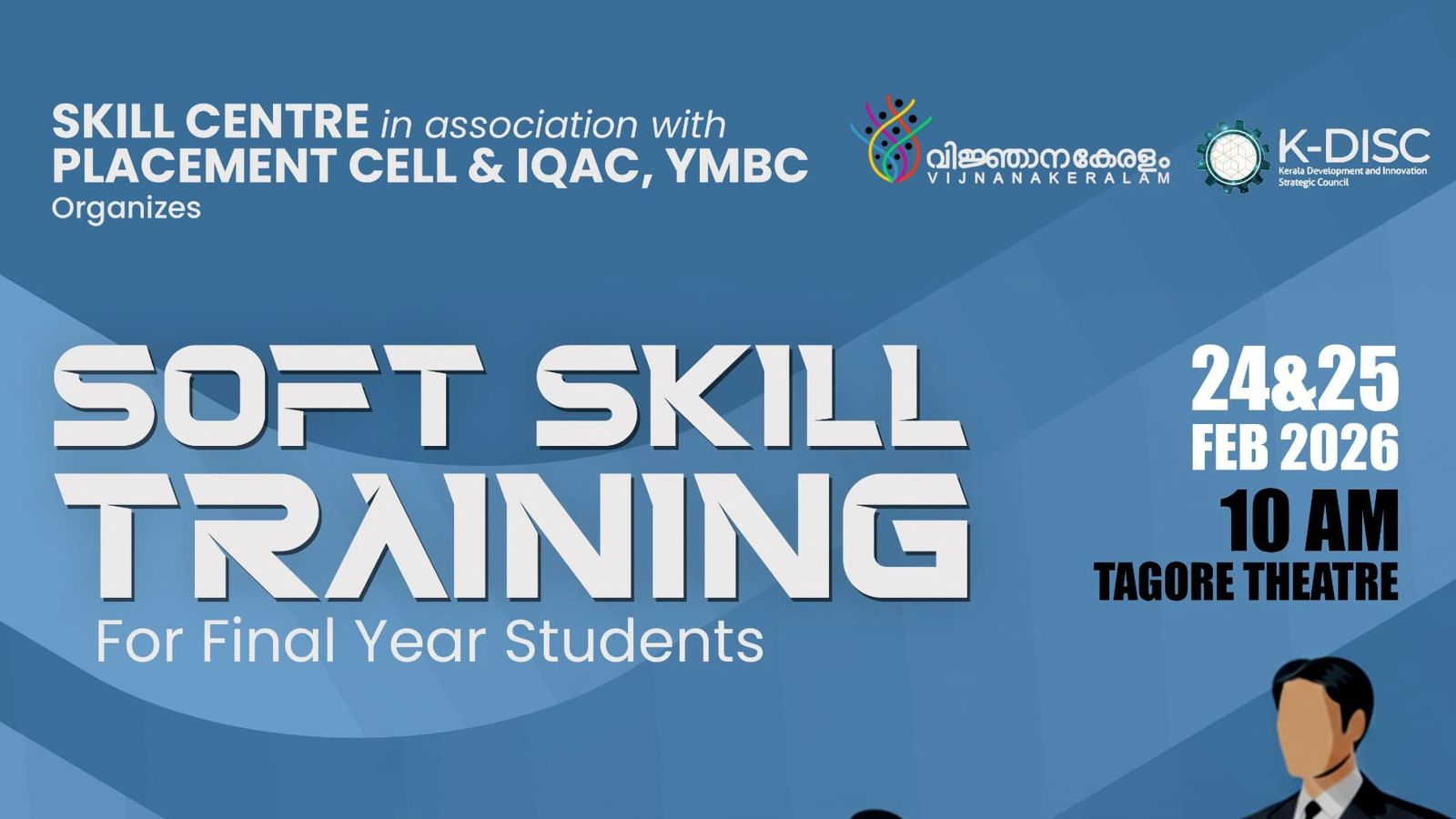
February 24 to February 25, 2026

February 23, 2026

February 18, 2026

February 16 to February 18, 2026

February 13, 2026
February 10, 2026

February 9, 2026
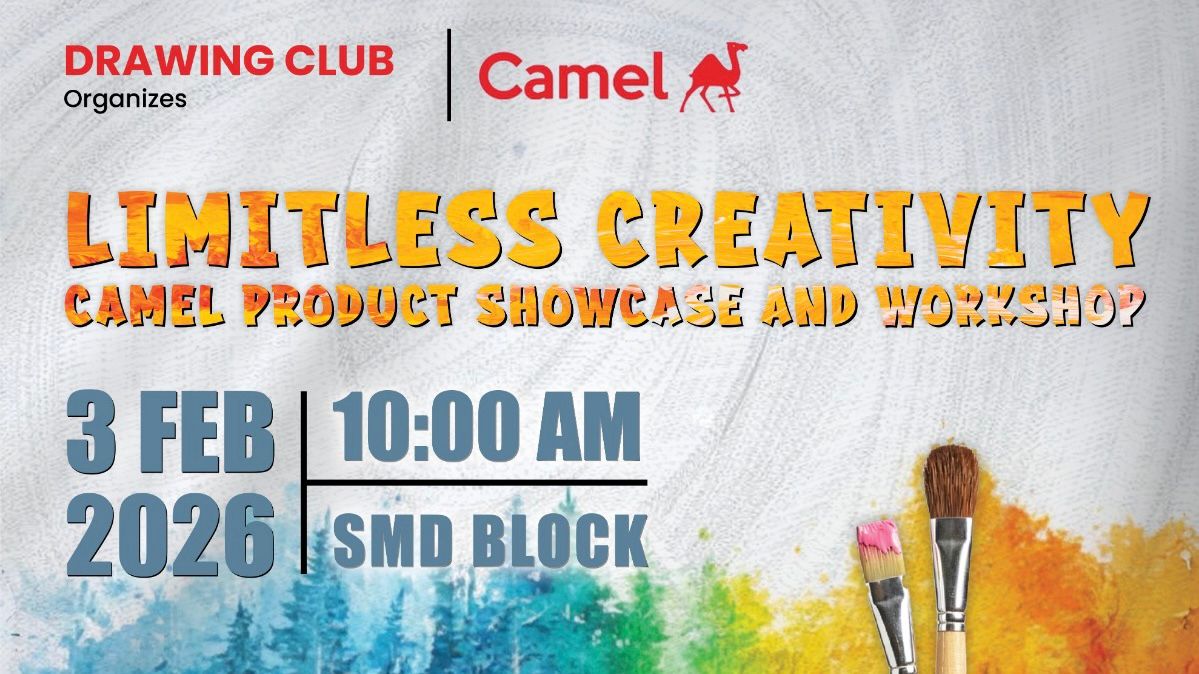
February 3, 2026

January 28, 2026
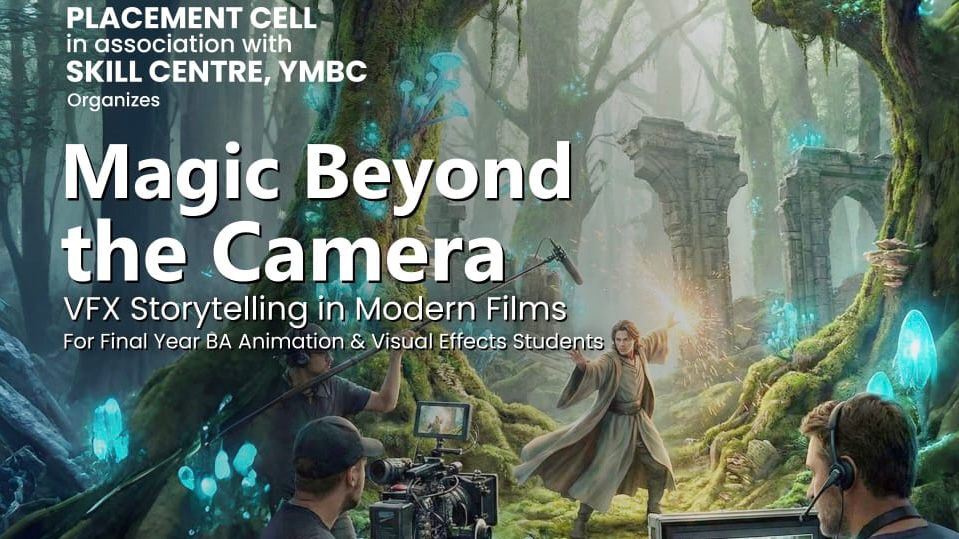
January 28, 2026

January 28, 2026

January 23, 2026

January 23, 2026

January 22 to January 23, 2026
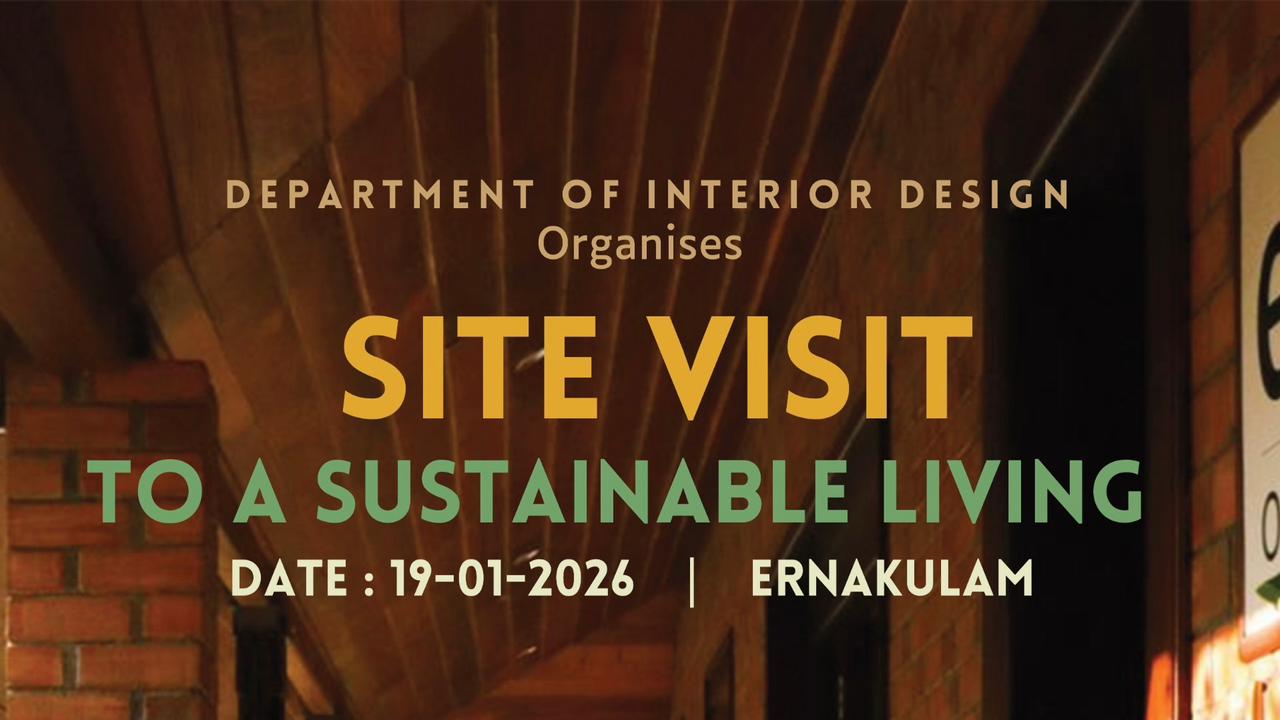
January 19, 2026

January 16, 2026
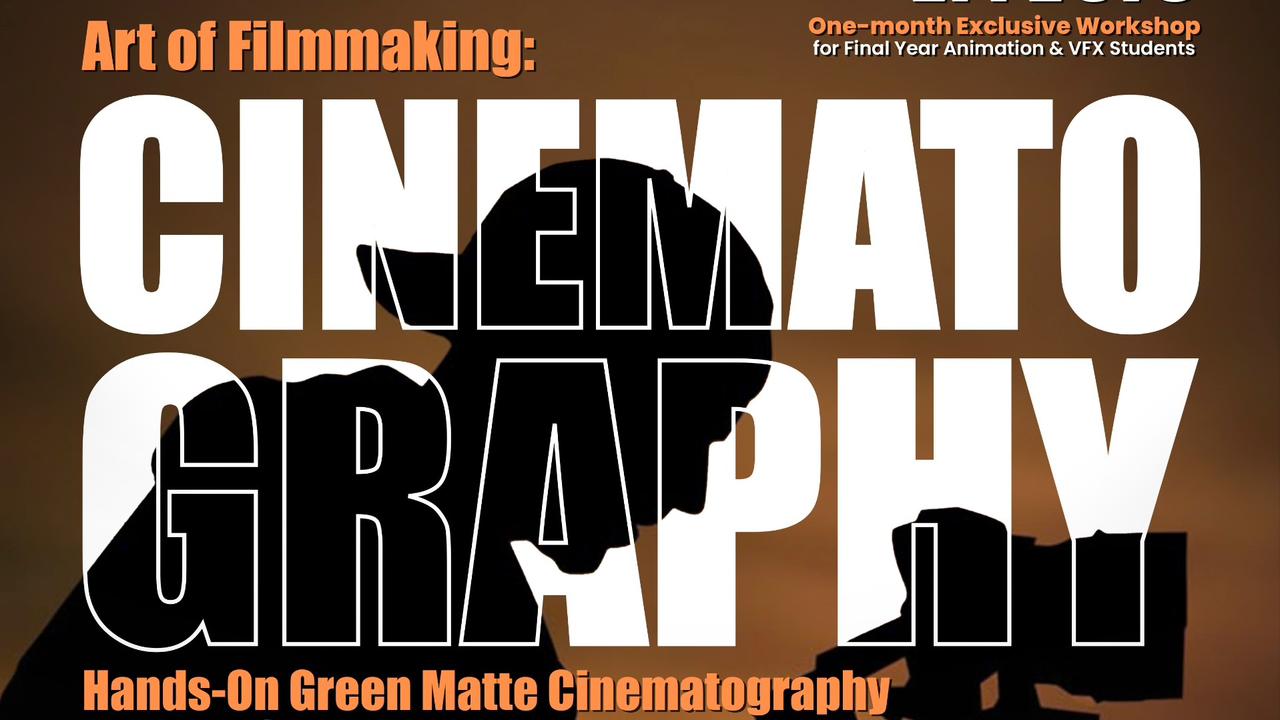
January 15, 2026

January 14, 2026
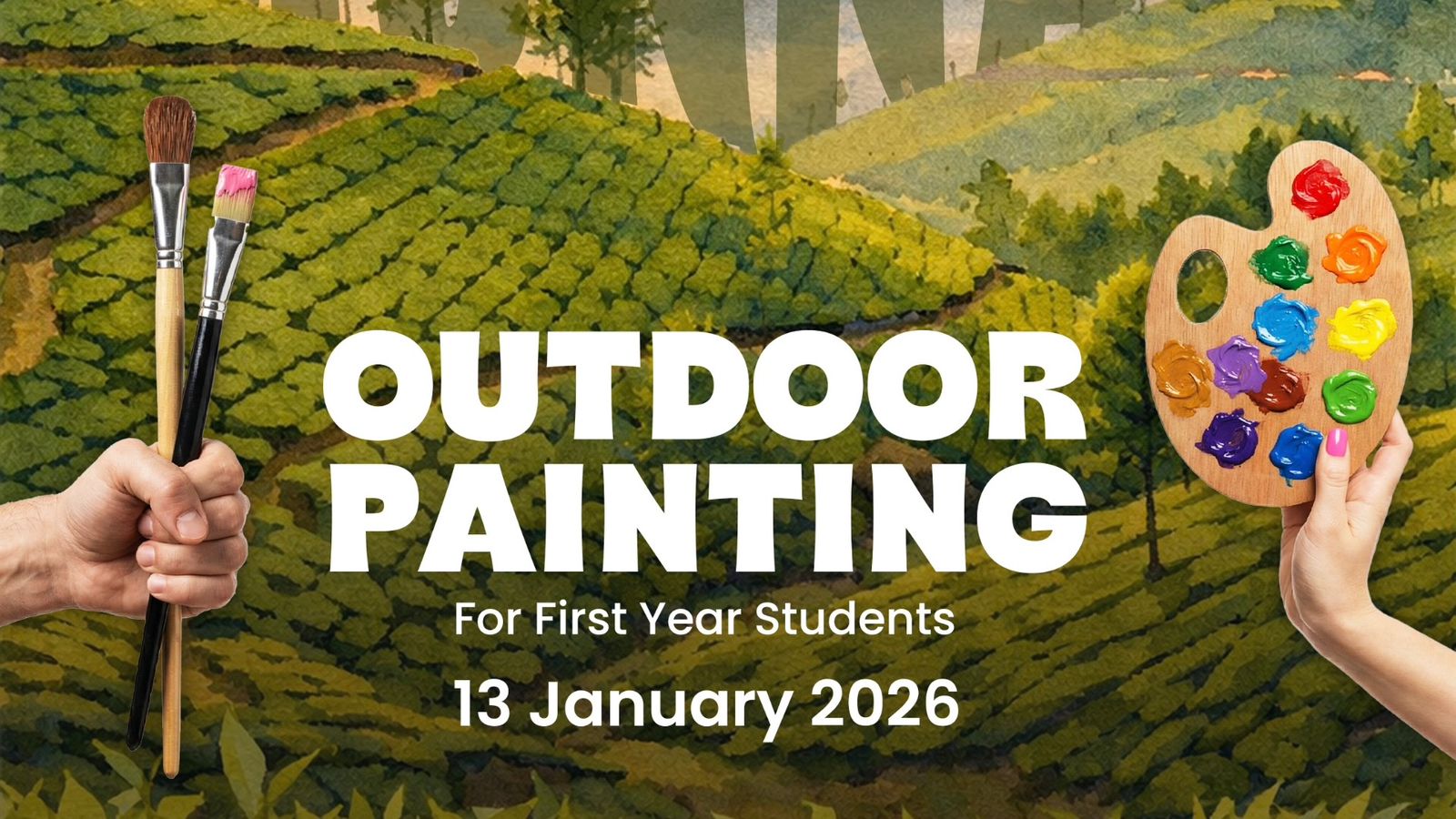
January 13, 2026
January 12, 2026
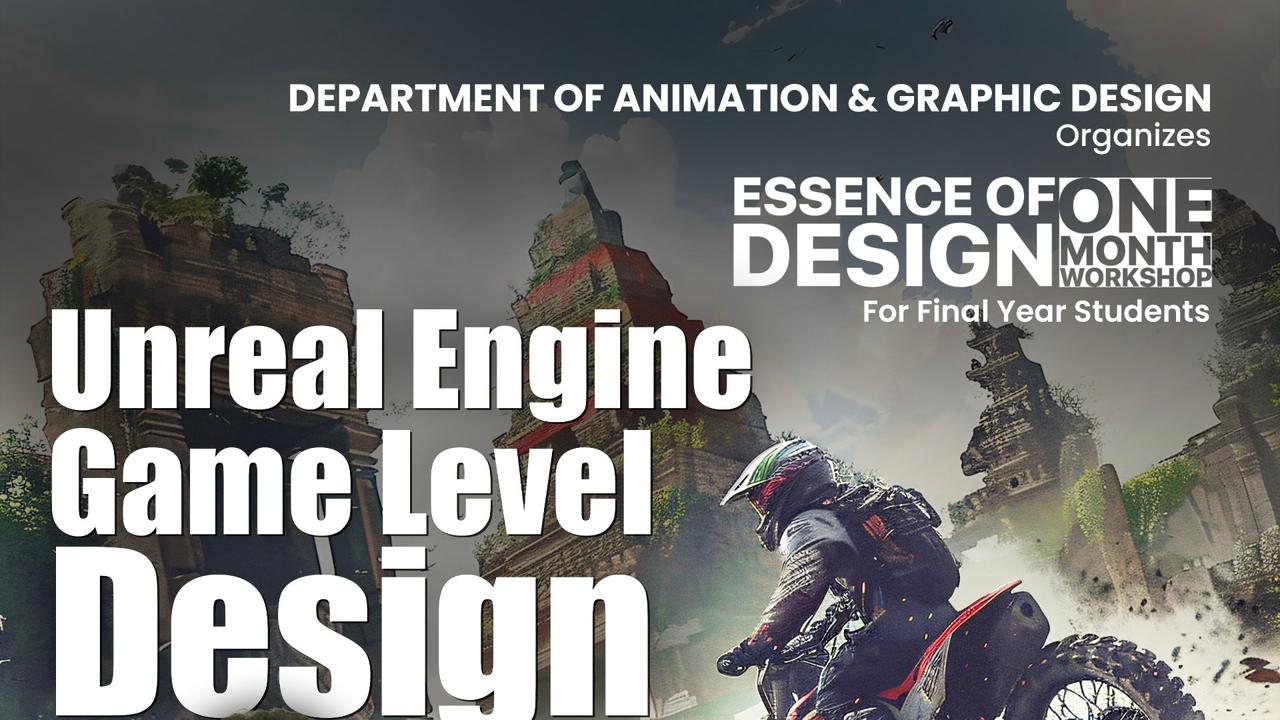
January 12 to January 31, 2026
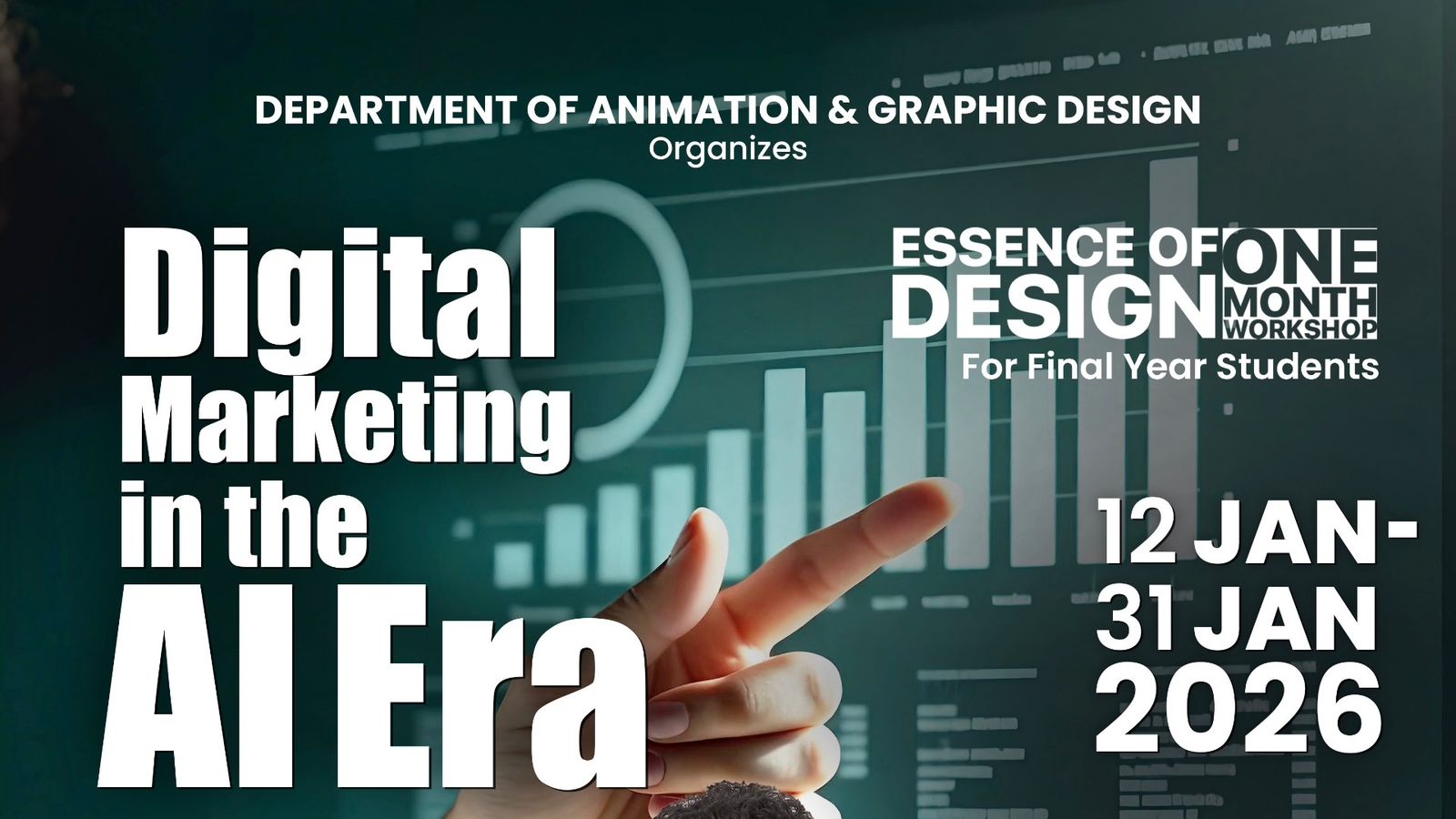
January 12 to January 31, 2026
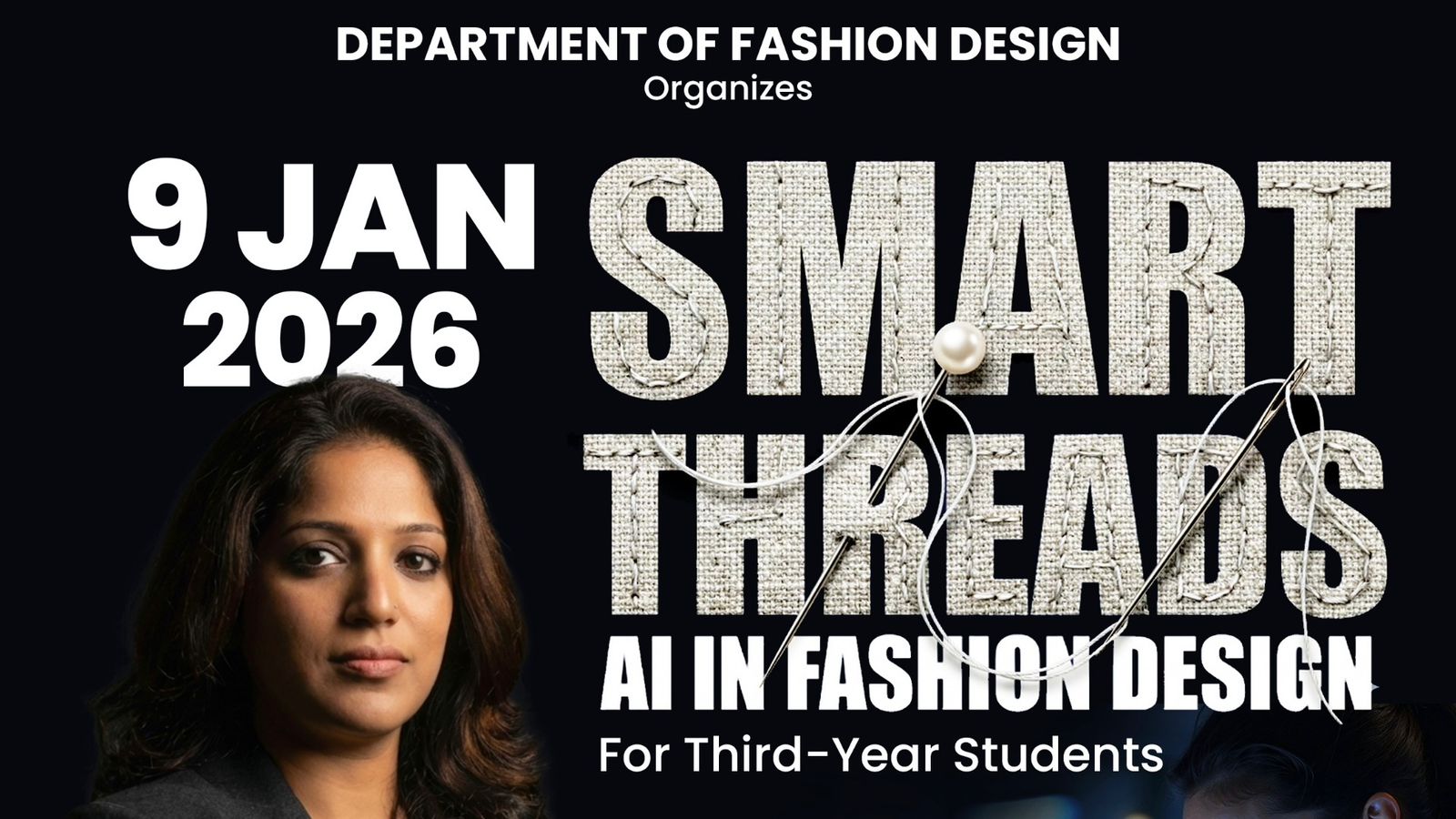
January 9, 2026

January 8 to January 9, 2026

January 8 to January 9, 2026
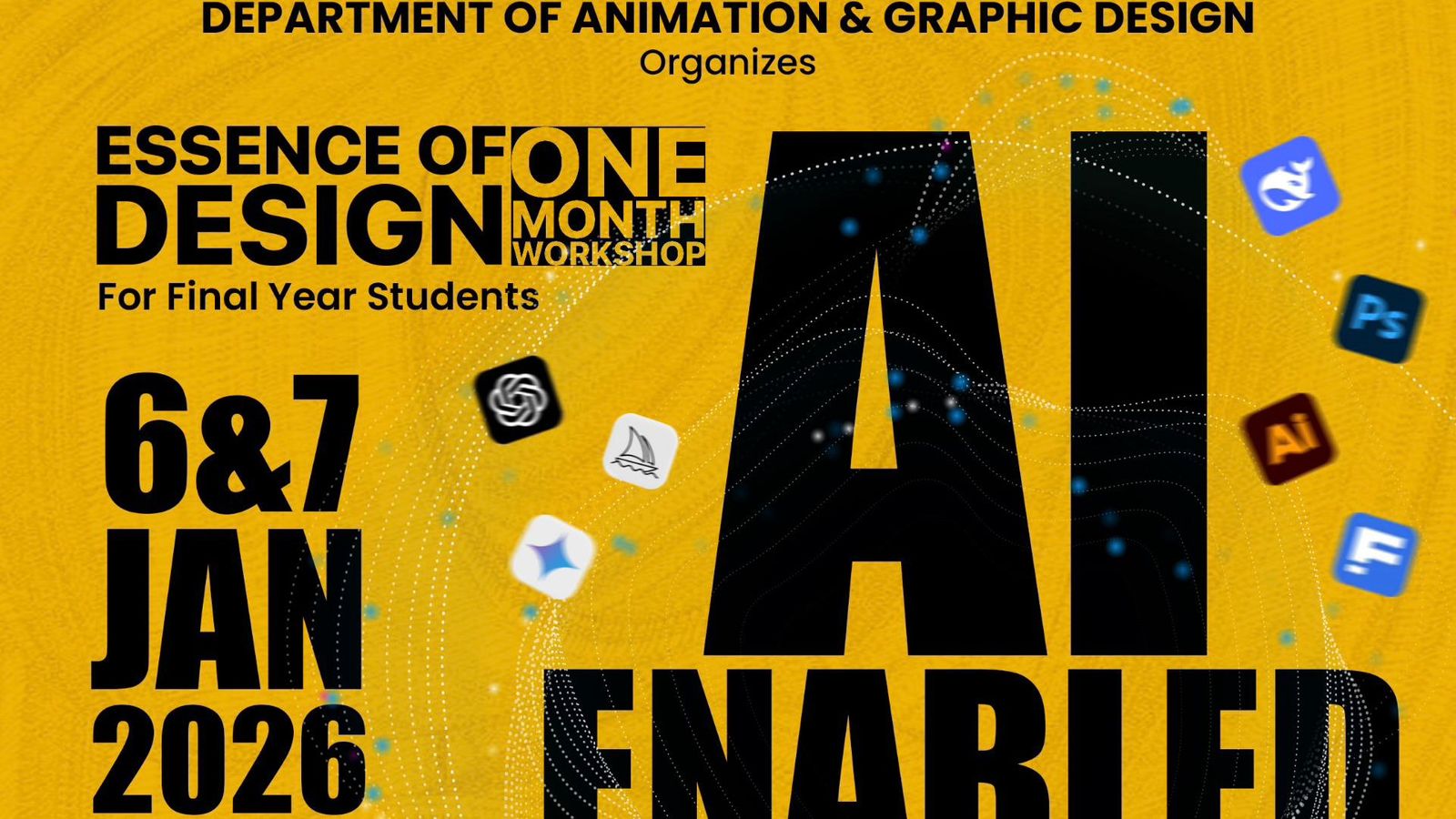
January 6 to January 7, 2026

January 6 to January 7, 2026

December 22, 2025

December 22, 2025

December 22, 2025
December 20, 2025
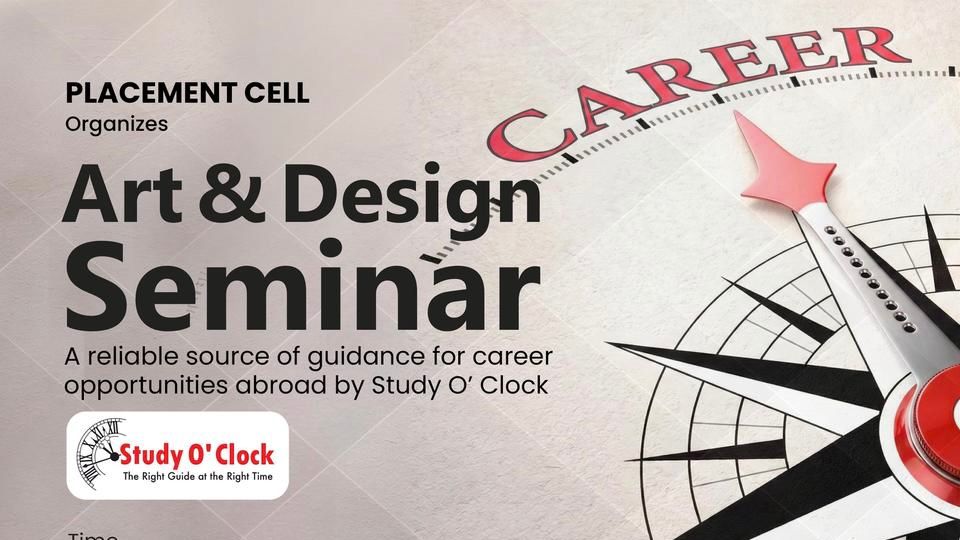
December 16, 2025
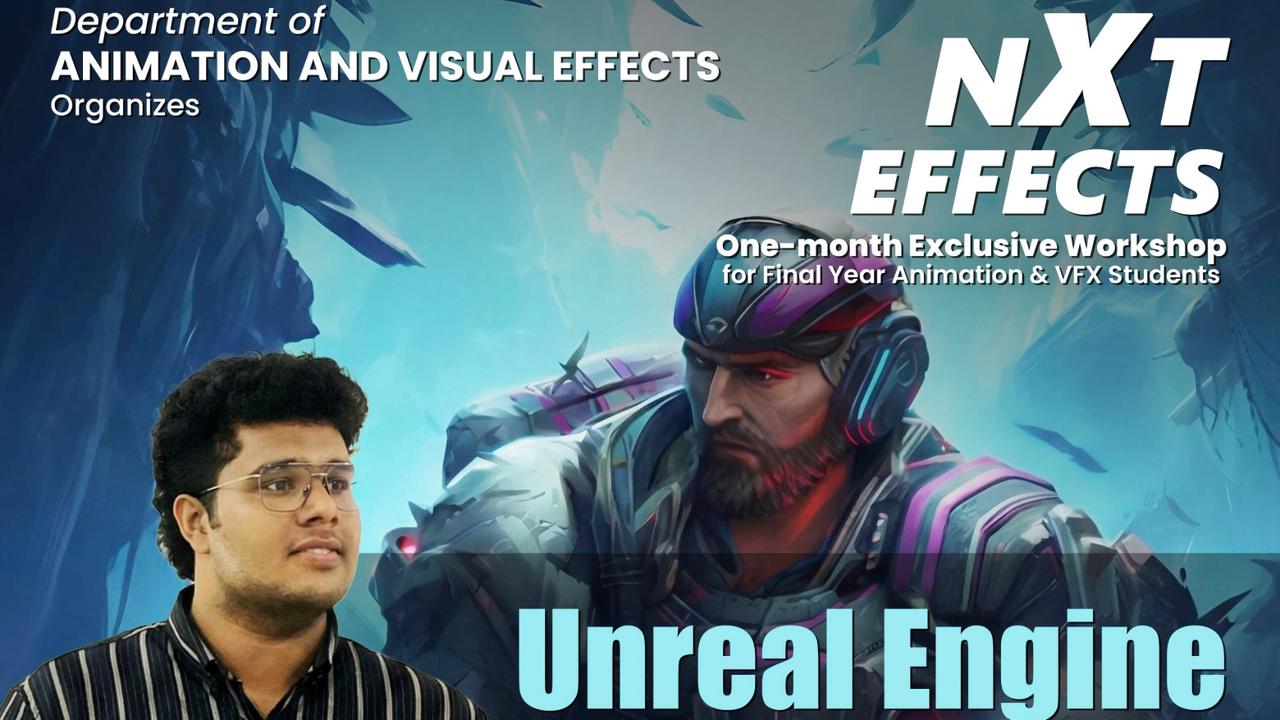
December 15 to December 19, 2025

December 5, 2025

December 4, 2025

December 3, 2025

December 2 to January 2, 2026
December 2, 2025
December 1 to December 5, 2025

December 1, 2025
November 27, 2025
November 26, 2025
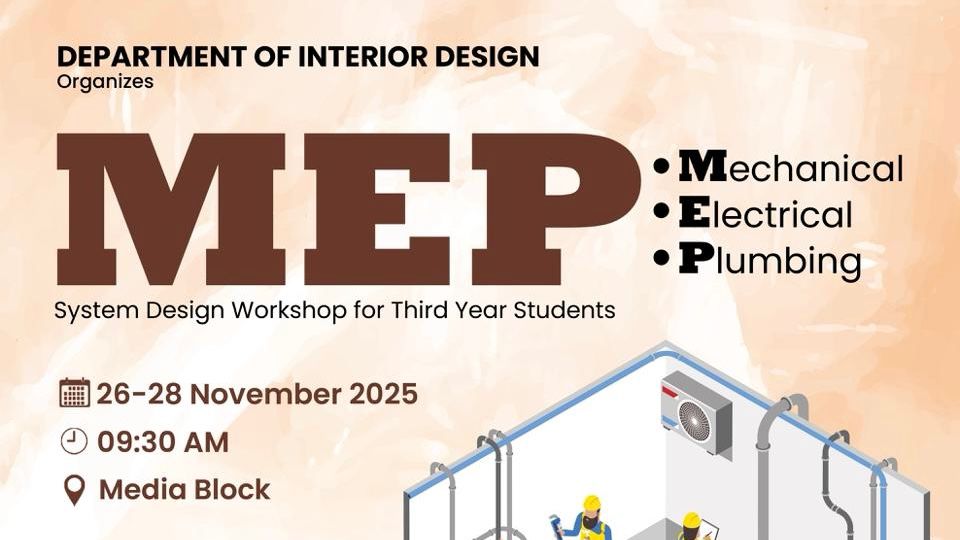
November 26 to December 28, 2025

November 26, 2025

November 26 to December 26, 2025

November 25, 2025

November 24, 2025
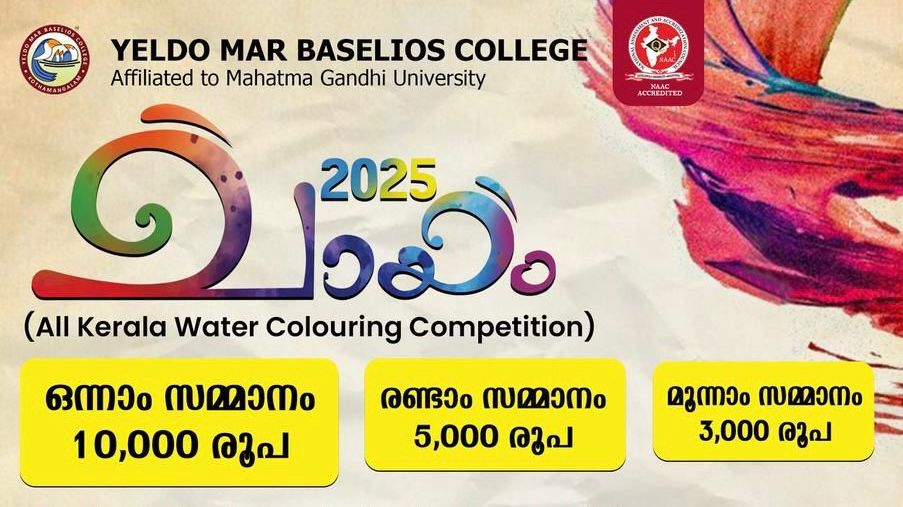
November 22, 2025

November 21, 2025

November 19, 2025

November 17, 2025
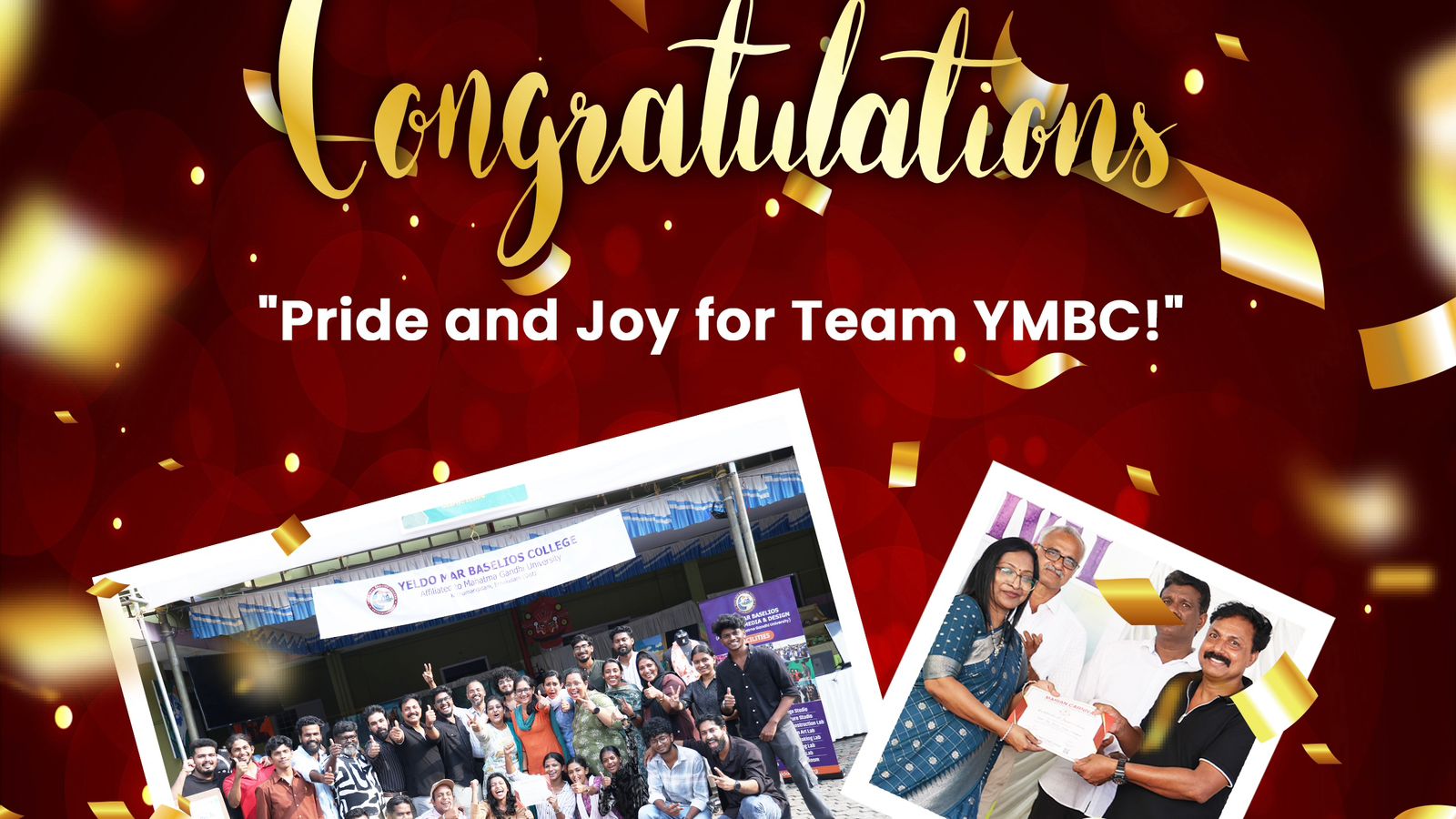
November 16, 2025

November 14, 2025

November 13, 2025
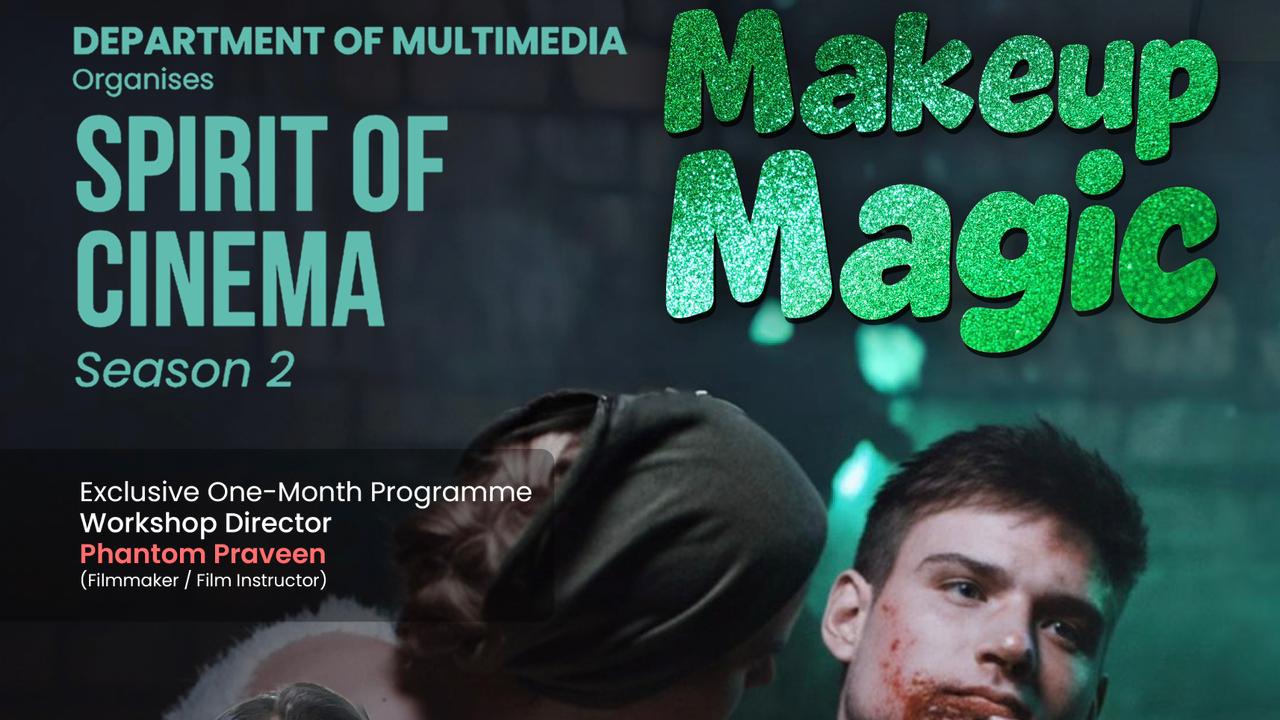
November 12, 2025
November 12, 2025

November 11, 2025

November 7 to November 9, 2025

November 7, 2025
November 4, 2025

October 28, 2025
October 27, 2025
October 23, 2025
October 21, 2025

October 17, 2025
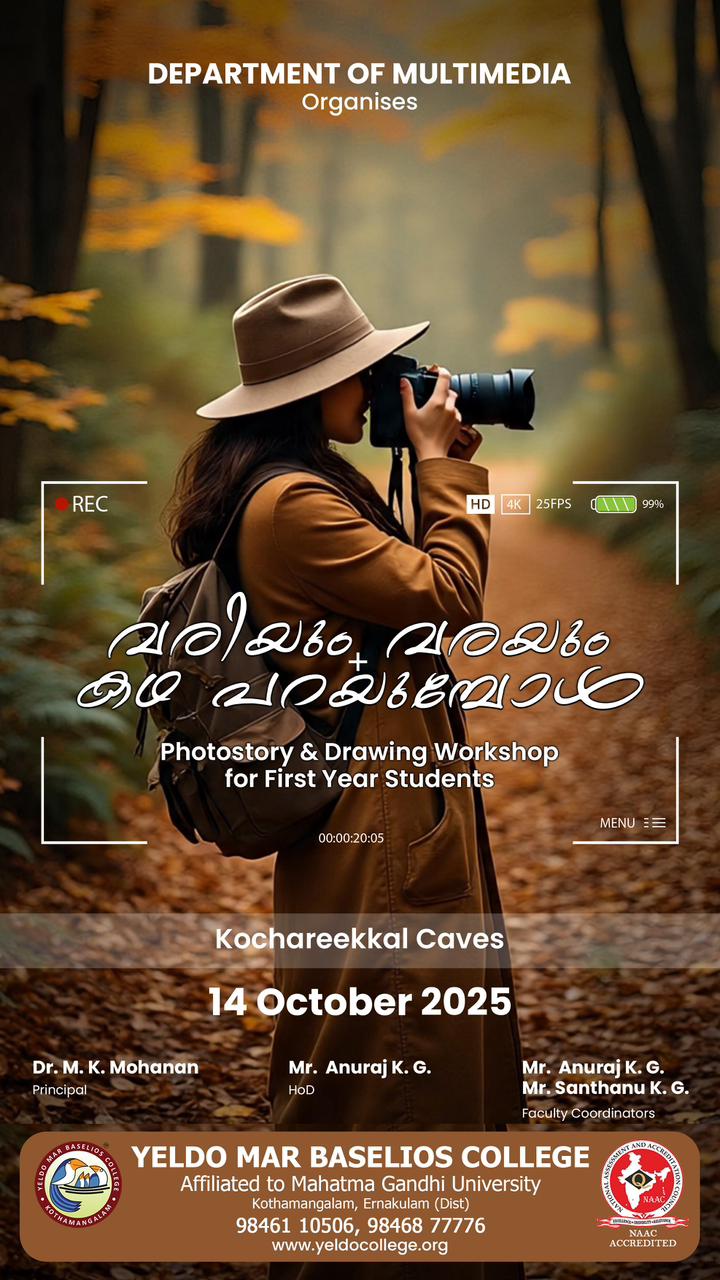
October 14, 2025
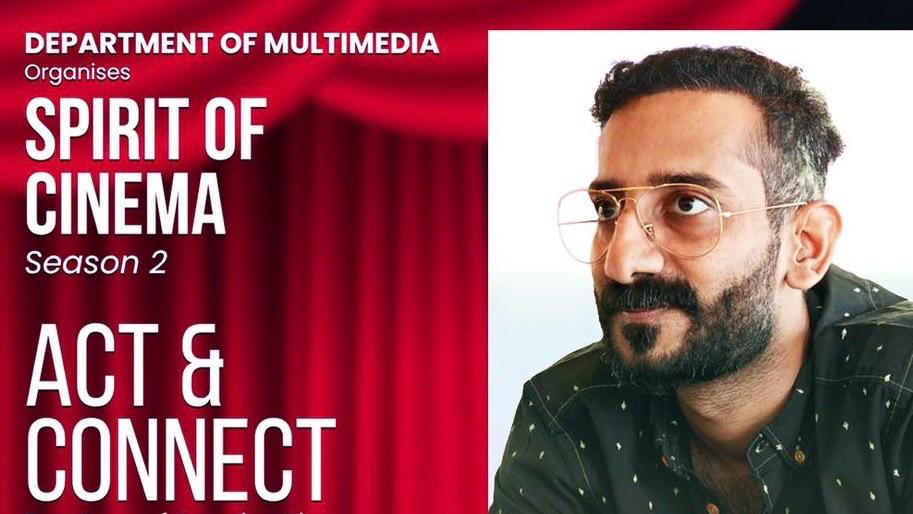
October 9 to October 10, 2025

October 7, 2025

August 21, 2025

July 2, 2025

April 25, 2025
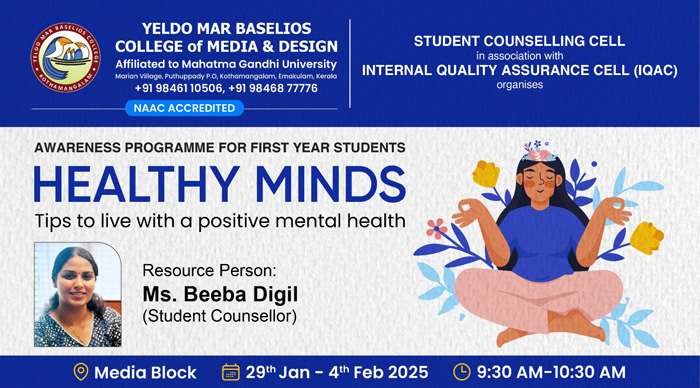
January 29 to February 4, 2025
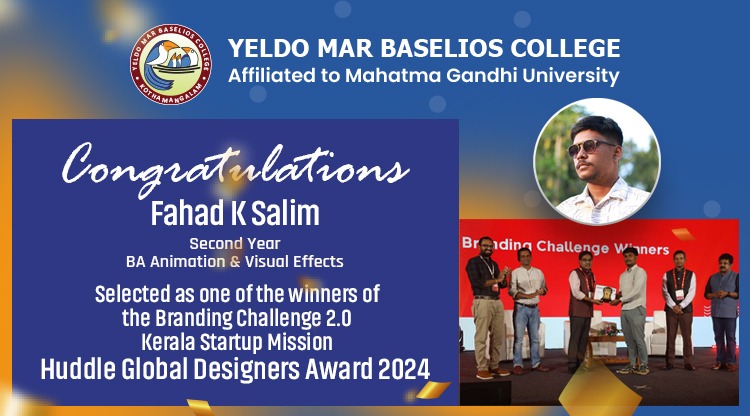
November 12, 2024

October 4, 2024

September 12, 2024
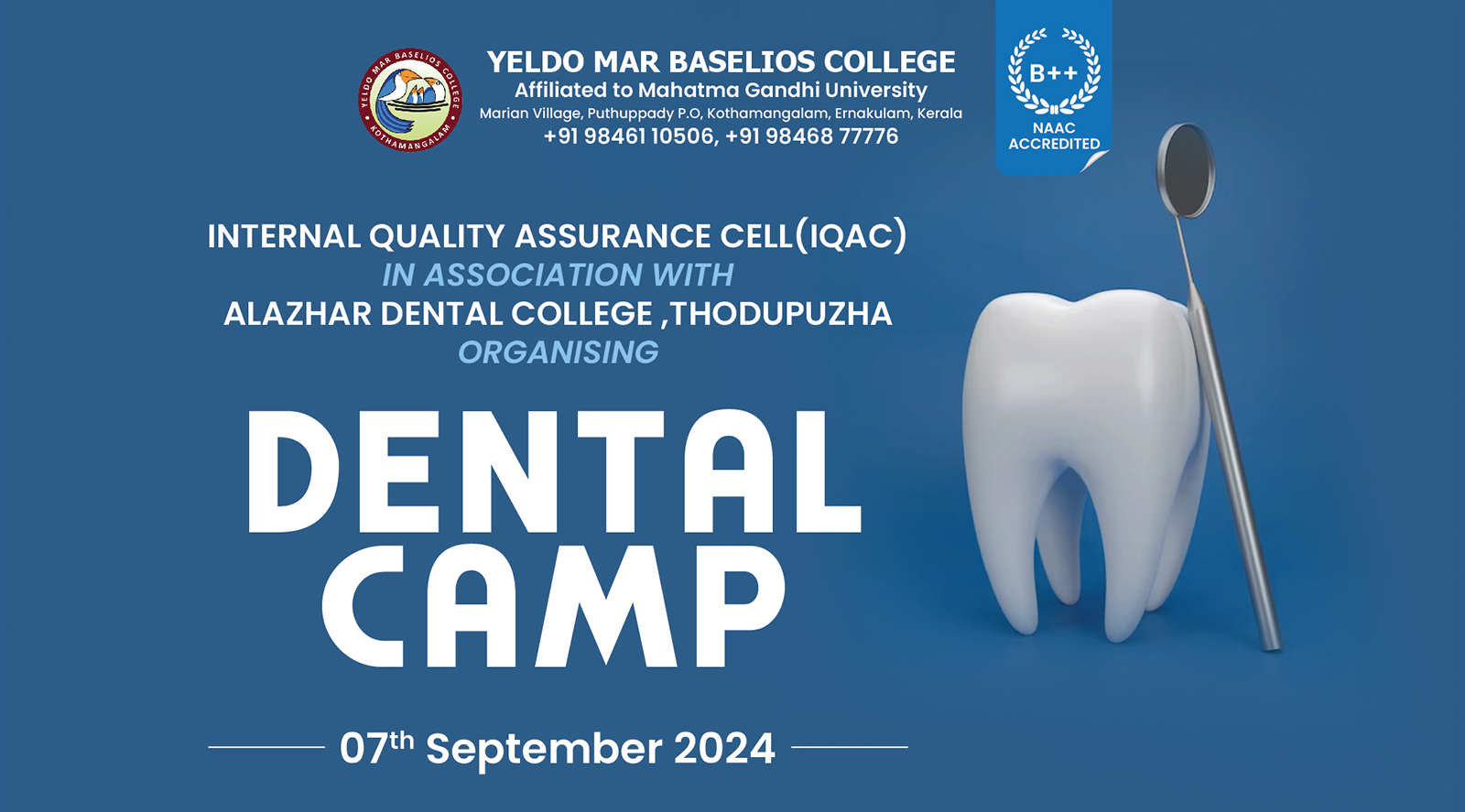
September 7, 2024

July 10 to July 12, 2024
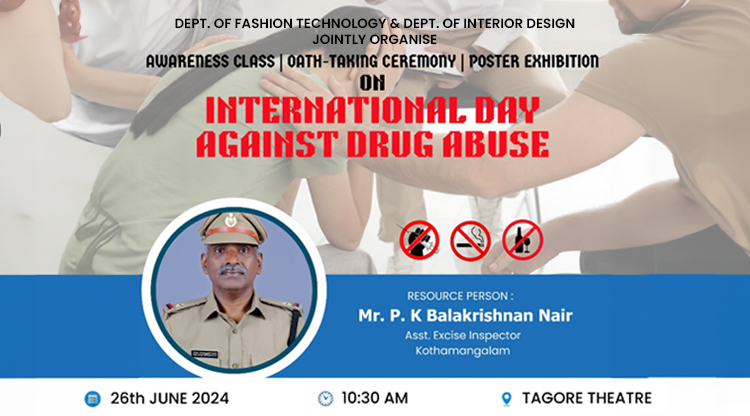
June 26, 2024
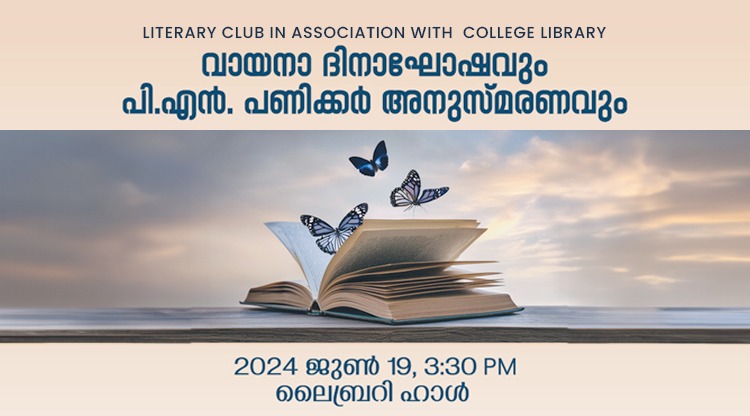
June 19, 2024

June 14, 2024
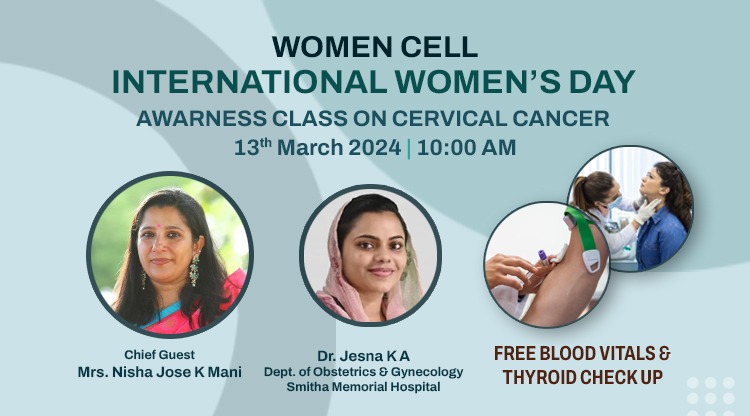
March 13, 2024

March 13, 2024
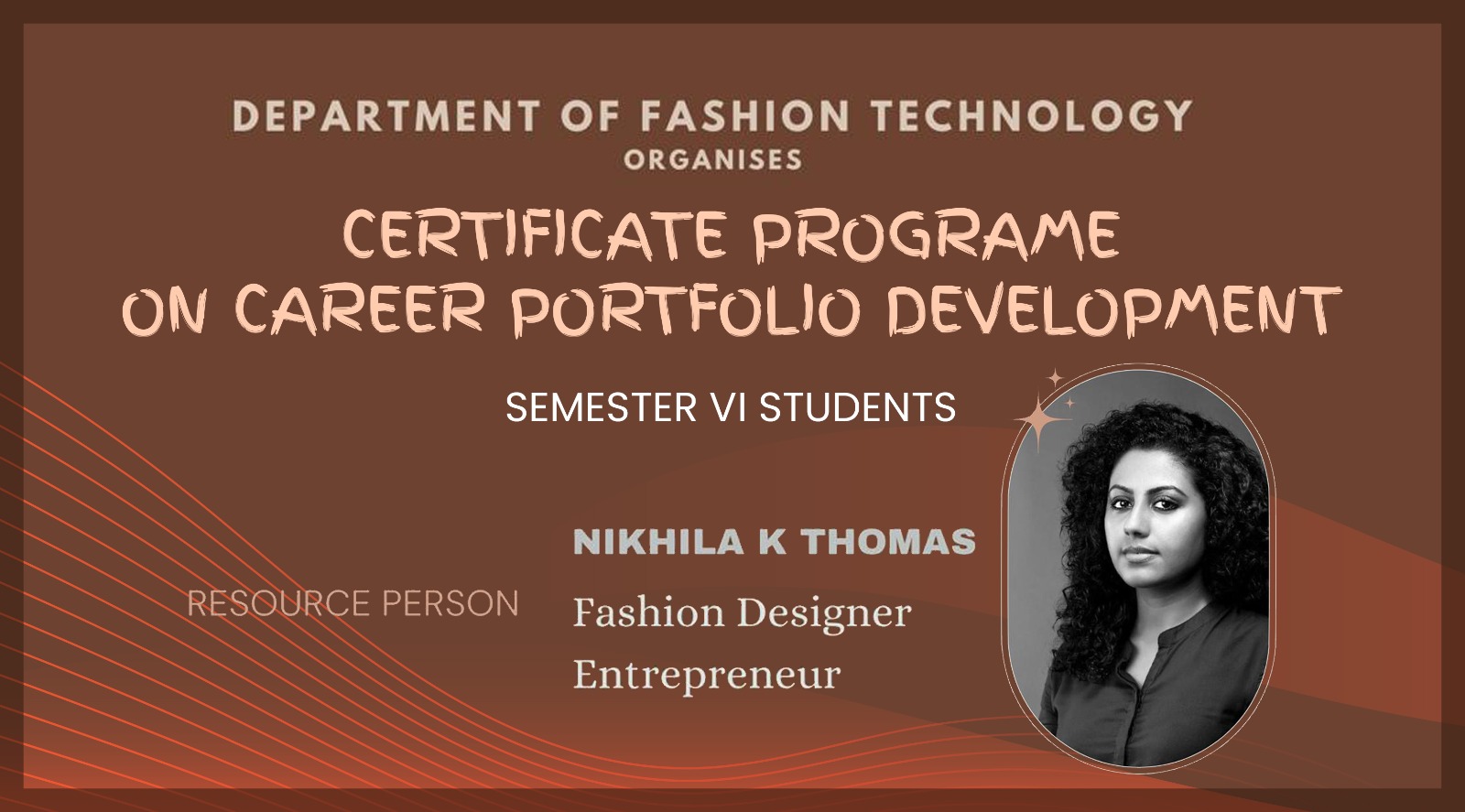
March 11, 2024
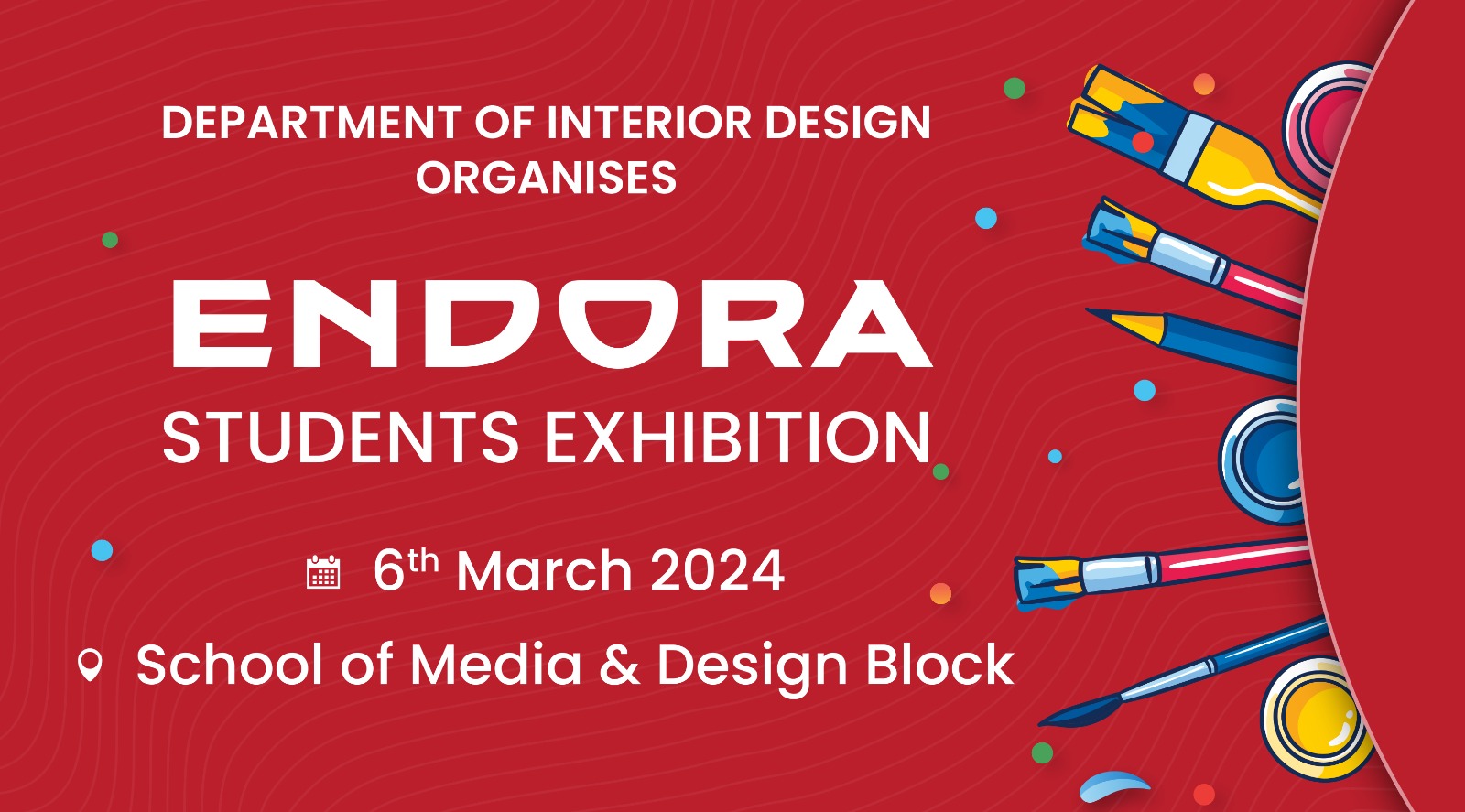
March 6, 2024
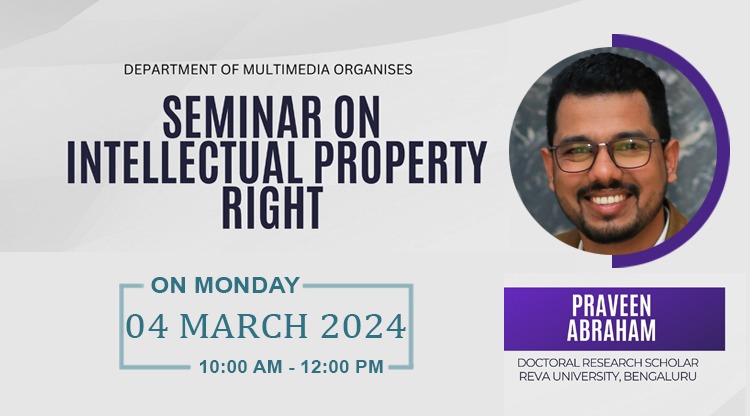
March 4, 2024
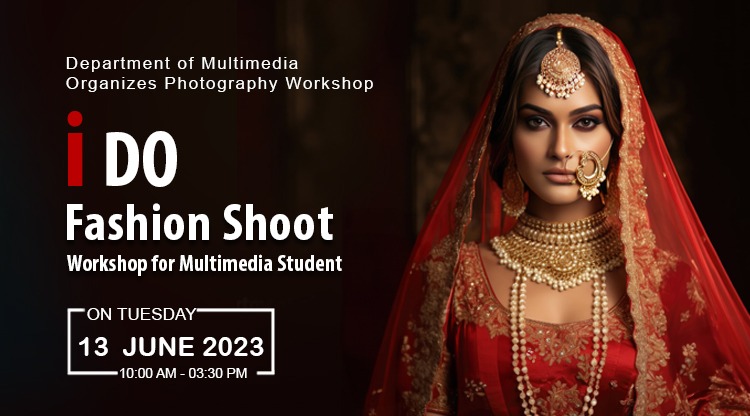
February 23, 2024

February 22 to February 27, 2024
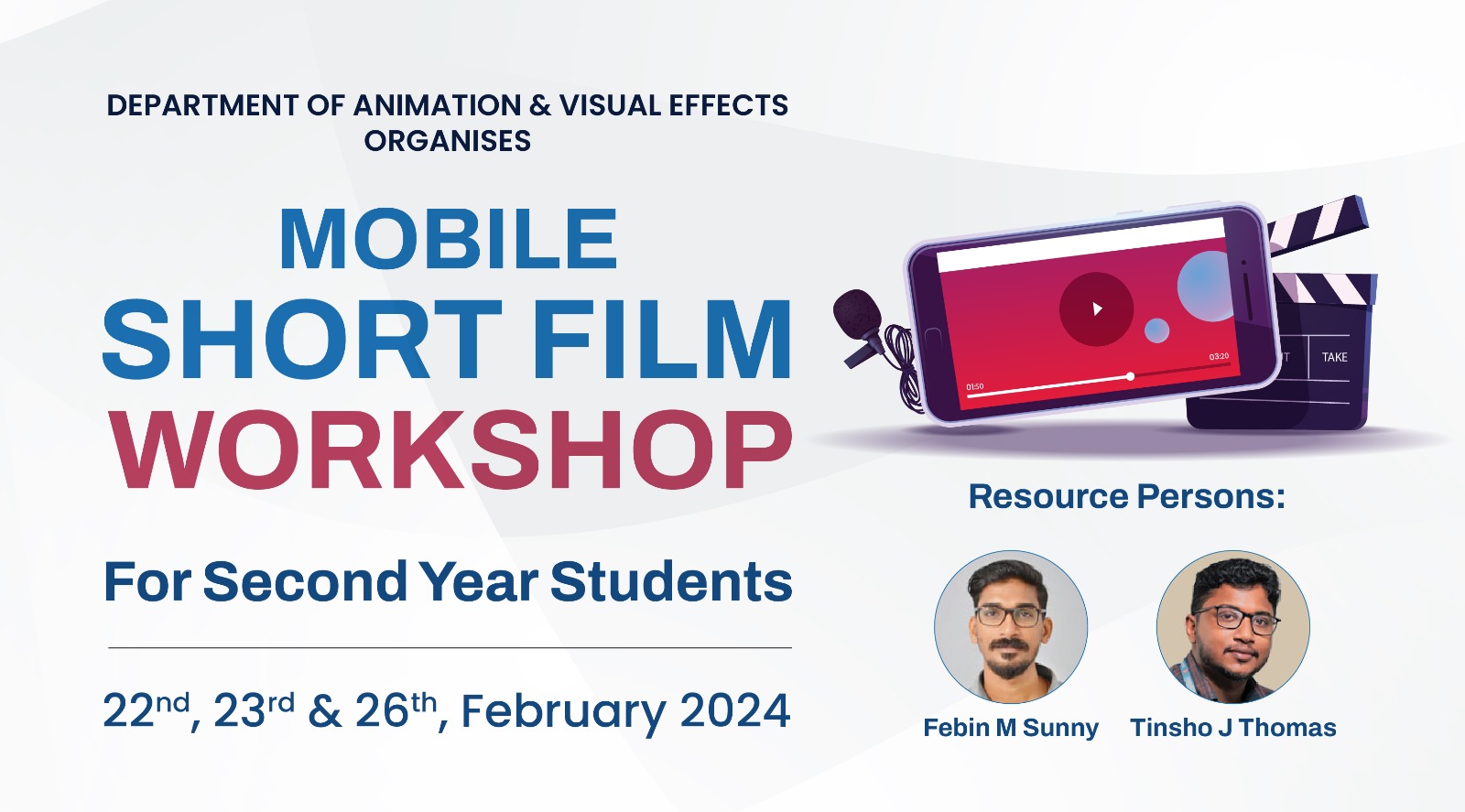
February 22 to February 26, 2024
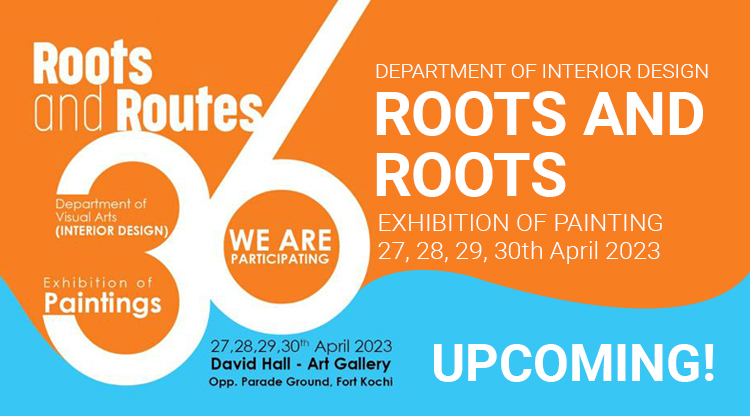
April 27, 2023
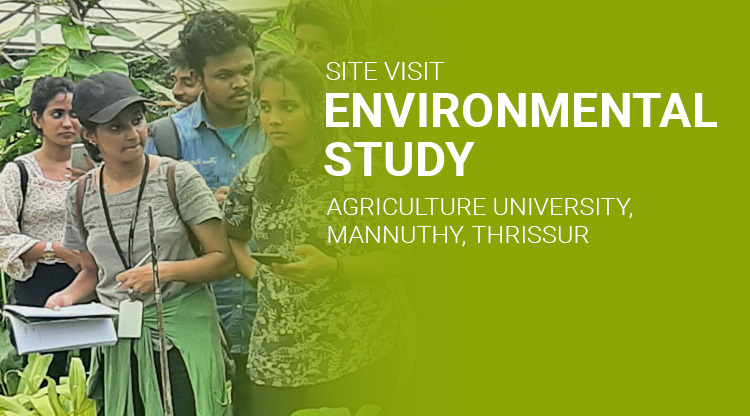
July 29, 2022
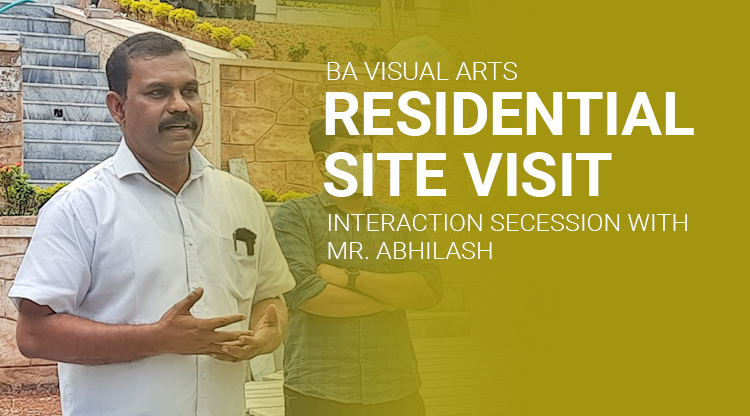
July 22, 2022

July 19, 2022
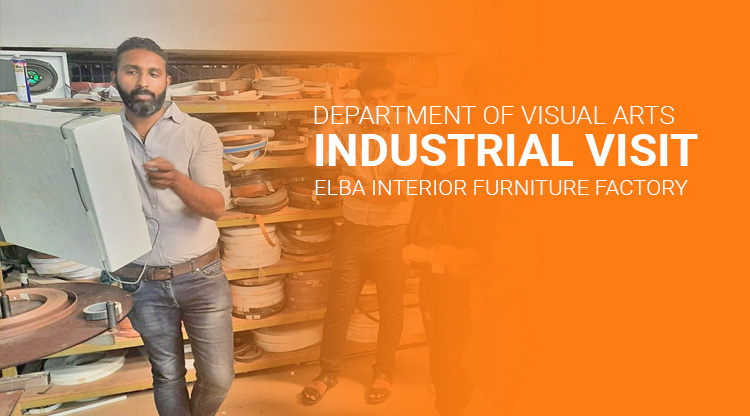
July 18, 2022
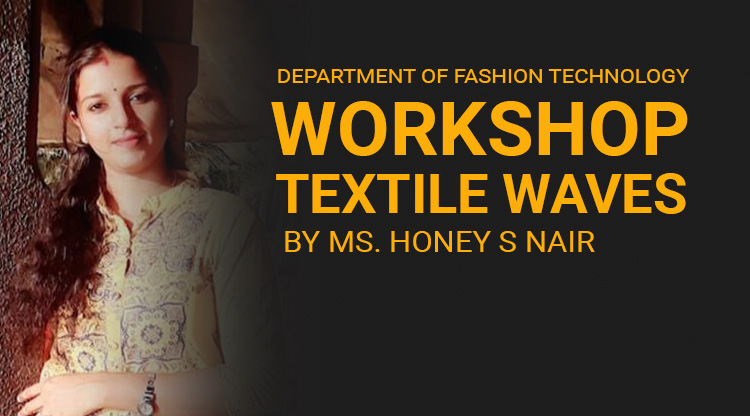
July 15, 2022

June 30, 2022
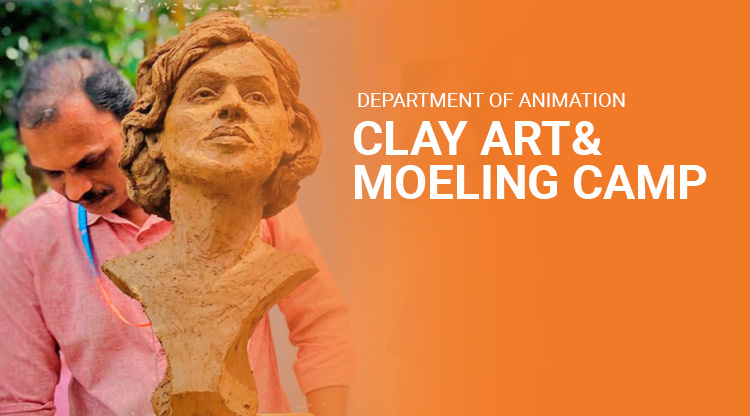
June 29, 2022
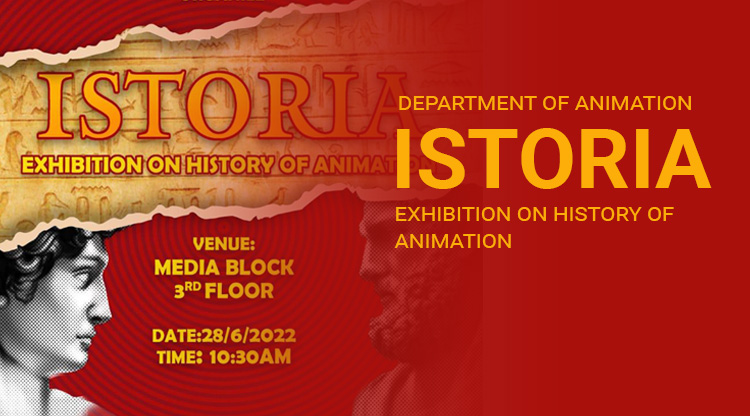
June 28, 2022
June 13, 2022

June 6, 2022
February 14, 2017