
- Email yeldocollegesmd@gmail.com
- CALL +91 98461 10506 +91 98468 77776
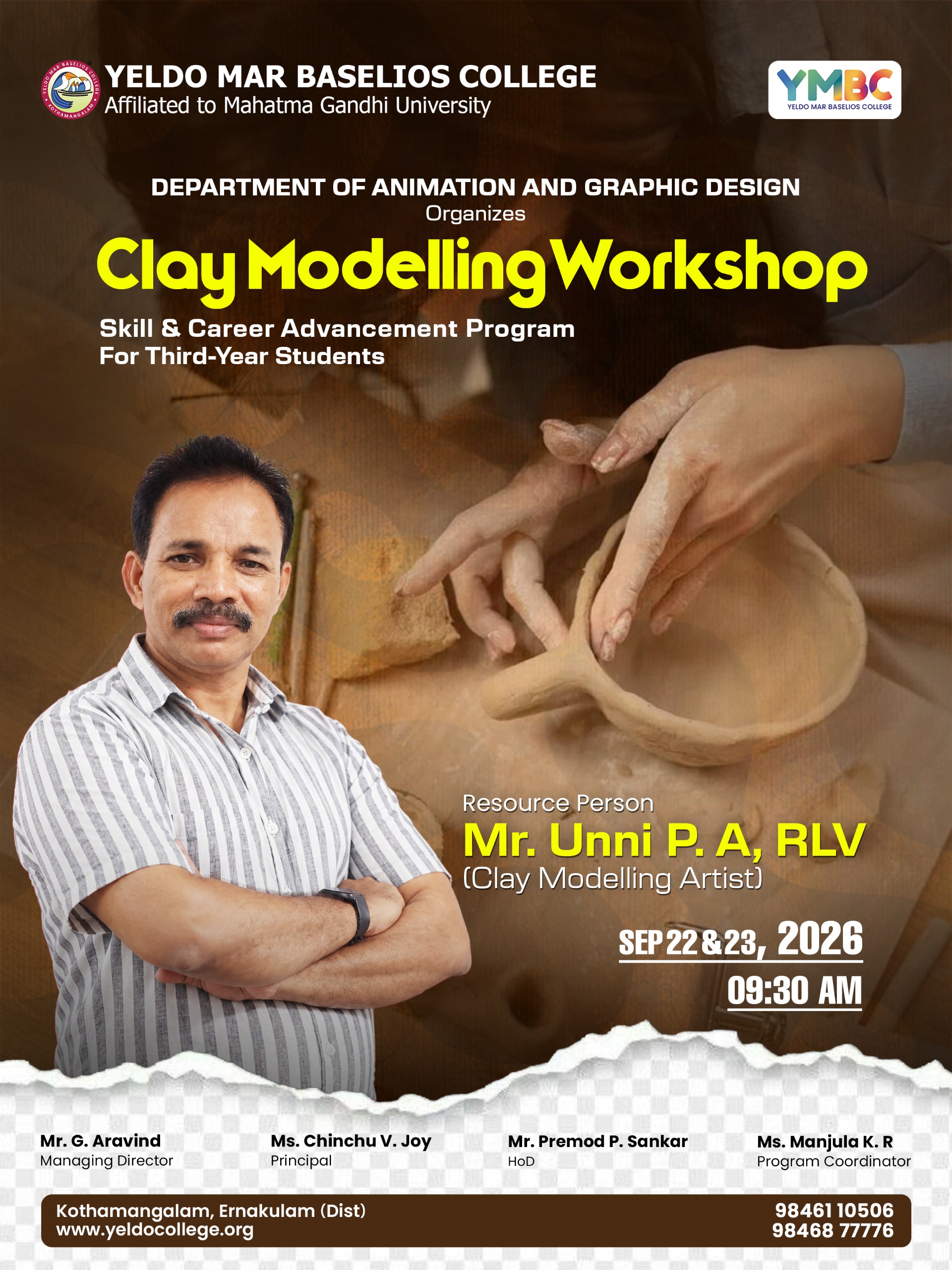
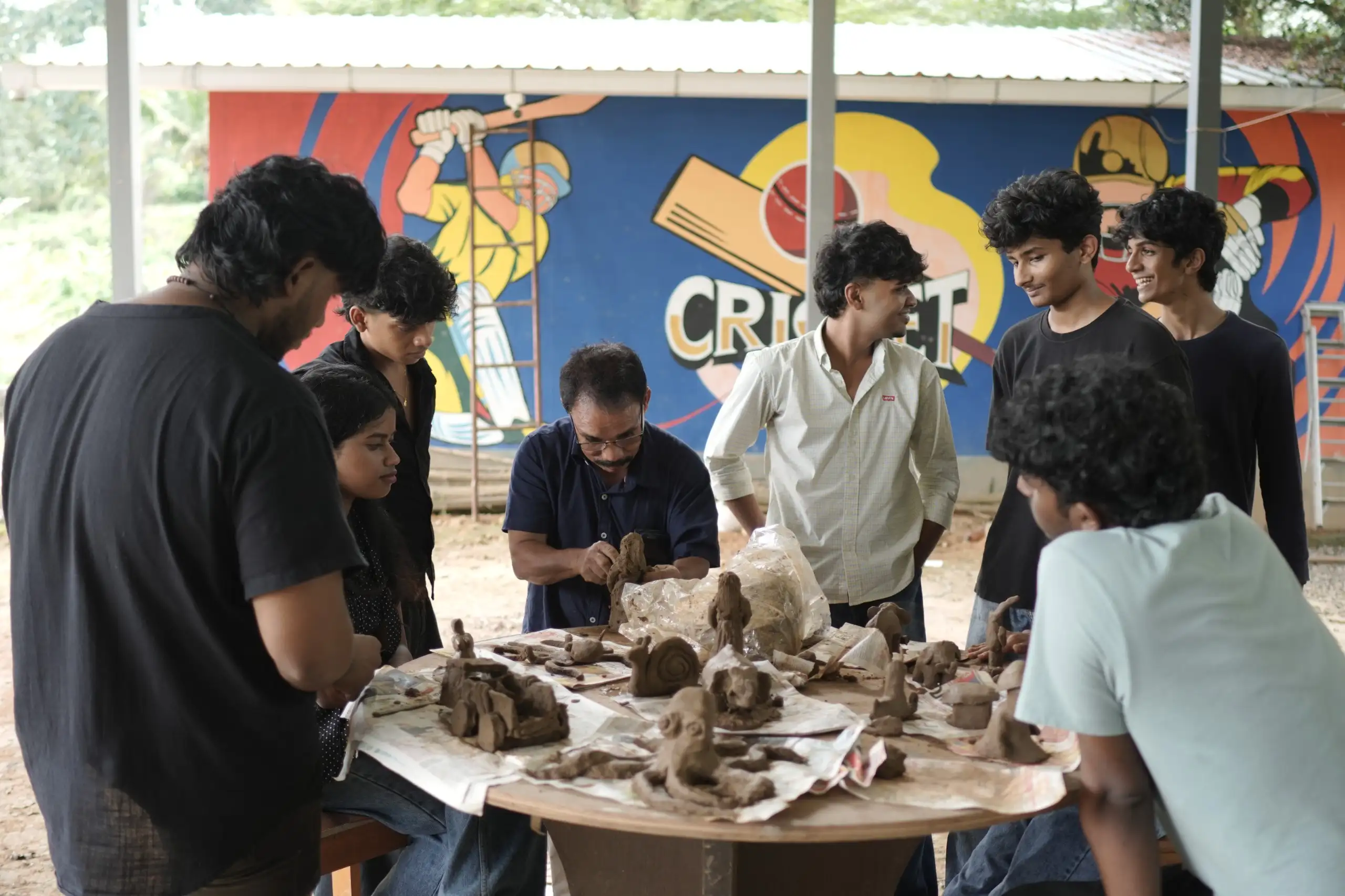
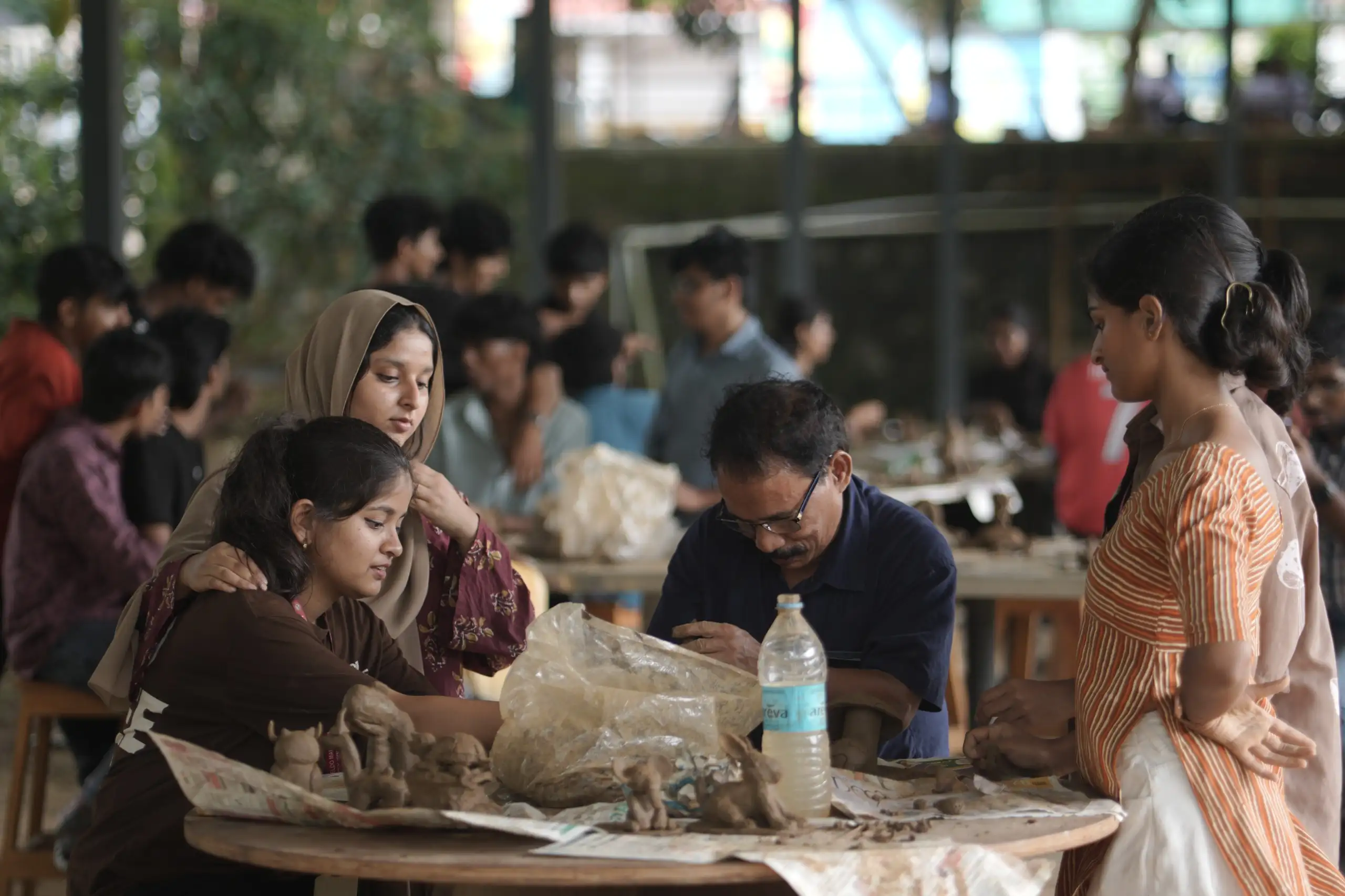
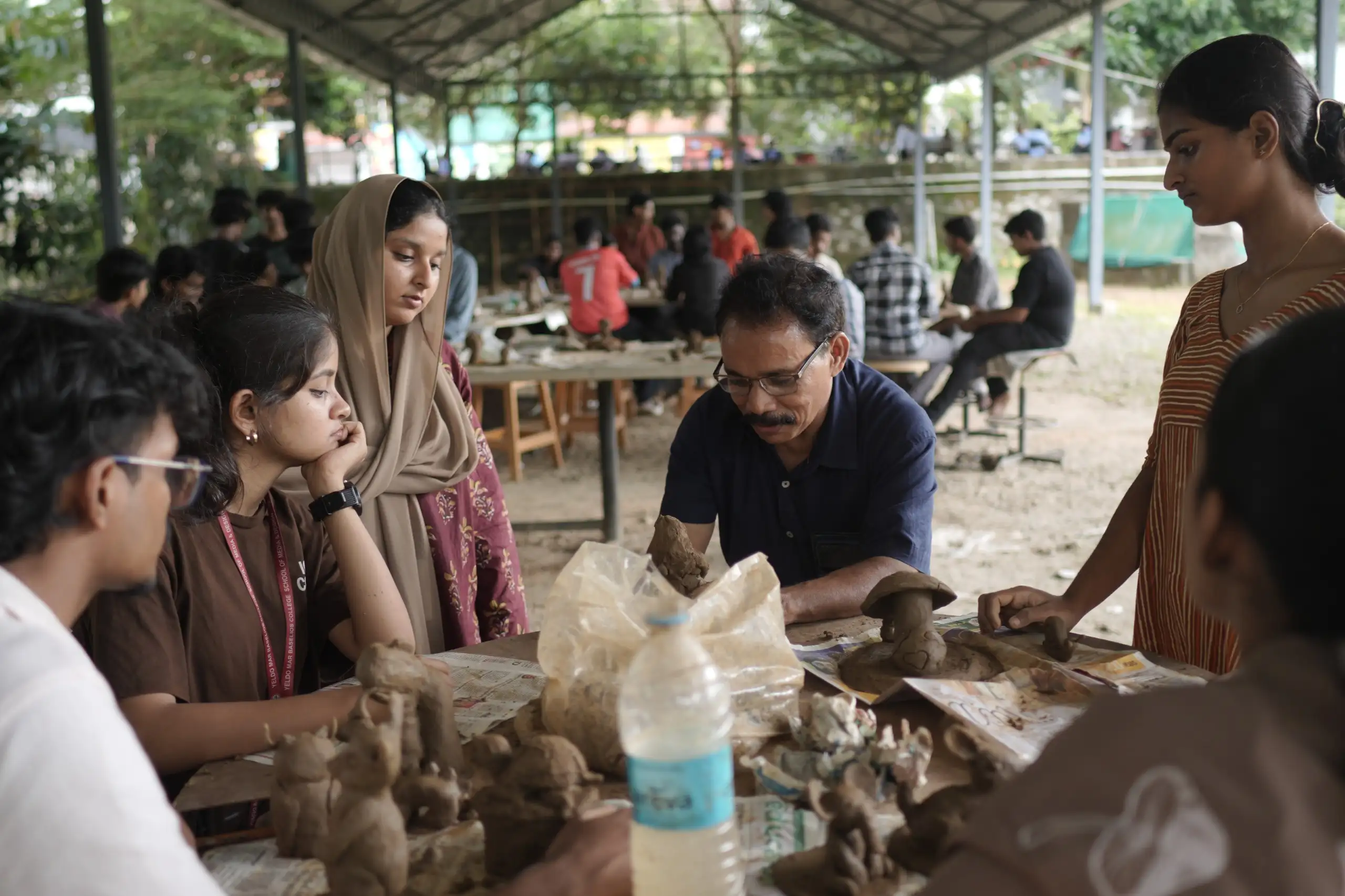
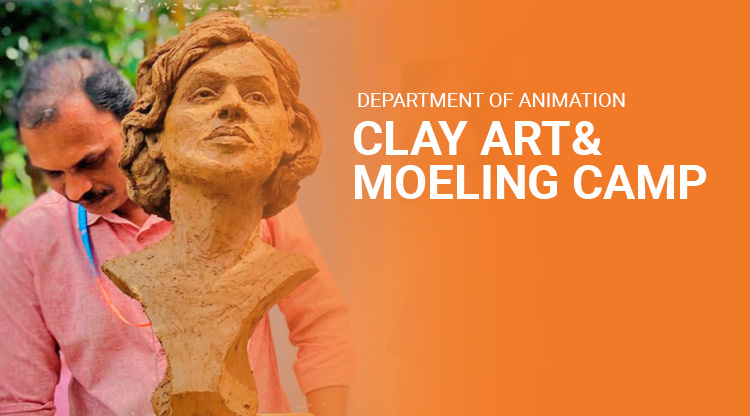
The Department of Animation and Graphic Design at Yeldo Mar Baselios College organised a Clay Modelling Workshop on 22 and 23 September 2026 as part of its Skill and Career Advancement Programme for third-year students. The two-day workshop was designed to strengthen students' understanding of three-dimensional form and help them develop practical skills that are directly relevant to animation, character design, stop-motion filmmaking, visual effects, product visualisation, and related creative industries. The workshop was led by Mr. Unni P. A., a clay modelling artist from RLV, who guided students through a series of focused, hands-on sessions. His practical demonstrations and expert guidance introduced students to the fundamental principles of sculpting while encouraging them to experiment with form, structure, movement, expression, and surface detail. The workshop created an active learning environment in which students could transform their ideas into tangible three-dimensional models. For animation students, clay modelling offers an important foundation for understanding how characters and objects exist in physical space. Before a character is animated digitally or through stop-motion techniques, designers must understand its anatomy, proportions, balance, weight, gesture, and personality. Through clay, these concepts become visible and touchable. Students are able to study a form from different angles, identify structural weaknesses, and make immediate changes to improve the design. The sessions focused on key areas such as anatomy, proportion, gesture, volume, facial structure, pose, and surface storytelling. Students learned how to simplify complex forms into basic shapes and gradually develop them into expressive figures. They explored how a slight change in posture, facial expression, or body language can communicate emotion and character. These exercises helped them recognise that character design is not limited to appearance; it also depends on attitude, movement, silhouette, and visual storytelling. Particular attention was given to the relationship between structure and movement. An effective animated character must be designed with action and performance in mind. Students were encouraged to consider how the model would bend, turn, react, and occupy space. This understanding is essential for creating characters that are not only visually appealing but also suitable for animation. In stop-motion production, physical models are sculpted and carefully moved frame by frame, making balance, flexibility, and construction especially important. The workshop also helped students understand the importance of surface treatment and texture. Small details such as folds, marks, facial planes, costume elements, and material differences can contribute significantly to a character's identity. By working directly with clay, students gained a deeper appreciation of how surface qualities influence light, mood, realism, and visual appeal. The practical nature of the programme encouraged students to move from conceptual thinking to physical making. They developed preliminary ideas, studied references, built forms, refined proportions, and created modelled outcomes through a process of continuous observation and correction. This strengthened their patience, concentration, hand skills, spatial awareness, and problem-solving abilities. The skills gained through the workshop have wide applications across the animation and visual communication industries. Clay modelling can support the development of character maquettes, concept models, stop-motion puppets, pre-visualisation assets, story-development references, and product prototypes. Professional model makers and character artists often work across sculpting, mould-making, casting, finishing, painting, and collaboration with animation and production teams. For the students of the Department of Animation and Graphic Design, the workshop served as a bridge between traditional art practice and contemporary digital production. A physical model can function as a reference for 3D modelling, digital sculpting, rigging, texturing, lighting, and visual effects. It can also help artists communicate an idea to directors, designers, animators, and clients before the final production stage begins. The programme further contributed to the students' portfolio development. A well-executed clay model demonstrates observation, craftsmanship, creativity, form development, and visual problem-solving. Documenting the process through photographs, sketches, and final model studies can add depth and originality to a student portfolio while showcasing the ability to work across different media. The Clay Modelling Workshop was therefore more than a short-term training session. It was an opportunity for students to discover how ideas evolve through practice and how physical making can strengthen digital creativity. It encouraged them to explore new possibilities, work with greater confidence, and understand the value of patience and precision in the creative process. By the end of the programme, students had gained practical exposure to sculpting fundamentals, improved their understanding of character construction, and developed outcomes that could contribute to their academic projects and professional portfolios. The workshop reaffirmed the department's commitment to industry-oriented education and skill development. So at YMBC, the journey from imagination to animation begins with the courage to shape an idea. Through clay modelling, the students learned to give form to their concepts, personality to their characters, and direction to their creative futures.
.webp)
September 25 to September 26, 2026

September 25, 2026

September 25, 2026

September 24, 2026
September 24 to September 27, 2026

September 23, 2026
September 22 to September 23, 2026
September 22, 2026
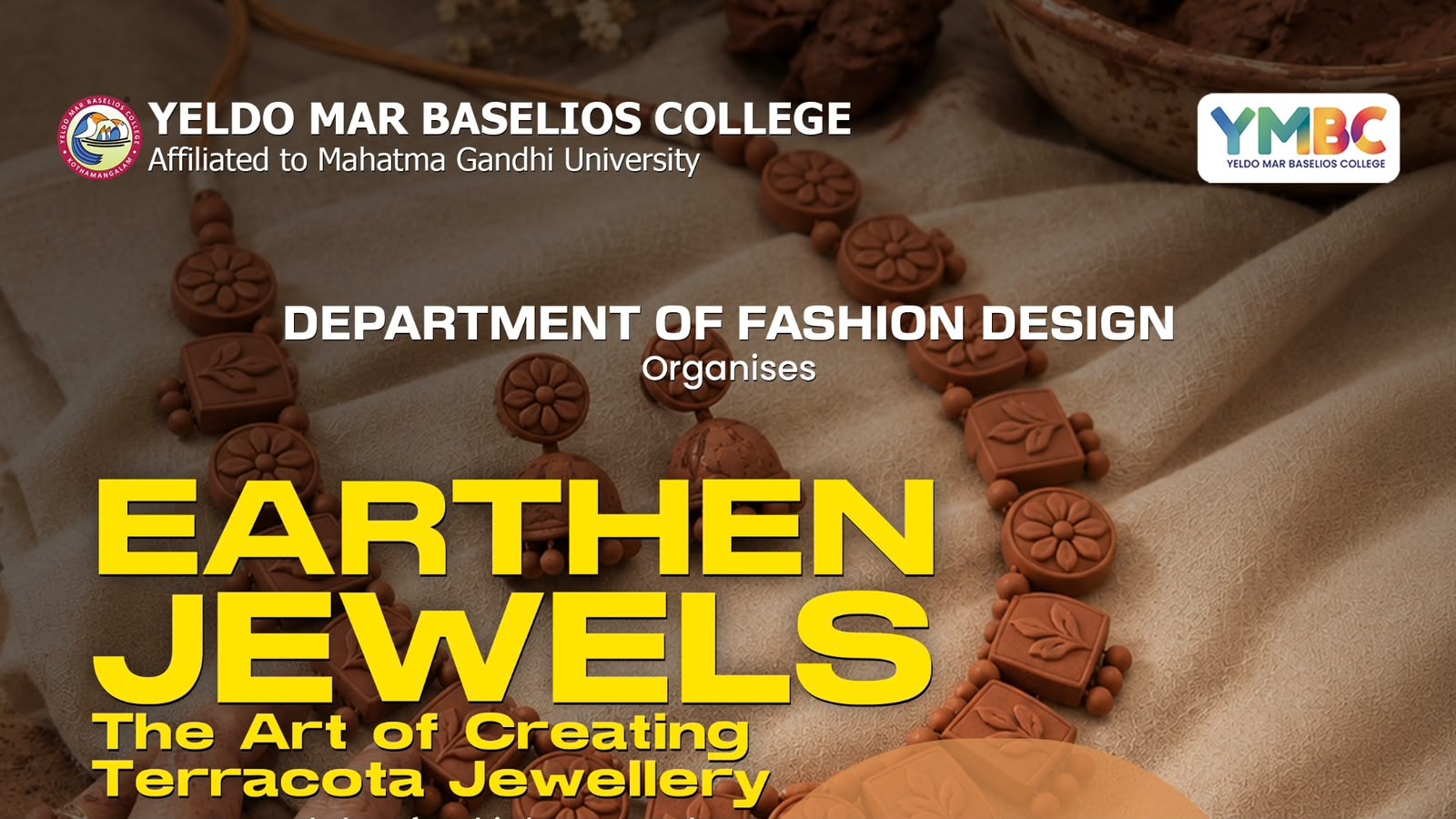
September 17 to September 18, 2026

September 15, 2026
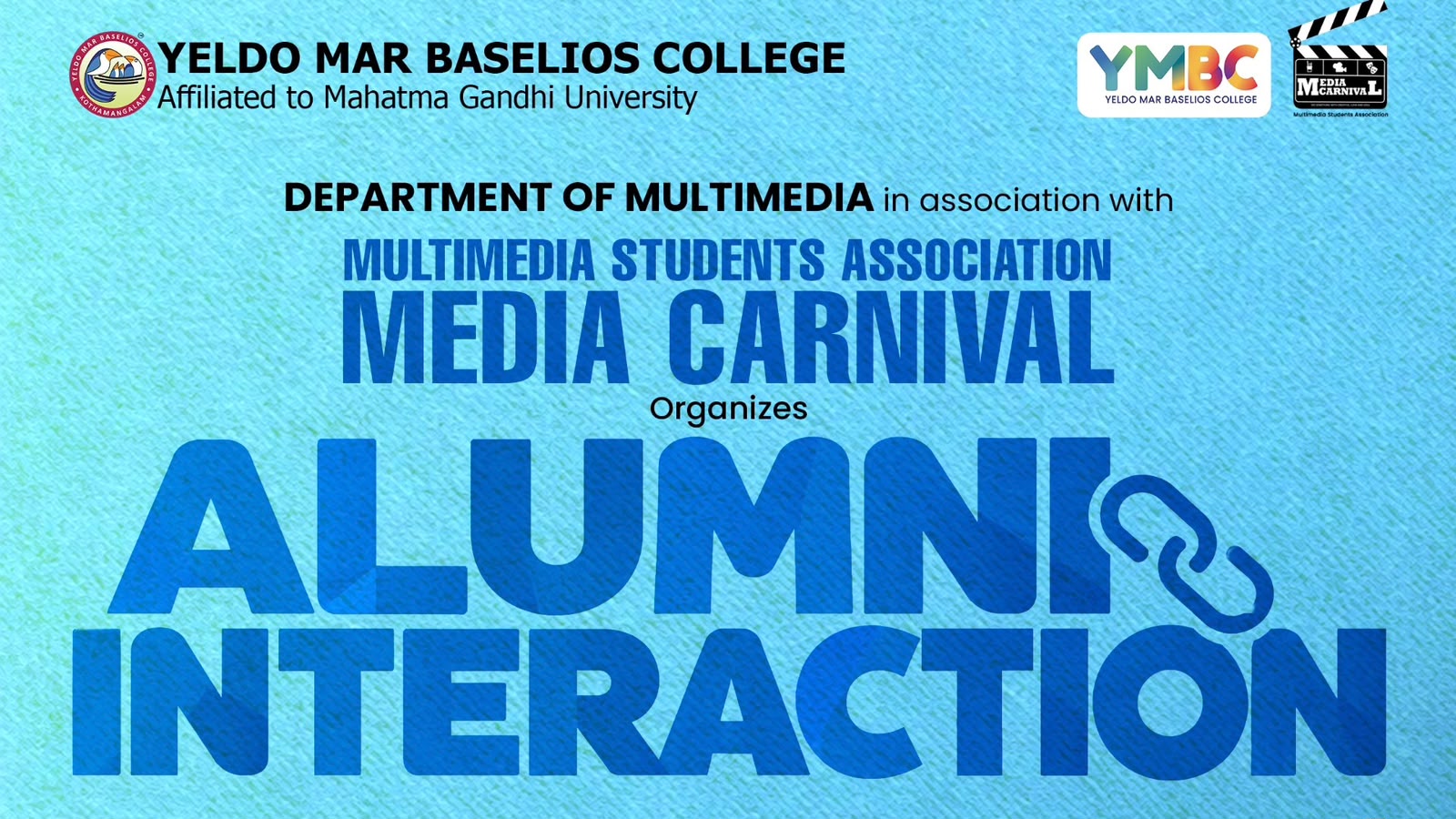
September 15, 2026
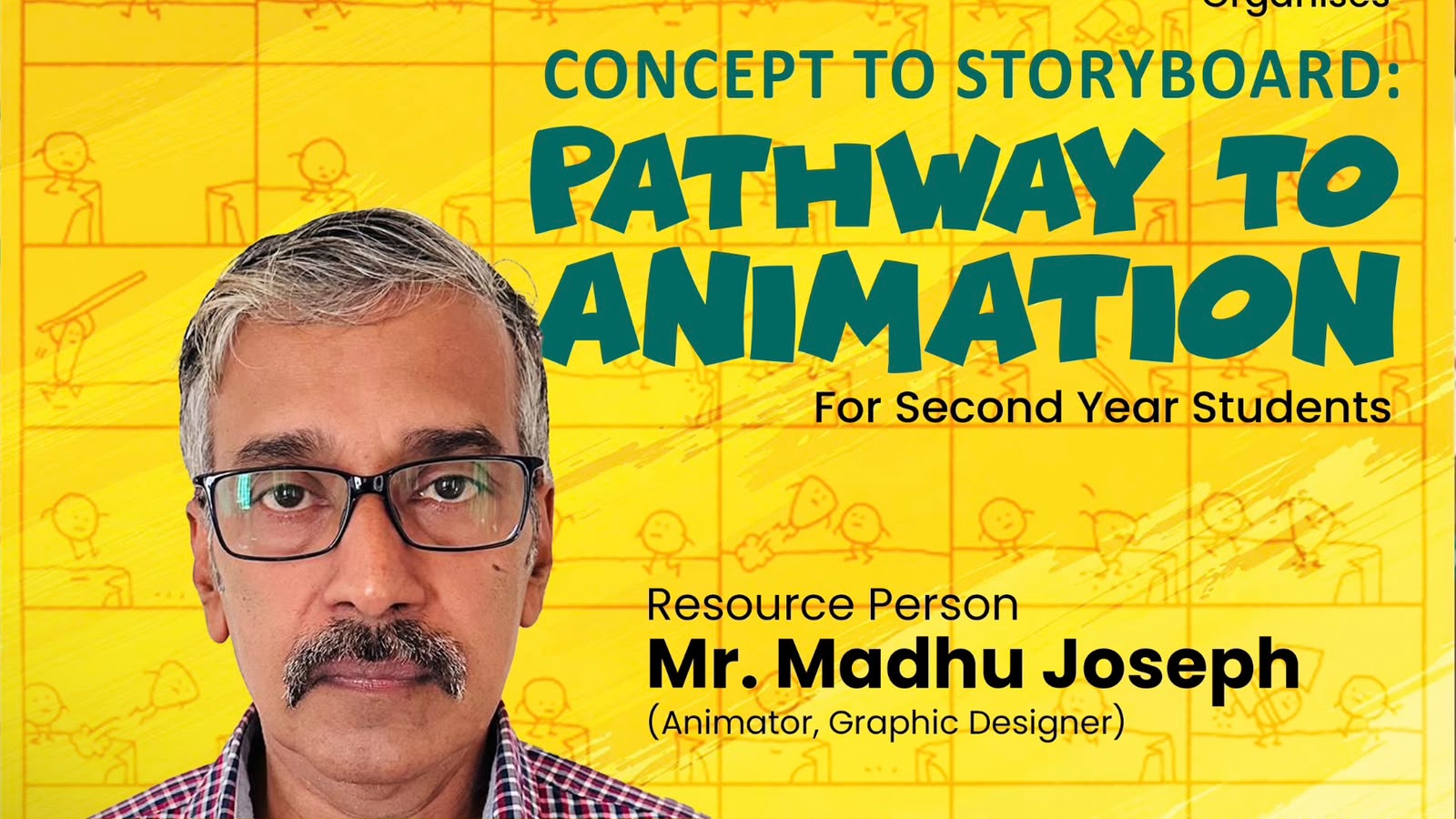
September 15, 2026
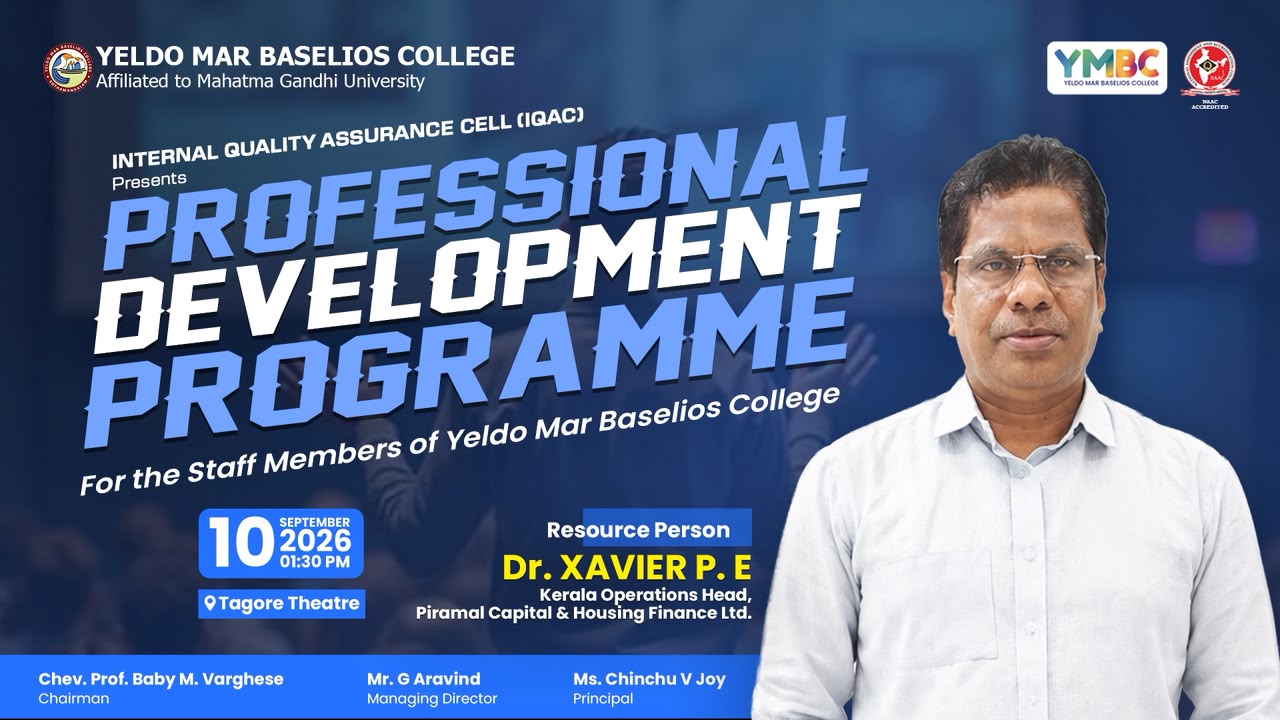
September 10, 2026
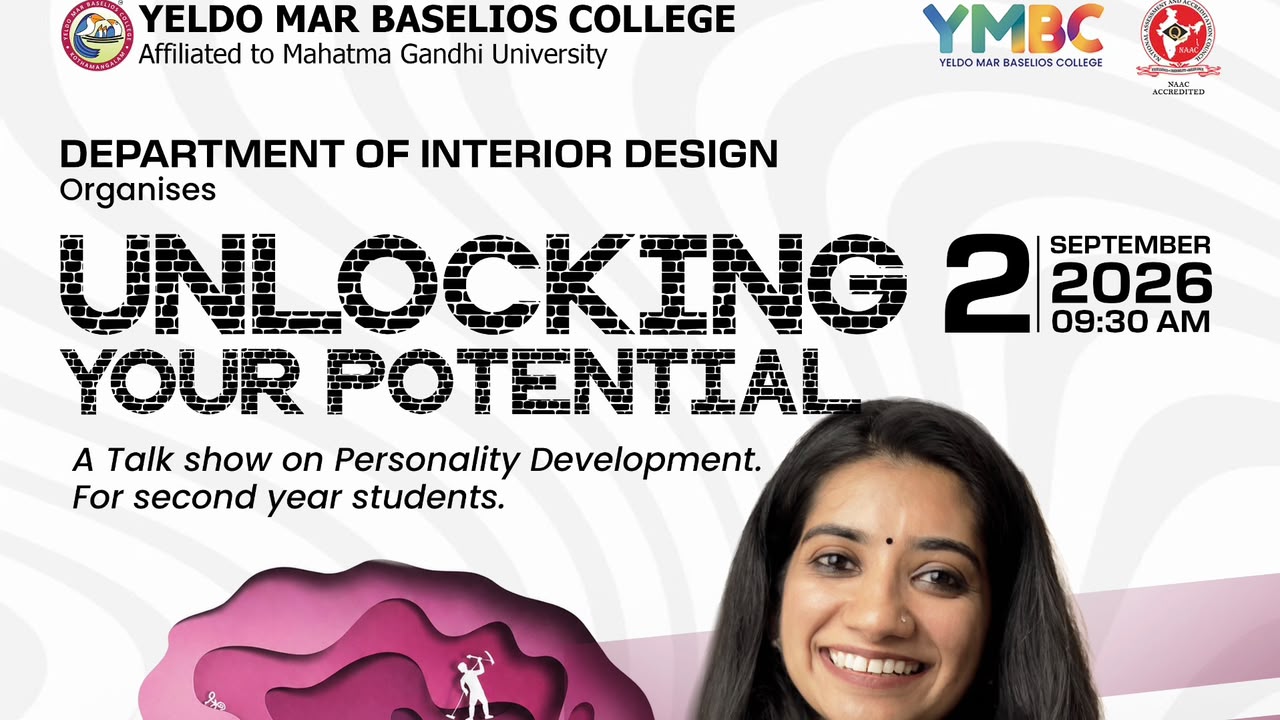
September 2, 2026
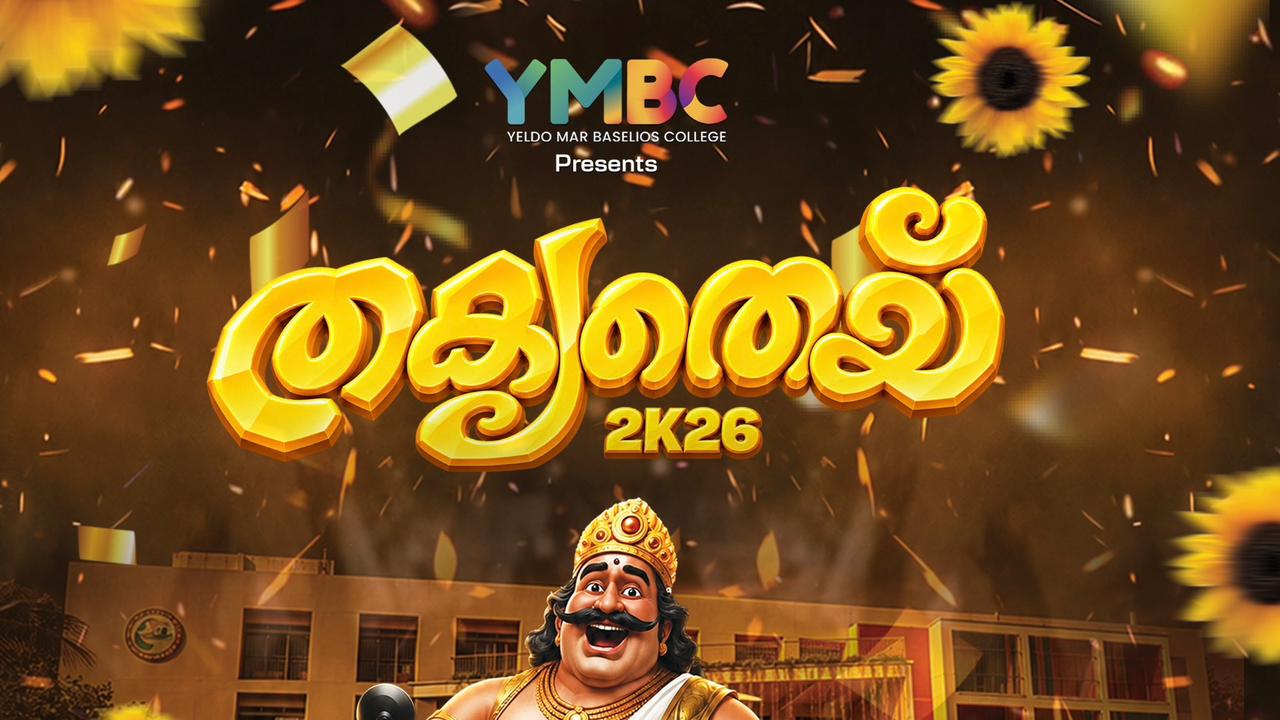
August 20, 2026
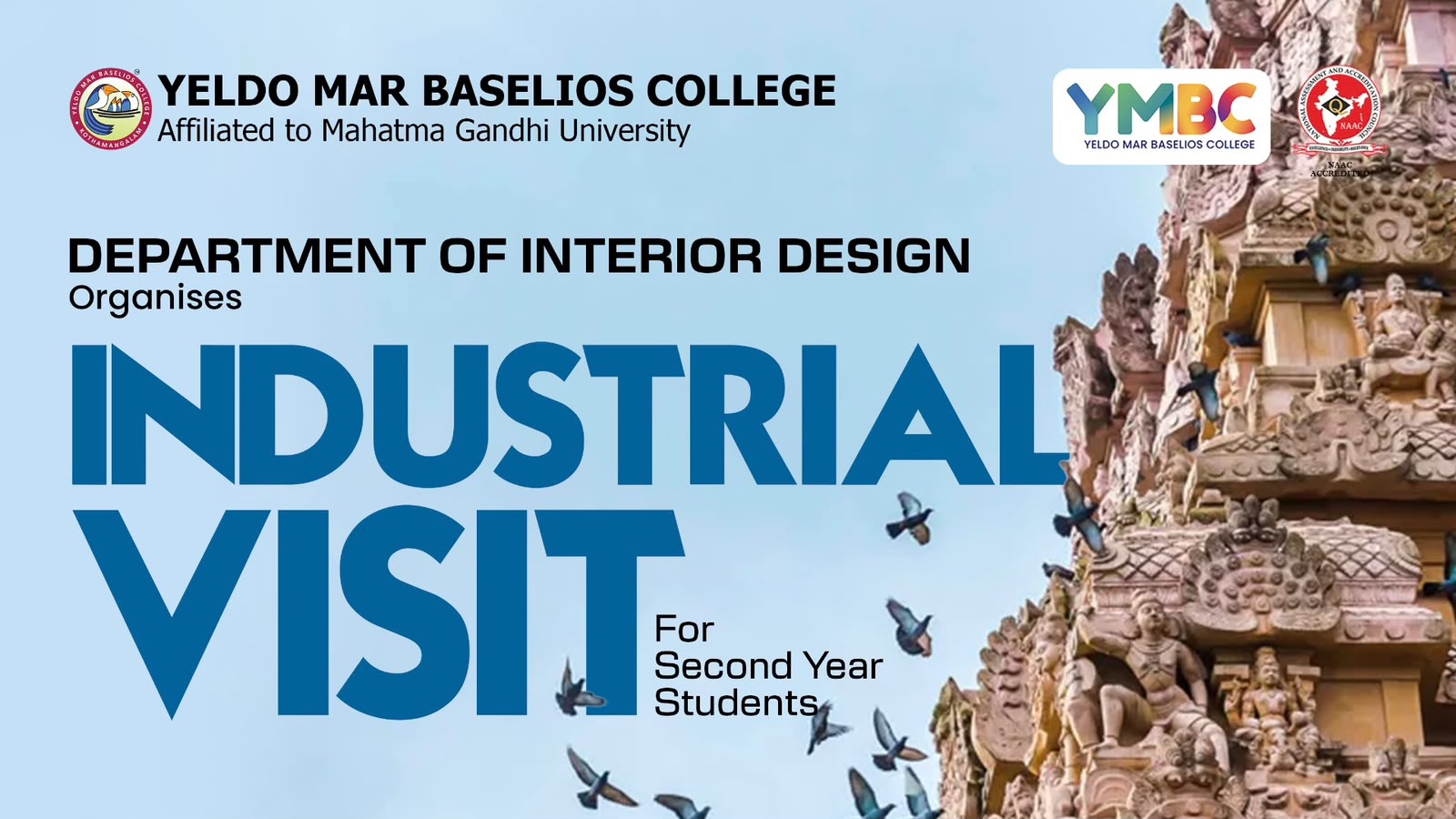
August 13 to August 15, 2026
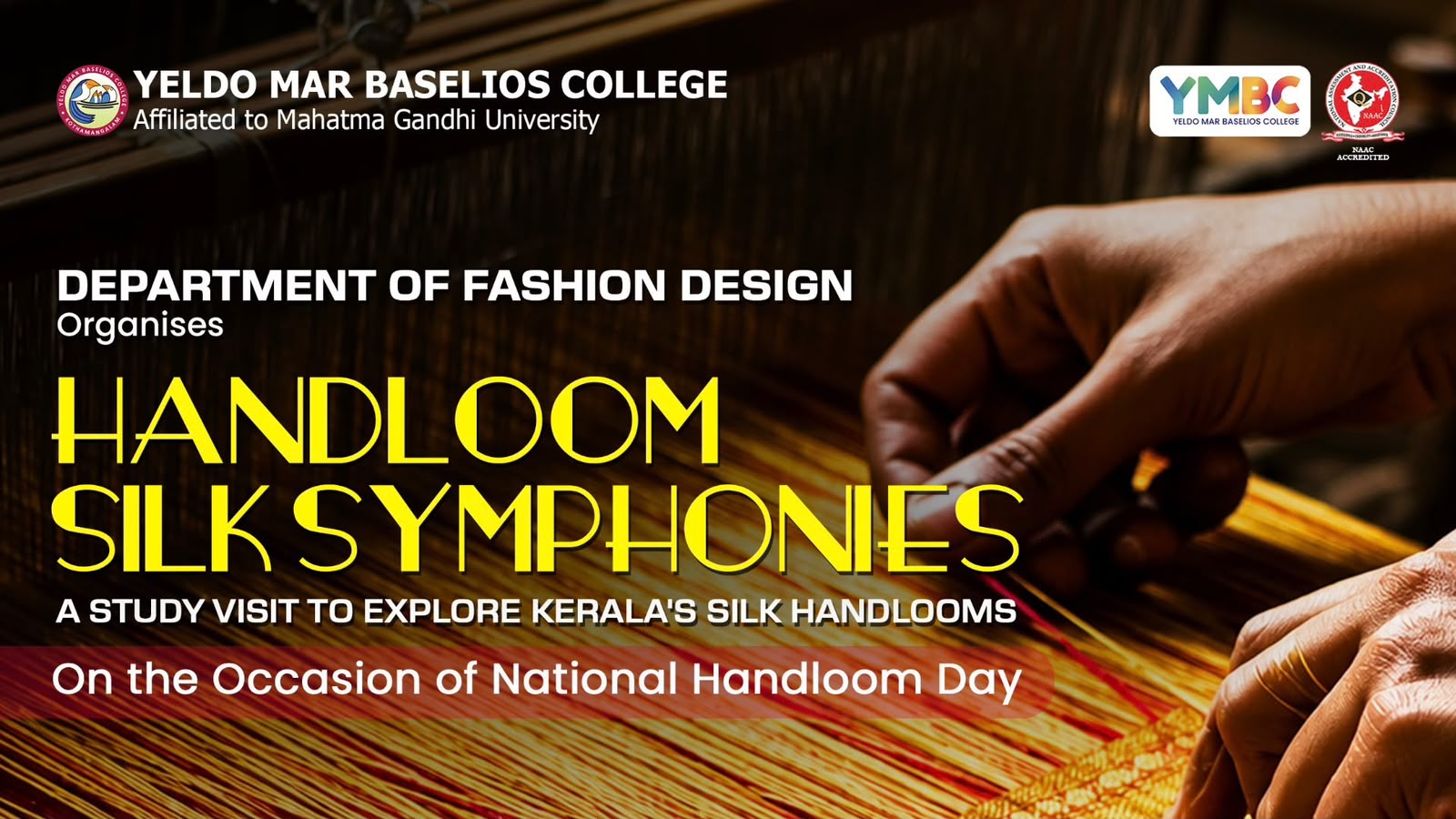
August 11, 2026
July 31 to August 1, 2026
July 29, 2026
July 29, 2026
July 29, 2026
July 24, 2026
July 21, 2026
July 21, 2026
July 21, 2026
July 21, 2026
July 16 to July 17, 2026
July 8, 2026
July 6, 2026
June 30, 2026
June 22, 2026
June 19, 2026
June 19, 2026
June 15, 2026
June 12, 2026
June 5, 2026
June 5, 2026
April 18, 2026
March 30 to April 1, 2026
March 30, 2026
March 26, 2026
March 16 to March 17, 2026
March 13, 2026
March 10, 2026
March 9, 2026
March 6, 2026
March 5, 2026
March 4, 2026
February 27, 2026
February 27, 2026
February 26 to February 27, 2026
February 24 to February 25, 2026

February 23, 2026
February 18, 2026

February 16 to February 18, 2026
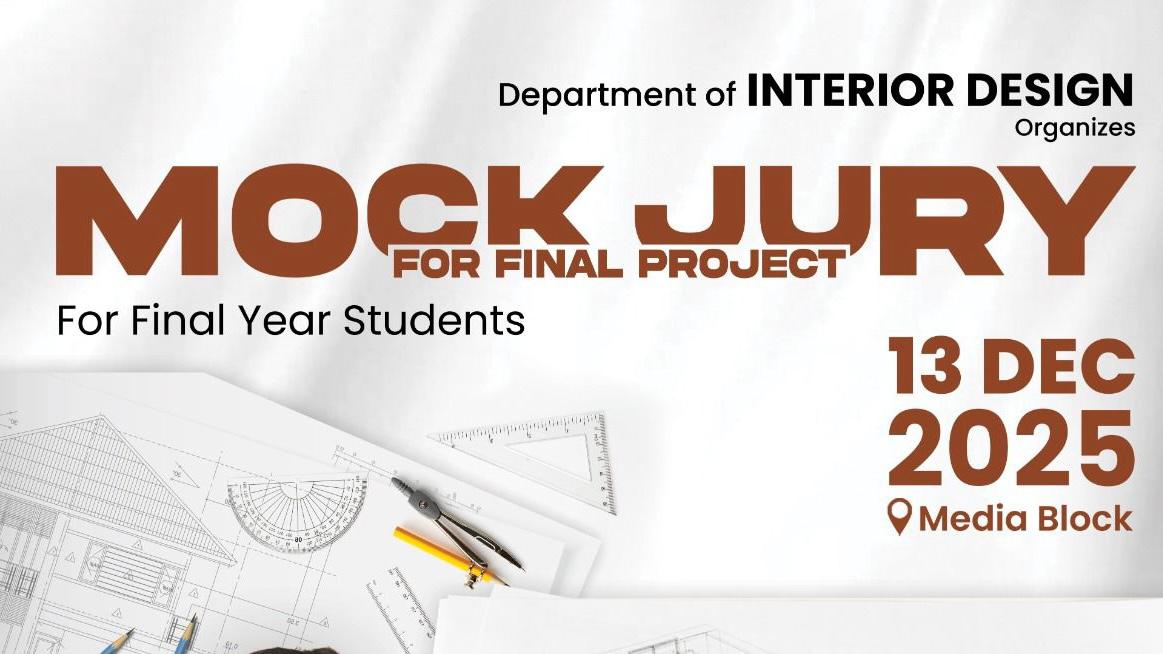
February 13, 2026
February 10, 2026

February 9, 2026
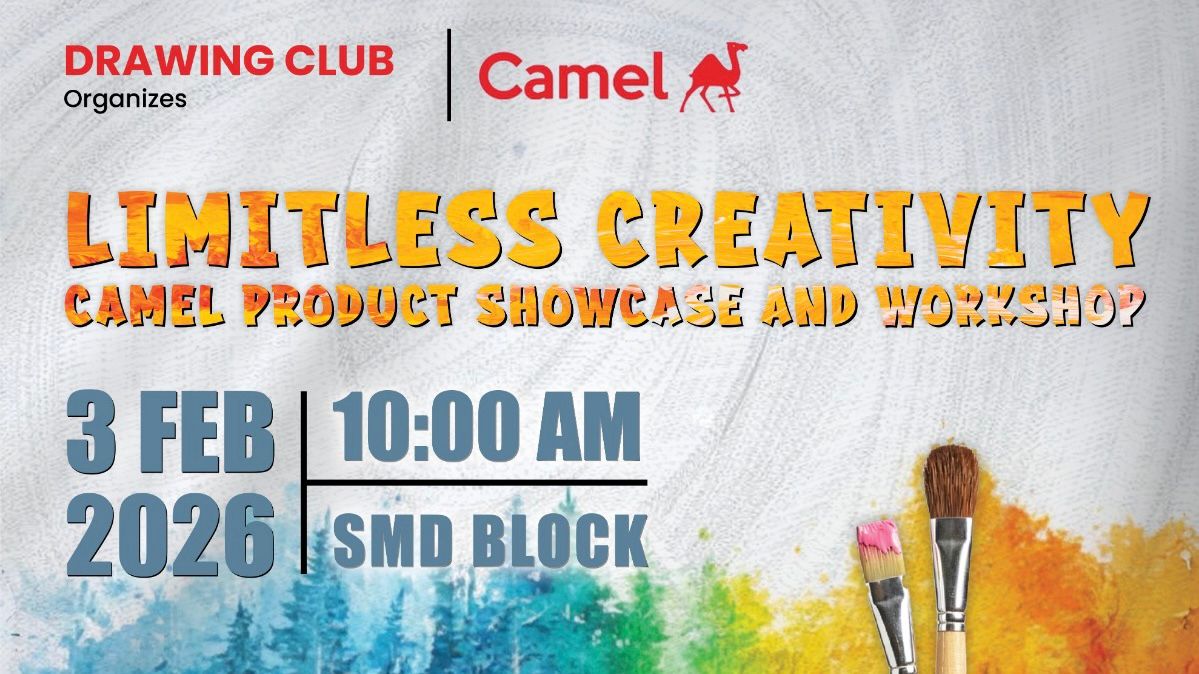
February 3, 2026

January 28, 2026
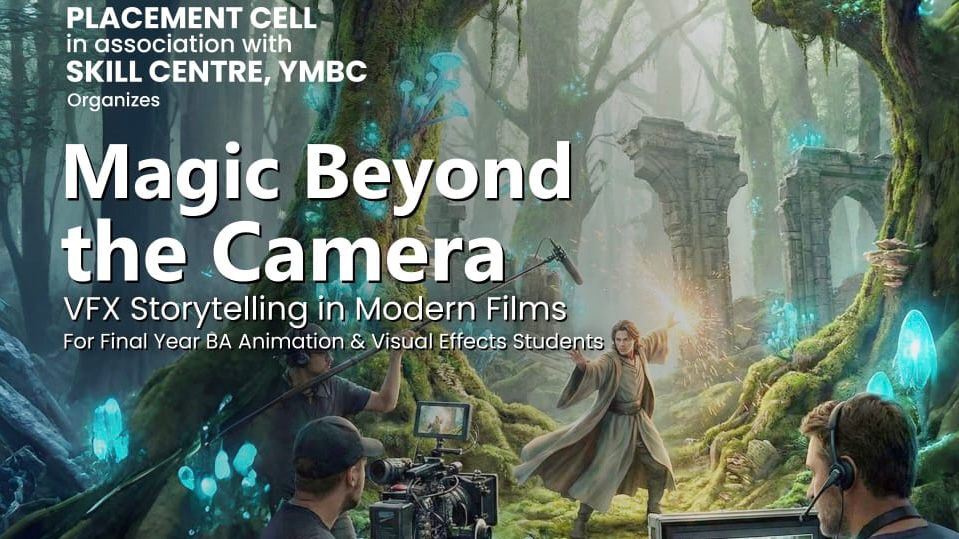
January 28, 2026

January 28, 2026

January 23, 2026
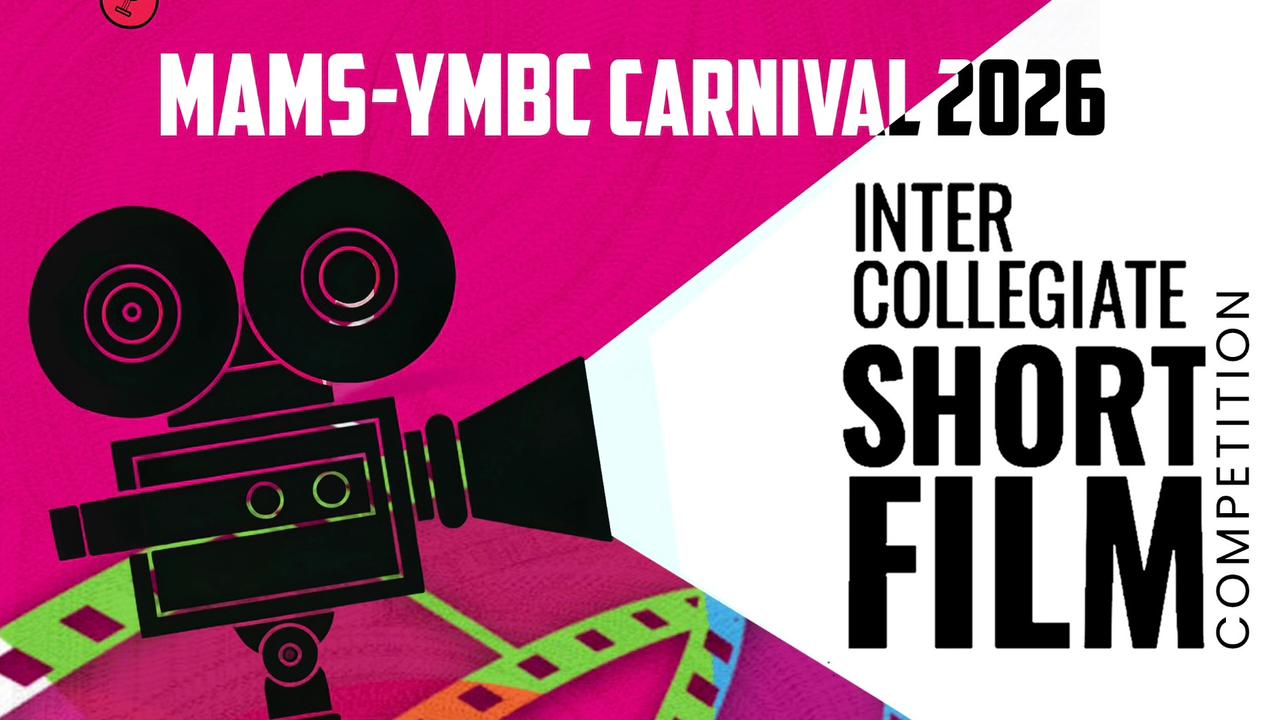
January 23, 2026
January 22 to January 23, 2026
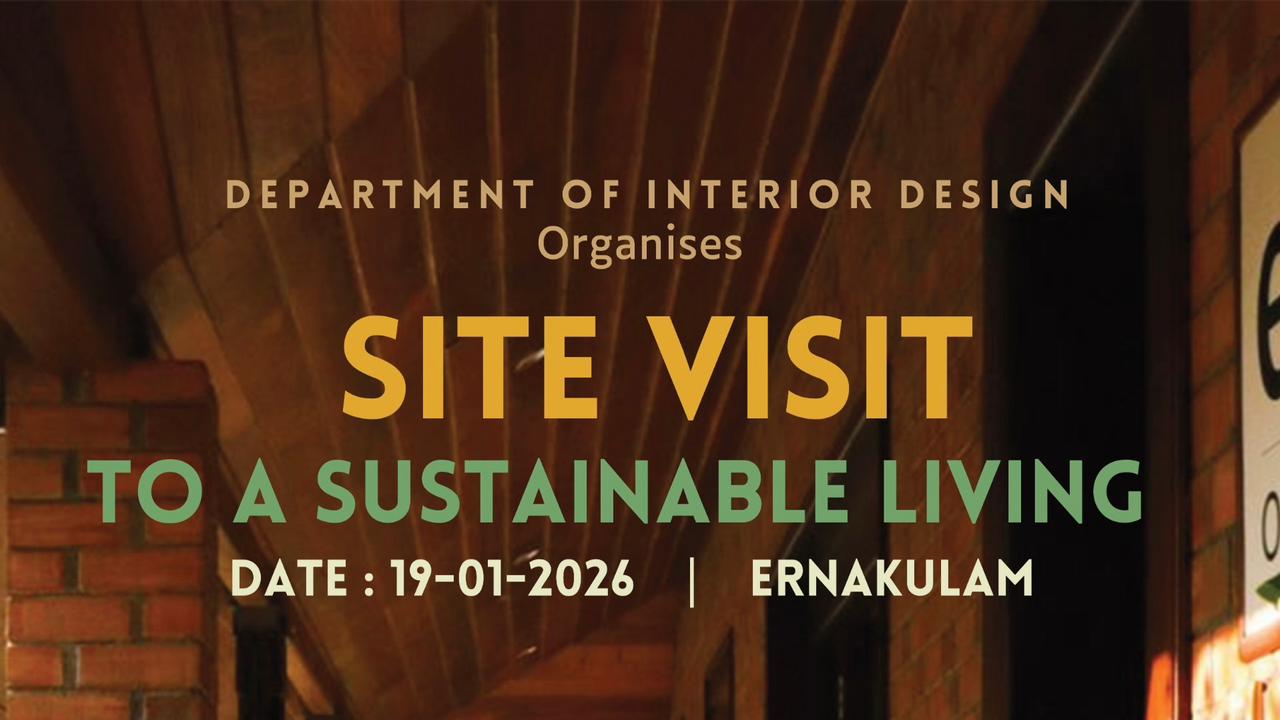
January 19, 2026
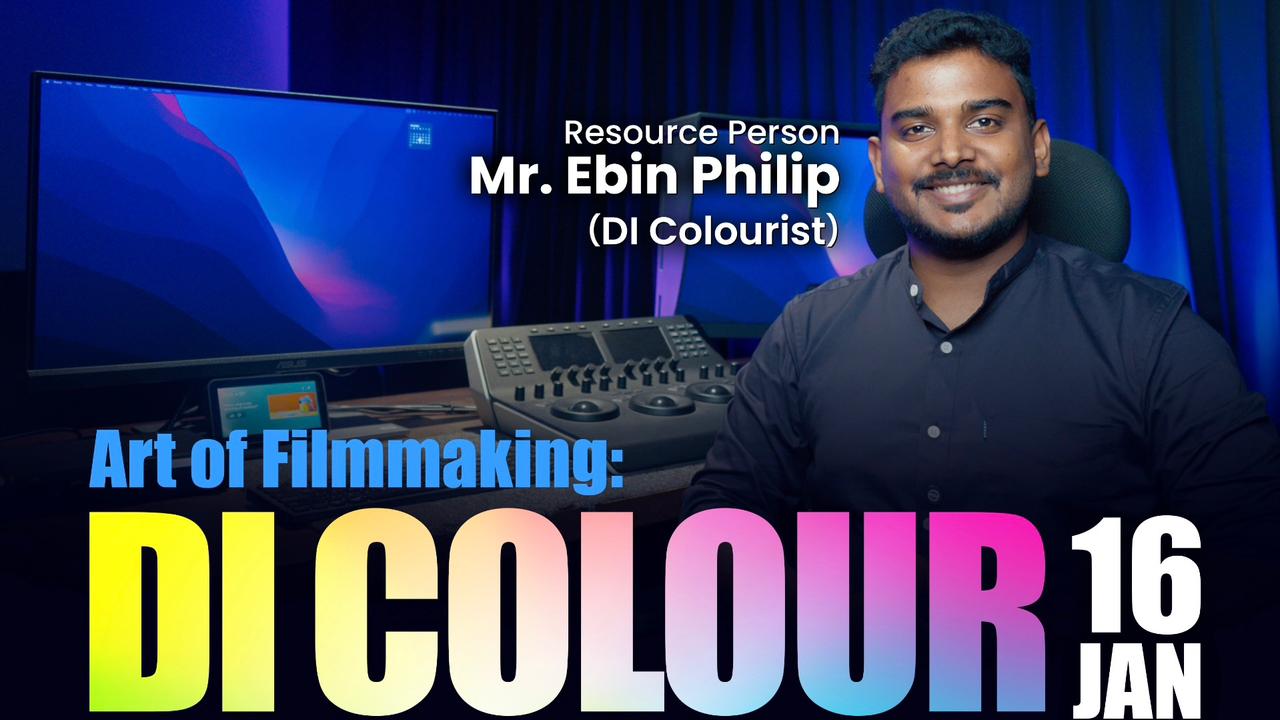
January 16, 2026
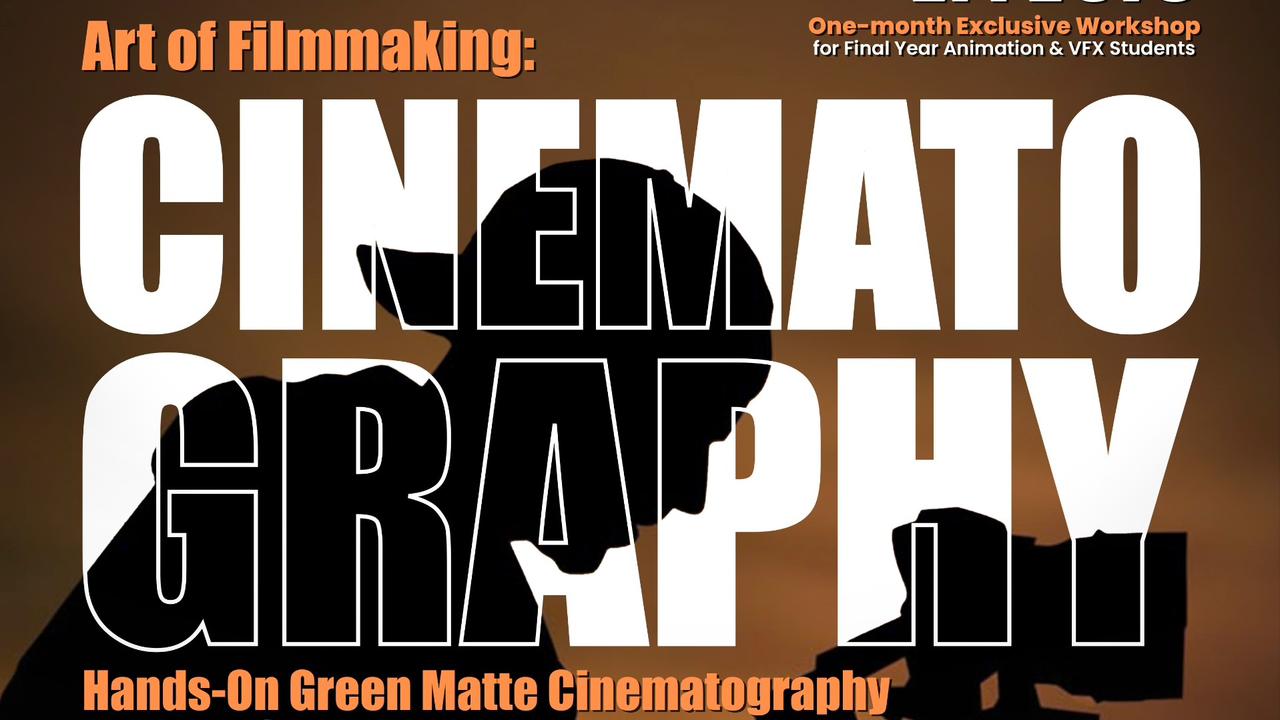
January 15, 2026
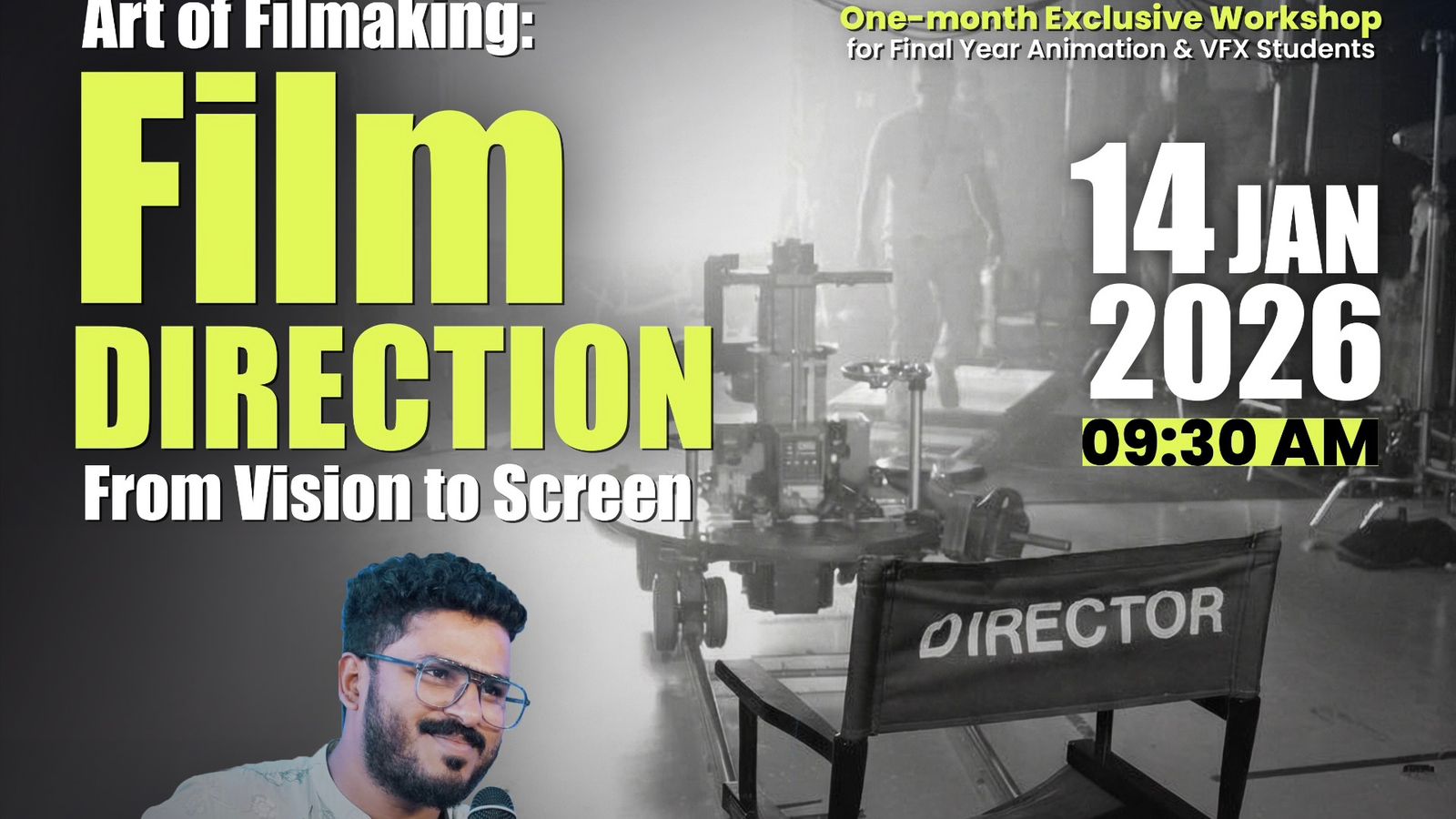
January 14, 2026
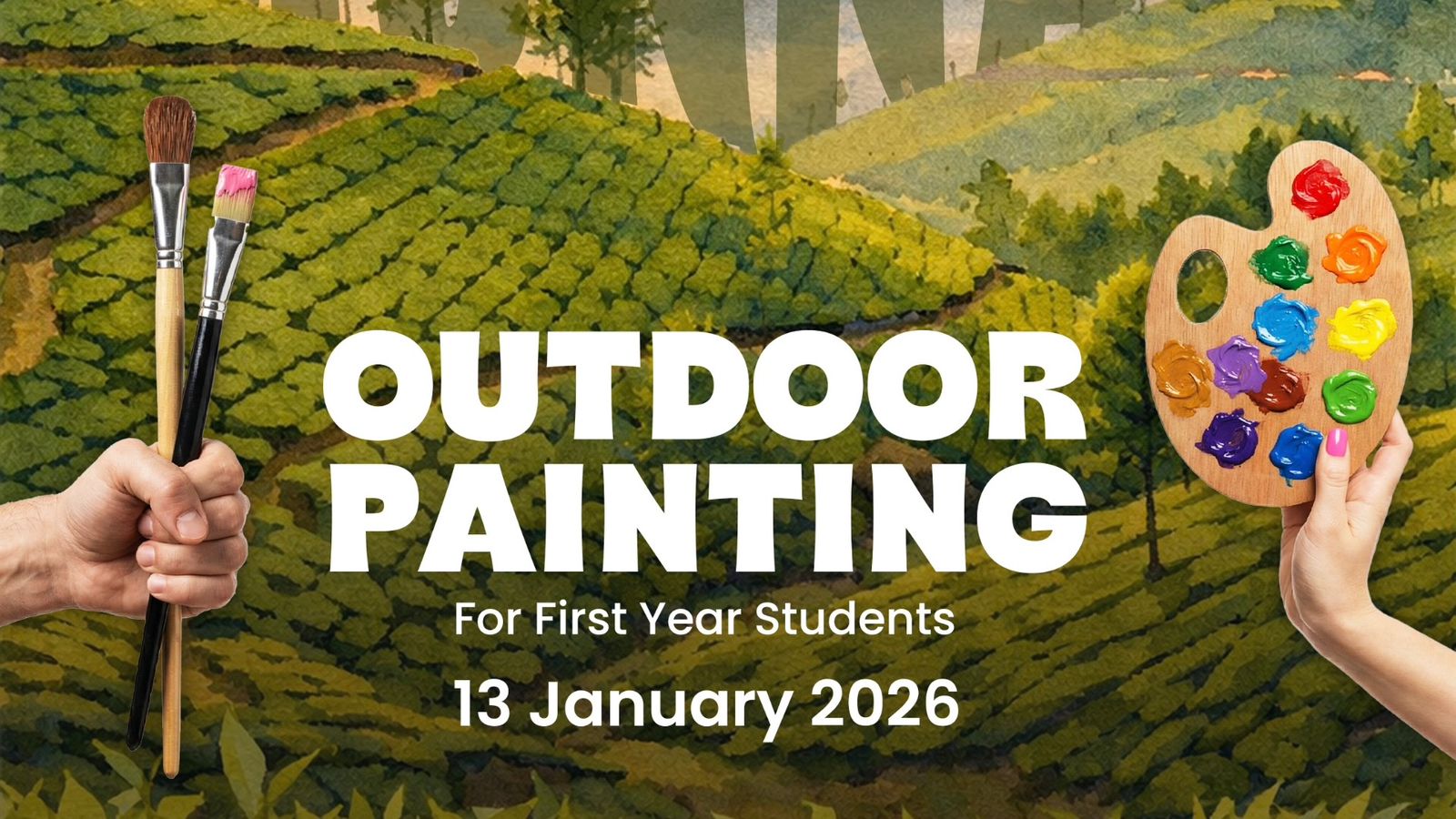
January 13, 2026
January 12, 2026
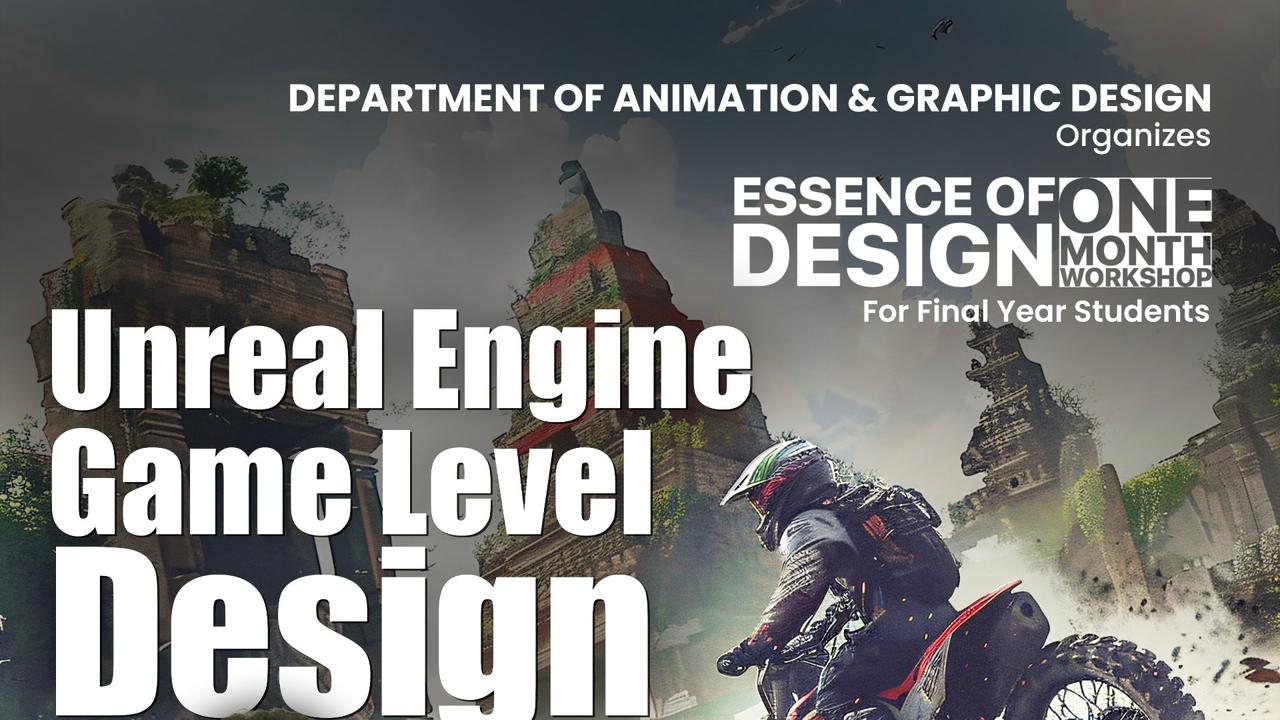
January 12 to January 31, 2026
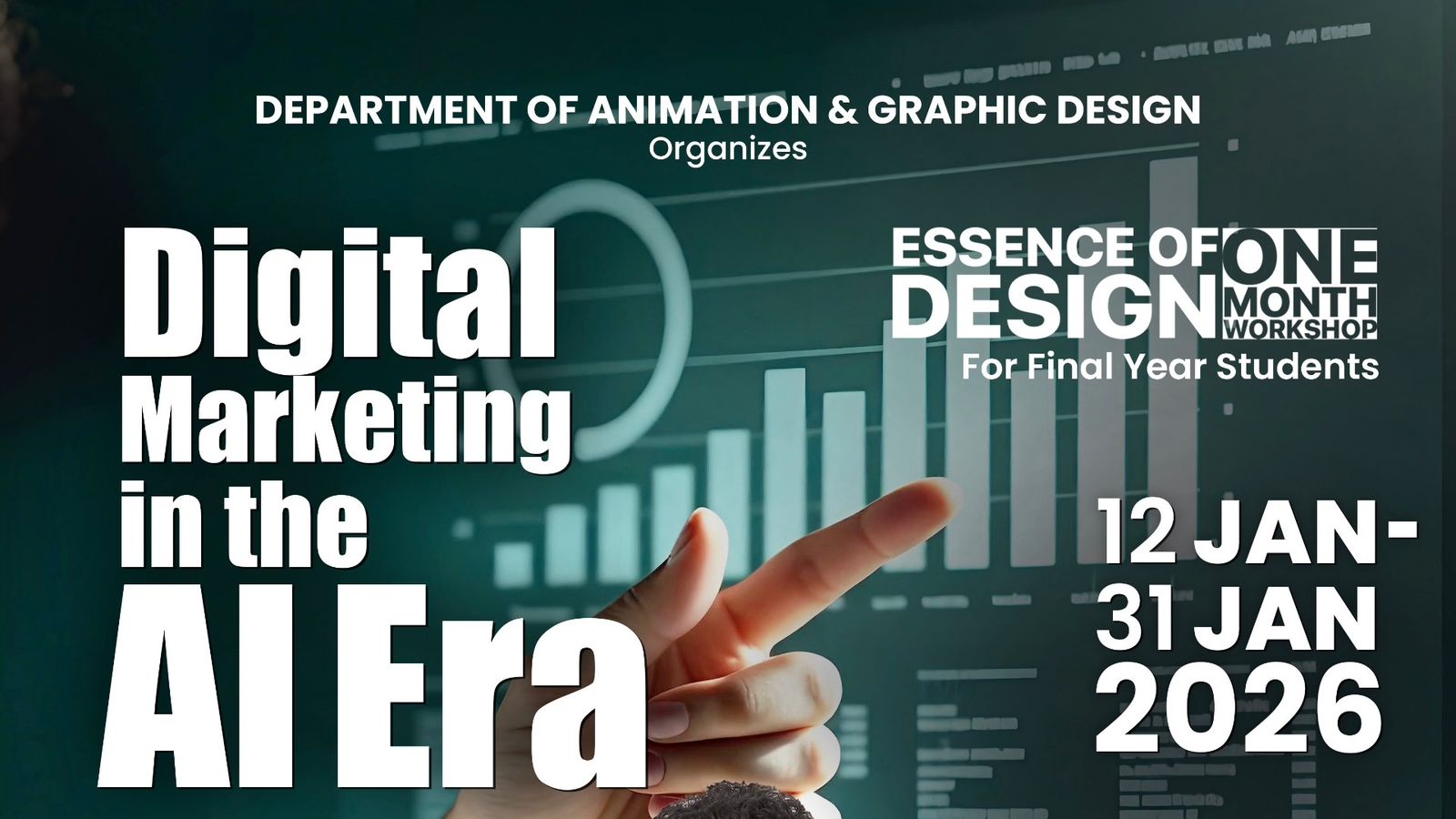
January 12 to January 31, 2026
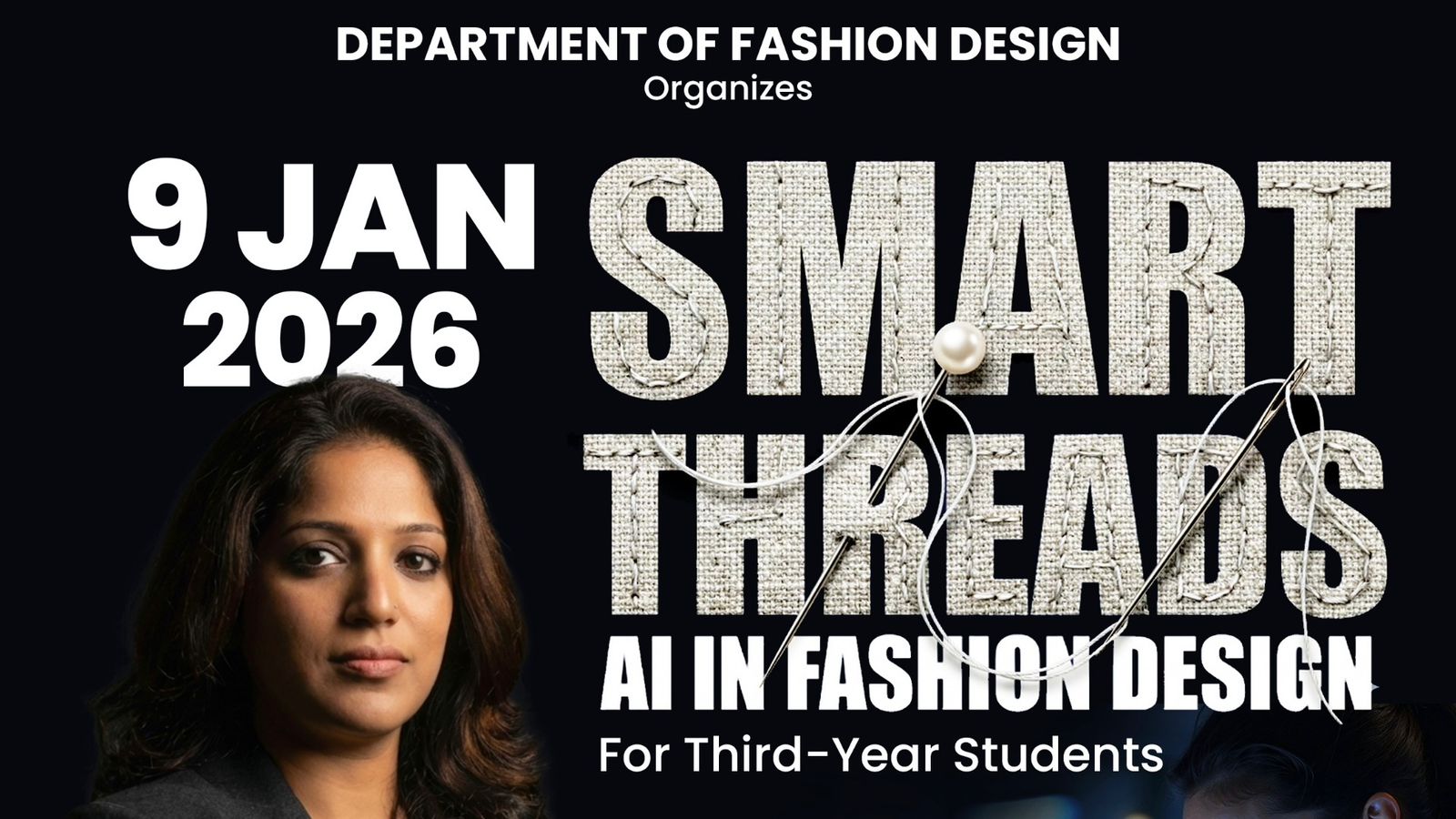
January 9, 2026

January 8 to January 9, 2026
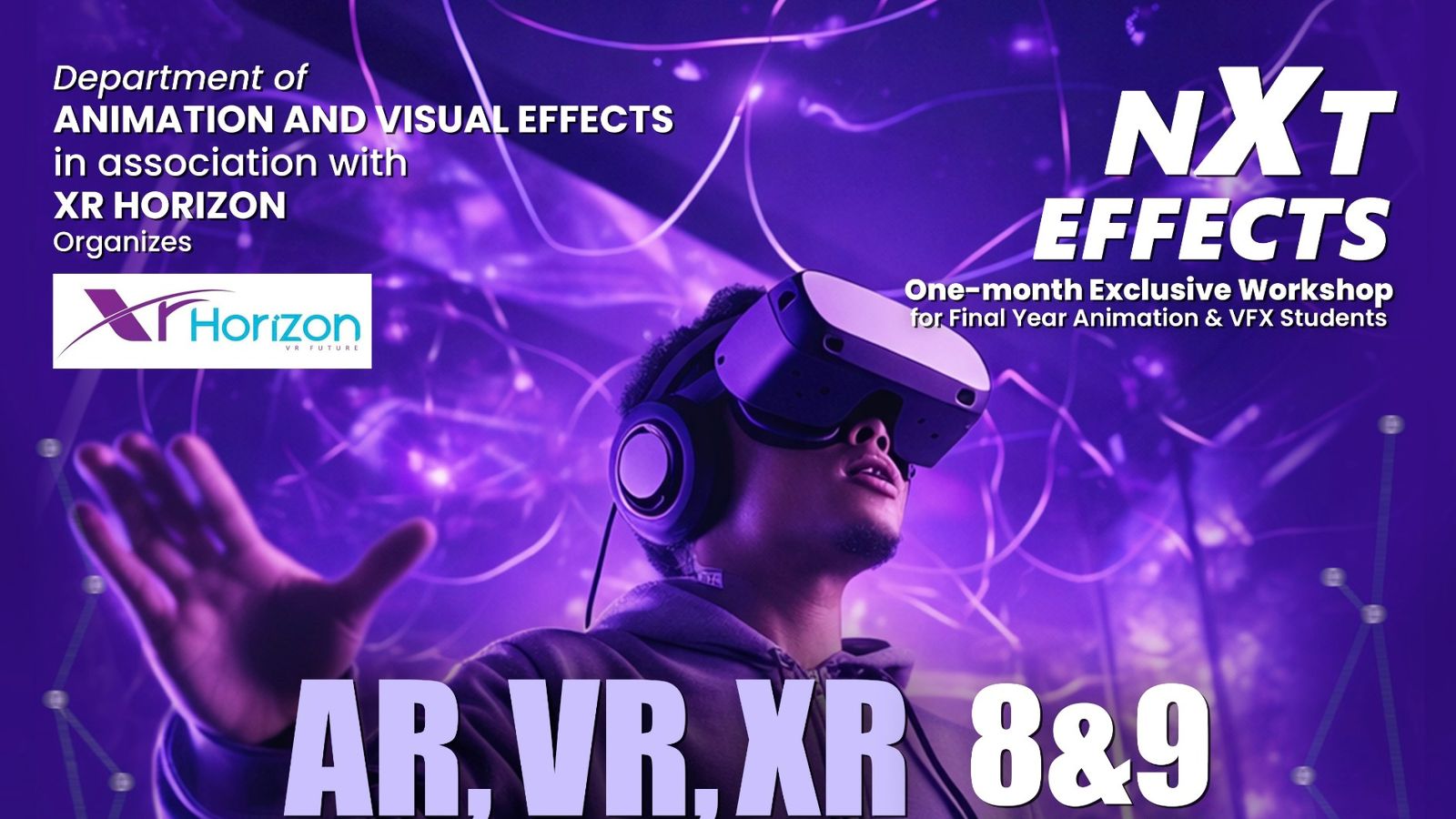
January 8 to January 9, 2026
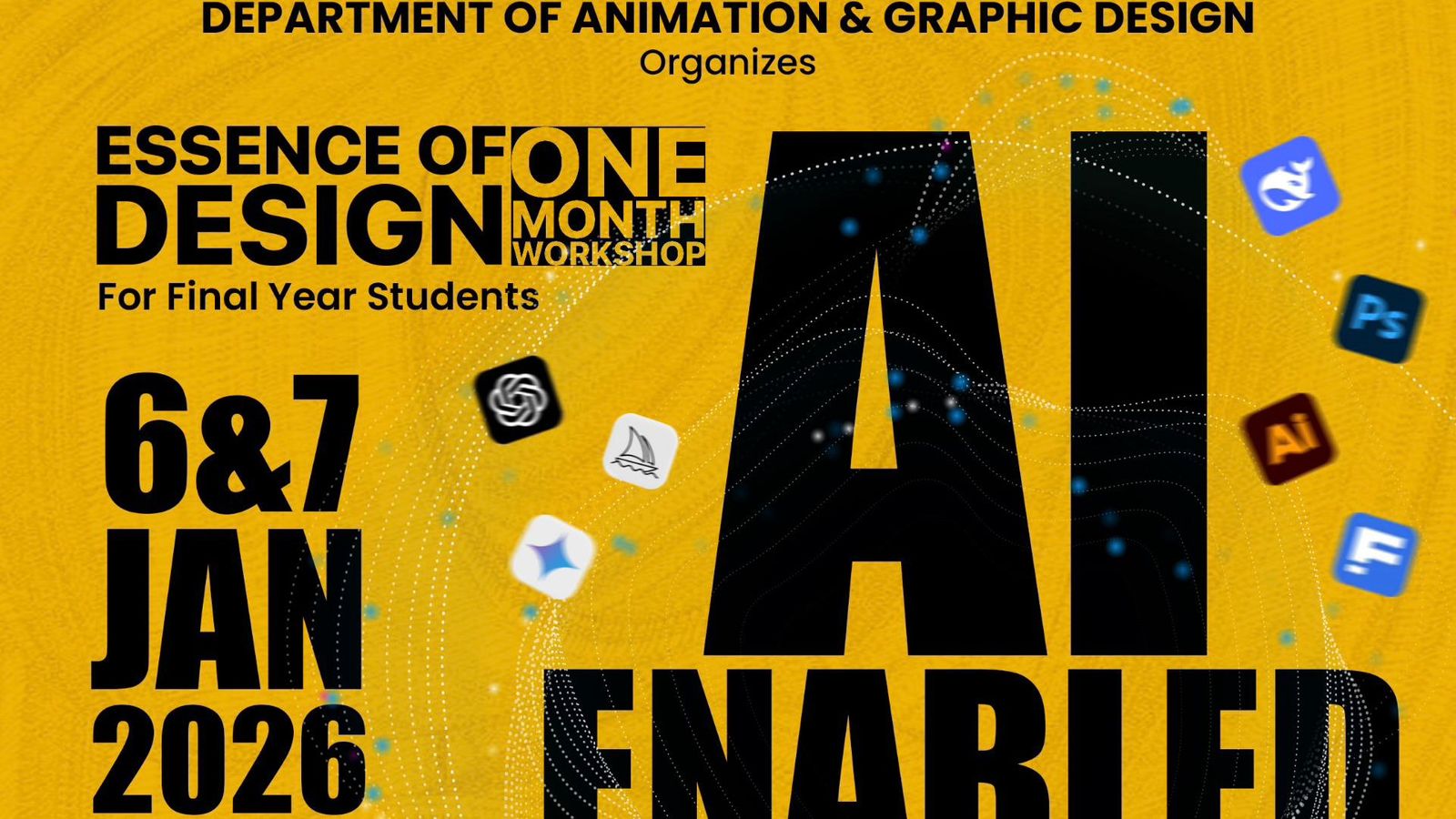
January 6 to January 7, 2026
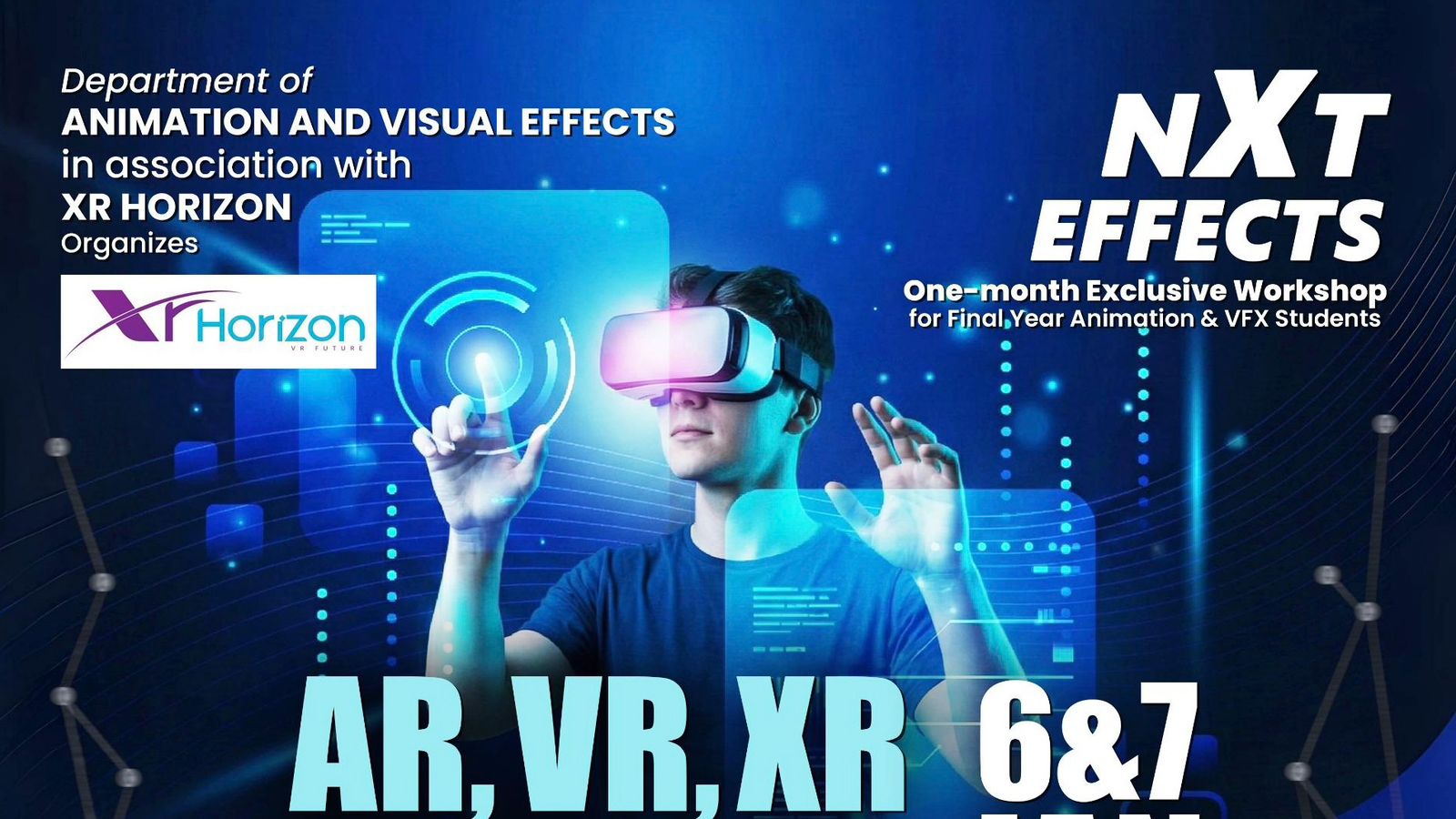
January 6 to January 7, 2026

December 22, 2025

December 22, 2025

December 22, 2025
December 20, 2025
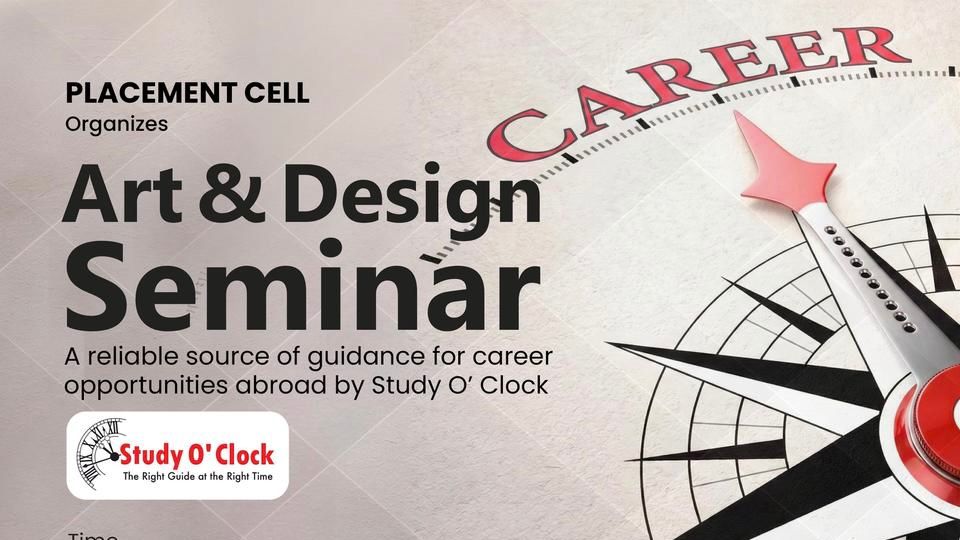
December 16, 2025
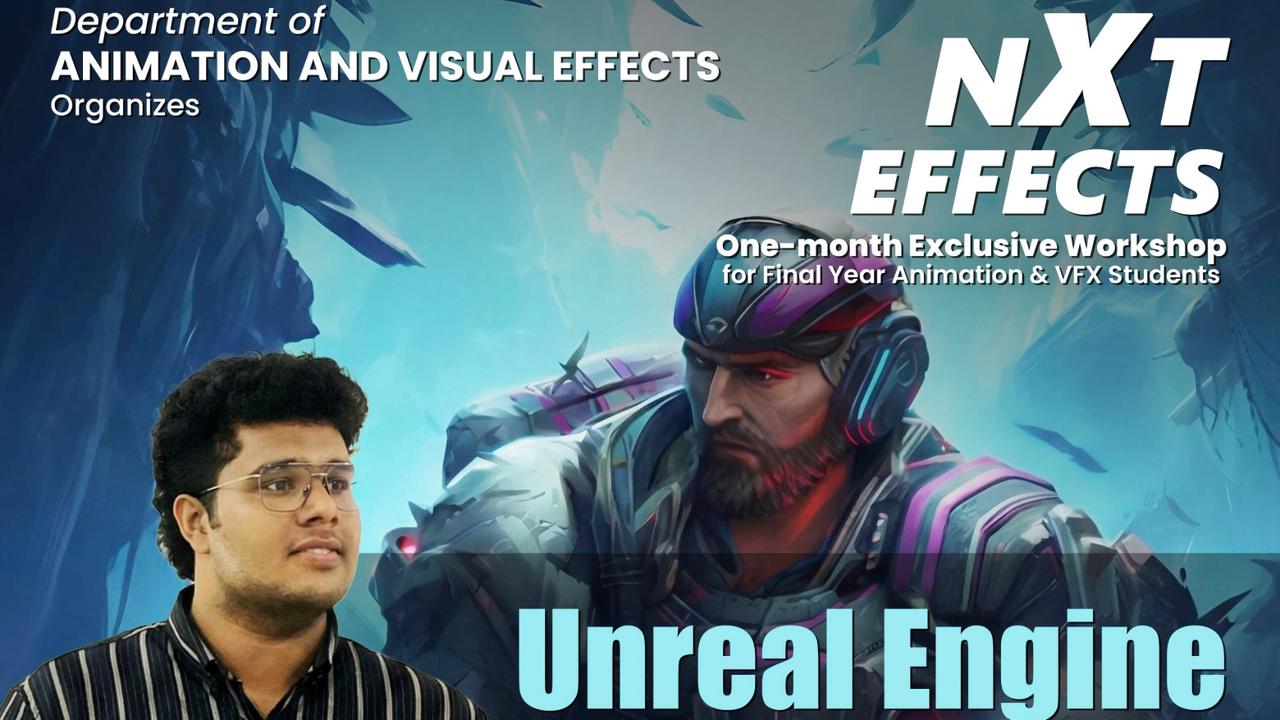
December 15 to December 19, 2025
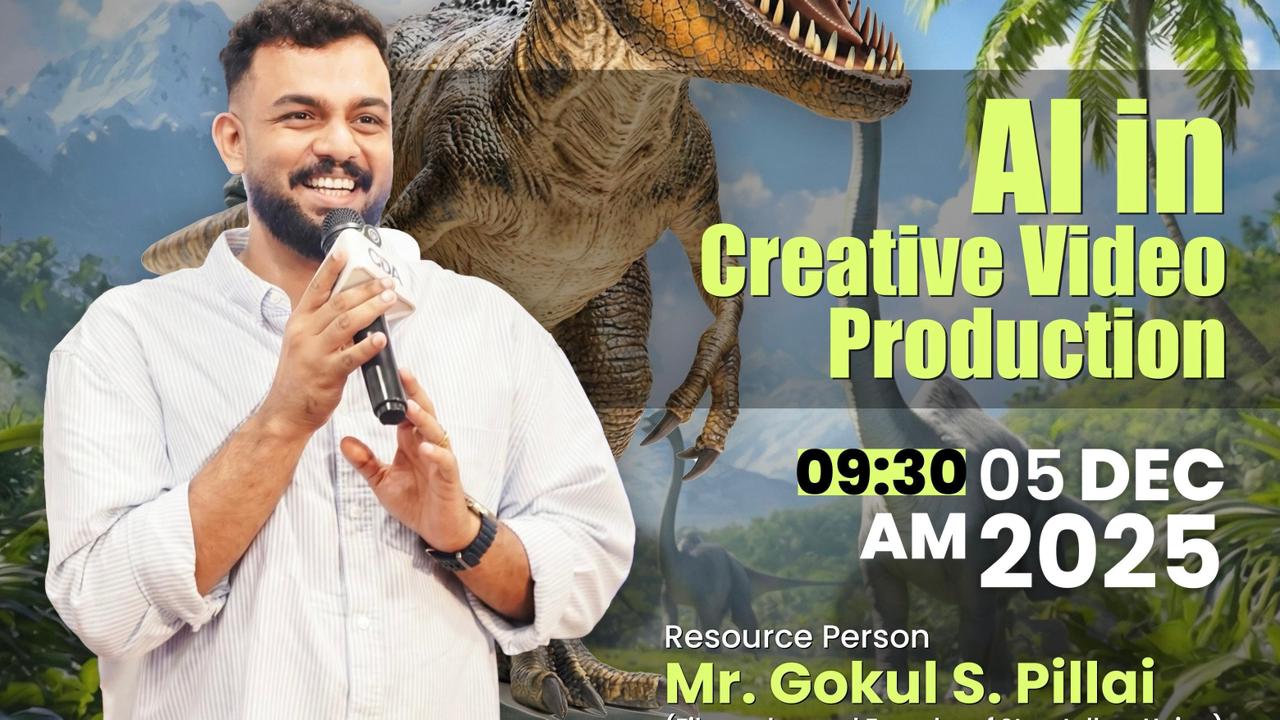
December 5, 2025
December 4, 2025

December 3, 2025

December 2 to January 2, 2026
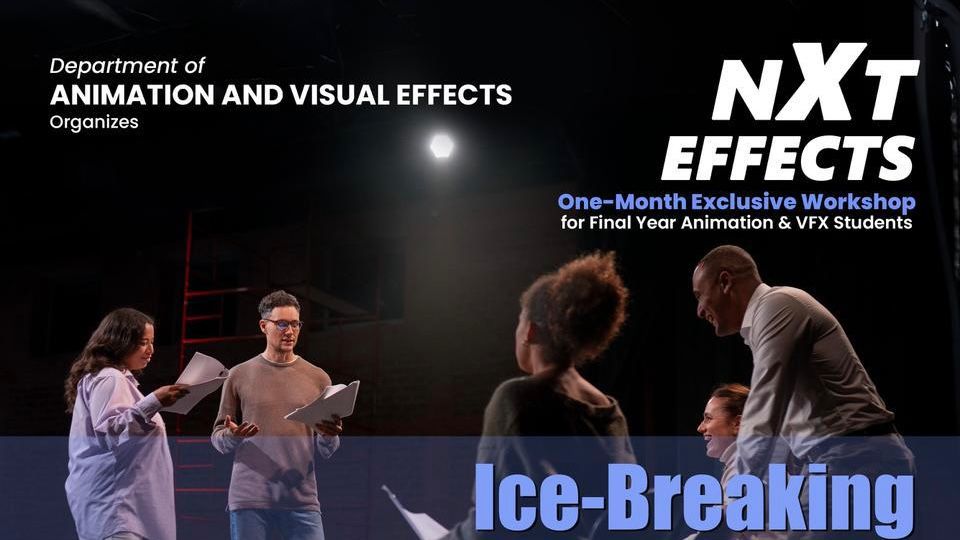
December 2, 2025
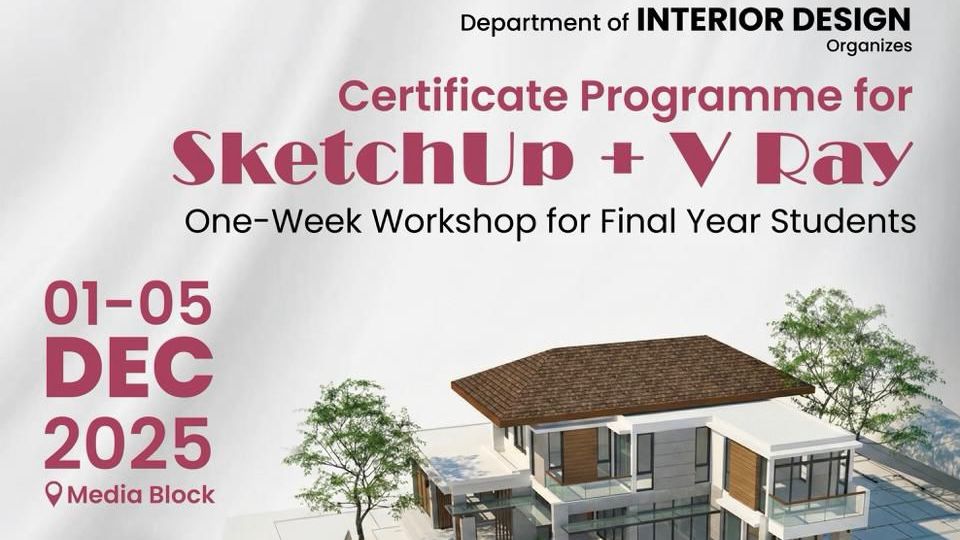
December 1 to December 5, 2025

December 1, 2025
November 27, 2025
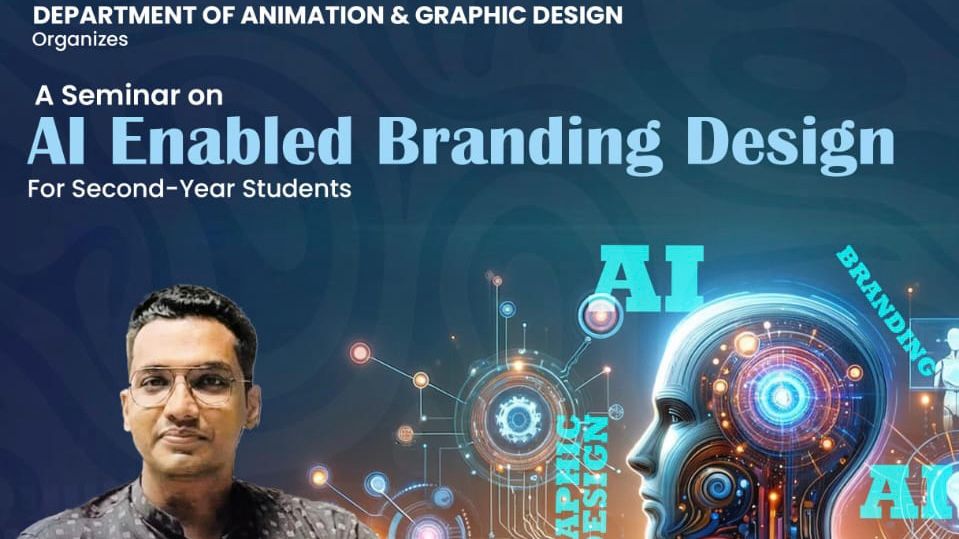
November 26, 2025
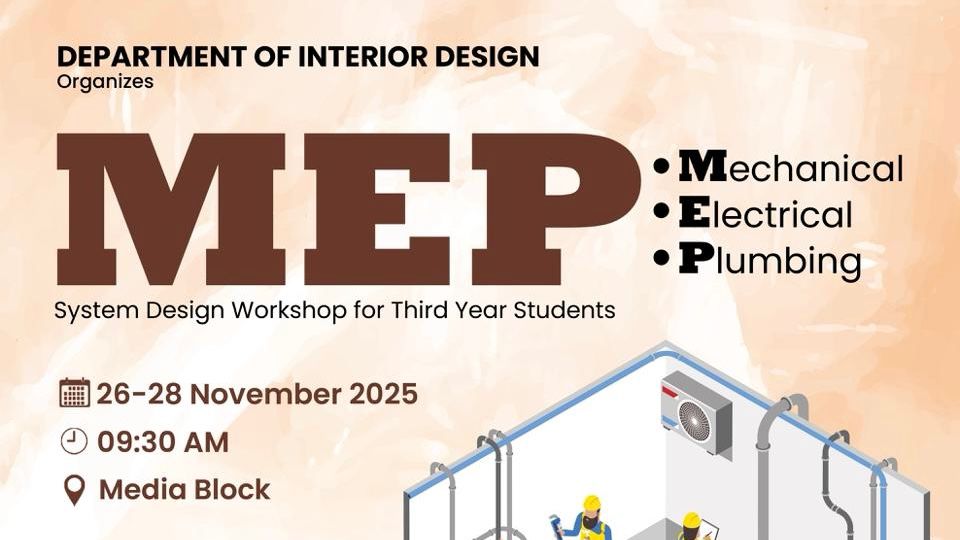
November 26 to December 28, 2025

November 26, 2025

November 26 to December 26, 2025

November 25, 2025

November 24, 2025
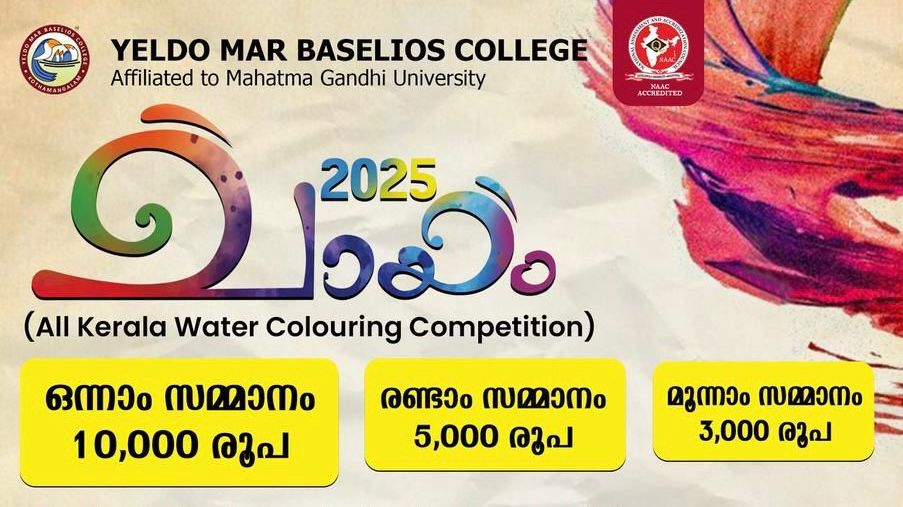
November 22, 2025

November 21, 2025

November 19, 2025

November 17, 2025
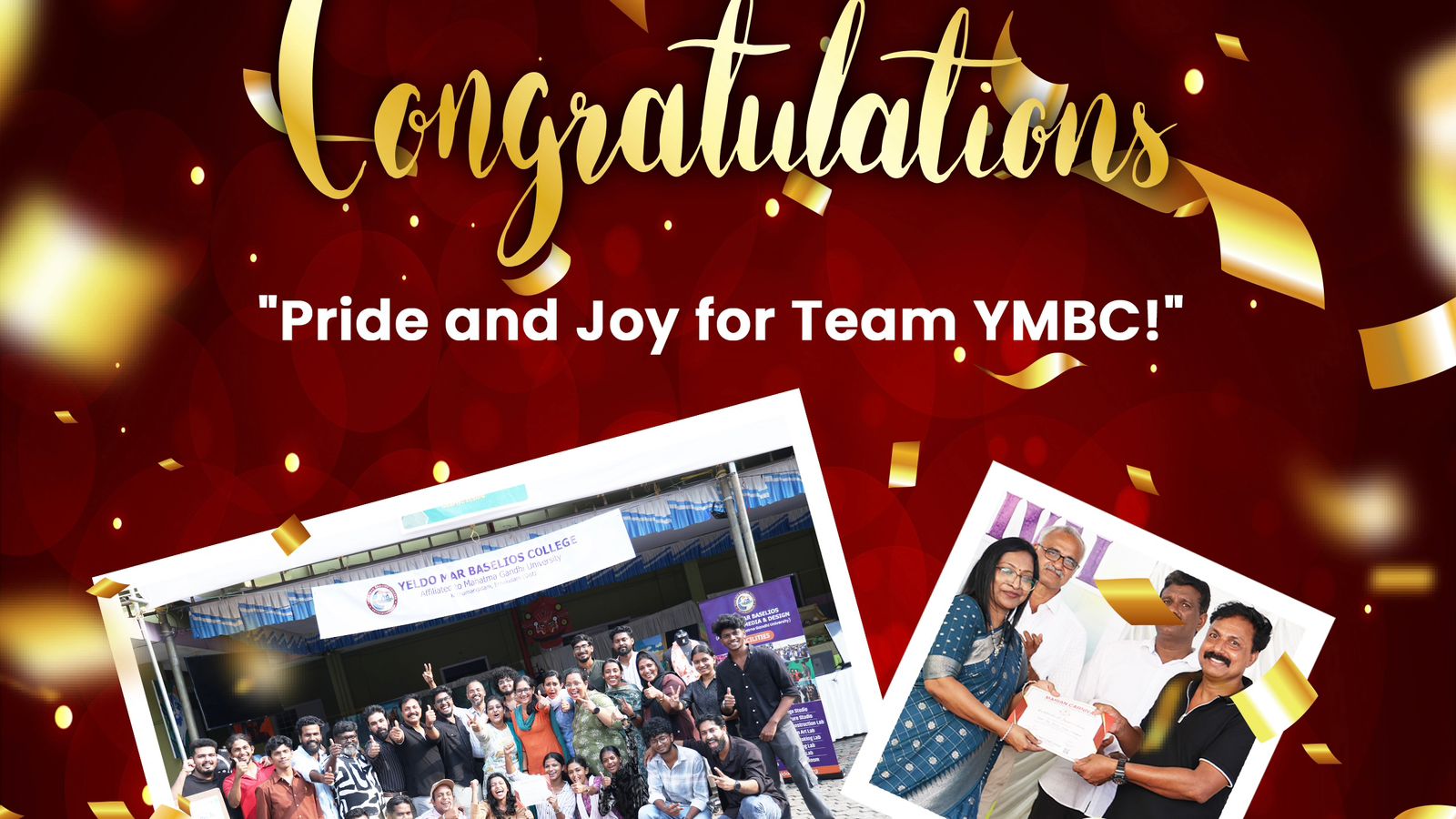
November 16, 2025

November 14, 2025
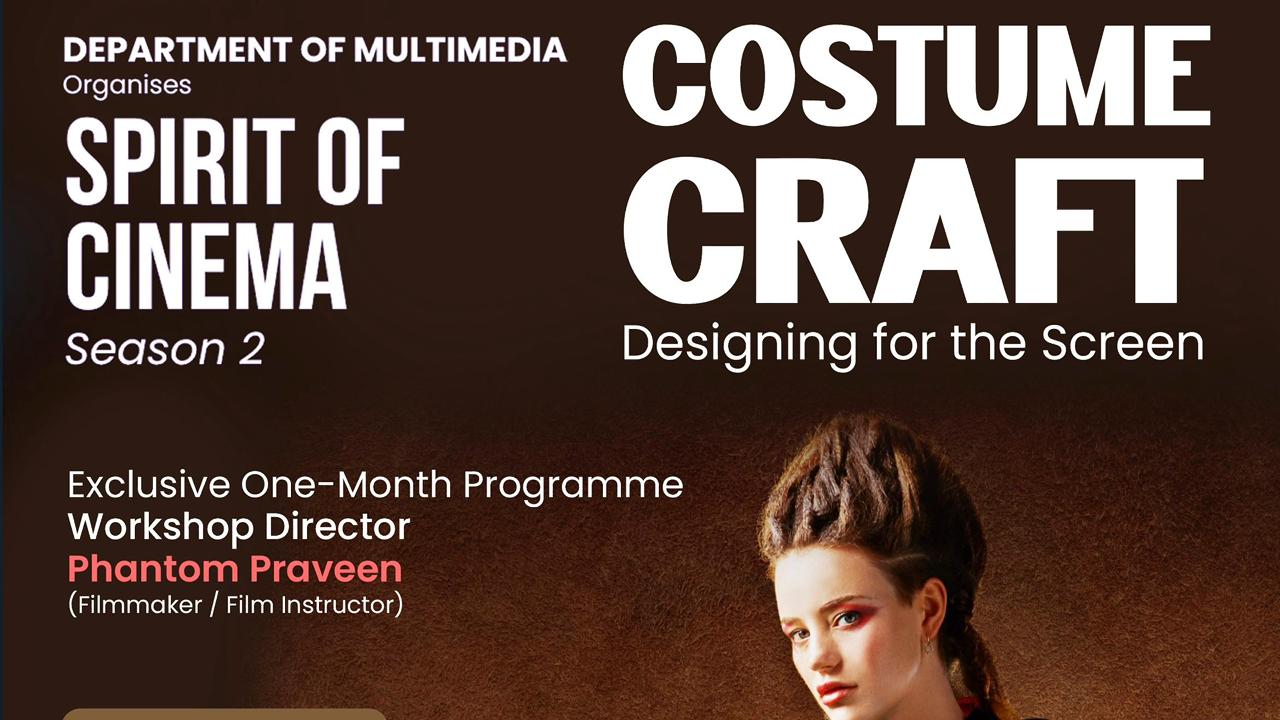
November 13, 2025
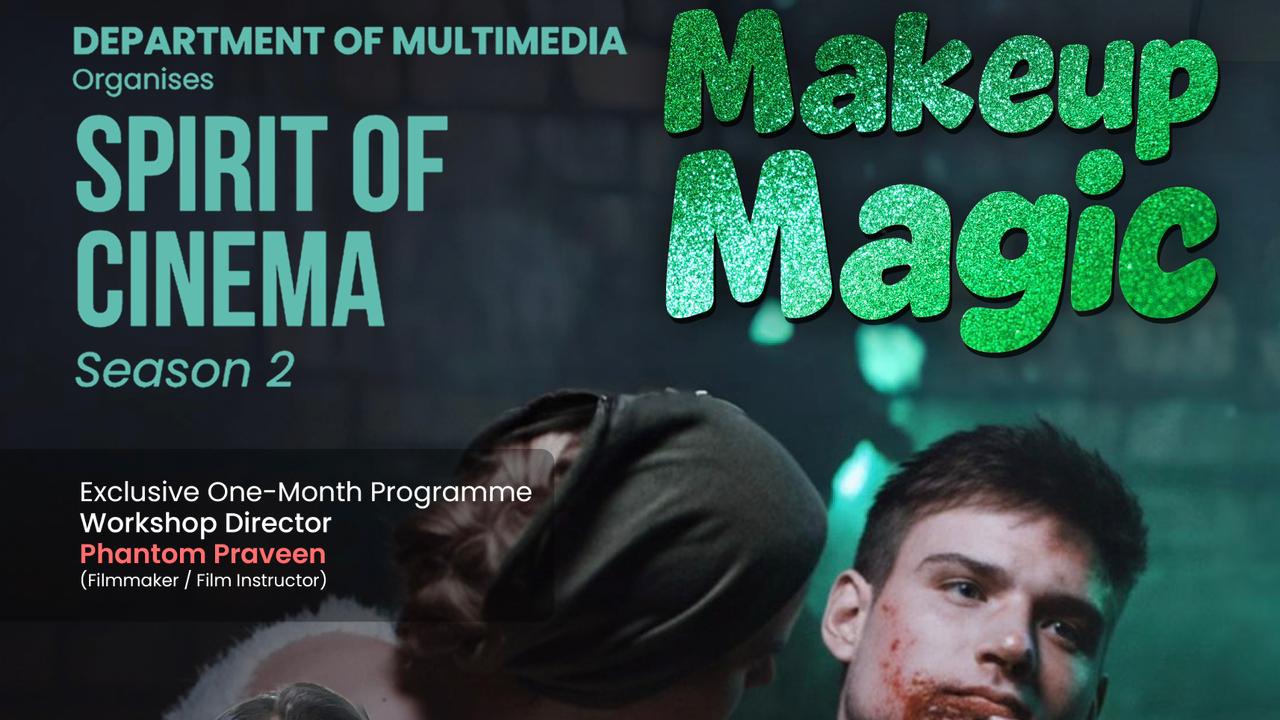
November 12, 2025

November 12, 2025
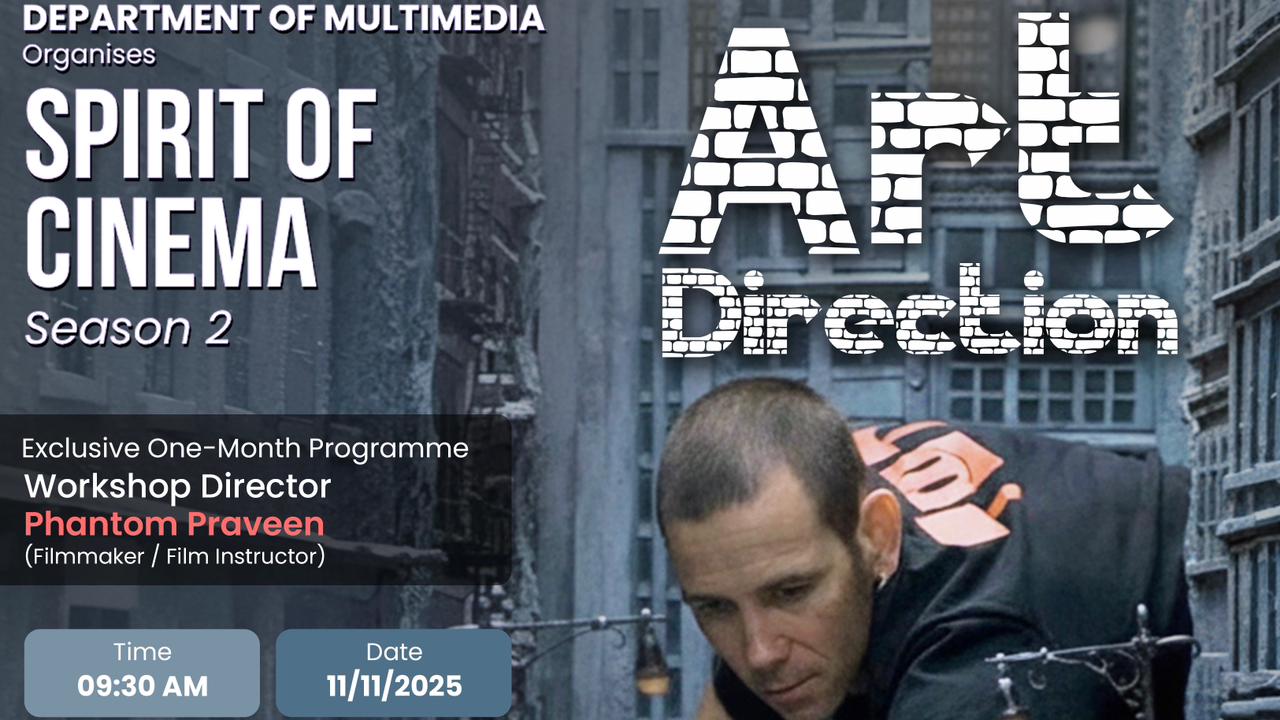
November 11, 2025

November 7 to November 9, 2025
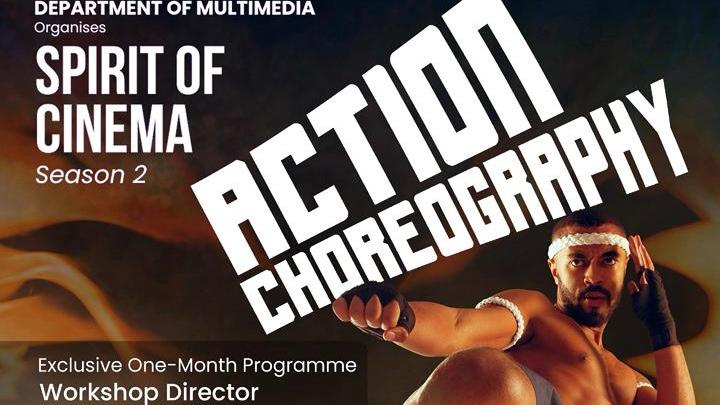
November 7, 2025
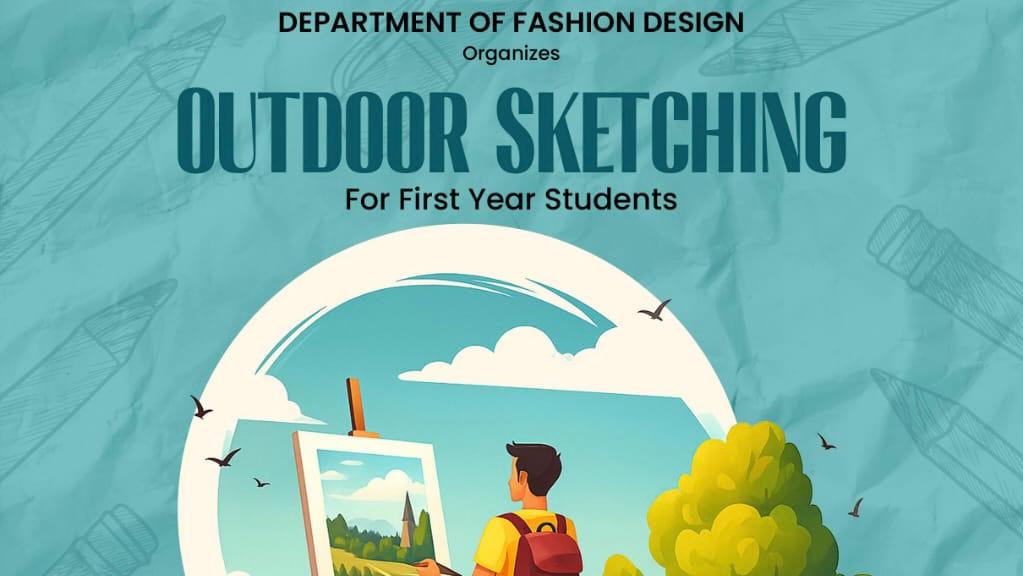
November 4, 2025

October 28, 2025
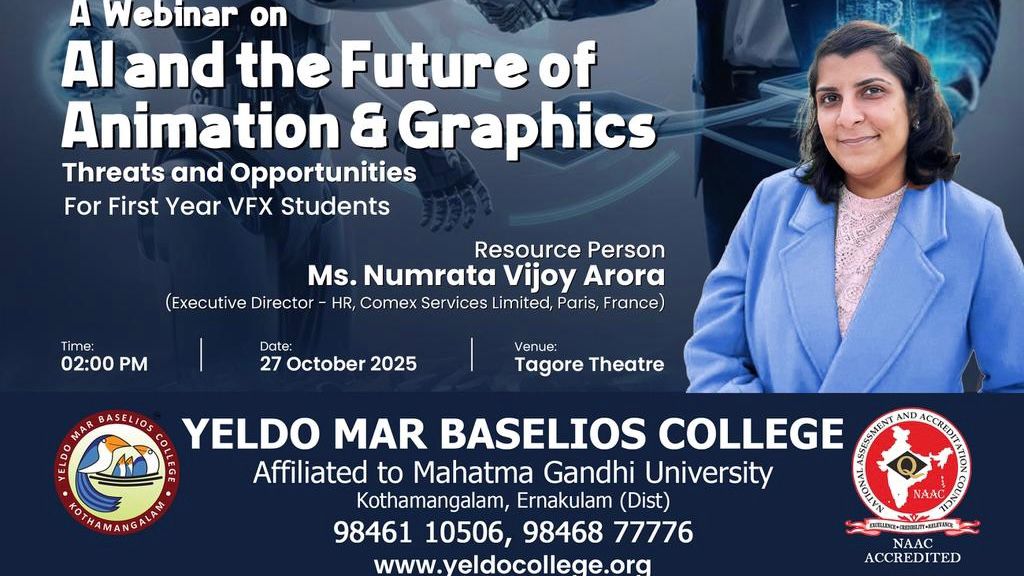
October 27, 2025
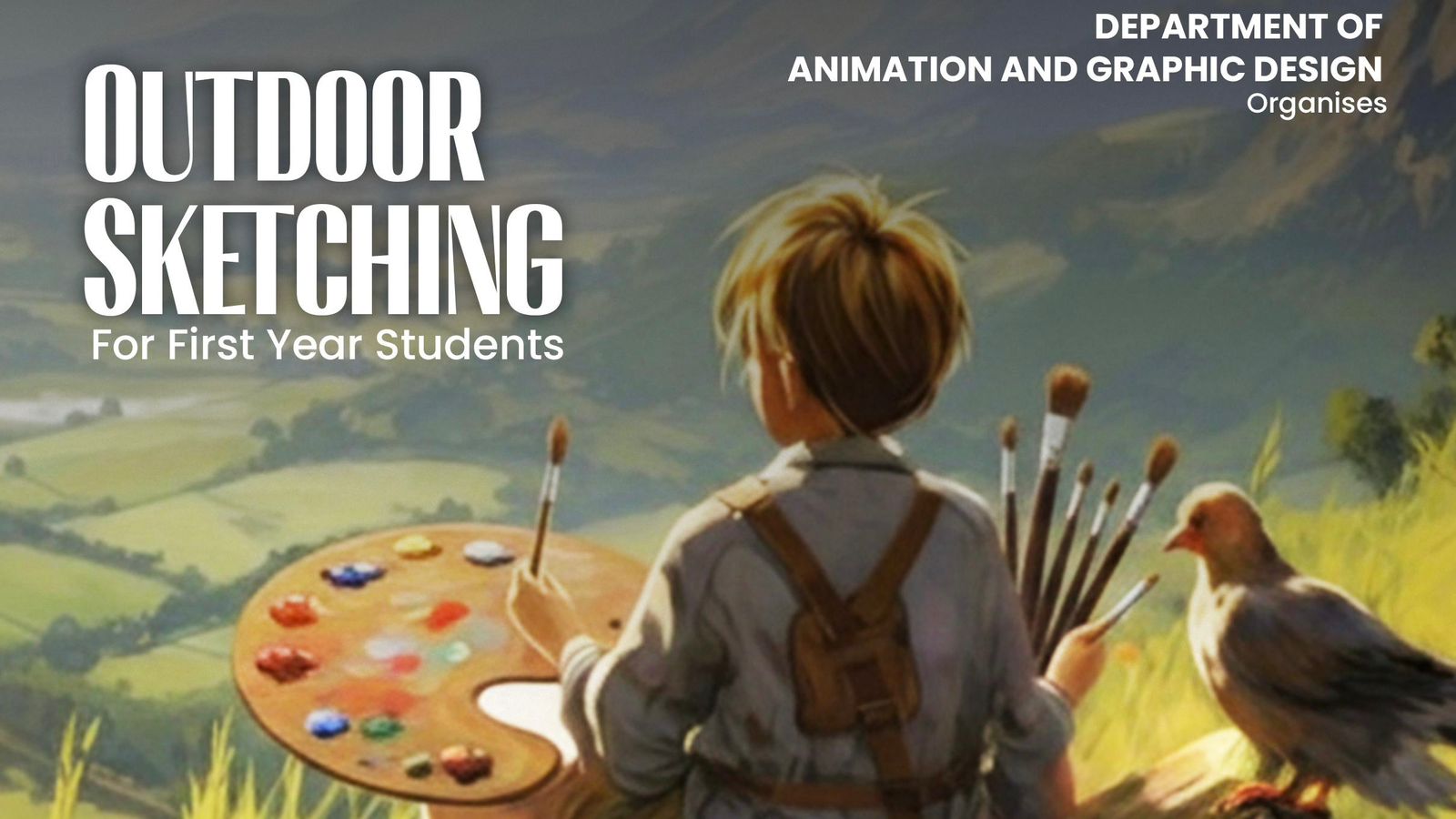
October 23, 2025
October 21, 2025

October 17, 2025
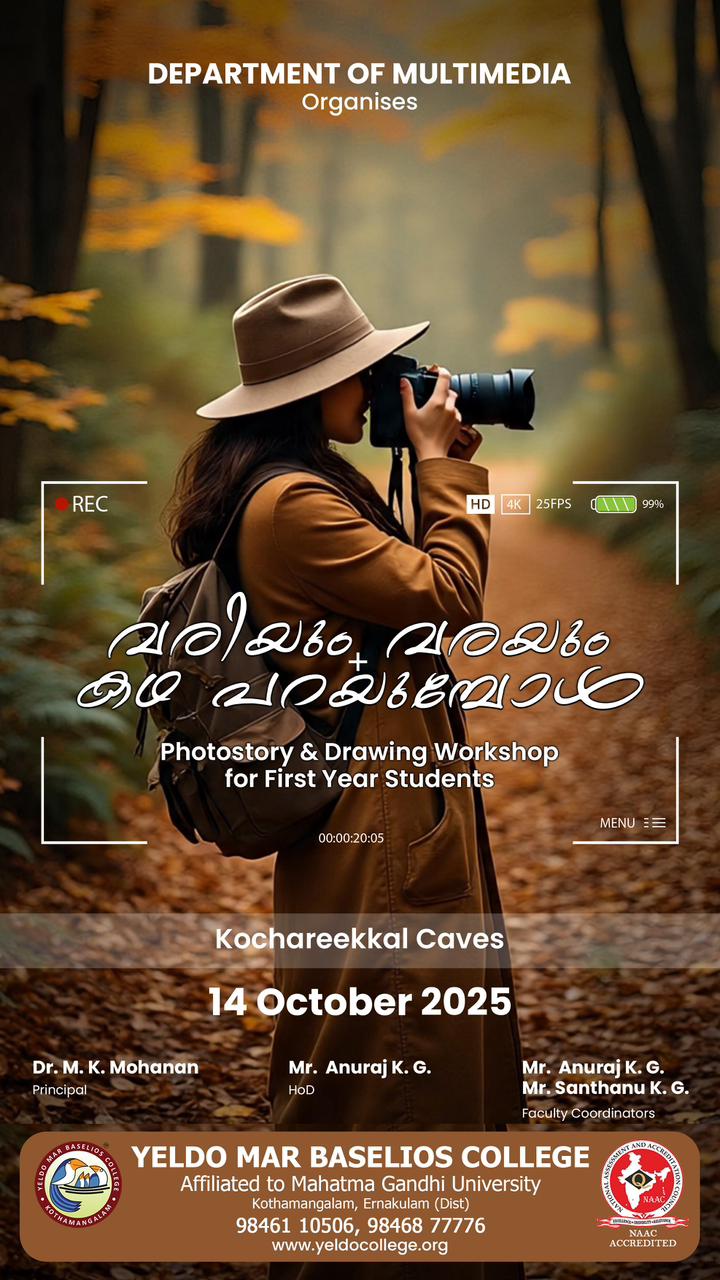
October 14, 2025
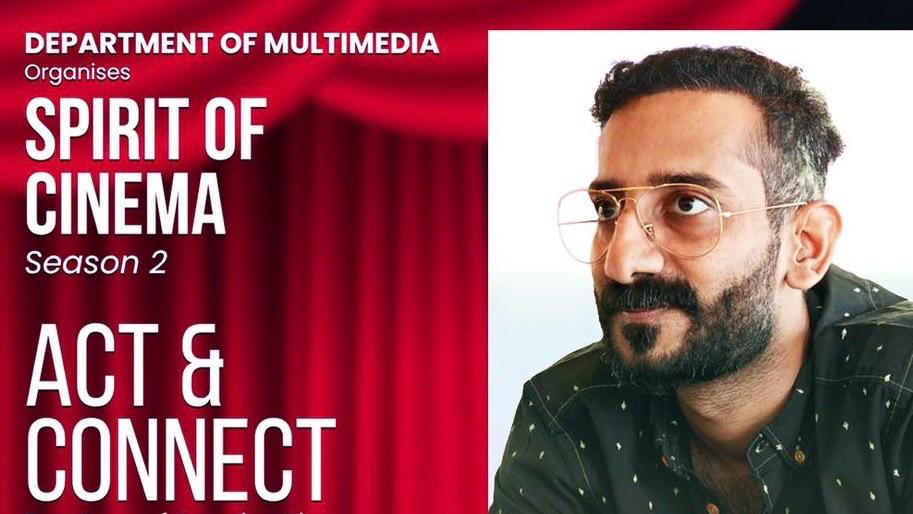
October 9 to October 10, 2025

October 7, 2025

August 21, 2025

July 2, 2025

April 25, 2025
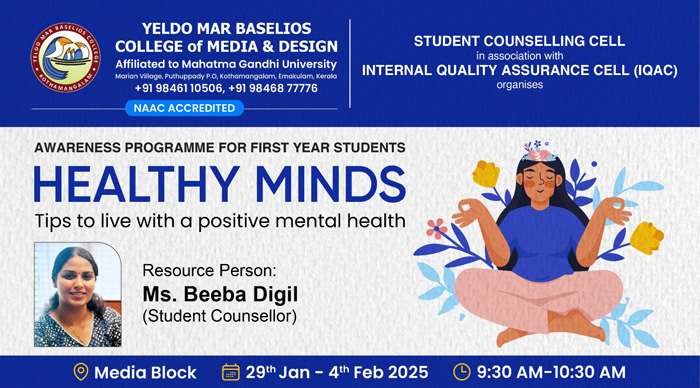
January 29 to February 4, 2025
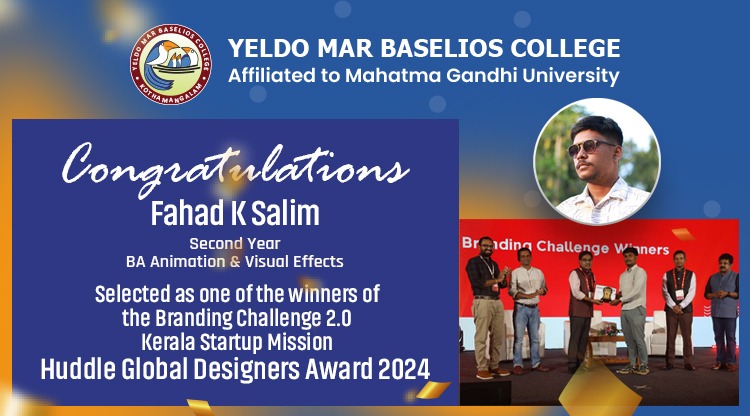
November 12, 2024

October 4, 2024

September 12, 2024
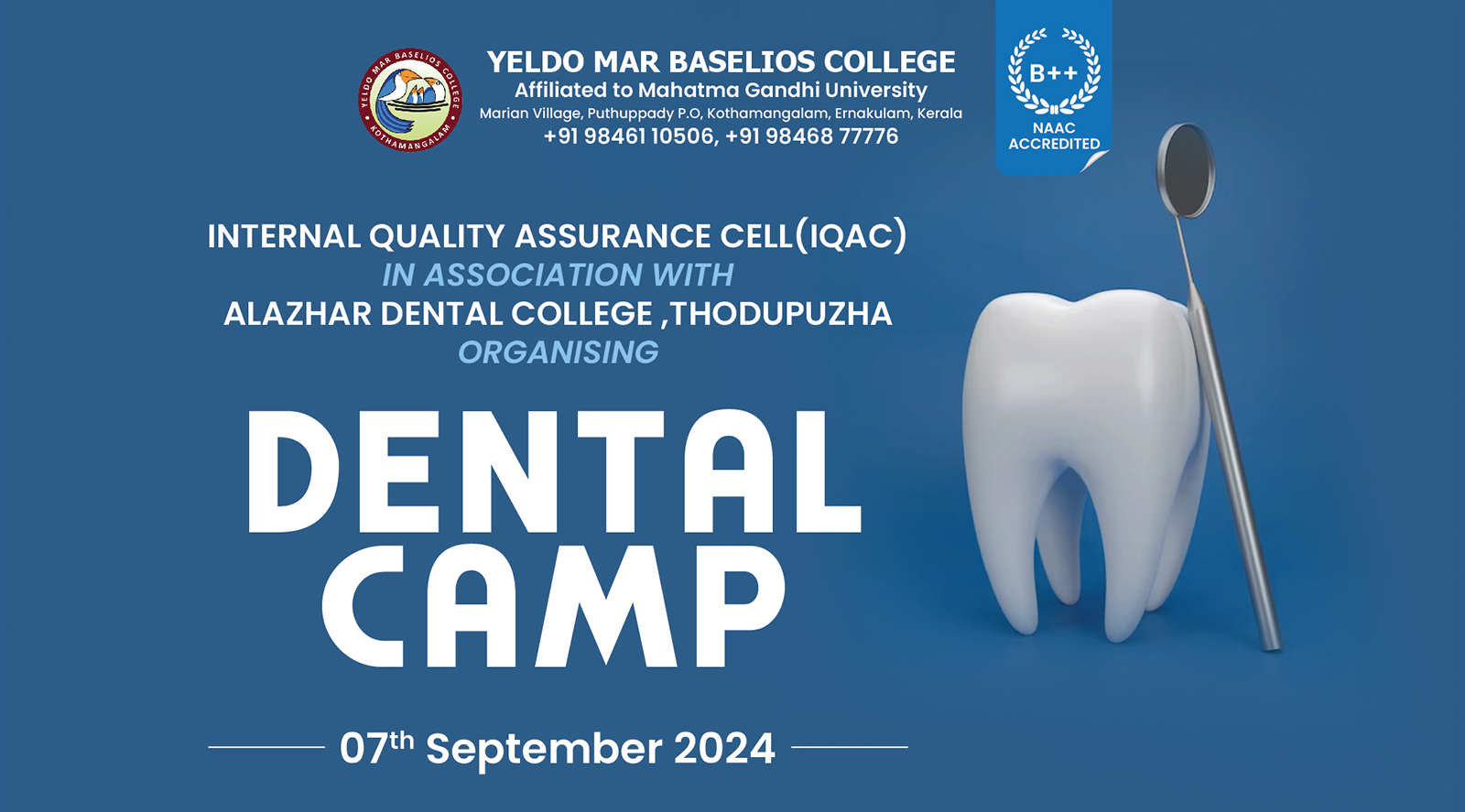
September 7, 2024

July 10 to July 12, 2024

June 26, 2024

June 19, 2024

June 14, 2024

March 13, 2024
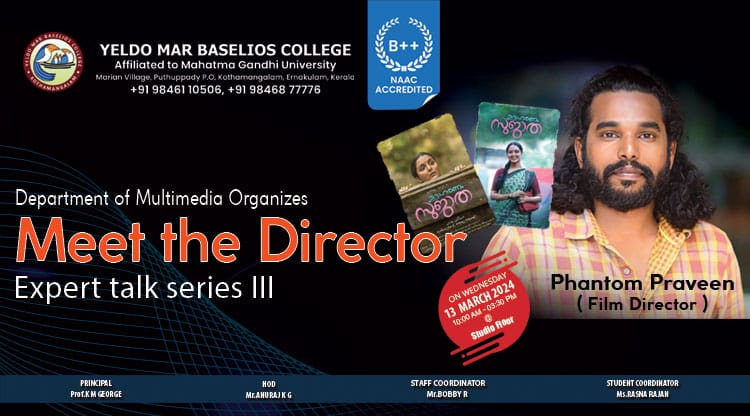
March 13, 2024

March 11, 2024
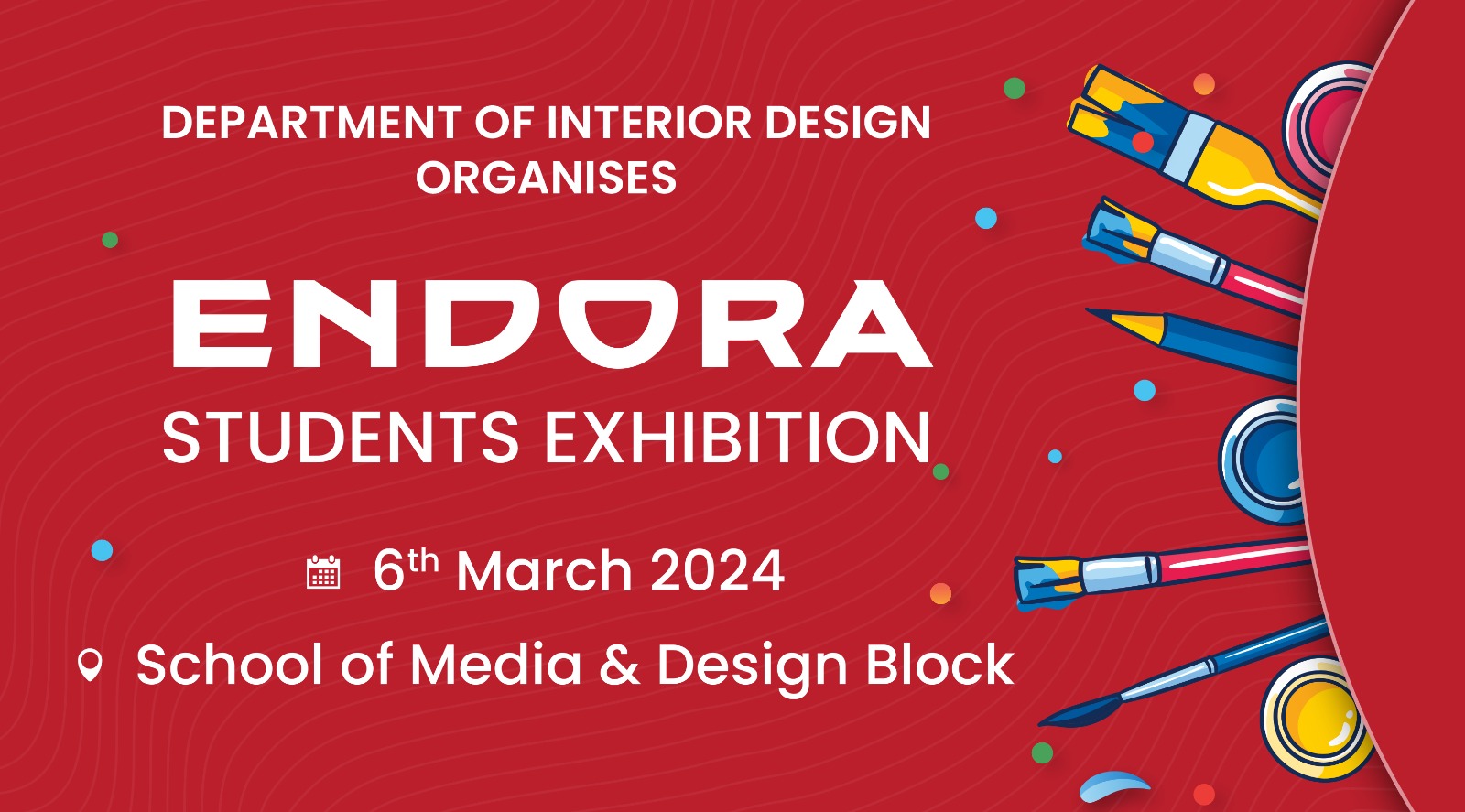
March 6, 2024
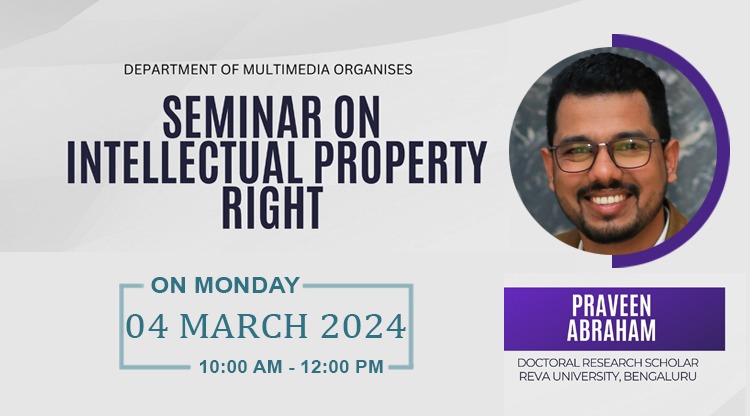
March 4, 2024

February 23, 2024

February 22 to February 27, 2024
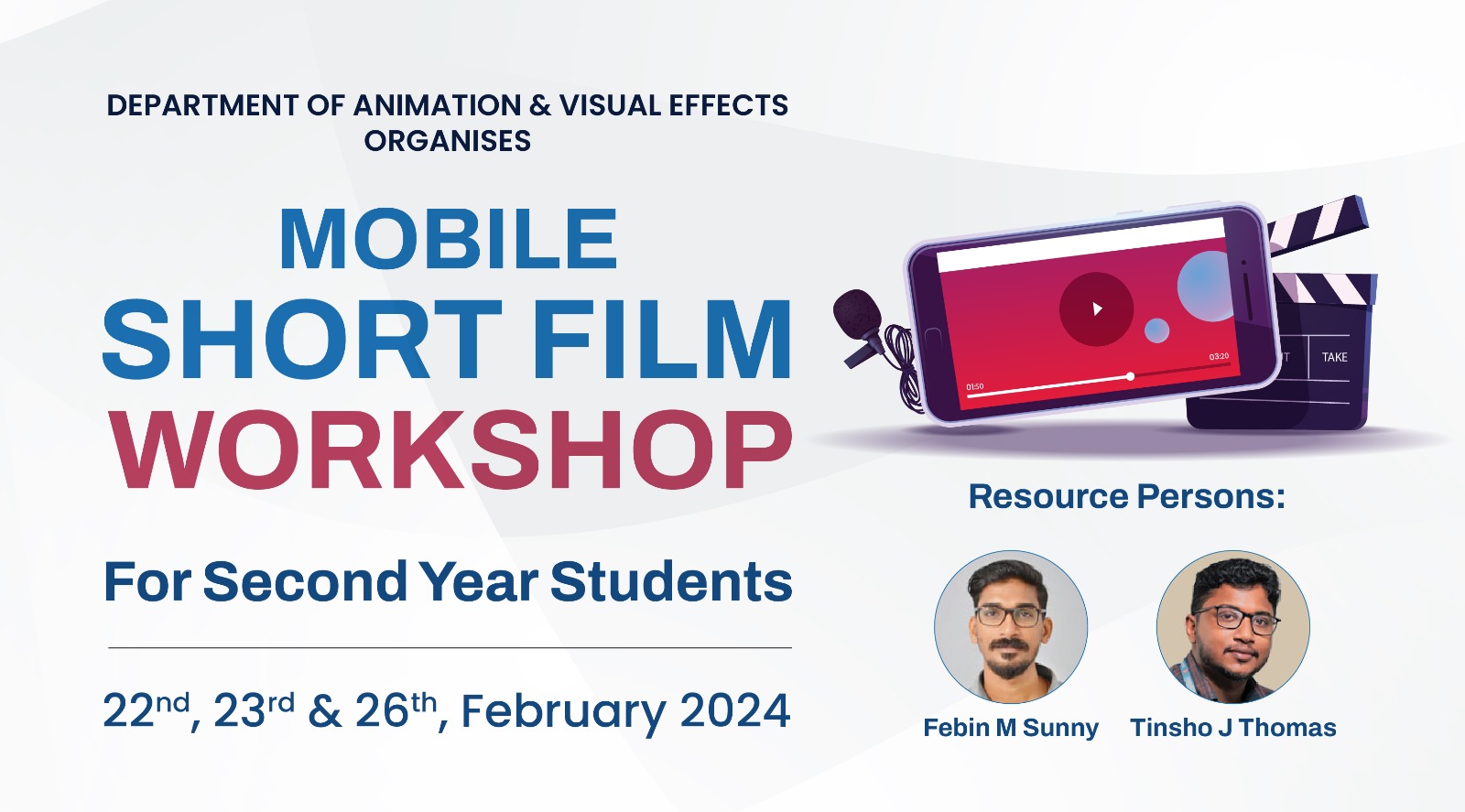
February 22 to February 26, 2024
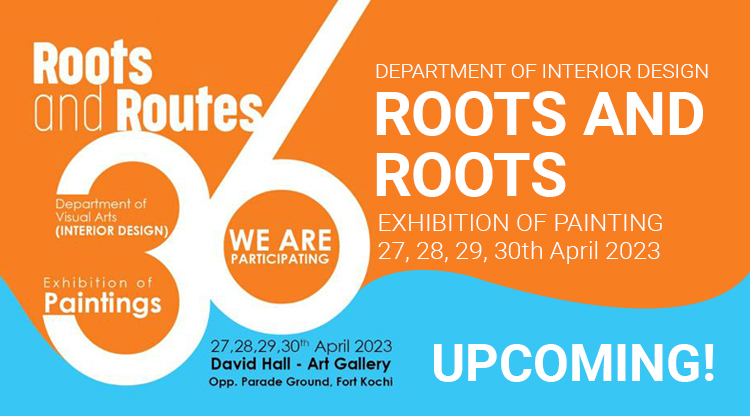
April 27, 2023
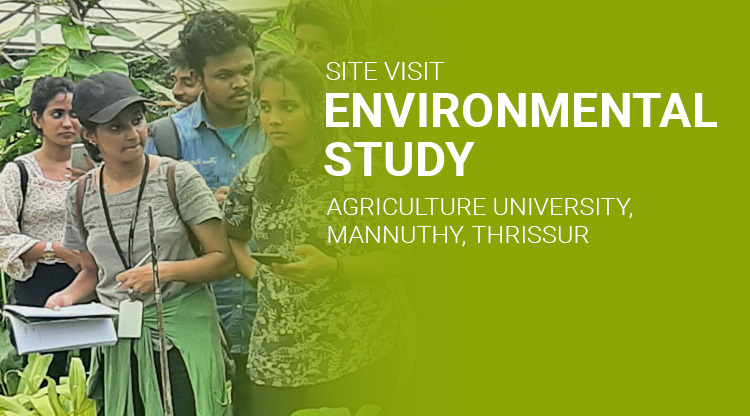
July 29, 2022
July 22, 2022
July 19, 2022

July 18, 2022
July 15, 2022

June 30, 2022
June 29, 2022
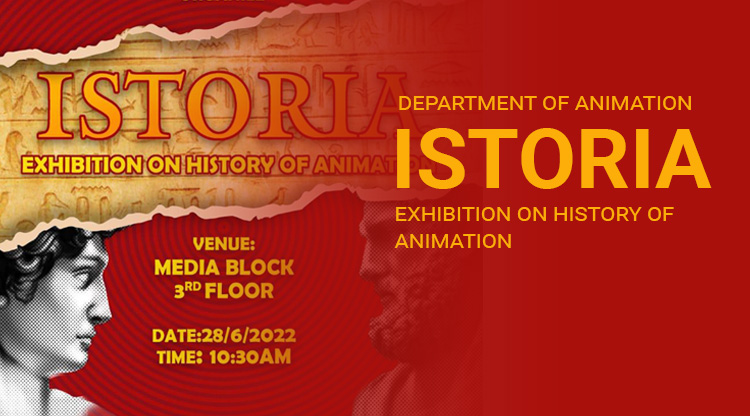
June 28, 2022

June 13, 2022

June 6, 2022
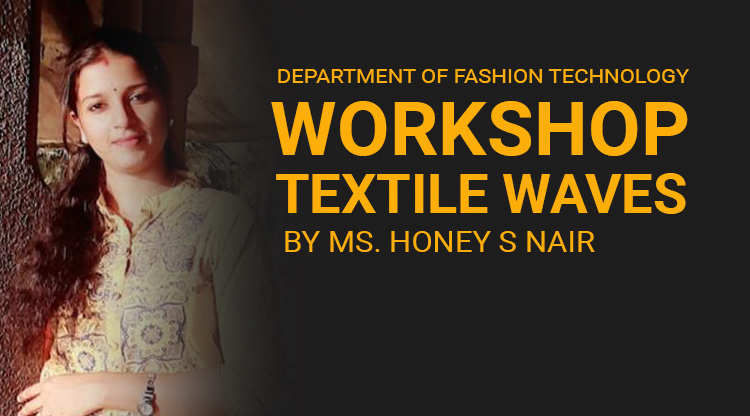
February 14, 2017