
- Email yeldocollegesmd@gmail.com
- CALL +91 98461 10506 +91 98468 77776
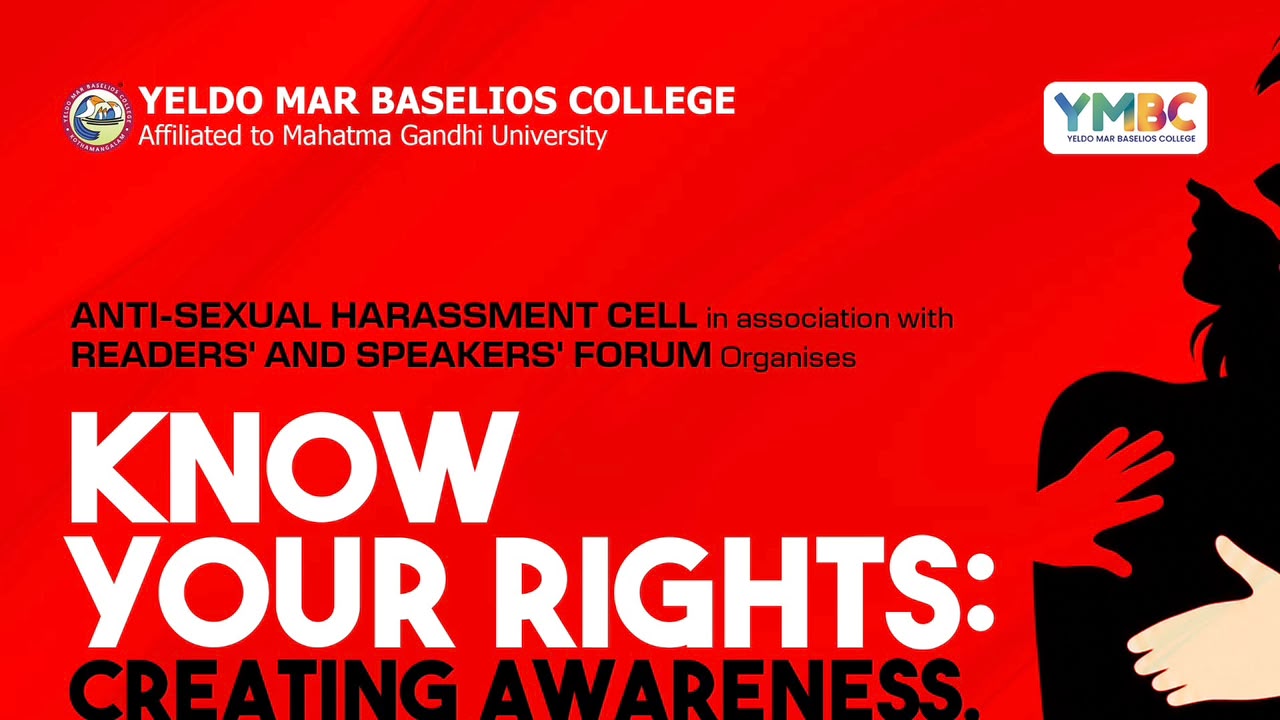
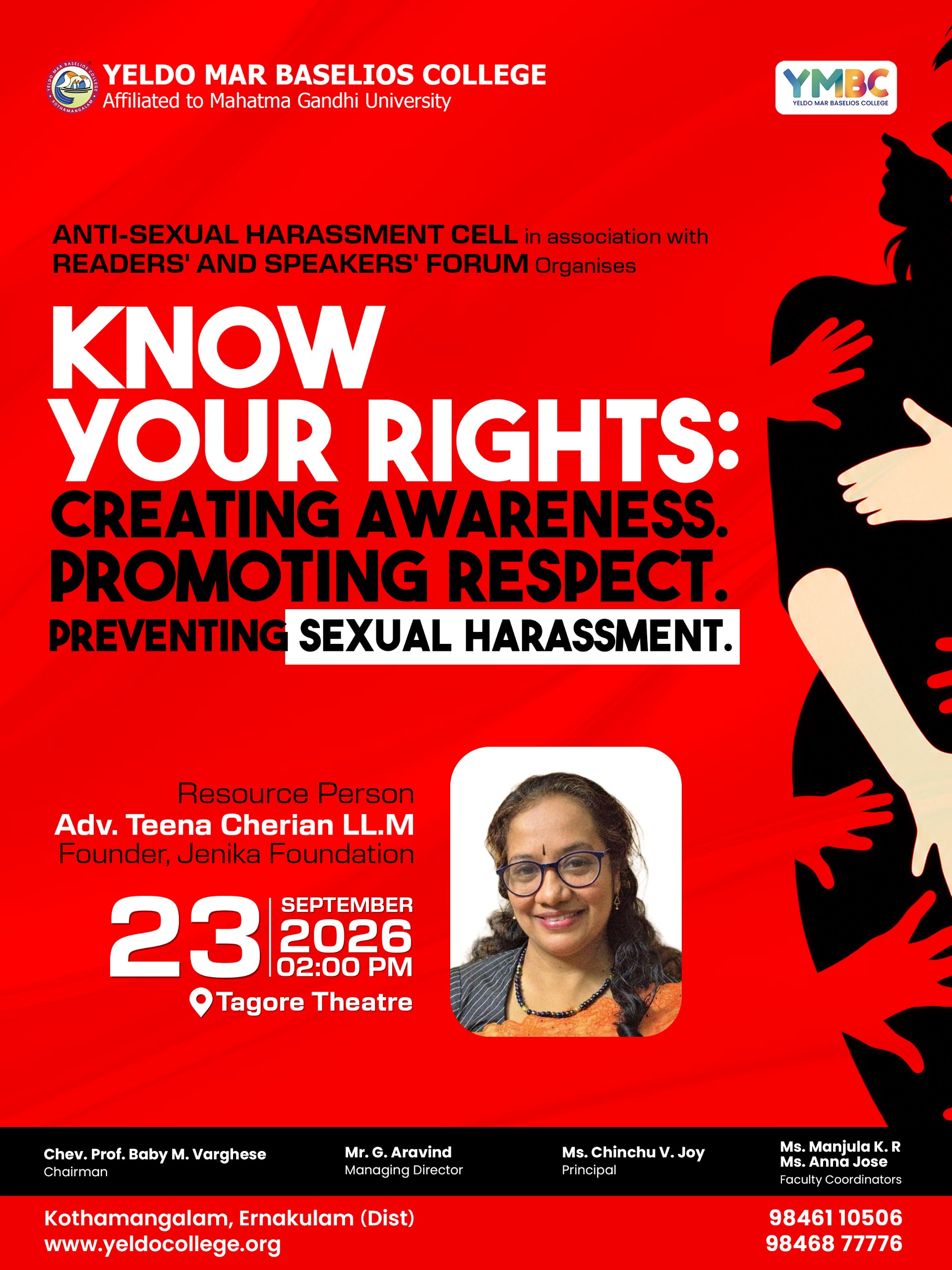
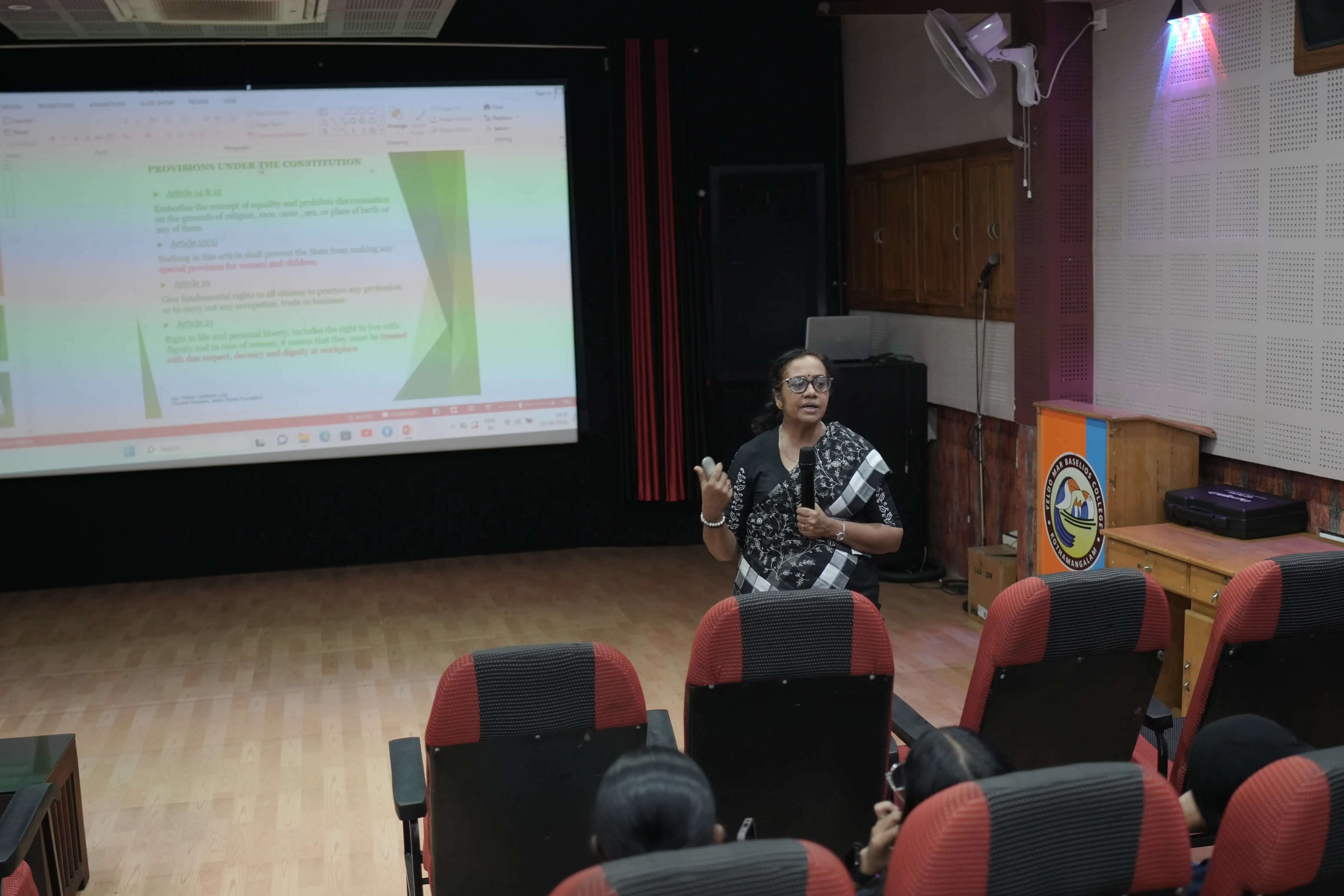
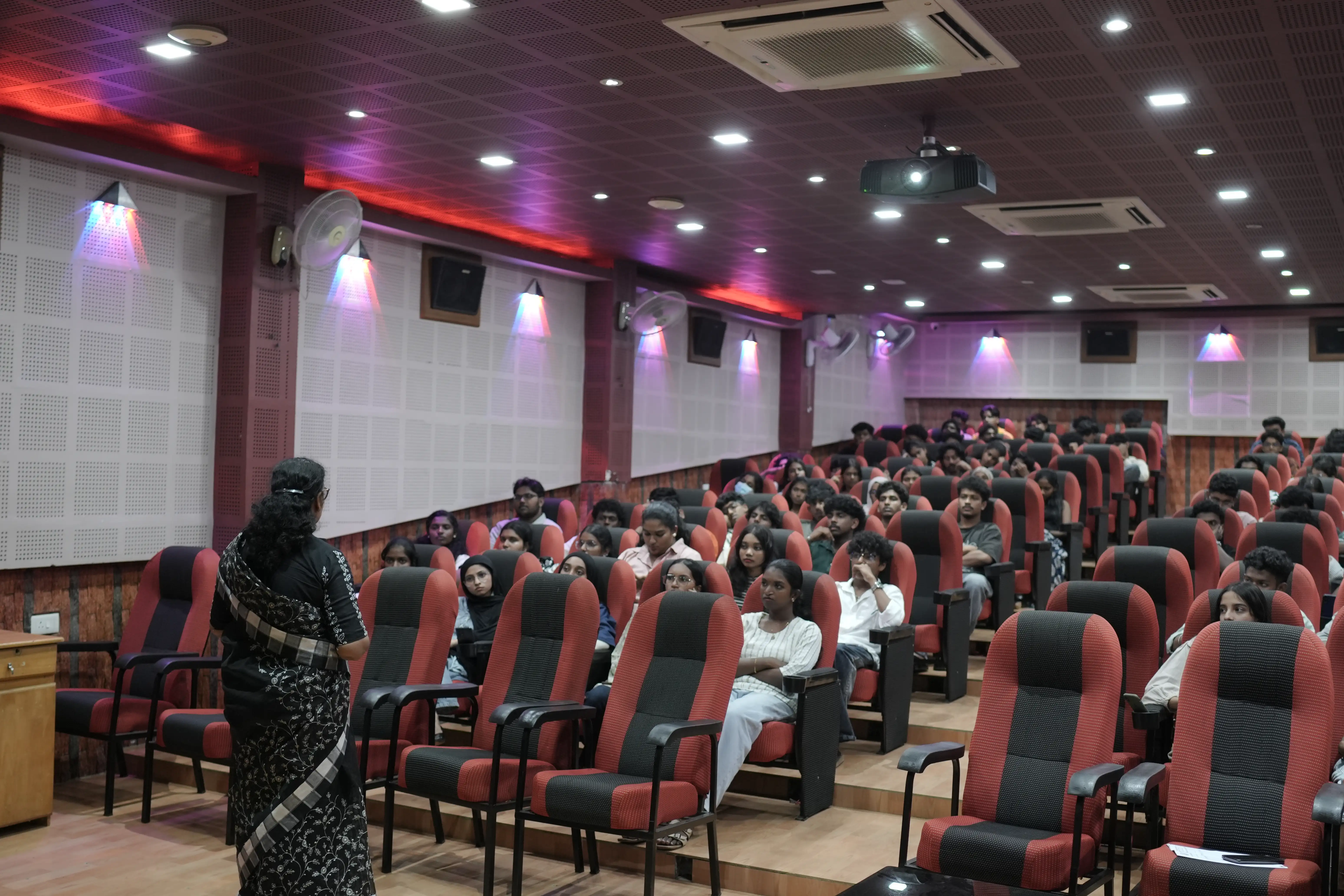
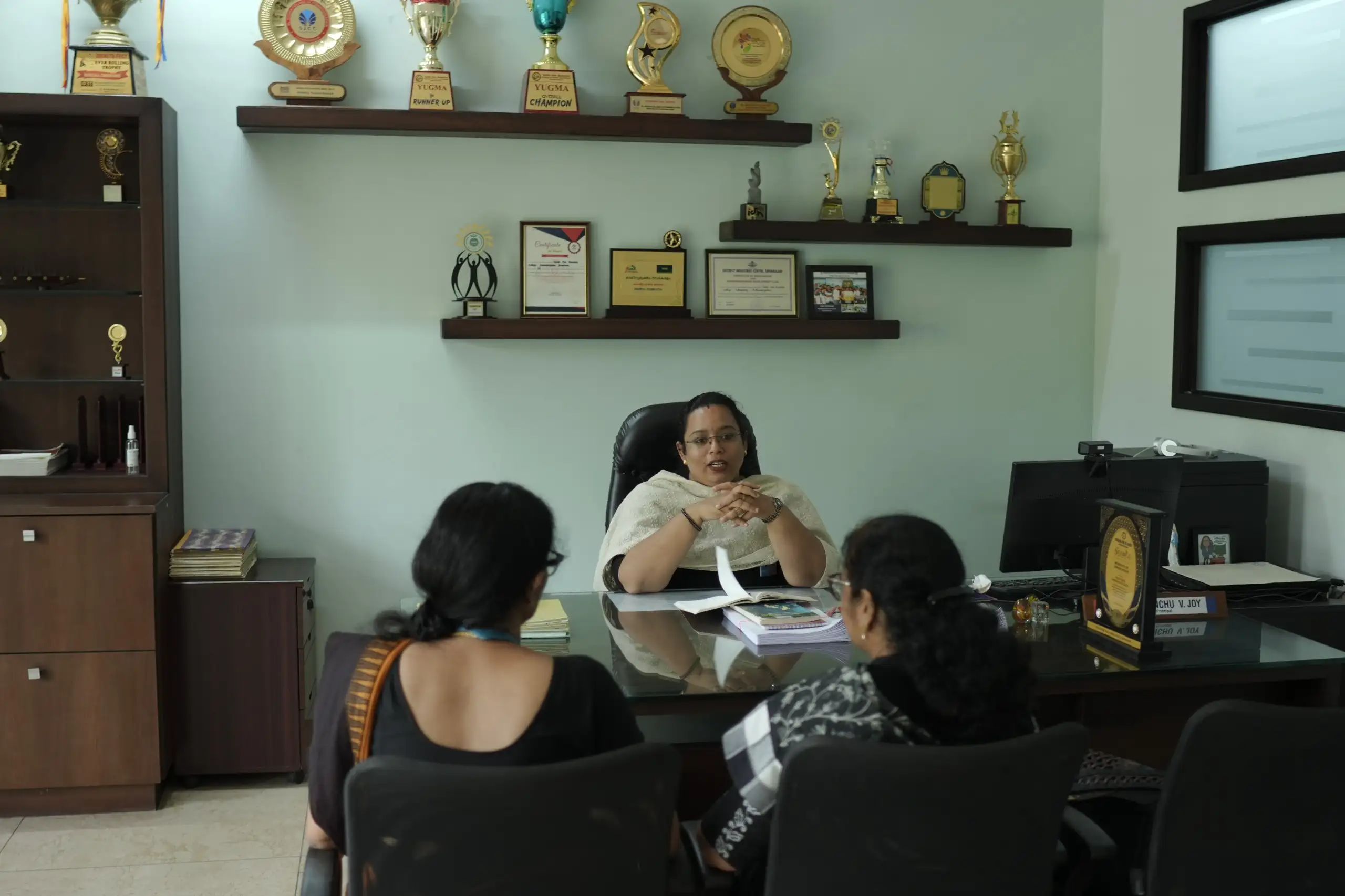
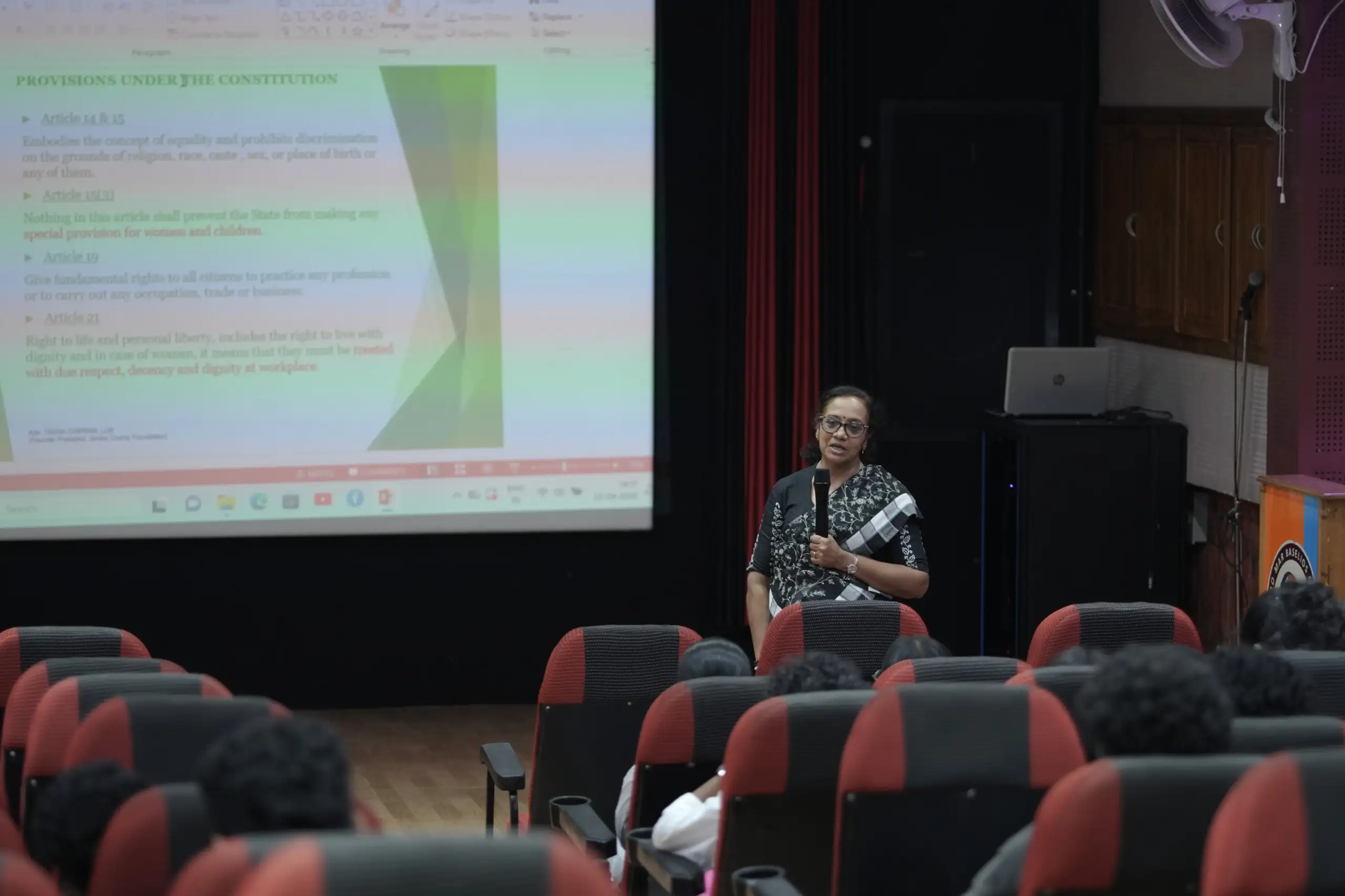
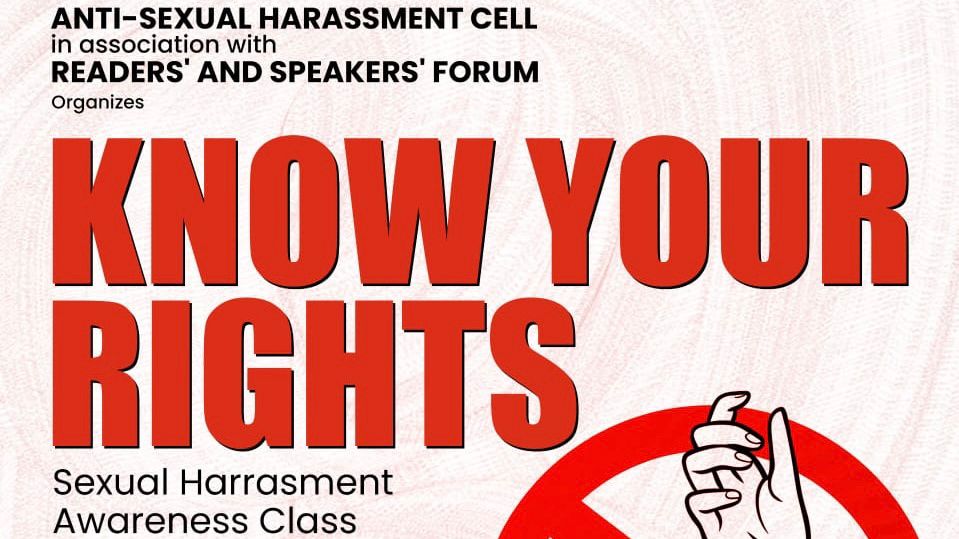
Yeldo Mar Baselios College organised an awareness session titled "Know Your Rights: Creating Awareness, Preventing Sexual Harassment, Promoting Respect" on 23 September 2026 at 2:00 p.m. at the Tagore Theatre. The programme was conducted by the College's Anti-Sexual Harassment Cell in association with the Readers' and Speakers' Forum, with the objective of creating awareness about sexual harassment, legal rights, reporting procedures, and the collective responsibility of building a safe and respectful campus. The session featured Adv. Teena Cherian, LL.M., Founder of the Jenika Foundation, and an experienced legal advocate working for the rights of women, children, and survivors of abuse. Through her insightful presentation, she explained the different forms of sexual harassment that may occur in workplaces and educational institutions. She emphasised that harassment may be physical, verbal, non-verbal, psychological, or digital, and that any unwelcome behaviour of a sexual nature must be taken seriously. Drawing upon real-life examples, Adv. Teena Cherian helped the students understand how harassment can affect an individual's dignity, emotional well-being, education, career, and personal safety. Her practical illustrations enabled the participants to recognise inappropriate conduct and understand the importance of responding promptly rather than remaining silent. She also highlighted the need to respect personal boundaries and to create an environment in which individuals feel confident to speak up without fear, shame, or social pressure. A significant part of the session focused on the Prevention of Sexual Harassment of Women at Workplace Act, 2013, commonly known as the POSH Act. The speaker explained the role and constitution of the Internal Committee in institutions and workplaces. She also introduced the Local Committee, which serves as an important avenue for complaints in situations where an Internal Committee is unavailable or where the complaint involves the employer or head of the establishment. The session clarified that complaints should be handled with sensitivity, confidentiality, fairness, and due process. The participants were also informed about the legal consequences of sexual harassment under the applicable criminal law. The speaker explained that, following the introduction of the Bharatiya Nyaya Sanhita, 2023, relevant provisions must be understood with reference to the law currently in force, rather than relying solely on earlier references to the Indian Penal Code. For example, Section 75 of the Bharatiya Nyaya Sanhita addresses sexual harassment and prescribes punishment for specified acts. Adv. Cherian further discussed Section 14 of the POSH Act, which deals with malicious complaints, complaints knowingly made with false allegations, and the deliberate production of forged or misleading documents. She clarified that merely being unable to prove a complaint does not automatically make it false; action under this provision applies when the complaint is established to be malicious or knowingly false. The students were also introduced to the concept of a Zero FIR, which allows a person to report a cognisable offence at any police station, irrespective of territorial jurisdiction, after which the complaint may be transferred to the appropriate police station. The programme concluded with an interactive discussion and doubt-clearing session. Students actively participated by asking questions related to reporting mechanisms, confidentiality, institutional responsibilities, legal remedies, and support available to survivors. The interaction made the session accessible, practical, and relevant to the students' everyday experiences. The awareness programme benefited the students by strengthening their understanding of their legal and institutional rights. It equipped them to identify harassment, seek timely assistance, preserve relevant information, approach the appropriate authorities, and support others with empathy and responsibility. Most importantly, the session encouraged students to reject silence and normalisation of inappropriate behaviour. It reaffirmed that safety, dignity, equality, and mutual respect are essential values of a healthy educational community.
September 25 to September 26, 2026

September 25, 2026

September 24, 2026
September 23, 2026
September 17 to September 18, 2026

September 15, 2026
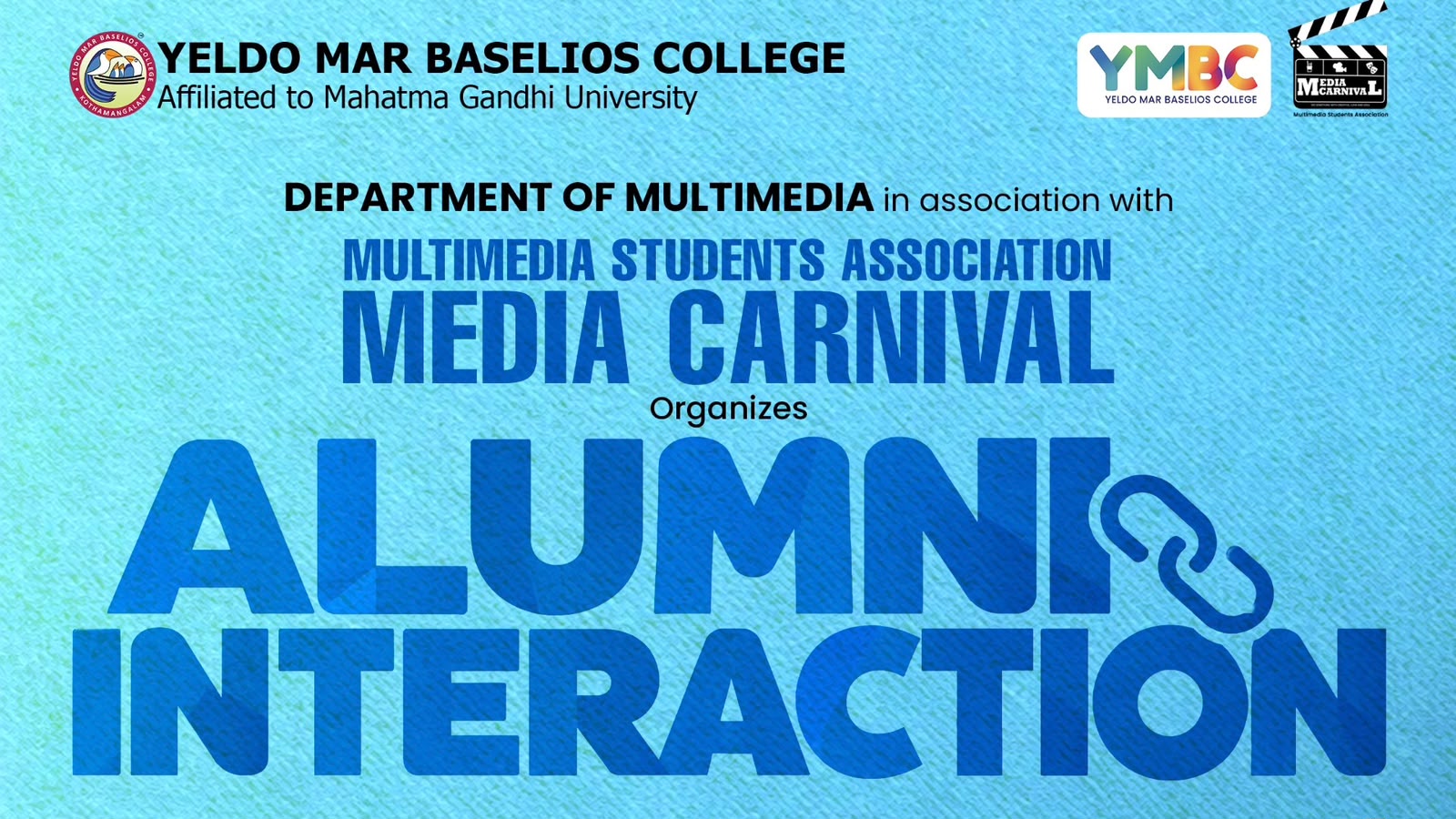
September 15, 2026

September 15, 2026
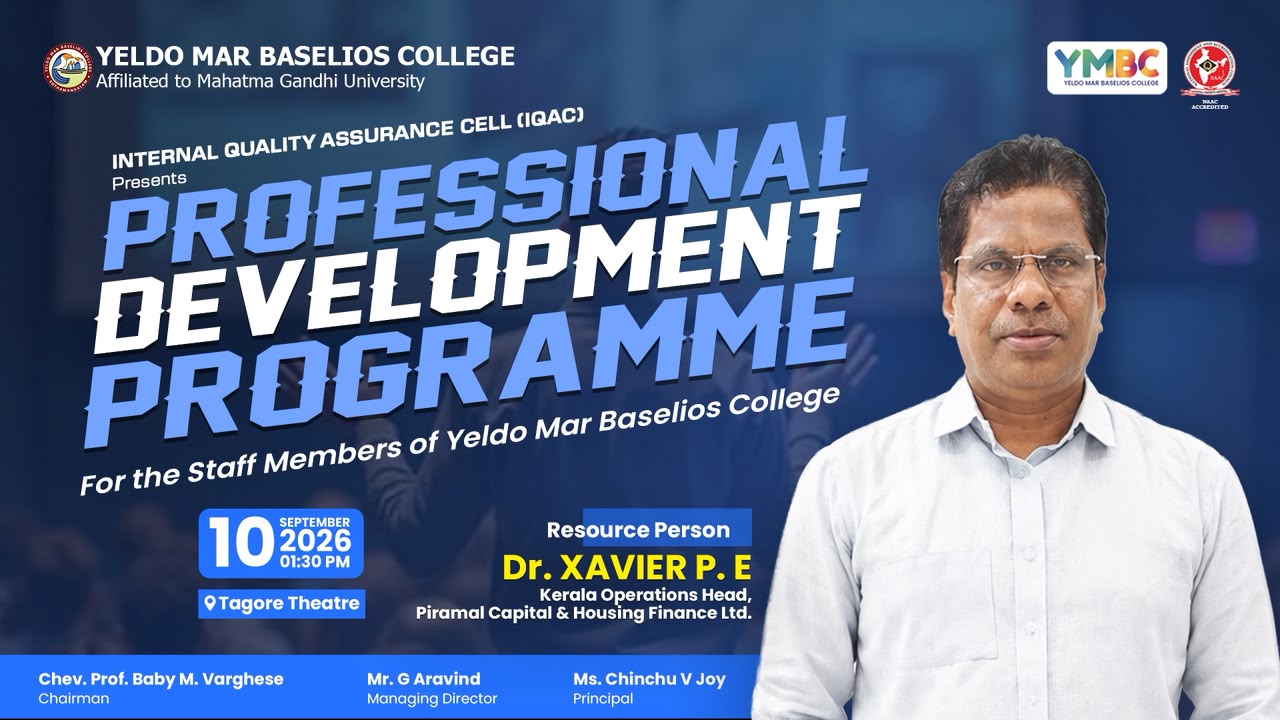
September 10, 2026
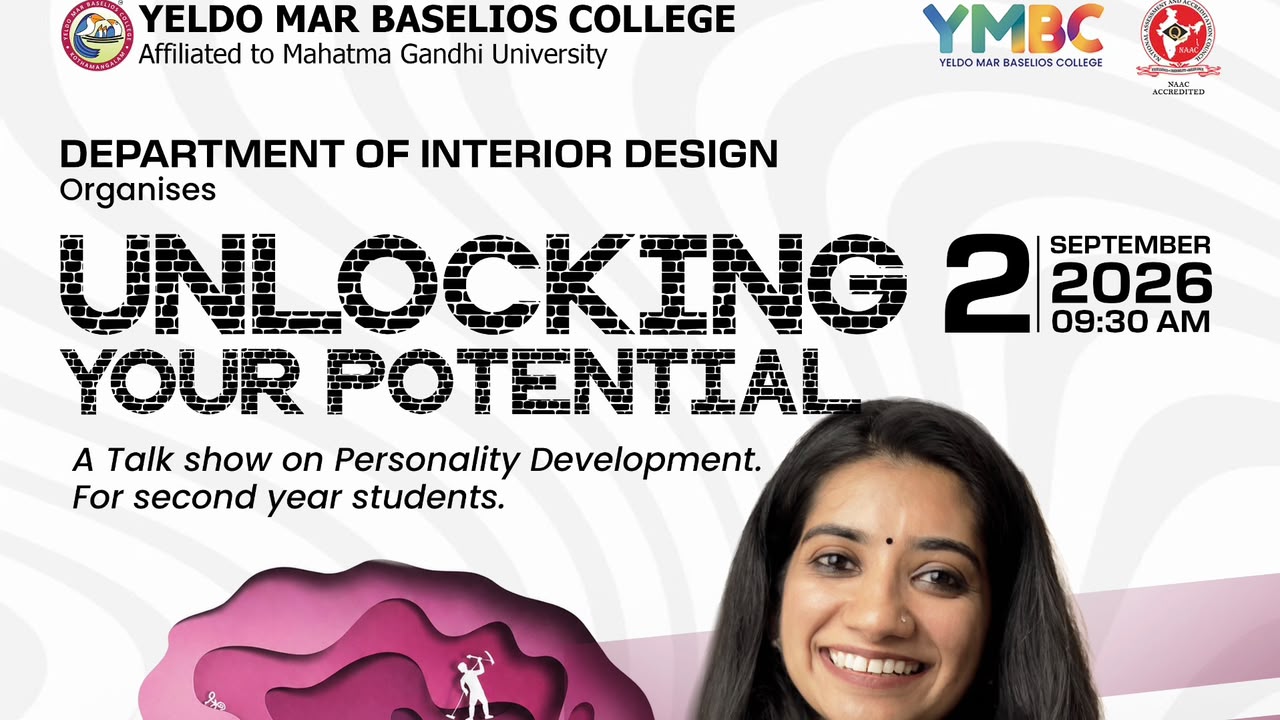
September 2, 2026

August 20, 2026

August 13 to August 15, 2026

August 11, 2026

July 31 to August 1, 2026
July 29, 2026
July 29, 2026

July 29, 2026
July 24, 2026
July 21, 2026
July 21, 2026
July 21, 2026
July 21, 2026
July 16 to July 17, 2026
July 8, 2026
July 6, 2026
June 30, 2026
June 22, 2026
June 19, 2026
June 19, 2026
June 15, 2026
June 12, 2026
June 5, 2026
June 5, 2026
April 18, 2026
March 30 to April 1, 2026
March 30, 2026
March 26, 2026
March 16 to March 17, 2026
March 13, 2026
March 10, 2026
March 9, 2026
March 6, 2026
March 5, 2026
March 4, 2026
February 27, 2026
February 27, 2026
February 26 to February 27, 2026
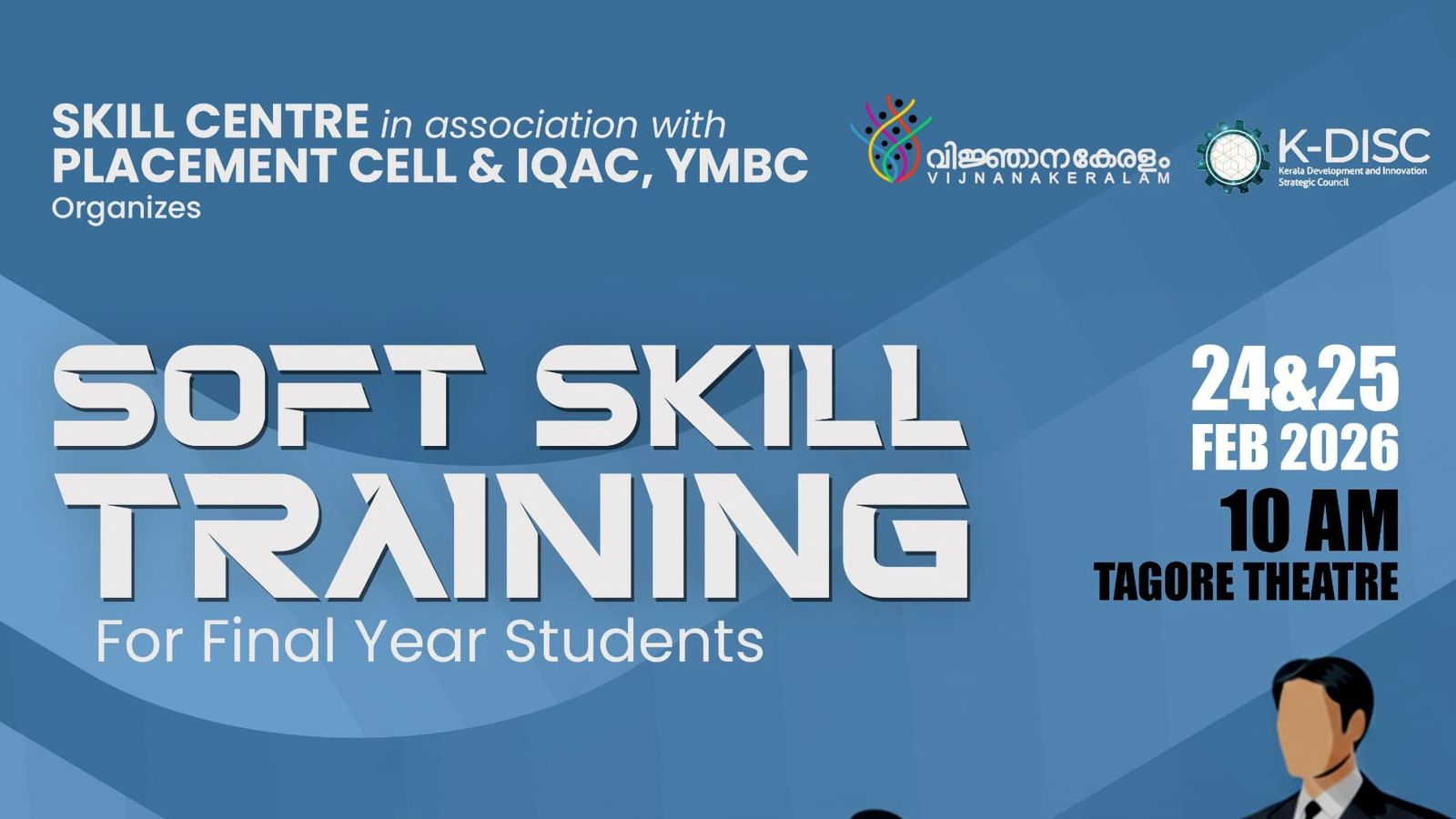
February 24 to February 25, 2026

February 23, 2026

February 18, 2026
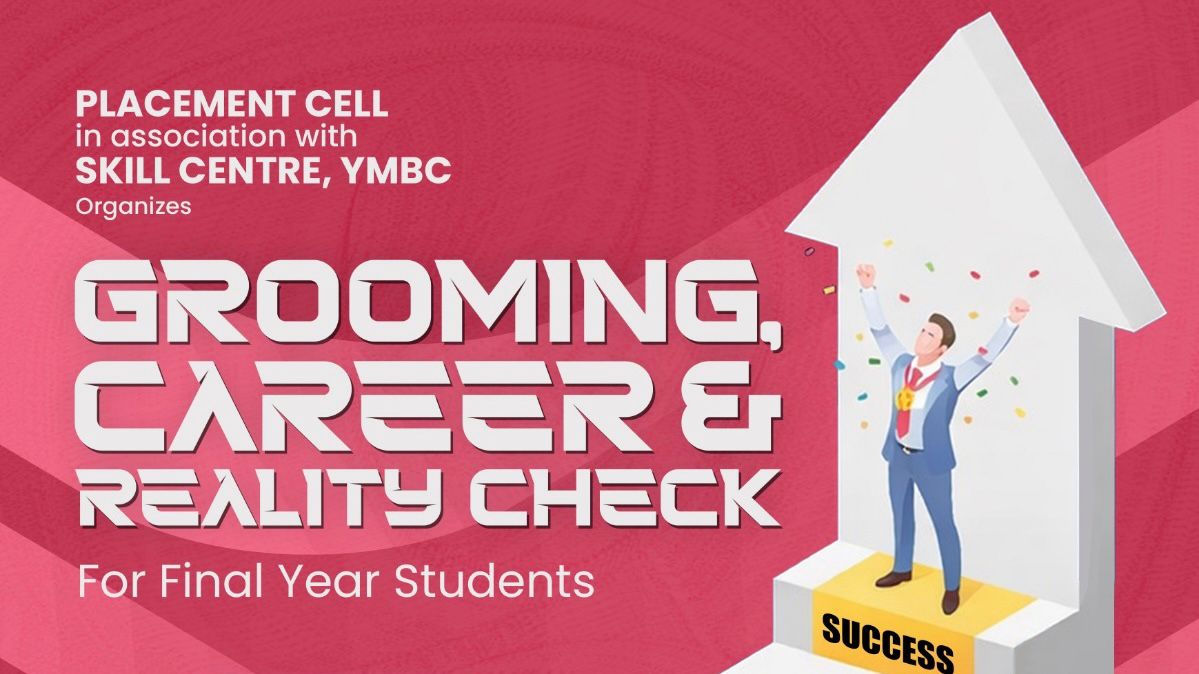
February 16 to February 18, 2026

February 13, 2026
February 10, 2026
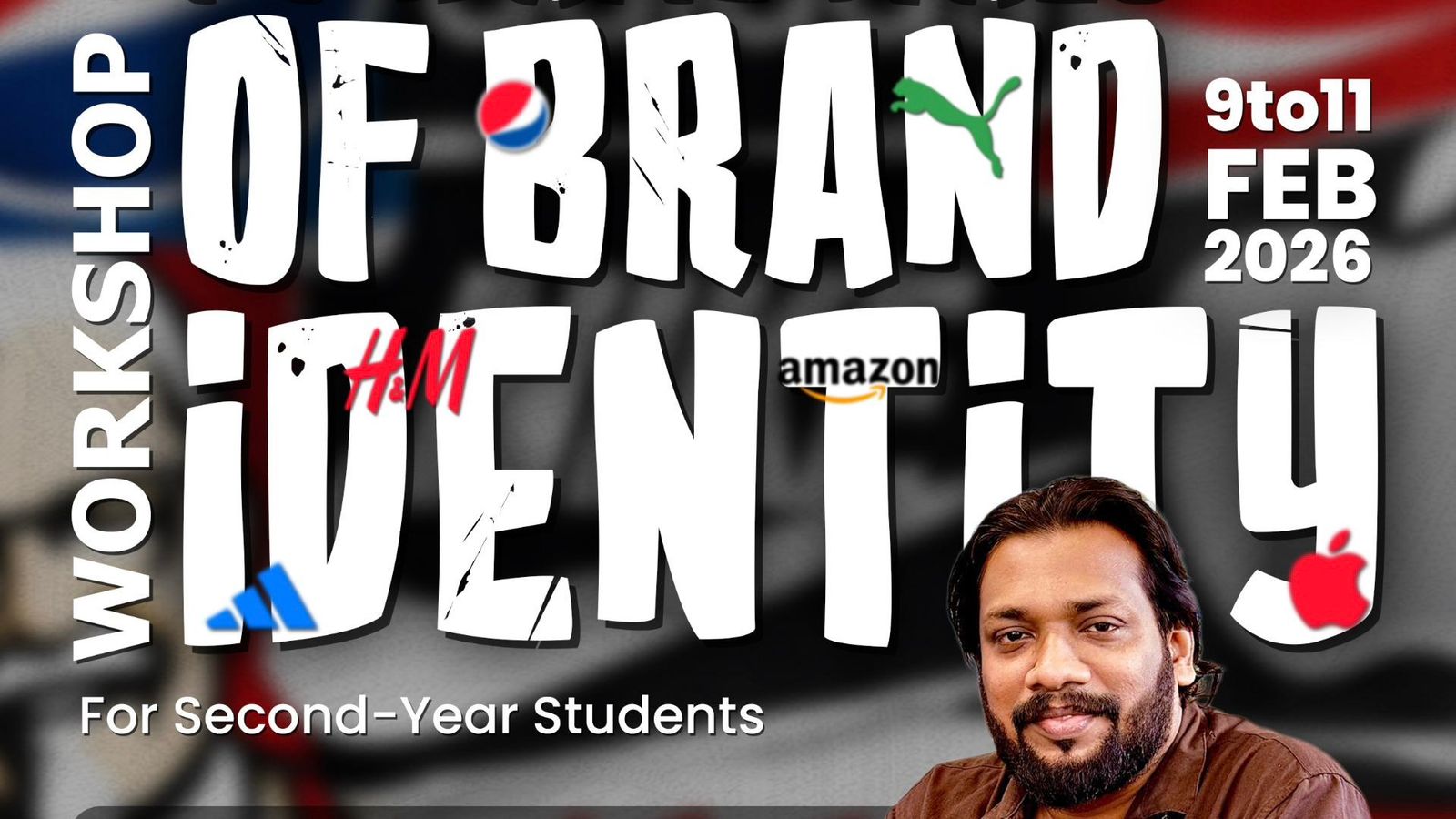
February 9, 2026

February 3, 2026
January 28, 2026

January 28, 2026

January 28, 2026

January 23, 2026

January 23, 2026
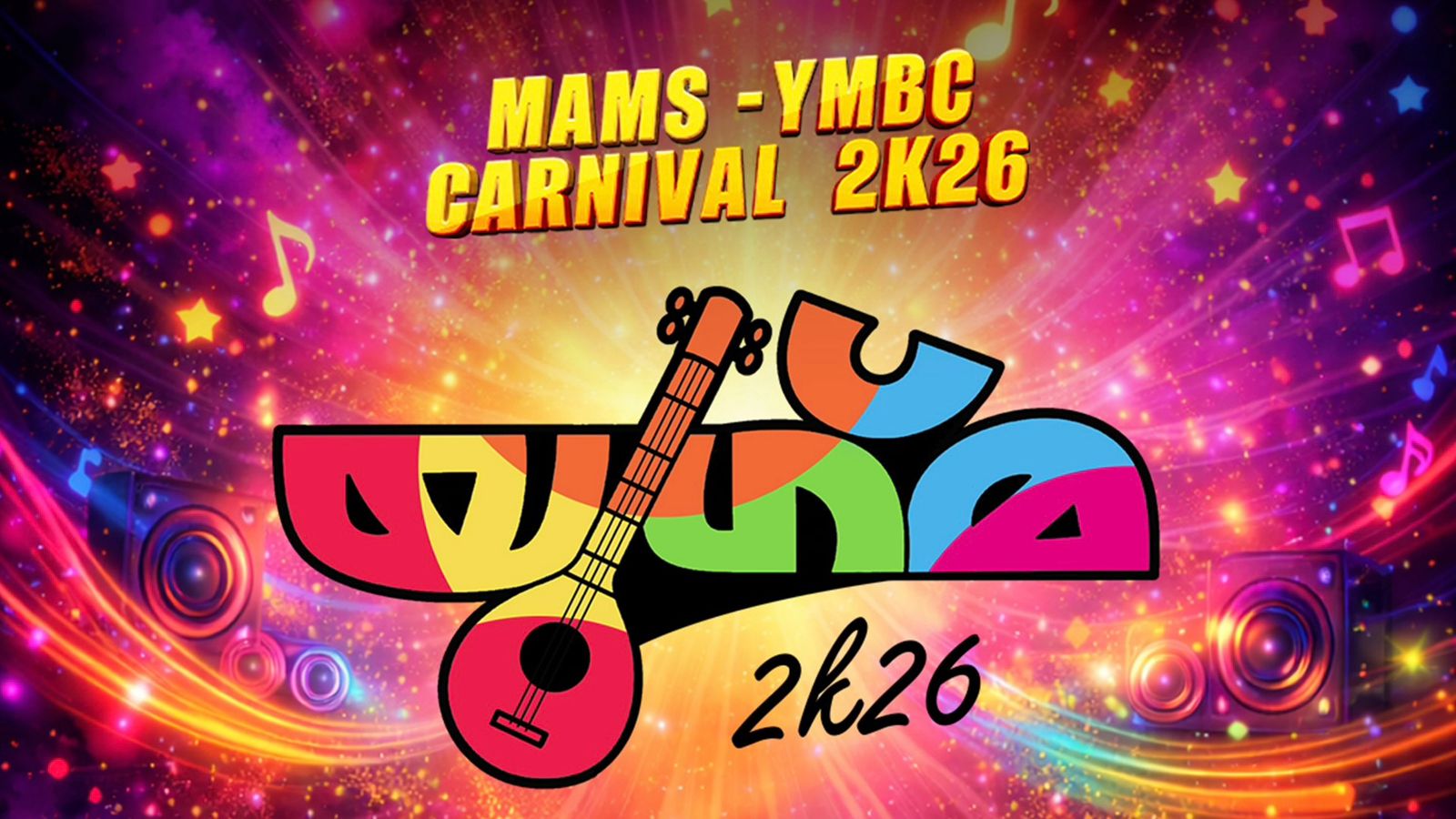
January 22 to January 23, 2026
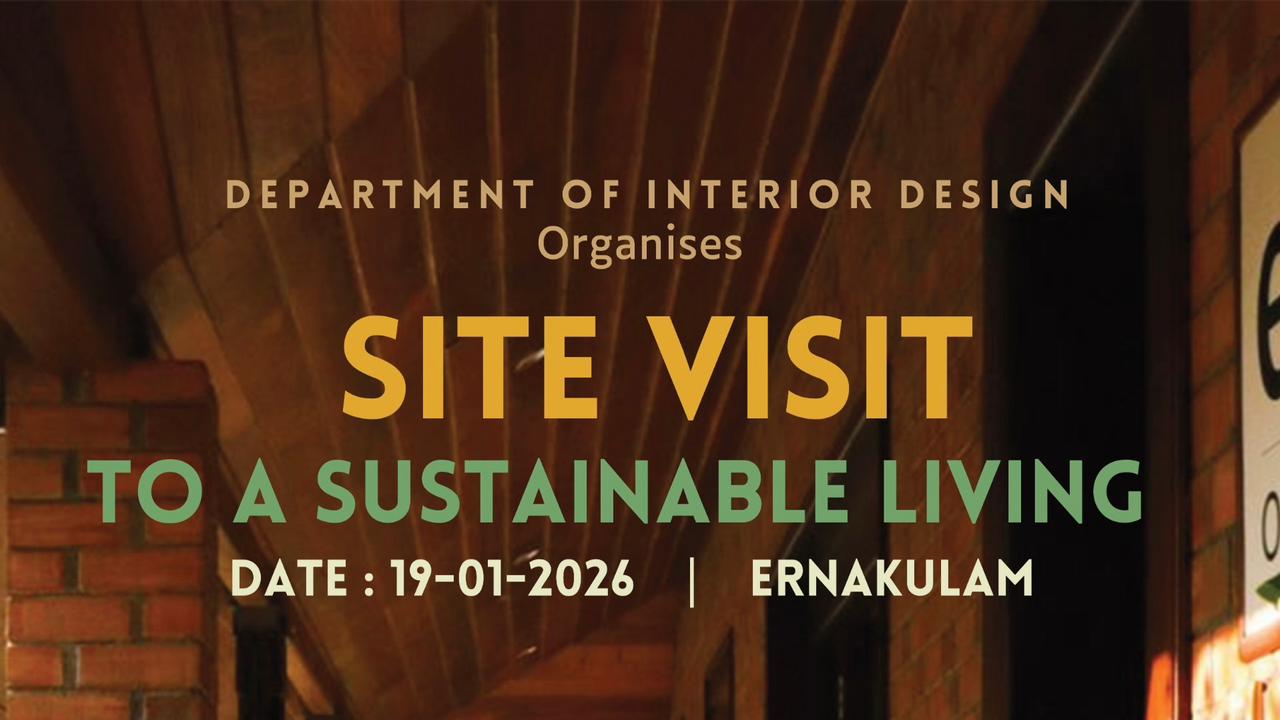
January 19, 2026

January 16, 2026

January 15, 2026

January 14, 2026

January 13, 2026
January 12, 2026

January 12 to January 31, 2026

January 12 to January 31, 2026
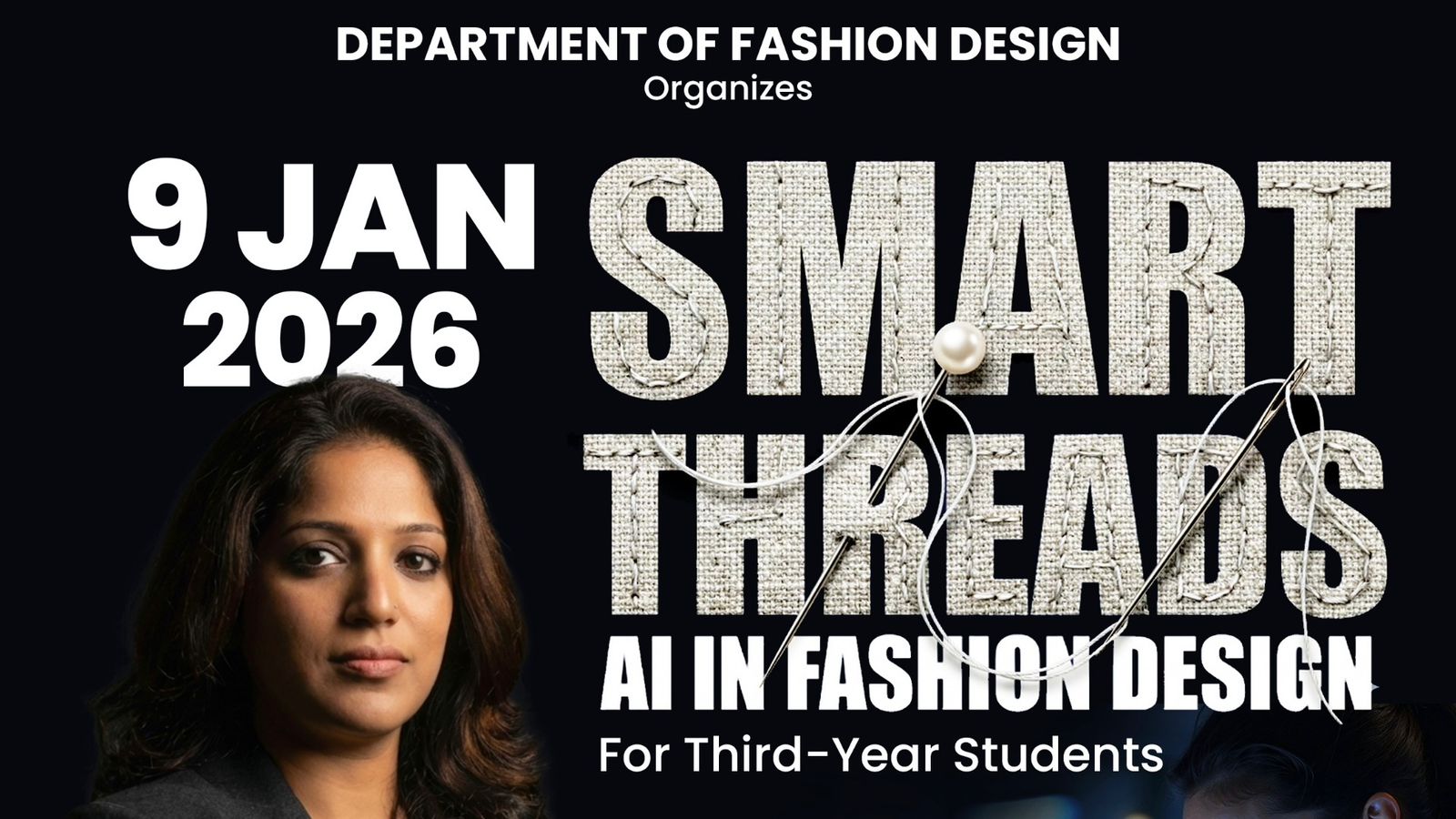
January 9, 2026

January 8 to January 9, 2026

January 8 to January 9, 2026
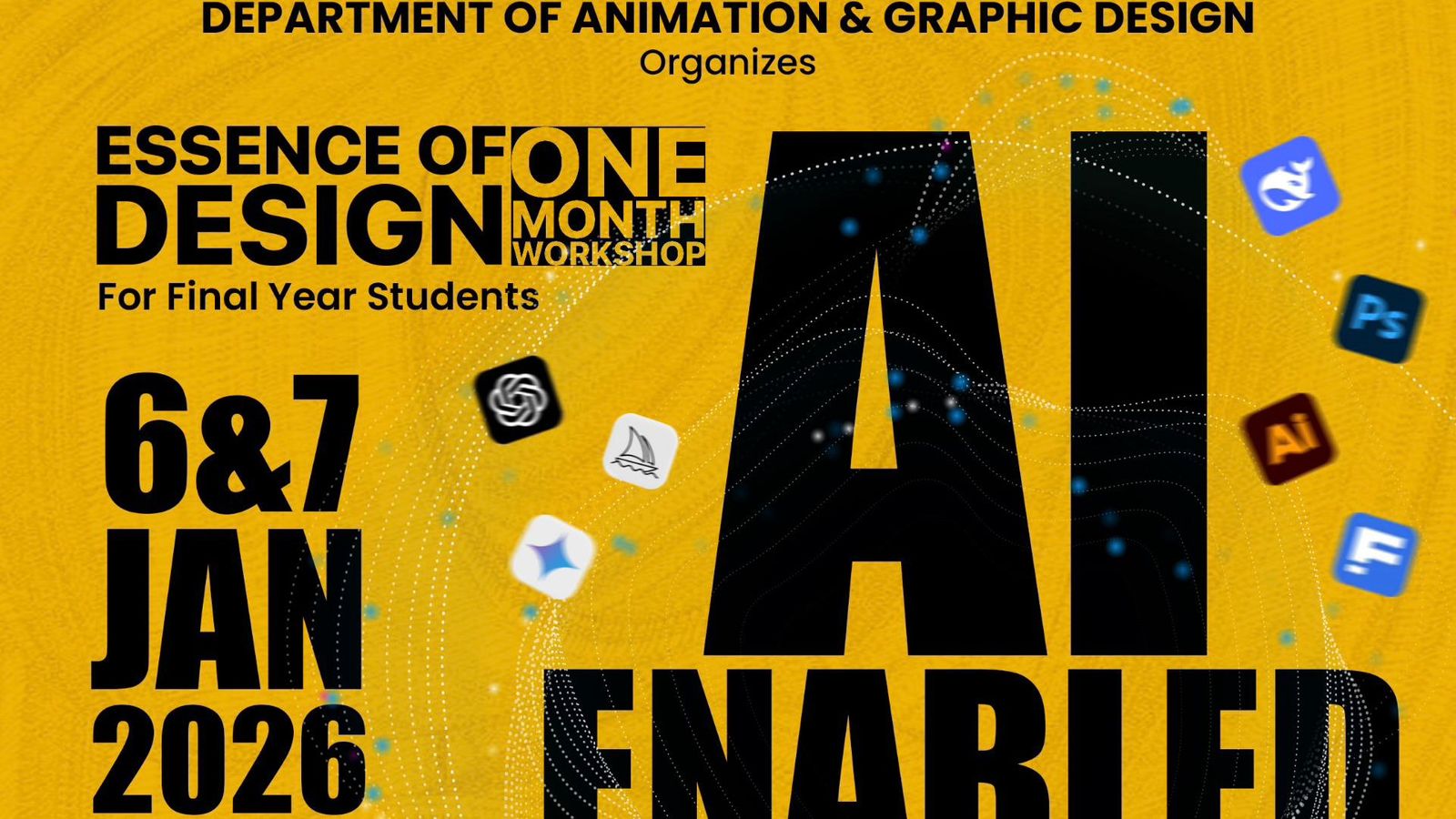
January 6 to January 7, 2026

January 6 to January 7, 2026

December 22, 2025

December 22, 2025

December 22, 2025
December 20, 2025

December 16, 2025
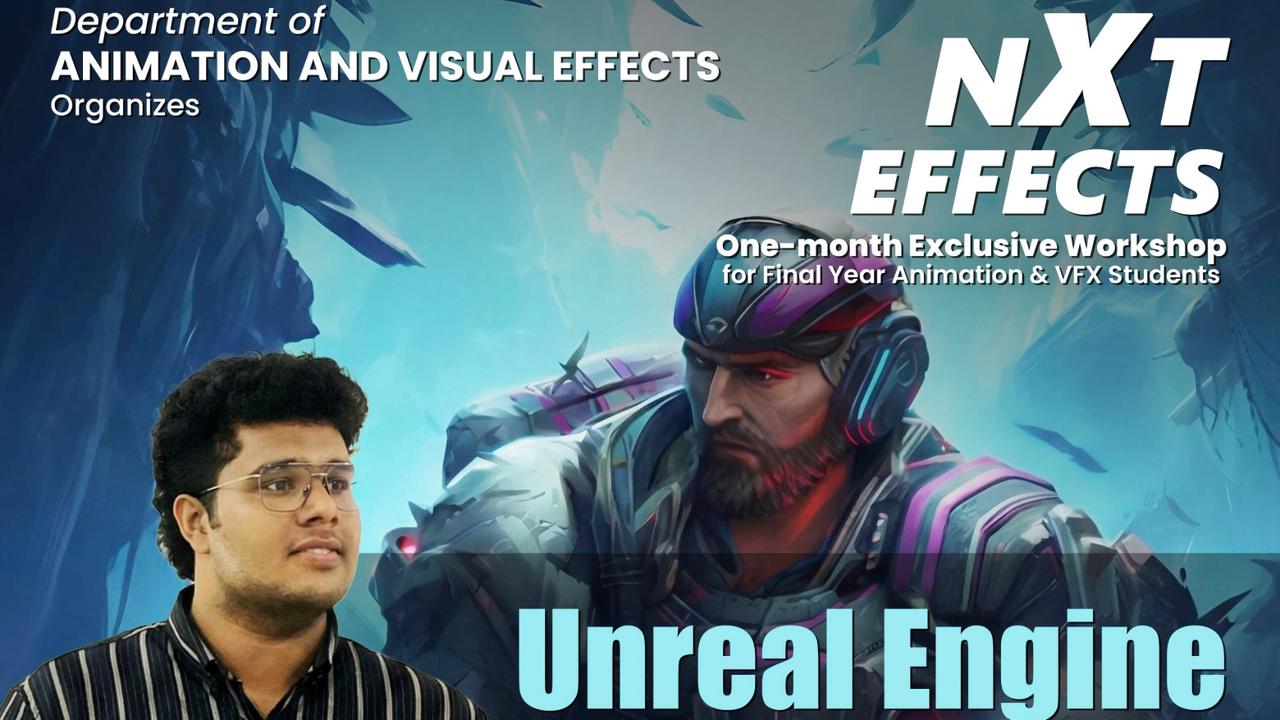
December 15 to December 19, 2025

December 5, 2025

December 4, 2025

December 3, 2025

December 2 to January 2, 2026
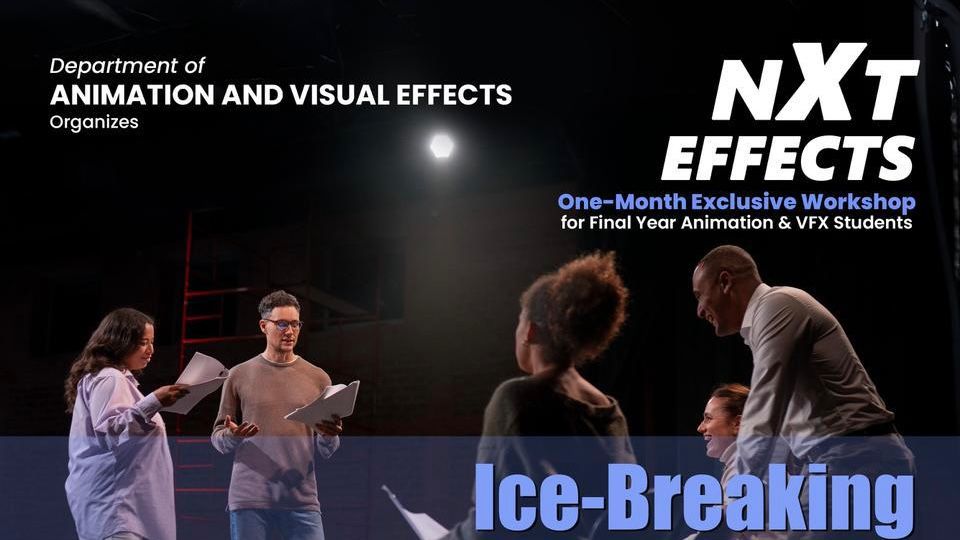
December 2, 2025

December 1 to December 5, 2025

December 1, 2025

November 27, 2025

November 26, 2025

November 26 to December 28, 2025

November 26, 2025

November 26 to December 26, 2025

November 25, 2025

November 24, 2025

November 22, 2025

November 21, 2025

November 19, 2025

November 17, 2025
November 16, 2025

November 14, 2025

November 13, 2025

November 12, 2025

November 12, 2025

November 11, 2025

November 7 to November 9, 2025

November 7, 2025
November 4, 2025

October 28, 2025

October 27, 2025

October 23, 2025
October 21, 2025

October 17, 2025
October 14, 2025
October 9 to October 10, 2025

October 7, 2025
August 21, 2025

July 2, 2025

April 25, 2025
January 29 to February 4, 2025
November 12, 2024

October 4, 2024

September 12, 2024
September 7, 2024

July 10 to July 12, 2024
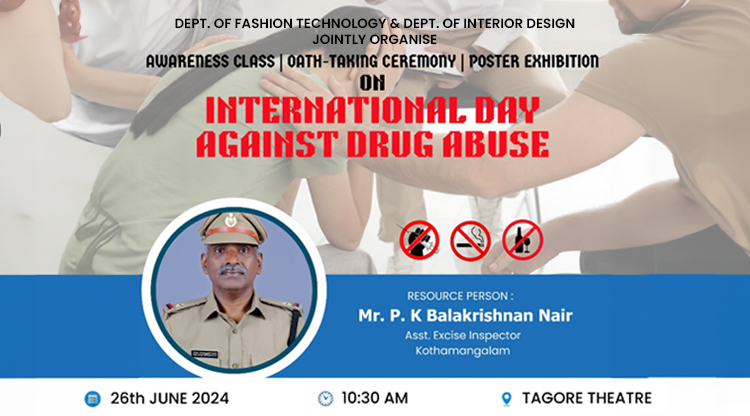
June 26, 2024

June 19, 2024

June 14, 2024
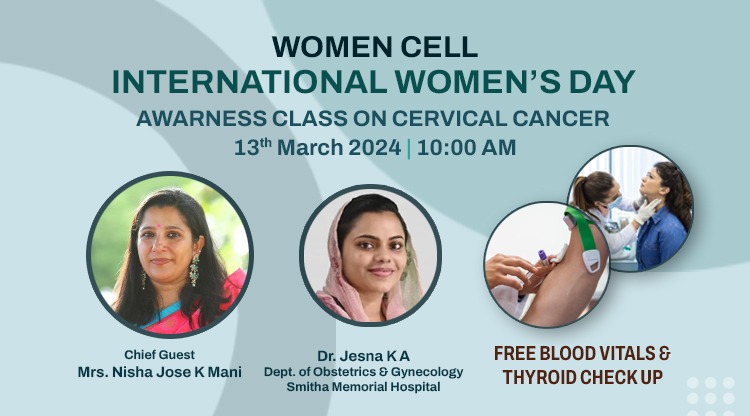
March 13, 2024

March 13, 2024

March 11, 2024

March 6, 2024
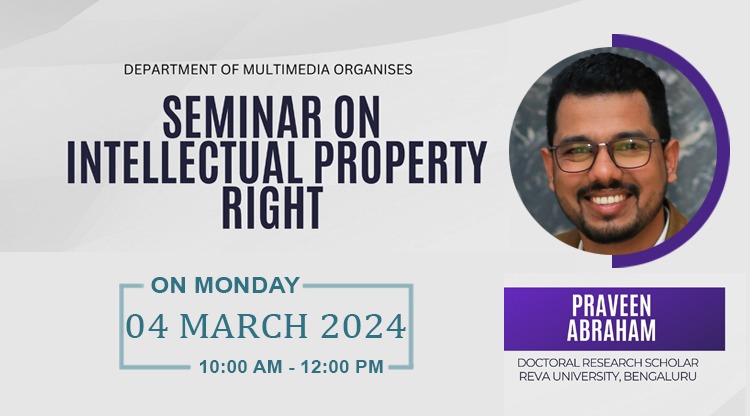
March 4, 2024

February 23, 2024

February 22 to February 27, 2024

February 22 to February 26, 2024

April 27, 2023

July 29, 2022
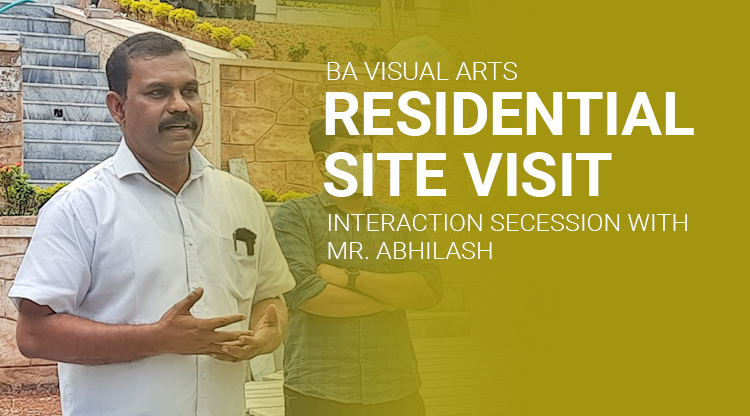
July 22, 2022

July 19, 2022

July 18, 2022

July 15, 2022

June 30, 2022
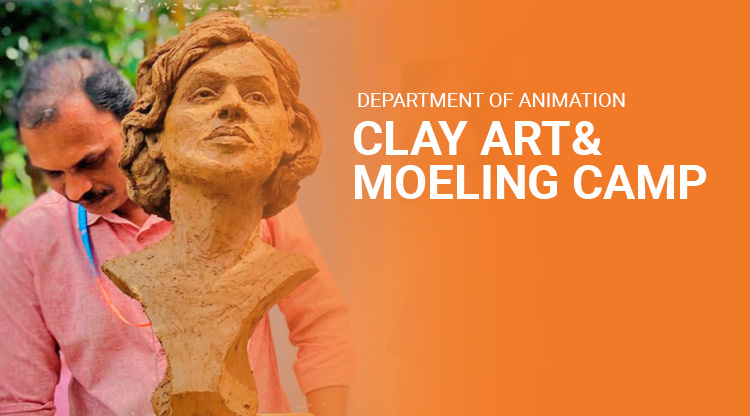
June 29, 2022
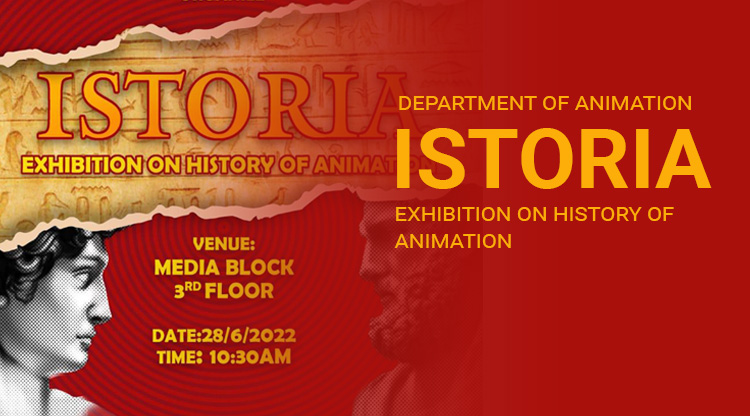
June 28, 2022

June 13, 2022

June 6, 2022

February 14, 2017