
- Email yeldocollegesmd@gmail.com
- CALL +91 98461 10506 +91 98468 77776
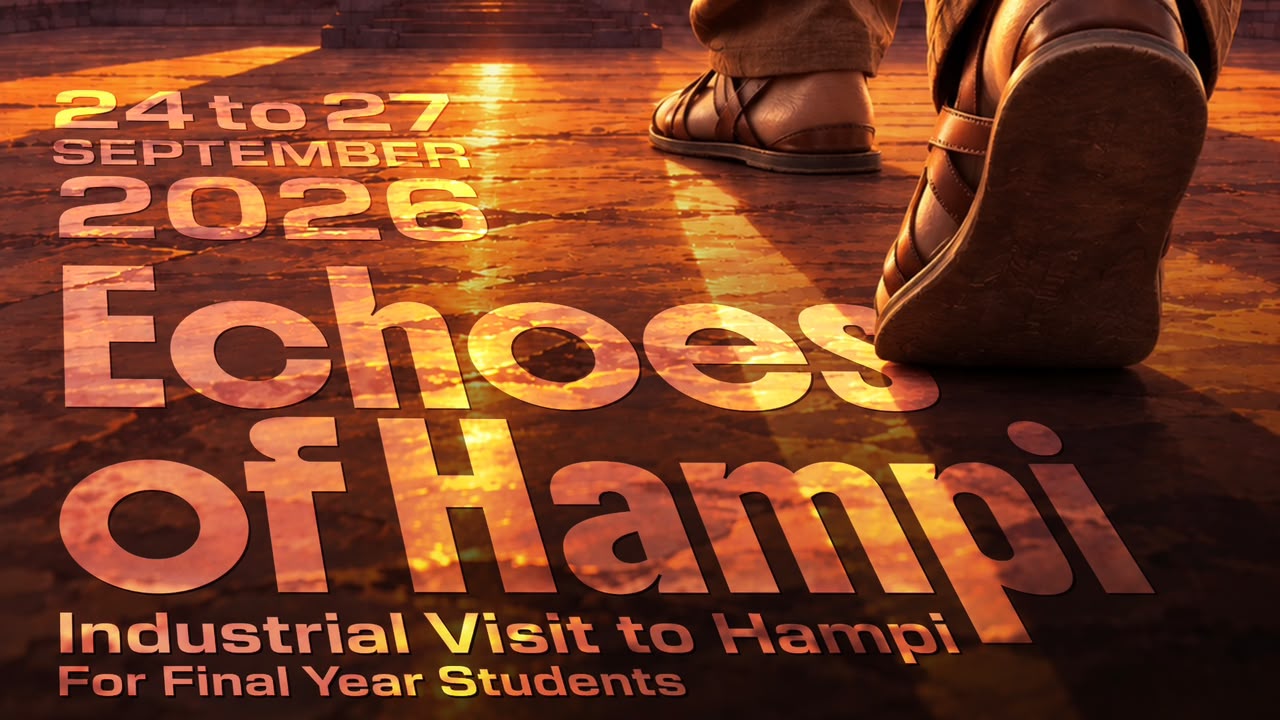
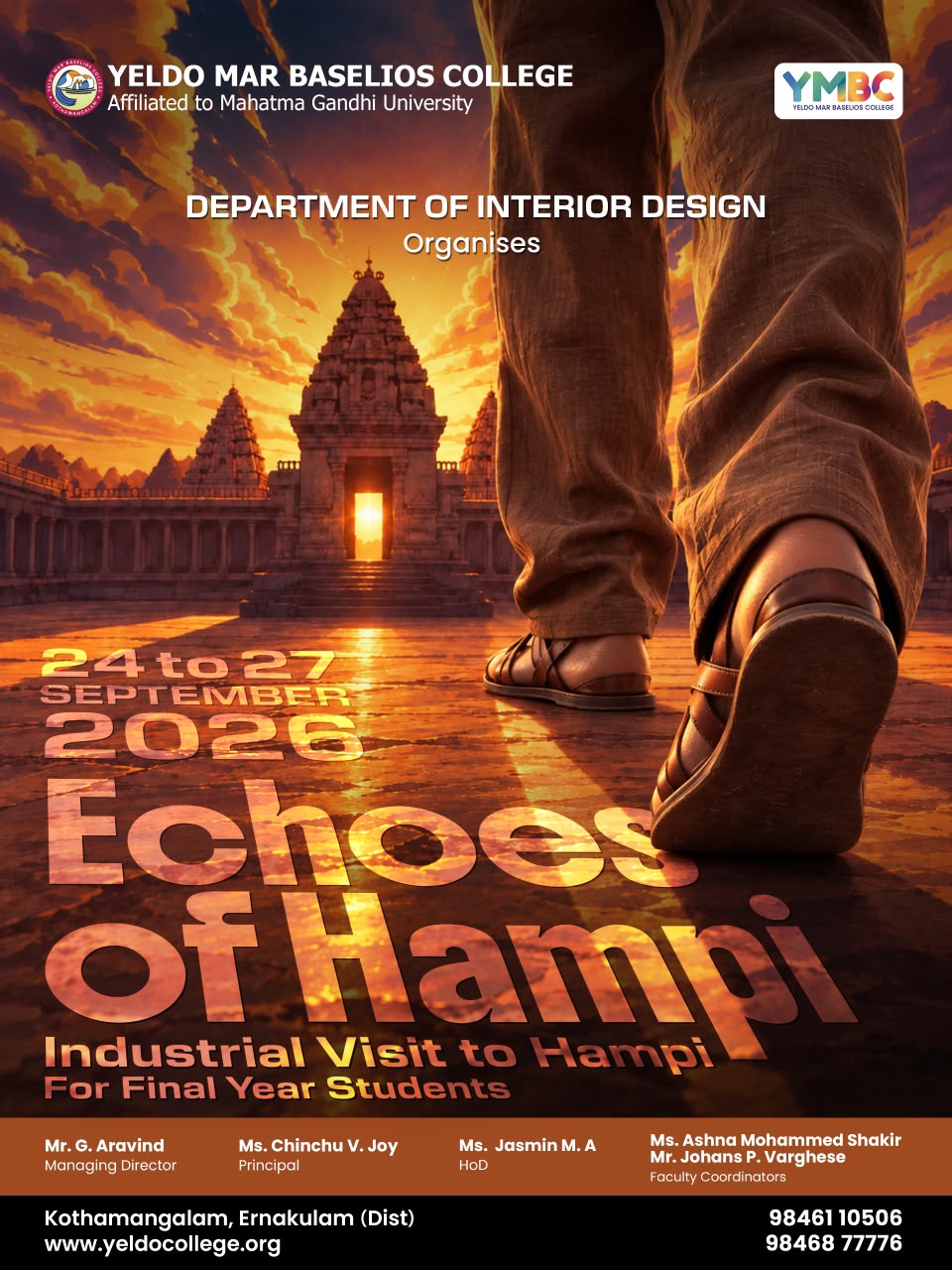
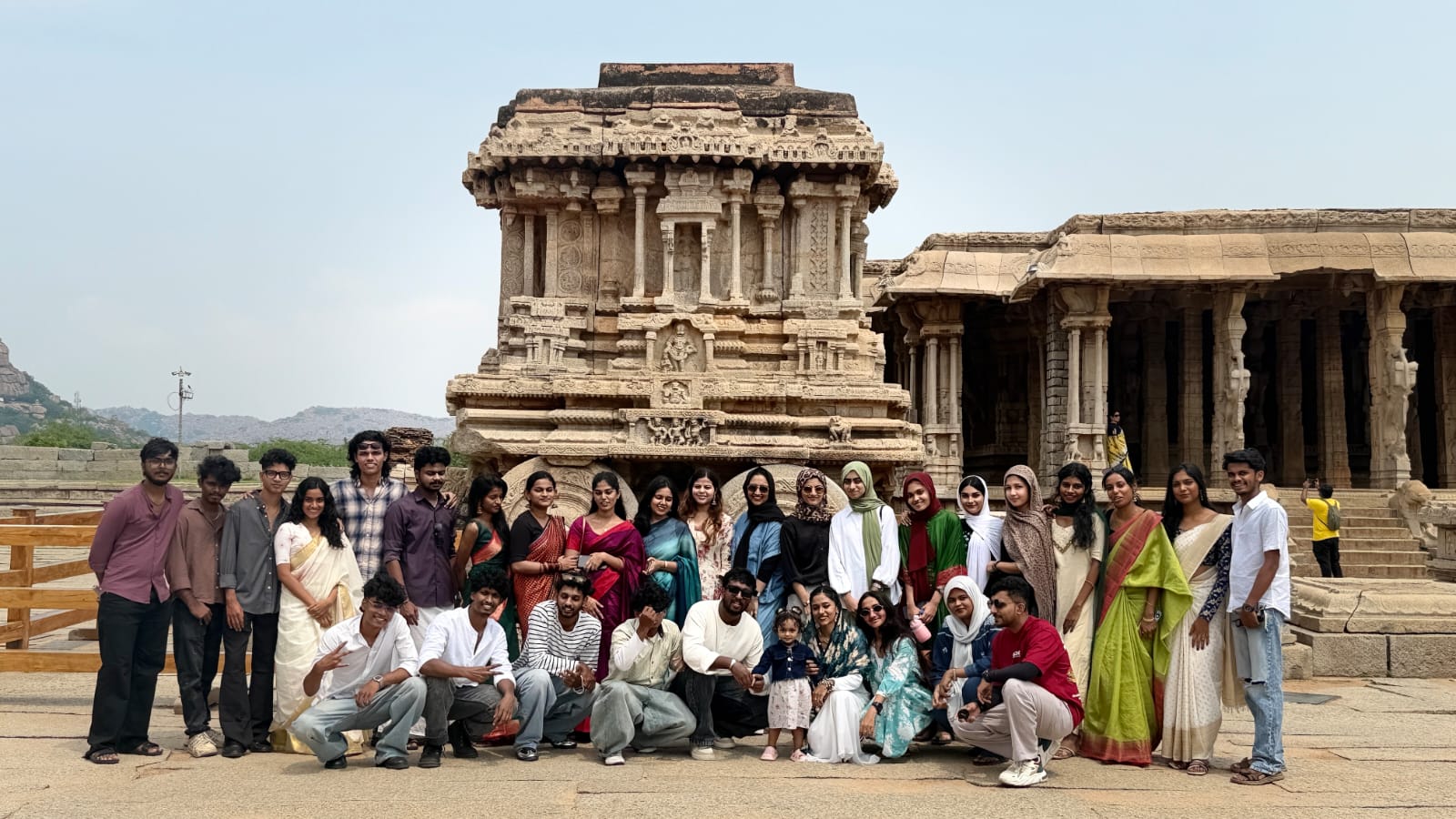
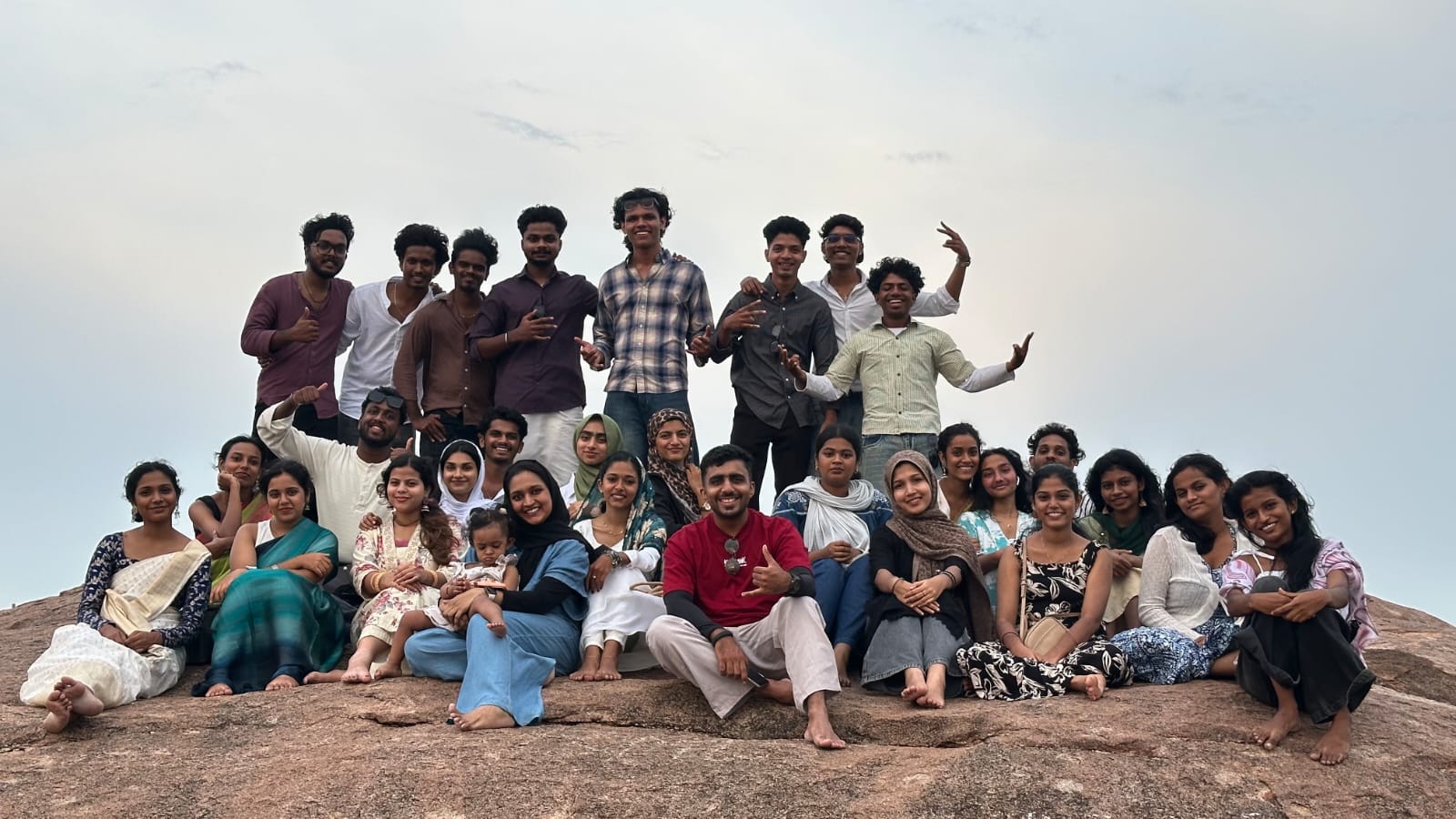
The Department of Interior Design at Yeldo Mar Baselios College is conducting an immersive industrial visit to Hampi for final-year students from 24 to 27 September 2026. This experiential learning journey positions Hampi's UNESCO-listed monuments as a living laboratory for understanding materiality, spatial planning, architectural morphology, scale, proportion, texture, and cultural context in interior and architectural design. Hampi, stands as one of the most sophisticated examples of pre-modern urban planning and Dravidian temple architecture in South India. Its monumental ruins-temples, palaces, colonnaded bazaars, sacred tanks, and ceremonial gateways-offer students a rare opportunity to read architecture beyond drawings and experience how history, function, form, and place converge into a powerful Through guided site explorations, students will engage directly with the grammar of Vijayanagara architecture: the layered verticality of gopurams, the rhythmic modulation of pillared mantapas, the interplay of solid and void in stone screens (jaalis), and the proportional systems that govern sacred geometry. These are not abstract concepts but lived realities etched in granite, basalt, and laterite materials whose texture, weathering, and tectonic expression speak to centuries of craft, climate, and cultural meaning. The materiality is inseparable from identity of Hampi. The city was literally carved from the boulder-strewn landscape it occupies, with architects and artisans working in dialogue with the site's geology. Students will study how massive granite monoliths were quarried, dressed, and assembled without mortar, relying on precise joinery and load-bearing logic. This tectonic honesty-where structure, surface, and ornament emerge from the same material-offers a masterclass in authenticity and durability, principles increasingly relevant in contemporary sustainable design. The tactile quality of stone-its grain, patina, and response to light-will sharpen students' sensitivity to texture as a spatial and emotional device. From the polished floors of royal audiences halls to the rough-hewn plinths of temple platforms, every surface tells a story of use, hierarchy, and symbolism. Understanding these nuances equips future interior designers to specify materials not just for aesthetics, but for narrative depth and sensory experience. This zoning reflects a sophisticated understanding of circulation, sightlines, and ceremonial progression-concepts directly transferable to interior spatial planning. Students will trace the axial relationships between temple complexes, analyse the modulation of public-to-private thresholds, and decode how courtyards, corridors, and colonnades orchestrate movement and pause. The Virupaksha Temple's towering gopuram visible from Hemakuta Hill, and the Hazara Rama Temple's narrative relief panels all demonstrate how scale and proportion create legibility and monumentality. By measuring, sketching, and photographing these elements, students will internalise the rules of classical proportion and learn to apply them in modern contexts-whether designing a retail interior, a cultural centre, or a hospitality space. Hampi's architecture embodies a syncretic vocabulary, blending Dravidian temple traditions with Indo-Islamic secular forms in palaces and audience halls. This fusion-visible in arches, domes, ornamental motifs, and spatial sequences-teaches students to read design as a dialogue between traditions, a skill essential in today's globalised practice. The sacred geometry underpinning temple layouts, where every dimension resonates with cosmological symbolism, reinforces the idea that interiors can be vessels of meaning, not just function. Students will explore how light, orientation, and ritual choreography shape spatial experience-a lesson applicable to everything from meditation rooms to museum galleries. As students walk the royal pathways, trace the carvings on yali pillars, and stand beneath the singing columns of Vittala, they do more than study history-they inhabit it. Hampi becomes both textbook and studio, offering lessons in resilience, beauty, and the enduring power of well-considered space. Thus the Department of Interior Design at Yeldo Mar Baselios College, this visit is an investment in the next generation of designers who will carry forward the legacy of thoughtful, context-aware, and materially honest practice. In the echoes of Hampi, they will find not just inspiration, but a compass for their own spatial imaginations.

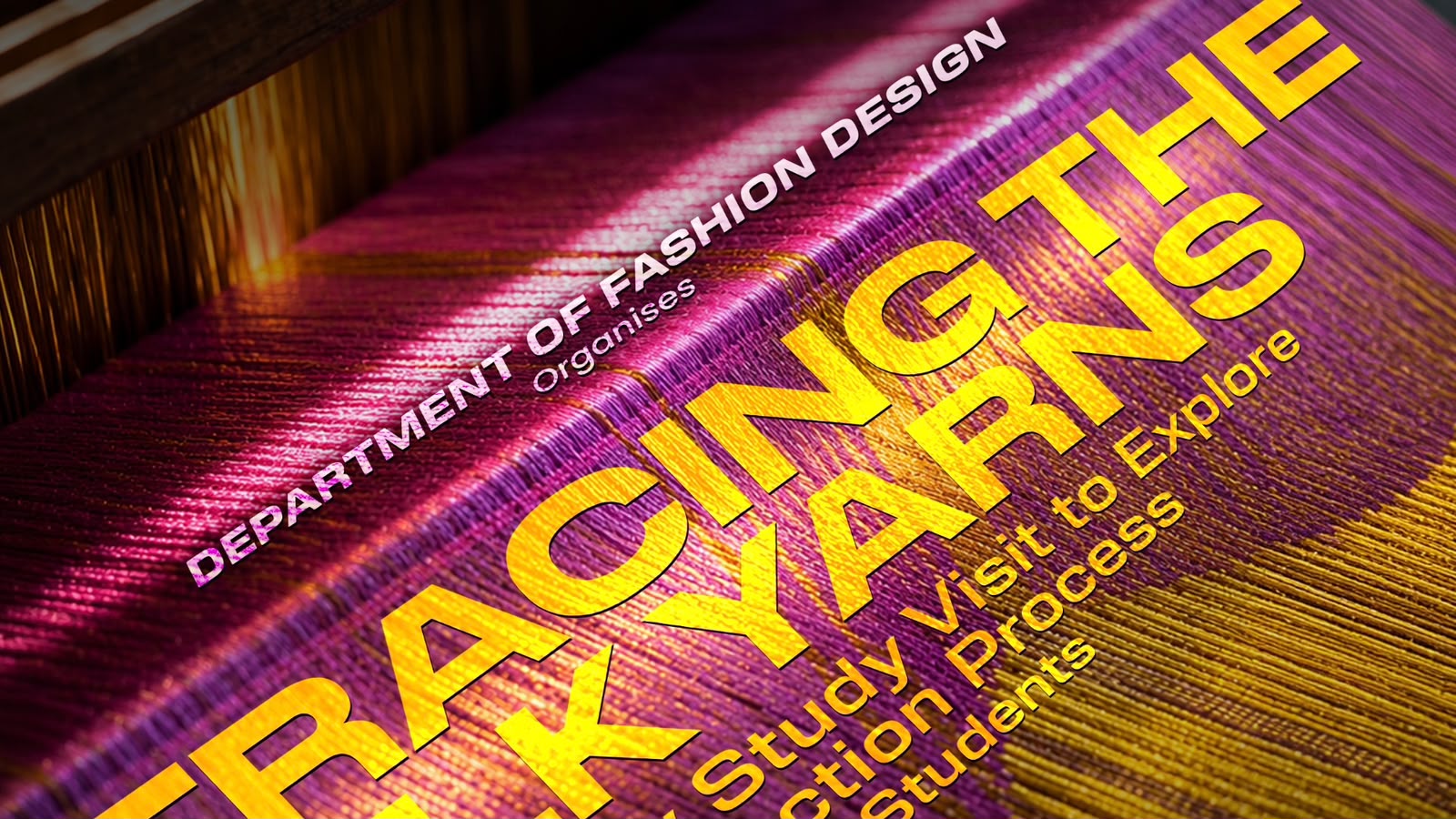
September 25 to September 26, 2026
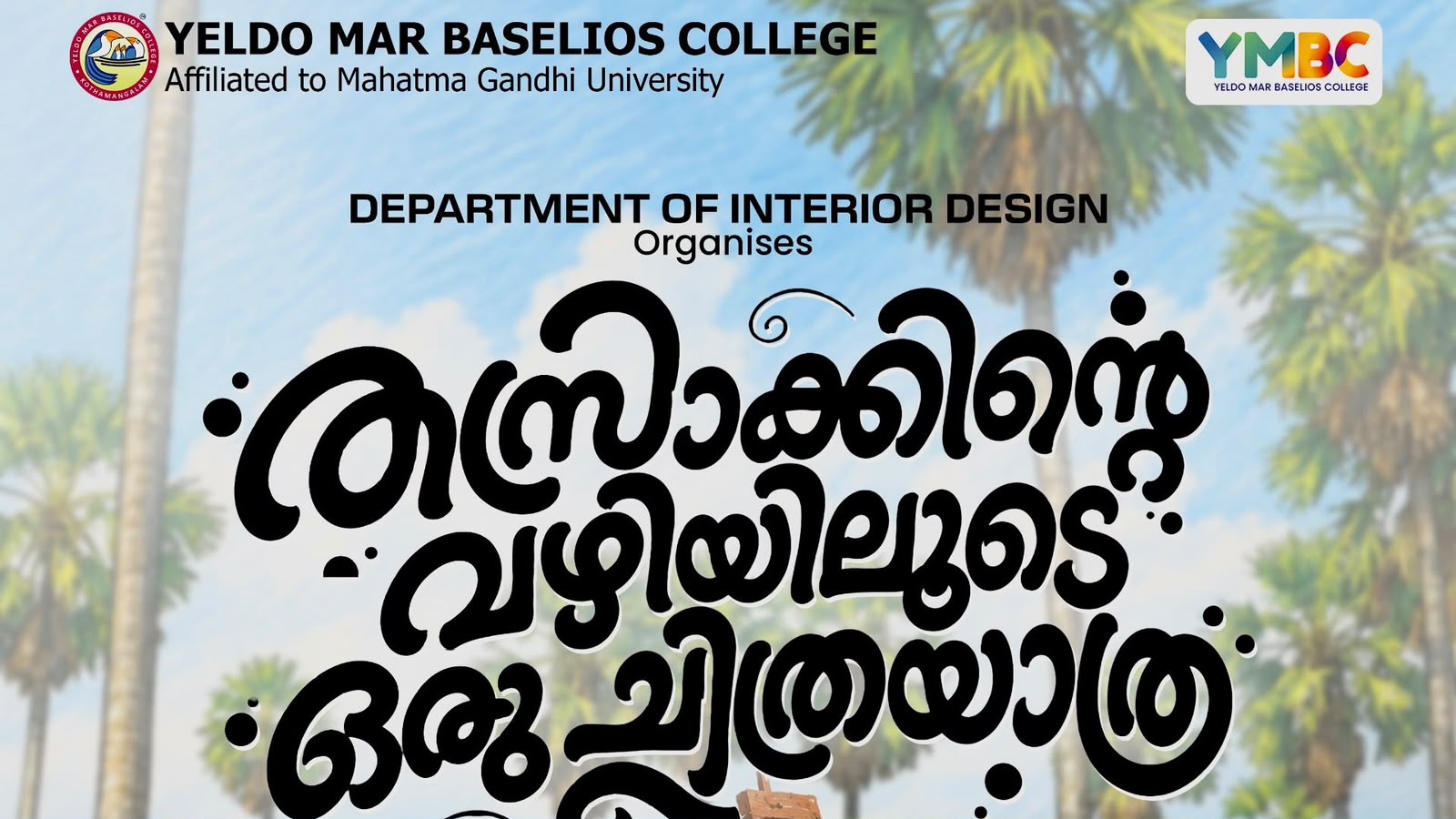
September 25, 2026

September 25, 2026

September 24, 2026
September 24 to September 27, 2026

September 23, 2026
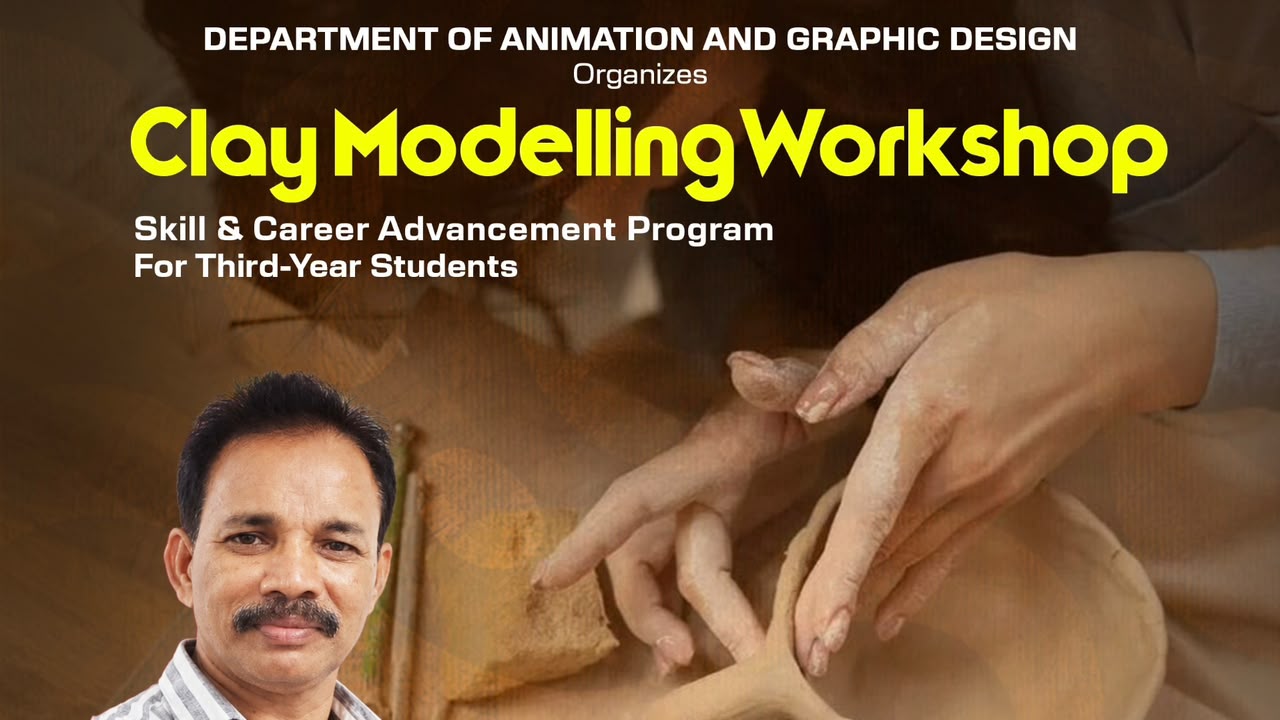
September 22 to September 23, 2026
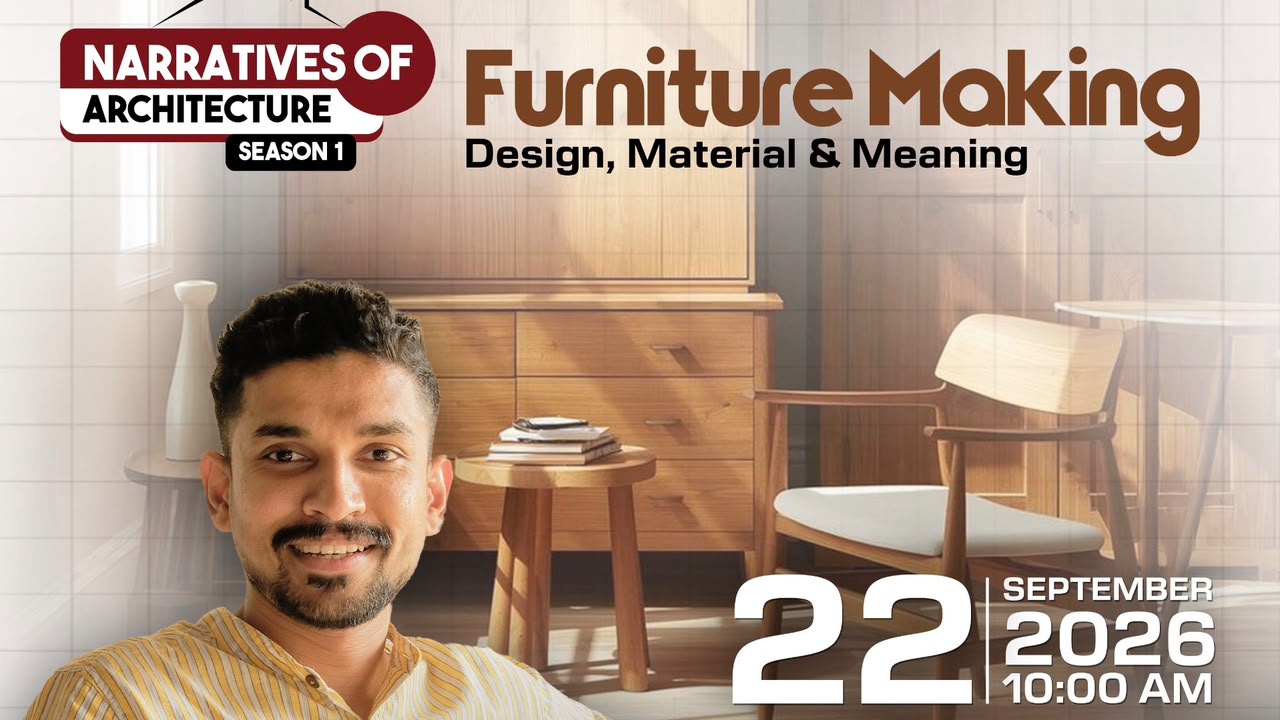
September 22, 2026
September 17 to September 18, 2026

September 15, 2026
September 15, 2026
September 15, 2026
September 10, 2026
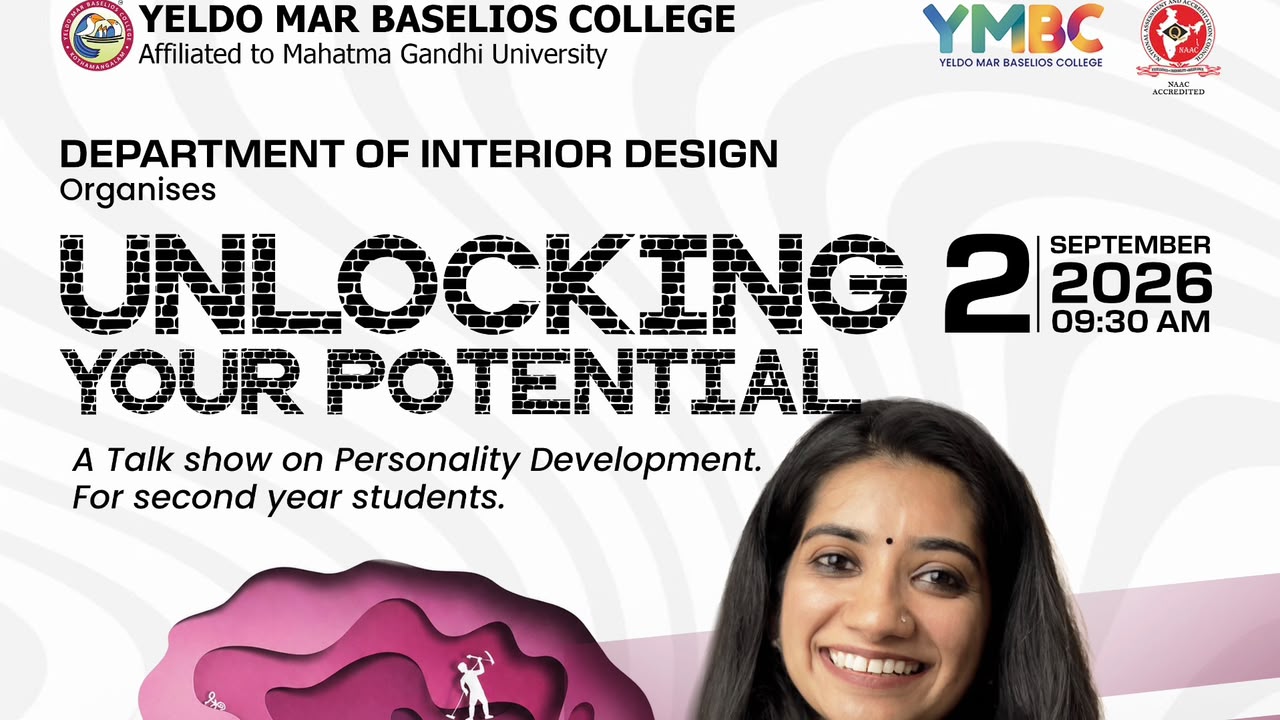
September 2, 2026

August 20, 2026
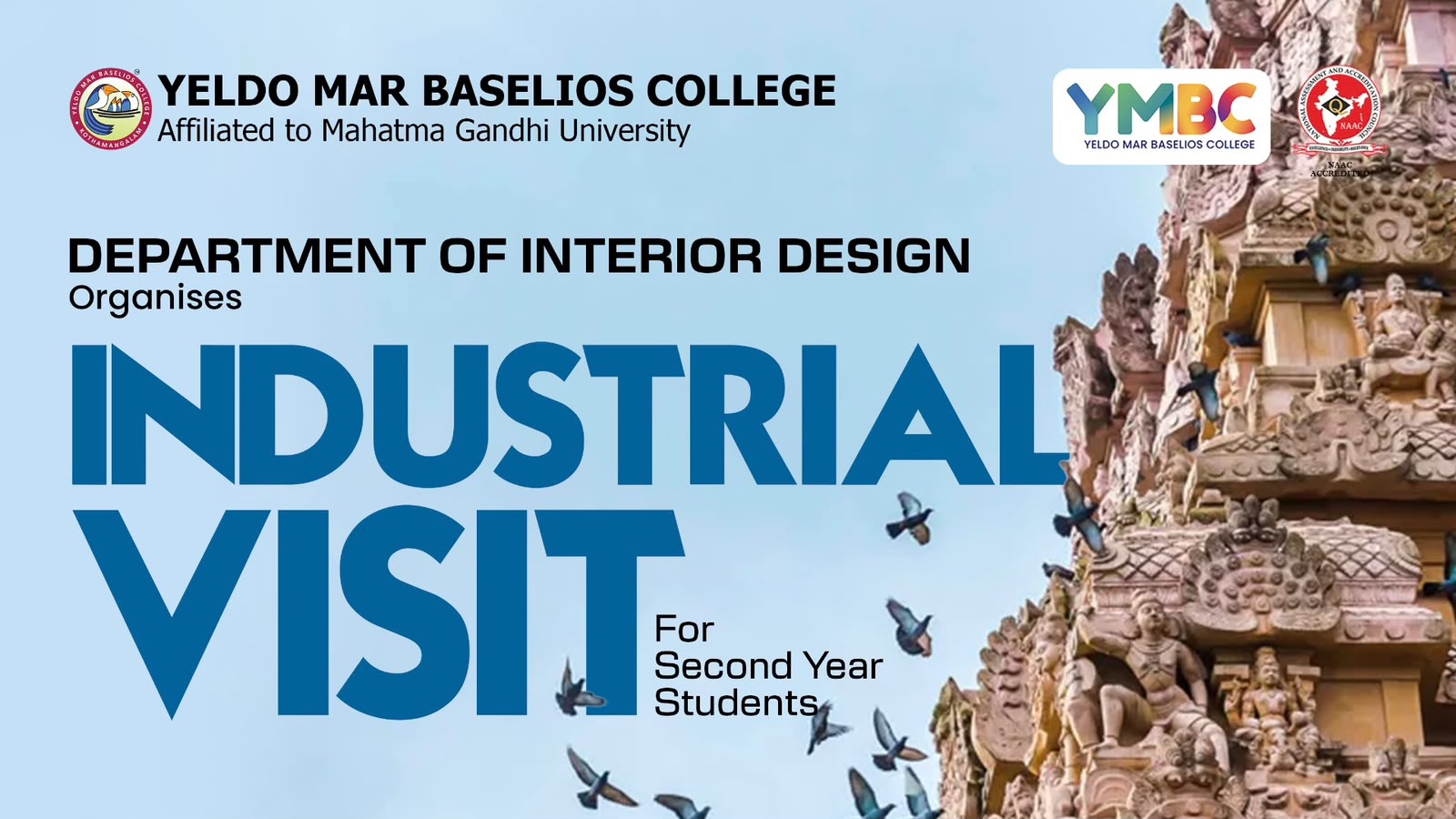
August 13 to August 15, 2026
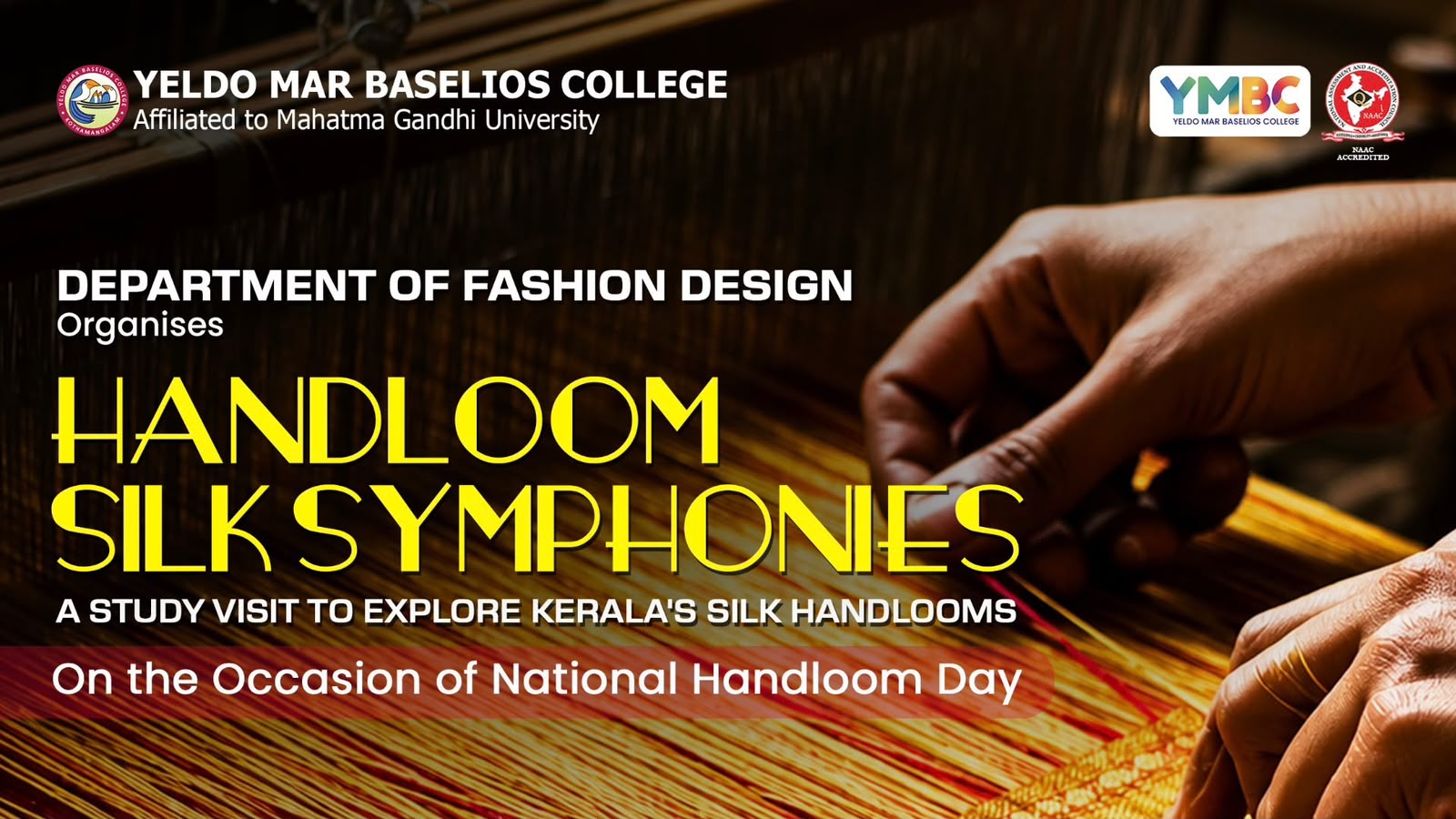
August 11, 2026
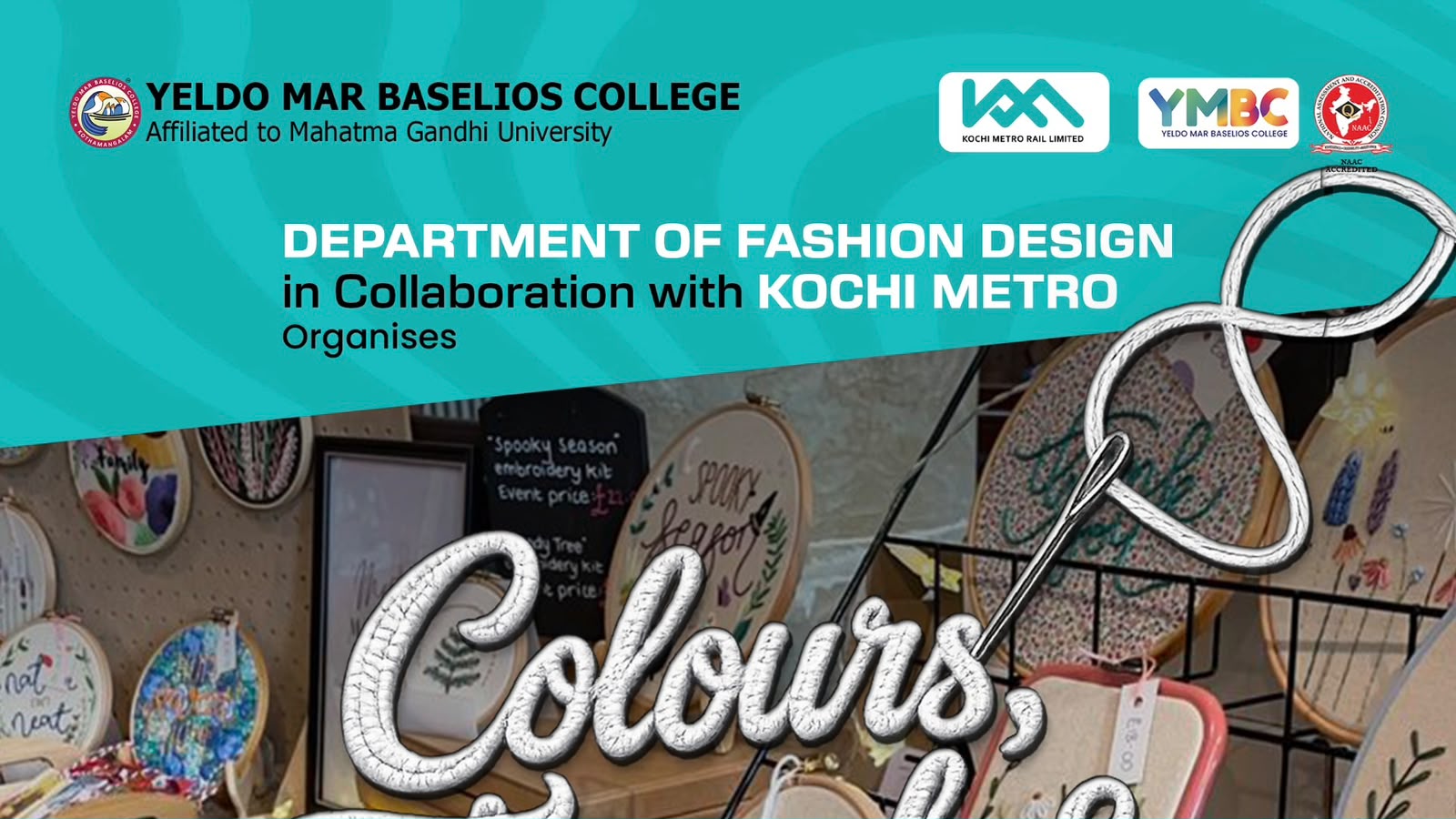
July 31 to August 1, 2026
July 29, 2026
July 29, 2026

July 29, 2026
July 24, 2026
July 21, 2026
July 21, 2026
July 21, 2026
July 21, 2026
July 16 to July 17, 2026
July 8, 2026
July 6, 2026
June 30, 2026
June 22, 2026
June 19, 2026
June 19, 2026
June 15, 2026
June 12, 2026
June 5, 2026
June 5, 2026
April 18, 2026
March 30 to April 1, 2026
March 30, 2026
March 26, 2026
March 16 to March 17, 2026
March 13, 2026
March 10, 2026
March 9, 2026
March 6, 2026
March 5, 2026
March 4, 2026
February 27, 2026
February 27, 2026
February 26 to February 27, 2026

February 24 to February 25, 2026

February 23, 2026

February 18, 2026

February 16 to February 18, 2026
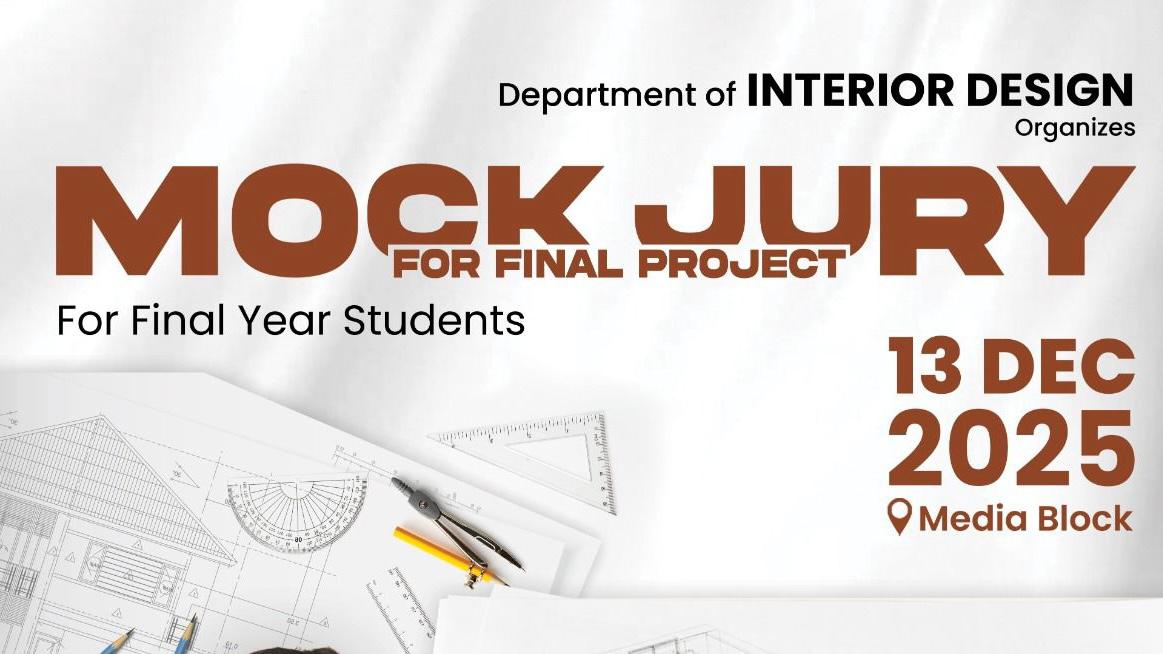
February 13, 2026
February 10, 2026

February 9, 2026

February 3, 2026

January 28, 2026
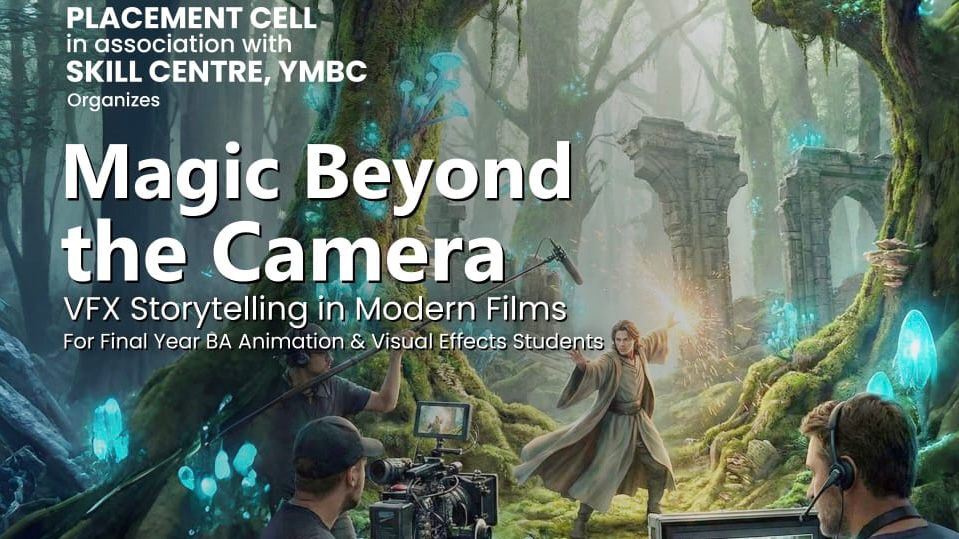
January 28, 2026
January 28, 2026

January 23, 2026

January 23, 2026

January 22 to January 23, 2026
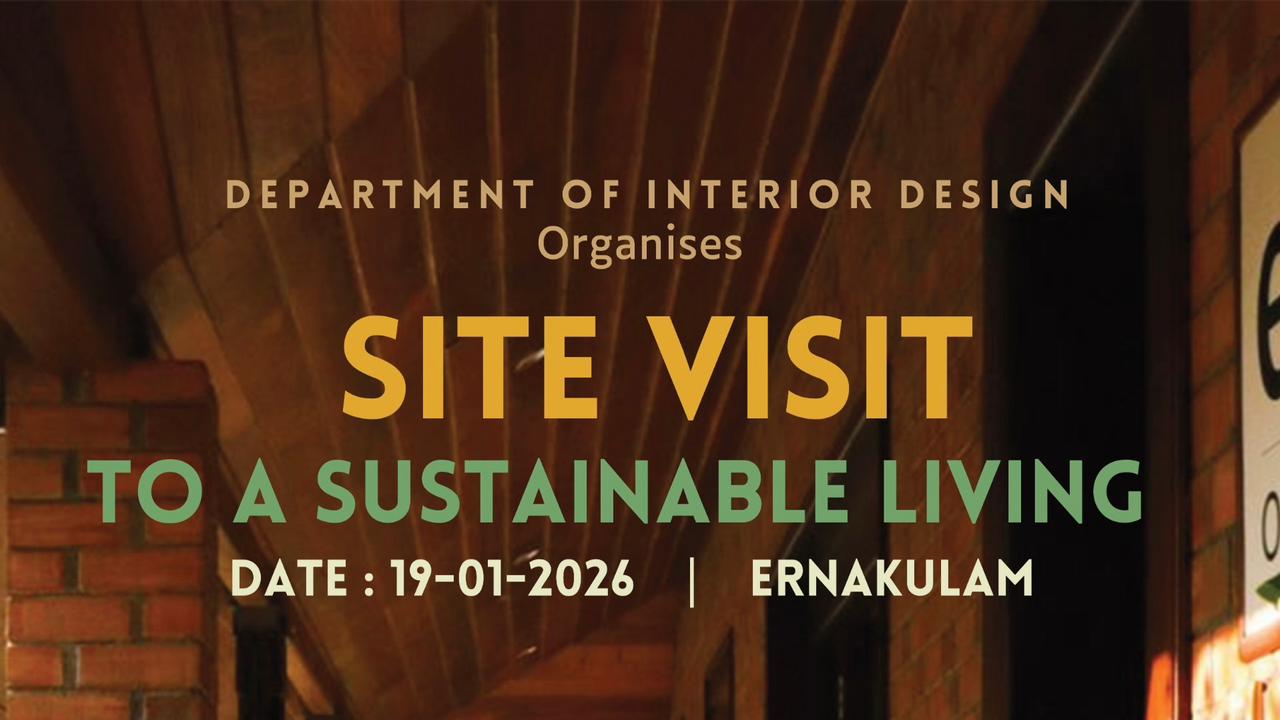
January 19, 2026

January 16, 2026

January 15, 2026

January 14, 2026
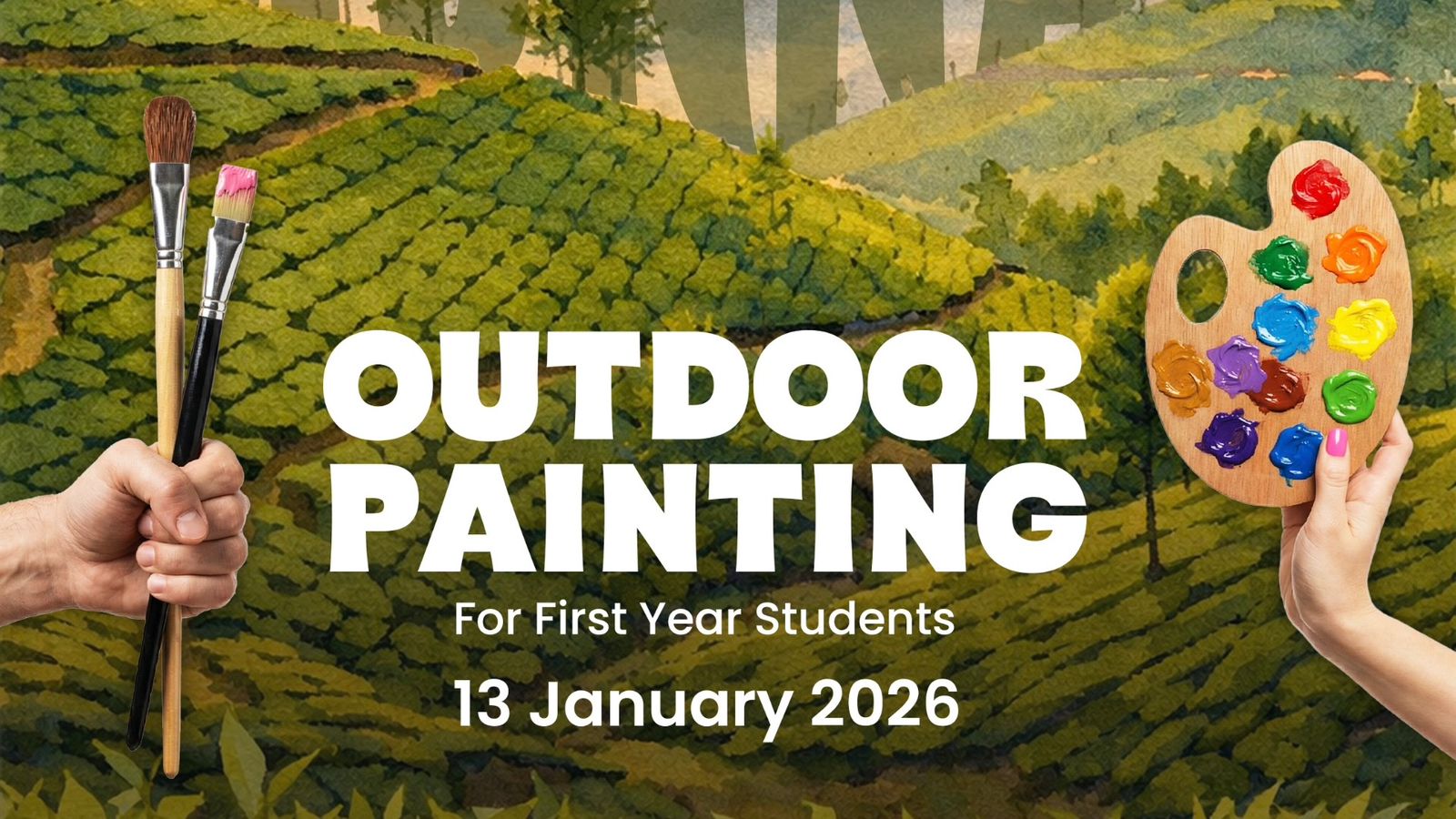
January 13, 2026

January 12, 2026
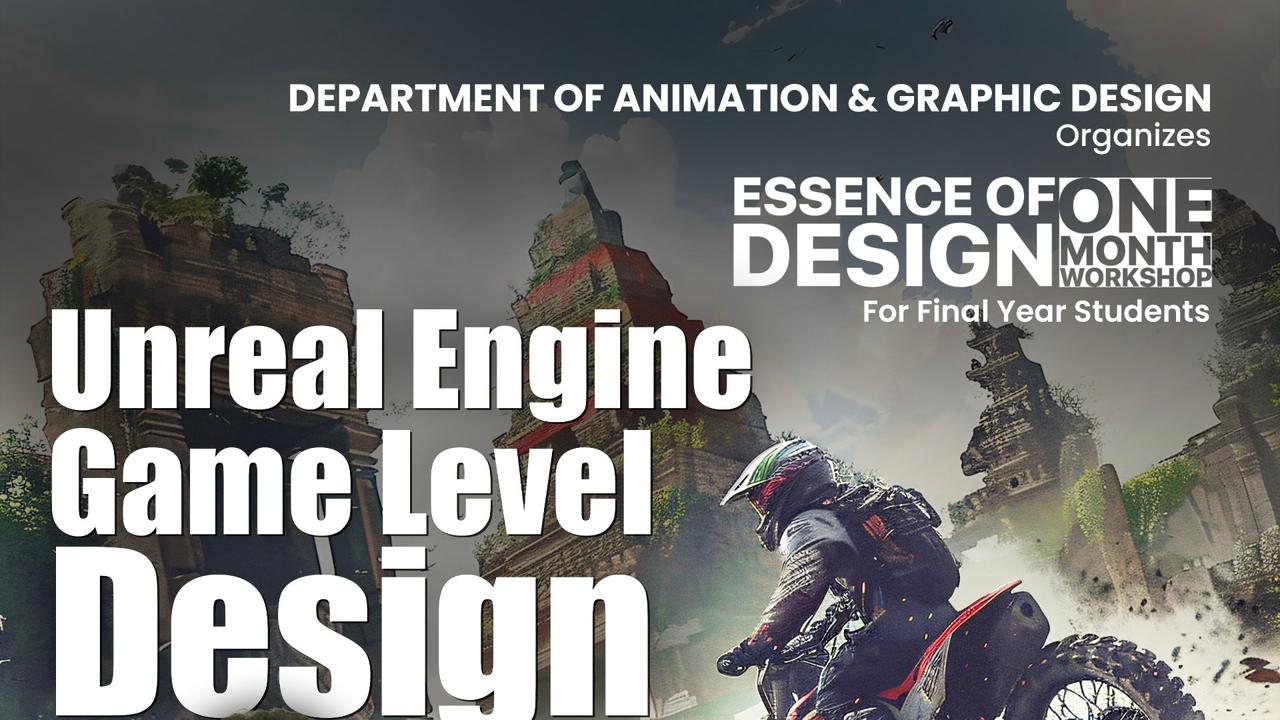
January 12 to January 31, 2026

January 12 to January 31, 2026

January 9, 2026

January 8 to January 9, 2026

January 8 to January 9, 2026
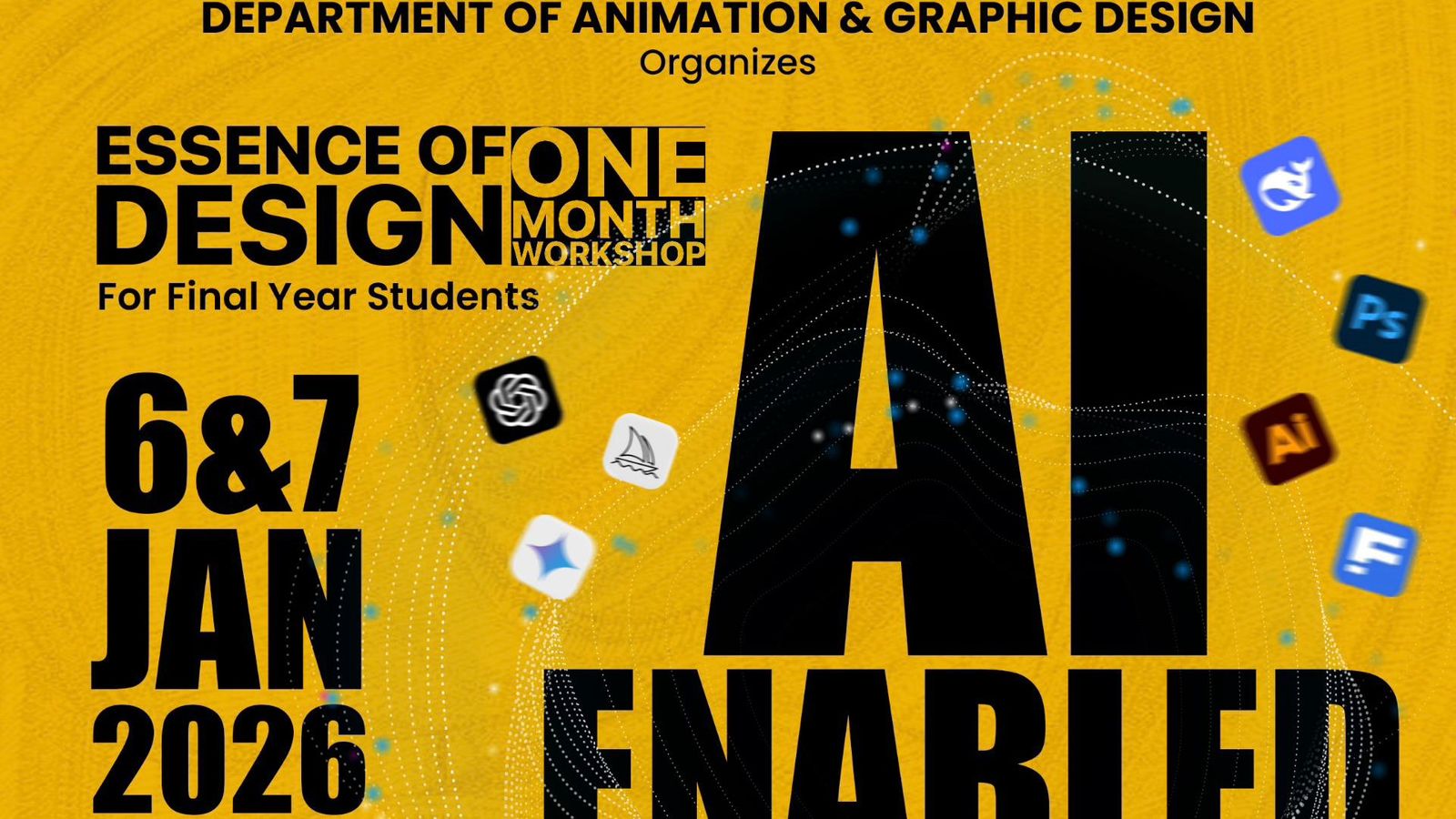
January 6 to January 7, 2026

January 6 to January 7, 2026

December 22, 2025

December 22, 2025

December 22, 2025
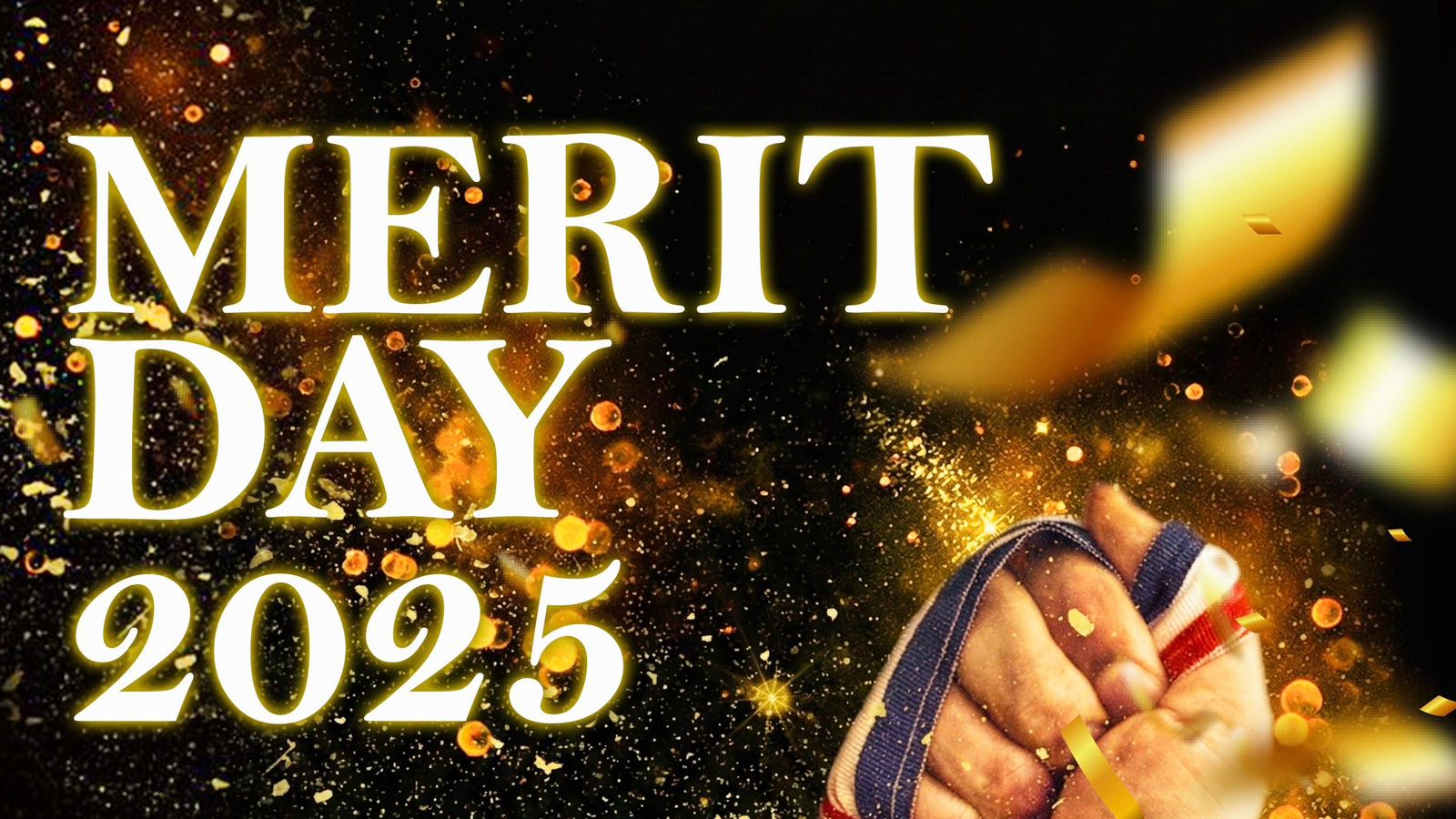
December 20, 2025
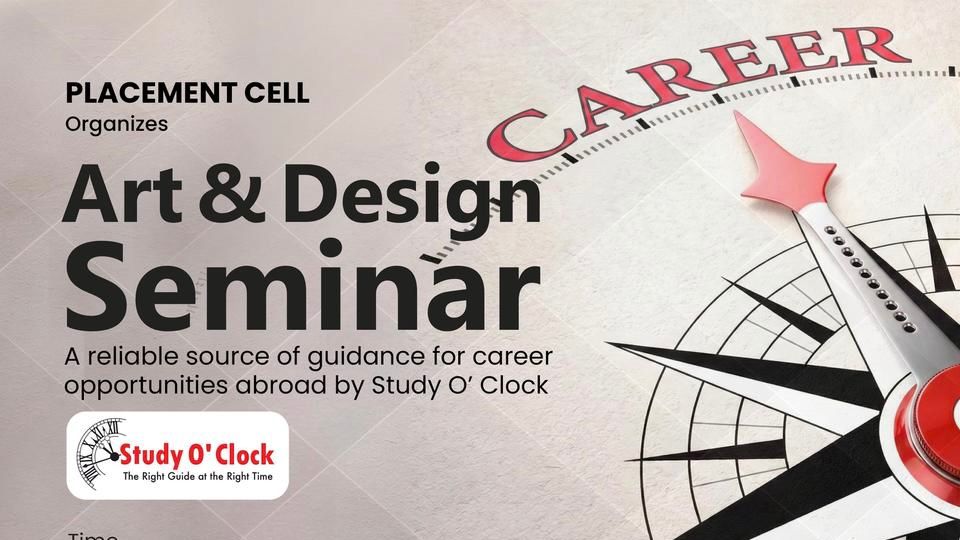
December 16, 2025

December 15 to December 19, 2025

December 5, 2025

December 4, 2025

December 3, 2025

December 2 to January 2, 2026

December 2, 2025
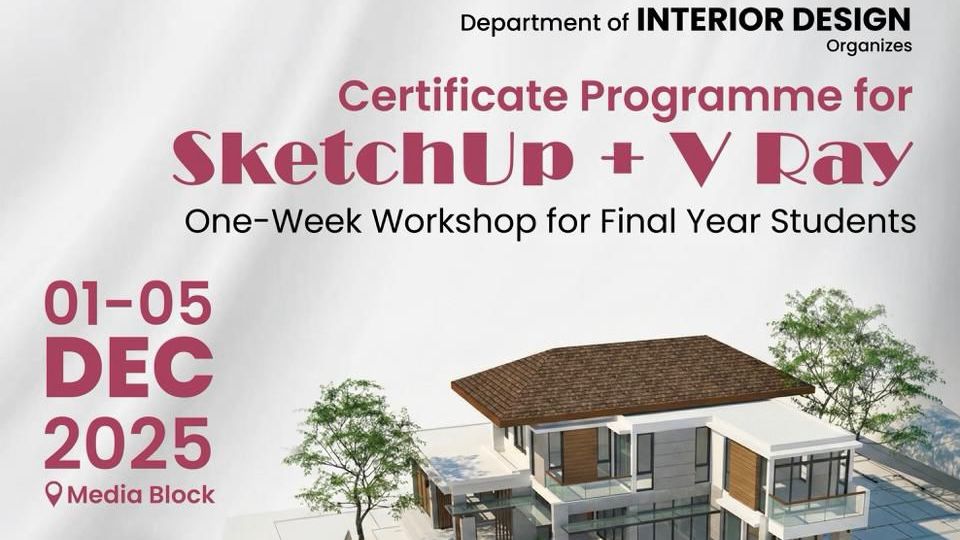
December 1 to December 5, 2025

December 1, 2025

November 27, 2025

November 26, 2025
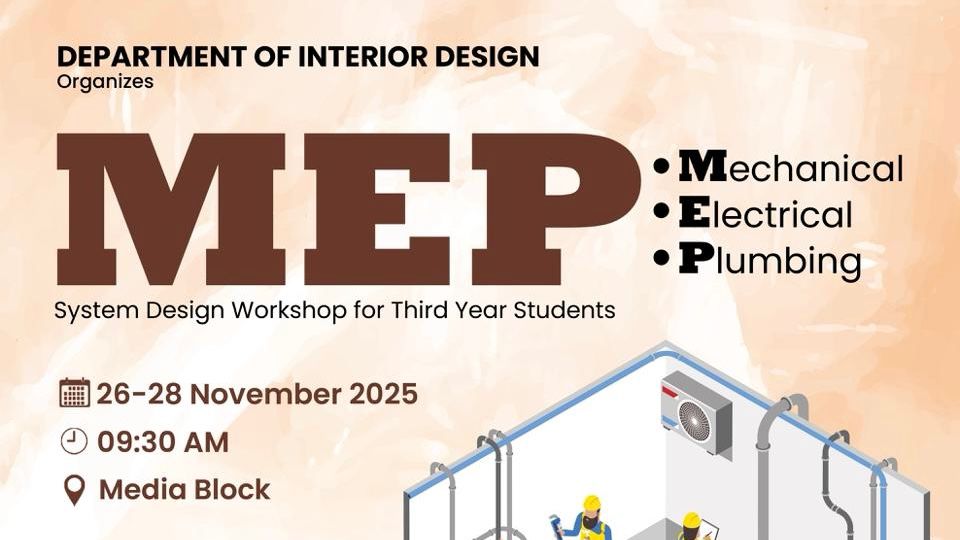
November 26 to December 28, 2025

November 26, 2025

November 26 to December 26, 2025

November 25, 2025

November 24, 2025
November 22, 2025

November 21, 2025

November 19, 2025

November 17, 2025
November 16, 2025

November 14, 2025
November 13, 2025
November 12, 2025
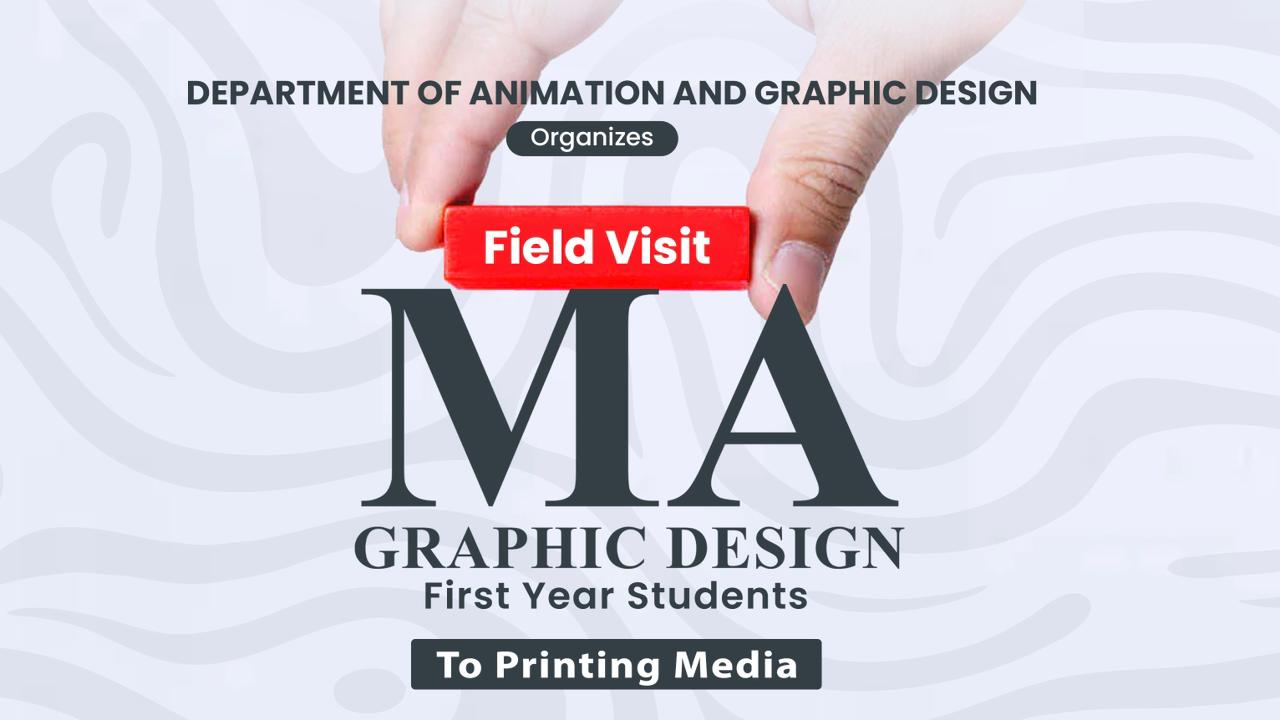
November 12, 2025

November 11, 2025

November 7 to November 9, 2025

November 7, 2025

November 4, 2025

October 28, 2025
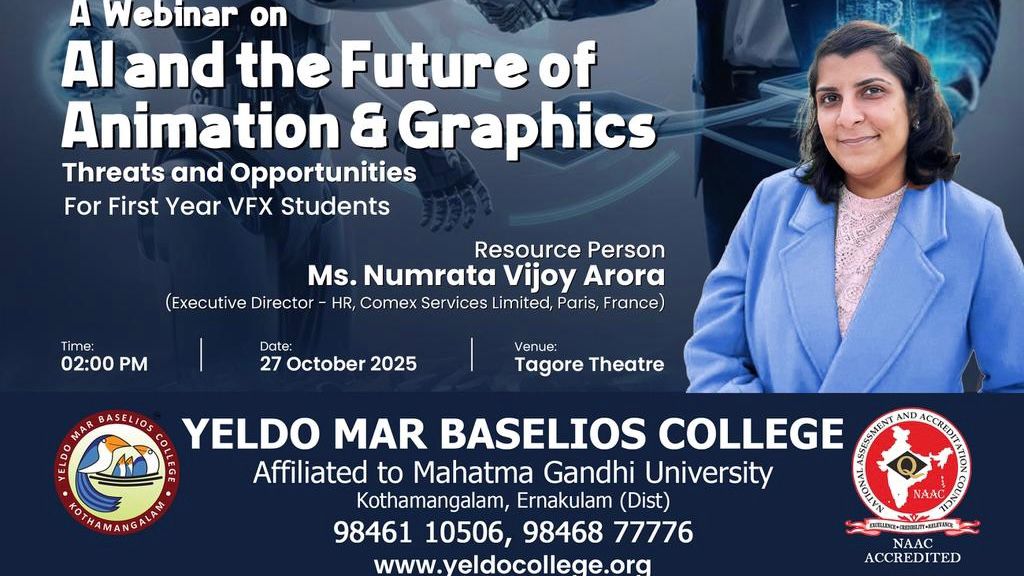
October 27, 2025
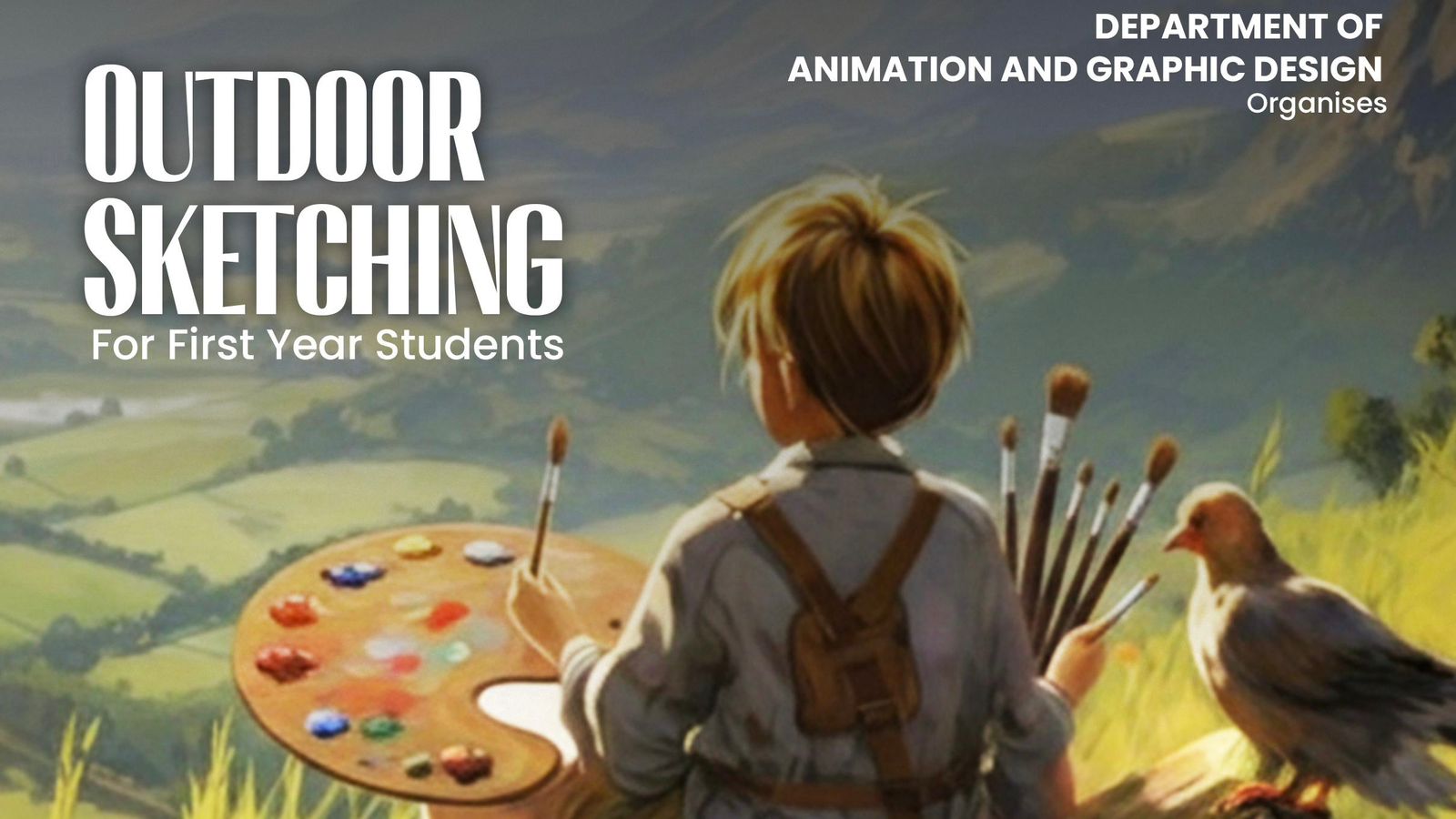
October 23, 2025
October 21, 2025

October 17, 2025
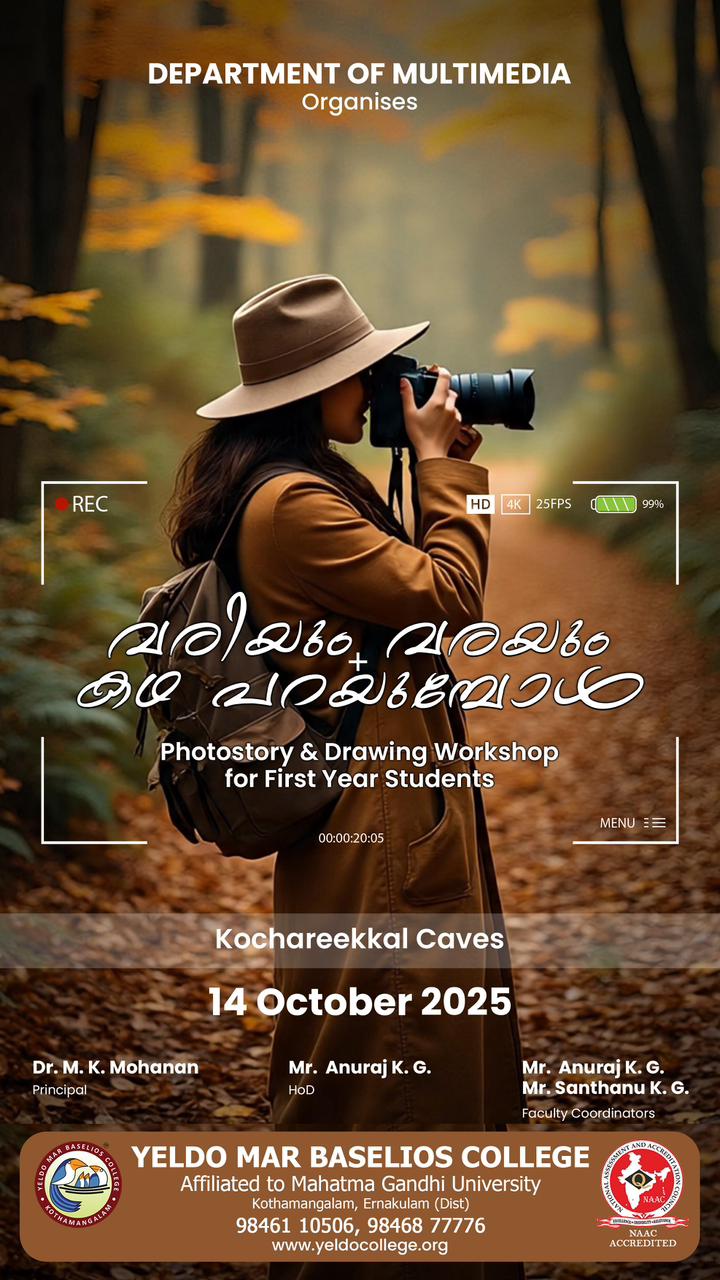
October 14, 2025

October 9 to October 10, 2025

October 7, 2025

August 21, 2025

July 2, 2025
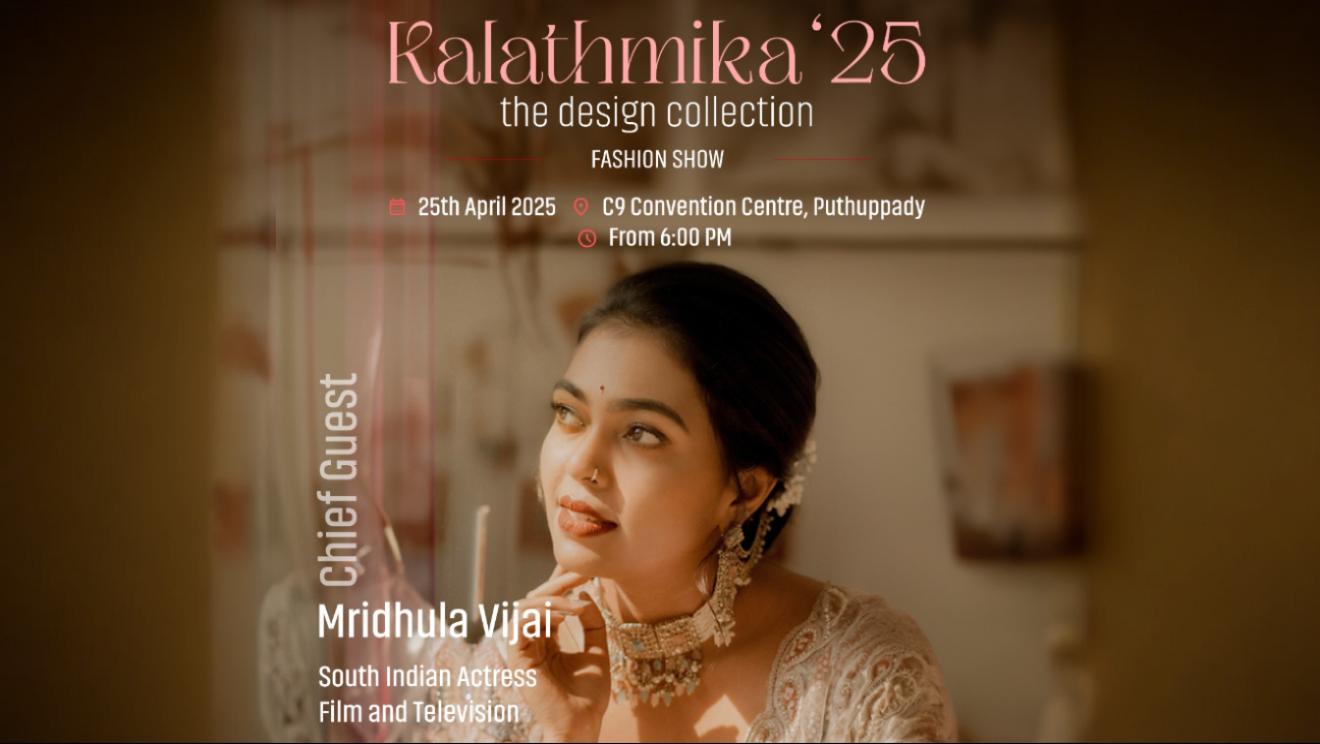
April 25, 2025
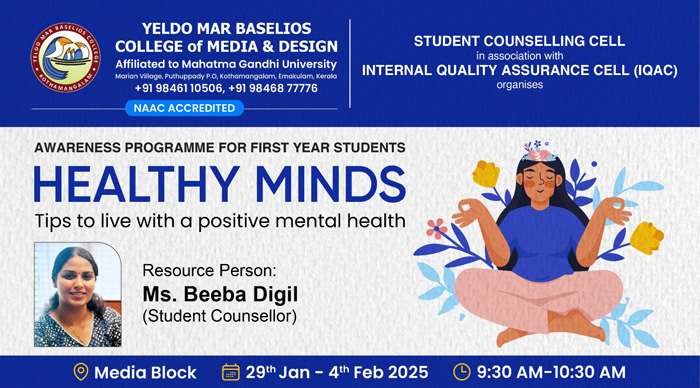
January 29 to February 4, 2025

November 12, 2024

October 4, 2024

September 12, 2024
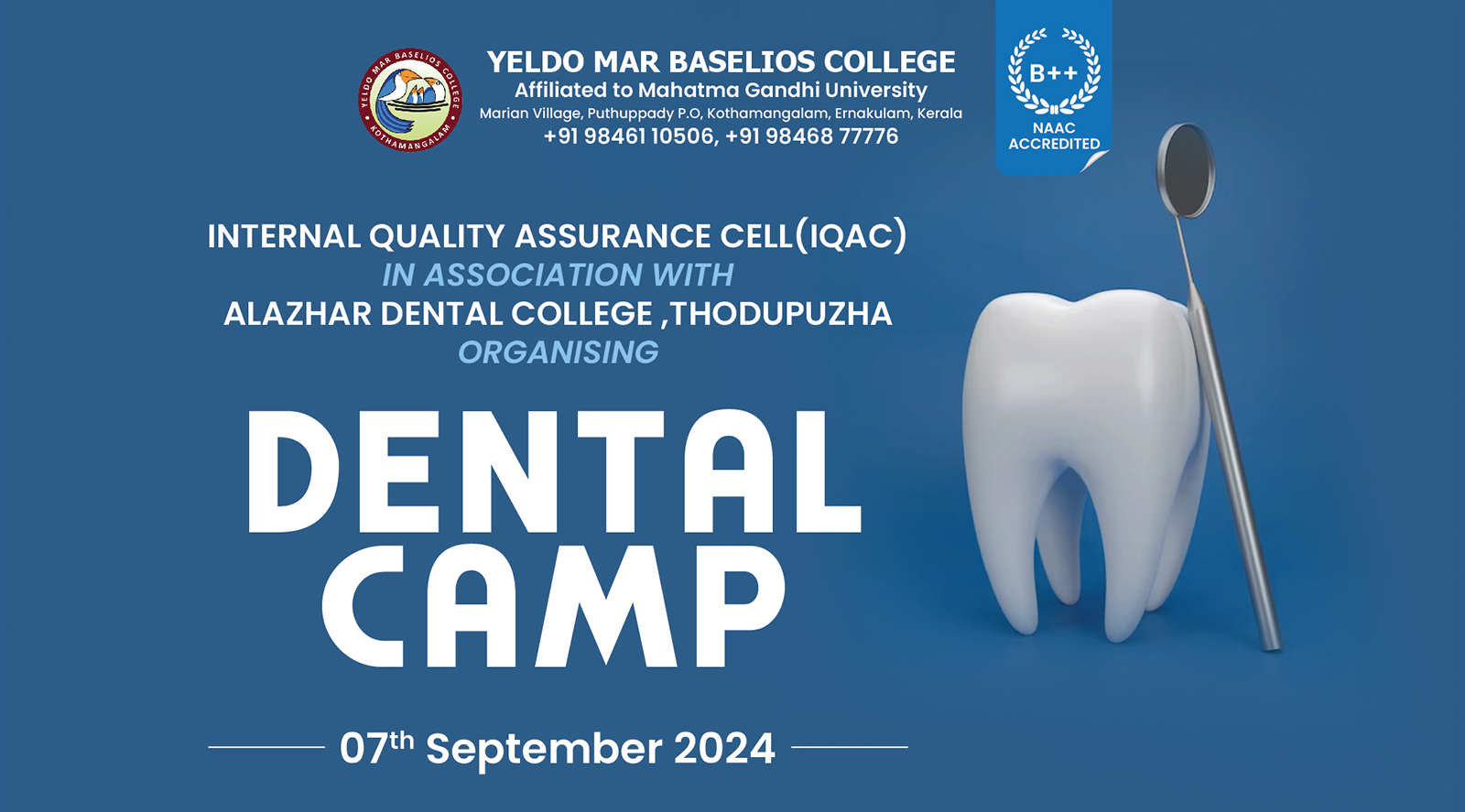
September 7, 2024

July 10 to July 12, 2024

June 26, 2024

June 19, 2024

June 14, 2024
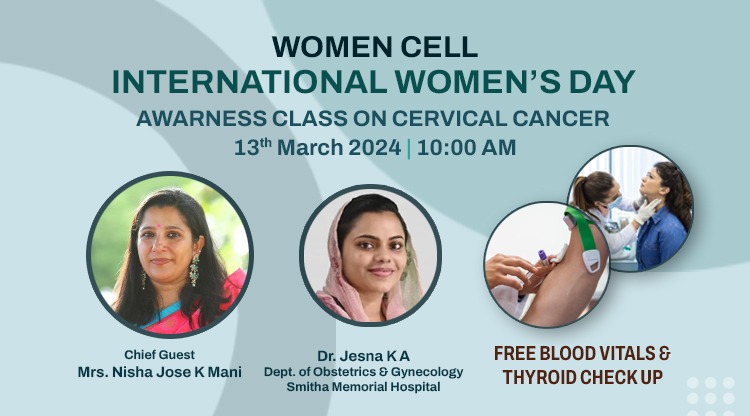
March 13, 2024

March 13, 2024

March 11, 2024
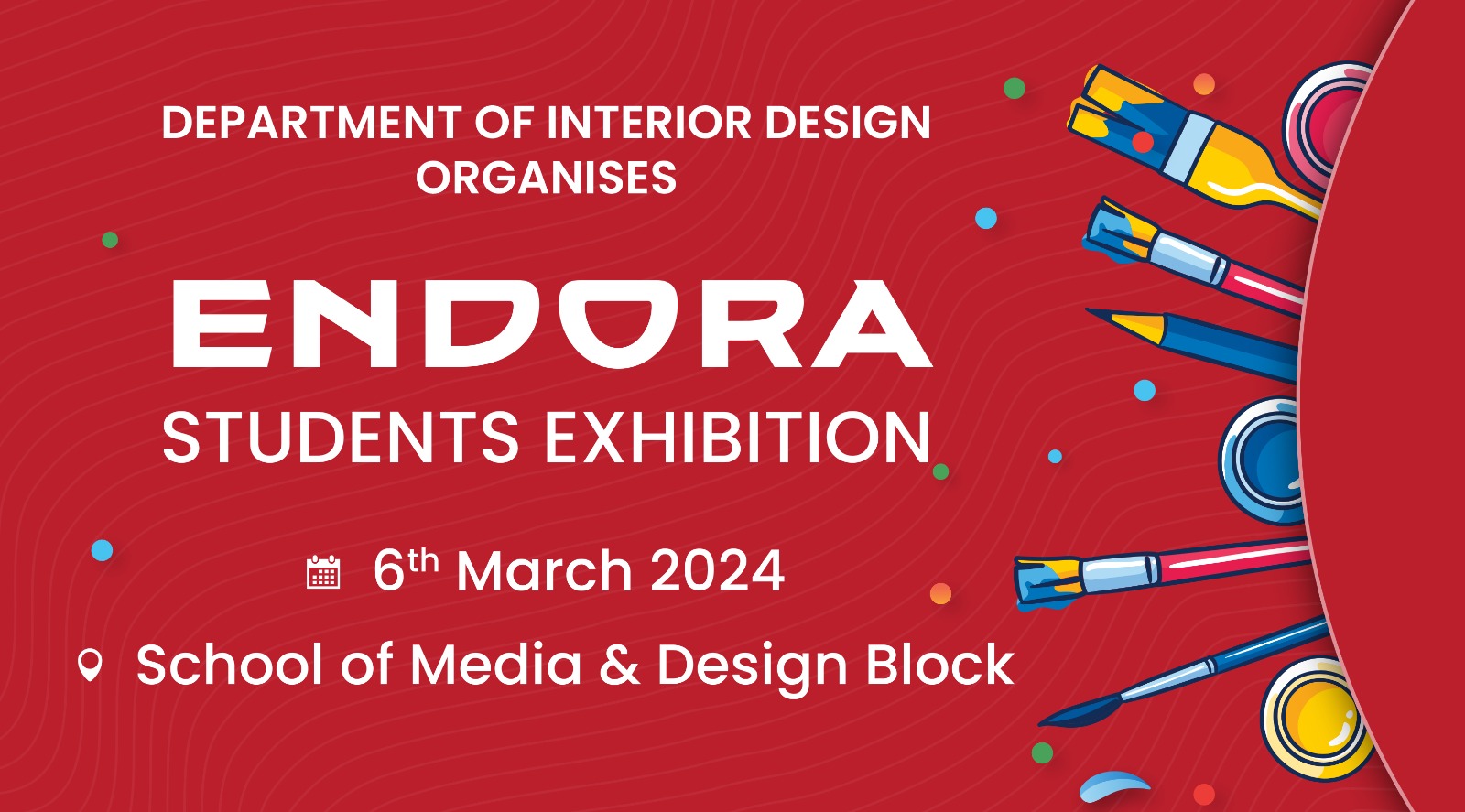
March 6, 2024

March 4, 2024

February 23, 2024

February 22 to February 27, 2024

February 22 to February 26, 2024
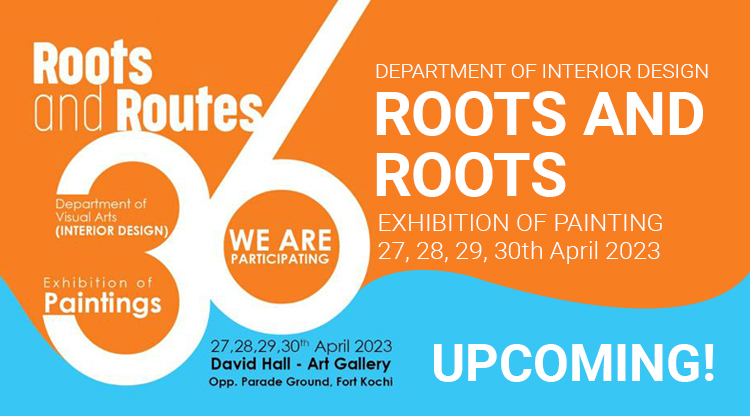
April 27, 2023

July 29, 2022
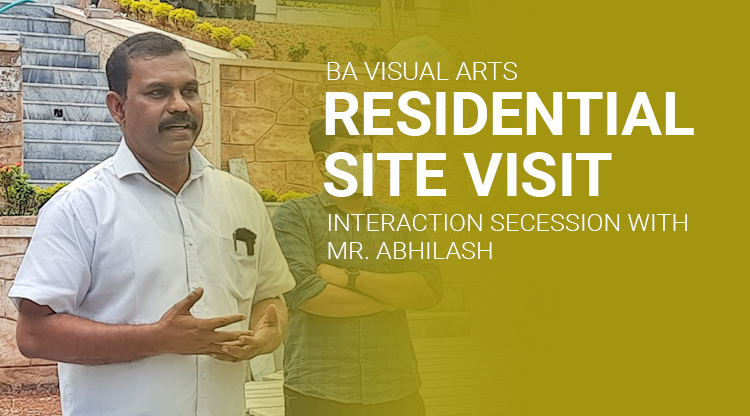
July 22, 2022

July 19, 2022

July 18, 2022

July 15, 2022

June 30, 2022
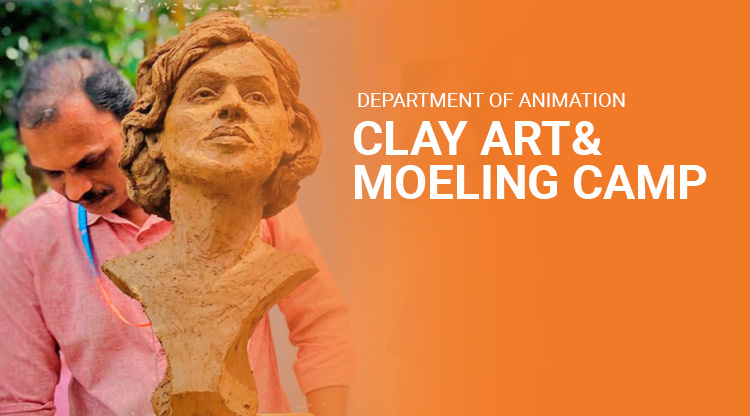
June 29, 2022
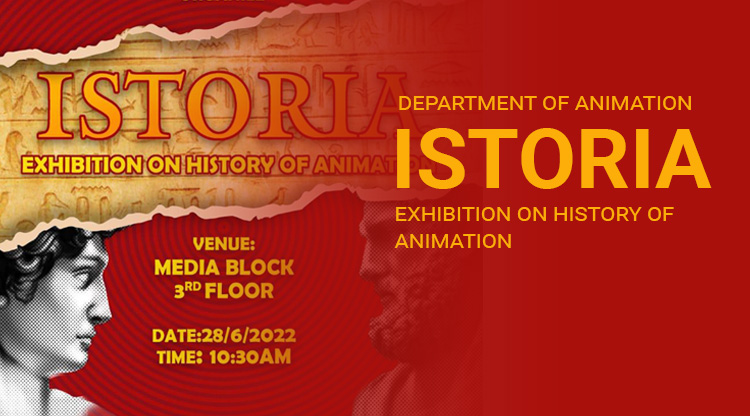
June 28, 2022

June 13, 2022

June 6, 2022

February 14, 2017