
- Email yeldocollegesmd@gmail.com
- CALL +91 98461 10506 +91 98468 77776
.jpeg)
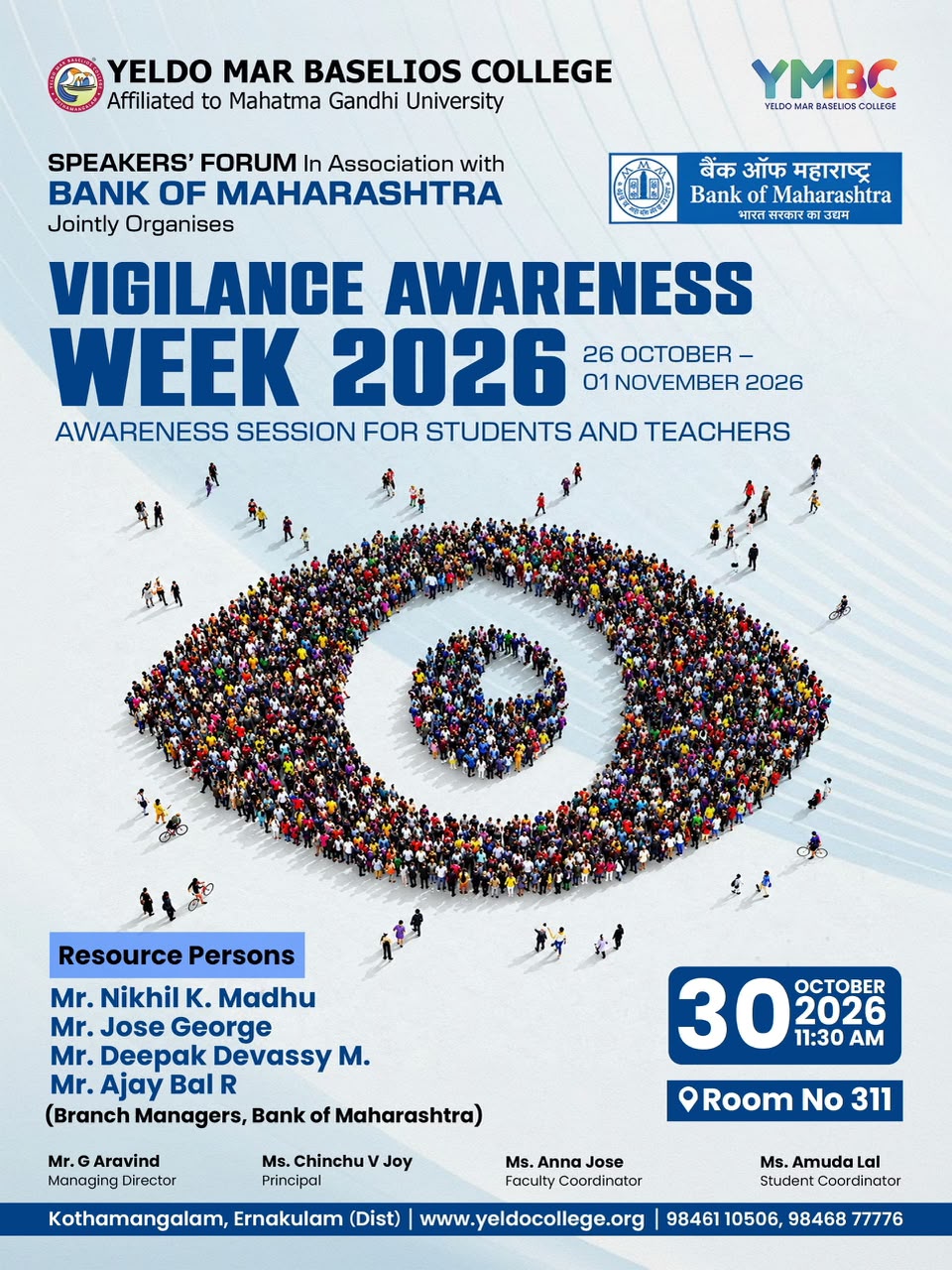
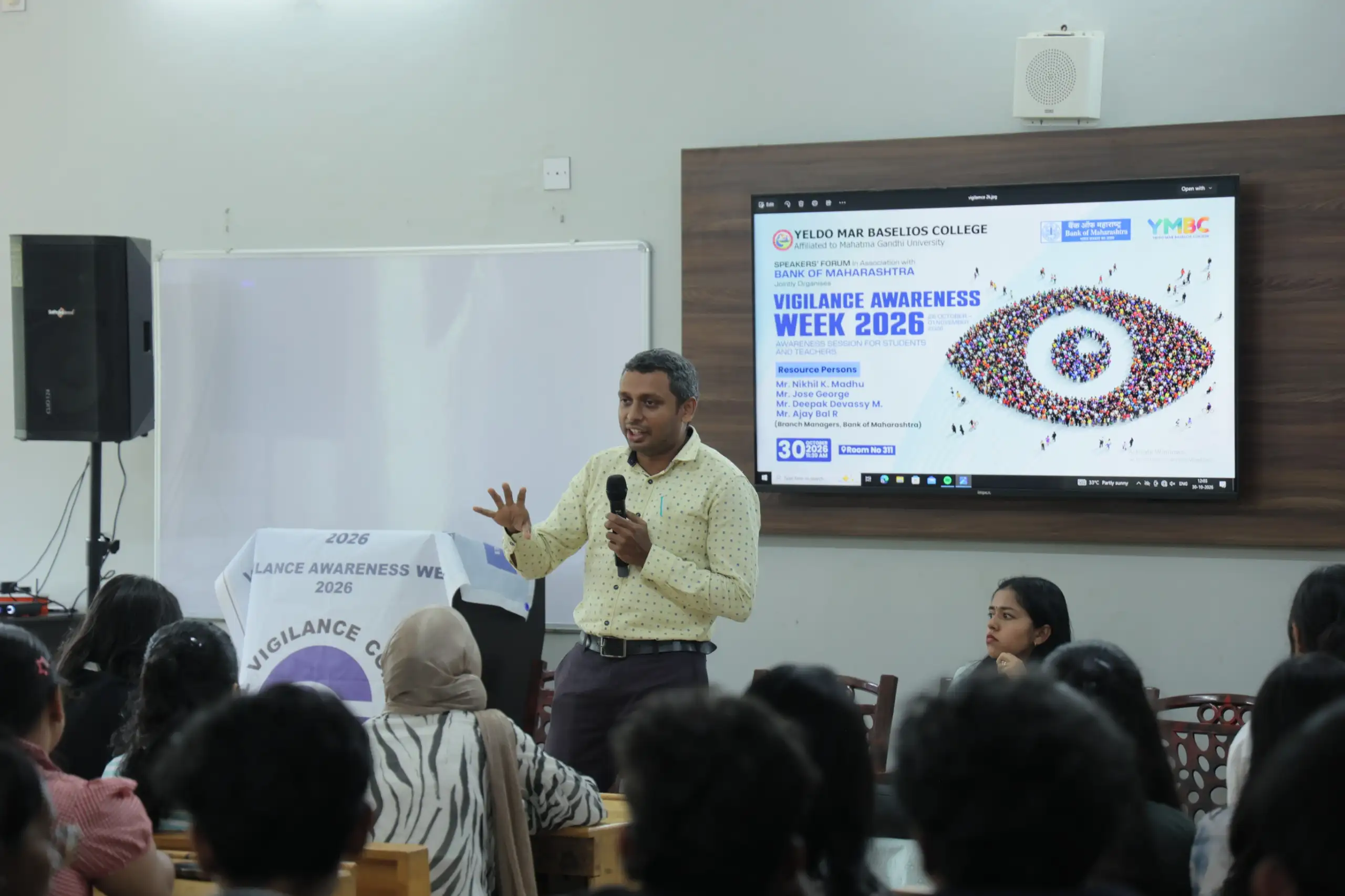
Yeldo Mar Baselios College (YMBC), in association with Bank of Maharashtra, a Government of India enterprise, organised a special Vigilance Awareness Week 2026 session for students and teachers on 30 October 2026 at the YMBC campus. The programme was held as part of the national observance of Vigilance Awareness Week, observed from 26 October to 1 November 2026, with the aim of promoting integrity, transparency, accountability, and ethical conduct in society. The College was honoured to welcome Mr. Nikhil K. Madhu, Mr. Jose George, Mr. Deepak Devassy M, Shefna A.R and Mr. Ajay Bal R., Branch Managers of Bank of Maharashtra, as resource persons. They shared valuable insights on vigilance, integrity, financial responsibility, and responsible citizenship, inspiring participants to lead with honesty and accountability. The session began with a detailed discussion on how to open a bank account. Students were informed about the different types of accounts available, the documents required for Know Your Customer (KYC) verification, and the step-by-step procedure for account opening. The resource persons explained the importance of identity and address proof, passport-size photographs, and institution-related documents where applicable. Students were also made aware of basic banking facilities such as savings accounts, debit cards, net banking, mobile banking, and safe digital transaction practices. An important part of the session focused on educational loans and the schemes available to support higher education. Students learned that educational loans can be availed for studies in India as well as abroad, depending on the course, institution, and eligibility criteria. The session highlighted the role of the Vidya Lakshmi portal, a unified platform developed under the guidance of the Department of Financial Services, through which students can view loan options, apply to multiple banks, and track the status of their applications. Students were also introduced to the PM-Vidyalaxmi scheme, which provides a common digital platform for education loan applications, bank selection, application tracking, interest-subvention requests, and grievance redressal. The discussion further covered the general process of applying for an educational loan. Students were advised to first select their course and institution, collect necessary documents such as the admission letter, fee structure, academic records, identity proof, address proof, and income-related documents, and then submit their application either through the online portal or directly at a bank branch. They were encouraged to carefully compare interest rates, processing charges, collateral requirements, moratorium periods, and repayment terms before finalising a loan. It was also explained that students should review the sanction letter thoroughly and understand the repayment schedule before accepting the loan. The session also included a meaningful discussion on corruption and the major obstacles it creates for the progress of the country. Students understood that corruption weakens public trust, diverts resources away from essential services, and creates unequal access to opportunities. It was emphasised that corruption affects economic growth, social justice, and the overall development of the nation. The discussion encouraged students to practise honesty, transparency, and accountability in their daily lives and to actively support efforts to eliminate corruption. It also focused on the importance of vigilance and collective responsibility in creating a corruption-free nation. Students and teachers were encouraged to recognise that honesty and ethical behaviour are essential values, both within educational institutions and in everyday public life. The discussion also emphasised the role of young citizens in identifying and resisting unethical practices. As a significant conclusion to the programme, students took the Integrity Pledge, affirming their commitment to uphold ethical values, follow the rule of law, and contribute to the fight against corruption. The pledge encouraged students to lead by example, refuse bribery in any form, and act responsibly in the interest of society and the nation. The session ended with a strong message that informed financial decisions, ethical behaviour, and active citizen participation are essential for building a progressive and corruption-free India. Thus YMBC reaffirms its commitment to nurturing ethical, responsible, and socially conscious individuals. The session served as a meaningful reminder for the college community to stand together and say, "No to Corruption, Yes to Integrity."
.webp)
.webp)
.webp)
October 30, 2026
.jpeg)
October 28 to November 28, 2026
.jpeg)
October 15 to October 16, 2026
.jpeg)
October 14, 2026
.jpeg)
October 9, 2026

October 6, 2026
October 6, 2026
.jpeg)
September 29, 2026
September 25 to September 26, 2026
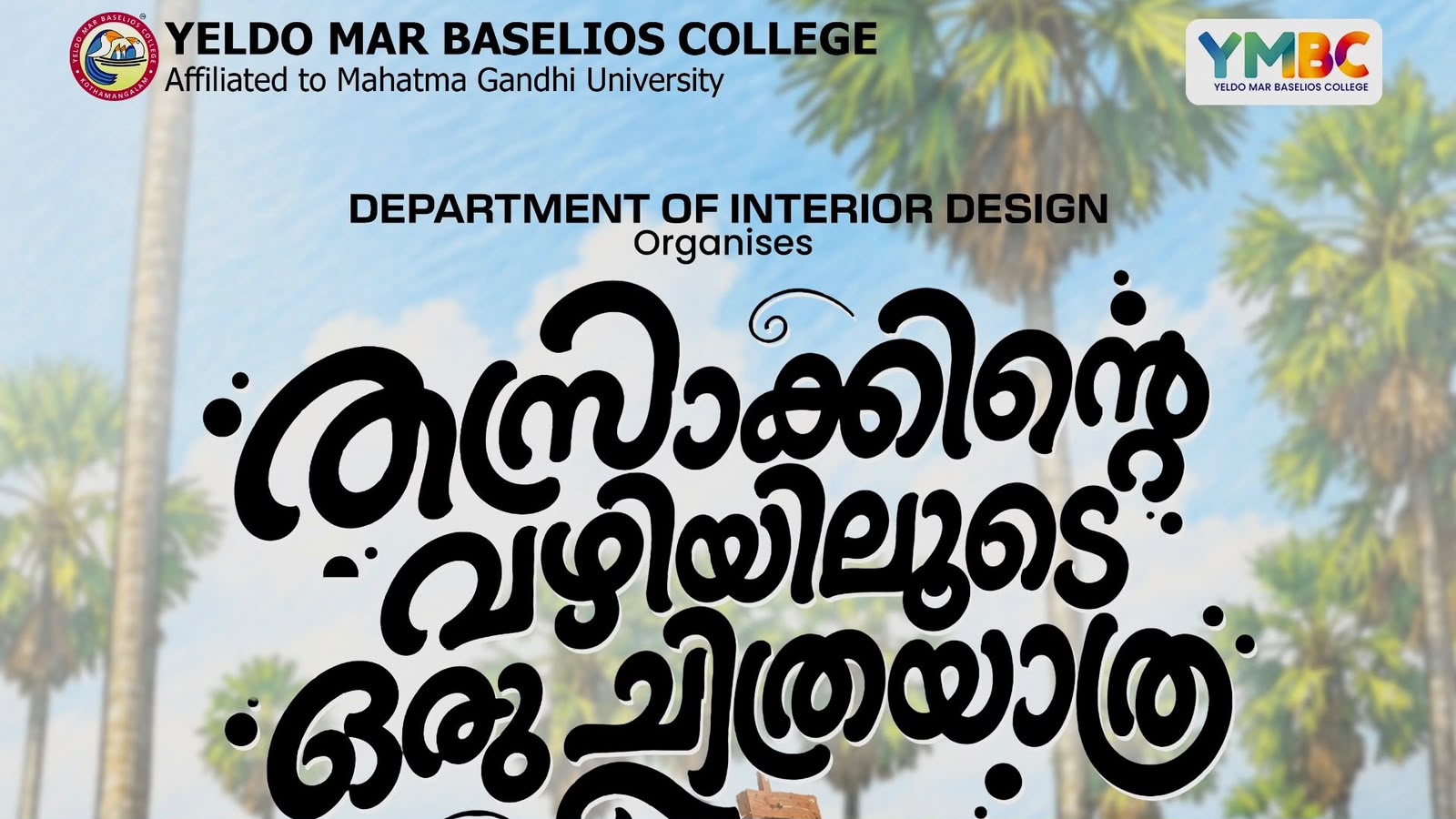
September 25, 2026
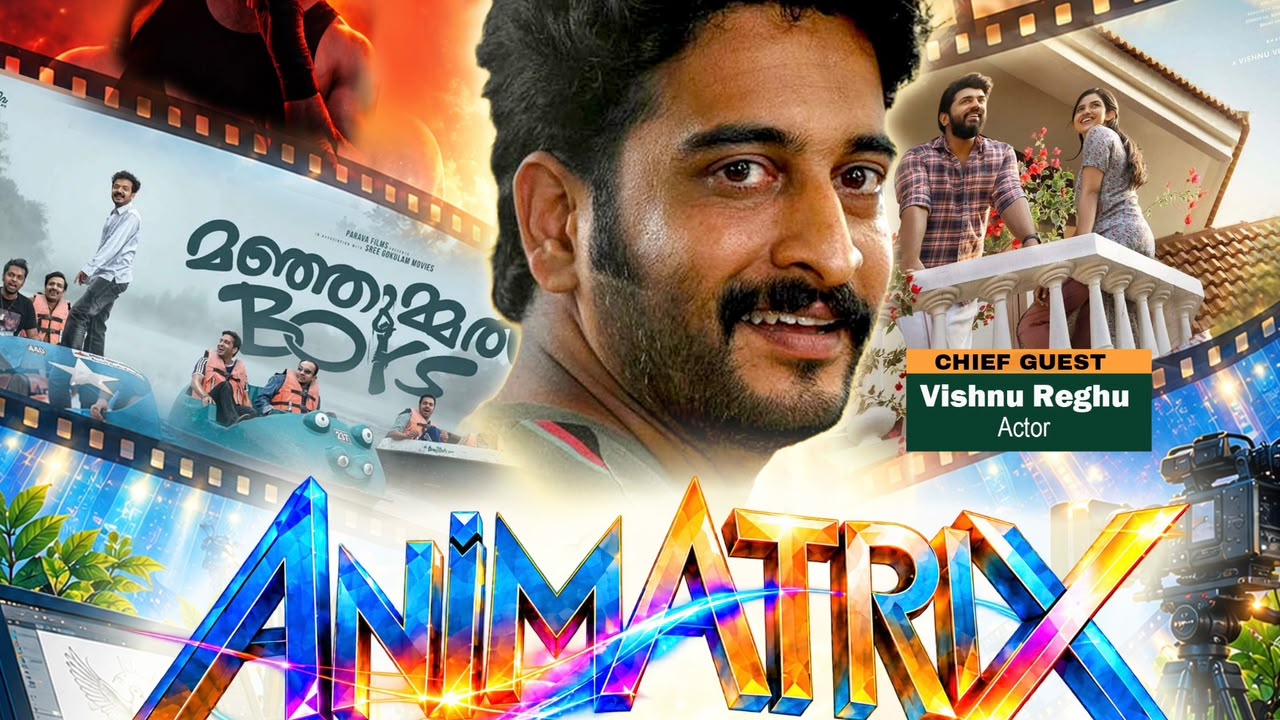
September 25, 2026

September 24, 2026
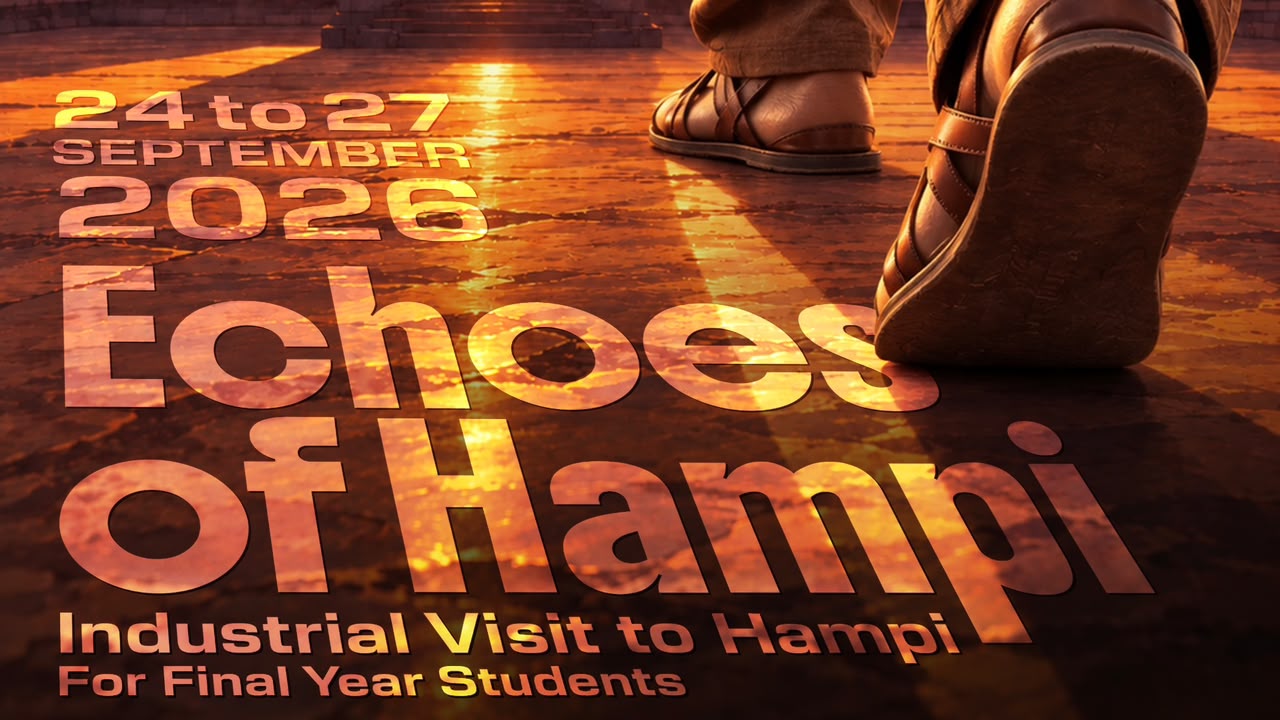
September 24 to September 27, 2026
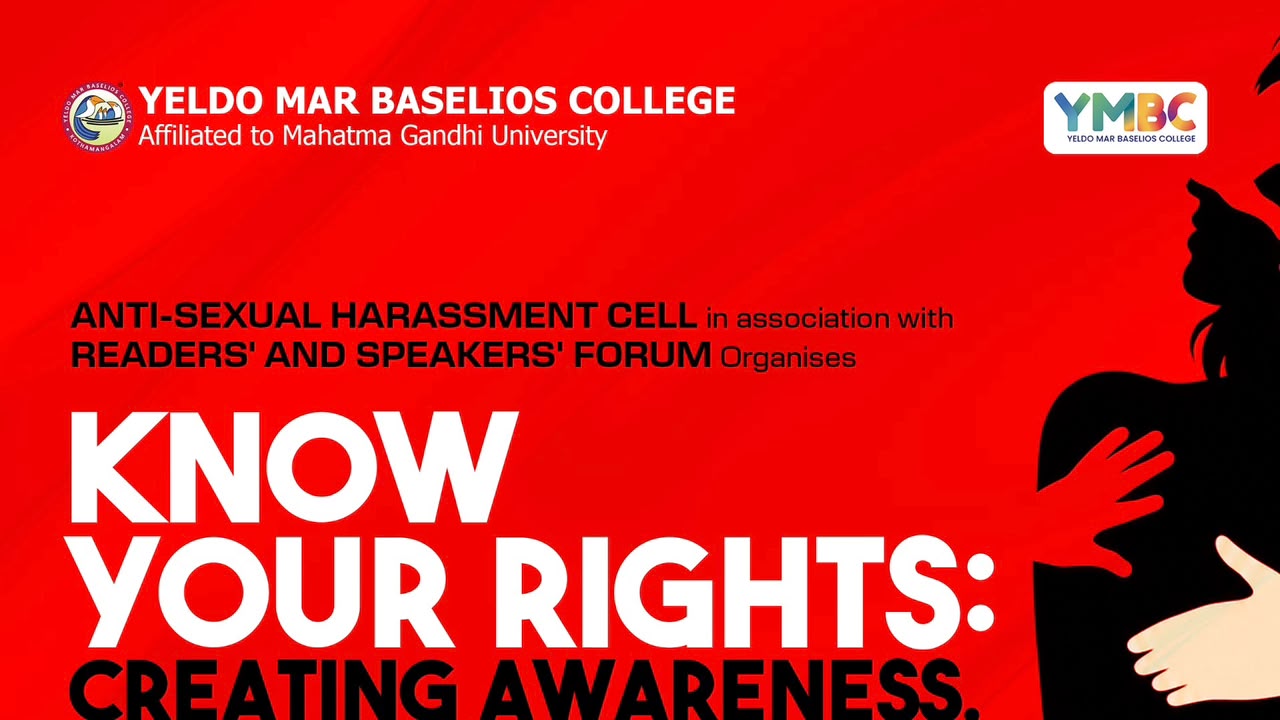
September 23, 2026
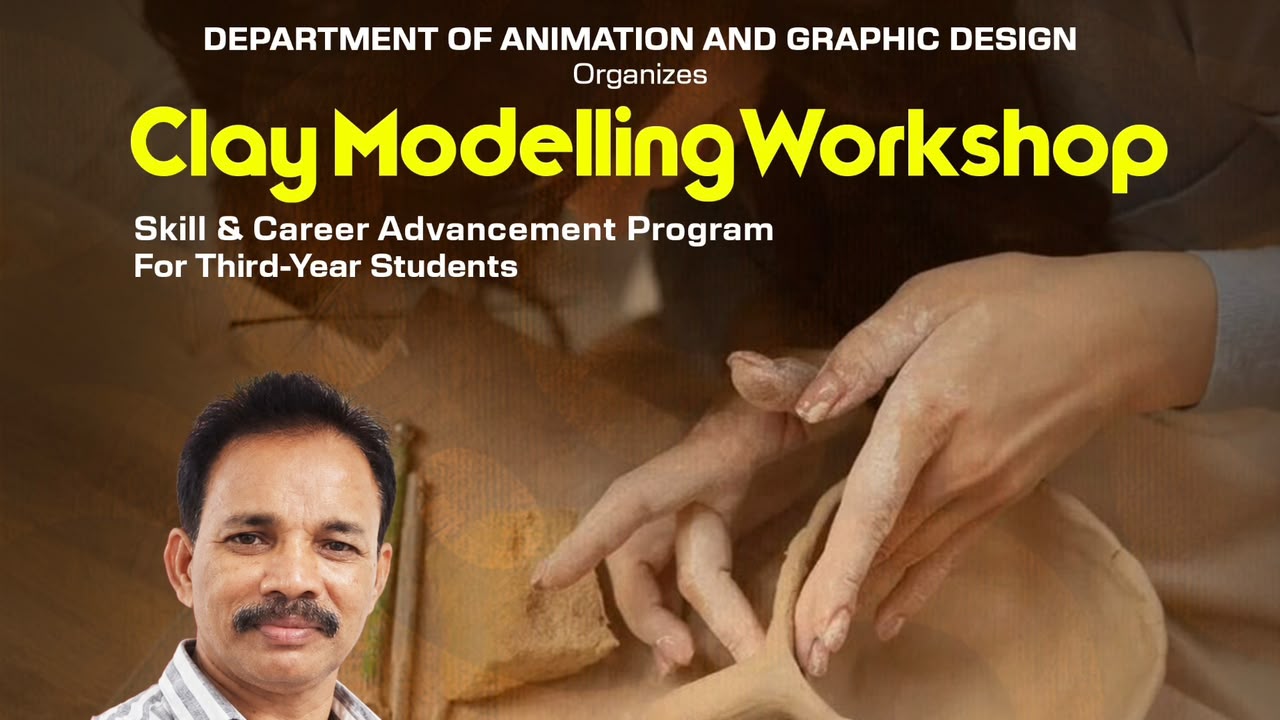
September 22 to September 23, 2026

September 22, 2026
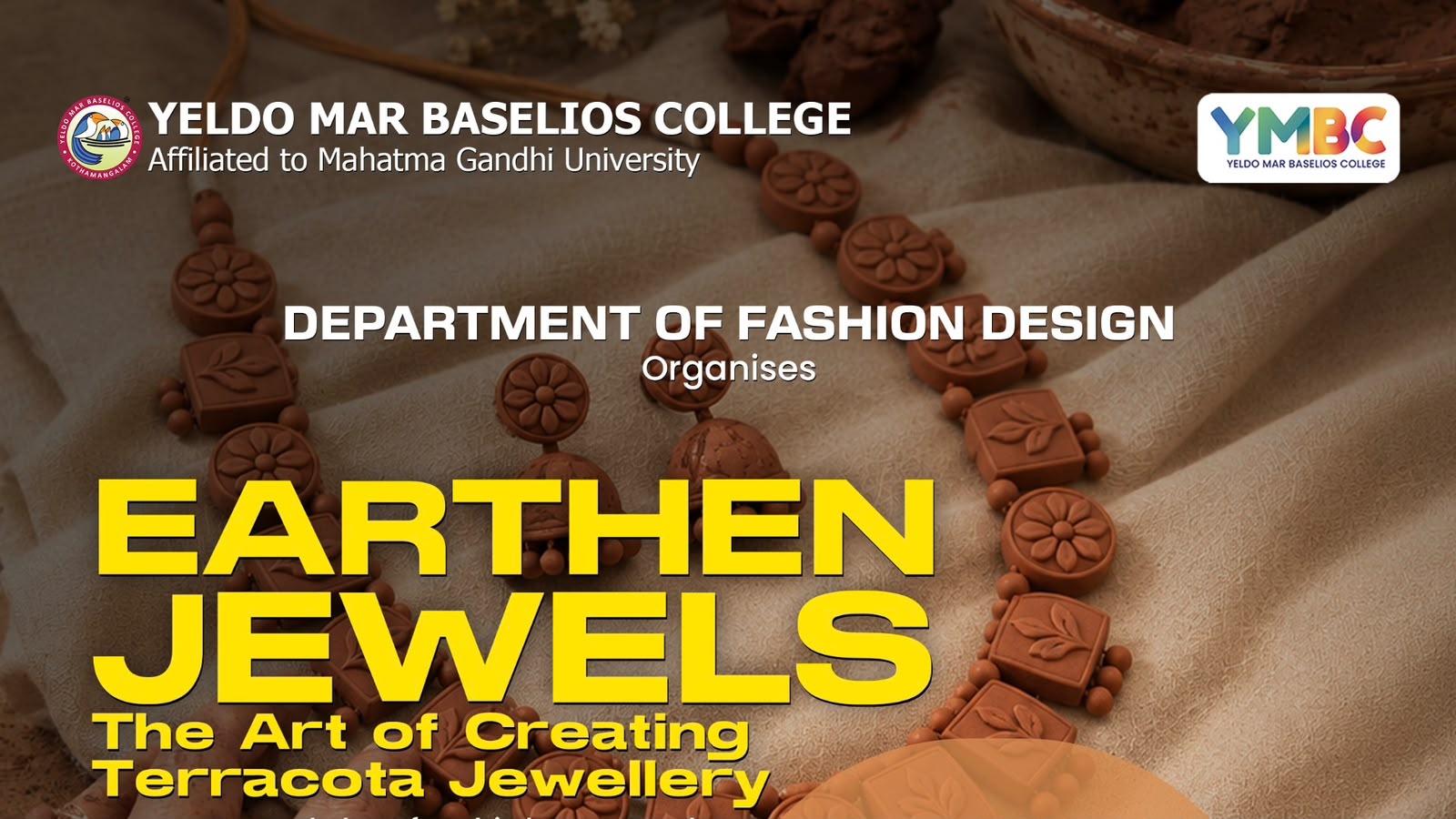
September 17 to September 18, 2026
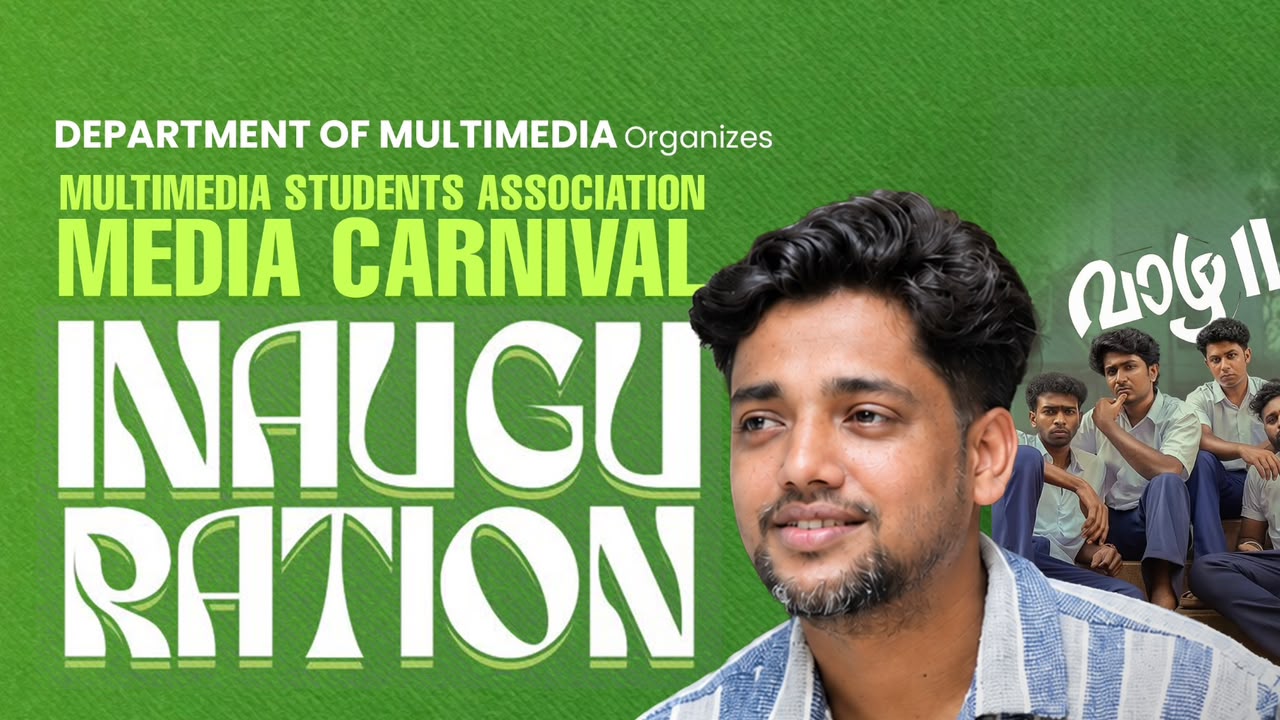
September 15, 2026
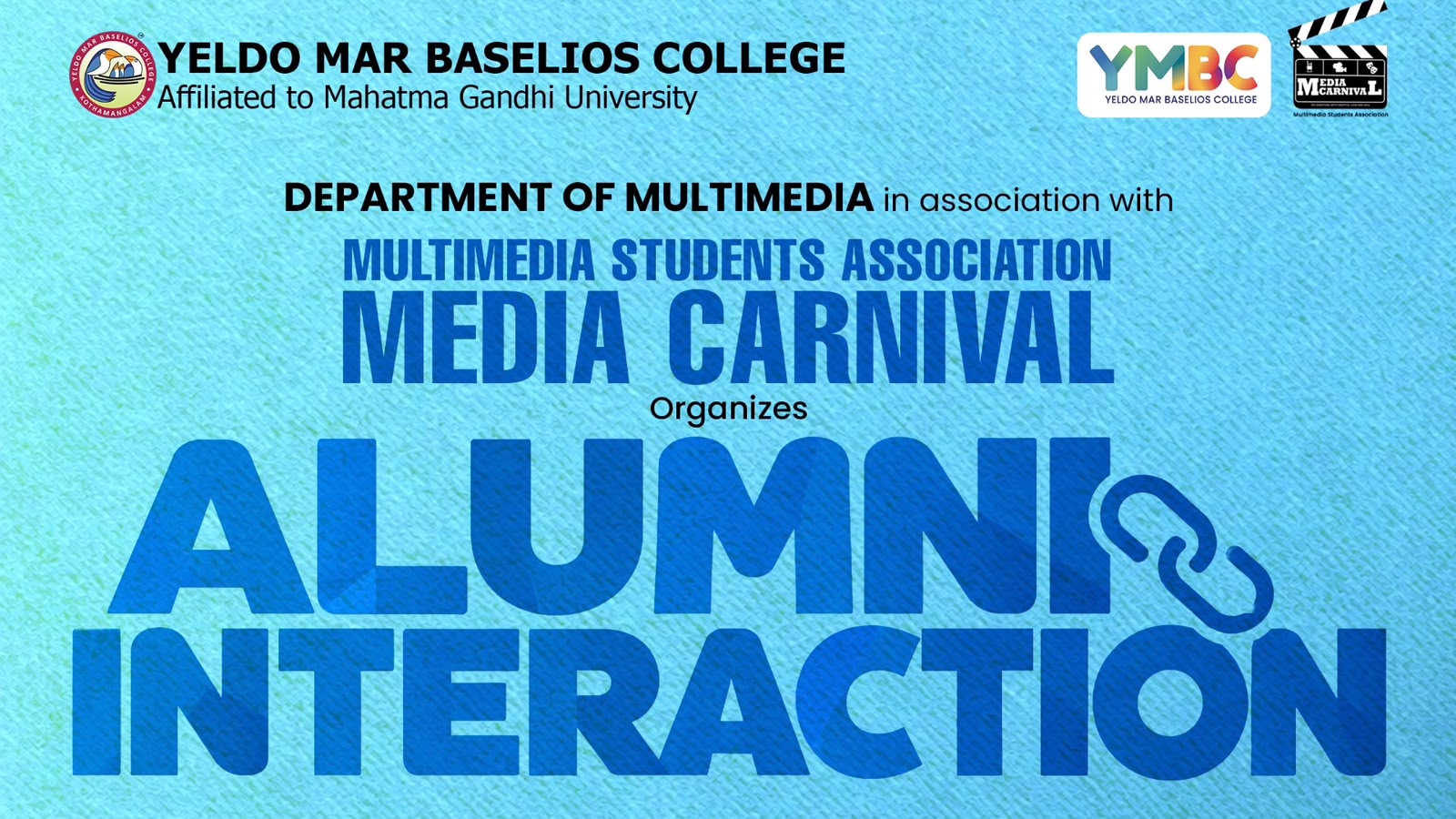
September 15, 2026
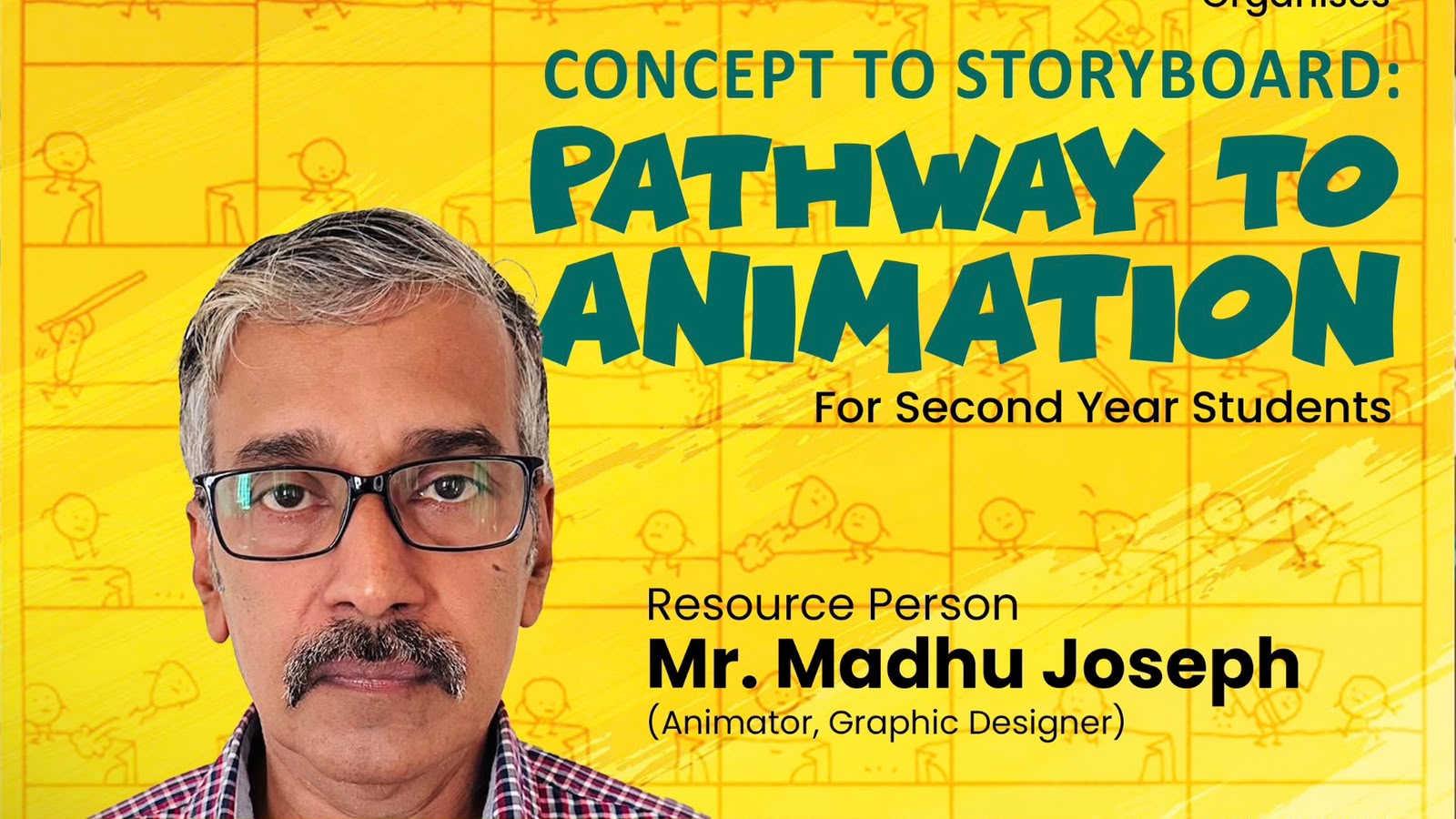
September 15, 2026
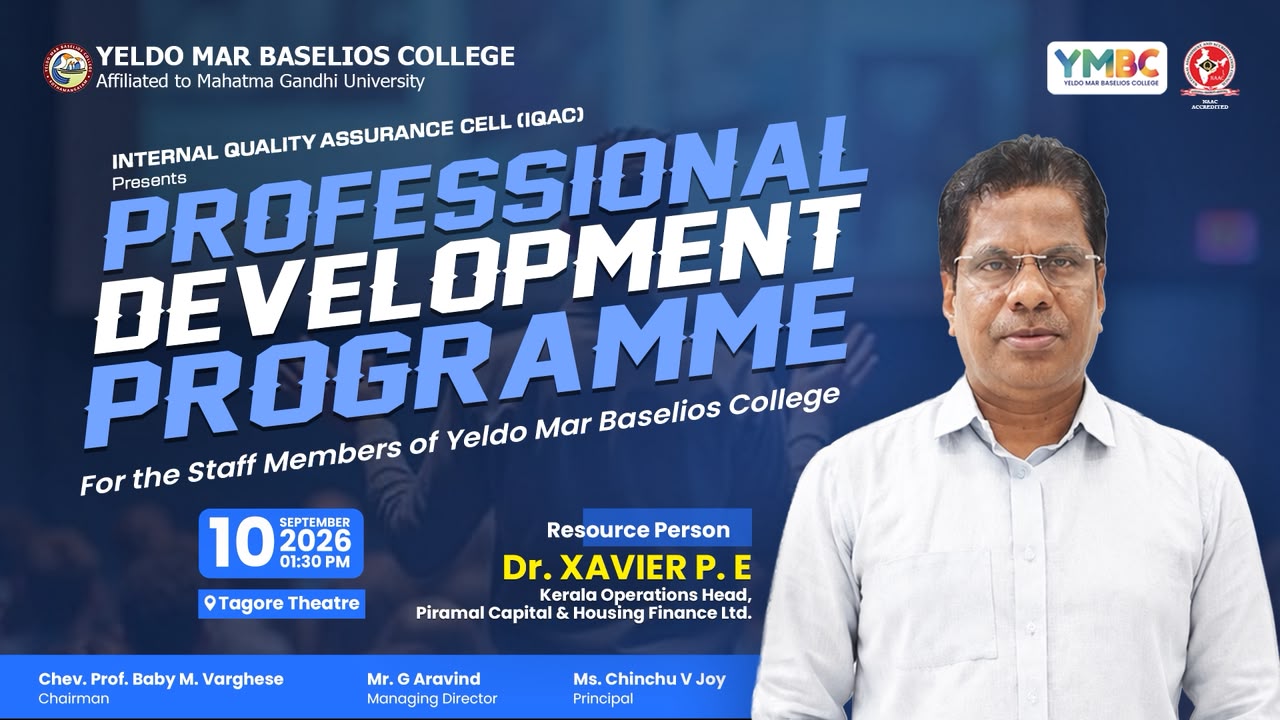
September 10, 2026
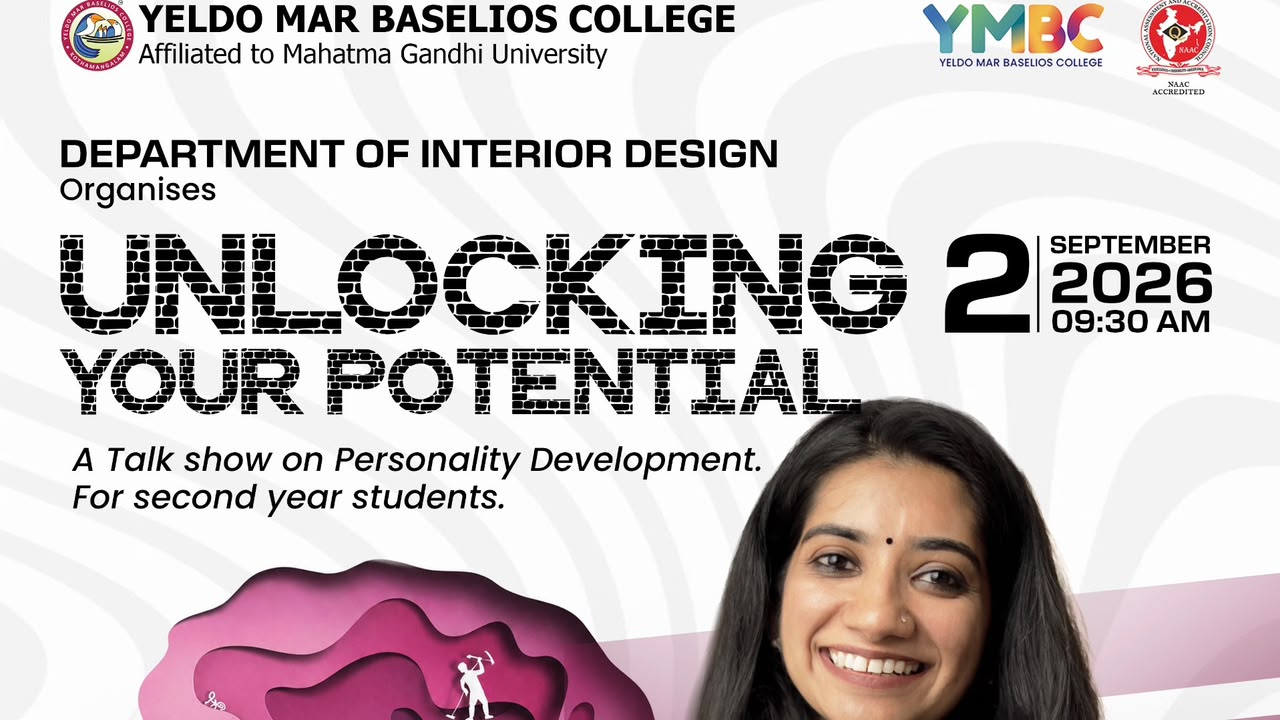
September 2, 2026
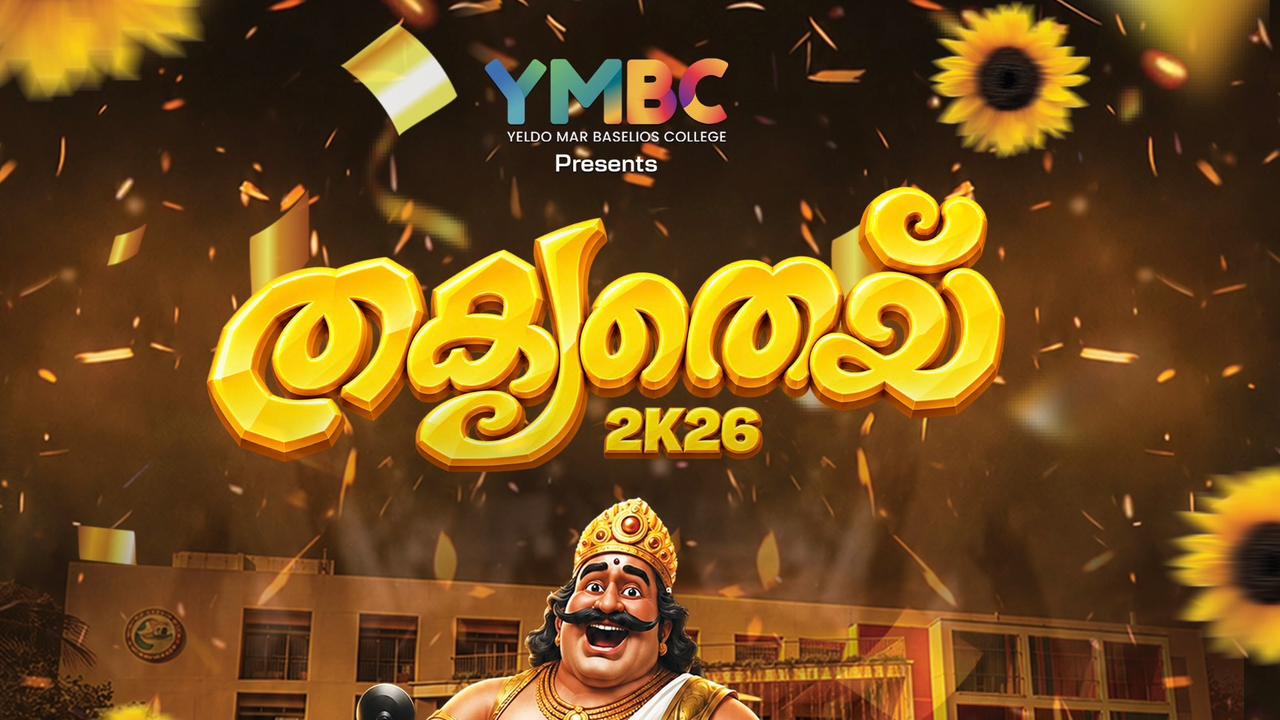
August 20, 2026
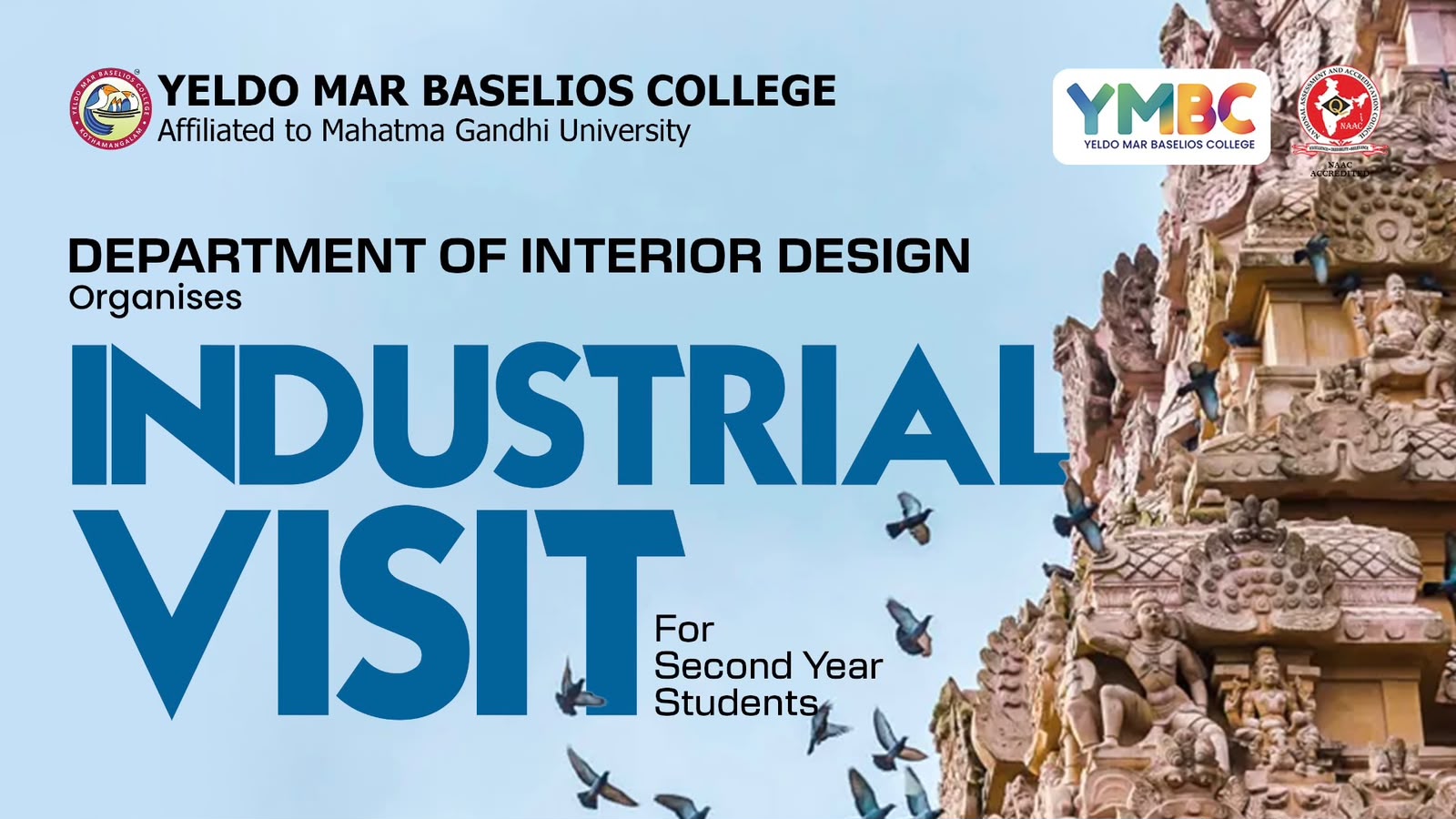
August 13 to August 15, 2026
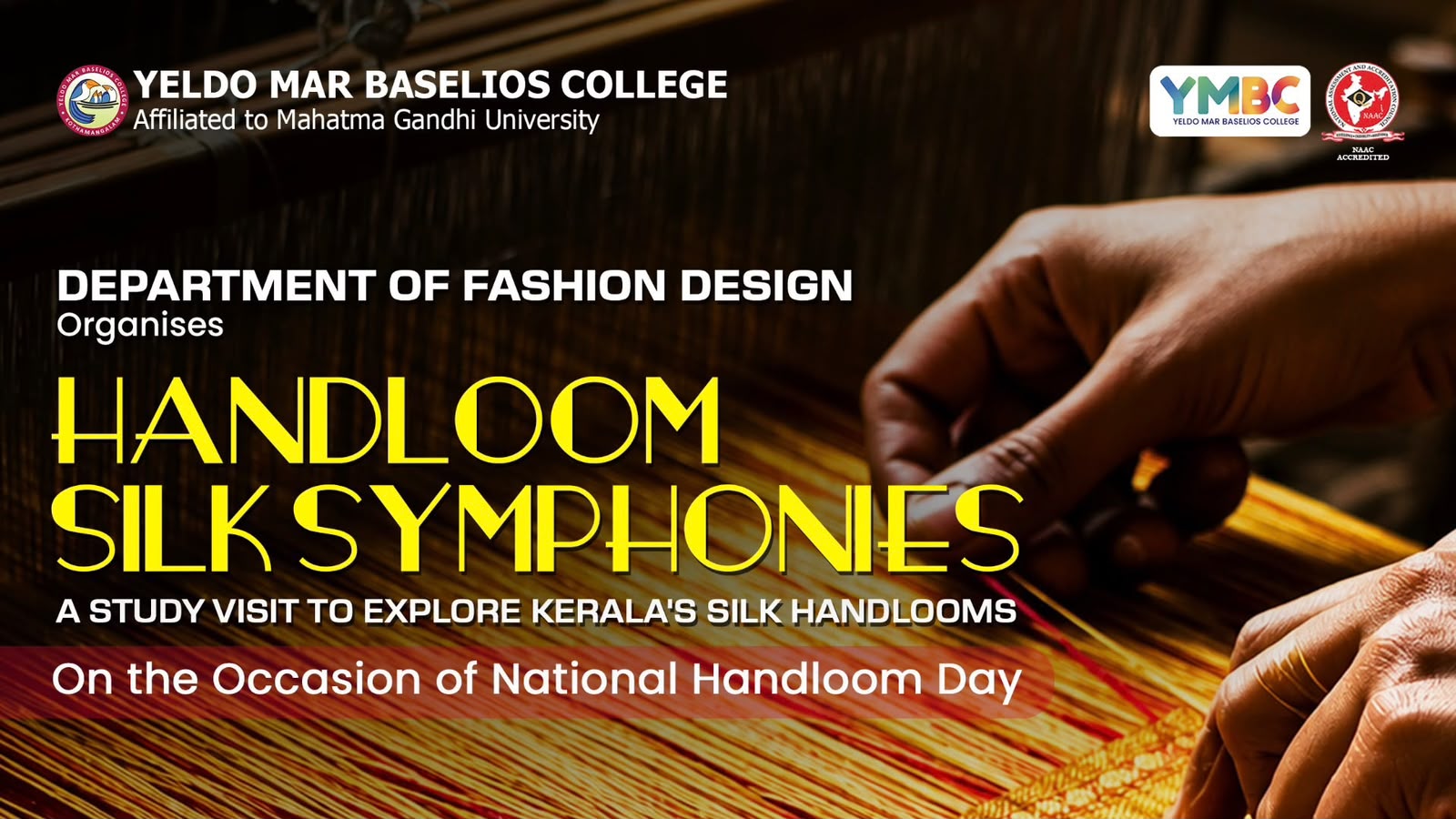
August 11, 2026

July 31 to August 1, 2026
July 29, 2026
July 29, 2026

July 29, 2026
July 24, 2026
July 21, 2026
July 21, 2026
July 21, 2026
July 21, 2026
July 16 to July 17, 2026
July 8, 2026
July 6, 2026
June 30, 2026
June 22, 2026
June 19, 2026
June 19, 2026
June 15, 2026
June 12, 2026
June 5, 2026
June 5, 2026
April 18, 2026
March 30 to April 1, 2026
March 30, 2026
March 26, 2026
March 16 to March 17, 2026
March 13, 2026
March 10, 2026
March 9, 2026
March 6, 2026
March 5, 2026
March 4, 2026
February 27, 2026
February 27, 2026
February 26 to February 27, 2026
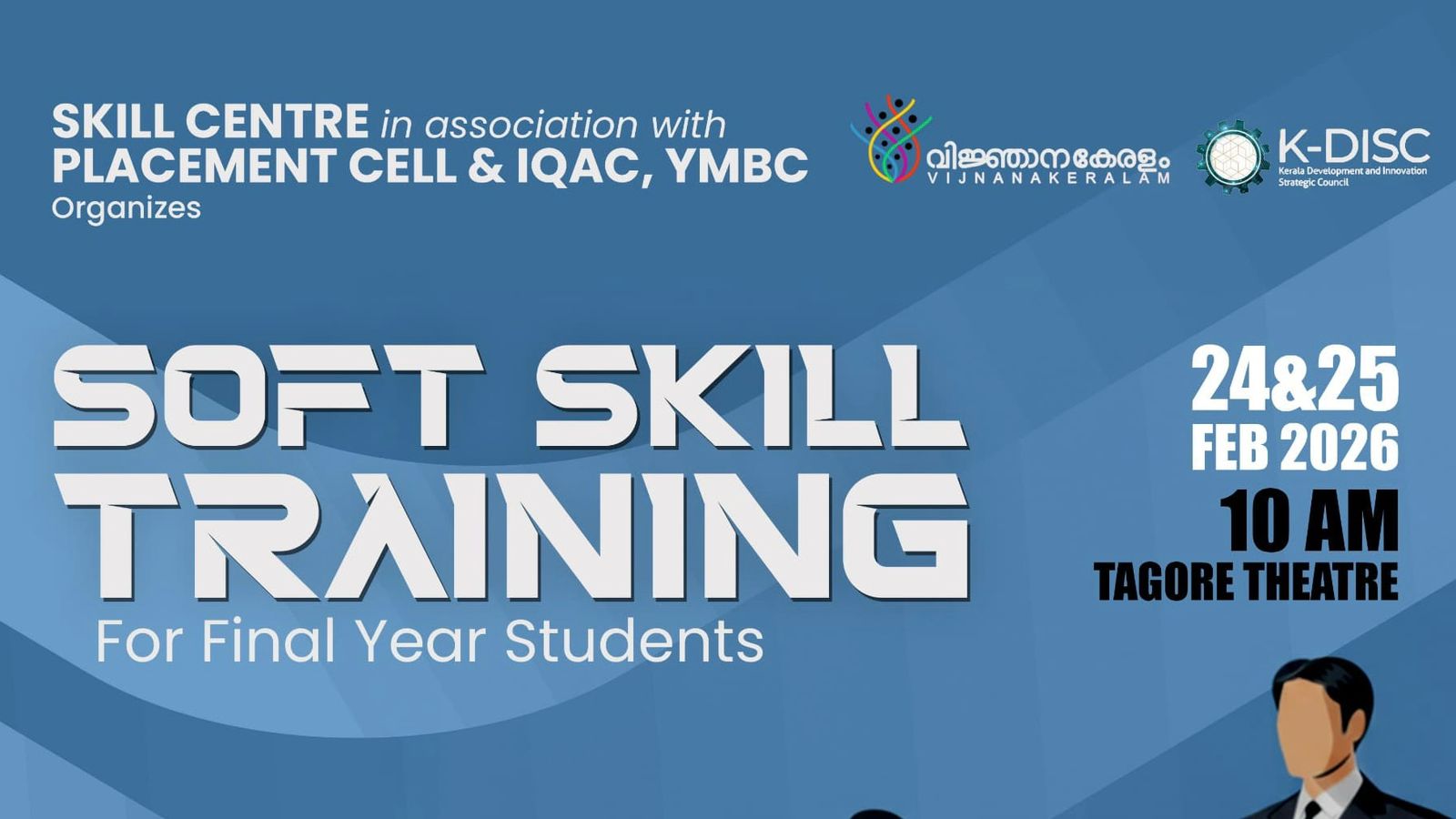
February 24 to February 25, 2026

February 23, 2026

February 18, 2026
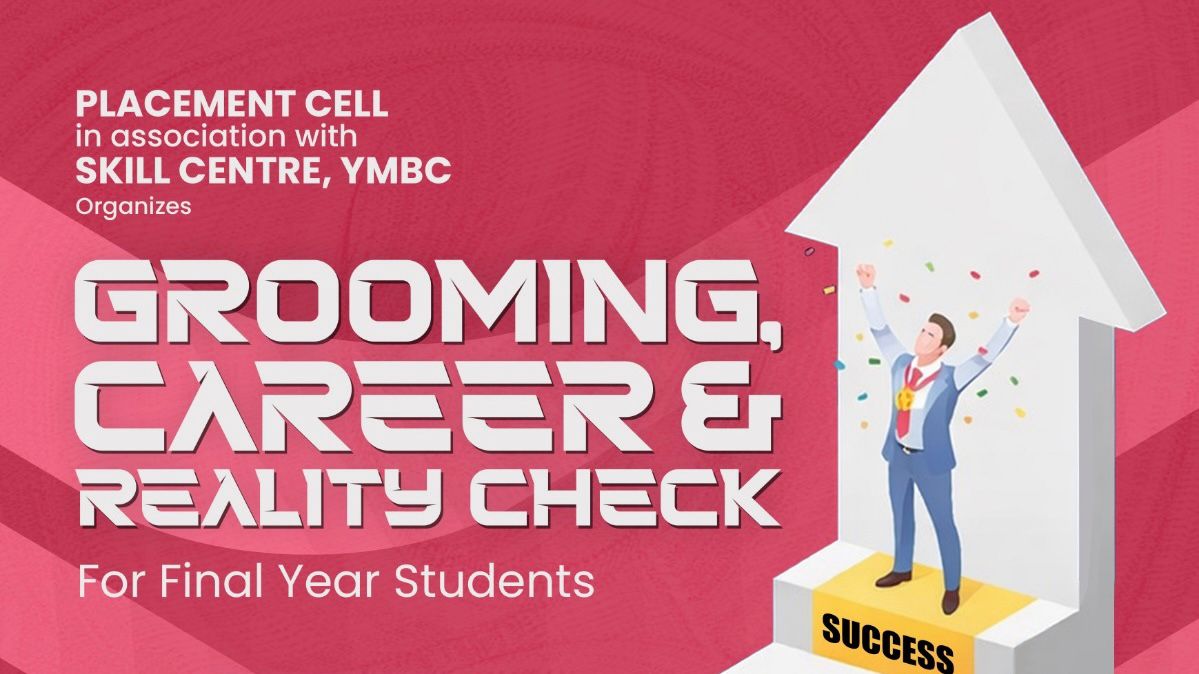
February 16 to February 18, 2026

February 13, 2026
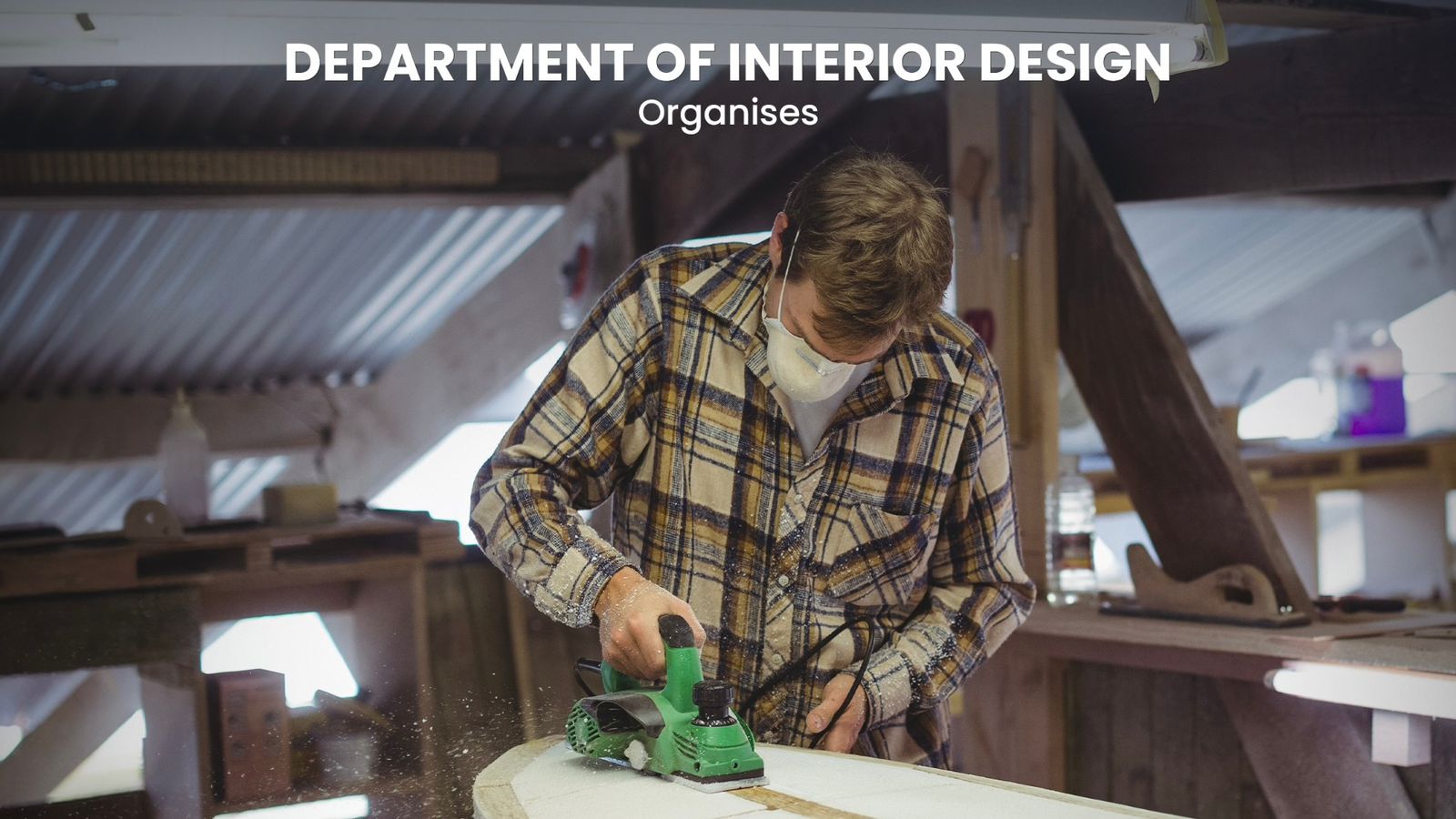
February 10, 2026
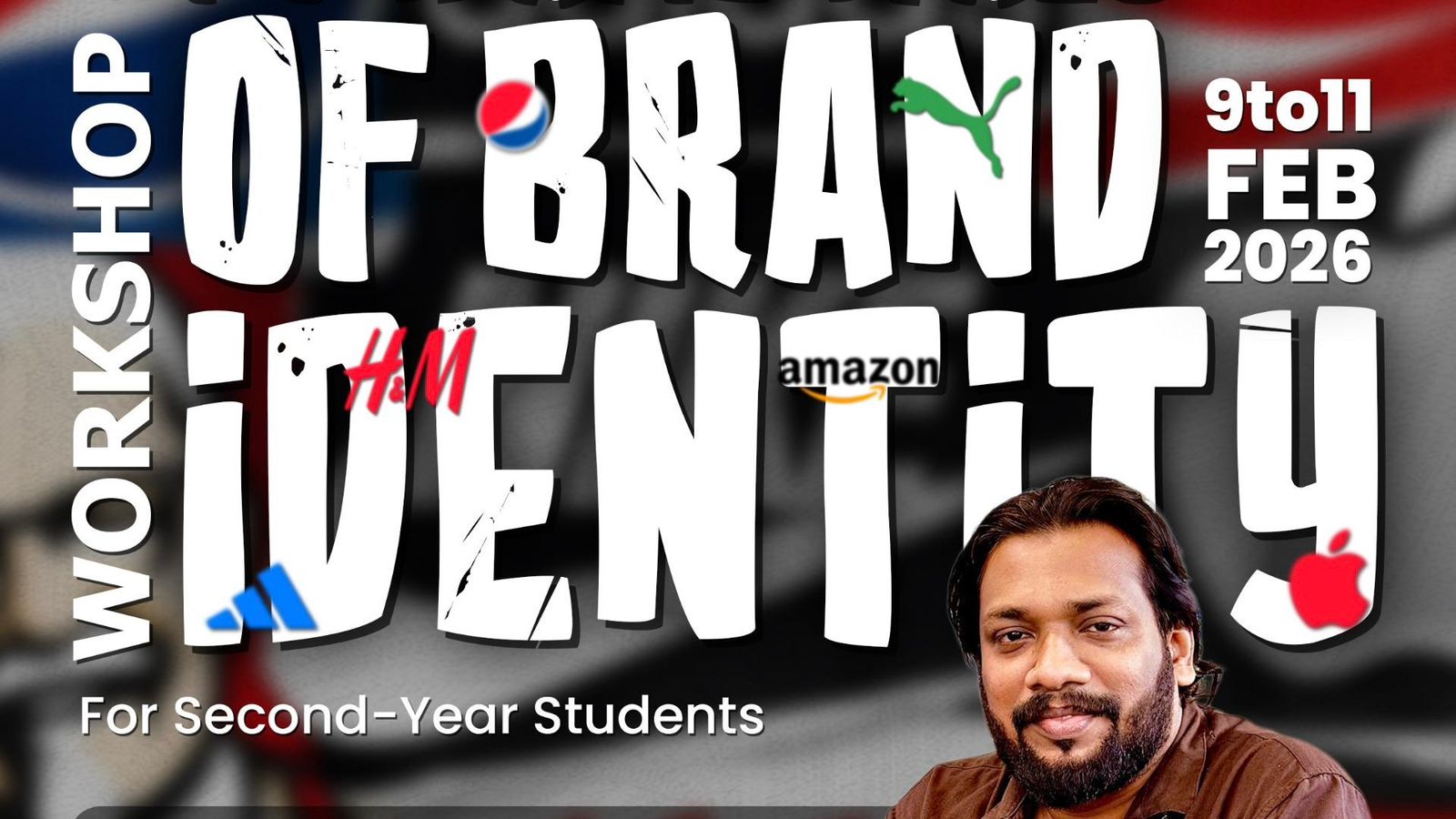
February 9, 2026

February 3, 2026

January 28, 2026
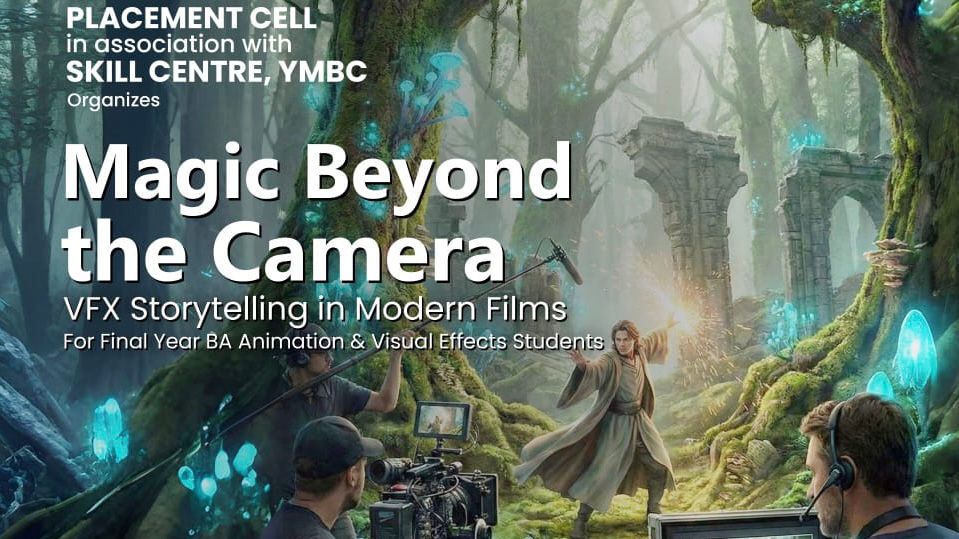
January 28, 2026

January 28, 2026
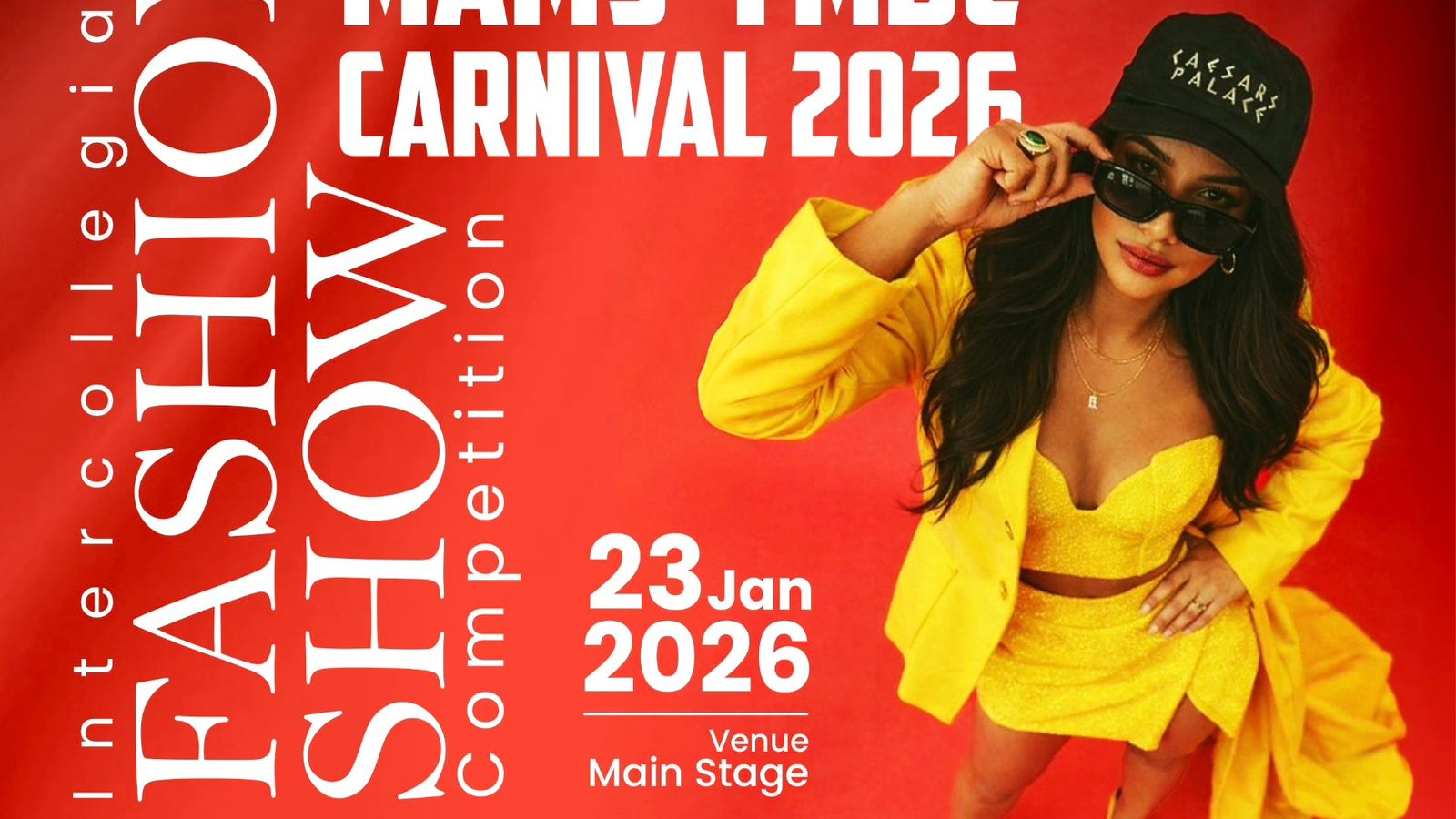
January 23, 2026
January 23, 2026
January 22 to January 23, 2026
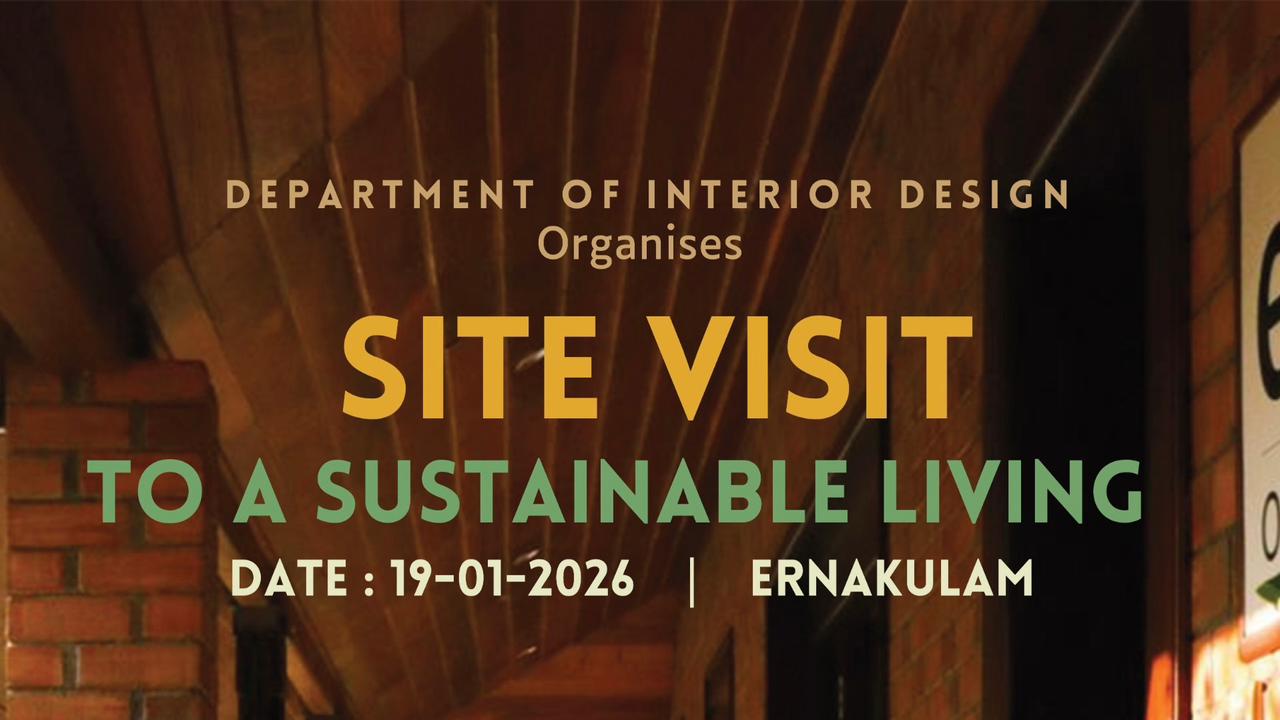
January 19, 2026

January 16, 2026

January 15, 2026

January 14, 2026

January 13, 2026
January 12, 2026
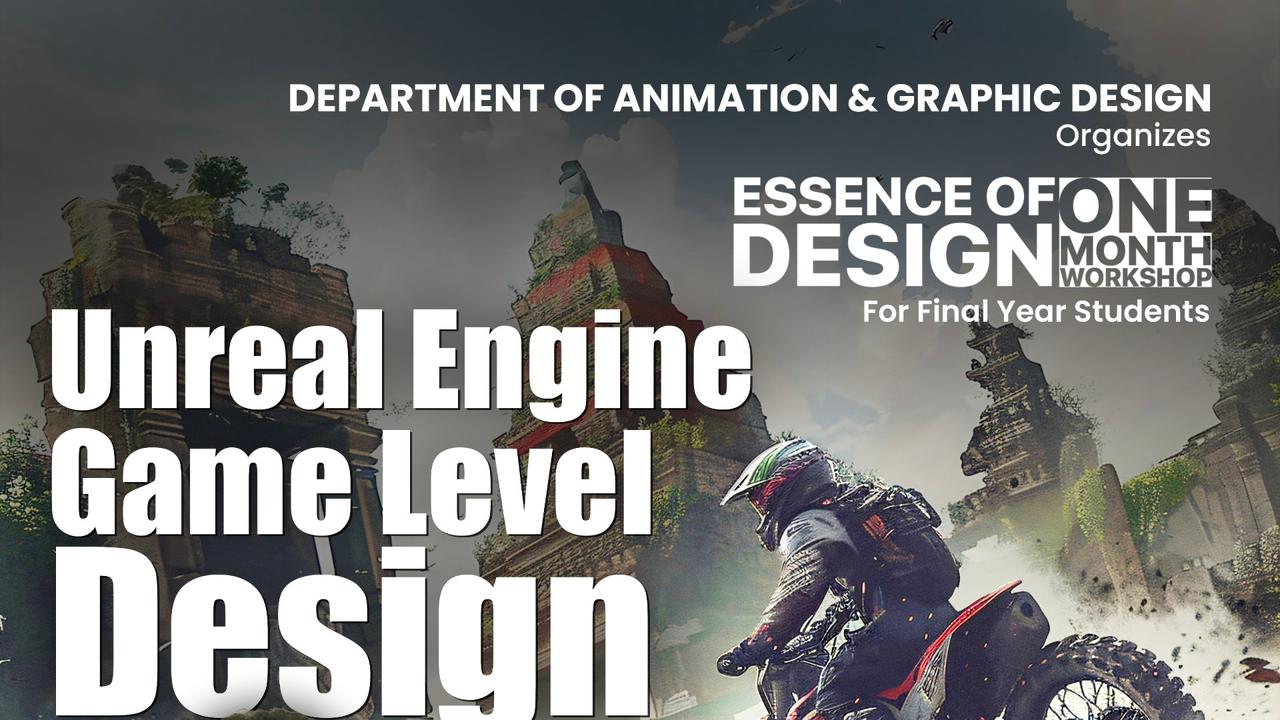
January 12 to January 31, 2026

January 12 to January 31, 2026
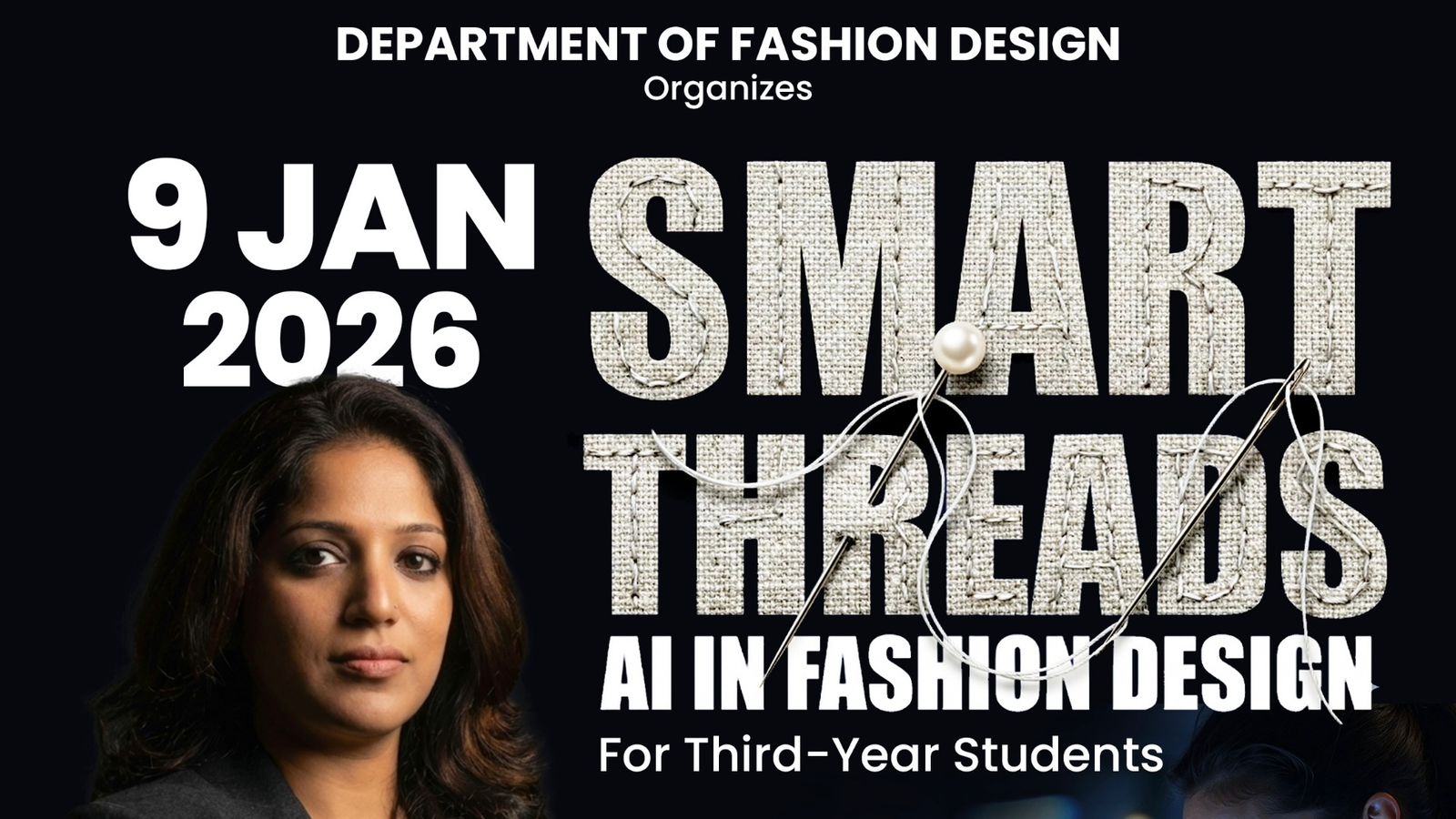
January 9, 2026

January 8 to January 9, 2026

January 8 to January 9, 2026
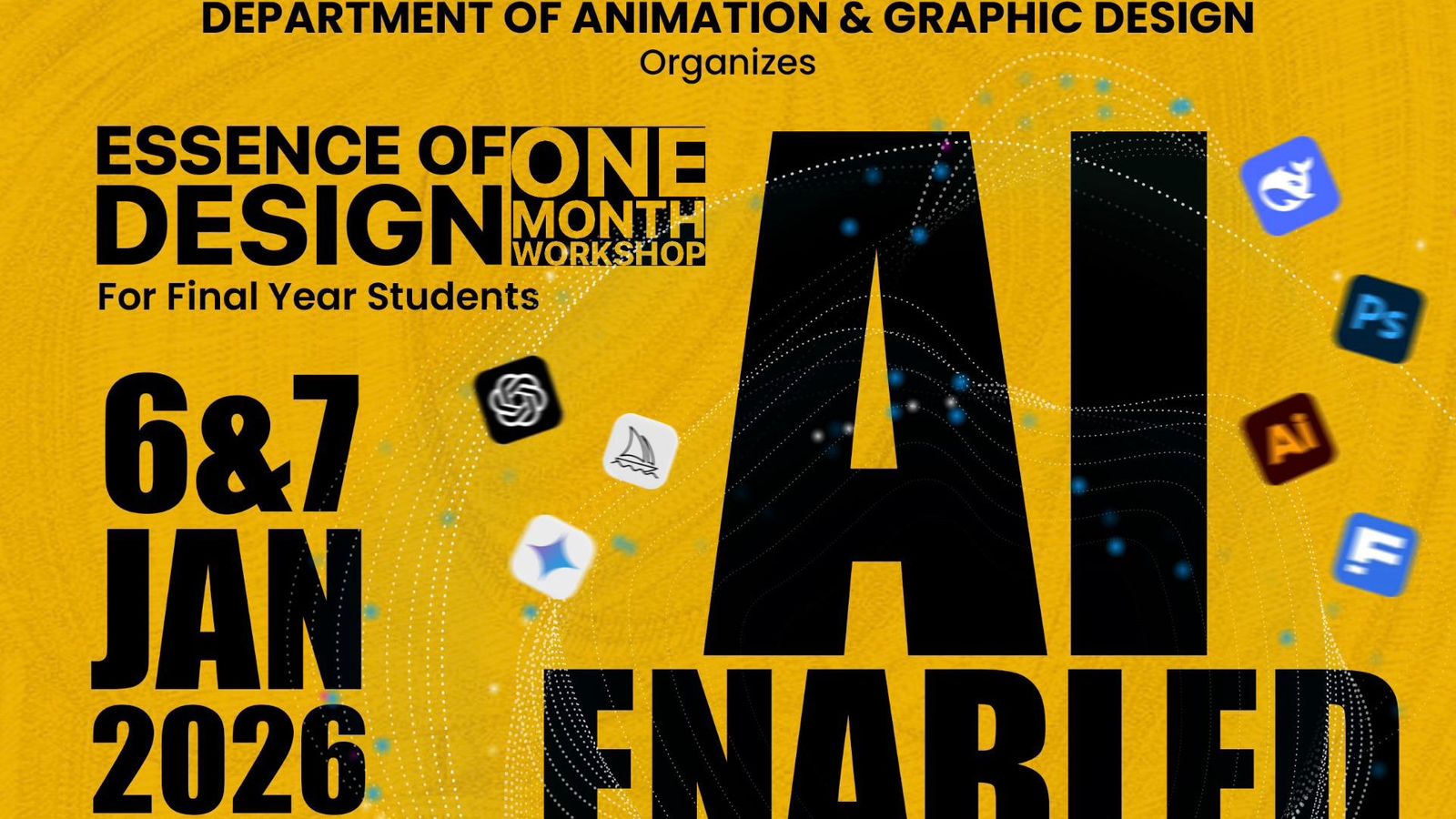
January 6 to January 7, 2026

January 6 to January 7, 2026

December 22, 2025

December 22, 2025

December 22, 2025
December 20, 2025
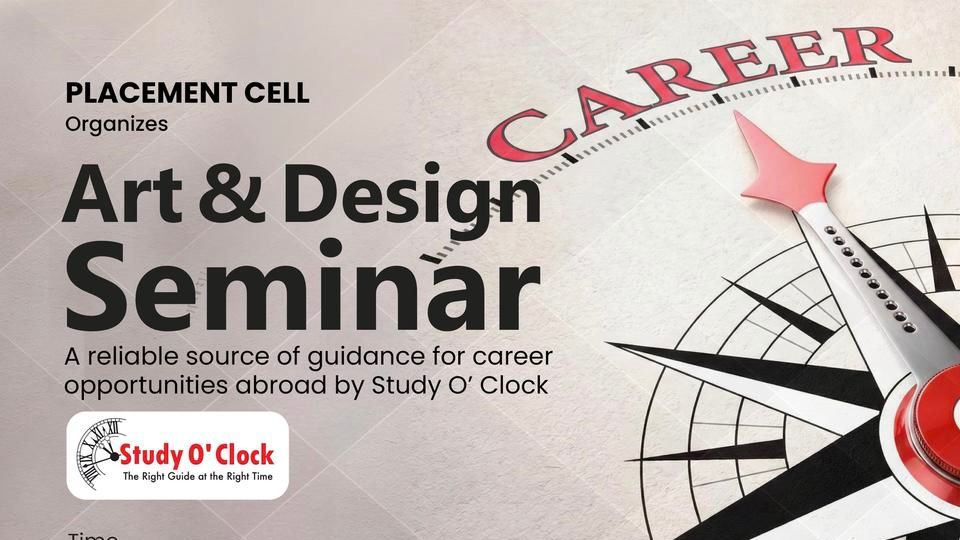
December 16, 2025
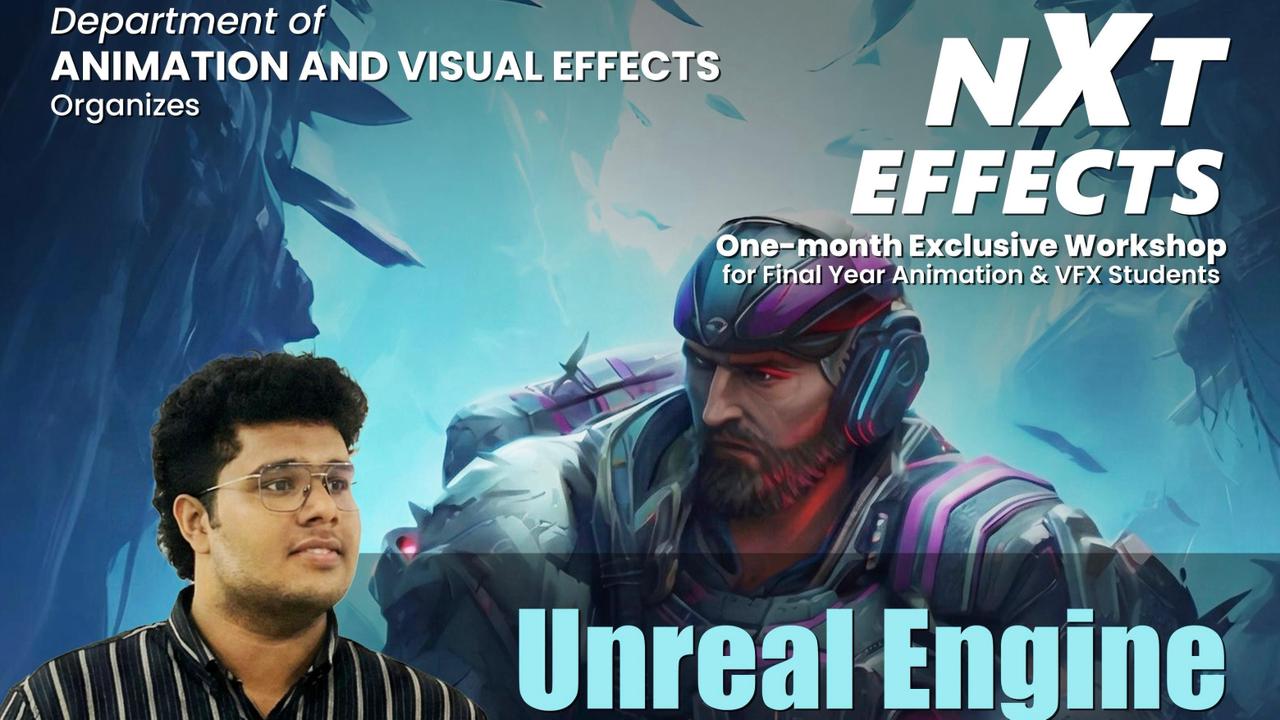
December 15 to December 19, 2025

December 5, 2025

December 4, 2025
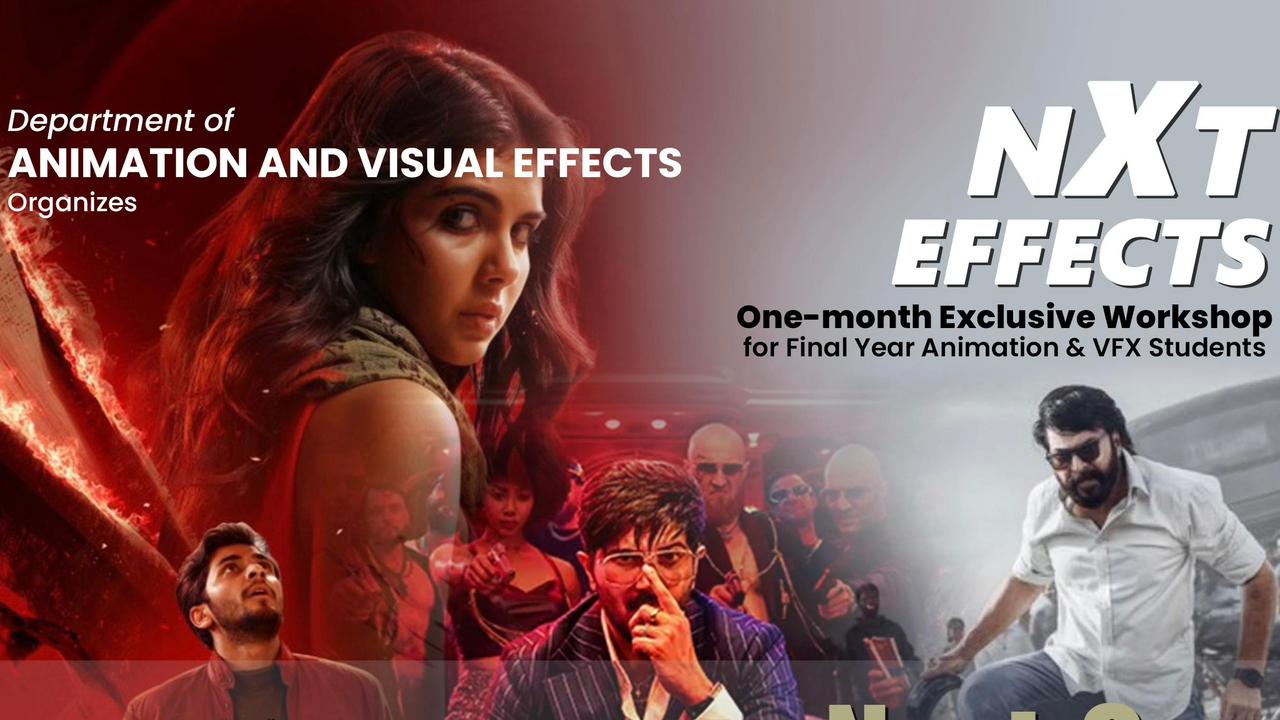
December 3, 2025

December 2 to January 2, 2026
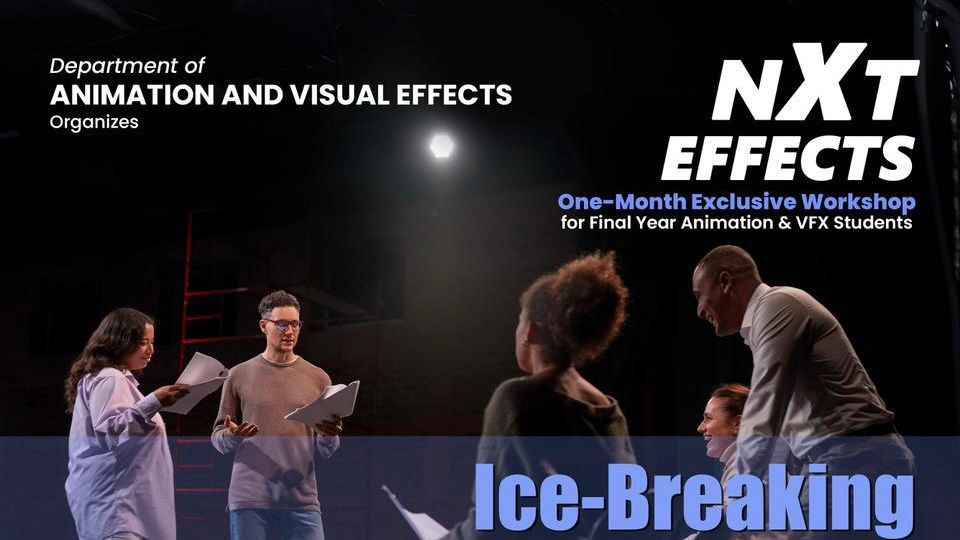
December 2, 2025
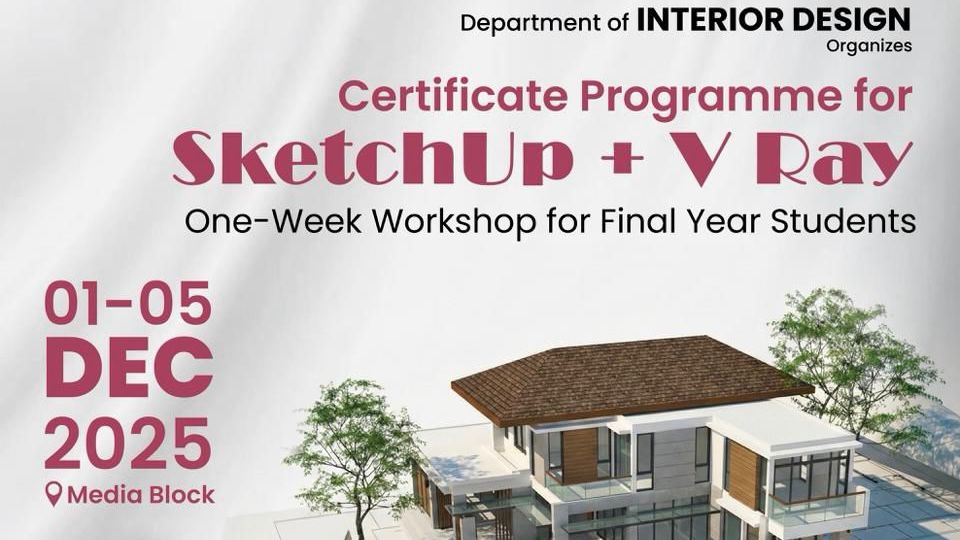
December 1 to December 5, 2025

December 1, 2025
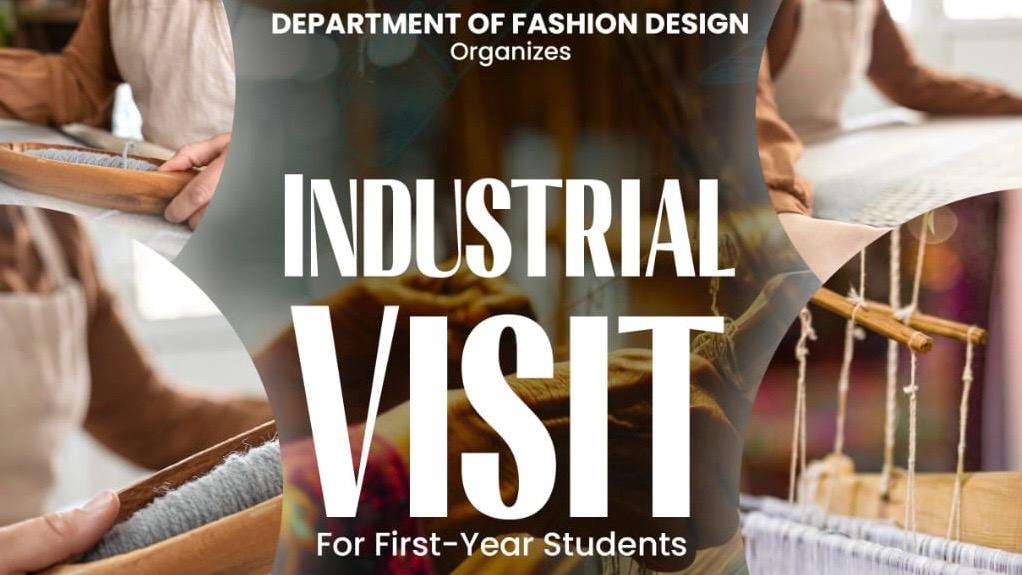
November 27, 2025
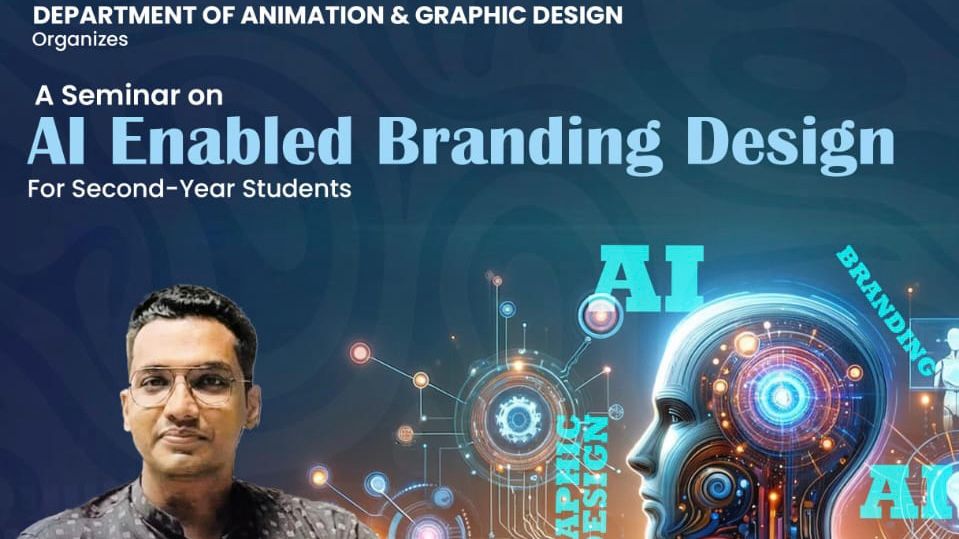
November 26, 2025
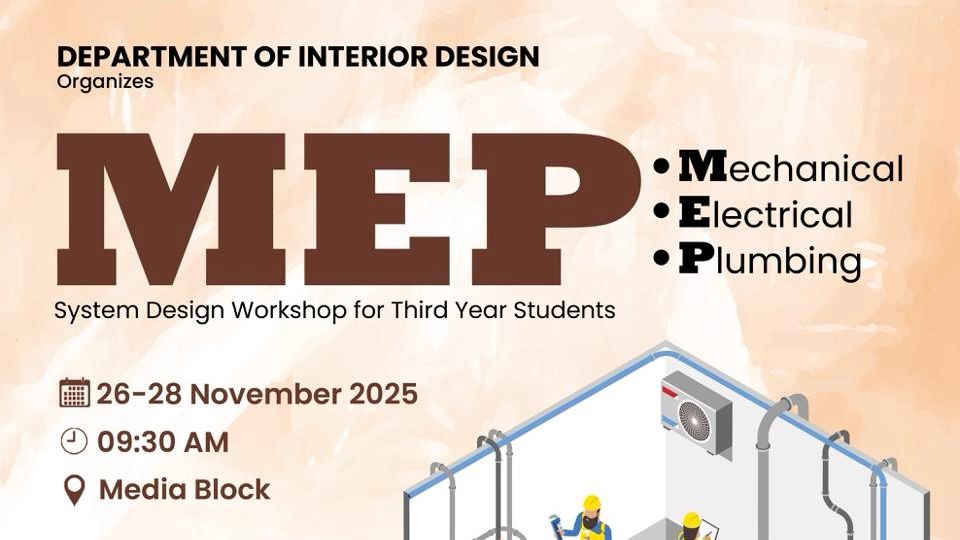
November 26 to December 28, 2025

November 26, 2025

November 26 to December 26, 2025

November 25, 2025

November 24, 2025
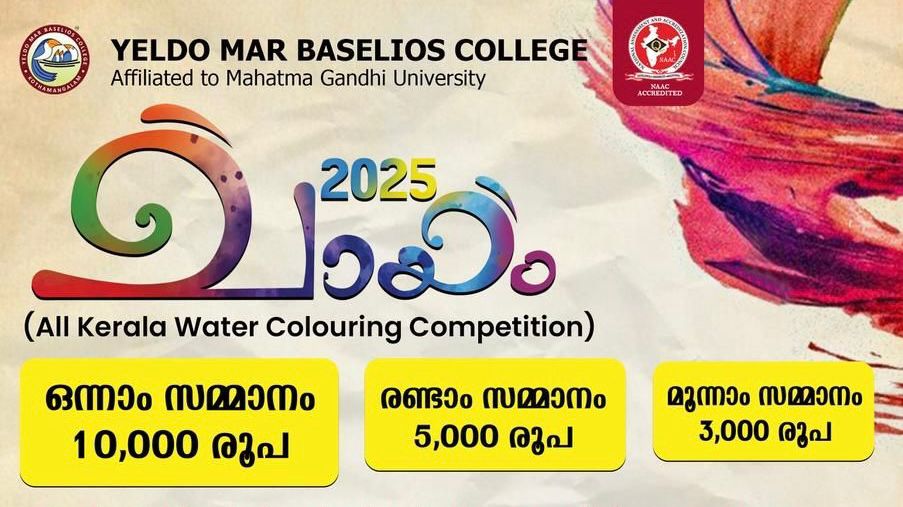
November 22, 2025

November 21, 2025

November 19, 2025

November 17, 2025
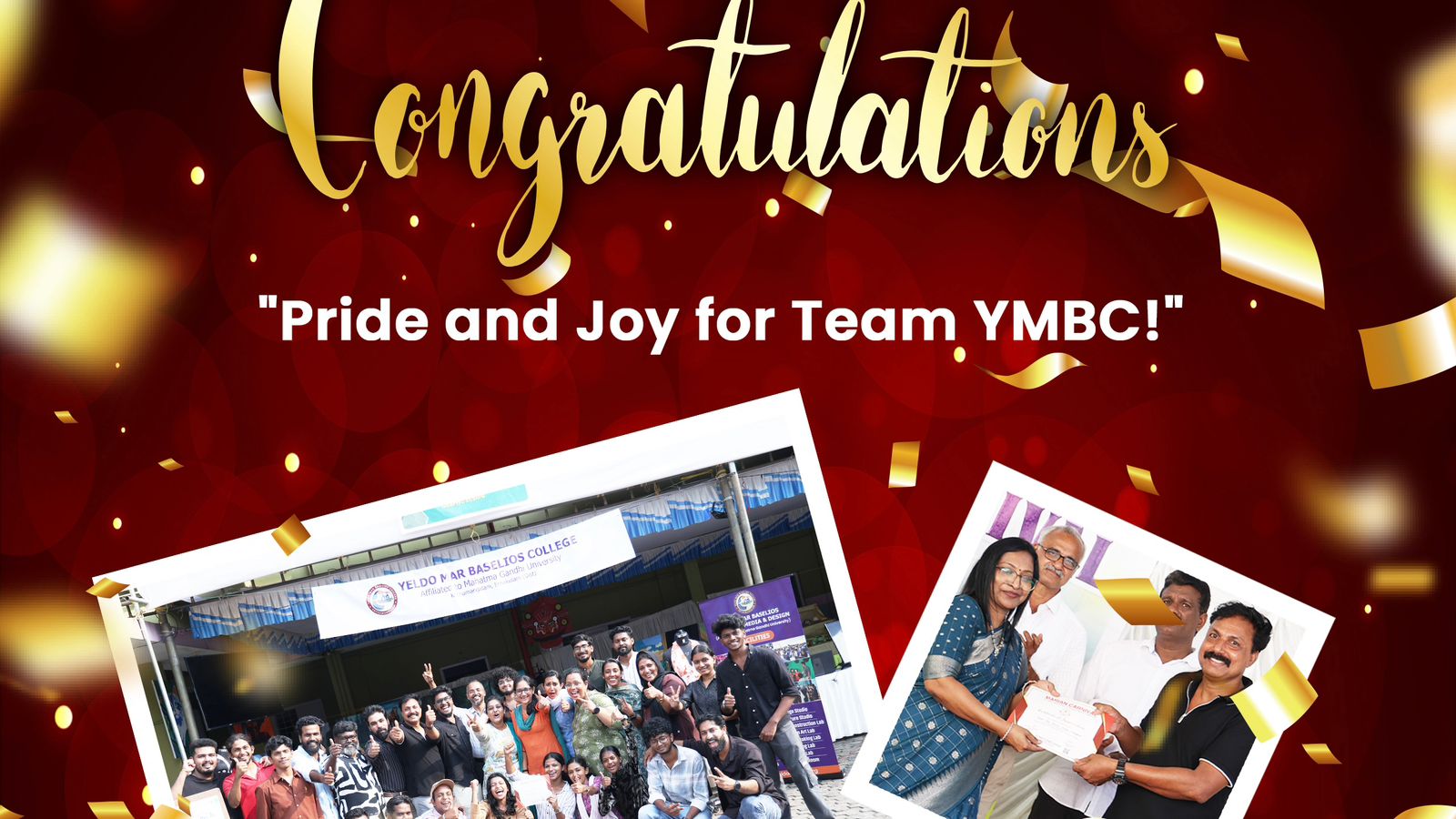
November 16, 2025
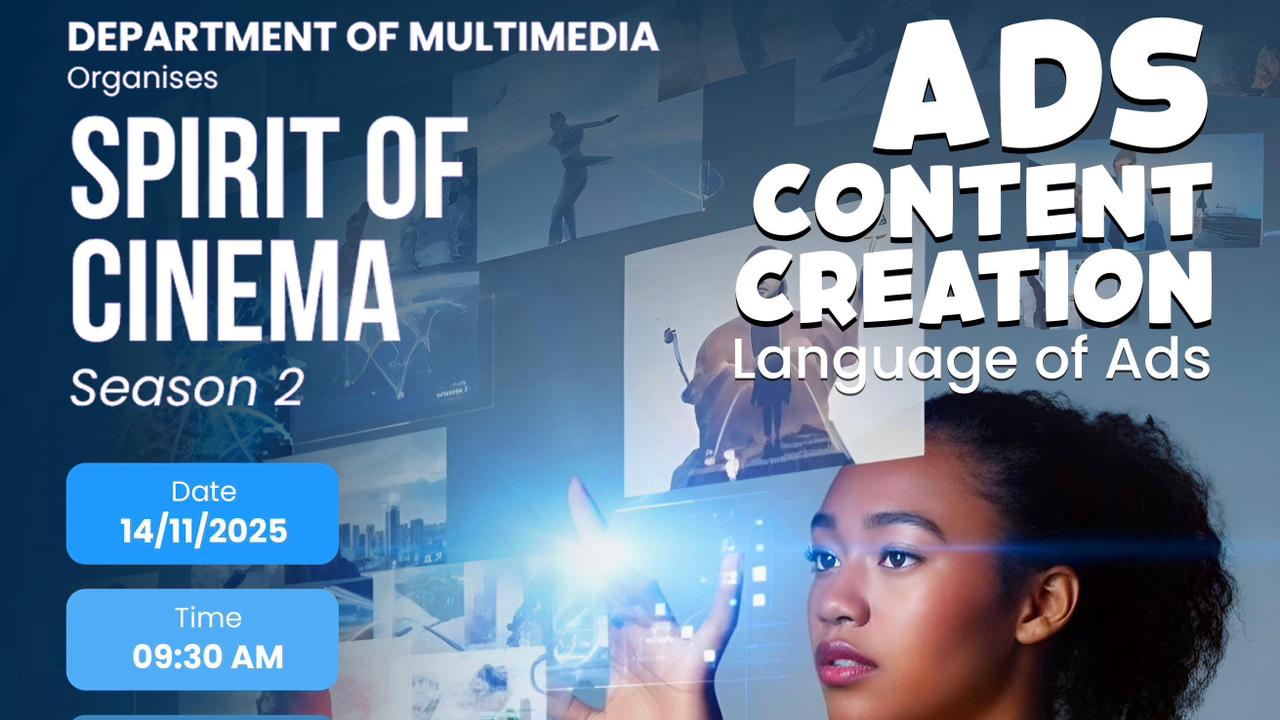
November 14, 2025

November 13, 2025
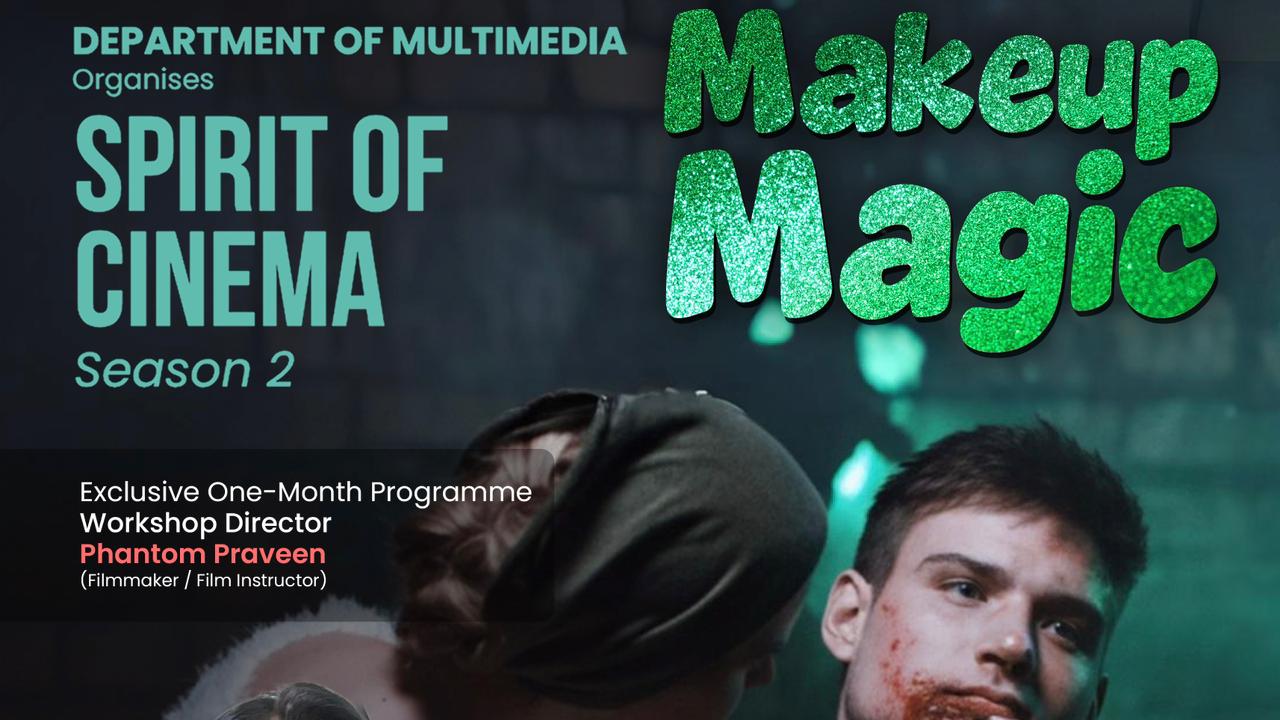
November 12, 2025

November 12, 2025
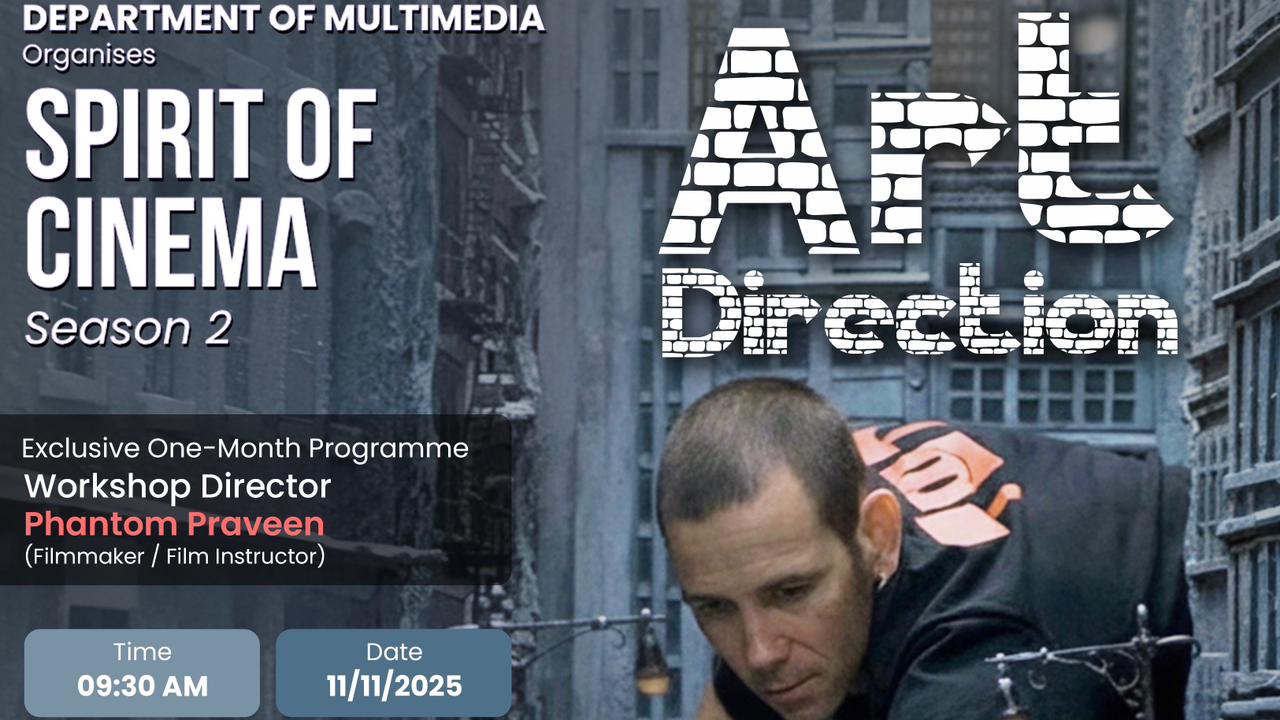
November 11, 2025

November 7 to November 9, 2025
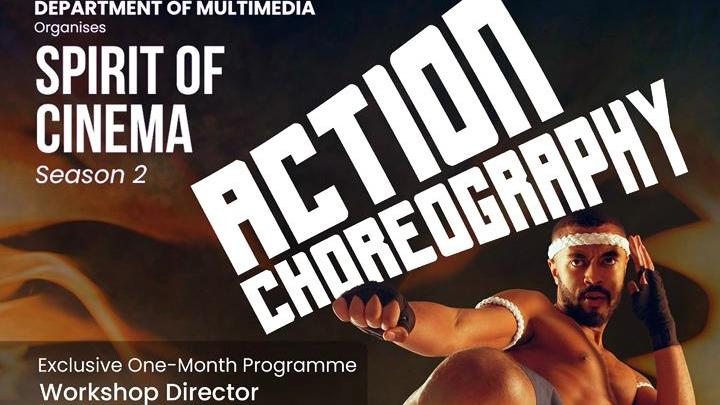
November 7, 2025
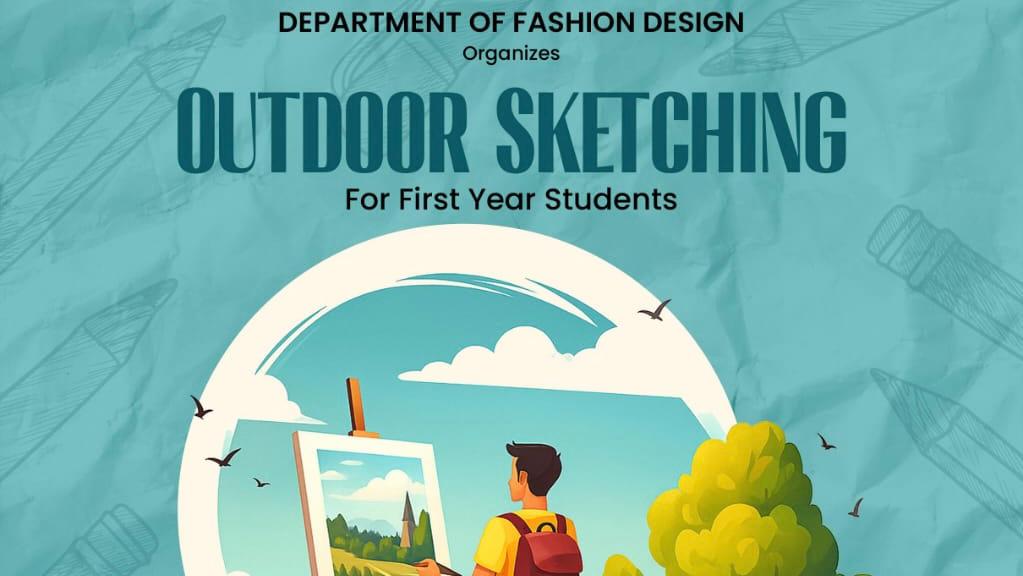
November 4, 2025
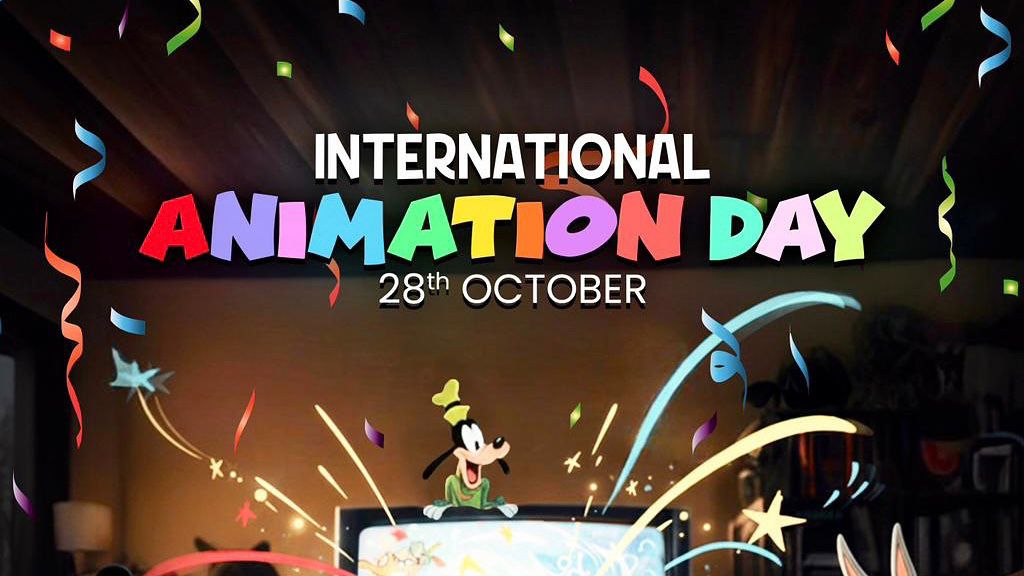
October 28, 2025
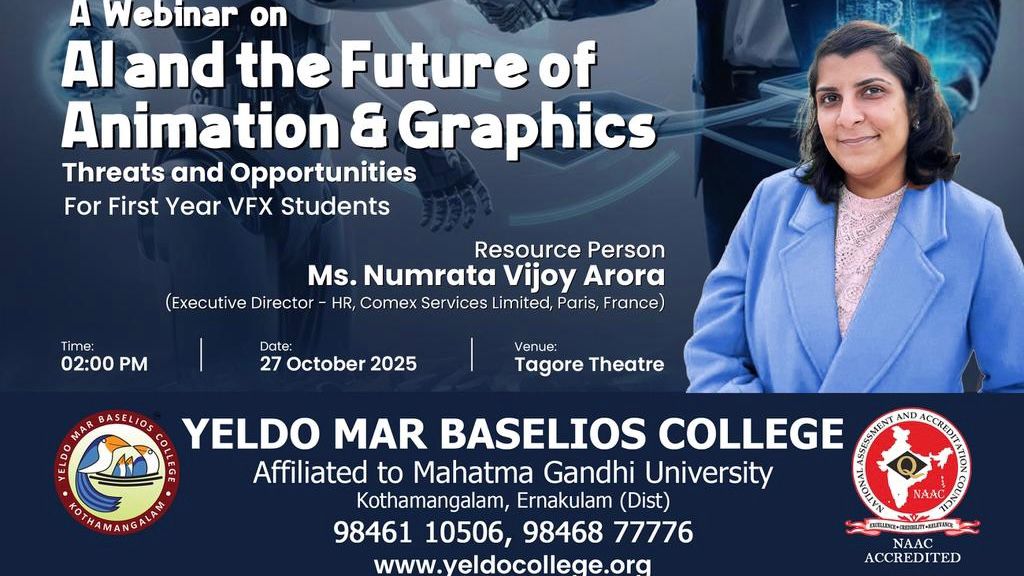
October 27, 2025
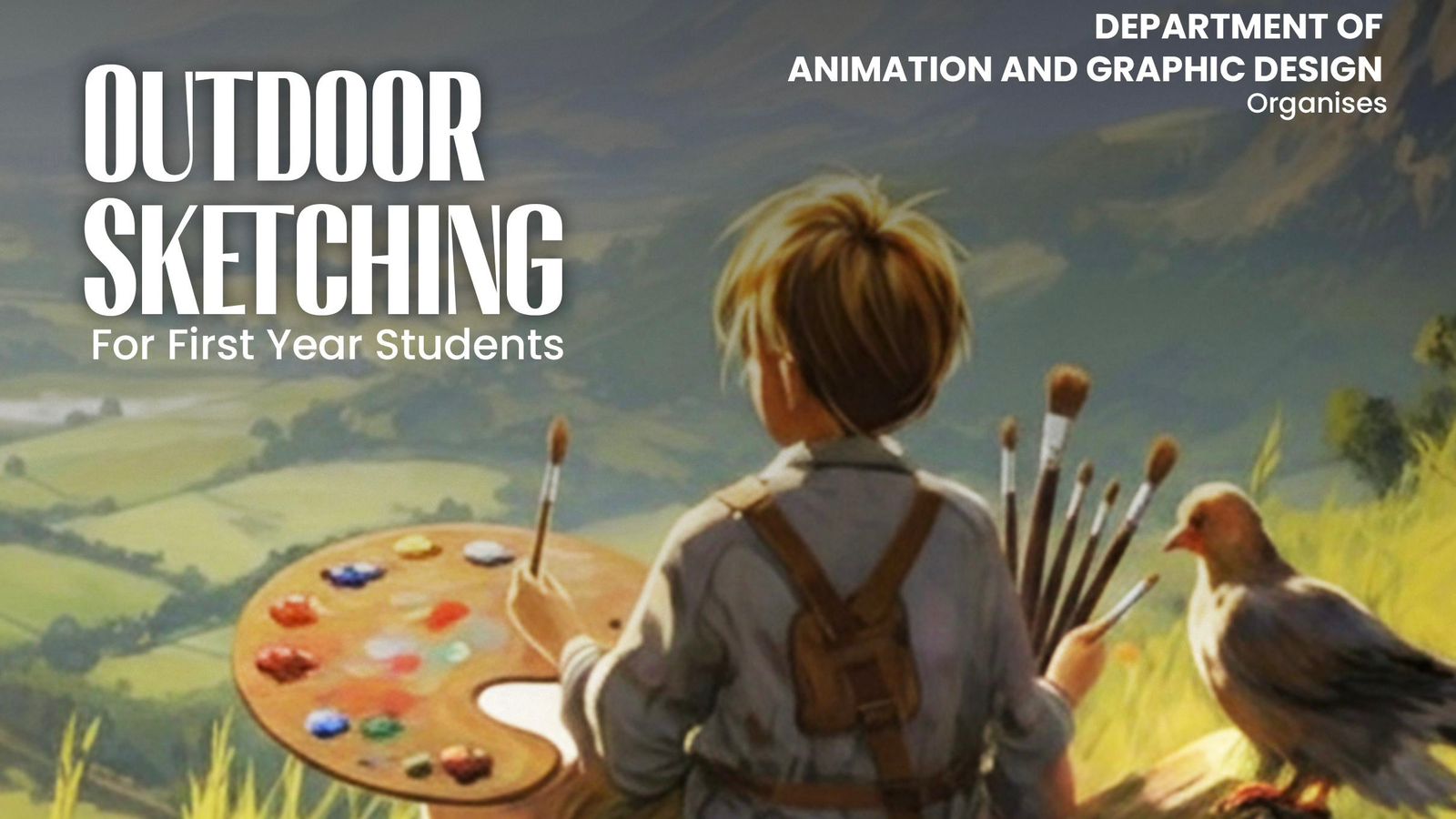
October 23, 2025
October 21, 2025

October 17, 2025
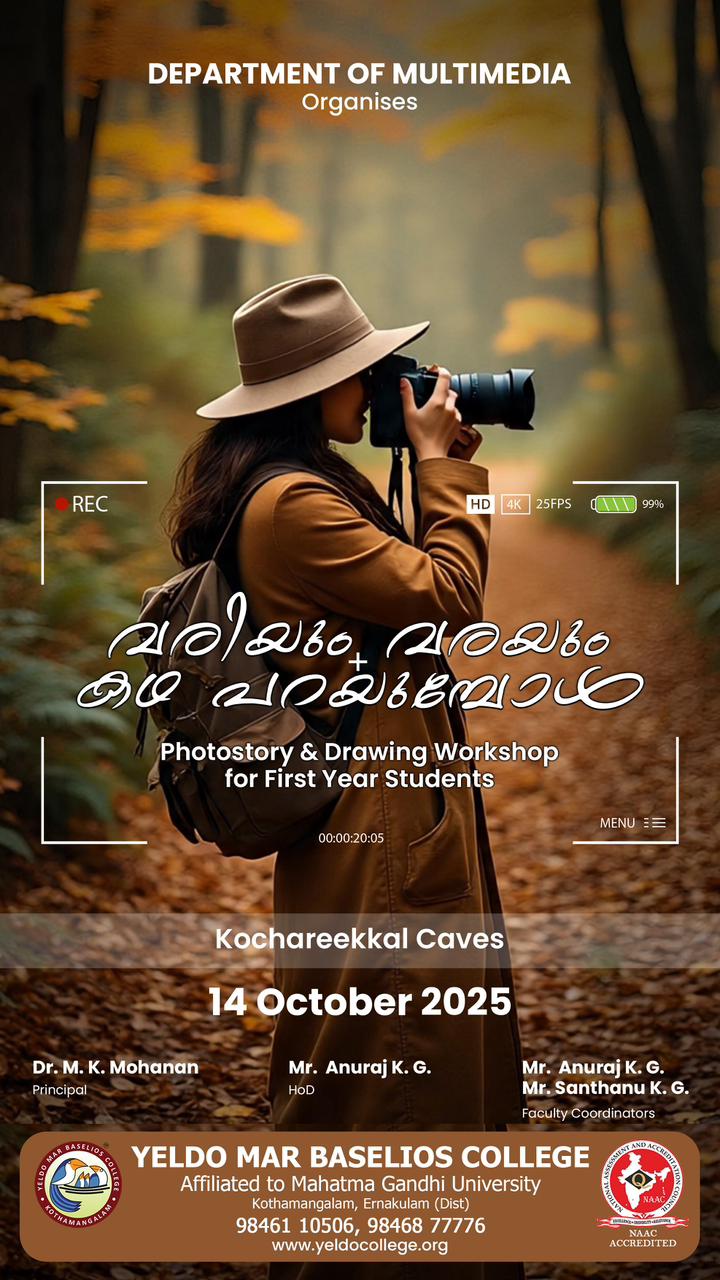
October 14, 2025
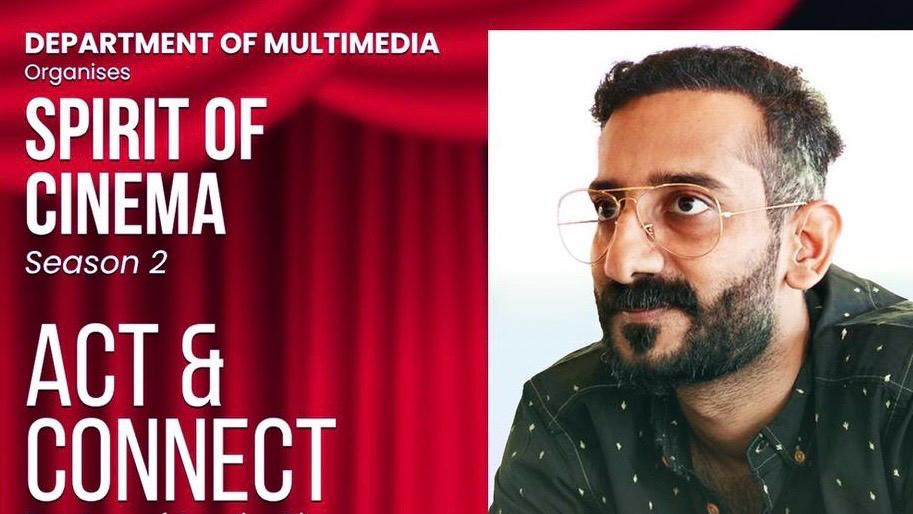
October 9 to October 10, 2025

October 7, 2025
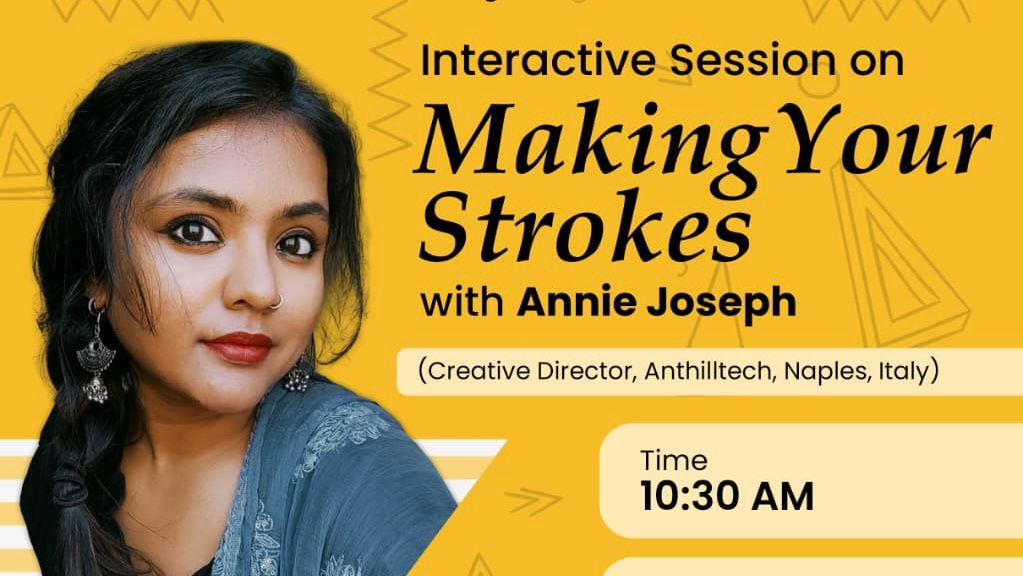
August 21, 2025

July 2, 2025

April 25, 2025
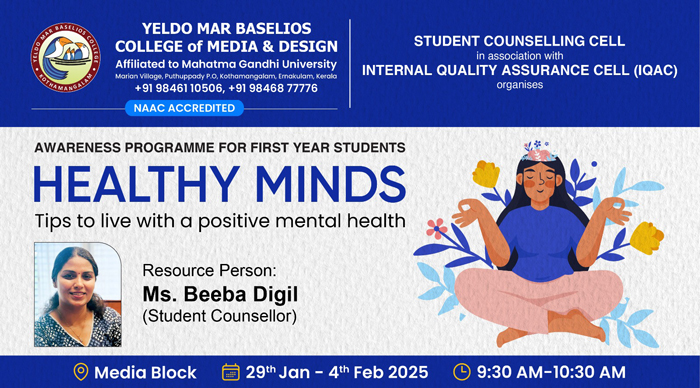
January 29 to February 4, 2025
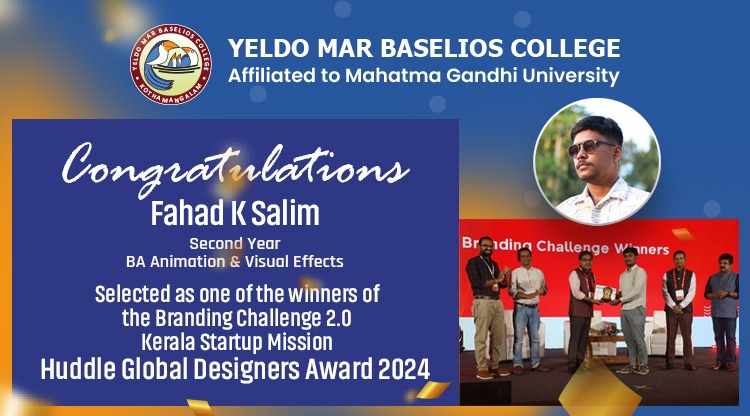
November 12, 2024

October 4, 2024

September 12, 2024
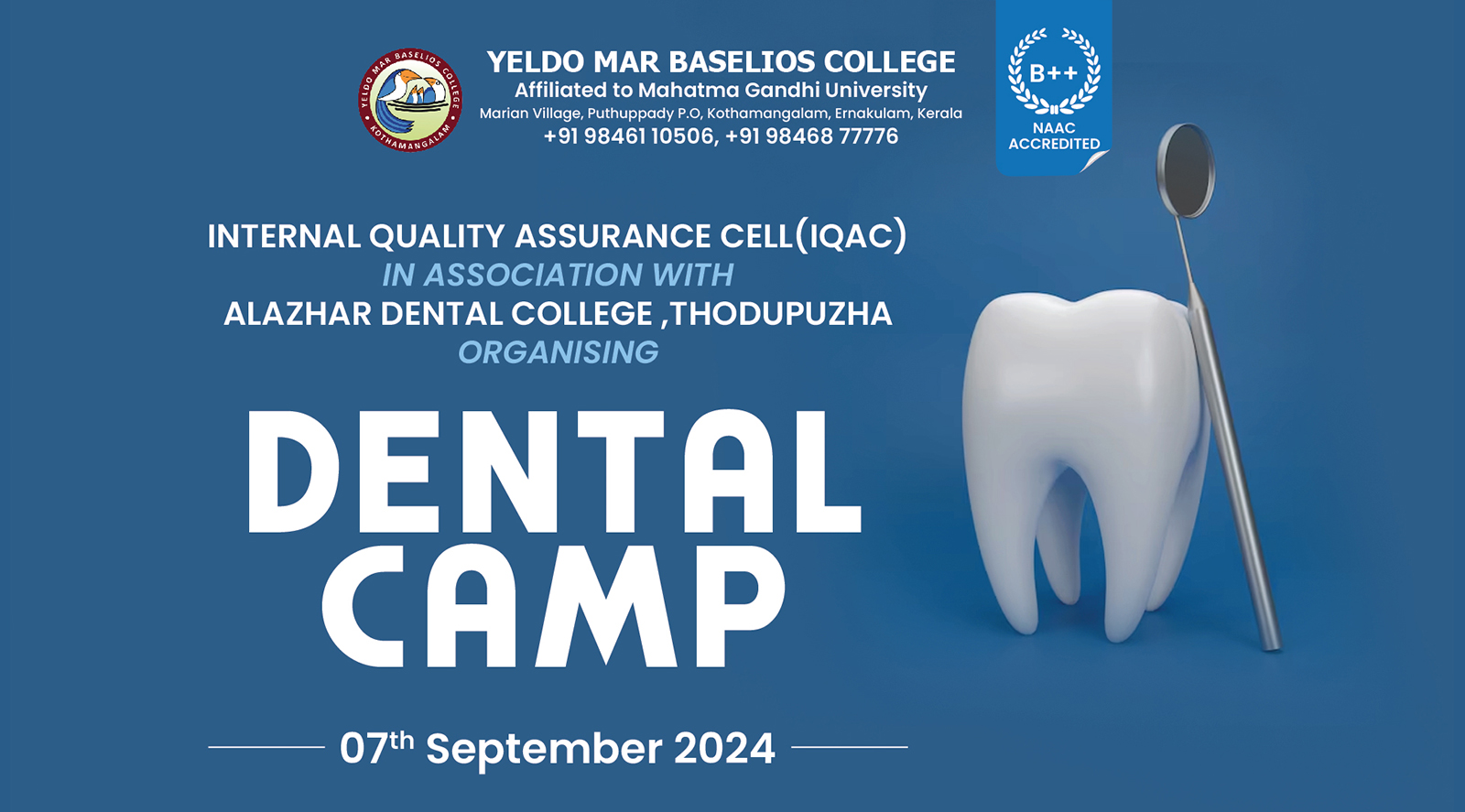
September 7, 2024

July 10 to July 12, 2024
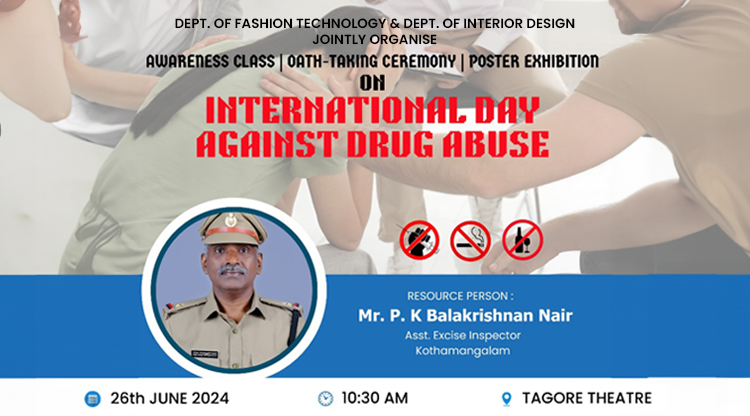
June 26, 2024
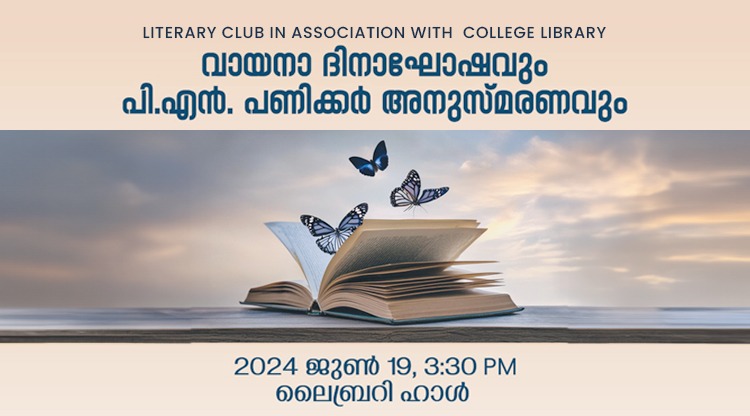
June 19, 2024

June 14, 2024
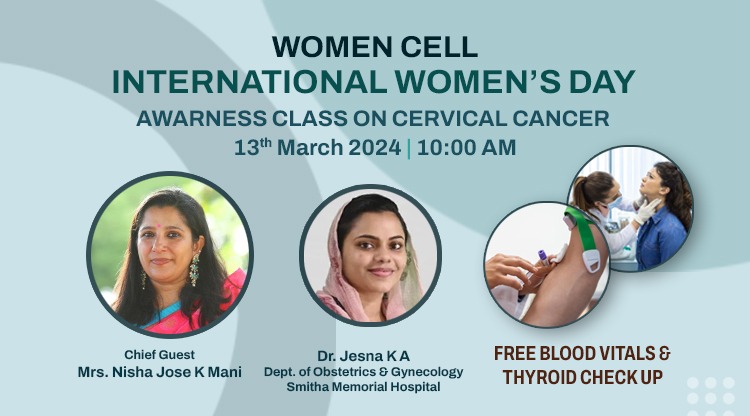
March 13, 2024
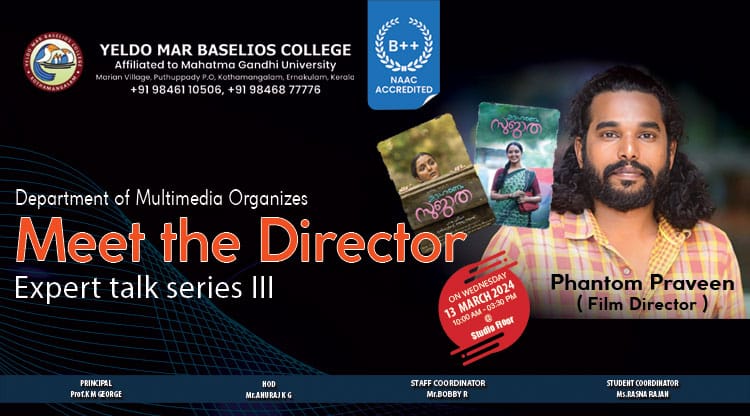
March 13, 2024

March 11, 2024
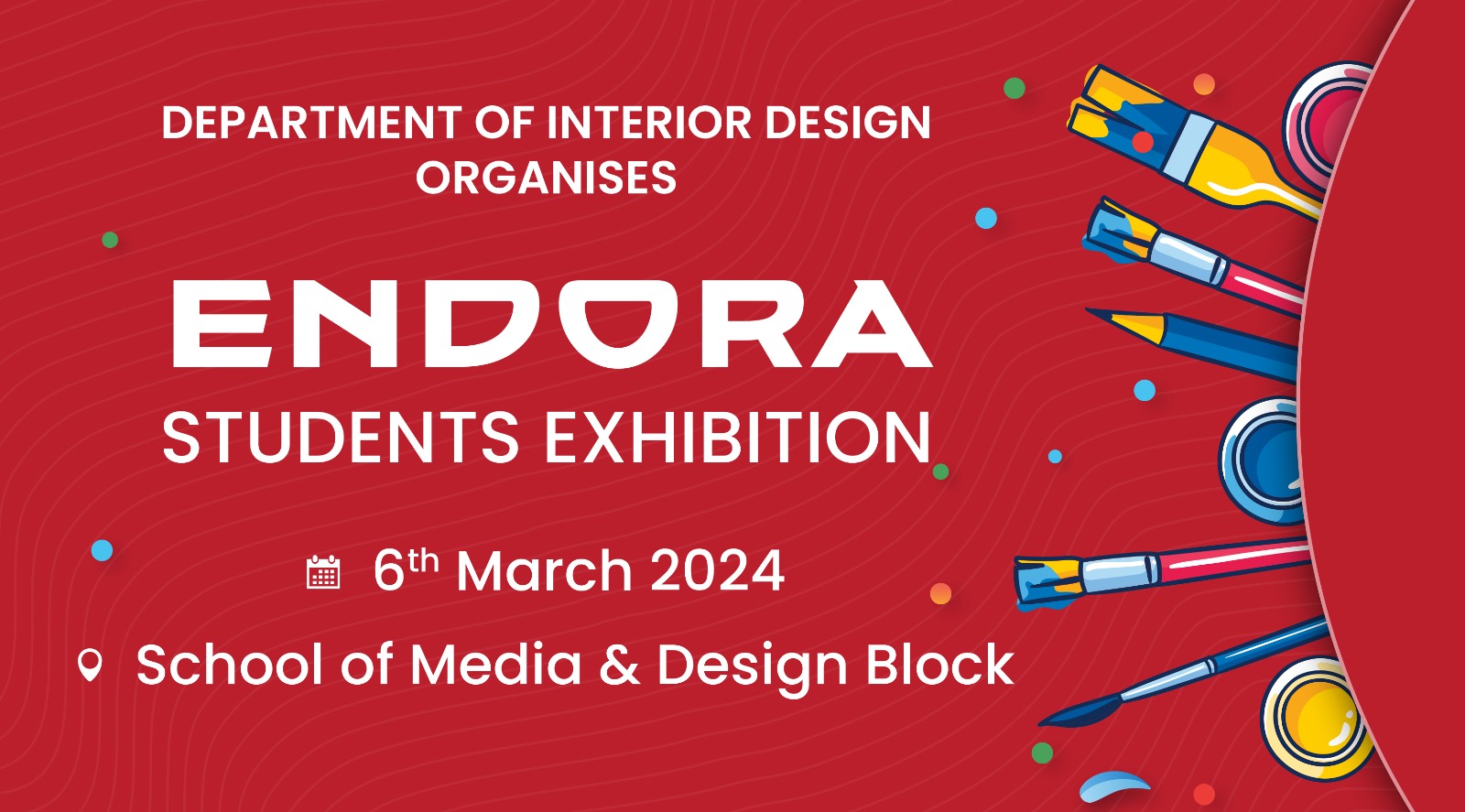
March 6, 2024
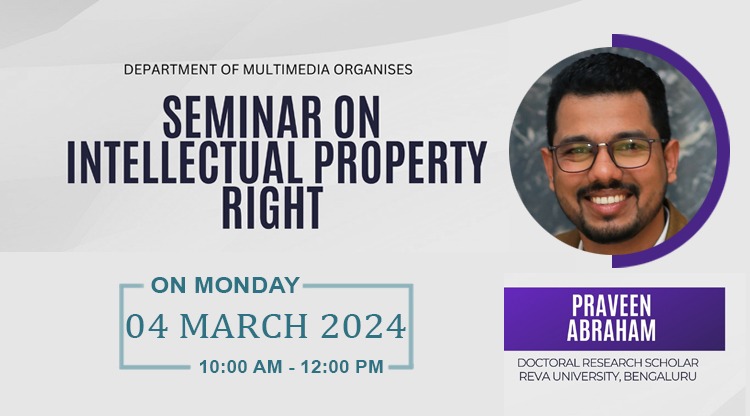
March 4, 2024

February 23, 2024

February 22 to February 27, 2024
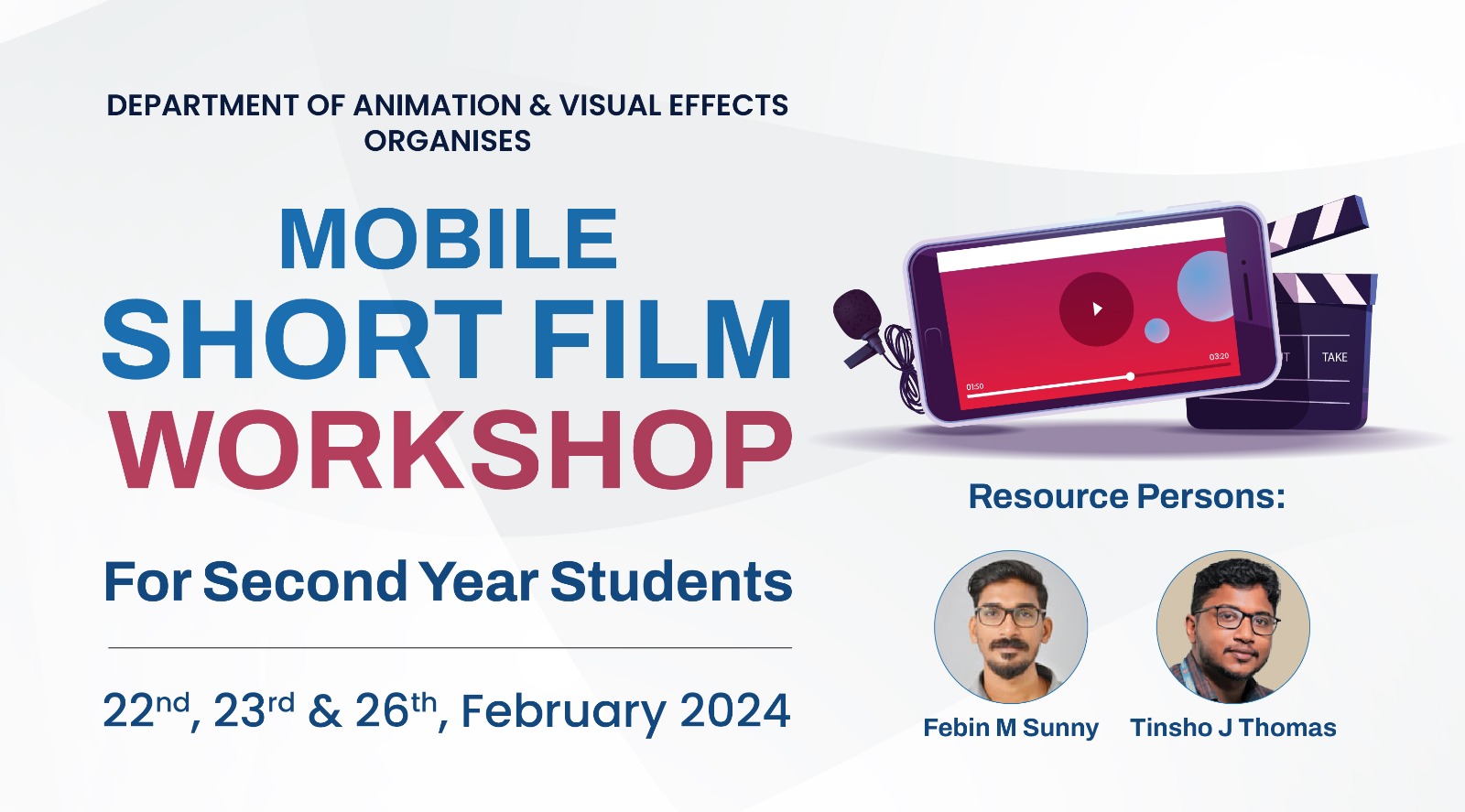
February 22 to February 26, 2024
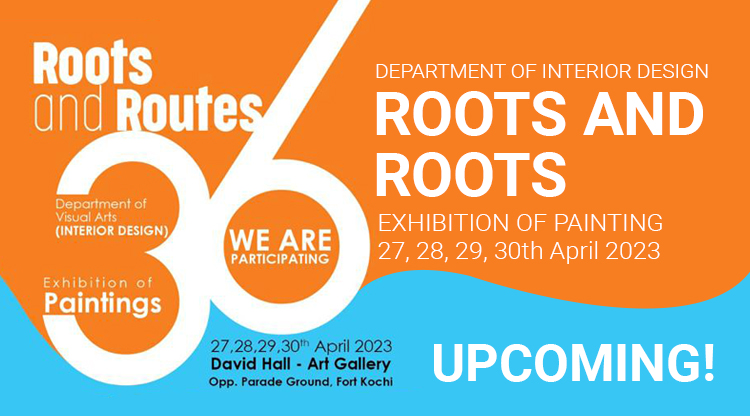
April 27, 2023
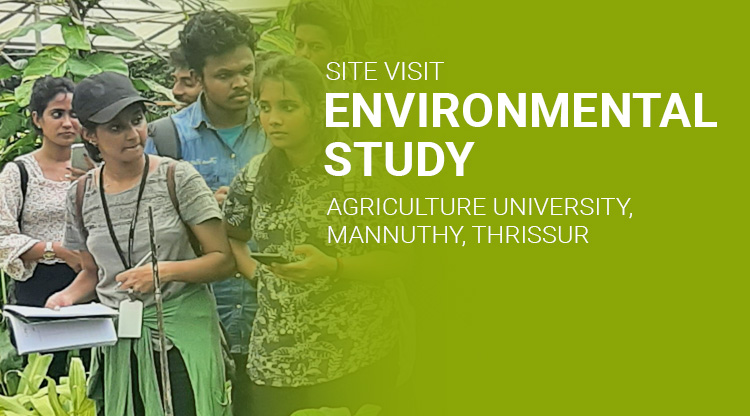
July 29, 2022
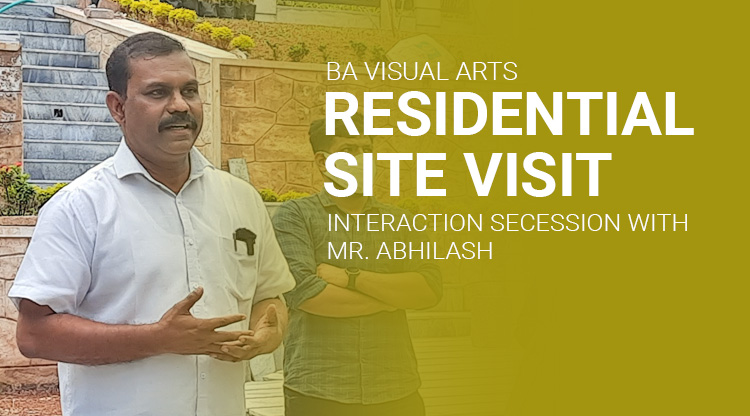
July 22, 2022

July 19, 2022

July 18, 2022
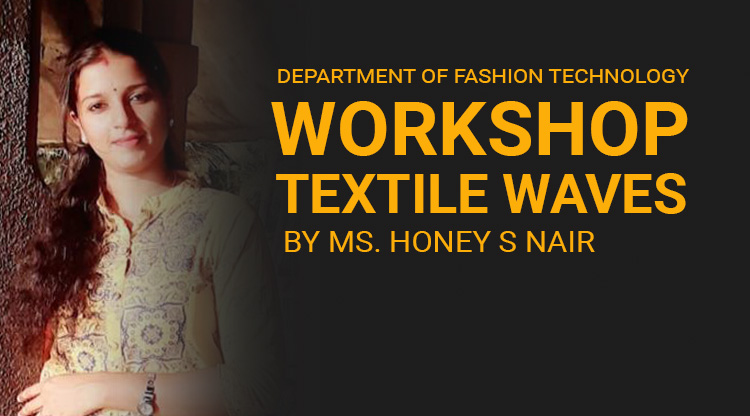
July 15, 2022

June 30, 2022
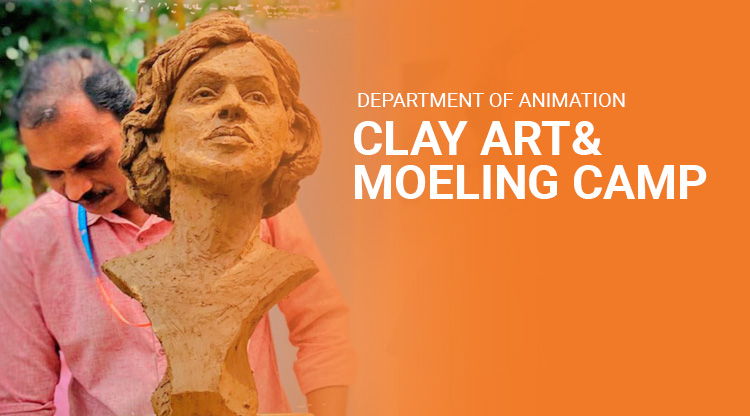
June 29, 2022
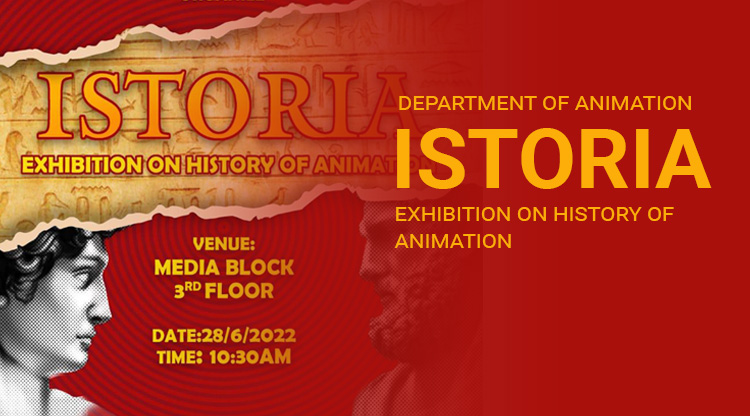
June 28, 2022
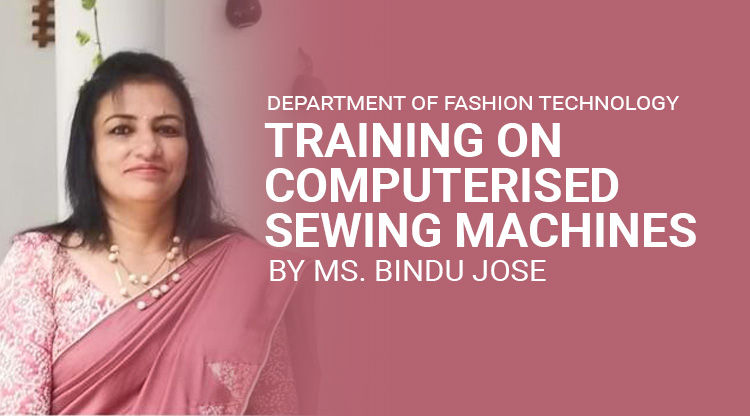
June 13, 2022

June 6, 2022
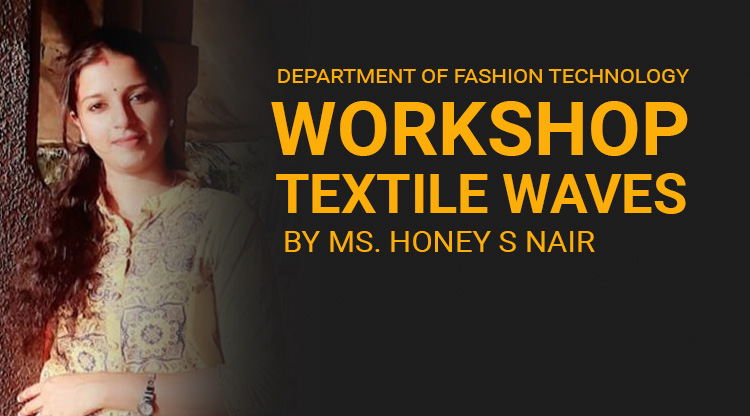
February 14, 2017