
- Email yeldocollegesmd@gmail.com
- CALL +91 98461 10506 +91 98468 77776

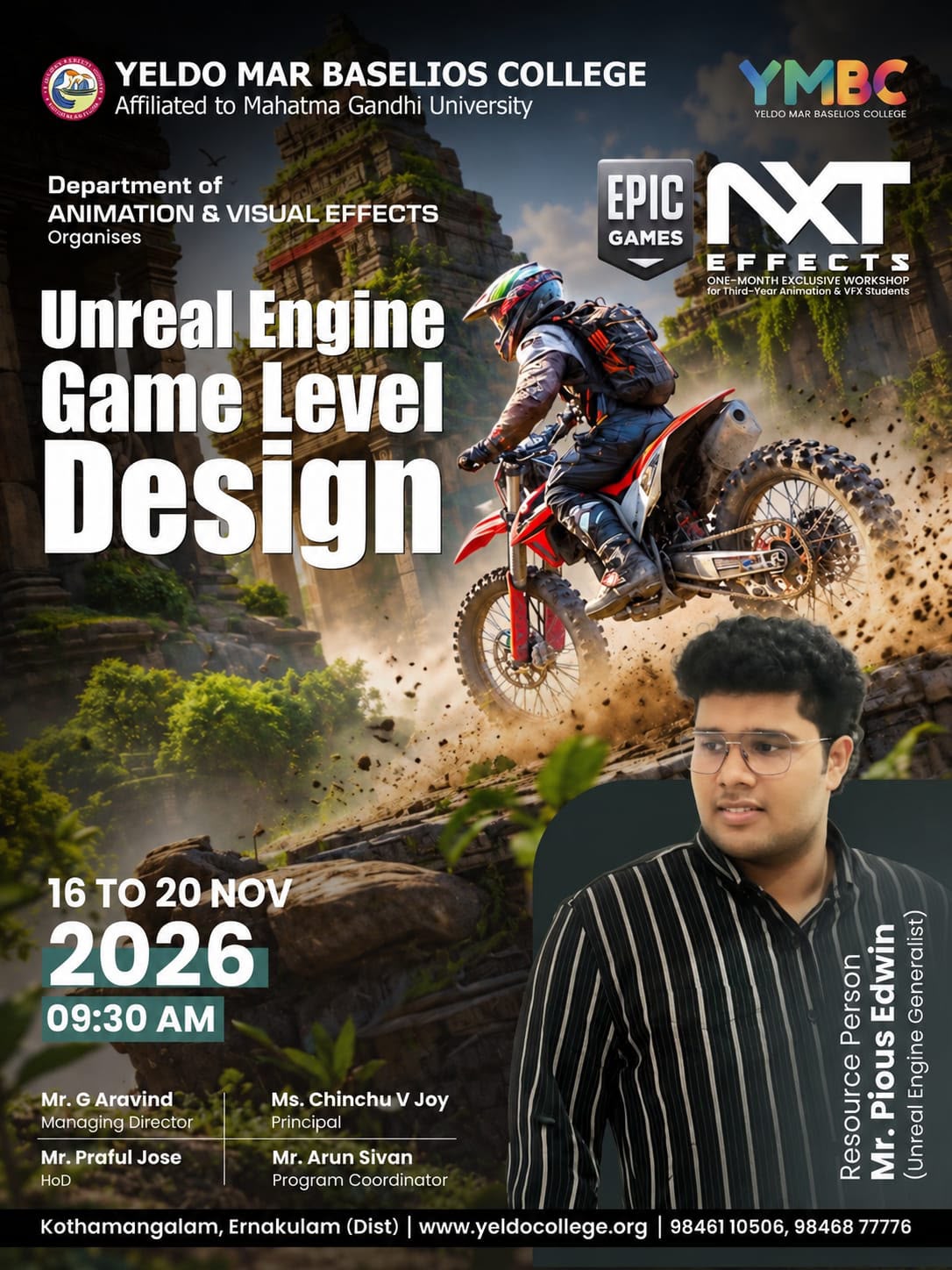
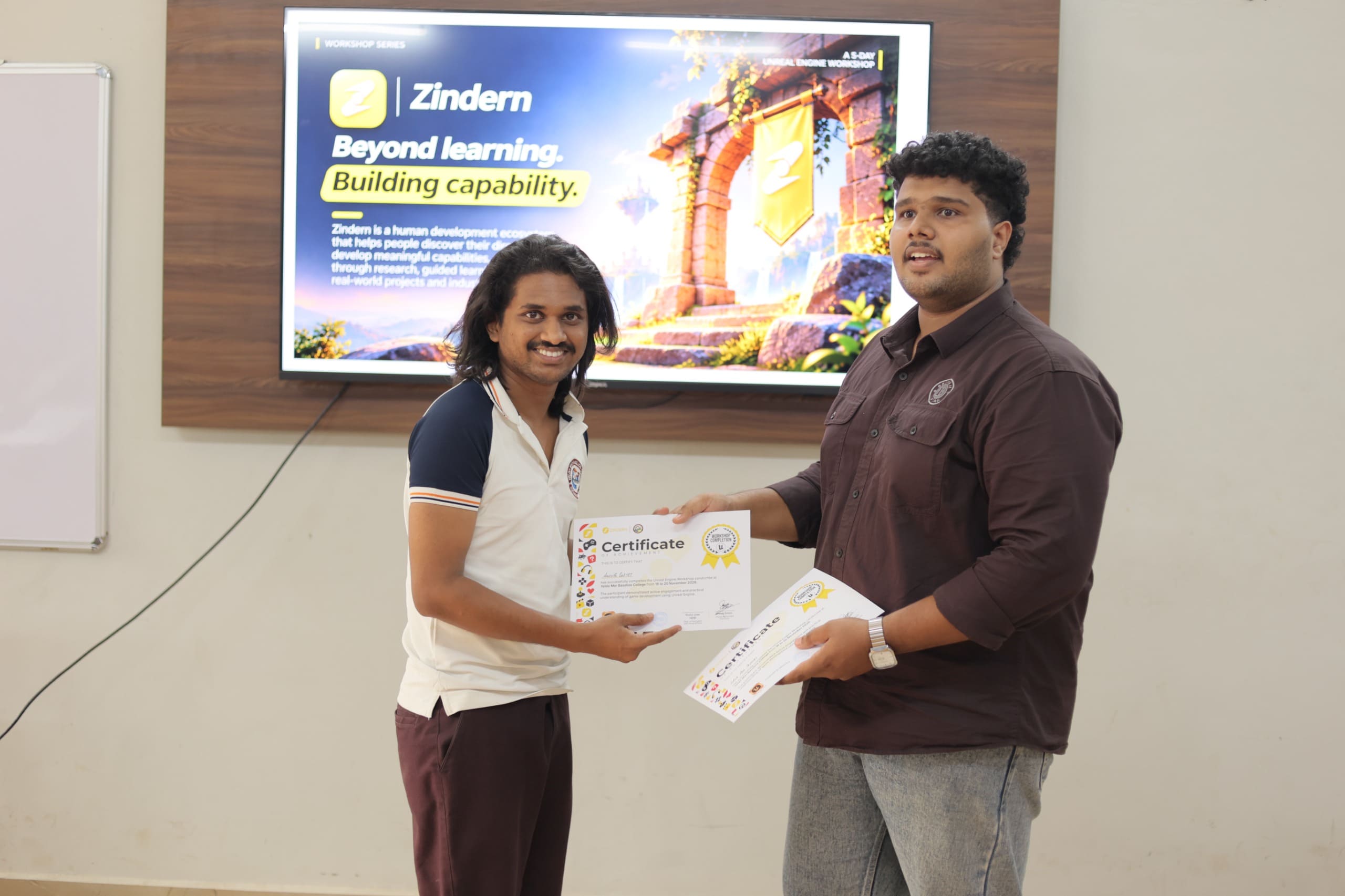
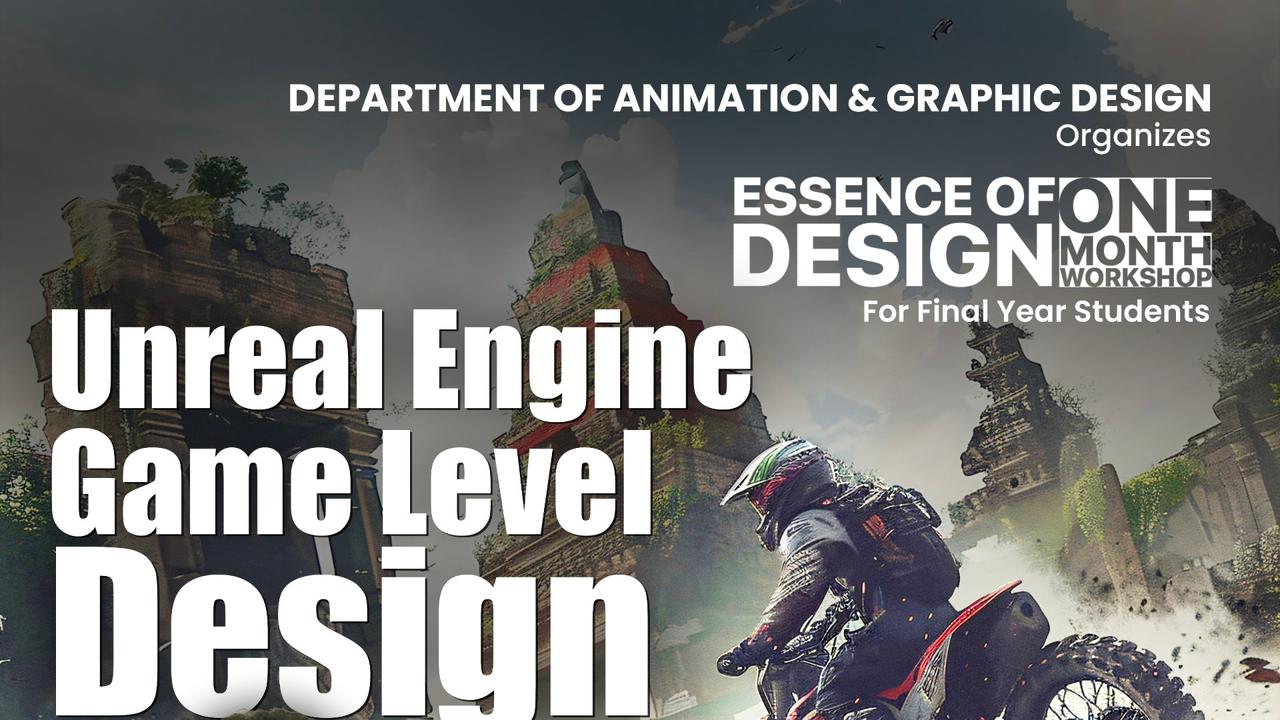
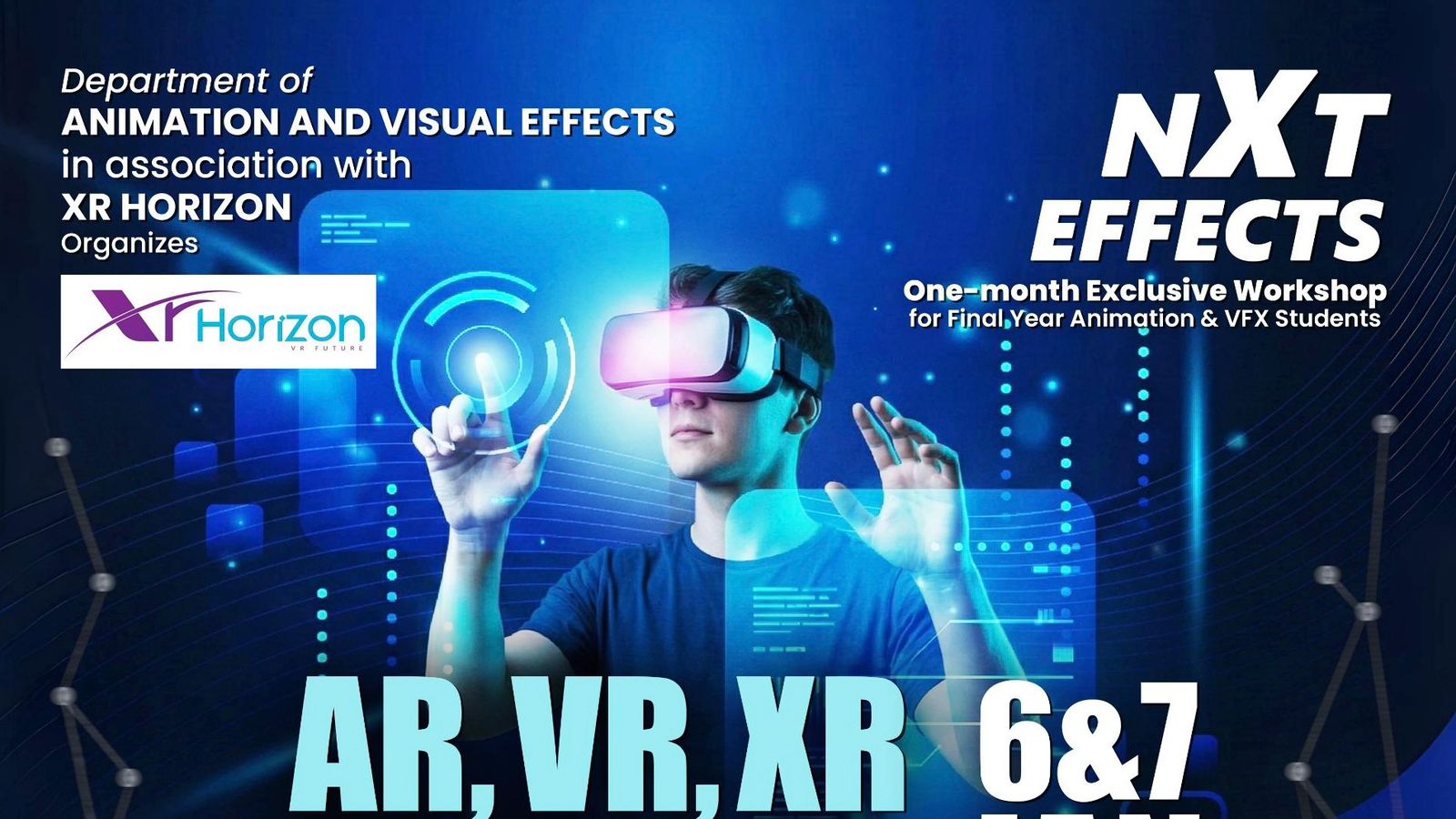
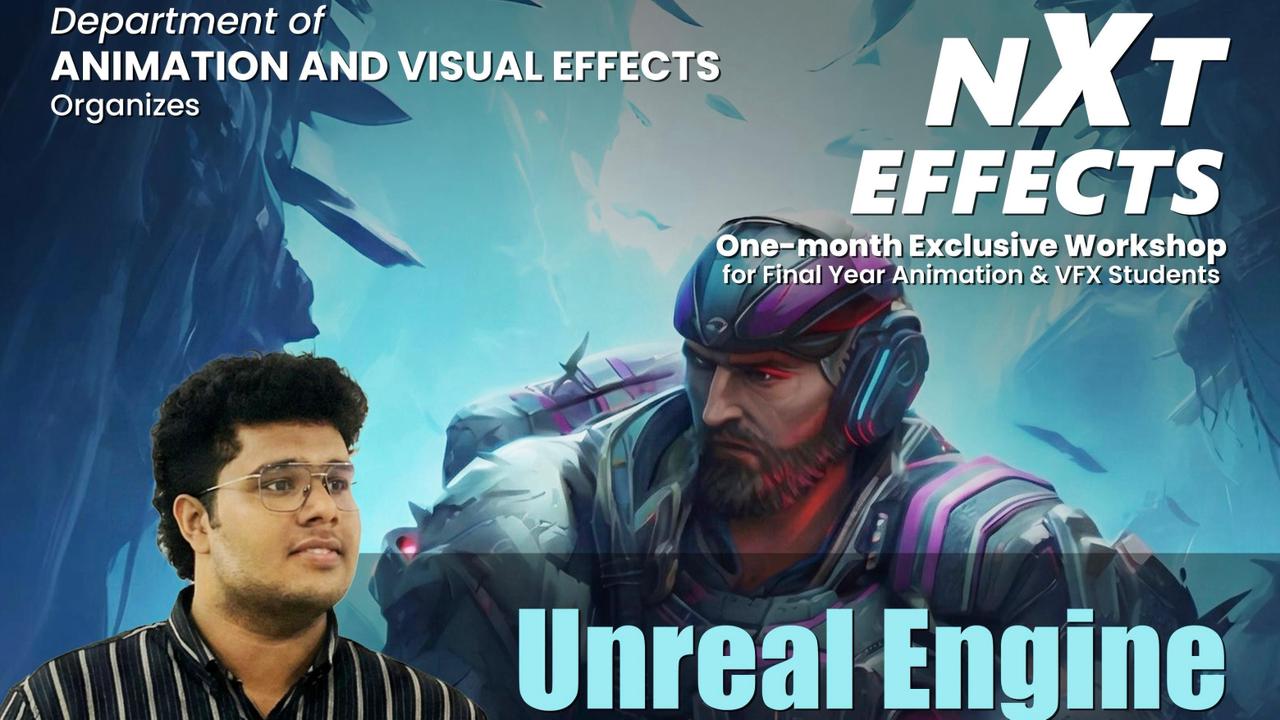
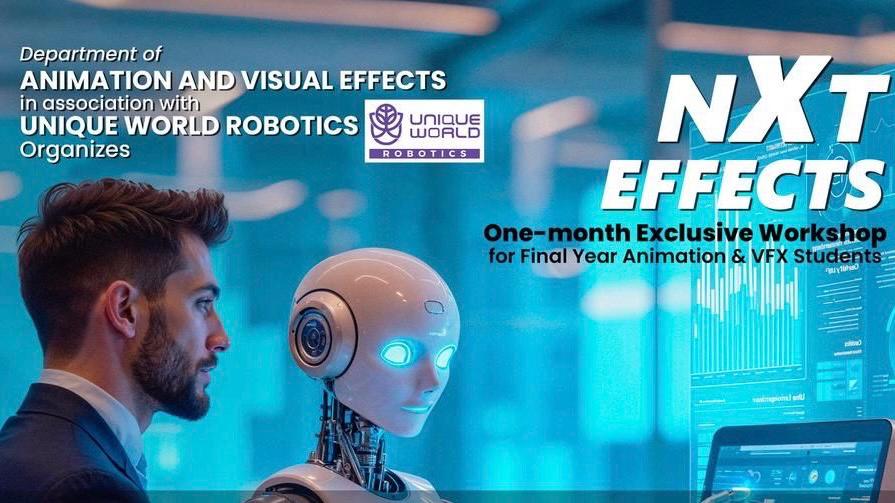
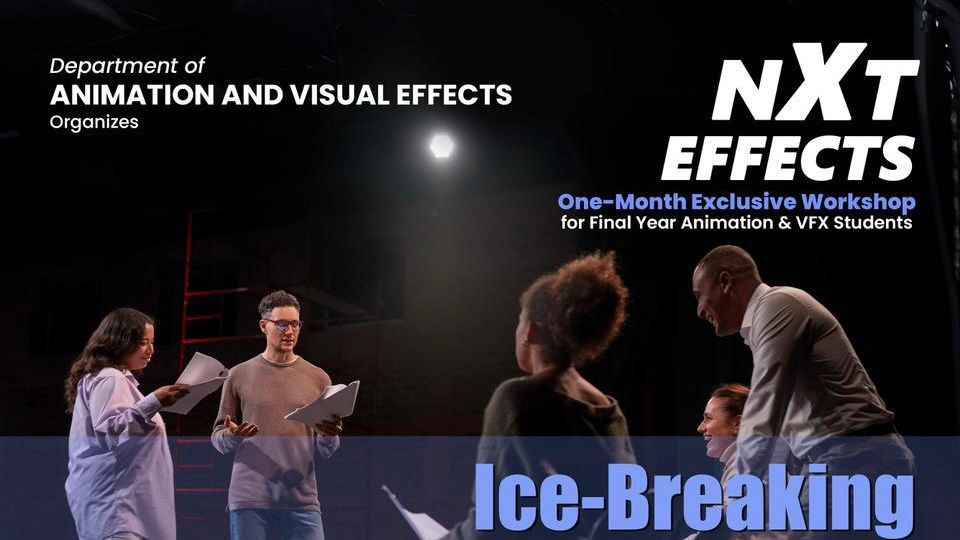
Yeldo Mar Baselios College, in collaboration with Epic Games and NXT Effects, successfully conducted a one-month exclusive workshop for third-year Animation and VFX students from 16 to 20 November 2026. Designed as an intensive, industry-oriented learning experience, the programme gave students a rare opportunity to work closely with professional workflows, tools, and creative practices used in contemporary game development, animation, and visual effects. Over five focused days, students moved beyond classroom theory and stepped into the practical world of game creation. The workshop encouraged them to think like developers, designers, and storytellers-transforming an initial concept into a playable game environment. From ideation and scene planning to Unreal Engine-based production, the sessions were structured to A major highlight of the workshop was hands-on exposure to Unreal Engine, one of the most widely used real-time 3D creation tools in the gaming, film, television, and virtual production industries. Students became familiar with the software interface, essential tools, navigation, asset placement, scene building, and basic production workflows. Rather than treating Unreal Engine as a distant professional tool, students were encouraged to experiment, explore, and create. They gained practical experience in building game environments, arranging assets, developing scenes, and understanding how real-time engines bring interactive worlds to life. This exposure helped demystify the game-development pipeline and gave students a clearer understanding of how ideas evolve into playable digital experiences. The workshop began with the fundamentals of game development: understanding a game idea, identifying its purpose, defining gameplay, and visualising the player experience. Students were guided to develop original concepts, explore narrative possibilities, and translate imaginative ideas into structured game designs. Through brainstorming and collaborative discussions, participants learned how a strong game concept depends on more than visuals. They examined the relationship between story, environment, characters, interaction, pacing, and player engagement. This foundation helped students understand how every creative decision contributes to the overall experience of a game. Students then progressed to scene development, where they planned virtual spaces, designed environments, and considered how players would move through and interact with each setting. The session emphasised visual storytelling, spatial design, atmosphere, lighting, and composition-skills that are equally valuable in animation, VFX, and interactive media. A major highlight of the workshop was hands-on exposure to Unreal Engine, one of the most widely used real-time 3D creation tools in the gaming, film, television, and virtual production industries. Students became familiar with the software interface, essential tools, navigation, asset placement, scene building, and basic production workflows. Rather than treating Unreal Engine as a distant professional tool, students were encouraged to experiment, explore, and create. They gained practical experience in building game environments, arranging assets, developing scenes, and understanding how real-time engines bring interactive worlds to life. This exposure helped demystify the game-development pipeline and gave students a clearer understanding of how ideas evolve into playable digital experiences. The training also introduced students to the importance of workflow discipline. They learned how planning, organisation, asset management, and iterative development support efficient production-habits that are essential for careers in animation, VFX, game design, and digital content creation. Alongside environment and scene creation, the workshop explored camera techniques and screen build-up. Students learned how camera placement, movement, framing, angles, and visual hierarchy shape the way audiences perceive a scene. In game development, the camera is not merely a recording device; it becomes an essential storytelling and gameplay tool. Students examined how camera perspectives influence immersion, tension, emotion, navigation, and player focus. They also studied how screen composition guides attention, creates depth, and enhances the visual impact of a scene. These sessions helped students connect cinematic principles with interactive design. By understanding camera language, framing, staging, and screen build-up, participants developed a stronger sense of visual storytelling that can be applied across animation, VFX, filmmaking, and game design.
.jpeg)
.jpeg)
.jpeg)

November 20, 2026
November 20, 2026
.jpeg)
November 19, 2026
.jpeg)
November 19, 2026
November 18 to November 20, 2026

November 18, 2026

November 17, 2026
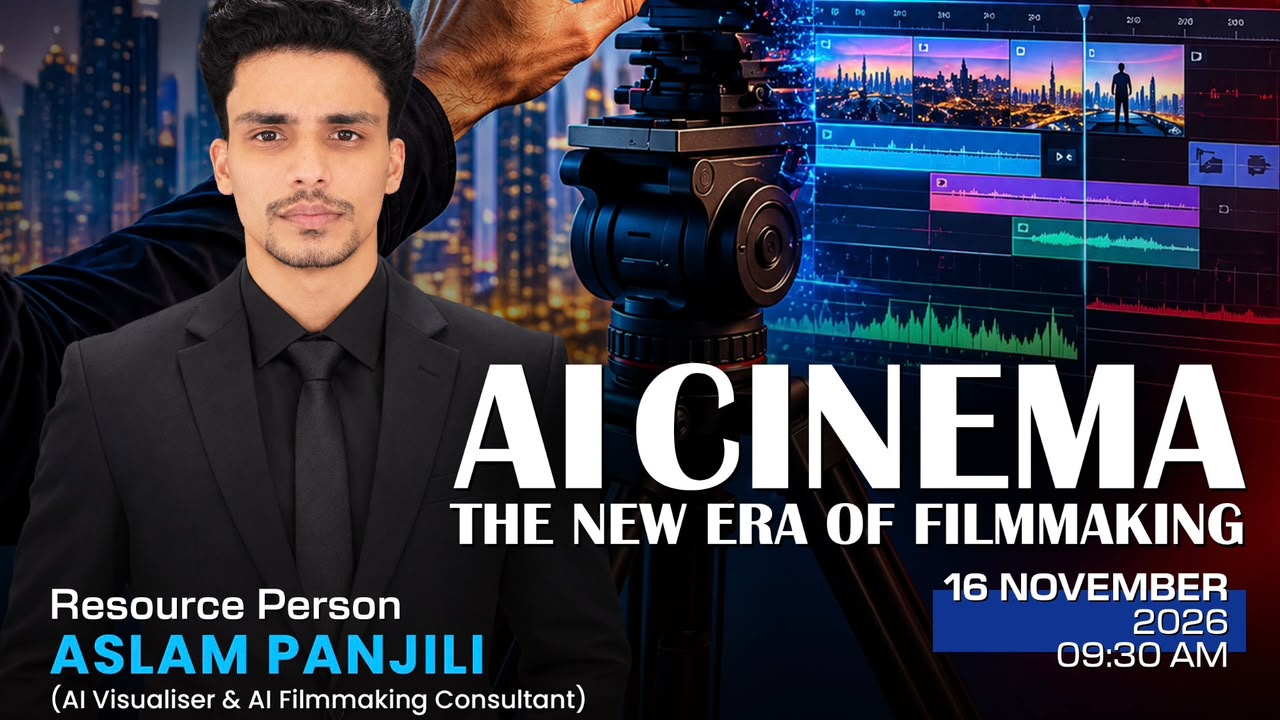
November 16, 2026
November 16 to November 20, 2026
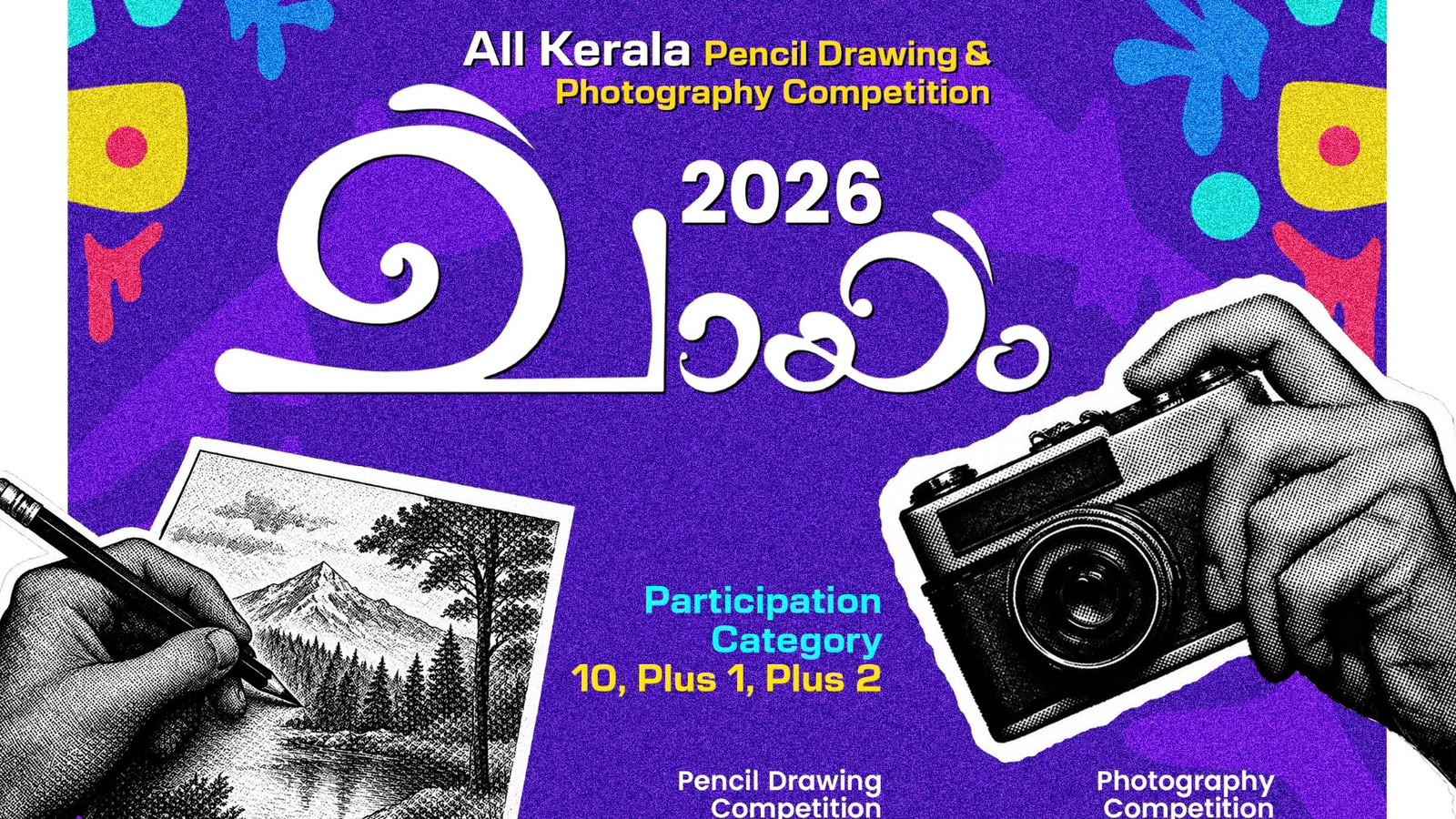
November 14, 2026

November 12 to November 13, 2026
.jpeg)
November 11, 2026

November 11 to November 12, 2026
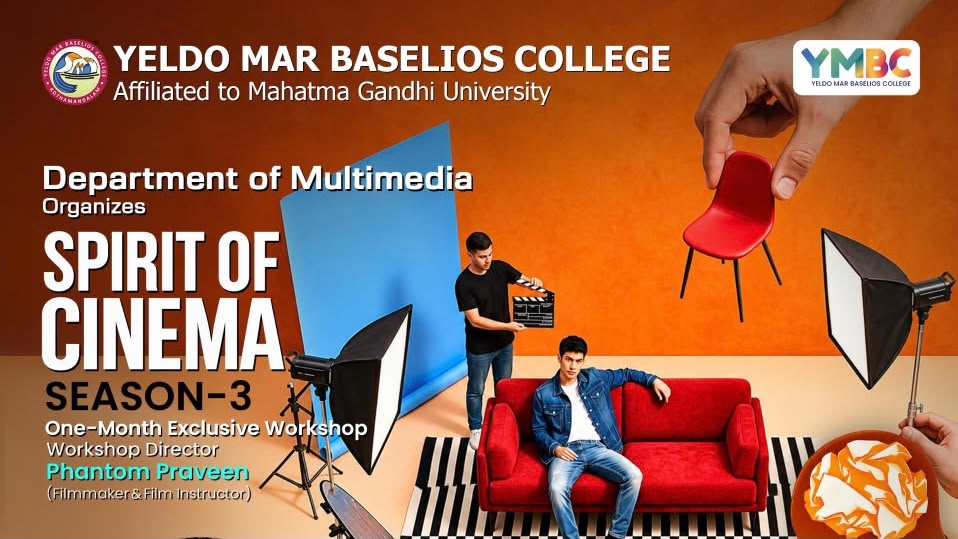
November 10, 2026
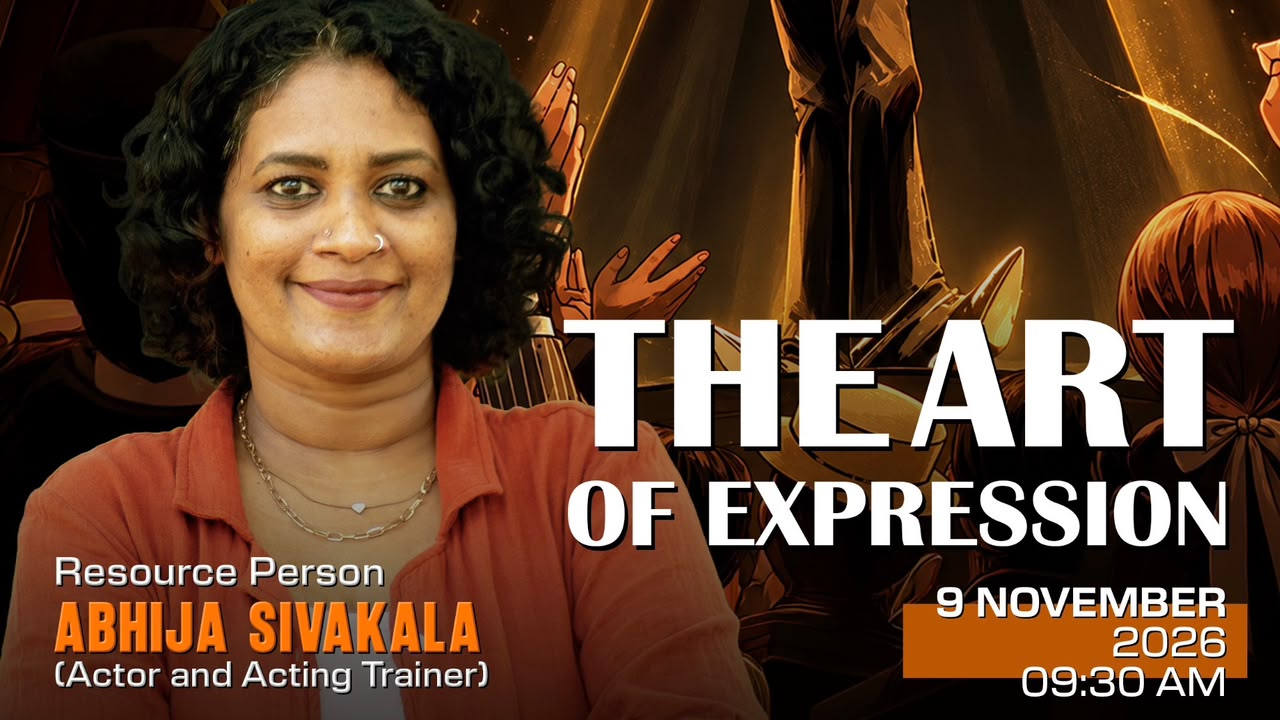
November 9, 2026

November 5 to November 6, 2026

November 4, 2026
.jpeg)
October 30, 2026
.jpeg)
October 28 to November 28, 2026
.jpeg)
October 15 to October 16, 2026
.jpeg)
October 14, 2026
.jpeg)
October 9, 2026
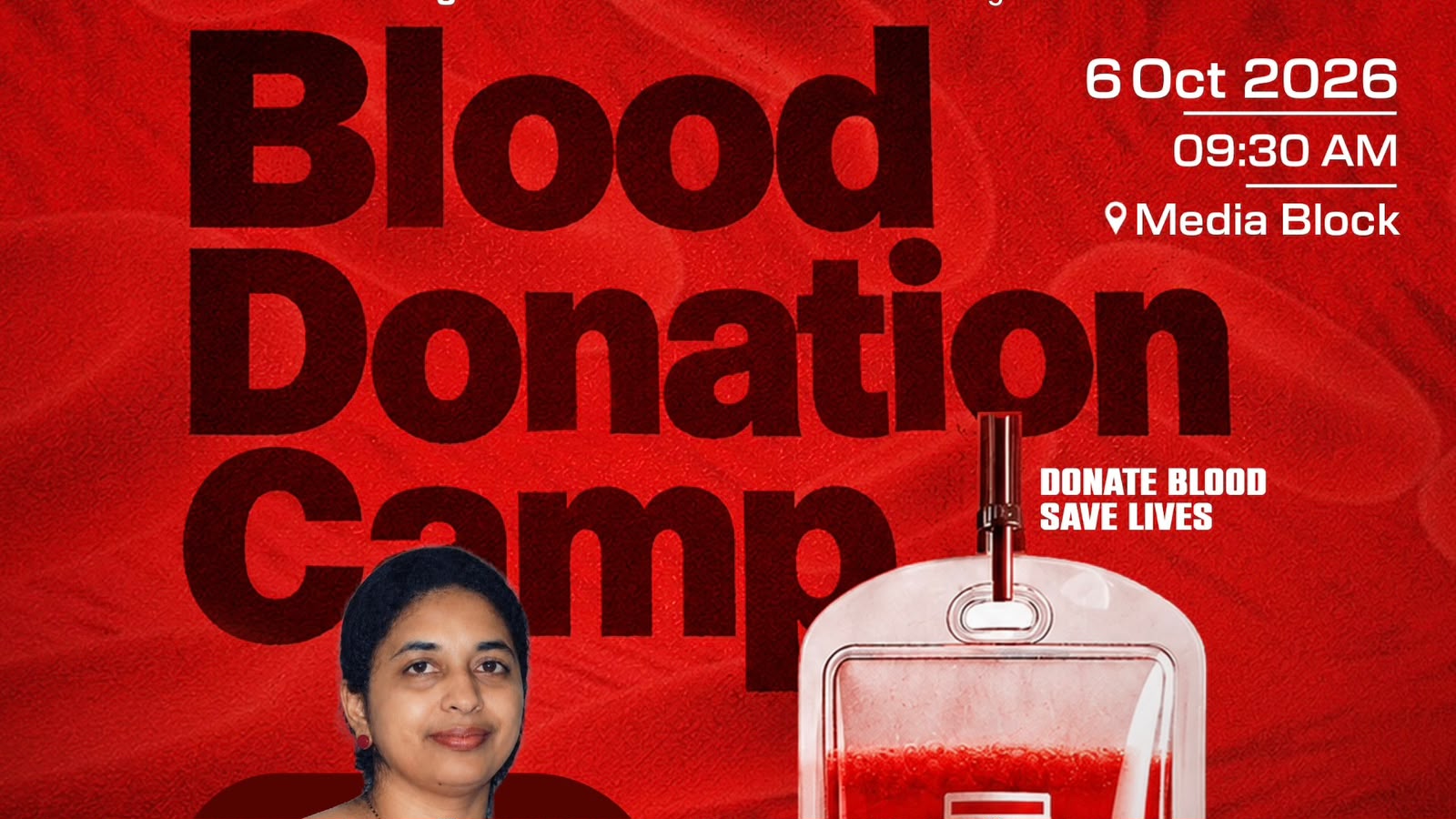
October 6, 2026
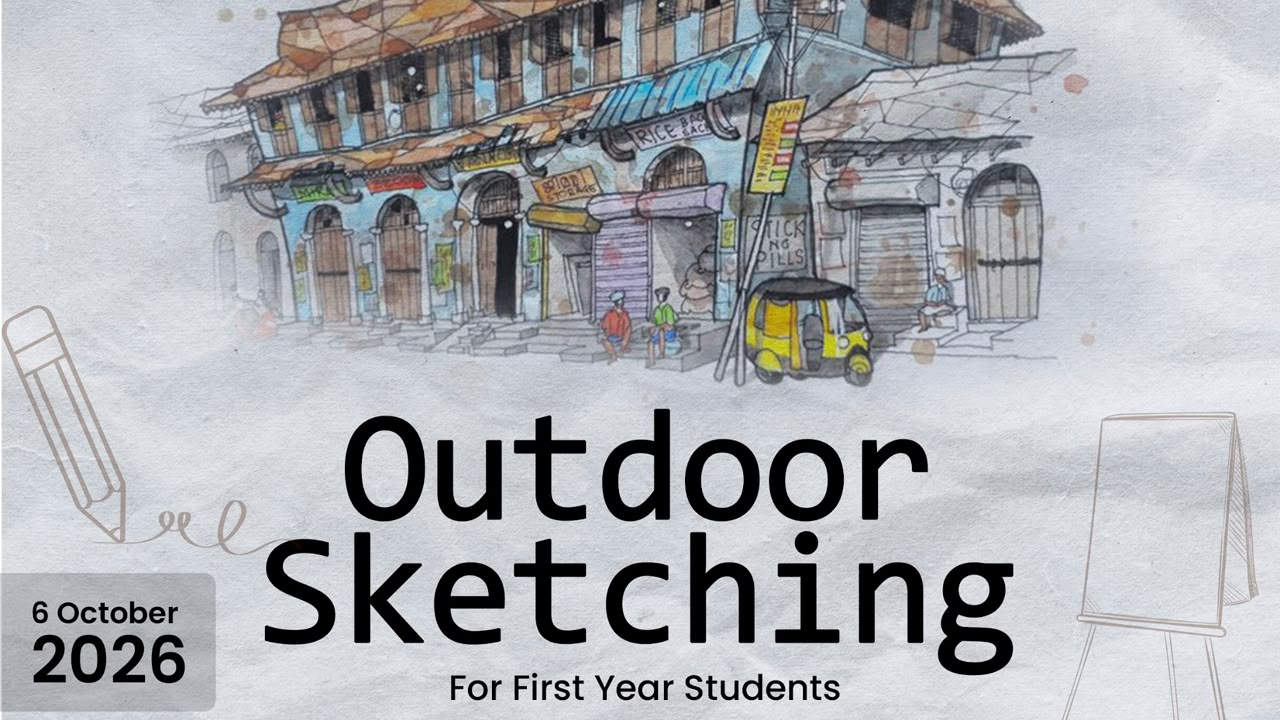
October 6, 2026
.jpeg)
September 29, 2026

September 25 to September 26, 2026

September 25, 2026
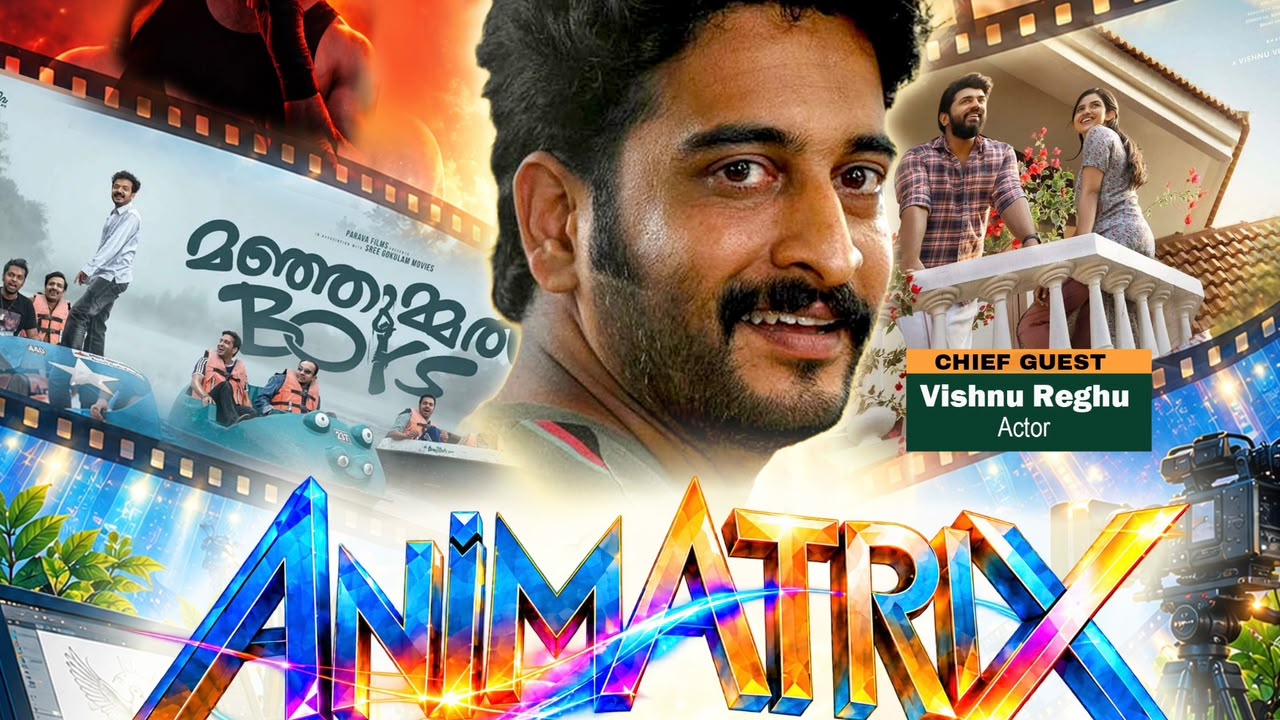
September 25, 2026

September 24, 2026
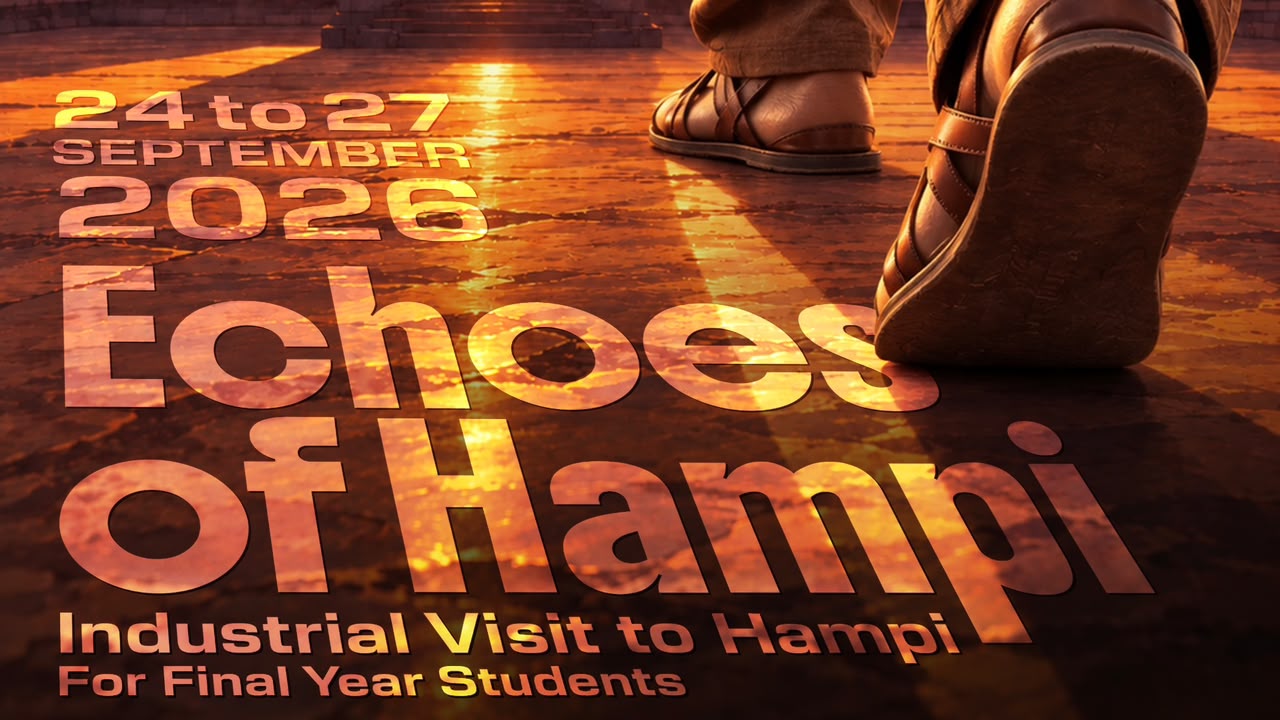
September 24 to September 27, 2026

September 23, 2026
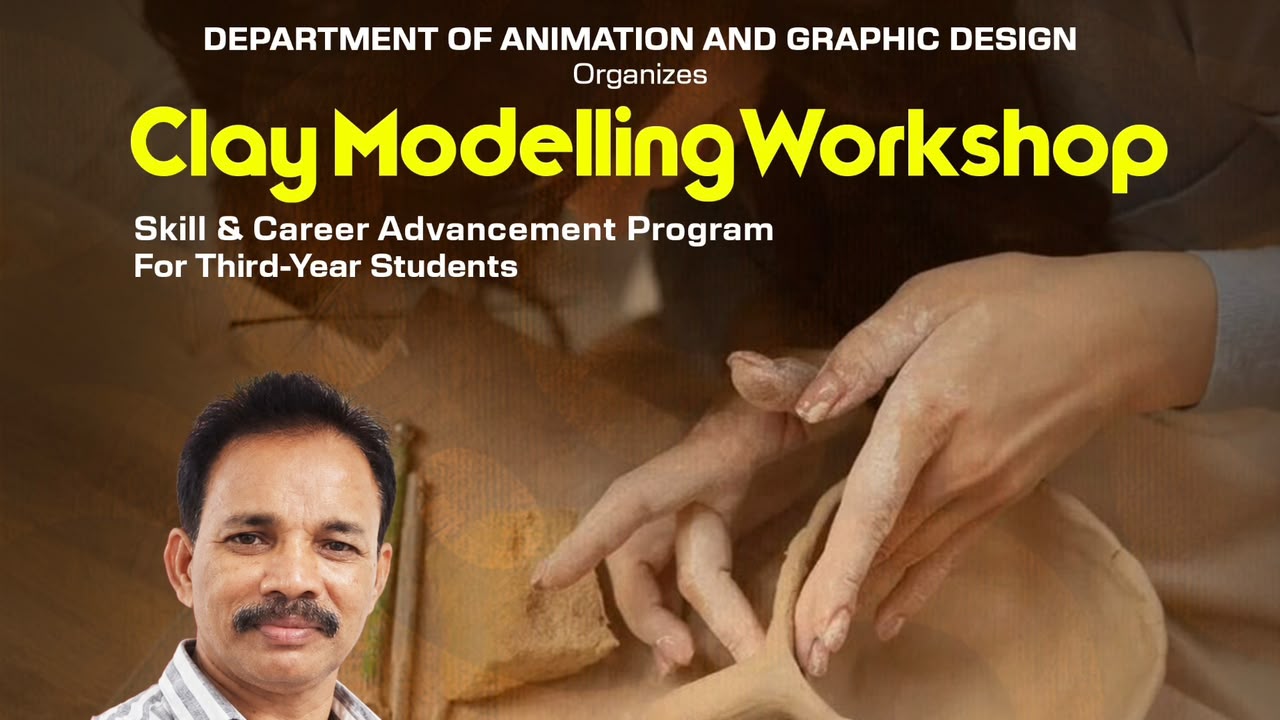
September 22 to September 23, 2026

September 22, 2026

September 17 to September 18, 2026

September 15, 2026
September 15, 2026
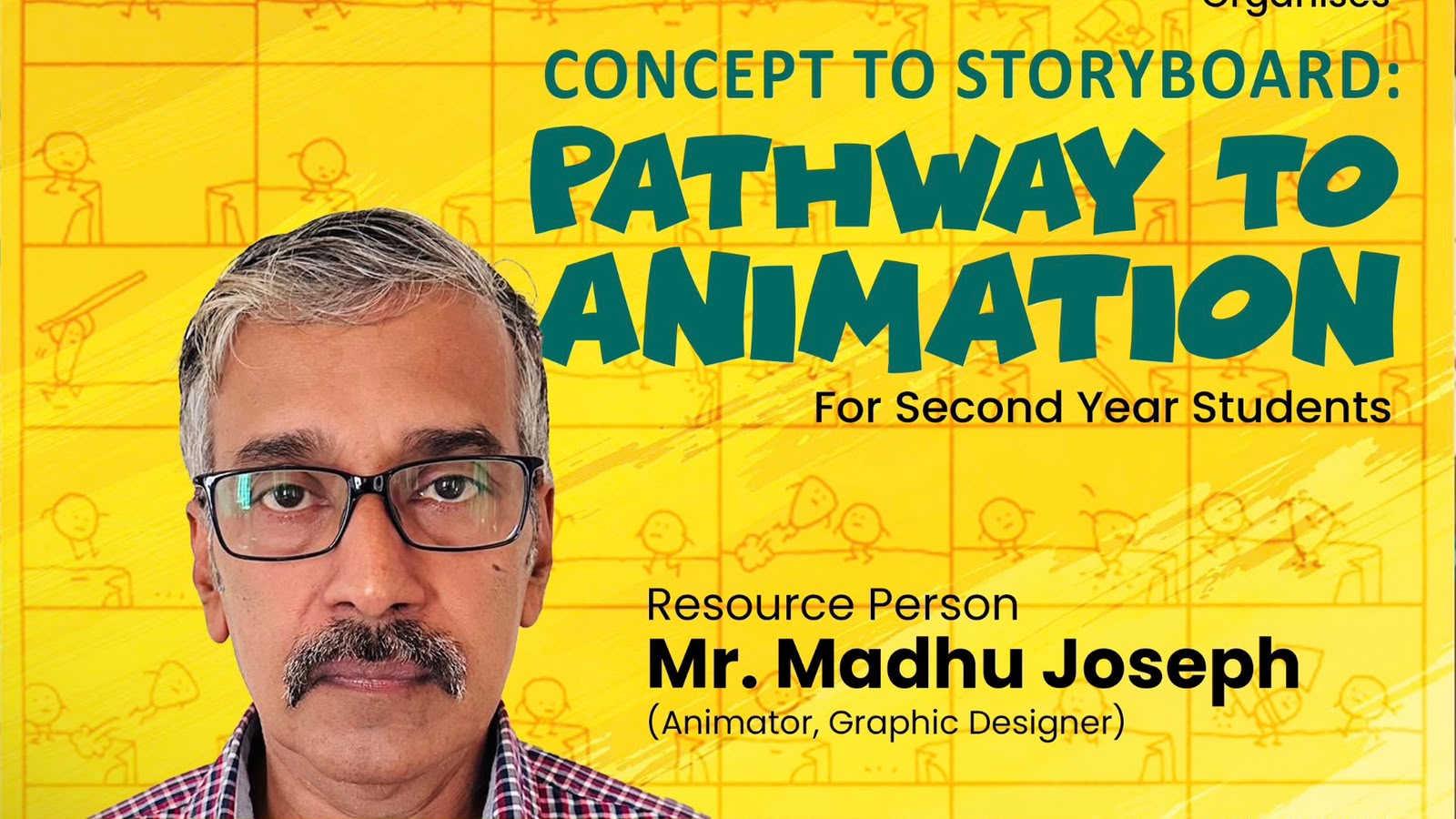
September 15, 2026
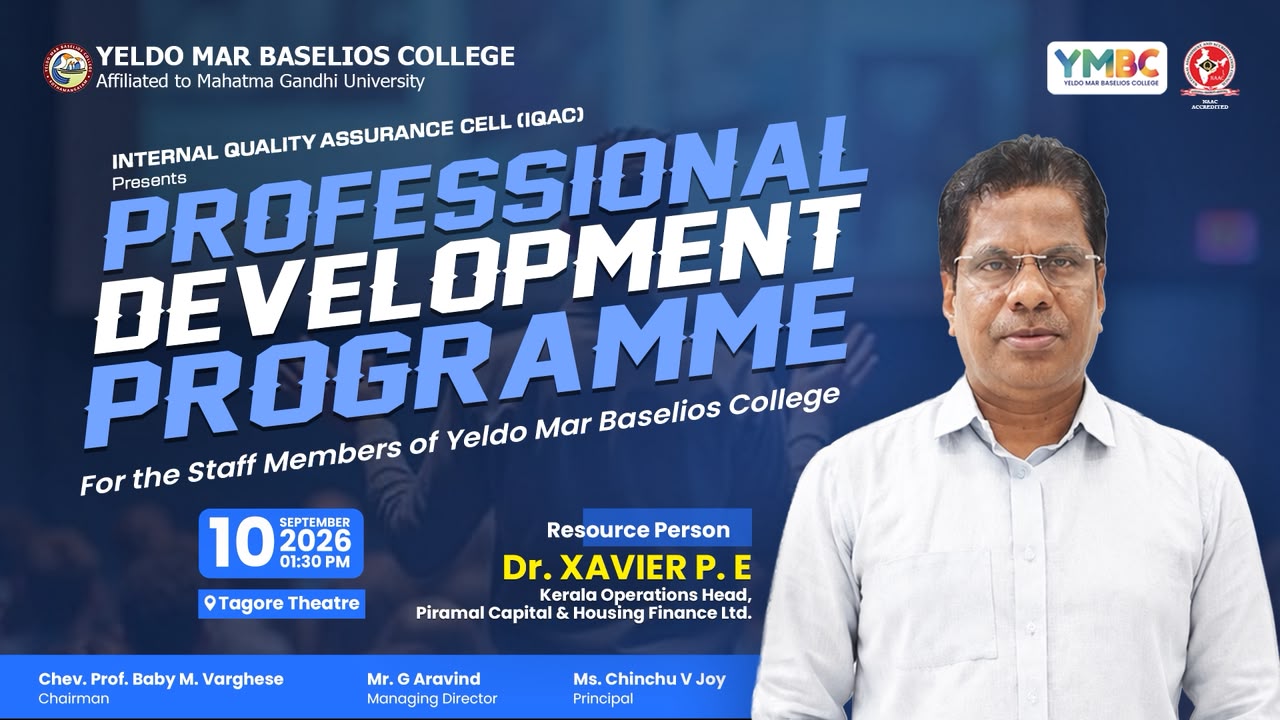
September 10, 2026

September 2, 2026
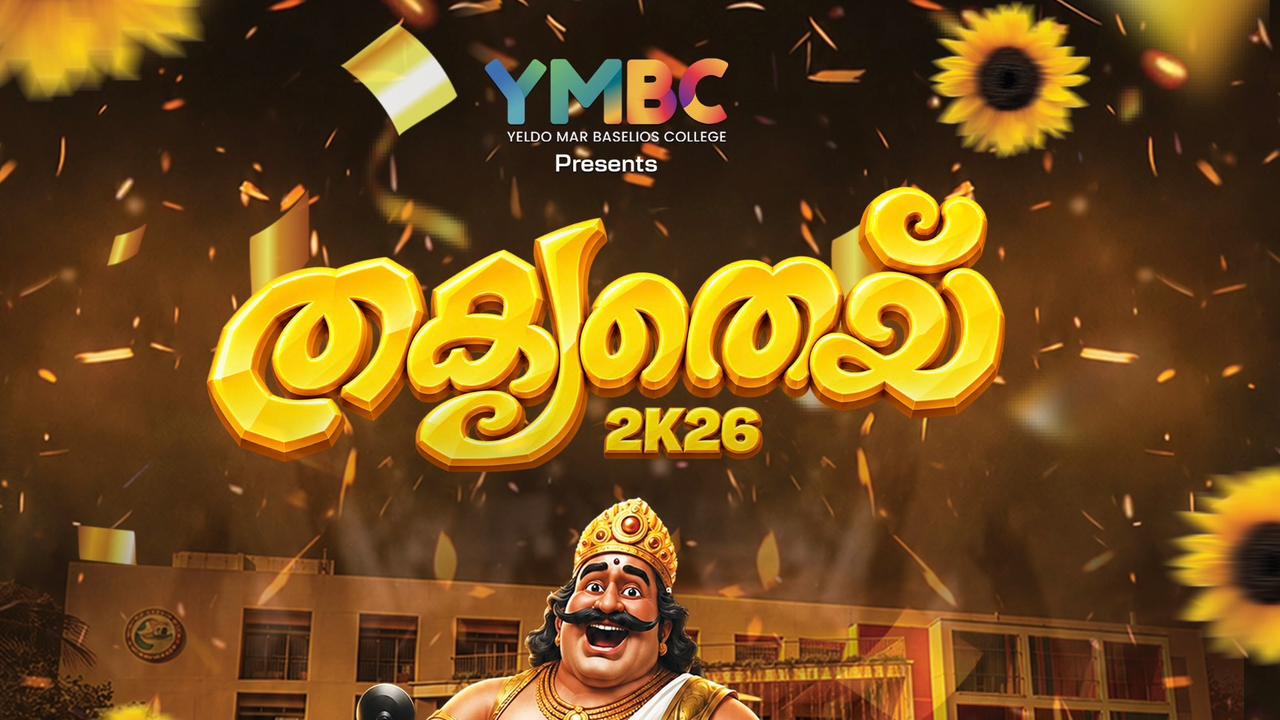
August 20, 2026

August 13 to August 15, 2026

August 11, 2026

July 31 to August 1, 2026
July 29, 2026
July 29, 2026
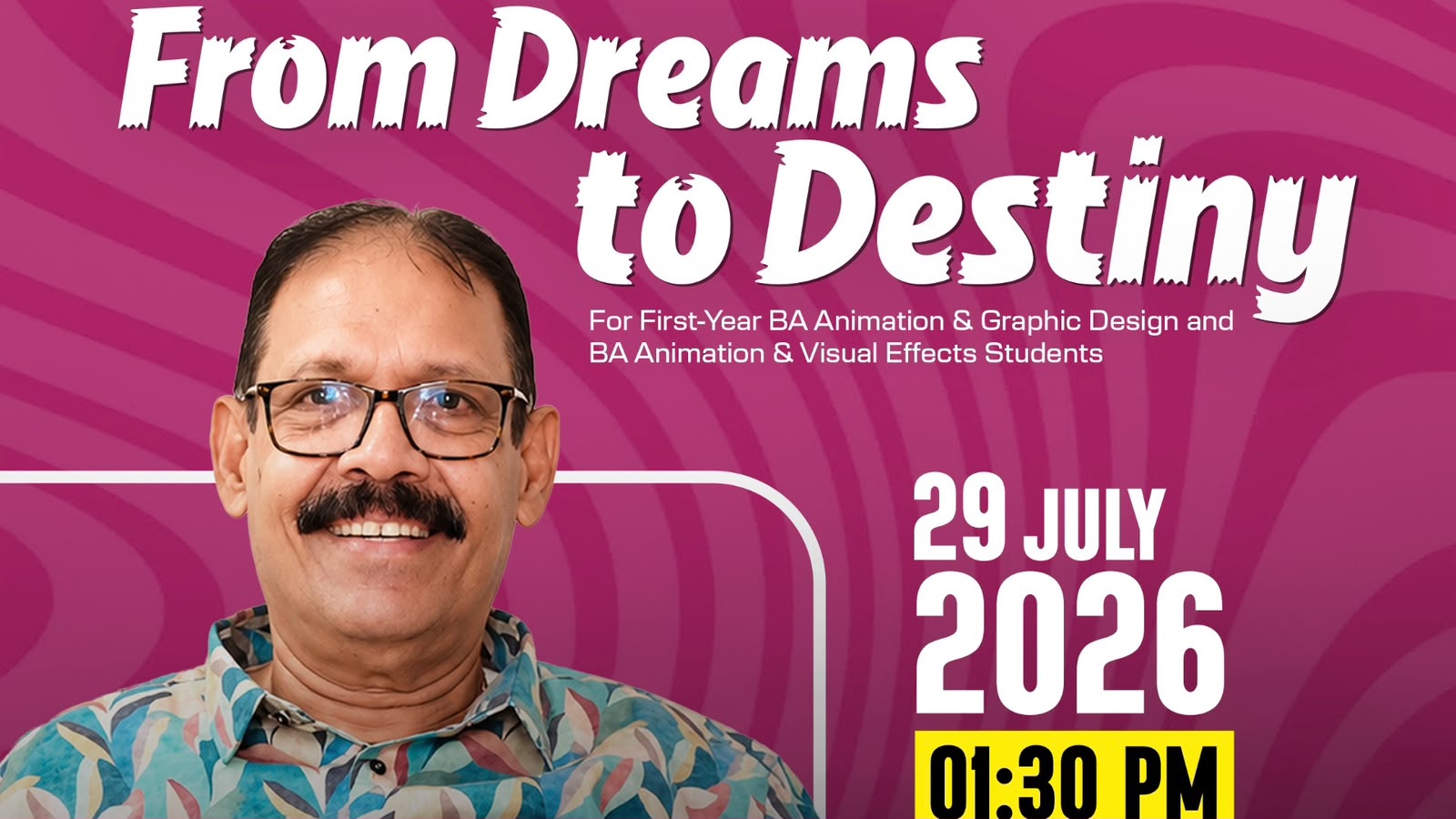
July 29, 2026
July 24, 2026
July 21, 2026
July 21, 2026
July 21, 2026
July 21, 2026
July 16 to July 17, 2026
July 8, 2026
July 6, 2026
June 30, 2026
June 22, 2026
June 19, 2026
June 19, 2026
June 15, 2026
June 12, 2026
June 5, 2026
June 5, 2026
April 18, 2026
March 30 to April 1, 2026
March 30, 2026
March 26, 2026
March 16 to March 17, 2026
March 13, 2026
March 10, 2026
March 9, 2026
March 6, 2026
March 5, 2026
March 4, 2026
February 27, 2026
February 27, 2026
February 26 to February 27, 2026
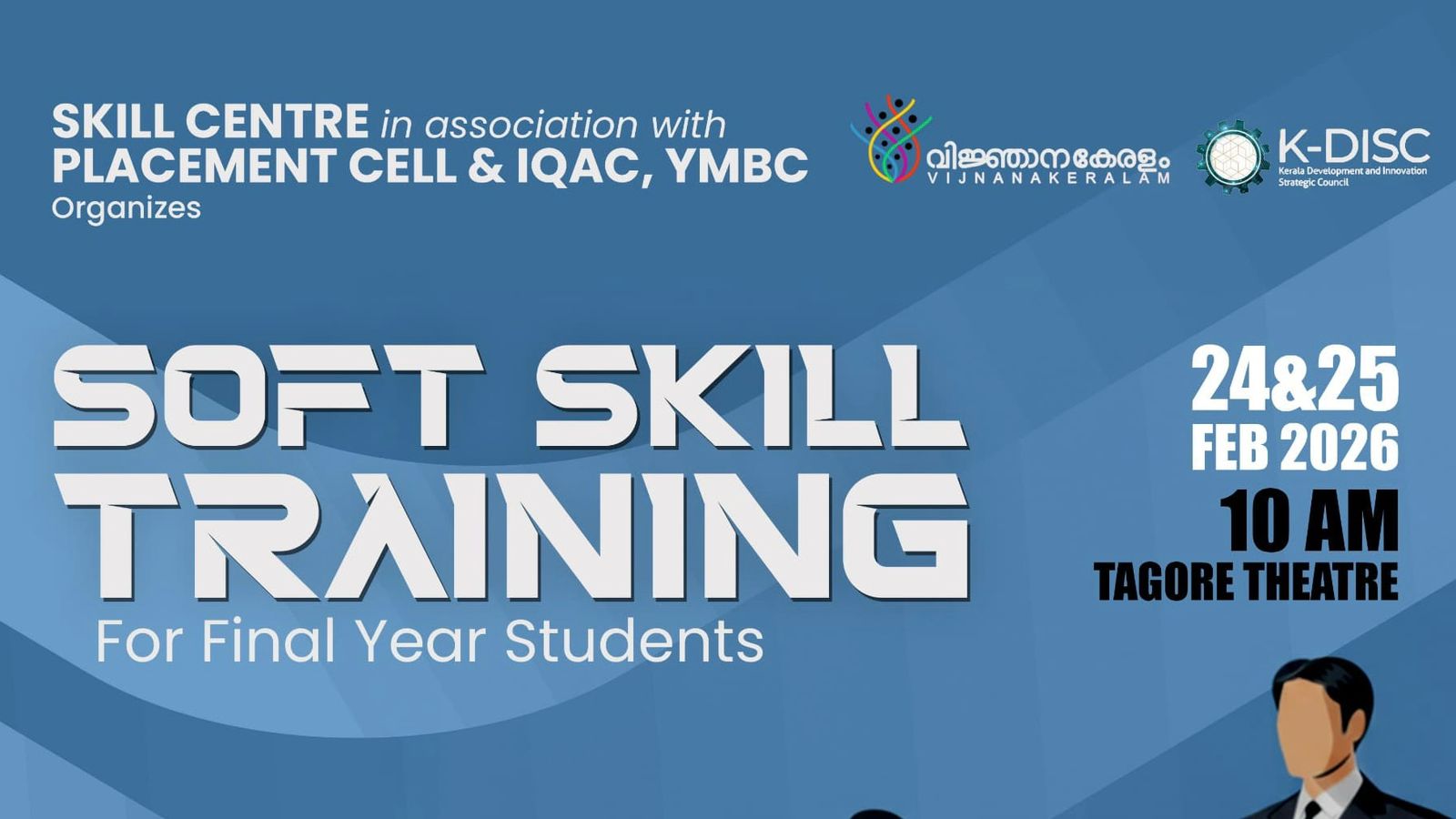
February 24 to February 25, 2026

February 23, 2026

February 18, 2026

February 16 to February 18, 2026

February 13, 2026

February 10, 2026
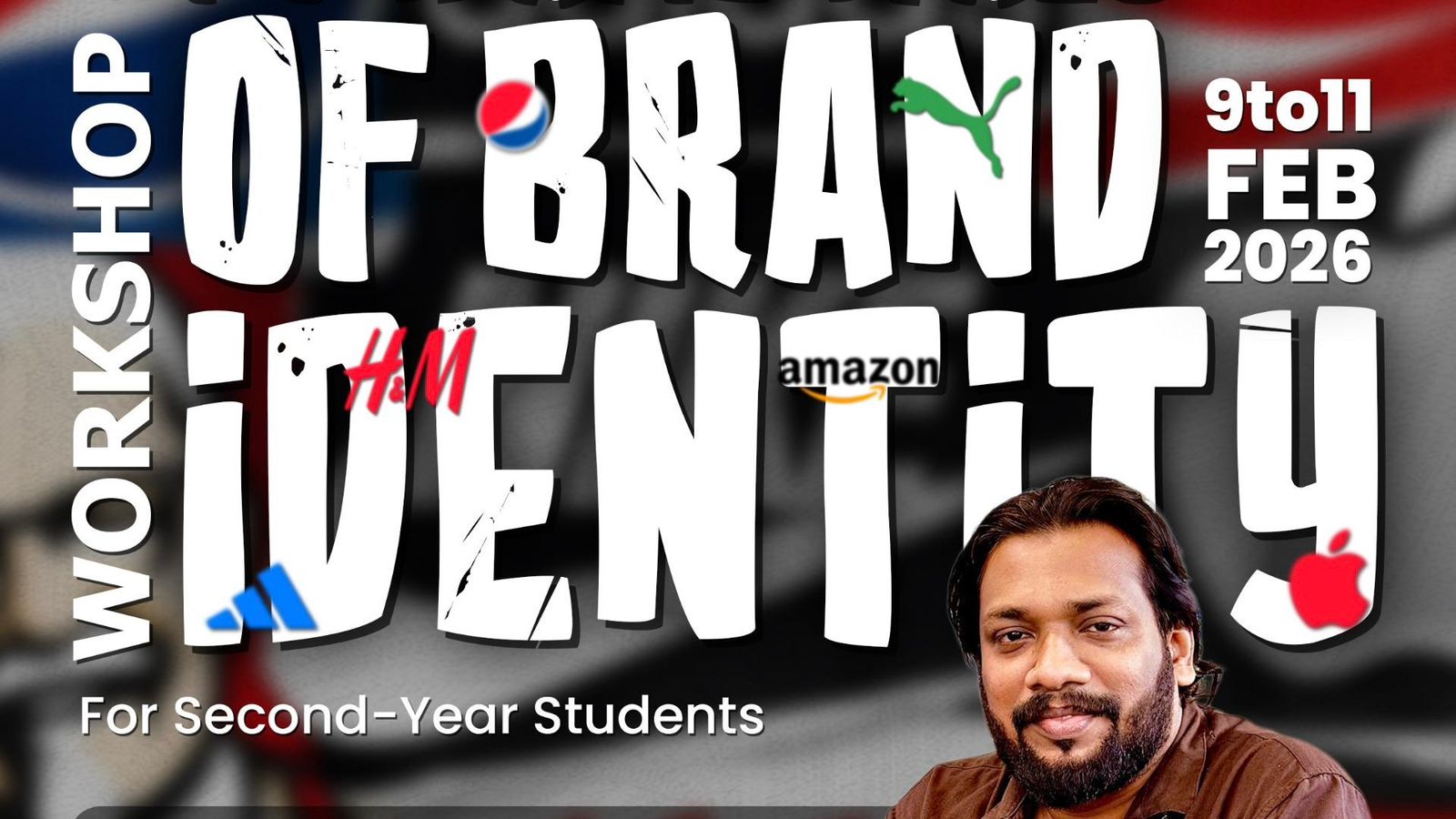
February 9, 2026

February 3, 2026

January 28, 2026
January 28, 2026

January 28, 2026

January 23, 2026
January 23, 2026
January 22 to January 23, 2026

January 19, 2026
January 16, 2026
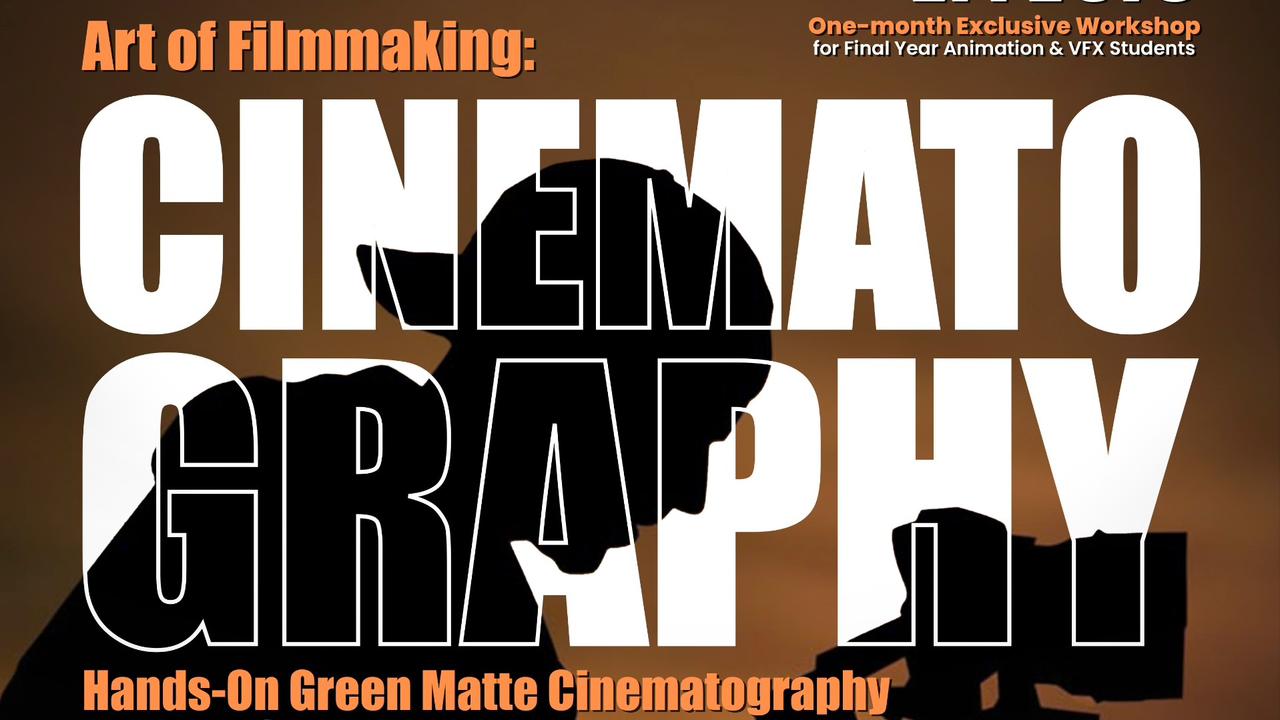
January 15, 2026
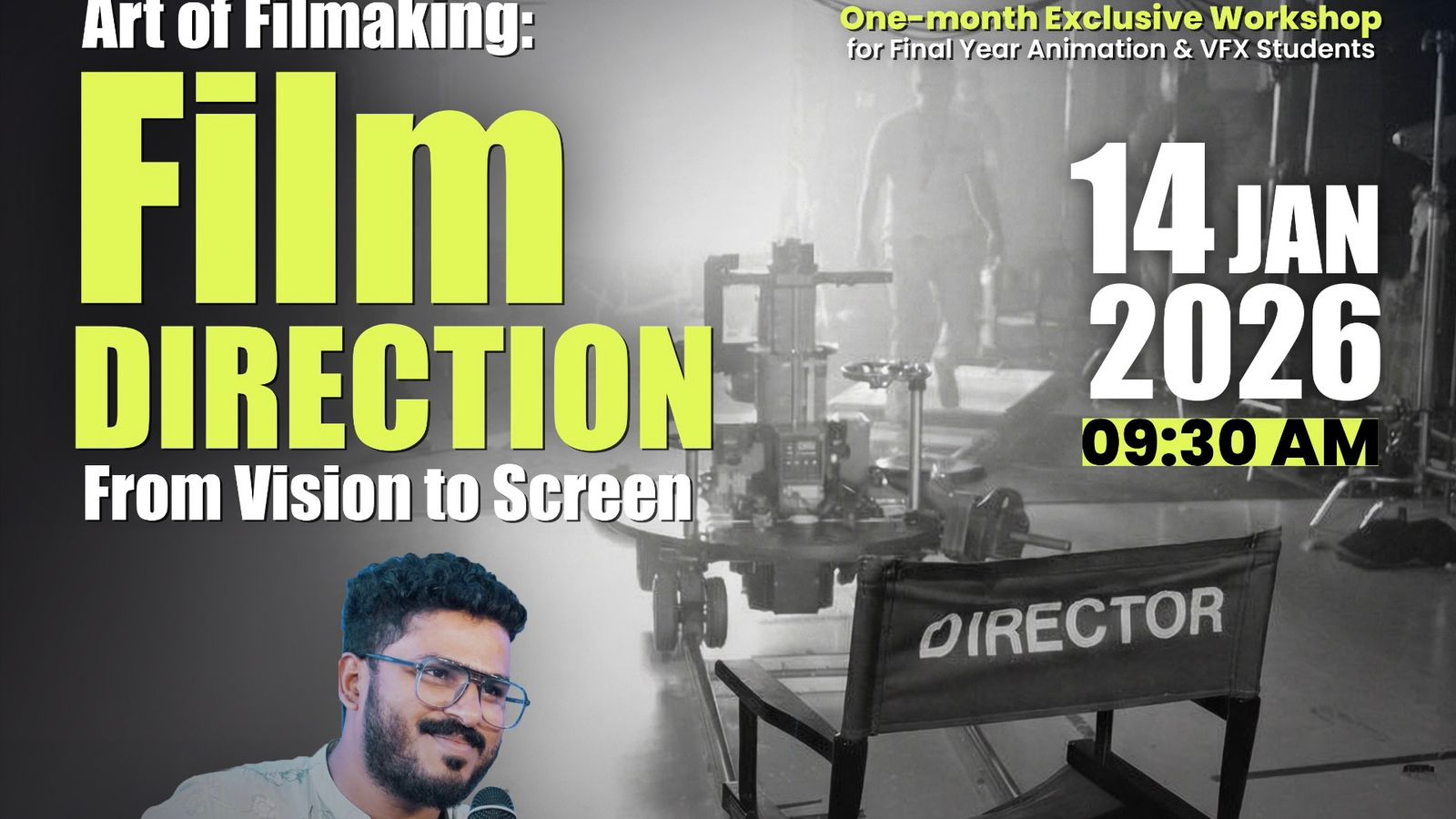
January 14, 2026
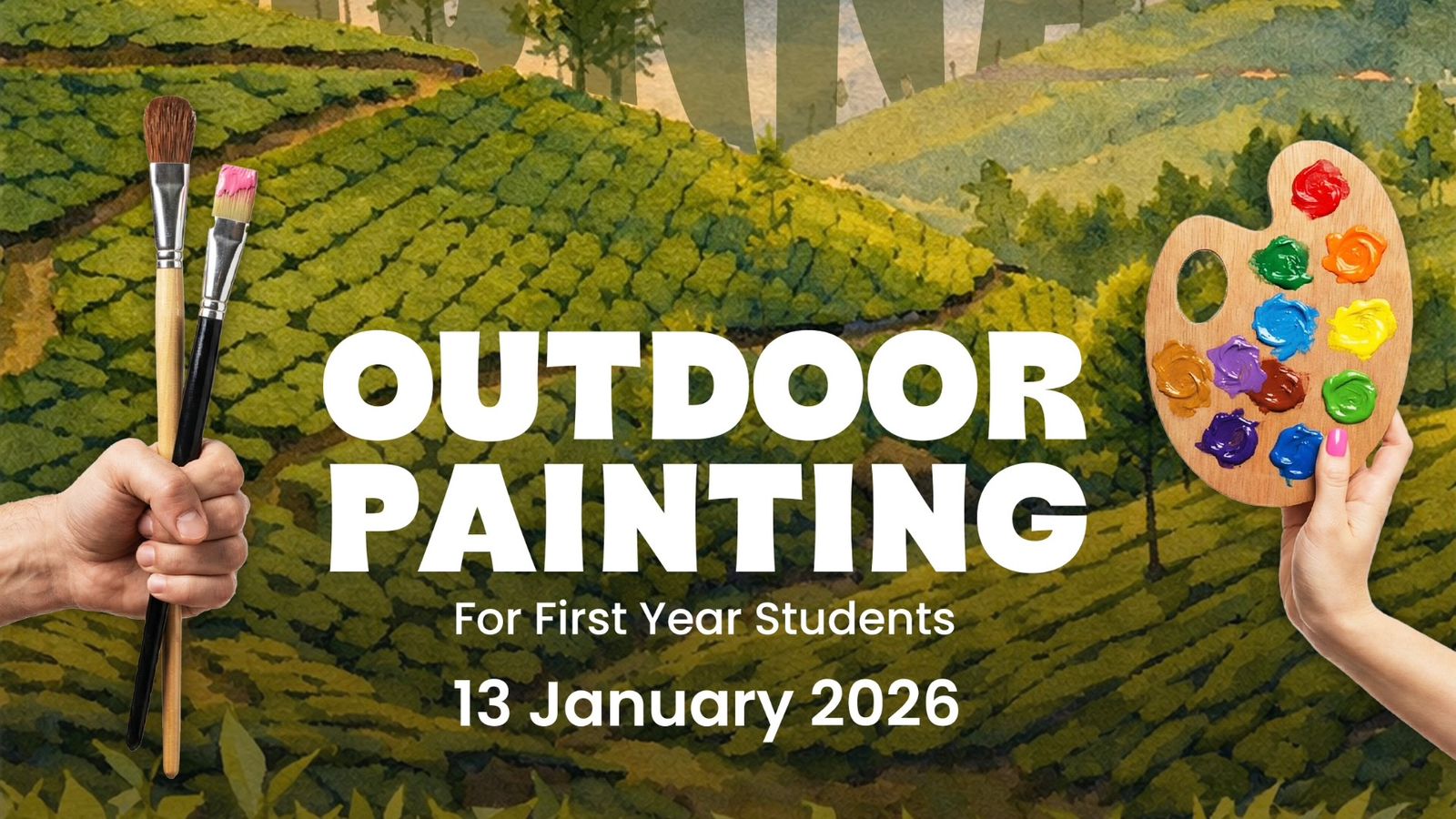
January 13, 2026
January 12, 2026
January 12 to January 31, 2026

January 12 to January 31, 2026
January 9, 2026

January 8 to January 9, 2026
January 8 to January 9, 2026
January 6 to January 7, 2026
January 6 to January 7, 2026

December 22, 2025

December 22, 2025

December 22, 2025
December 20, 2025

December 16, 2025
December 15 to December 19, 2025

December 5, 2025
December 4, 2025

December 3, 2025

December 2 to January 2, 2026
December 2, 2025

December 1 to December 5, 2025

December 1, 2025

November 27, 2025

November 26, 2025
November 26 to December 28, 2025

November 26, 2025

November 26 to December 26, 2025

November 25, 2025

November 24, 2025
November 22, 2025

November 21, 2025

November 19, 2025

November 17, 2025
November 16, 2025

November 14, 2025

November 13, 2025
November 12, 2025

November 12, 2025
November 11, 2025

November 7 to November 9, 2025

November 7, 2025
November 4, 2025

October 28, 2025
October 27, 2025
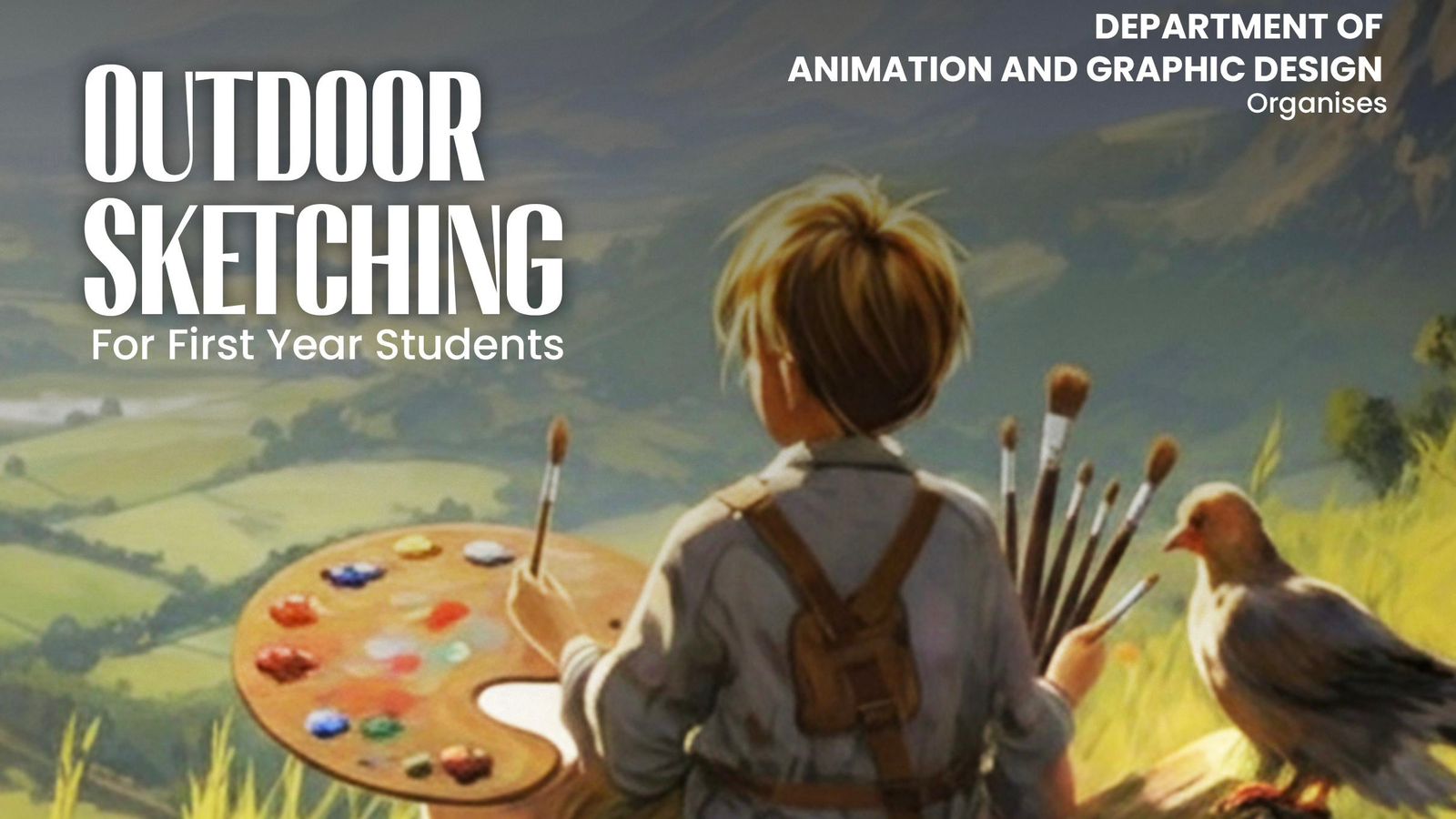
October 23, 2025
October 21, 2025

October 17, 2025
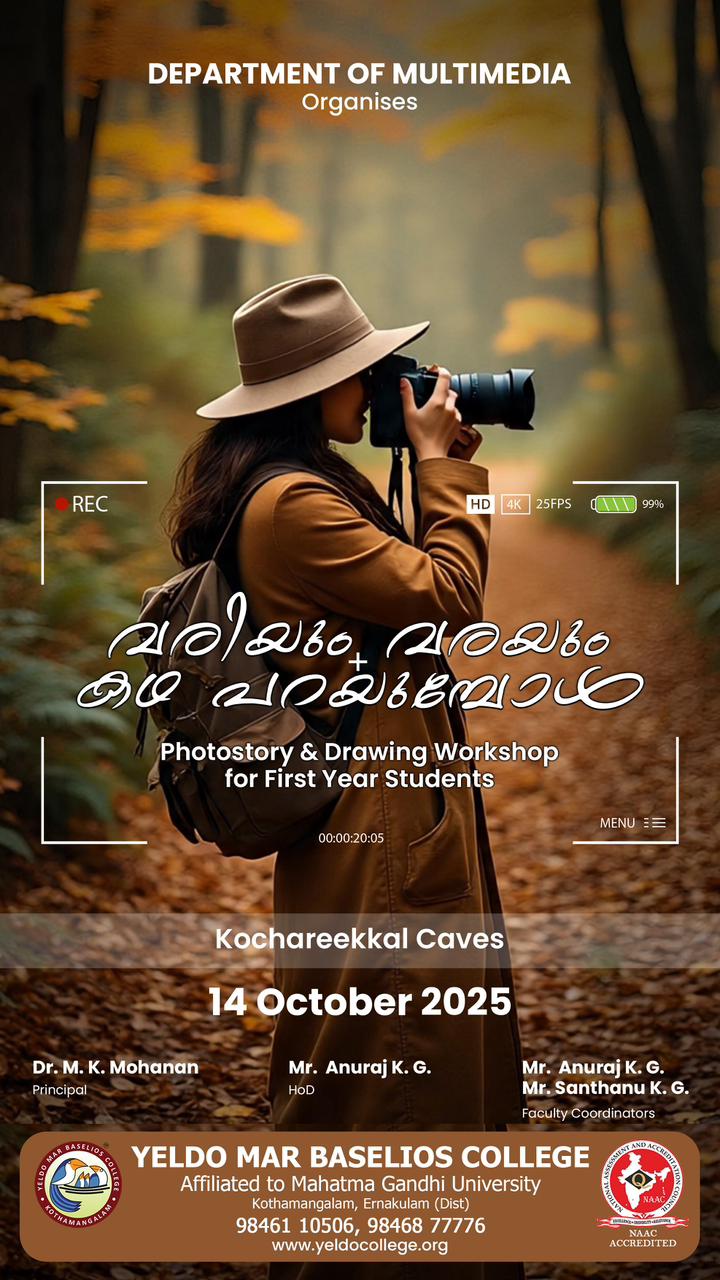
October 14, 2025

October 9 to October 10, 2025

October 7, 2025
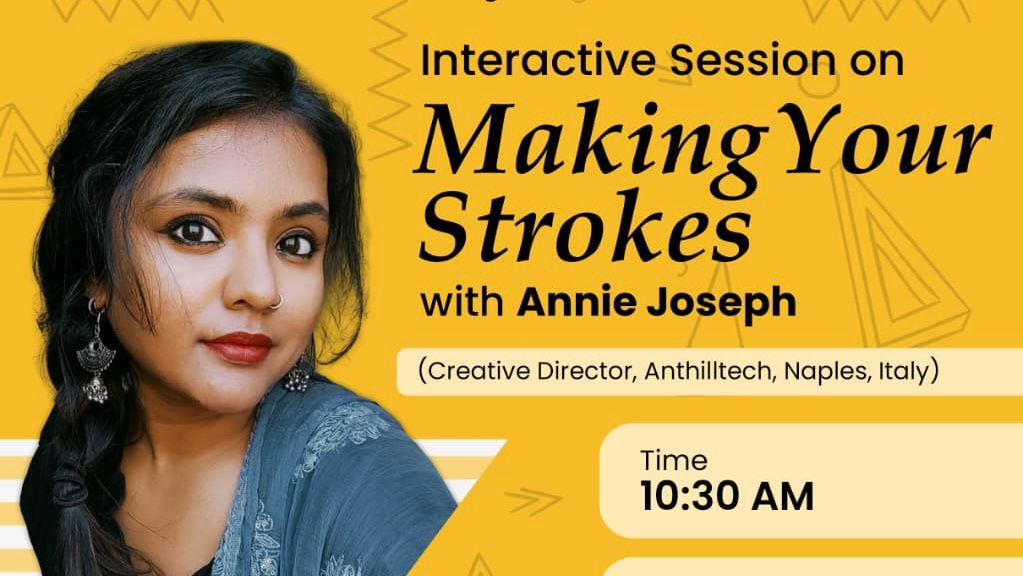
August 21, 2025

July 2, 2025

April 25, 2025
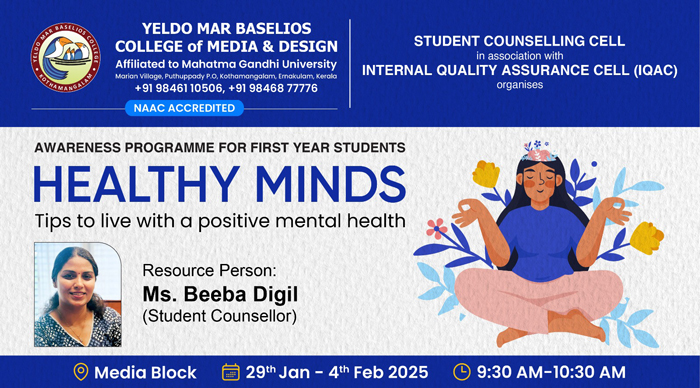
January 29 to February 4, 2025
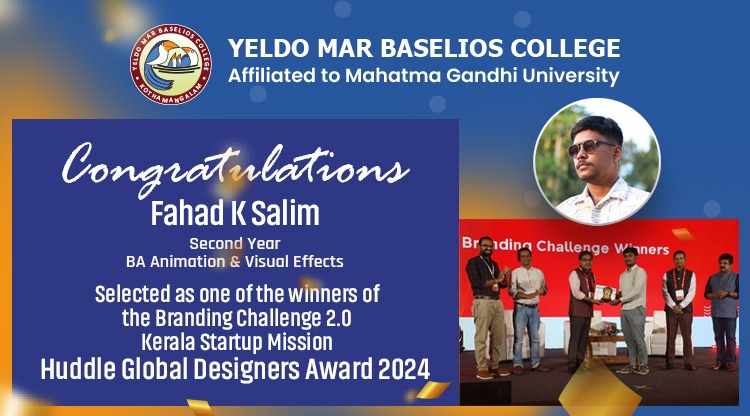
November 12, 2024

October 4, 2024

September 12, 2024
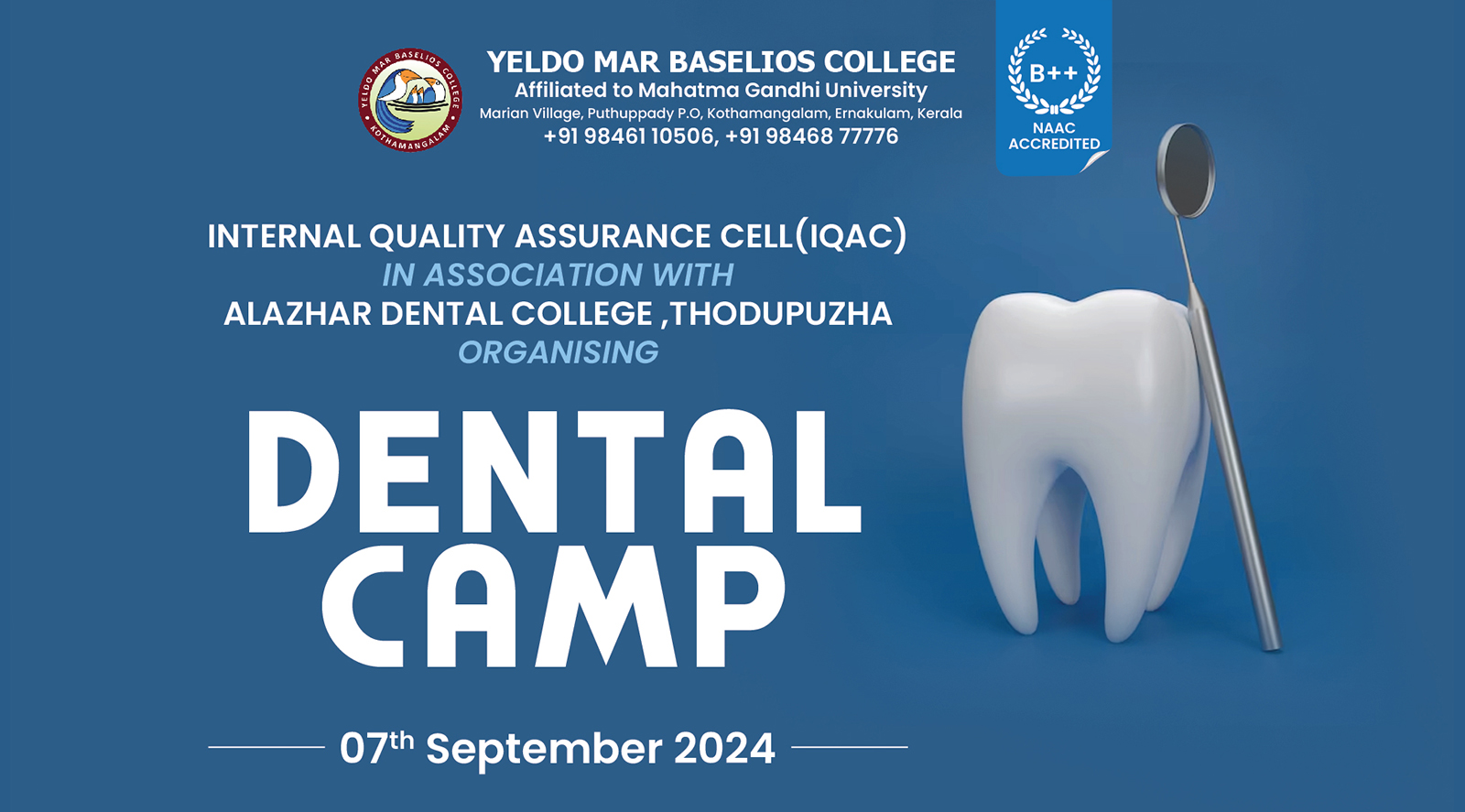
September 7, 2024

July 10 to July 12, 2024

June 26, 2024

June 19, 2024

June 14, 2024

March 13, 2024

March 13, 2024

March 11, 2024

March 6, 2024

March 4, 2024

February 23, 2024

February 22 to February 27, 2024
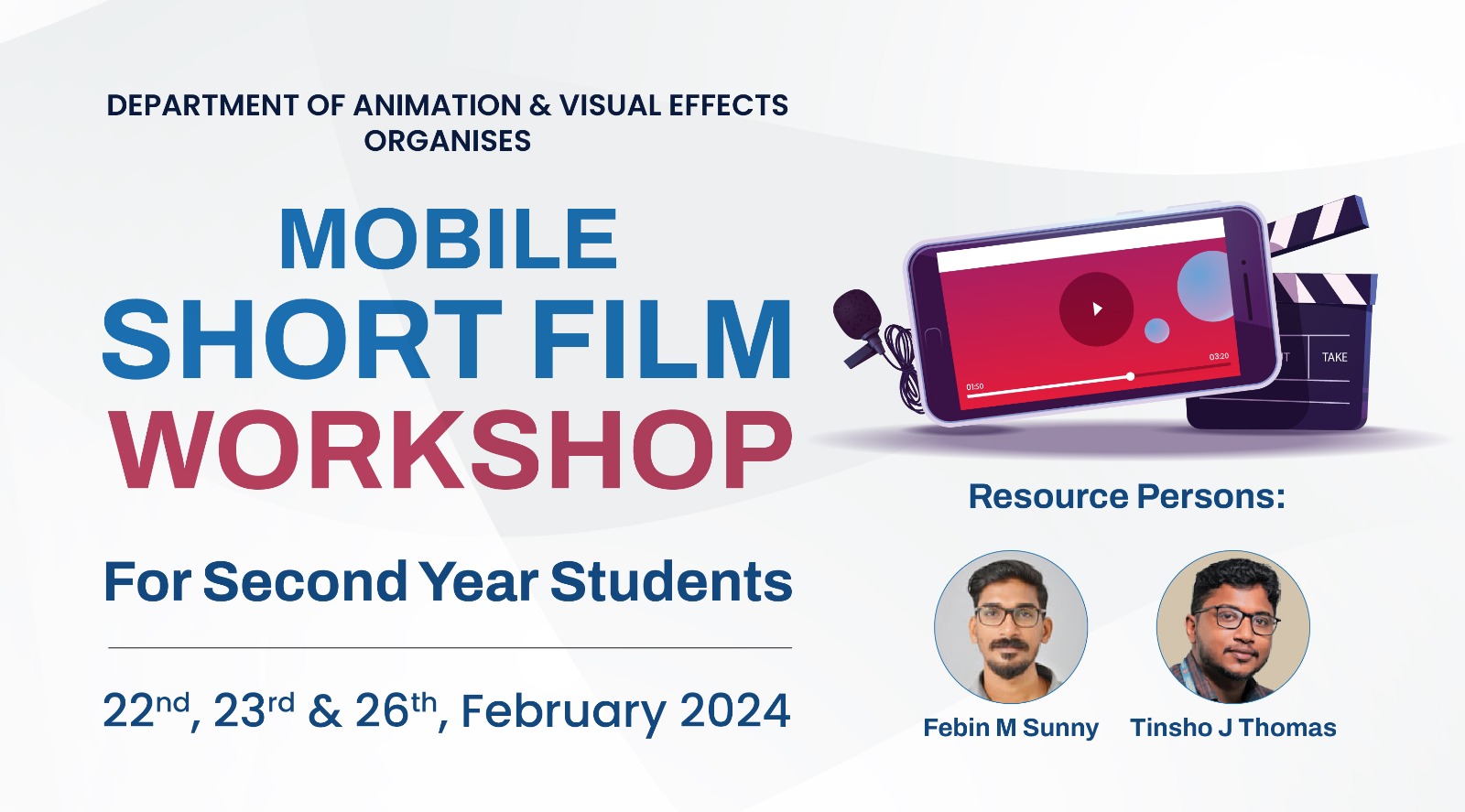
February 22 to February 26, 2024

April 27, 2023

July 29, 2022
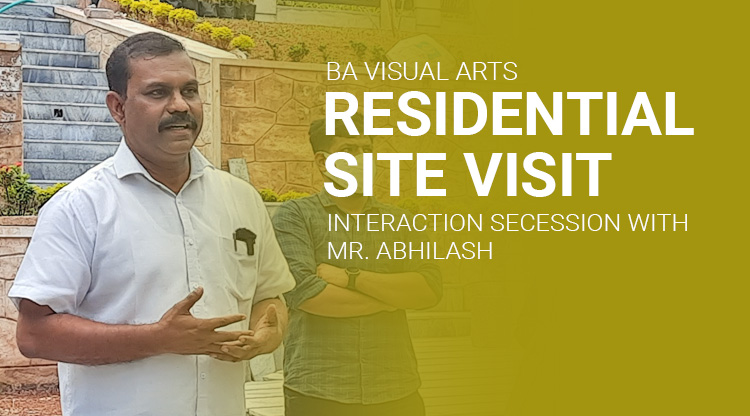
July 22, 2022
July 19, 2022

July 18, 2022

July 15, 2022

June 30, 2022

June 29, 2022

June 28, 2022

June 13, 2022

June 6, 2022

February 14, 2017